


 by
by 

The Battle of Elegance: Orchids vs. Lisianthus
When it comes to crafting the perfect cascading bridal bouquet, Orchids and Lisianthus are two standout contenders in the realm of elegant florals. Both offer unique characteristics that make them highly sought-after by brides aiming to achieve a luxurious, dreamy aesthetic for their special day. Cascading bouquets, often regarded as the pinnacle of bridal floral arrangements, have been making a major comeback in recent years due to their dramatic, flowing designs and ability to create a truly stunning centerpiece for a bridal ensemble.
Orchids, known for their exotic charm and sophisticated appearance, bring a sense of opulence to any bouquet. Their striking shapes and velvety texture exude refinement, making them a favorite for those who desire a more modern and luxurious vibe. On the other hand, Lisianthus, with its soft, delicate blooms and romantic feel, provides an understated elegance that appeals to brides seeking a classic and timeless look. Together, these flowers embody two distinct kinds of beauty, offering endless possibilities for customization and creativity.
Cascading bouquets are popular not only for their dramatic presentation but also for their versatility in complementing wedding themes, from vintage chic to contemporary glam. Orchids contribute to the striking, long, trailing lines of these bouquets, while Lisianthus adds a soft, natural fullness that enhances the overall design. Throughout this post, we’ll explore these flowers in greater detail, discussing their cost considerations, care requirements, symbolic meanings, and practical design applications to help you decide which is the better fit for your vision. Whether you lean toward bold extravagance or classic grace, Orchids and Lisianthus both bring an undeniable charm to cascading bridal bouquets.
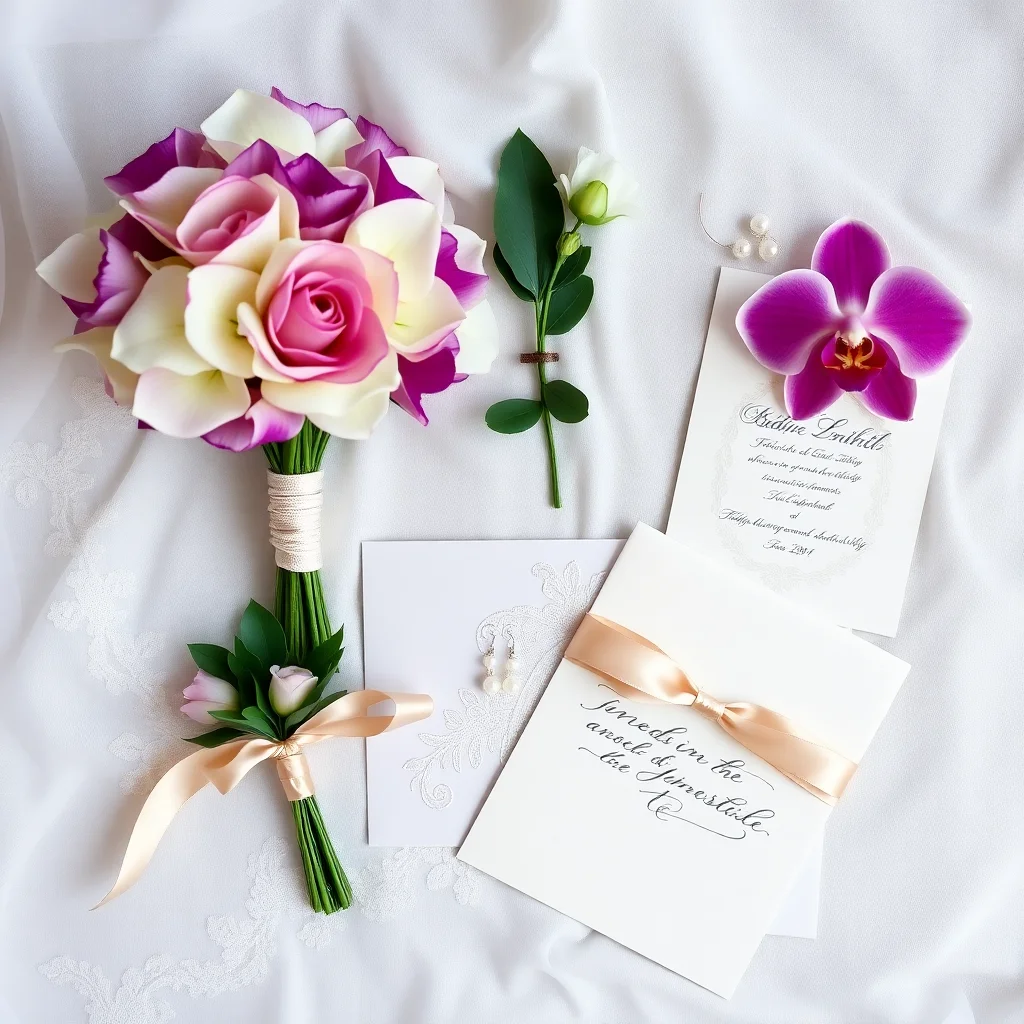
Part 1 – The Unique Beauty of Orchids
Orchids are one of the most sought-after flowers in wedding arrangements, known for their elegance, versatility, and timeless charm. Their striking appearance, combined with a variety of species to choose from, makes them a popular choice for cascading bridal bouquets. Below, we’ll explore some of the most popular orchid varieties used in weddings and why they’re an excellent choice.
Varieties Used in Weddings
- Phalaenopsis Orchids
Often referred to as “Moth Orchids,” these are a favorite for cascading bouquets due to their long, arching stems. Available in stunning color options such as white, pink, and purple, Phalaenopsis orchids exude grace and exotic beauty. Their distinctive shape and natural flow make them the perfect choice for brides seeking a dramatic, cascading effect.
- Dendrobium Orchids
Known for their slender, exotic appearance, Dendrobium orchids are often used to add volume and texture to arrangements. With their abundance of blooms per stem and striking variations in white, lavender, and green, they bring a vibrant touch to hand-tied bouquets or act as a dynamic complement in cascading designs.
- Cymbidium Orchids
Treasured for their luxurious appeal and durability, Cymbidium orchids are excellent for structured bouquets or boutonnieres. Available in a range of sophisticated colors, including white, yellow, and burgundy, these hardy blooms often serve as statement pieces, adding an element of richness to wedding arrangements.
Symbolism of Orchids
Orchids carry a deep symbolic meaning, making them an ideal choice for weddings. Across cultures, they represent love, beauty, luxury, and strength—qualities that perfectly align with the celebration of union and commitment. Orchids also symbolize refinement and elegance, lending an extra layer of significance to any wedding décor.
Why Orchids Work for Cascading Bouquets
One of the most compelling reasons to choose orchids for cascading bouquets is their natural design. Orchids, especially Phalaenopsis, have long, graceful stems that effortlessly drape and flow, creating a stunning waterfall effect. Their structural integrity ensures that they maintain their shape throughout the event, while their vibrant hues add depth and drama to the bouquet. Additionally, orchids pair beautifully with other flowers, enhancing their aesthetic appeal.
Best Wedding Themes for Orchids
Orchids seamlessly fit into a variety of wedding themes. For modern ceremonies, their sleek appearance complements minimalist design schemes. Tropical weddings benefit from the vibrant, exotic allure that orchids bring. High-end and luxury weddings often emphasize the sophisticated ambience that these blooms exude. For destination weddings, especially in warmer climates, orchids are an excellent choice, as they can withstand heat and humidity better than many other flowers.
📊 Chart: Key Characteristics of Wedding Orchids
| Orchid Type | Color Variations | Best for Bouquets | Special Features |
| Phalaenopsis | White, pink, purple | Cascading Bouquets | Elegant, long-lasting, exotic |
| Dendrobium | White, lavender, green | Hand-tied Bouquets | Adds volume and texture |
| Cymbidium | White, yellow, burgundy | Boutonnières & Bouquets | Durable, elegant, structured |
The versatility, symbolic meaning, and natural elegance of orchids solidify them as a premier choice for cascading bridal bouquets. Whether you’re drawn to the flowing grace of Phalaenopsis, the exotic flair of Dendrobium, or the hearty luxury of Cymbidium, orchids allow you to craft a timeless and unforgettable design for your wedding day.
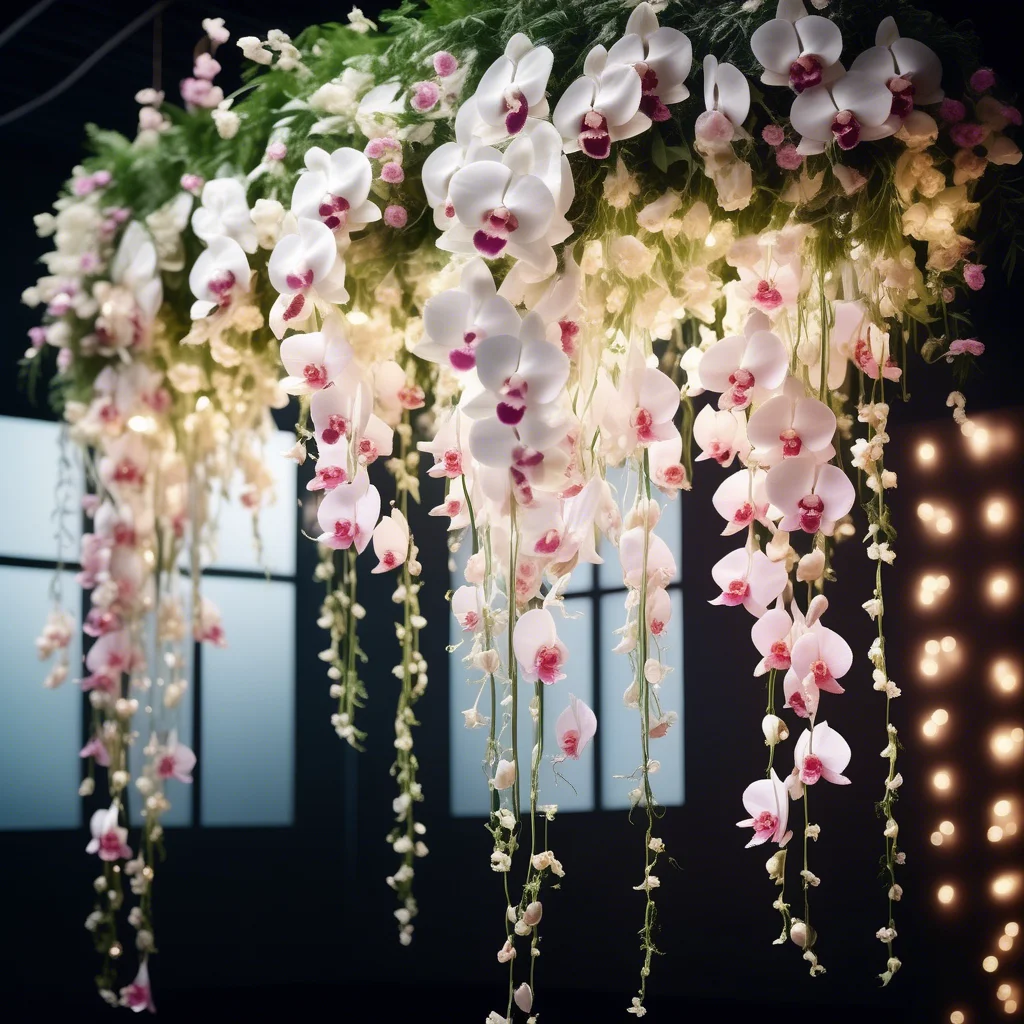
Part 2 – The Soft Elegance of Lisianthus
Lisianthus is a flower that radiates soft elegance, often admired for its delicate appearance and versatility in wedding arrangements. This bloom resembles a rose but carries a unique charm with its softer, more delicate petal structure. Lisianthus has become a cherished choice for cascading bouquets thanks to its flowy stems and layers of soft ruffles that add natural texture and movement.
Appearance & Texture
Lisianthus’s beauty is often likened to that of a rose, but its petals are thinner and more fragile, giving it an air of understated grace. The blooms come in various sizes, from smaller buds to larger, open flowers, allowing for layering and dimension in bouquet arrangements. This versatility makes it perfect for creating dynamic designs while maintaining a soft, romantic vibe.
Common Wedding Colors
Typically, Lisianthus is found in an elegant palette of colors that suit various wedding themes. Brides can choose from white, blush, lavender, and deeper hues like rich purple. There are even peach and yellow varieties for those seeking to incorporate warmer tones. This diverse range of colors makes Lisianthus adaptable, whether you’re planning a subtle and dreamy aesthetic or a bold and vibrant celebration.
Why Lisianthus Works for Cascading Bouquets
What sets Lisianthus apart for cascading bridal bouquets is its naturally flowy stems. These stems allow the flowers to drape beautifully, creating the signature waterfall effect that cascading bouquets are known for. Additionally, the soft ruffles of Lisianthus petals add depth and texture to bouquets, complementing both large statement flowers and smaller accent blooms.
Best Wedding Themes for Lisianthus
Lisianthus fits seamlessly into a variety of wedding styles thanks to its timeless elegance and natural charm. It’s an ideal choice for romantic, vintage, boho, and garden-style weddings. Whether paired with loose greenery for an organic look or combined with roses and ranunculus for a vintage-inspired arrangement, Lisianthus effortlessly elevates any design.
📊 Chart: Key Characteristics of Lisianthus
| Lisianthus Feature | Details |
| 🌸 Looks Like | A delicate, ruffled rose |
| 🎨 Colors Available | White, pink, purple, peach, yellow |
| 💐 Best Used For | Cascading bouquets, centerpiece arrangements |
| 🏡 Ideal Wedding Styles | Boho, vintage, romantic, garden |
| 🌿 Fragrance | Lightly scented |
Combining its soft texture, wide color range, and flowy stems, Lisianthus is a practical yet stunning bloom for cascading bridal bouquets. Its natural elegance ensures that it pairs beautifully with other flowers and greenery, while its light scent adds a subtle fragrance. For couples seeking a touch of delicate sophistication, Lisianthus is undoubtedly a perfect choice.
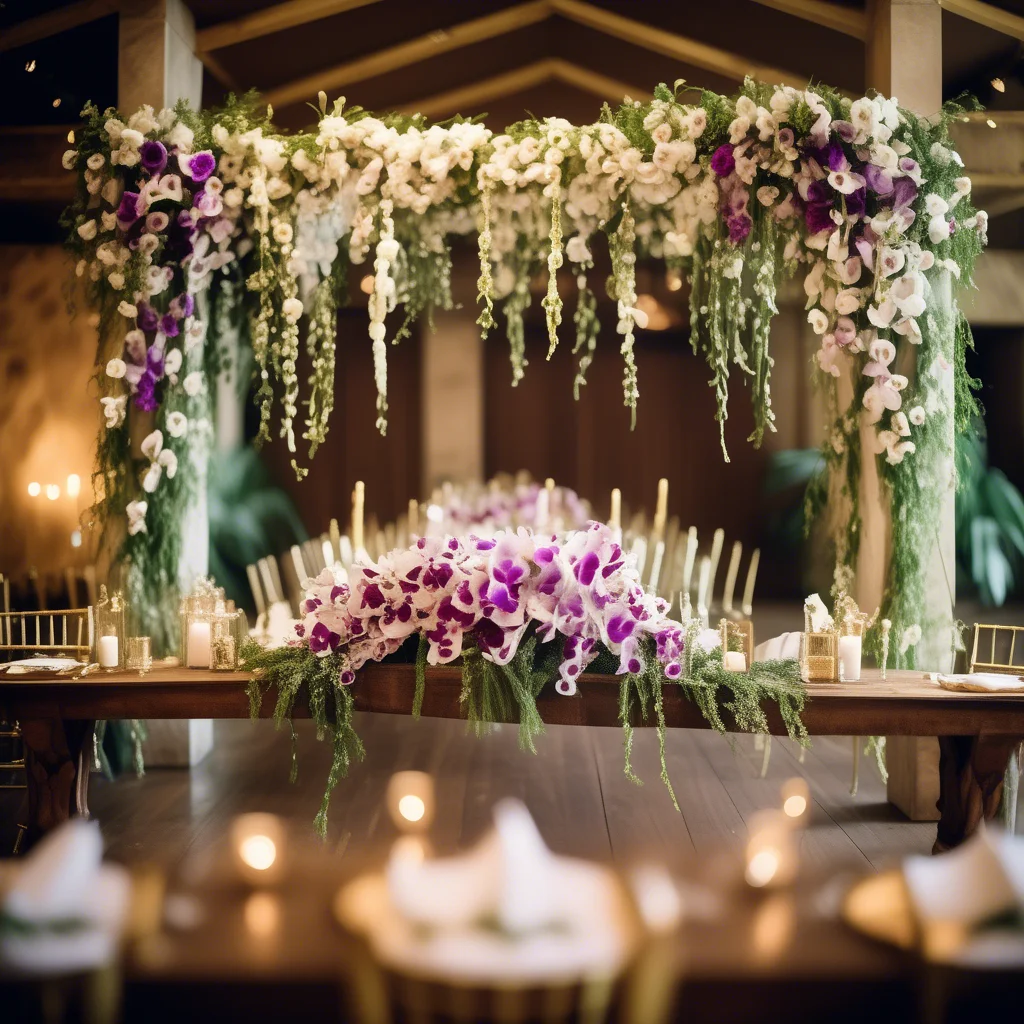
Part 3 – Cost Comparison: Orchids vs. Lisianthus
When planning floral arrangements, especially for weddings or large events, understanding the cost implications of different flower types is crucial. Orchids and Lisianthus are both popular choices that cater to varying styles and budgets, but they significantly differ in pricing and availability.
Orchids are often considered a premium option in the floral world. Their exotic look, intricate petals, and striking appearance come at a higher price point, with average costs ranging from $4 to $15 per stem. Despite the increased cost, orchids can make a big impact with just a few stems, as their dramatic appearance often requires fewer flowers to create a stunning arrangement. Additionally, orchids are available year-round, making them a reliable choice for those on tight timelines or planning events in less flower-friendly seasons.
On the other hand, Lisianthus offers a more budget-friendly alternative without compromising elegance. With an average cost of $2 to $5 per stem, Lisianthus can stretch the floral budget further, especially when purchasing in bulk. Its soft, romantic appearance lends itself beautifully to cascading bouquets and centerpiece arrangements. However, it is worth noting that Lisianthus has seasonal peaks, so availability may fluctuate depending on the time of year. When available, bulk purchasing of Lisianthus is advantageous for creating full, lush displays without exceeding budget constraints.
Below is a cost comparison chart summarizing key aspects of these two popular flower types:
| 📊 Cost Comparison Chart | Flower Type | Average Cost Per Stem | Availability | Bulk Pricing Advantage |
| Orchids | $4 – $15 | Year-round | More expensive, but fewer stems needed | |
| Lisianthus | $2 – $5 | Seasonal peaks | More affordable in bulk | |
Ultimately, the choice between Orchids and Lisianthus will depend on budget, event style, and seasonal considerations. Orchids are ideal for those seeking luxury and minimalistic designs, while Lisianthus caters to couples or planners aiming for romantic, abundant arrangements at a lower cost. Both flowers bring beauty and sophistication, ensuring that the final design aligns with the vision and resources of the event.
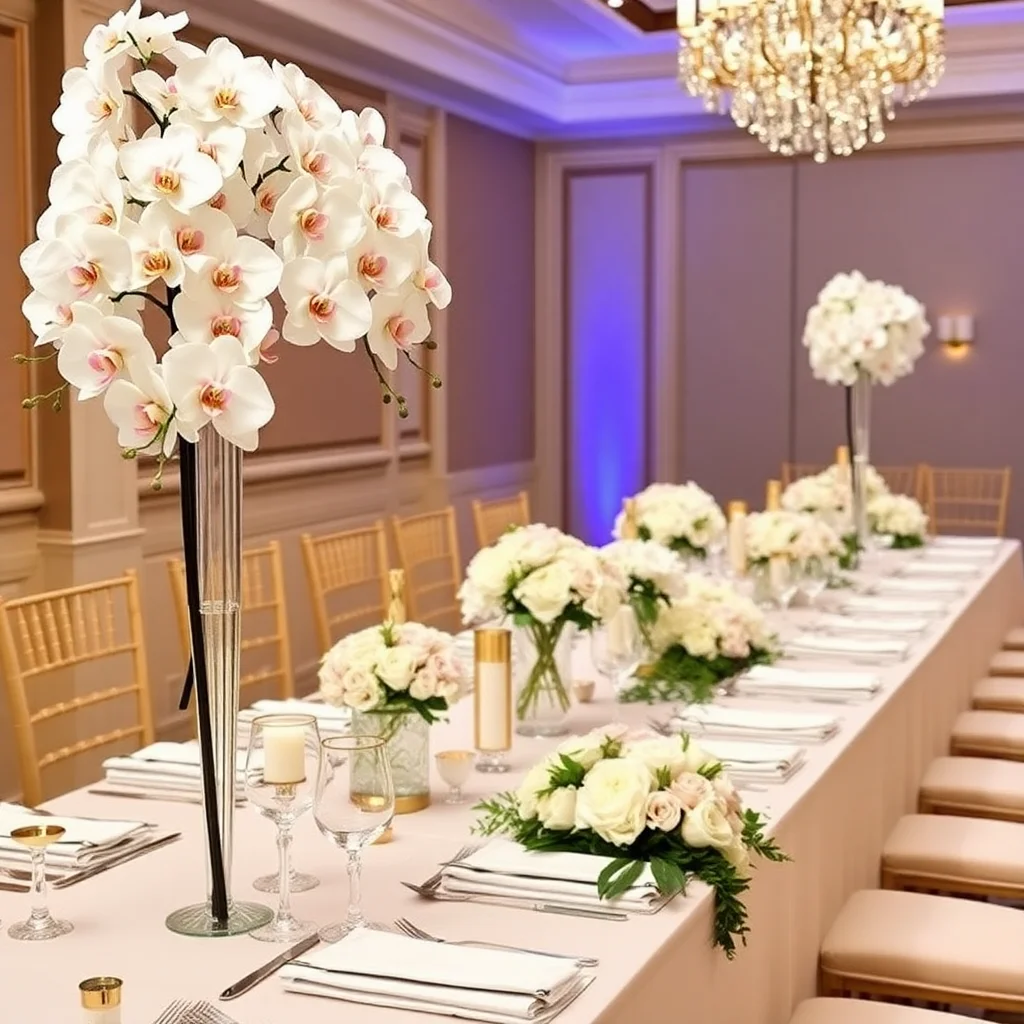
Part 4 – Care & Longevity: Which Lasts Longer?
When selecting flowers, considering their care requirements and longevity is essential, especially for events that span multiple days or are held in challenging environments. Orchids and Lisianthus differ significantly in their longevity and care needs, which can influence their suitability for specific occasions.
Orchids
Orchids are known for their remarkable vase life, lasting up to two weeks when properly hydrated and stored. However, these blooms are highly sensitive and require attentive maintenance. Their ideal storage temperature ranges between 55°F and 65°F, and they thrive in humid conditions. This makes them an excellent choice for venues with temperature control or warmer climates. Careful handling is crucial, as their delicate petals can bruise or tear under stress. While their high hydration needs and sensitivity to handling may demand extra effort, Orchids reward this attention with enduring elegance.
Lisianthus
Lisianthus, by contrast, remains fresh for about 7 to 10 days, making them slightly less long-lasting compared to Orchids. Despite this, they are generally more forgiving in terms of care and tolerate temperature fluctuations better. Lisianthus can thrive in cooler temperatures, ideally stored at 50°F to 60°F. Though they are less dependent on high humidity, sufficient hydration is still key to maintaining their pristine appearance. Their hardiness and moderate care needs make them a practical choice for outdoor weddings or events with less control over the environment.
Which Flower is Better for Outdoor Weddings?
For outdoor weddings, the choice between Orchids and Lisianthus depends on the climate of the location. Orchids perform exceptionally well in warmer, humid environments, where their natural preferences align with the setting. Conversely, Lisianthus is more adaptable to cooler outdoor weddings and fluctuating conditions, making them a more versatile option in unpredictable climates.
📊 Care & Longevity Comparison
| Feature | Orchids | Lisianthus |
| Vase Life | 10-14 days | 7-10 days |
| Hydration Needs | High | Moderate |
| Sensitivity to Heat | Handles well | Can wilt faster |
| Ideal Storage Temp | 55-65°F | 50-60°F |
Ultimately, selecting the right flower depends on the event’s specific requirements and environmental factors. Orchids provide unmatched longevity and refinement for controlled environments, while Lisianthus offers adaptability and charm for less predictable settings.
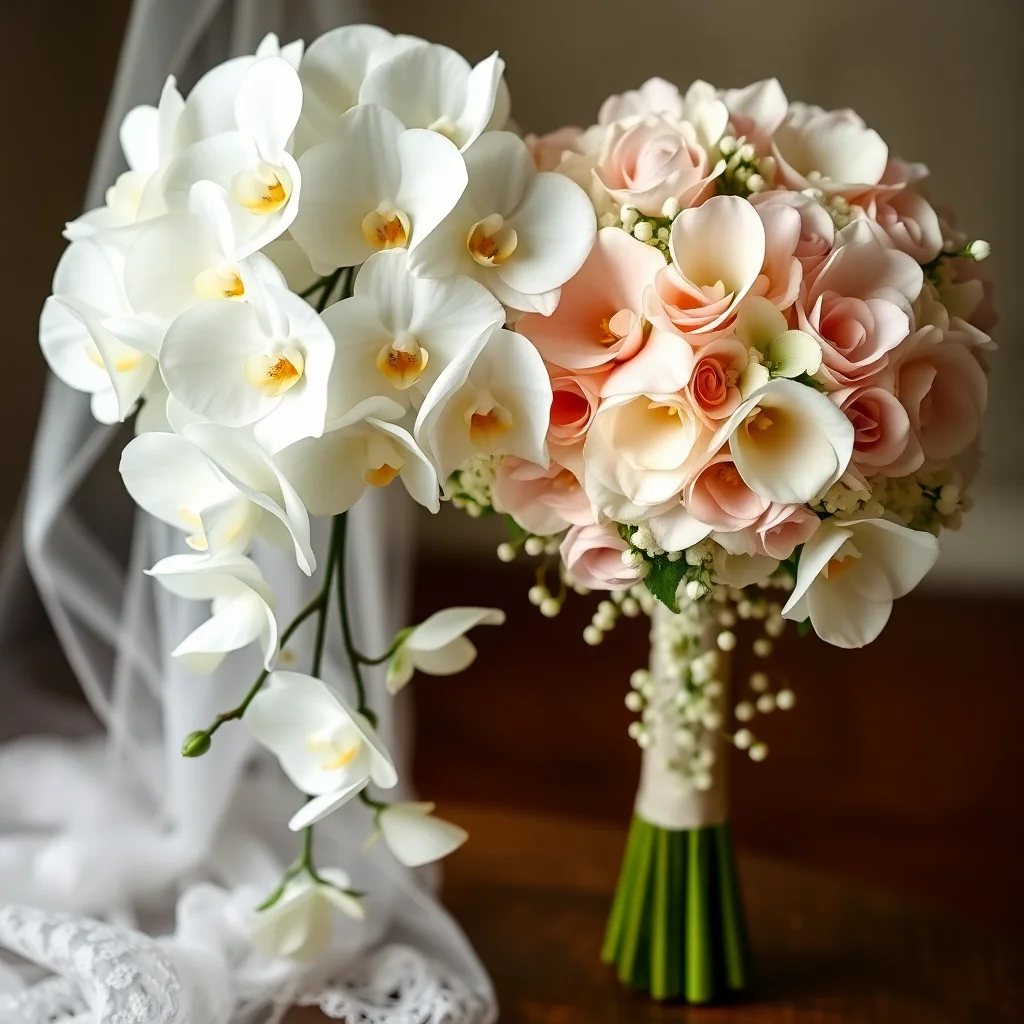
Part 5 – Best Floral Design Styles for Each
Orchid Cascading Bouquets
Orchids are renowned for their elegance and exotic beauty, making them perfect for creating modern cascading bouquets. Their streamlined form and vibrant hues combine wonderfully with roses, greenery, and calla lilies, resulting in a sophisticated and contemporary arrangement. White orchids, in particular, pair well with lush green foliage for a clean and timeless aesthetic, while colorful orchid varieties can add a bold statement to the design. These bouquets are ideal for weddings or upscale events that require a touch of refinement and luxury. Orchids’ long-lasting nature ensures the bouquet maintains its allure throughout the occasion.
Lisianthus Cascading Bouquets
Lisianthus, on the other hand, lends itself perfectly to romantic and whimsical cascading bouquets. When paired with delicate peonies, eucalyptus leaves, and soft wildflowers, it creates a dreamy and enchanting arrangement. The intricate petal structure of the lisianthus adds depth and texture, complementing its gentle colors like white, pink, or lavender. Such bouquets work beautifully for garden weddings, rustic celebrations, or occasions that aim to evoke softness and natural charm. While lisianthus may have a shorter vase life compared to orchids, their delicate beauty makes them an unforgettable choice for special events.
Which Flower Mixes Better with Others?
When considering which flower better complements mixed arrangements, each has its strengths. Orchids, with their striking appearance, often serve as the centerpiece of arrangements. Their unique shape and boldness make them stand out and attract the eye immediately, but this dominance can sometimes limit blending with other flowers. Orchids excel in minimalist designs or as the focal point of their ensemble.
On the other hand, lisianthus easily blends with a variety of other blooms, thanks to its soft texture and subtle charm. It works wonderfully in mixed arrangements, providing balance and harmony alongside other flowers such as roses, daisies, or hydrangeas. Lisianthus enhances the bouquet’s overall cohesion and adds a romantic flair, making it incredibly versatile for diverse floral themes.
Ultimately, the choice between orchids and lisianthus depends on the desired style and event ambiance. Orchids heighten modern elegance with their refined individuality, while lisianthus contributes to warm and harmonious designs with its adaptability and grace.
Part 6 – Choosing the Best Flower for Your Wedding Style
Selecting the perfect flowers for your wedding is an important decision that sets the tone for your celebration. When narrowing down your options, orchids and lisianthus stand out as top contenders, each offering unique advantages to suit different wedding styles and preferences.
If you envision a wedding full of luxury, sophistication, and drama, orchids are the quintessential choice. Their exotic beauty and elegant structure make them an ideal option for modern or formal weddings. Orchids are especially impactful in grandeur-themed weddings where visual interest and opulence are key. Popular varieties include Phalaenopsis and Dendrobium orchids, which can be used in cascading bouquets, elaborate centerpieces, or floral installations. While orchids may be on the pricier side, they exude timeless glamour, transforming any venue into a luxurious space.
On the other hand, lisianthus is perfect for brides seeking an air of romantic softness without exceeding their budget. These delicate flowers are cherished for their organic charm and versatility, fitting effortlessly into rustic, vintage, or garden-style themes. Available in various subtle hues like blush pink, white, or lavender, lisianthus brings an understated elegance that complements any setting. Additionally, its cost-effectiveness compared to orchids makes it a fantastic option for brides balancing style with affordability. From loose, whimsical arrangements to polished bouquets, lisianthus offers endless possibilities without compromising beauty.
When making your final decision, consider practical factors such as season, budget, and aesthetic preferences. Orchids are typically available year-round, making them a dependable option regardless of your wedding date. However, they may carry higher costs during off-peak seasons. Lisianthus tends to be more seasonally influenced, with better availability and pricing during warmer months. If budget constraints are a concern, lisianthus offers stunning results at a fraction of the cost.
Ultimately, the choice between orchids and lisianthus depends on your vision for the big day. Brides gravitating towards elegance and drama can rely on orchids to create a lasting impression. Meanwhile, those favoring intimate, romantic vibes will find lisianthus aligns perfectly with their style. Whether you opt for the grandeur of orchids or the charm of lisianthus, both can beautifully capture the essence of your love story while enhancing the ambiance of your special day.
Conclusion & Final Thoughts
When choosing between orchids and lisianthus for your wedding, it ultimately comes down to the style, theme, and budget of your special day. Orchids stand out with their distinctive elegance, exotic appearance, and bold statement, making them ideal for luxurious and dramatic celebrations. On the other hand, lisianthus offers soft, romantic charm with its delicate petals and understated beauty, perfect for creating intimate and whimsical settings.
Beyond style, cost plays a significant role in the decision-making process. Orchids, while undeniably magnificent, can be a pricier investment, fit for weddings where opulence is key. Lisianthus, with its affordability and versatility, allows couples to design captivating floral arrangements without exceeding their budget, making it a favorite for rustic or minimalist themes.
No matter what floral choice resonates with you, ensure it aligns with your vision and enhances the mood of your wedding. To make your planning easier, consider ordering bulk orchids or lisianthus from Whole Blossoms. Their premium-quality blooms will inspire breathtaking bouquets, stunning centerpieces, and unforgettable arrangements. Start crafting the floral story of your wedding today and turn your dream celebration into a reality with Whole Blossoms!
Q&A for “Orchids vs. Lisianthus – The Best Elegant Flower for Cascading Bridal Bouquets”
1️⃣ How can I enhance the fragrance of my wedding bouquets with Orchids or Lisianthus?
💬 Answer: While Orchids are not known for a strong fragrance, their elegant look compensates for the lack of scent. On the other hand, some varieties of Lisianthus, such as double-flowered types, offer a subtle, sweet fragrance that adds a romantic ambiance. To amplify bouquet fragrance, consider pairing these flowers with aromatic blooms like gardenias or freesia.
2️⃣ Which flower works better in mixed arrangements, Orchids or Lisianthus?
💬 Answer: Both Orchids and Lisianthus harmonize beautifully in mixed arrangements. Orchids serve as striking centerpiece flowers due to their unique shapes, while Lisianthus fills the arrangement with soft, voluminous textures. Together, their complementary qualities can create breathtaking arrangements that combine structure with delicate charm.
3️⃣ Are Orchids or Lisianthus more environmentally sustainable?
💬 Answer: Orchids, especially tropical varieties, may have a higher environmental footprint due to their cultivation and transportation needs. Lisianthus, usually grown locally or in temperate climates, tends to be the more eco-friendly choice. If sustainability is important to you, inquire about the sourcing and growing practices of your chosen supplier.
4️⃣ What are the seasonal availabilities of Orchids and Lisianthus?
💬 Answer: Orchids are available year-round due to their thriving greenhouse cultivation. Lisianthus, however, is generally in season during late spring through early fall, though they can be sourced year-round depending on the supplier. Be sure to check availability with your floral vendor in advance for your wedding date.
5️⃣ Should I consider artificial Orchids or Lisianthus for cascading bouquets?
💬 Answer: Artificial flowers can be a practical alternative for their durability, reusability, and resistance to wilting. High-quality faux Orchids and Lisianthus can mimic the look of fresh blooms while eliminating concerns about care and weather conditions. However, fresh flowers offer unmatched authenticity, natural beauty, and a sensory experience.