


 by
by 
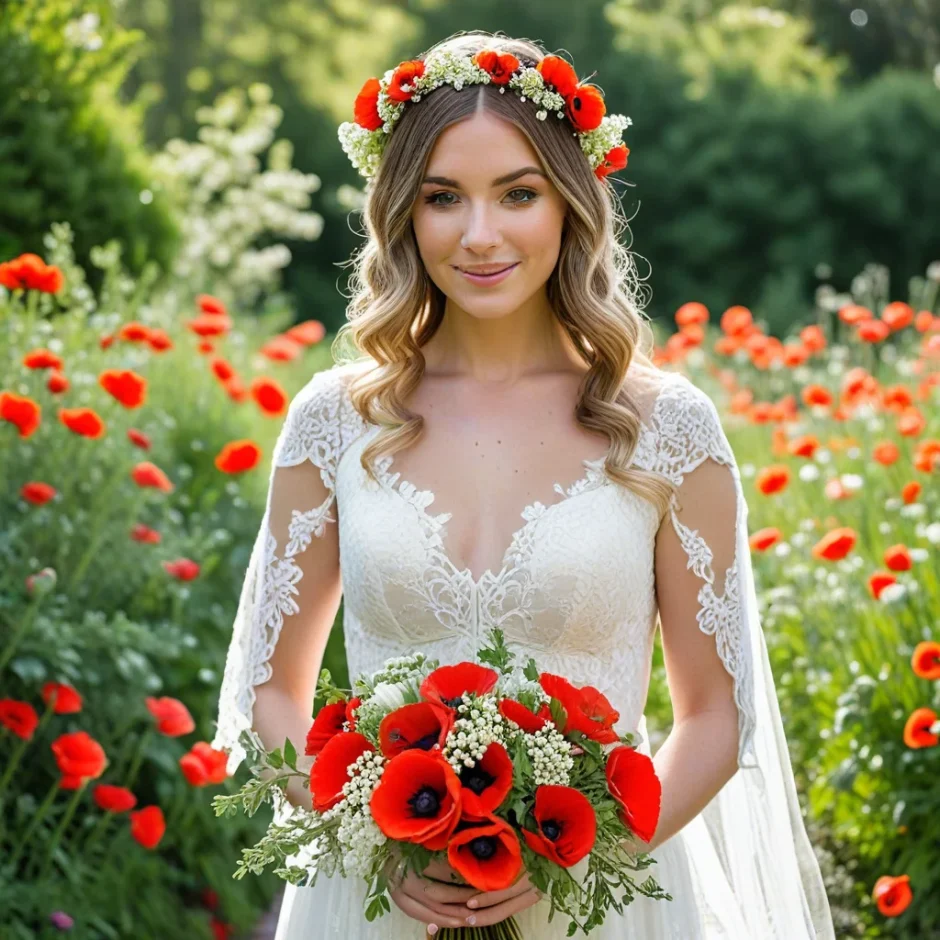
Introduction: Why Freshness Matters for Poppy Flowers
Poppy flowers are cherished for their striking beauty and rich symbolism, making them a popular choice for weddings and other special occasions. With their delicate petals and vibrant colors ranging from bold reds to soft pastels, poppies effortlessly add a touch of elegance and personality to any setting. These blooms are often associated with themes of remembrance, beauty, and new beginnings, which perfectly align with the sentiments of a wedding day. Their timeless appeal and natural grace make poppy flowers a favorite among brides and event planners alike.
The decision to include poppy flowers in a wedding arrangement is not solely about aesthetics. For many, these blooms carry a deeper significance, symbolizing love, hope, and the exciting new chapter of life that marriage represents. However, the delicate nature of poppies also means they require special attention and care to maintain their freshness and beauty ahead of the big day. When handled properly, these flowers can remain a stunning focal point throughout the ceremony and reception, creating lasting memories for the couple and their guests.
Ensuring the freshness of poppy flowers is not just about preserving their visual appeal—it’s also crucial for maintaining their symbolic value. Flowers that look vibrant and full of life can enhance the atmosphere and affirm the joyful emotions of the event. On the other hand, wilted or lackluster blooms may inadvertently distract from the positive energy of the occasion. Proper preparation and care, such as keeping poppies hydrated and protected from extreme temperatures, are essential steps to ensure they look their best when the moment arrives. By paying attention to these details, brides and planners can make poppy flowers a stunning and meaningful addition to any wedding celebration.

Part 1 – Understanding the Nature of Poppy Flowers
Poppy flowers, with their fragile structure and delicate petals, exude an unparalleled charm that instantly captures attention. Often associated with beauty and symbolism, these blooms stand out for their wispy stems and soft, paper-like petals, which seem to flutter with even the gentlest breeze. However, their delicate nature is both a blessing and a challenge, requiring thoughtful handling at every stage from harvesting to display.
One of the common challenges with poppy flowers is their tendency to wilt easily. Unlike sturdier blooms, poppies are highly sensitive to environmental conditions, particularly heat and humidity. Dehydration is a significant concern, as their fragile petals can quickly wilt and lose their vibrancy if not properly hydrated. Petal drop is another common issue, with the loosely attached petals falling away prematurely if the stems are not adequately supported or the blooms are handled roughly. Additionally, poppies are known for their short vase life, making them less reliable for long-term arrangements compared to hardier flowers. Without proper care, their beauty can fade within a day or two, making timing critical for incorporating them into events.
Poppy flowers differ significantly from other popular blooms like roses, tulips, or lilies in several key ways. Roses, for instance, are favored for their durability and extended vase life, which often lasts more than a week with proper care. Tulips, while also tender, have a somewhat longer vase life and exhibit a unique characteristic of continuing to grow even after being cut. Lilies, on the other hand, are known for their robust nature and bold blooms that can thrive for days in various conditions. Poppy flowers lack this inherent resilience, requiring meticulous attention to detail and the right conditions to maintain their delicate splendor.
Despite their challenges, poppies offer a unique aesthetic and ethereal beauty that rivals more robust blooms. Their fleeting nature can be seen as part of their charm, reminding us of the importance of savoring beauty in its most fragile forms. With a precise approach to care and handling, poppies can bring a special touch of elegance to any floral arrangement or celebration.

Part 2 – Harvesting and Preparing Poppy Flowers
Harvesting poppy flowers at the right stage is crucial to preserving their beauty and extending their vase life. The ideal time to cut poppies is when the flowers are in the “closed bud” stage, just before they begin unfurling. At this point, you can see a hint of the petal color through the tightly closed sepals, indicating that the flower is almost ready to bloom. Harvesting in this stage ensures that the poppies will open fully under optimal conditions rather than prematurely or during transit.
After cutting, it is essential to clean the stems by removing any extra foliage. Leaves below the waterline can quickly deteriorate and encourage bacterial growth, leading to shortened flower life and cloudy water. Stripping these lower leaves not only keeps the arrangement looking tidy but also helps keep the water fresh and reduces the need for frequent changes. For poppies specifically, take care to handle their stems gently, as they can be sensitive and prone to breaking if mishandled.
Hydration should begin immediately after harvest to prevent the flowers from wilting. Once the stems are cut, place them in fresh, room-temperature water right away. Some florists recommend lightly searing the ends of poppy stems with a flame for a few seconds before placing them in water. This step can help seal the stems and improve water uptake, making the blooms last longer. Make sure the water container is thoroughly cleaned to eliminate any risk of bacteria buildup.
For florists and DIY brides incorporating poppies into their arrangements, there are a few key tips to keep in mind. First, handle the flowers as minimally as possible to avoid damaging their tender petals. When transporting arrangements, ensure the blooms are supported to prevent them from being crushed or bent. Additionally, mist the flowers gently to keep petals hydrated, especially if they will be displayed in warm or dry environments. Finally, poppies pair beautifully with a variety of other flowers, so don’t hesitate to mix them with hardier blooms to create dynamic and robust arrangements.
By following these practices, you can ensure that poppies stay vibrant and charming from the moment they are harvested to when they grace your table or event. Proper preparation and care will highlight their ephemeral beauty, making them a stunning addition to any floral work.

Part 3 – Water and Hydration Tips for Poppy Flowers
Ensuring proper hydration is essential to keep poppy flowers looking fresh and radiant for as long as possible. Attention to water temperature, flower food, and regular maintenance can significantly prolong their vase life.
Best Water Temperature and Flower Food
Poppies thrive best in lukewarm water, as it encourages quicker absorption compared to cold water. Water that is too hot, however, can shock the delicate flowers, so it’s important to keep it around room temperature. Adding a high-quality flower food to the water is equally important, as it provides essential nutrients that help sustain the blooms and delay natural wilting. Flower food also helps to balance the water’s pH, allowing the stems to take up moisture more efficiently.
Stem Cutting Methods
One key technique for maximizing hydration is to cut the stems at an angle. Using clean, sharp scissors or a knife, cut each stem at a 45-degree angle underwater before placing it in the vase. This method increases the surface area for water absorption and prevents air bubbles from obstructing the stems. For poppies specifically, you might also consider lightly searing the cut ends with a flame before submerging them in water, which can help seal the stem and maintain hydration over time.
How Often to Change the Water
Changing the water frequently is crucial to ensuring that bacteria growth doesn’t shorten the life of poppy flowers. Ideally, you should replace the water every day or every other day. Each time you change the water, be sure to rinse the vase thoroughly to remove any residue or bacteria that may have built up. Regular water changes also keep the flowers hydrated with clean, nutrient-rich water.
Avoiding Bacteria Growth in Vases
To further combat bacteria growth, clean the vase before you arrange the poppies using warm, soapy water and a small brush to reach all nooks and crannies. Adding a few drops of bleach or a teaspoon of vinegar to the vase water can also inhibit bacterial growth, though this should be done sparingly to avoid overwhelming the flowers. Always remove any wilted stems or decaying foliage, as they can contaminate the water and accelerate bacterial growth.
By following these hydration tips, you will ensure that your poppies remain fresh and beautiful for as long as possible, enabling you to fully enjoy their delicate charm in any arrangement.

Part 4 – Storage and Temperature Control
To prolong the life of your poppy flowers, proper storage and temperature control are key. Poppies are delicate blooms that thrive in cool, stable environments, so ensuring they are stored under the right conditions can make a significant difference in their longevity. Ideally, poppies should be kept in a cool room with temperatures ranging between 40°F and 50°F. These lower temperatures slow down the metabolic processes of the flowers, reducing their rate of wilting and allowing them to remain fresh for an extended period.
Refrigeration is an excellent method for preserving poppies, but it must be done with care. Before placing them in a refrigerator, ensure the blooms are free of any condensation or moisture that could lead to mold or decay. Store them in a clean vase with fresh water, ideally away from any produce. Many fruits and vegetables, such as apples and bananas, emit ethylene gas—a natural ripening agent—that can significantly shorten the lifespan of flowers. Only refrigerate poppies when necessary, such as overnight or if they will not be displayed for several hours. However, refrigeration should be avoided if the flowers are already fragile or nearing the end of their life, as the cold can sometimes stress delicate petals.
It is equally important to shield poppy flowers from environmental factors such as drafts, heat, and direct sunlight. Warm or breezy conditions can dehydrate and dry out the petals, quickly diminishing their appearance and structural integrity. Ensure the arrangements are placed in a location that is protected from these elements, and avoid positioning them near heating vents or open windows. Direct sunlight can also cause the vibrant colors of poppy petals to fade and hasten wilting, so a shaded or partially lit area is ideal for display.
When kept under proper cool conditions, cut poppies can last for 5 to 7 days, depending on their initial freshness and care. Regularly checking their stems, water levels, and environment will help you catch any early signs of deterioration. With these storage and temperature control tips, you can preserve their beauty and enjoy their vibrant presence for as long as possible. Whether adorning your home or a special event, properly cared-for poppies can leave a lasting impression.

Part 5 – Special Treatments and Preservation Tricks
When attempting to extend the vase life of poppy flowers, various special treatments and preservation methods can be employed. These range from using modern flower care products to exploring natural remedies and professional florist techniques. Understanding what truly works can make a significant difference in ensuring your poppies remain fresh and vibrant for longer.
Flower sealants and sprays are popular among those seeking to preserve the beauty of poppies. These products create a protective barrier over the petals, reducing moisture loss and slowing wilting. Similarly, hydration solutions—often available from floral supply stores—can be added to the water in your vase. These solutions contain a mix of nutrients and antibacterial agents to maintain water cleanliness and provide the flowers with the energy they need to thrive.
One longstanding debate in flower care involves the myth of flame-sealing poppy stems. Some people believe lightly scorching the cut ends of poppy stems helps to seal in moisture and prevent sap leakage, thereby extending their life. However, scientific evidence supporting this practice is sparse, and improper execution can damage the stems, causing more harm than good. While some swear by this method, it is generally safer to ensure clean, diagonal cuts at the base of the stem to maximize water absorption.
Natural remedies like sugar, aspirin, or vinegar are often touted as effective ways to extend the life of vase flowers, including poppies. Adding a teaspoon of sugar to the vase water is thought to provide a simple source of energy for the flowers. Aspirin, crushed and dissolved in water, is believed to alter the pH of the water and improve its flow through the stems. Vinegar, too, is said to balance the water’s pH while inhibiting bacterial growth. However, these remedies typically lack consistent evidence when tested on poppies, and their effectiveness often varies depending on other factors such as water quality and environmental conditions.
Professional florists rely on proven methods to keep poppies looking their best. This includes using clean, sharp tools to trim stems, changing the vase water regularly, and keeping arrangements away from direct sunlight, heat, and drafts. Additionally, professionals often employ commercial flower food, precisely formulated to provide a balance of nutrients, pH stabilizers, and antibacterial agents tailored for cut flowers. Unlike home remedies, professional products and techniques are developed through extensive trial and testing, offering reliable results.
By combining modern products, careful handling, and an understanding of what works best for poppy care, you can make the most of their impressive elegance and enjoy their captivating beauty for as long as possible.

Part 6 – Transporting Poppy Flowers Before the Wedding
Transporting poppy flowers to a wedding venue requires extra care and attention to ensure they arrive in pristine condition. Due to their delicate nature, it’s essential to follow proper packing and boxing methods to prevent any damage during transit. When preparing poppies for transport, the primary goal is to protect the fragile petals from crushing or tearing while maintaining sufficient hydration for the stems.
Start by placing each flower stem in individual water tubes or hydration packs. These are specifically designed to keep the flowers hydrated while preventing water spills during movement. Ensure the water tubes fit securely against the stem and are properly capped to avoid leakage. This step helps maintain the flowers’ freshness and prevents premature wilting.
For packaging, use sturdy flower boxes lined with soft tissue paper or foam to cushion the blooms. Position the poppies with enough room to avoid overcrowding, as this minimizes the risk of petals being crushed or bending under pressure. If you’re using multiple layers within the box, place dividers or padding between each layer to provide additional protection. Secure the box to prevent movement during transport but ensure there is adequate ventilation so that the flowers remain fresh.
Transport vehicles also play a critical role in preserving poppy flowers. Florists often use climate-controlled vehicles to maintain a cool and stable environment, preventing temperature fluctuations that could harm the delicate petals. Cargo should be strapped down to avoid any sudden shifts during transit, keeping all arrangements intact.
For safe delivery to the venue, florists typically unload the arrangements as close to the destination site as possible and handle each box with care. The flowers are unpacked and checked upon arrival to promptly address any minor damage or adjustments needed. With these precautions, poppy flowers can be transported securely, allowing their captivating beauty to dazzle on the big day.
Part 7 – Styling and Last-Minute Care at the Venue
Once the poppy flowers arrive safely at the venue, proper styling and last-minute care are essential to ensure they look fresh and radiant throughout the event. One of the most critical steps in this process is re-cutting the stems before arranging the flowers. A fresh diagonal cut allows better water absorption, keeping the blooms hydrated and vibrant for longer. It’s best to use sharp floral shears or a clean knife, cutting at an angle slightly underwater if possible, to prevent air bubbles from blocking the stems’ ability to drink water.
If some blooms appear drooping upon arrival, there’s no need to panic. Submerging the stems in lukewarm water for about 30 minutes can often revive them quickly. Additionally, misting the petals lightly with water or placing the flowers in a cool, shaded area can help reinvigorate their natural charm. For severely wilting poppies, giving them extra support by wiring the stems or wrapping them gently with floral tape may also help.
When designing bouquets, centerpieces, or arches, balance and structure play essential roles. Start by securing a sturdy base using greenery or hardy flowers to provide support for the delicate poppy blooms. Poppies pair beautifully with sturdier flowers like roses, hydrangeas, or ranunculus, which not only complement their whimsical appearance but reinforce the arrangement. Using floral foam or a well-weighted vase for centerpieces ensures the stems remain stable and hydrated throughout the event.
For bouquets, integrate poppies as accent flowers, allowing their unique form and hues to shine without overwhelming the overall design. Ensure the stems are wrapped snugly with ribbon or tape to provide extra support during handling. Similarly, when styling arches or large installations, secure the blooms and foliage with floral tape or wire to create a cohesive, balanced look. With thoughtful care and a creative touch, poppy flowers can elevate any venue’s décor, creating breathtaking arrangements that perfectly capture the celebration’s mood.
Part 8 – Common Mistakes to Avoid
When working with poppy flowers, certain mistakes can compromise their beauty and longevity. One of the most common errors is leaving poppy flowers without water for an extended period of time. These delicate blooms are highly susceptible to wilting and require proper hydration to stay vibrant. Always keep their stems submerged in water during preparation and transport to maintain their freshness.
Using dirty containers is another frequent mistake to avoid. Dirty vases or buckets can harbor bacteria that quickly diminish the lifespan of poppy flowers. Always clean and sanitize containers thoroughly before placing the flowers in them. This simple step ensures the blooms stay healthy and prevents premature decay.
Additionally, exposing poppy flowers to heat or direct sunlight can cause them to deteriorate rapidly. These flowers thrive in cooler environments, so keeping them away from windows, heating vents, or outdoor areas with intense sunlight is essential. Proper temperature control will help prolong their beauty throughout the event or display.
Lastly, handling poppy petals too often is a key error to steer clear of. The petals are delicate and prone to bruising or tearing when touched excessively. Always handle poppies with care, touching only the stems or leaves when necessary. This ensures the flowers remain pristine and visually appealing. By avoiding these common mistakes, you can preserve the elegance and charm of poppy flowers and make the most of their stunning impact in any arrangement.

Conclusion: Making Poppy Flowers Shine on the Big Day
Poppy flowers, with their delicate petals and striking hues, can truly transform any wedding or special event into a visual masterpiece. To ensure they make the desired impact, it’s crucial to handle them with care and follow key guidelines. Remember to prepare your poppies properly by storing them in cool, optimal conditions and hydrating them sufficiently before use. Avoid pairing them with incompatible flowers or overhandling their fragile petals, as this can diminish their natural allure. These simple but essential steps will help preserve their pristine beauty throughout the celebration.
While poppies may require a bit of extra care compared to more durable blooms, their unique charm and eye-catching presence make them a worthy choice for brides and florists alike. Their vibrant colors and delicate structure epitomize elegance and romance, adding an unforgettable touch to any floral arrangement or bouquet.
With thoughtful preparation and attention to detail, poppies can shine as the focal point of your big day, making the effort worthwhile. For brides envisioning a stunning display of natural beauty and florists eager to craft memorable arrangements, poppies are a perfect choice. Take the time to nurture these exquisite flowers, and they will reward you with unmatched elegance and timeless appeal.