


 by
by 

Introduction: Why Aspidistra is a Floral Power Player
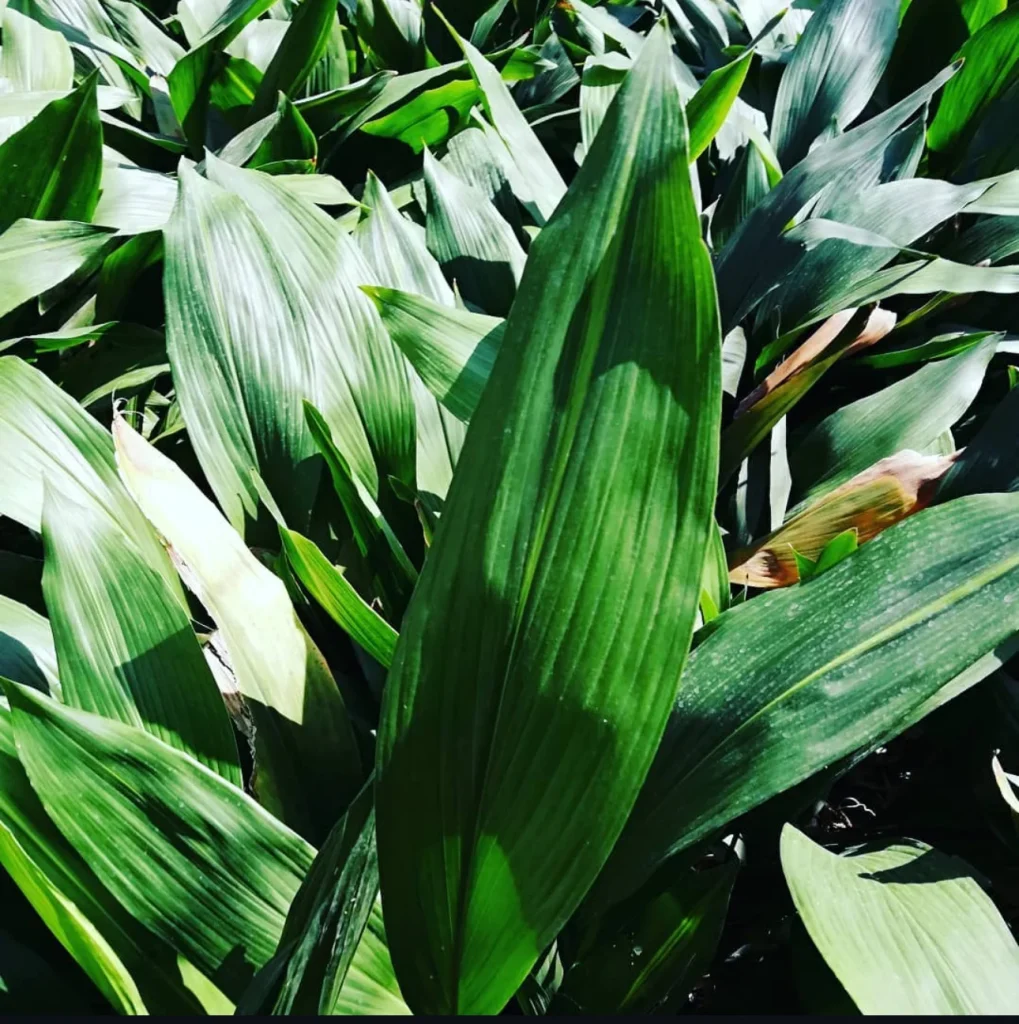
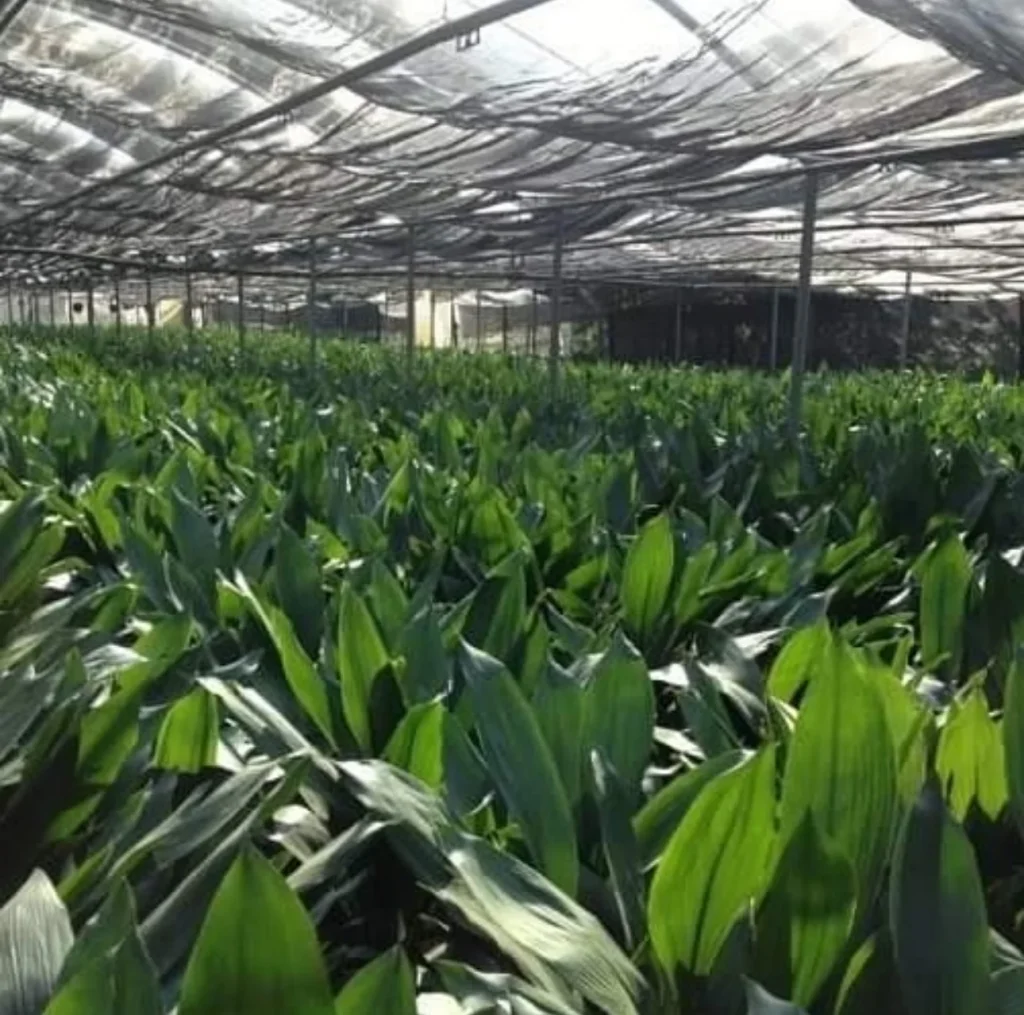
The Aspidistra, commonly known as the Cast Iron Plant, has long been celebrated for its resilience, versatility, and aesthetic charm. Known for thriving in conditions where most plants falter, this robust foliage brings bold textures and deep green tones that make it a standout in floral arrangements. Its ability to remain vibrant for extended periods, even in less-than-ideal environments, has earned it a reputation as a go-to choice for both beginner and professional florists.
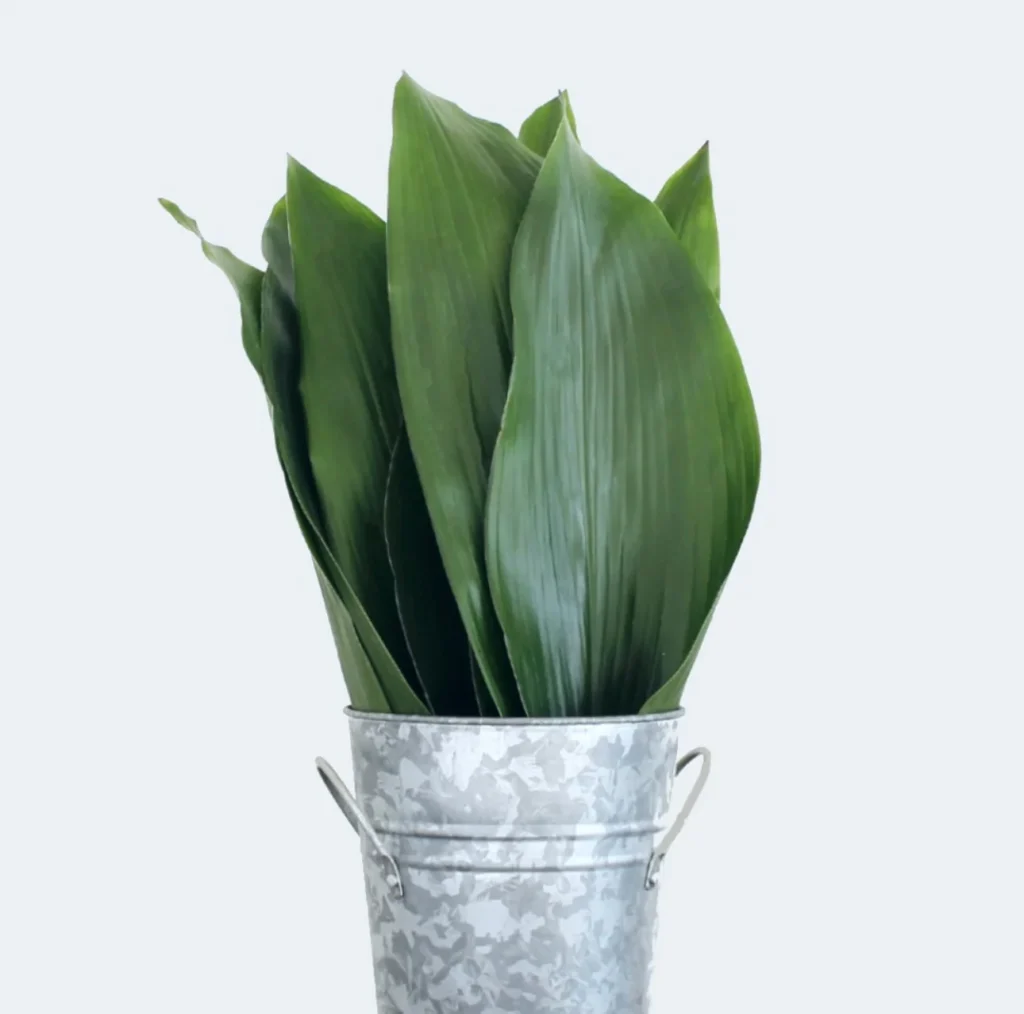
What makes Aspidistra truly special is its structural properties. Its broad, glossy leaves provide a stunning backdrop that enhances and frames other blooms, while their pliability makes them ideal for folding, shaping, and other creative floral techniques. Thanks to its durability, it retains its fresh appearance for days—sometimes weeks—making it a practical and reliable component in bouquets and event displays. Unlike more delicate foliage, Aspidistra stands up to manipulation and transport, holding its form and color with remarkable ease.
Florists particularly love Aspidistra as it complements a wide range of flower types with elegance and grace. This unassuming yet show-stopping leaf elevates everything from classic roses to exotic orchids and vibrant tropical blooms. Its lush green tone creates contrast and balance, underscoring the vibrancy of colorful petals or adding a sleek touch to monochromatic designs. Stay tuned as we explore how Aspidistra transforms arrangements featuring timeless roses, eye-catching orchids, and bold tropical flowers into works of art.
Part 1 – The Role of Greenery in Modern Floral Arrangements
Greenery plays a pivotal role in modern floral arrangements, adding depth, structure, and a sense of harmony to any bouquet. The design philosophy of contrast, texture, and balance emerges as a key principle in creating visually captivating compositions. Greenery, such as Aspidistra leaves, complements the vivid hues of flowers while preventing arrangements from appearing overly saturated or chaotic. The interplay between lush foliage and vibrant petals creates a dynamic visual contrast that draws the eye and enhances the beauty of every bloom.
Texture is another essential element in floral design. Greenery introduces a variety of surfaces—whether smooth, veined, or glossy—that enrich the tactile and visual appeal of arrangements. This diversity in texture prevents bouquets from feeling monotonous, instead imbuing them with a sense of movement and dimension. Aspidistra, with its broad, bold leaves and clean lines, offers a striking yet understated texture that pairs seamlessly with both soft, delicate flowers and more robust, dramatic blooms.
Beyond aesthetics, greenery provides necessary visual structure and support. The foliage acts as a foundation that holds the arrangement together, ensuring balance and cohesion. Aspidistra excels in this role, fitting effortlessly into minimalist designs where its sleek look can stand alone or abundant creations where it layers beautifully with other greens. Whether as a framing element or a centerpiece accent, Aspidistra brings a timeless elegance that elevates modern floral arrangements, uniting flowers and foliage into cohesive works of art.
Part 2 – Aspidistra + Roses: Elegance Meets Sophistication
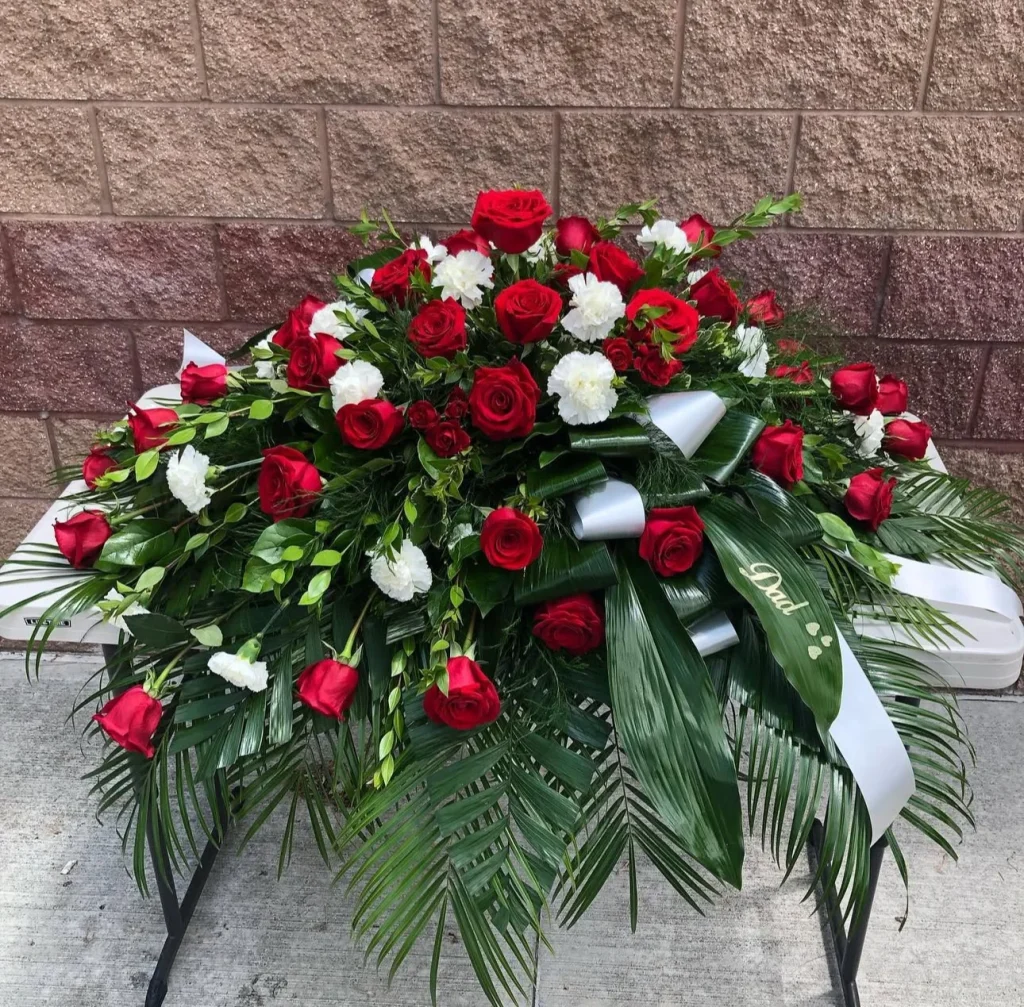
The art of combining Aspidistra leaves with roses creates a harmonious balance of texture and color that epitomizes timeless elegance. Aspidistra’s glossy surface acts as the perfect complement to the velvety softness of rose petals, enhancing their natural beauty in a striking yet understated way. This marriage of textures provides a seamless blend of luxury, ensuring that floral arrangements feel polished and refined.
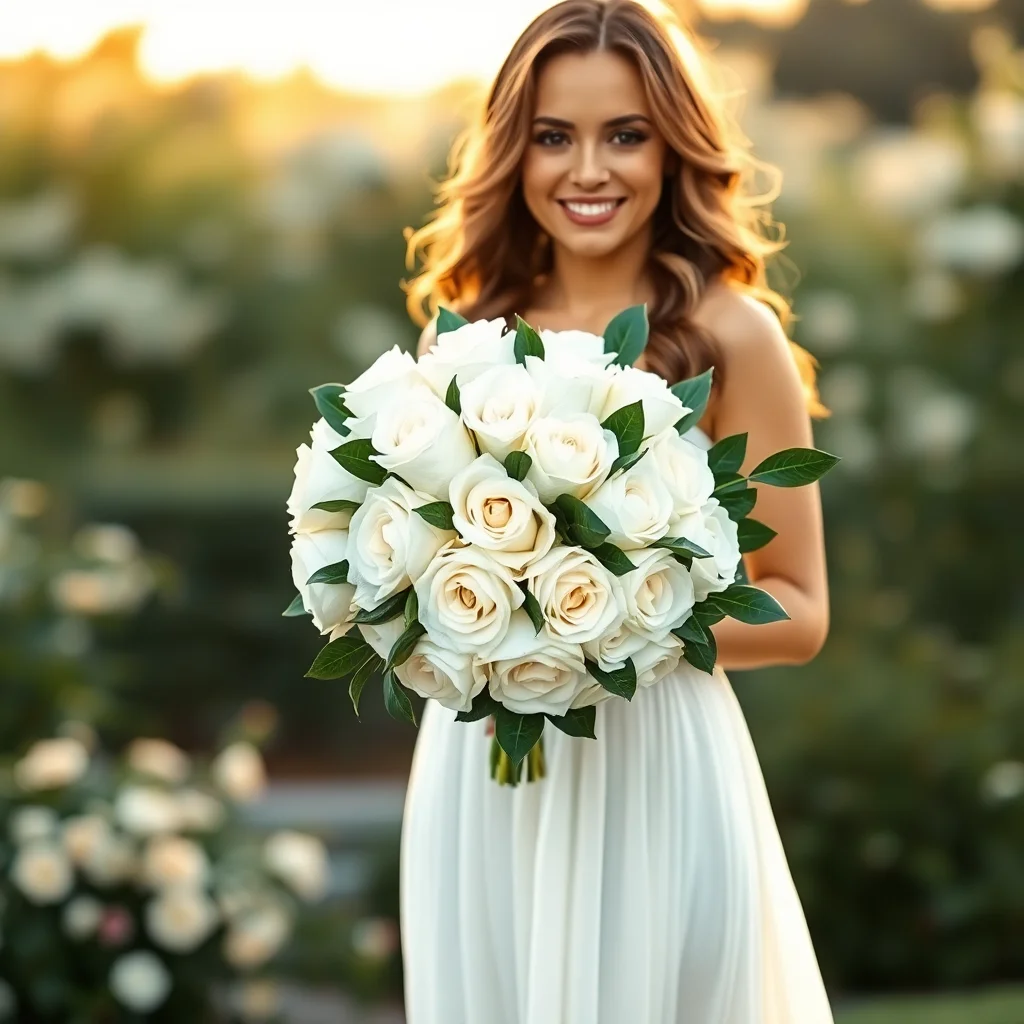
When it comes to pairing rose colors with the rich green of Aspidistra, the possibilities are endless, yet some palettes stand out as especially stunning. Red roses against Aspidistra leaves exude a sense of bold sophistication, the deep shades of red contrasting beautifully with the leaf’s glossy green. White roses evoke purity and simplicity, softening the vivid greenery with their timeless charm. A softer blush palette often paired with the pastel appeal of garden roses introduces a romantic and whimsical vibe. Each combination brings out unique attributes in both the roses and Aspidistra, allowing for creative expression adaptable to different settings and preferences.
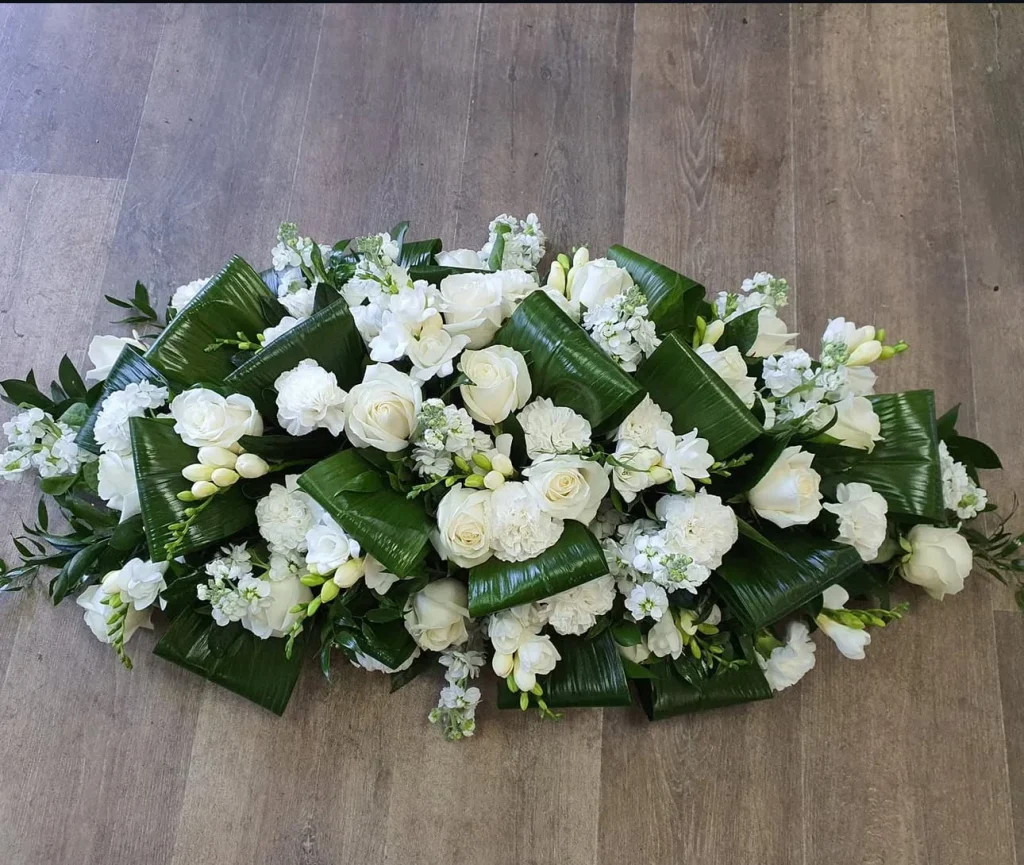
Popular design pairings like red and white roses framed with Aspidistra, or blush-toned garden roses arranged amidst lush green loops, are favorites among florists for their ability to captivate and elevate rooms. The structure of Aspidistra serves both as a supportive element and an accent piece, making these combinations visually dynamic while holding the arrangement steady. Layering Aspidistra around or beneath roses enhances the presentation, drawing the eye to the roses’ vibrant hues while adding depth and texture to the overall composition.
For an added touch of elegance and a polished finish, consider integrating Aspidistra leaves into the vase itself. Wrapping the interior of a transparent vase with Aspidistra behind the roses creates a clean and cohesive look, eliminating the distraction of visible stems while reinforcing the design’s overall grace. This simple design tip instantly elevates the arrangement, making it feel intentional and professionally curated.
By marrying the lush, glossy texture of Aspidistra with the romantic quality of roses, floral compositions can achieve a perfect balance of elegance and sophistication. Whether for formal occasions or everyday arrangements, the pairing of Aspidistra and roses transforms floral designs into memorable works of art.
Part 3 – Aspidistra + Orchids: Tropical Drama with Delicate Balance
When paired with delicate orchids like Dendrobium or Cymbidium, Aspidistra leaves create a stunning display of tropical drama blended with refined elegance. The interplay between the robust, glossy surface of Aspidistra and the fragile, intricate blooms of orchids creates a powerful visual harmony. This combination balances bold structural elements with a soft, graceful aesthetic, allowing the natural beauty of both the foliage and flowers to stand out.
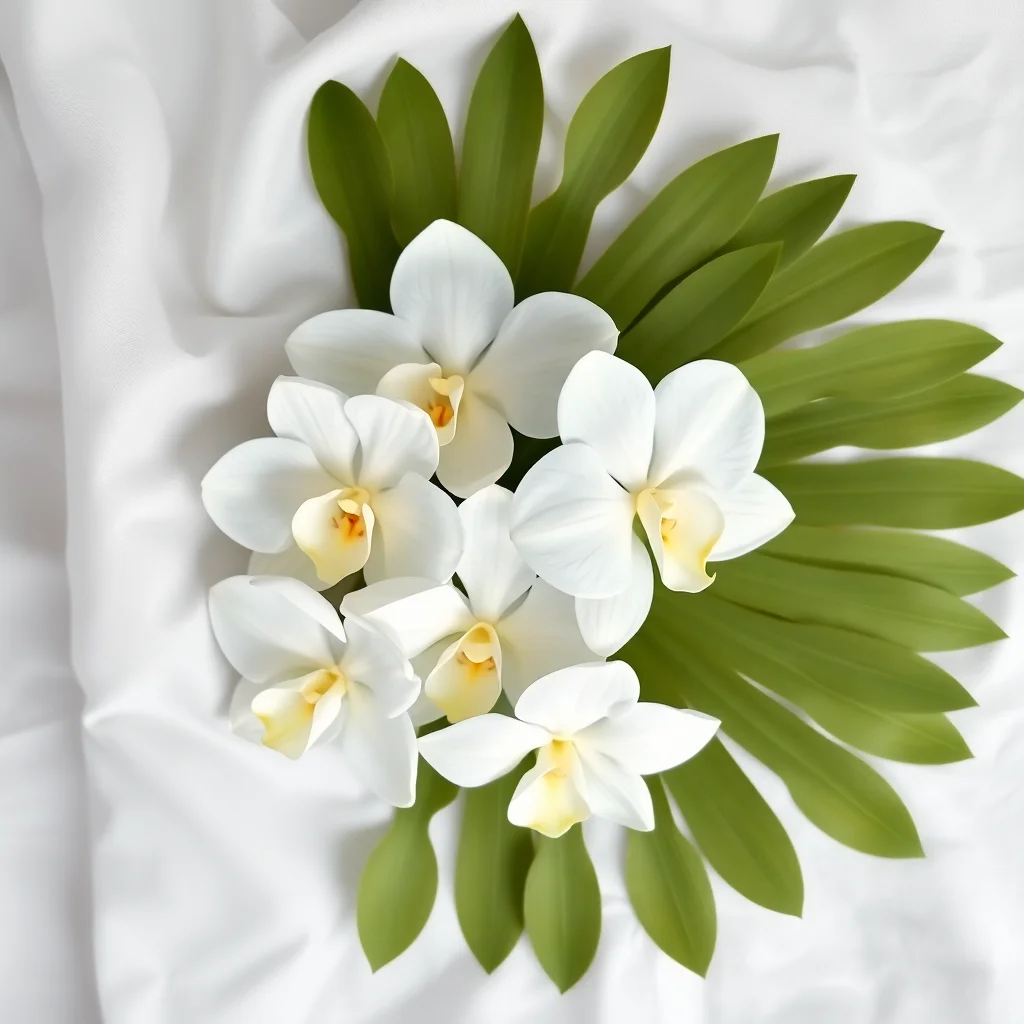
One of the key design strategies in utilizing Aspidistra with orchids lies in the contrast between the large, sophisticated leaves and the delicate petals. Orchids, with their intricate details and graceful forms, shine even brighter when framed against the broad and glossy green canvas of the Aspidistra. To enhance this harmony, consider experimenting with color pairings. A classic choice is the purity of white orchids juxtaposed with the rich green hue of Aspidistra leaves, creating a timeless and fresh look. For something more striking, opt for purple or deep red orchids, which communicate an air of opulence and drama alongside the bold foliage.
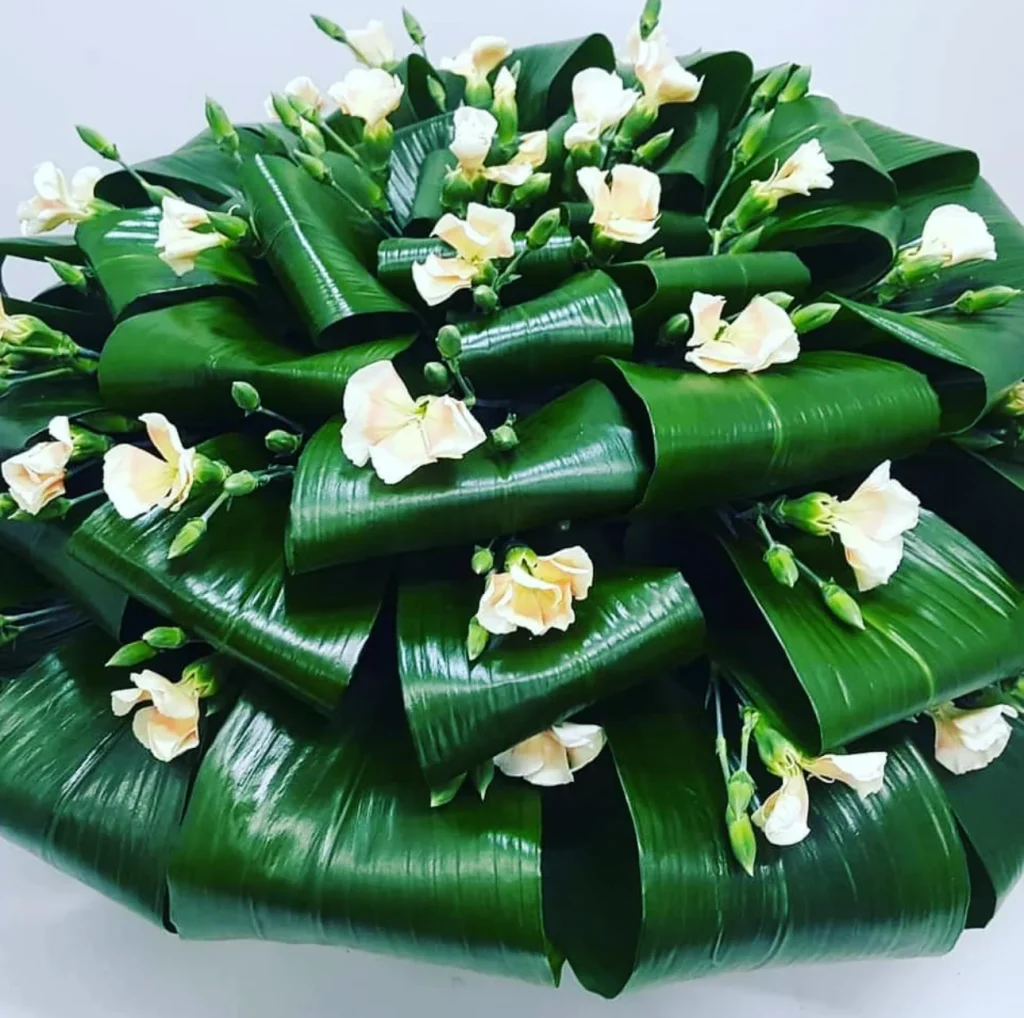
To add a dynamic twist to the arrangement, there’s a simple structural technique involving Aspidistra leaves. Piercing the leaf near its tip allows you to create a natural loop that can act as a supportive frame around the orchids. This not only adds dimension to the arrangement but also enhances its professional polish. The looped Aspidistra leaves gently cradle and highlight the orchids, emphasizing their delicate beauty without overpowering them. Additionally, the curvature of the leaf introduces a flowing, sculptural element that elevates the design.
Whether used in modern arrangements with geometric flair or in lush, tropical compositions, the pairing of Aspidistra and orchids embodies versatility and sophistication. This combination is perfect for creating centerpieces that evoke exotic elegance or for minimalist arrangements that highlight the natural drama of these extraordinary plants. Combining strong structural foliage with delicate floral blooms, Aspidistra and orchids achieve a balance that captivates and draws the eye, effortlessly blending drama and grace.
Part 4 – Aspidistra + Tropical Blooms: The Bold and the Beautiful
The Aspidistra leaf is a natural partner for bold tropical blooms like Bird of Paradise, Anthurium, Protea, and Heliconia. These striking flowers are known for their vivid colors, sculptural forms, and ability to create dramatic, impactful arrangements. By pairing them with Aspidistra, a dynamic balance is achieved that enhances both the strength and beauty of the composition.
Why Aspidistra Works with Tropical Blooms
Aspidistra’s large, robust leaves make it the perfect companion for heavy tropical flowers. Its structural integrity provides support for the often weighty stems of blooms like Protea and Heliconia. Additionally, the broad, glossy surface of Aspidistra leaves complements the vibrant hues and intricate textures of tropical flowers, creating visual harmony. Aspidistra’s adaptability to tropical-inspired designs stems from its compatibility with warm, humid themes, making it a natural fit for arrangements that evoke lush jungle vibes or tropical luxury.
Techniques to Balance Heavy Blooms Without Floral Foam
The strength of Aspidistra leaves allows them to serve as a foundation for arrangements that avoid the use of floral foam, an environmentally sensitive choice. Using techniques like binding stems together with floral tape or wire, Aspidistra can be looped and layered to create pockets of support for the heavier blooms. Wrapping the base of Bird of Paradise flowers or nestling Anthurium stems within curled leaves ensures stability while maintaining a natural aesthetic. Aspidistra leaves can also be woven or bent into shapes that cradle the flowers, holding them in place without additional mechanical aids.
Dramatic Installations and Creative Possibilities
For large-scale or statement arrangements, Aspidistra elevates tropical compositions with its versatility. Creating bold installations is achievable by utilizing leaf curls and vertical layering. Aspidistra leaves can be twisted into sculptural forms, adding dimension and movement to the design. Bird of Paradise stems, for example, can rise vertically through structured layers of Aspidistra, giving height and vibrancy. Meanwhile, Heliconia’s striking forms can be accentuated by encircling them with curled Aspidistra leaves, framing the blooms and drawing attention to their dramatic silhouette.
By combining Aspidistra with tropical blooms, florists and designers can craft breathtaking arrangements that embody boldness and beauty. Whether it’s a towering installation for an event or a compact yet striking centerpiece, Aspidistra plays a critical role in balancing the weight, vibrancy, and tropical essence of these exotic flowers.
Part 5 – Mixed Bouquets: Combining All Three for Maximum Impact
Creating a high-end bouquet that seamlessly incorporates focal flowers, fillers, and foliage is an art form that requires thoughtful design and attention to detail. By using all three bloom types and adhering to proven floral design principles, one can achieve arrangements that exude elegance and sophistication, suitable for any upscale occasion.
How to Create a High-End Bouquet Using All Three Bloom Types
To craft a luxurious bouquet, start by selecting bold focal flowers such as roses, lilies, or orchids as the central attraction. These commanding blooms should draw attention and set the tone for the arrangement. Next, incorporate fillers like spray roses, wax flowers, or baby’s breath to add texture and depth. Finally, use foliage, such as Aspidistra leaves or eucalyptus, to frame the design, provide structure, and enhance visual harmony. Combining these elements creates luxurious, multidimensional arrangements that captivate and inspire.
The 3-5-8 Rule for Design Balance
A key principle for balanced and eye-catching floral designs is the “3-5-8 rule.” This rule suggests including three focal flowers, five secondary elements (typically fillers), and eight pieces of greenery or foliage. This proportion ensures that no single component overwhelms the arrangement, resulting in a harmonious blend of colors, shapes, and textures. Using odd numbers also creates a more natural and visually dynamic arrangement.
Tips on Layering: Focal Flowers, Fillers, and Foliage
Layering is a crucial technique in floral design. Begin by positioning the focal flowers at the heart of the bouquet or evenly spaced throughout for larger pieces. Follow with fillers, which can be used both to bridge gaps and enhance the bouquet’s depth. Finally, frame the bouquet with foliage, using curved leaves and cascading greens to soften harsh edges and add movement. Pay attention to the overall form of the arrangement, ensuring it has a well-defined center while maintaining symmetry or intentional asymmetry, depending on the design style.
Examples of Event Types
Mixed bouquets that combine focal flowers, fillers, and foliage are ideal for a variety of events. For weddings, opulent, cascading arrangements featuring roses, peonies, and trailing ivy create a romantic aesthetic. At galas and corporate events, towering centerpieces with bold tropical focal flowers, structural greens, and delicate fillers command attention in grand venues. For luxury home décor, compact, monochromatic arrangements featuring seasonal focal blooms paired with subtle fillers and sleek foliage elevate any interior. These versatile designs can be tailored to suit the tone and setting of each occasion while showcasing the artistry of mixed bouquets.
Part 6 – Tips for Florists: Handling and Manipulating Aspidistra
Aspidistra leaves are a versatile and popular choice for adding texture and structure to arrangements, provided they are handled with care to ensure longevity and visual appeal. Here are some essential tips for florists to maximize the potential of aspidistra in their designs.
Hydration and Prepping for Longevity
To keep aspidistra leaves fresh and vibrant, start by hydrating them thoroughly. Upon purchase, trim the stems at an angle and place them in clean water with floral preservative. Ensure the leaves are stored in a cool environment, away from direct sunlight or heat to prevent wilting. Regularly refresh the water and inspect the leaves for any signs of damage or decay.
How to Cut and Shape
Aspidistra leaves lend themselves well to creative manipulation. For creating loops and spirals, gently bend the leaves into the desired shape and secure them at the base using staples or floral tape. This technique is perfect for adding dimension and movement to floral arrangements. For vase wraps, carefully cut the leaf down the spine if a slimmer look is required, and wrap it around the inside of a clear vase for a polished, modern aesthetic. Be mindful of the natural texture of the leaf to avoid creases or tears during handling.
Tools to Use
The appropriate tools can make a big difference when working with aspidistra. Staples work well for fast and discreet shaping, while floral tape offers stronger support for heavier or more complex designs. For intricate details, piercing the leaf with a fine needle is effective, providing a subtle finish without compromising the leaf’s integrity.
Video Tip Reference
For advanced techniques, refer to video tutorials on floral framing methods. These demonstrate how to use aspidistra as a structural element, weaving it into arrangements to create striking visual frames that highlight focal blooms and enhance overall composition.

Part 7 – Color Theory and Harmony in Pairings
Understanding color theory is essential when pairing aspidistra leaves with blooms of varying hues. Selecting complementary colors can guide the arrangement’s mood and highlight its focal elements. For example, pairing soft blush tones with lush greens provides a gentle, romantic aesthetic. Similarly, vibrant orange flowers combined with deep burgundy hues exude warmth and richness, perfect for bold, dramatic arrangements.
The key to successful pairings lies in balancing color and texture. Avoid combining clashing textures or overpowering focal blooms, as these can create discord and detract from the arrangement’s overall elegance. Aspidistra’s naturally smooth and glossy finish can act as a counterbalance to velvety, spikey, or matte blossoms, providing a harmonious base that blends with other elements while adding subtle structure.
Consider the impact of monochromatic versus contrasting aesthetics when designing with aspidistra. A monochromatic approach, such as utilizing varying shades of green alongside the leaves, creates a restrained, cohesive look that feels serene and timeless. On the other hand, contrasting combinations, like pairing aspidistra with bright magenta or sunny yellows, add energy and vibrancy, drawing attention to the interplay between opposing tones.
Color Pairing Chart
| Colors | Effect |
| Blush + Green | Romantic and Soft |
| Orange + Deep Burgundy | Warm and Dramatic |
| White + Variegated Green | Clean and Sophisticated |
| Purple + Yellow | Bold and High-Contrast |
By carefully curating complementary hues and textures, your arrangements will embody balance and beauty, ensuring every element feels intentional and harmonious.
Part 8 – Eco-Friendly Bonus: Aspidistra in Sustainable Design
Aspidistra leaves are an excellent choice for florists seeking eco-friendly solutions in their designs. These versatile leaves are perfect for creating reusable installations that eliminate the need for floral foam. Their flexibility and durability allow them to be shaped and woven into intricate designs, making them ideal for producing foam-free structures that are both elegant and sustainable.
Additionally, Aspidistra leaves can be seamlessly integrated into compostable or biodegradable frameworks. Once the installation has served its purpose, the organic materials can be easily composted, leaving behind minimal waste and supporting an environmentally conscious approach to floral design. This aligns with the growing demand for more sustainable practices within the industry.
What makes Aspidistra particularly remarkable is its longevity. Compared to many other greens, Aspidistra leaves have an exceptional lifespan when properly hydrated, remaining vibrant and fresh for days, or even weeks, without wilting. This durability not only reduces waste from discarded materials but also offers cost-efficiency for florists. By combining functionality, beauty, and sustainability, Aspidistra stands out as a preferred choice for green-conscious floral enthusiasts aiming to make a positive environmental impact.
Conclusion: The Secret Ingredient to Bouquet Perfection
Aspidistra leaves have proven to be the secret weapon that elevates floral designs from simple arrangements to luxurious masterpieces. Their unmatched elegance, versatility, and durability enhance the vibrancy and structure of any bouquet, making them a must-have for florists seeking to create unforgettable designs. By experimenting with creative pairings and pushing the boundaries of traditional arrangements, florists can unlock the full potential of Aspidistra. Take your floral artistry to new heights—order your fresh Aspidistra leaves from Whole Blossoms today and experience the difference they make in your designs!
Q&A for Aspidistra Pairing
Q1: Why is Aspidistra used in floral arrangements?
A: Aspidistra is prized for its strong, flexible leaves and deep green color, making it perfect for adding structure, texture, and elegance to floral designs.
Q2: What types of flowers pair best with Aspidistra?
A: Roses, orchids, and tropical blooms like anthuriums or proteas pair beautifully with Aspidistra, creating dynamic contrast and rich visual depth.
Q3: How do you wrap a vase with Aspidistra leaves?
A: Simply place one or two Aspidistra leaves inside a clear vase, pressed against the glass to form a smooth liner. Add water and insert stems inside for a clean, professional look.
Q4: Can Aspidistra be used in foam-free arrangements?
A: Yes! Its sturdy structure supports stems and can be manipulated into loops, spirals, or backdrops in sustainable, foam-free floral designs.
Q5: What’s the best way to curl or loop Aspidistra leaves?
A: Fold the leaf and pierce the stem through the back, or use a small staple or floral wire to secure the loop. This technique creates elegant shapes for bouquets or centerpieces.
Q6: Does Aspidistra work for both modern and tropical designs?
A: Absolutely. Its versatility makes it suitable for sleek, minimalist designs and bold, exotic tropical arrangements alike.
Q7: How long do Aspidistra leaves last in arrangements?
A: When properly hydrated and stored, fresh-cut Aspidistra leaves can last 10–14 days, making them a reliable choice for long events and wedding setups.