


 by
by 
Introduction: Rethinking Greenery for a Greener Wedding
Weddings are a celebration of love and commitment, but they can also contribute to significant environmental waste. Many couples today are rethinking traditional floral choices to align their special day with sustainable values. The typical wedding often involves floral foam, single-use plastics, and discarded excess stems, all of which contribute to the growing waste problem. Floral foam, for instance, is a non-biodegradable material that breaks down into microplastics, harming ecosystems and wildlife. Single-use plastics in packaging also add to the environmental burden, while countless flower stems are trimmed and discarded without purpose.
Recognizing these issues, more couples are exploring eco-friendly alternatives to reduce their environmental impact. Whole Blossoms is at the forefront of this green wedding movement, offering sustainable solutions to traditional floral designs. By providing bulk blooms with minimal packaging and promoting creative, waste-free arrangements, Whole Blossoms helps couples create stunning displays without compromising on their commitment to the environment. From selecting seasonal flowers to offering zero-waste greenery options, we believe that every wedding can radiate beauty while supporting responsible practices.
Part 1 – What Makes Greenery Truly Eco-Friendly?
Eco-friendly greenery is not just about appearance; it’s about how it is sourced, used, and disposed of. Truly sustainable greenery shares key traits that align with environmental preservation, including compostability, durability, reusability, and low-impact farming practices.
Compostability is crucial in ensuring that greenery doesn’t contribute to landfill waste. Biodegradable plant material can break down naturally into the soil, enriching it rather than harming it. By choosing greenery that is fully compostable, couples can enhance the sustainability of their wedding decor. This reduces the environmental impact while giving back to the Earth through nutrient-rich waste.
Durability plays an essential role in reducing waste. Long-lasting greenery prevents the need to replace materials frequently, making it an excellent choice for multi-day celebrations or use beyond the event itself. High-quality greenery can both look beautiful and stand the test of time, cutting down on excessive resource consumption.
Reusability is another hallmark of eco-friendly greenery. Items that can be repurposed or offered to others after the wedding, such as potted plants or well-preserved arrangements, help extend their lifecycle. This reduces the need for single-use decorations and supports a waste-free mindset.
Greenery sourced through low-impact farming practices prioritizes methods that safeguard local ecosystems. Practices such as avoiding excessive water usage, refraining from harmful pesticides, and maintaining chemical-free growth ensure that the farming process has a minimal carbon footprint. These methods not only support the environment but also provide healthier options for consumers and workers.
A common question arises when weighing the difference between preserved and artificial greenery. Preserved greenery is made from real plants that undergo a non-toxic preservation process to maintain their appearance and texture, offering an authentic look. It is biodegradable and often reusable, aligning with eco-friendly values. On the other hand, artificial greenery is typically made of plastic or synthetic materials, making it non-biodegradable and less sustainable in the long run. While it can be reused, the environmental cost of production and disposal often outweighs its benefits.
At Whole Blossoms, we focus on responsibly sourced, farm-direct greenery for all your wedding needs. By working with sustainable farms and offering natural, seasonal options, we ensure that your event can be both beautiful and environmentally conscious. From compostable designs to versatile greenery, our commitment lies in providing solutions that uphold a greener perspective on wedding decor.
Part 2 – Top Eco-Friendly Greenery Options at Whole Blossoms
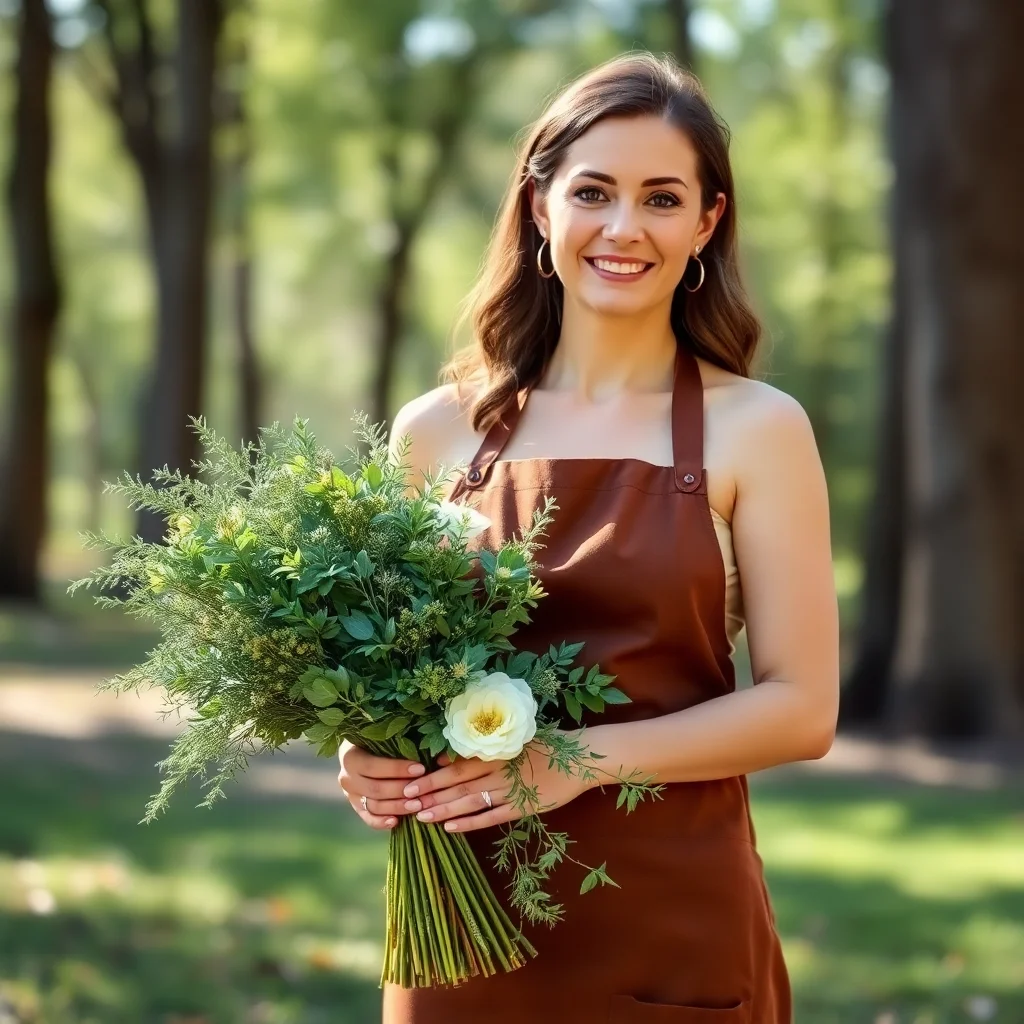
At Whole Blossoms, we take pride in offering a curated selection of greenery that marries elegance with sustainability. Below, we highlight our top eco-friendly greenery options to help you design the wedding of your dreams while making environmentally conscious choices. These versatile foliage options are not only stunning but also align with principles of sustainability, ensuring beauty without compromise.
| Greenery | Key Features |
| Eucalyptus | Available in varieties like Silver Dollar and Baby Blue, eucalyptus is cherished for its long-lasting nature, fragrant aroma, and compostable leaves. It’s perfect for bouquets, garlands, and centerpieces, adding an airy and romantic touch to any arrangement. |
| Italian & Israeli Ruscus | Known for their glossy green leaves, both Italian and Israeli ruscus are water-efficient choices that thrive even in minimal conditions. Their durability and compost-friendly properties make them an ideal choice for eco-conscious brides. |
| Leather Leaf Fern | A classic filler greenery, leather leaf fern adds lush volume to arrangements. Its biodegradable nature ensures eco-friendliness, and its vibrant green hue brings life and texture to floral designs. |
| Myrtle & Olive Branches | Often associated with symbolism of peace and love, myrtle and olive branches are favorites for rustic or vintage-themed weddings. Their sturdy, natural structure is both elegant and sustainable, making them highly versatile. |
| Dusty Miller | Known for its velvety texture and soft gray-green tones, Dusty Miller is perfect for adding a unique aesthetic to arrangements. Its compostable leaves support eco-friendly decor, while its subtle hues provide contrast and depth to floral designs. |
Why Choose Eco-Friendly Greenery?
Opting for eco-friendly greenery not only adds natural beauty to your event but also reduces environmental impact. These thoughtfully selected types of foliage are sourced from sustainable farms and are compostable, meaning that they won’t contribute to long-term waste. Whether you’re aiming for timeless elegance, rustic charm, or modern minimalism, our greenery enhances your decor while upholding values of environmental stewardship.
By choosing greenery like eucalyptus, ruscus, leather leaf fern, myrtle, olive branches, or dusty miller, you’re making a statement about beauty and responsibility. Through our commitment to sustainability, Whole Blossoms empowers couples to celebrate their love while cherishing the planet.
Part 3 – Compostable & Reusable Fillers: Beyond the Aesthetic
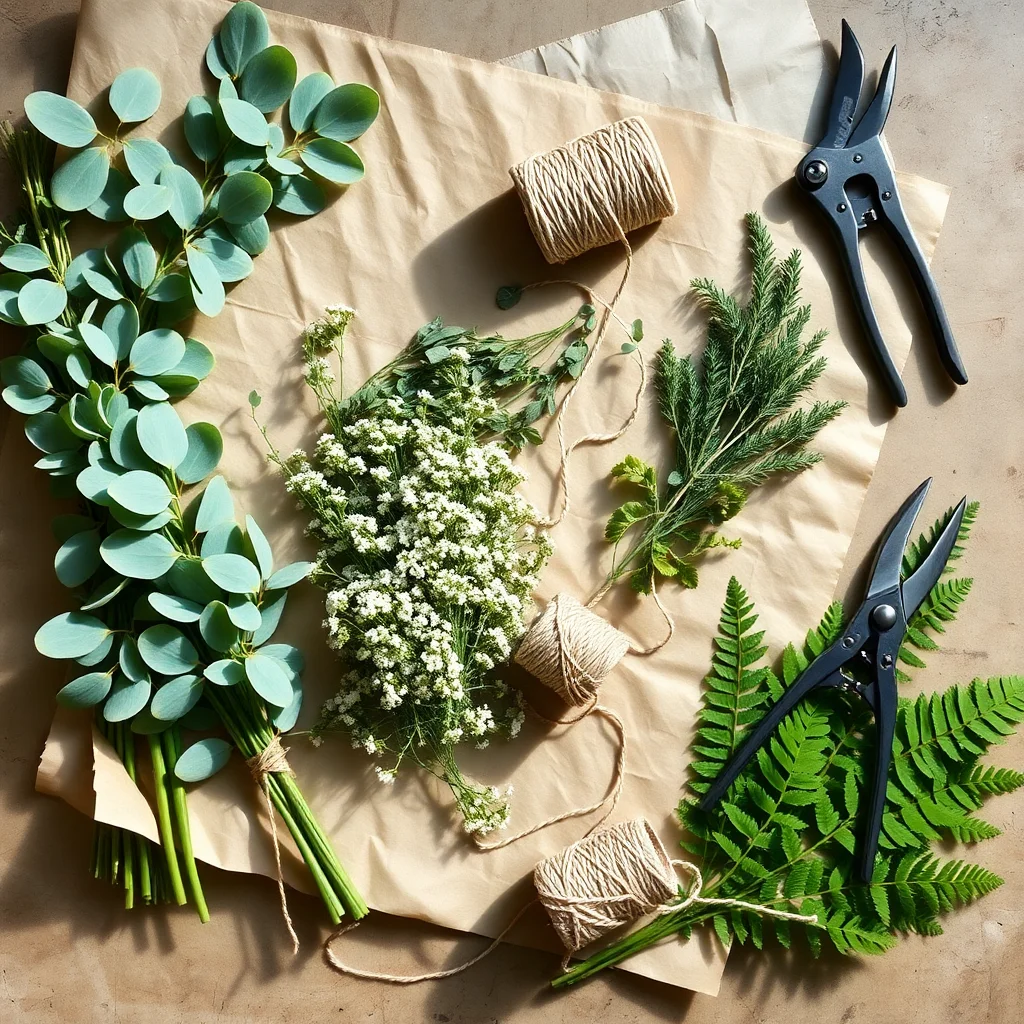
At Whole Blossoms, we believe that every detail of your wedding decor should embody both beauty and sustainability. That’s why we offer a stunning selection of fillers that not only enhance your floral arrangements but also align with eco-conscious values. Choosing fillers like Statice, Limonium, Craspedia, and Wax Flower provides a delicate touch of texture and charm while paving the way for responsible disposal or creative reuse after your special day.
Eco-Friendly Disposal with Composting
One of the simplest ways to bid farewell to your floral fillers while staying mindful of the planet is through composting. Most fillers, including the delicate blooms of Wax Flower or the striking yellow orbs of Craspedia, break down naturally when added to a compost pile. Start by removing any non-organic materials, such as wires or floral tape, before placing the fillers in your compost bin. Over time, these organic materials will decompose, enriching the soil with nutrients and contributing to future plant growth. Couples can share this sustainable act with friends and family, turning post-wedding cleanup into a lesson in environmental care.
Creative Reuse for Long-Lasting Memories
While composting is a fantastic option, reusing your fillers can be equally rewarding. These versatile blooms lend themselves to a wide range of thoughtful keepsakes and decorative ideas, ensuring that your wedding flowers remain a cherished part of your life for years to come.
- Pressed Flower Keepsakes
Capture the memories of your wedding day by pressing fillers like Statice or Wax Flower between books or in a flower press. Once preserved, these flowers can be used to create stunning bookmarks, greeting cards, or even framed art to adorn the walls of your home.
- Framed Floral Art
Showcase the beauty of your floral fillers by arranging dried blooms such as Limonium or Craspedia in shadow boxes or glass frames. These arrangements make for timeless art pieces or heartfelt gifts for loved ones who shared in your special day.
- Dry Bouquet Decor
Extend the elegance of your wedding decor by air-drying fillers to create charming dried bouquets or wreaths. Fillers like Statice and Limonium maintain their beauty when dried, allowing you to craft home accents that evoke the romance and joy of your celebration.
By considering compostable and reusable fillers, couples can go beyond traditional aesthetics to make their weddings more sustainable and meaningful. Whether through composting or repurposing, these thoughtful gestures ensure that even the smallest details reflect your love for both each other and the planet.
Part 4 – Alternatives to Floral Foam & Harmful Mechanics
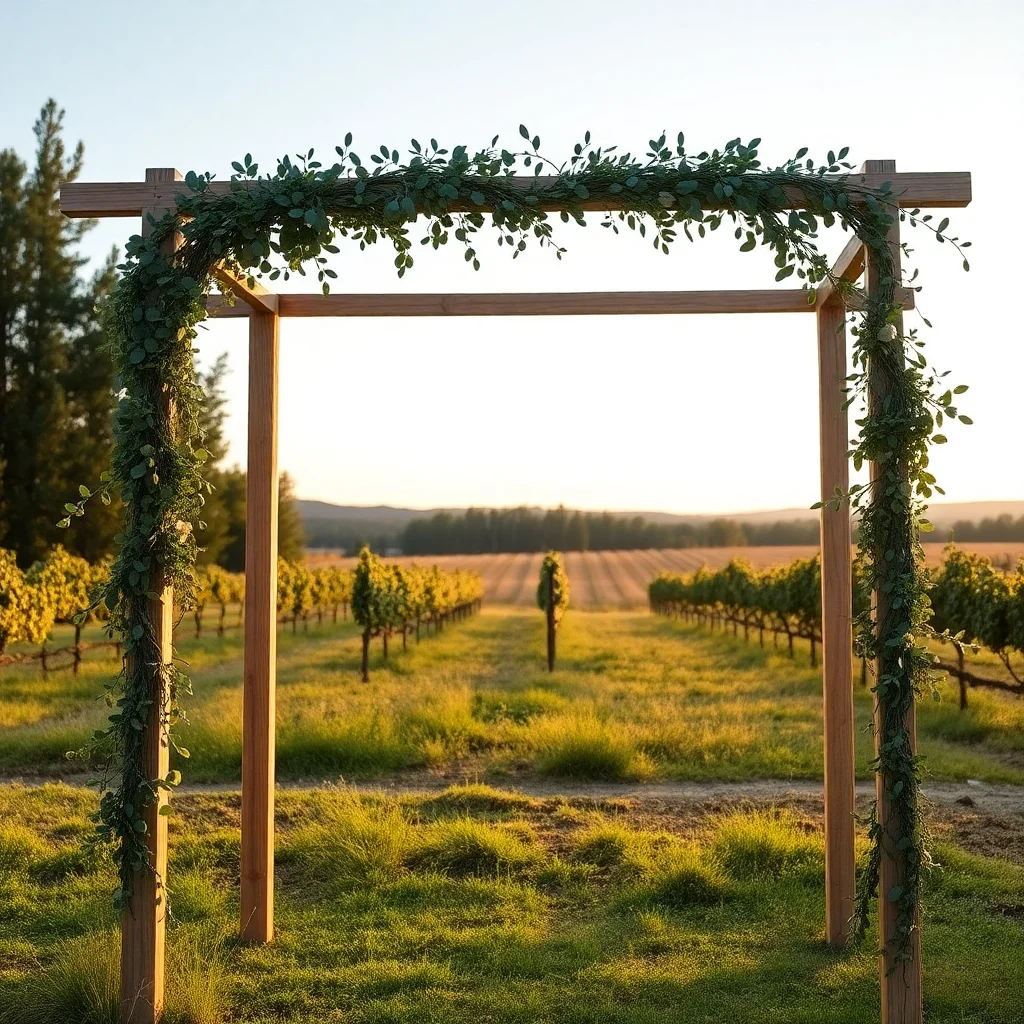
Floral foam has long been a staple in the floral industry for creating structured and long-lasting arrangements. However, as awareness around its environmental impact grows, many are seeking sustainable and eco-friendly alternatives. Fortunately, there are a variety of innovative and reusable tools that not only reduce waste but also integrate seamlessly with Whole Blossoms’ high-quality stems.
Foam Alternatives
- Oshun Pouch
This biodegradable mesh pouch is designed to hold stems in place while keeping them hydrated. It’s an excellent choice for smaller arrangements and bouquets, offering flexibility and eco-consciousness in equal measure.
- TerraBrick
Made from natural and compostable materials, TerraBrick is a solid alternative to traditional floral foam. Its sturdy design keeps flowers securely anchored while allowing for proper hydration.
- Sideau
This fully compostable and water-retentive material mimics the functionality of floral foam without the environmental harm. It’s ideal for floral arrangements where sustainability is a priority.
- AgraWool
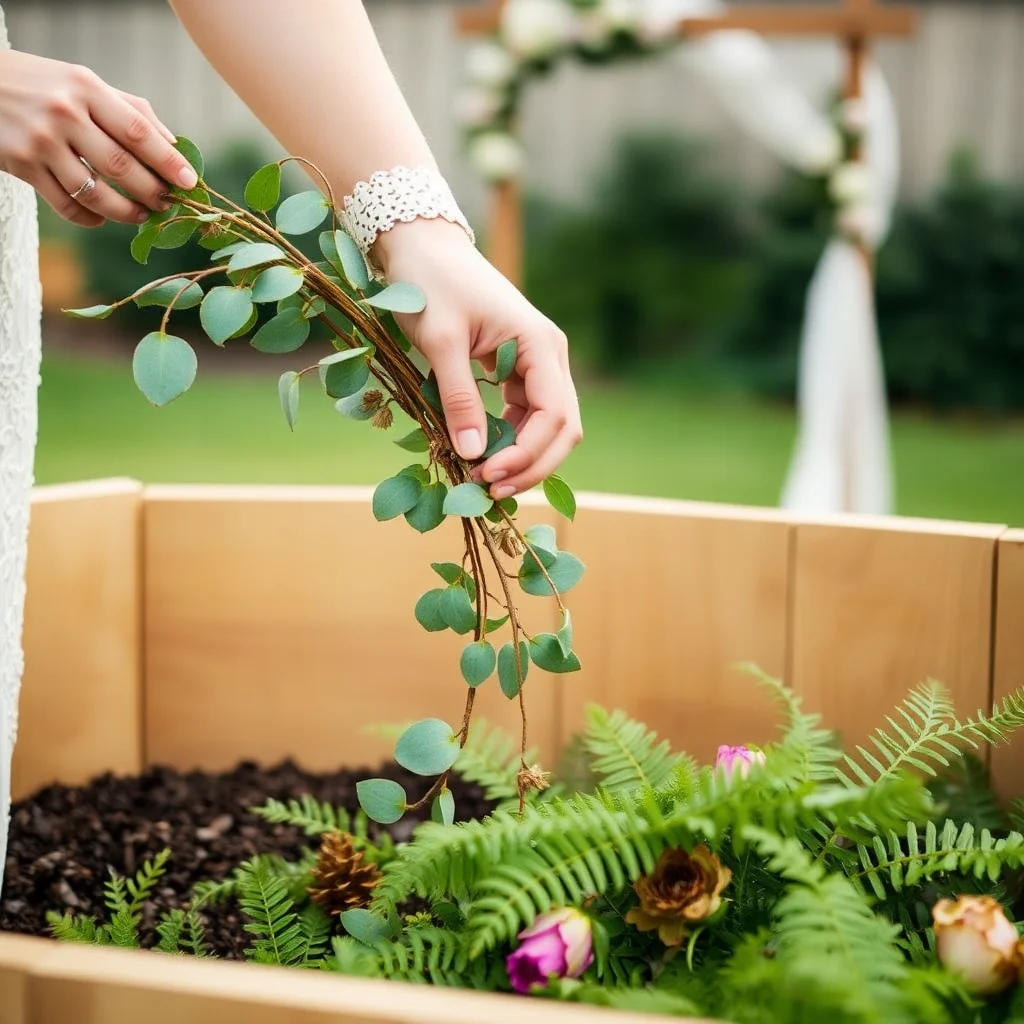
Crafted from natural volcanic basalt fibers, AgraWool is both compostable and reusable. It provides excellent support for stems and works well for arrangements that require a strong, stable base.
Reusable Mechanics
- Chicken Wire
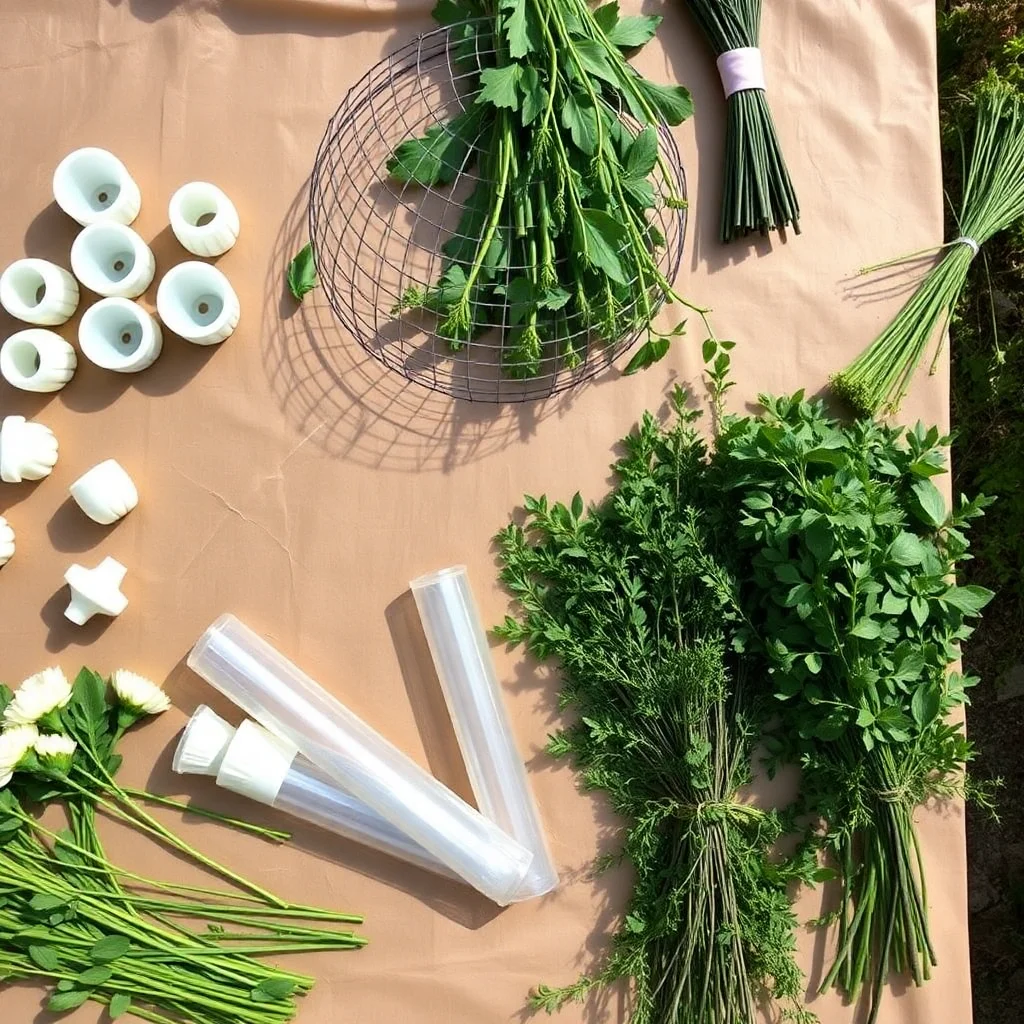
A versatile and reusable option, chicken wire can be shaped to fit vases or containers, holding stems firmly in place. It works particularly well for larger or more intricate designs, making it a favorite among eco-conscious florists.
- Floral Frogs (Kenzans)
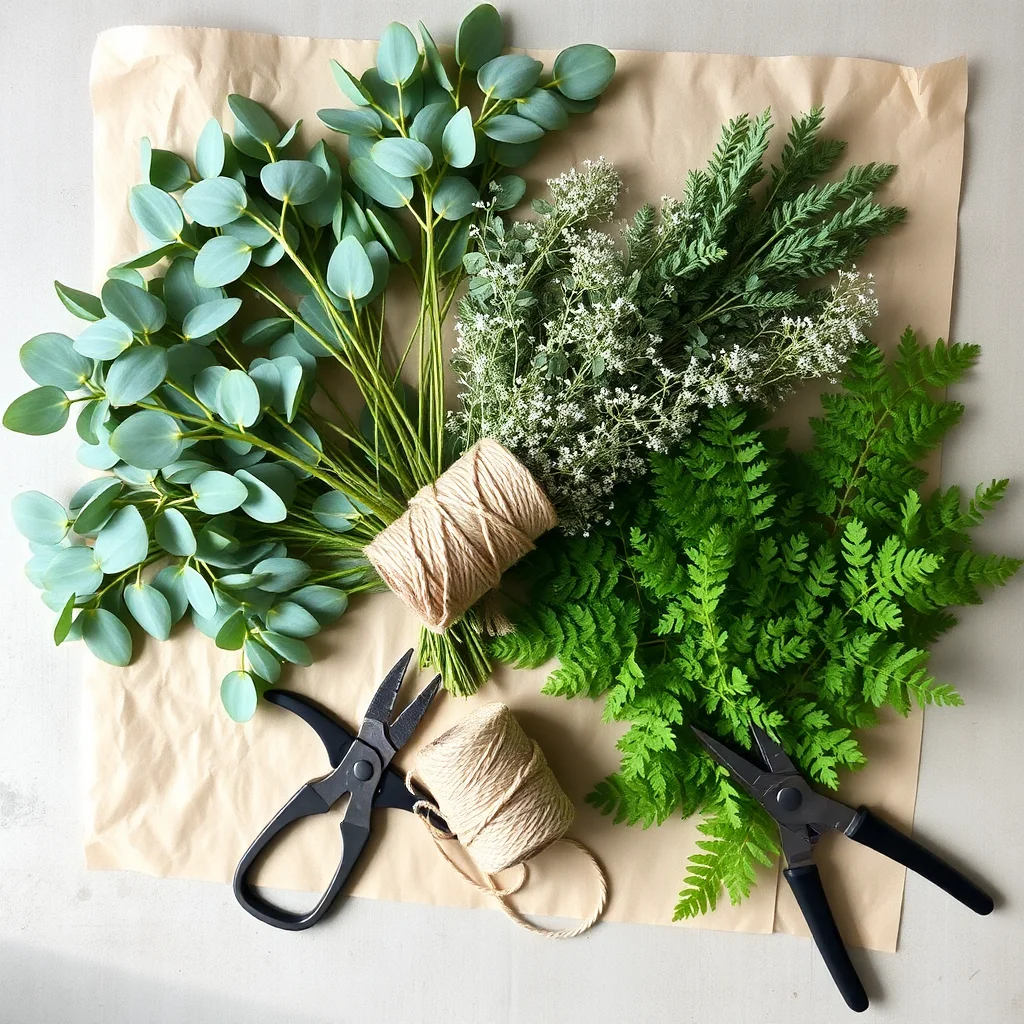
These metal pin holders, traditionally used in Japanese ikebana, are perfect for creating elegant, minimalist designs. Their sturdy base allows you to position stems securely and with precision.
- Flower Tubes
For individual blooms or small clusters, flower tubes provide hydration while eliminating the need for foam. They’re ideal for intricate table settings or cascading arrangements.
Seamless Integration with Whole Blossoms Stems
Whole Blossoms’ diverse selection of premium-quality stems pairs effortlessly with these sustainable mechanics. The sturdy and fresh nature of the blooms ensures they remain vibrant and secure, whether anchored in a Sideau base or nestled among chicken wire. Delicate flowers, like peonies or ranunculus, benefit from the gentle support of AgraWool, while larger stems, such as roses or sunflowers, find stability in TerraBrick or floral frogs. These alternatives not only prioritize the environment but also maintain the integrity and beauty of your arrangements, ensuring stunning floral designs without compromise.
Part 5 – Where & How to Source Eco-Friendly Greenery
When planning sustainable floral arrangements, sourcing eco-friendly greenery plays a vital role in reducing your environmental impact without sacrificing beauty. Bulk buying is often the most efficient and environmentally responsible option. Purchasing in larger quantities reduces the overall amount of packaging used compared to buying smaller bundles. Additionally, bulk purchasing typically offers a lower cost per stem, which is especially advantageous for large-scale events like weddings. By minimizing waste and saving money, bulk buying aligns perfectly with eco-conscious values.
The Whole Blossoms Advantage
Whole Blossoms stands out as a go-to solution for sourcing sustainable greenery and blooms. Their direct-from-the-farm approach ensures that flowers are freshly picked and shipped with minimal handling. This not only reduces the carbon footprint associated with multiple stages of distribution but also guarantees fresher products for your event. Whole Blossoms employs minimal packaging methods, using eco-friendly materials where possible, further supporting sustainable practices. With overnight delivery services, they provide the convenience of receiving your flowers at their peak freshness, ensuring your designs remain vibrant and lush throughout your event.
Comparison to Other Sources
When stacked against local florists or online mega-retailers, Whole Blossoms meets and often surpasses sustainability expectations. Local florists, while offering a personal touch, often source their flowers through distributors that involve additional shipping and handling, increasing both costs and environmental impact. Online mega-retailers, while providing convenience, tend to rely on excessive packaging materials, which not only generates more waste but also detracts from the eco-friendly principles many consumers prioritize today.
Whole Blossoms bridges the gap by providing the convenience of online ordering with a commitment to sustainability. By working directly with farms, they minimize the supply chain, reduce waste, and offer competitive pricing, all without compromising quality. This approach makes them an excellent choice for couples planning a sustainable wedding, ensuring their special day is as environmentally considerate as it is memorable.
Part 6 – Minimal Waste Wedding Tips from Our Floral Experts
Planning a wedding with minimal waste doesn’t mean compromising on style or elegance. It’s all about making thoughtful choices that align with your vision while remaining environmentally conscious. Here are some expert tips from our floral team to help you create a sustainable celebration:
1. Order Only What You Need: Avoid over-ordering flowers by using our online flower quantity calculator. This handy tool helps you estimate the perfect amount of blooms based on your arrangements, ensuring you order precisely what’s required and minimize excess waste.
2. Donate or Compost Post-Event: After your wedding, consider donating your flowers to local hospitals, care facilities, or community centers to share the joy and beauty of your special day. Alternatively, composting the flowers is a great way to return nutrients to the earth, leaving no waste behind.
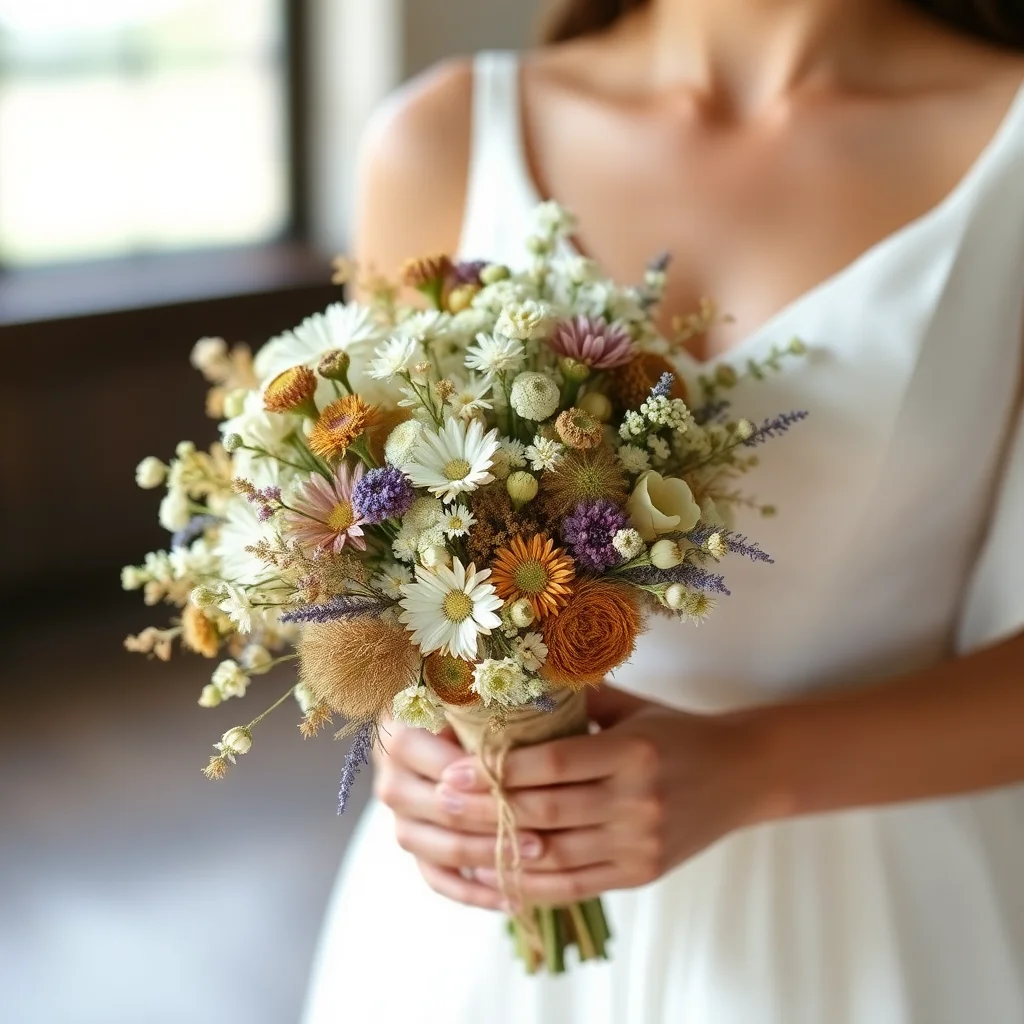
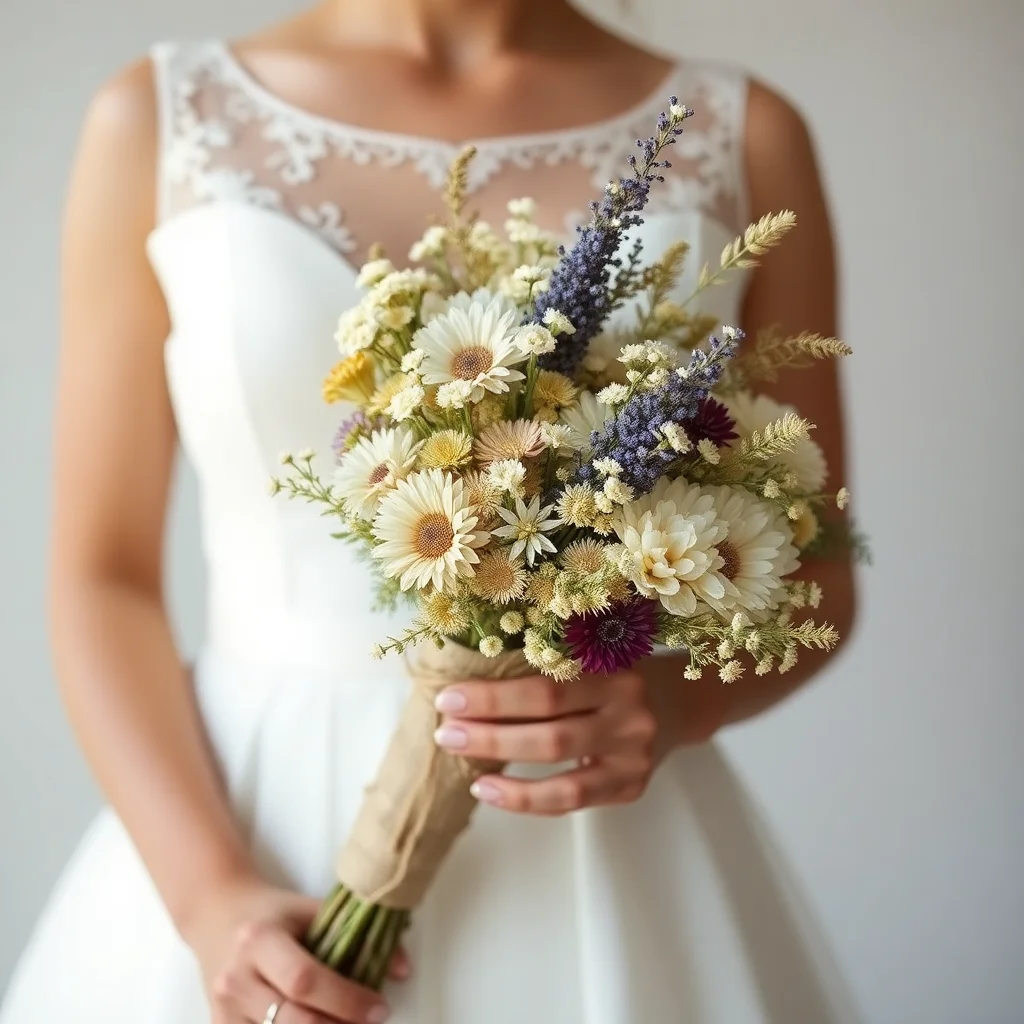
3. Encourage Dried Bouquets: Dried flower arrangements are gaining popularity for their timeless beauty and eco-friendly appeal. Incorporate dried elements into your bouquets or centerpieces to create chic, sustainable designs that can be treasured as keepsakes long after the celebration.
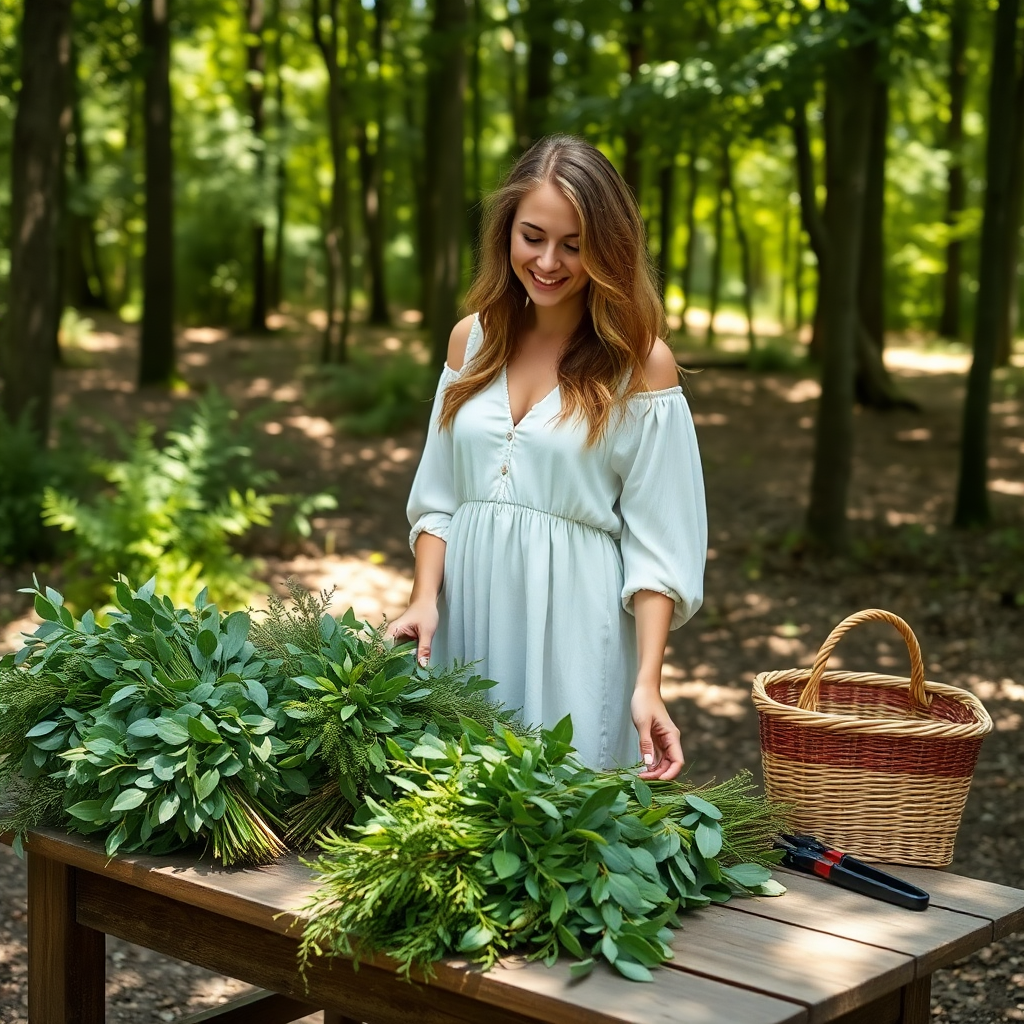
4. Multi-Purpose Greenery: Choose versatile greenery that can serve multiple roles throughout the day. For example, lush greenery used to line the aisle during your ceremony can later be repurposed for your reception décor, such as table runners or accents for the centerpieces.
By incorporating these strategies into your wedding planning, you can achieve a stunning and memorable celebration that aligns with your sustainability goals. Every small effort counts toward making your big day kinder to the planet while still being full of love and beauty.
Planning an eco-friendly wedding doesn’t mean compromising on elegance or beauty—it’s all about making intentional choices that reflect both your style and commitment to sustainability. At Whole Blossoms, we’re here to help you every step of the way in creating your dream day while minimizing environmental impact. From our specially curated eco-friendly greenery collection to personalized tips on reducing floral waste, we’ve got everything you need to make your big day beautiful and sustainable.
To get started, download our free guide, “How to Plan a Low-Waste Floral Wedding”, packed with actionable steps and creative ideas for incorporating sustainable practices into every aspect of your celebration. Have questions or need help bringing your vision to life? Our team is available for consultations and live chat to provide expert advice tailored to your green wedding goals.
Start planning your eco-conscious wedding today and create a celebration that’s as kind to the planet as it is magical!
Q & A
❓ 1. How can I make my wedding flowers eco-friendly?
✅ Answer: Choose locally grown, seasonal flowers to minimize transportation emissions and support local farmers. Opt for organic blooms, which are grown without harmful pesticides, or consider potted plants and herbs that guests can take home as favors.
❓ 2. Can I rent flowers or plants for my wedding?
✅ Answer: Yes, renting flowers and plants is an excellent eco-friendly option. Many vendors offer rental services for greenery, potted plants, and even floral arrangements, allowing you to reduce waste and return items after your celebration.
❓ 3. What are some alternatives to flower arrangements?
✅ Answer: Alternative options include greenery-focused décor, dried flowers, paper or fabric flowers, and even non-traditional accents like candles, fruit, or seashells. These choices can add unique charm while reducing the environmental impact of fresh blooms.
❓ 4. How can I ensure my wedding flowers are disposed of responsibly?
✅ Answer: Consider donating your flowers to hospitals, care homes, or charities to bring joy to others after your event. Alternatively, composting floral waste helps return nutrients to the soil, providing an eco-friendly end of life for your arrangements.
❓ 5. Are floral foams sustainable?
✅ Answer: Floral foam is not sustainable, as it is made from non-biodegradable plastics and can release harmful chemicals into the environment. Instead, opt for reusable structures, vases, or sustainable alternatives like chicken wire or moss for floral arrangements.
❓ 6. Can I DIY my eco-friendly floral arrangements?
✅ Answer: Absolutely! DIY allows you to control your materials and make sustainable choices, such as using upcycled containers or creating arrangements with seasonal greenery and dried flowers. It’s a cost-effective and personalized way to align with your eco-conscious goals.
❓ 7. What are some low-waste floristry tips for weddings?
✅ Answer: Work closely with your florist to design arrangements that use every stem to avoid waste. Focus on multi-purpose designs that can be re-used throughout the venue. Borrow or rent décor items where possible, and remember to compost any organic floral waste.
❓ 8. Can greenery be used to replace traditional floral arrangements?
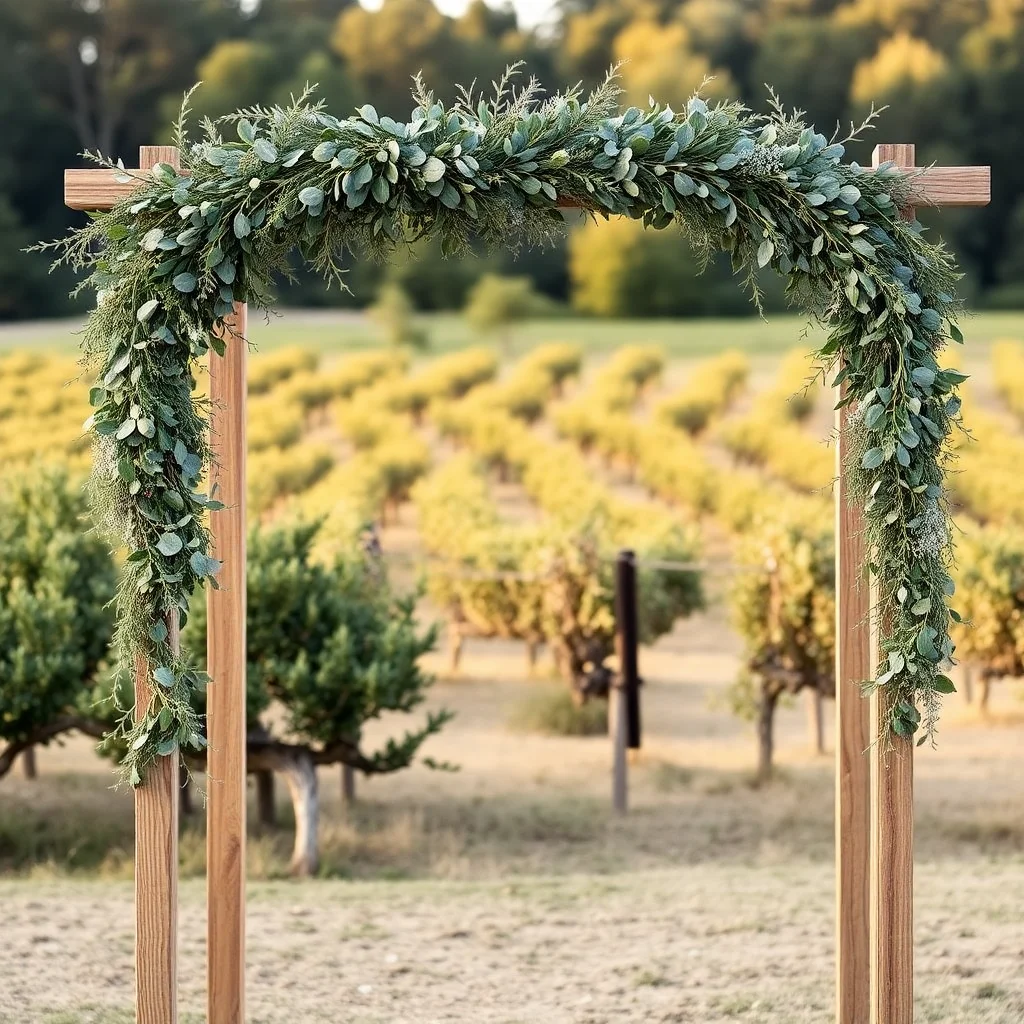
✅ Answer: Absolutely! Greenery can take center stage in wedding décor, replacing or complementing traditional floral arrangements. Garlands, wreaths, and table runners made of eucalyptus, ivy, or ferns create a lush, natural aesthetic while remaining sustainable and cost-effective.
❓ 9. Are dried greenery and flowers a sustainable option?
✅ Answer: Yes, dried greenery and flowers are an excellent sustainable option. They are long-lasting, require no water, and can be reused or kept as keepsakes. Popular choices include dried eucalyptus, lavender, and olive branches, which maintain their beauty for months or even years.
❓ 10. What tips can help minimize waste when designing greenery arrangements?
✅ Answer: To minimize waste, opt for modular designs that can be easily repurposed, such as single-stem vases or greenery bundles. Avoid the use of non-biodegradable materials like floral foam, and prioritize locally sourced or seasonal greenery to lower transportation emissions. Additionally, consider donating or composting leftovers to ensure nothing goes to waste.