


 by
by 
Introduction: Why Orange Flowers Make a Statement
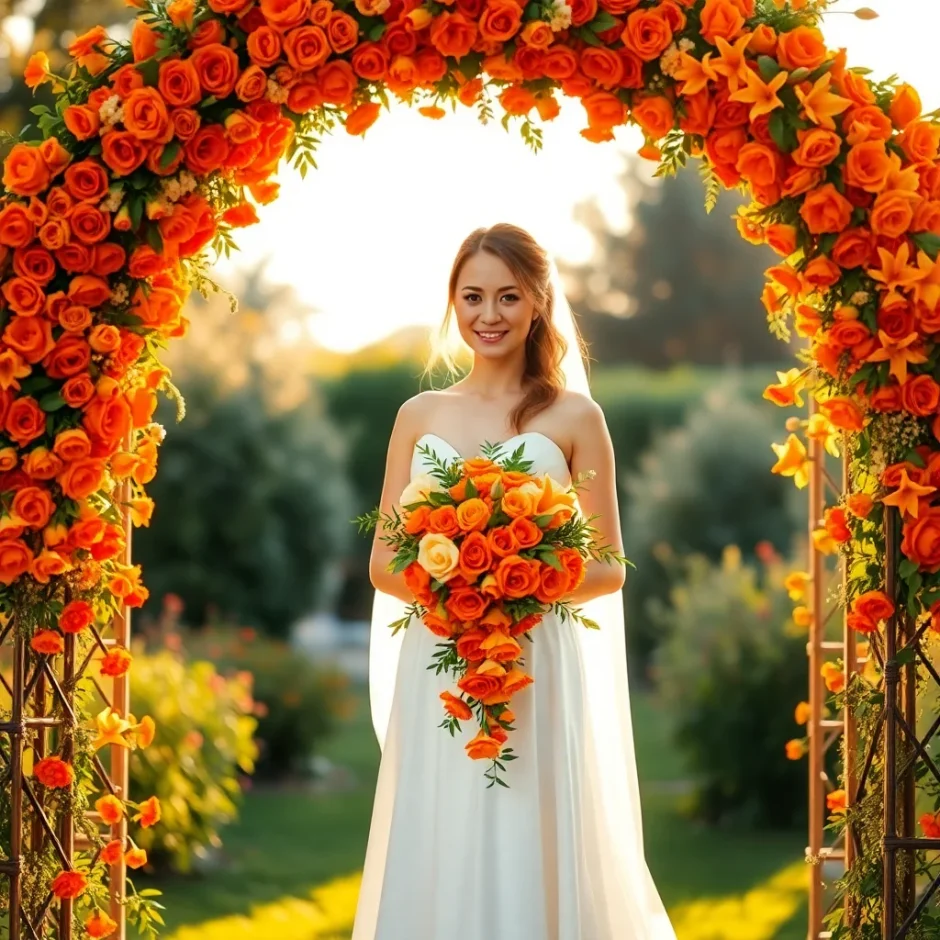
Orange flowers are a bold and captivating choice for weddings and events, making a powerful statement that elevates the overall ambiance. Known for their warm and energetic hues, orange flowers create a striking balance between vibrancy and sophistication. Their eye-catching presence commands attention, adding a sense of excitement and joy to any occasion. Incorporating orange blooms into your décor can immediately transform a space, making it feel more inviting and full of life. Whether used as centerpieces, in bridal bouquets, or as part of intricate floral installations, these flowers bring a dramatic yet cheerful energy that sets a joyous tone.
Symbolically, the color orange represents joy, warmth, enthusiasm, and celebration, making it a perfect fit for festive gatherings. Orange carries the energy of red balanced by the brightness of yellow, creating a beautiful harmony that exudes positive emotions. It embodies the happiness of a new chapter, the warmth of close relationships, and the vibrant energy that accompanies every celebration. For weddings, these flowers often symbolize passion and excitement for the couple’s future together, while at events, they add a lively, festive touch.
Orange flowers also lend themselves beautifully to a wide range of wedding themes and seasonal celebrations. For autumn weddings or harvest events, their earthy tones mirror nature’s seasonal palette, creating a seamless and harmonious visual experience. For spring or summer ceremonies, they provide a playful burst of energy that complements lush greenery and pastel accents. They are versatile enough to add a modern flair to minimalist arrangements or enhance opulent floral designs for grand occasions. Whatever the theme or season, orange flowers are sure to leave a lasting impression and elevate the mood, making them a remarkable choice for any wedding or event décor.
Part 1 – Symbolism of Orange Flowers in Weddings and Events
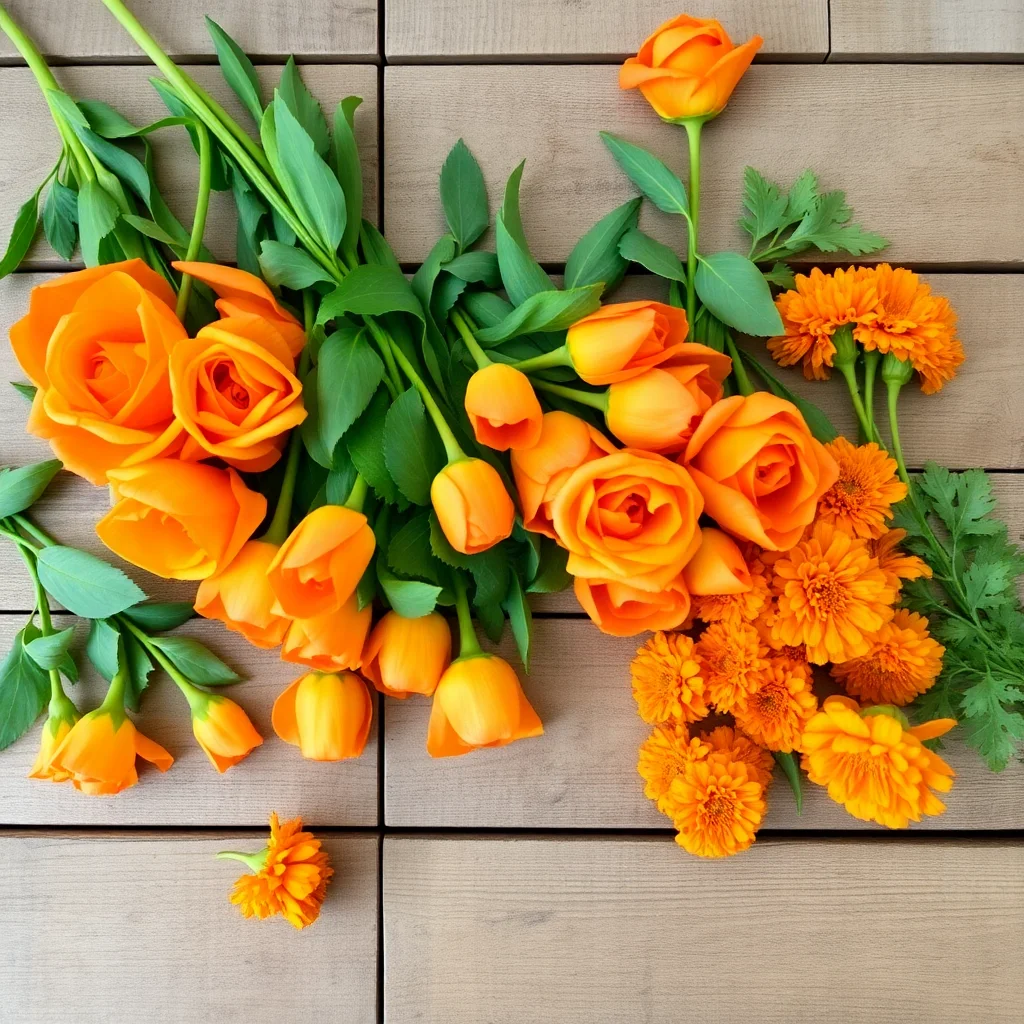
Orange flowers hold a special place in weddings and events due to their rich historical and cultural symbolism. Often associated with energy and warmth, orange is regarded as a transitional shade that bridges the fiery passion of red and the cheerful brightness of yellow. This unique positioning makes it a perfect representation of union, as it combines the qualities of love, excitement, and optimism—key emotions that are celebrated in such joyous occasions.
Historically, orange has been linked to creativity and enthusiasm, traits that align well with the celebratory nature of weddings and events. Various cultures have assigned deep meanings to orange flowers as well. For instance, marigolds, widely revered in South Asian traditions, often symbolize prosperity and divine blessings and are prominently used in wedding decorations and ceremonies. Similarly, the orange blossom, known for its delicate fragrance, has long been a symbol of fertility and good fortune in many Western wedding customs.
Orange flowers also introduce a sense of balance and vibrancy to event décor. Their bright yet grounding hue is ideal for representing the excitement of a new beginning without overshadowing other elements. They evoke feelings of warmth and joy, creating an inviting atmosphere for guests while reflecting the positive energy of the occasion. Furthermore, this color inspires a sense of optimism for the future, underscoring the promise of a happy and fulfilling union.
Whether used in centerpieces, bouquets, or floral arches, orange flowers carry an intrinsic message of celebration and harmony. Their symbolic blend of passion and happiness, rooted in history and culture, is a testament to their significance as an enduring favorite for weddings and events.
Part 2 – Popular Types of Orange Flowers for Weddings
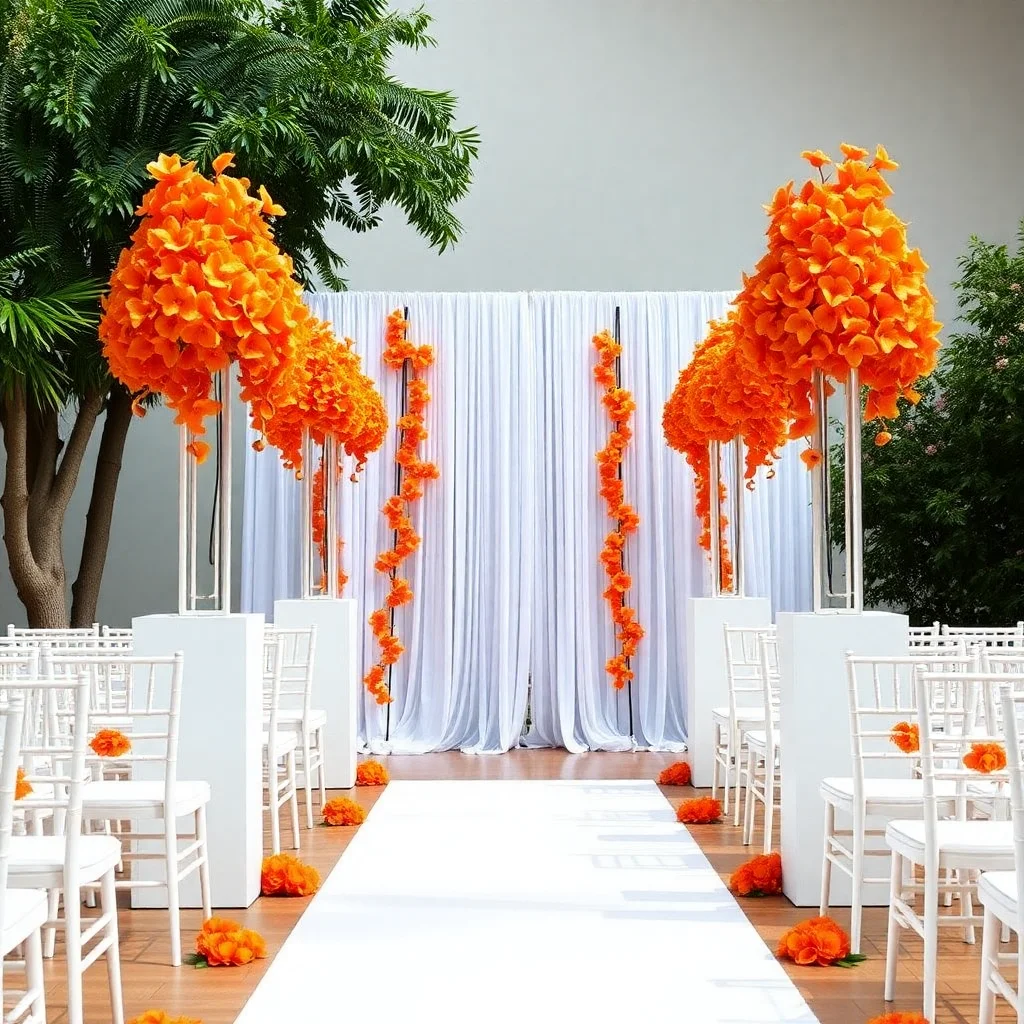
When planning a wedding, selecting the perfect flowers can enhance the beauty and significance of the event. Orange flowers, in particular, bring warmth, energy, and joy to any wedding arrangement. Below is a detailed look at popular types of orange flowers, their availability, styling tips, and how best to use them.
1. Roses
Roses are a timeless and elegant choice, often considered the epitome of romance. Orange roses exude vibrancy and passion, making them an ideal option for weddings.
- Bloom Availability: Typically available year-round.
- Styling Tips: Use orange roses in bouquets, centerpieces, or floral arches to create a classic yet lively vibe. Pair them with white or blush flowers for balance, or combine them with deep red and gold hues for a bold, autumnal look.
- Best Uses: Perfect for bridal or bridesmaids’ bouquets, boutonnieres, and romantic table decor.
2. Marigolds
Marigolds bring a bold and festive touch to weddings, particularly in cultural or traditional ceremonies. These flowers are also renowned for their symbolism of auspiciousness and positivity.
- Bloom Availability: Abundant throughout late spring to early fall.
- Styling Tips: Incorporate marigolds into garlands, floral walls, or hanging decorations for a colorful and cultural statement. Their bright orange hue pairs beautifully with yellows and greens.
- Best Uses: Ideal for cultural rituals, vibrant venue decor, or statement floral installations.
3. Tulips
For a modern and stylish touch, orange tulips are a wonderful choice. Their sleek and simple shape makes them perfect for contemporary wedding themes.
- Bloom Availability: Peak season is late winter to early spring.
- Styling Tips: Use orange tulips in clean, minimalist arrangements or combine them with neutral-toned flowers and greenery for subtle contrast.
- Best Uses: Popular for modern bridal bouquets and charming table centerpieces.
4. Gerbera Daisies
Cheerful and vibrant, gerbera daisies are a budget-friendly option for large-scale events. Their wide, bold petals bring a joyful touch to any wedding decor.
- Bloom Availability: Available all year round.
- Styling Tips: Combine orange gerbera daisies with other types of daisies or brightly colored flowers for a playful and lively arrangement.
- Best Uses: Perfect for casual wedding themes, large centerpieces, or accenting outdoor ceremony backdrops.
5. Lilies
Orange lilies add a dramatic and elegant flair to wedding florals, with their large petals and striking hues.
- Bloom Availability: Spring and summer are their peak seasons, but they can often be found year-round.
- Styling Tips: Pair orange lilies with soft greenery and pastel-colored flowers for a spectacularly refined arrangement. Be cautious of their strong fragrance if using in enclosed spaces.
- Best Uses: Great for altar arrangements, aisle decor, or elaborate centerpieces.
6. Ranunculus
Known for their romantic, layered textures, orange ranunculus flowers bring a delicate beauty to wedding designs.
- Bloom Availability: Primarily available in the spring, but imports may be found year-round.
- Styling Tips: These flowers work beautifully in tightly bound bouquets with roses and peonies or in loose, garden-style arrangements.
- Best Uses: Lovely in bridal bouquets, boutonnieres, and whimsical centerpieces.
7. Orchids
Orchids provide an exotic and luxurious feel to wedding decor, and orange orchids are no exception. Their unique structure and sophisticated vibe are perfect for upscale weddings.
- Bloom Availability: Available year-round, depending on the variety.
- Styling Tips: Combine orange orchids with white or gold accents for an opulent ambiance. Use them in cascading bouquet arrangements or as focal points in ceiling installations.
- Best Uses: Ideal for upscale weddings, dramatic table arrangements, or luxury-themed ceremonies.
Flower Comparison Table
| Flower Type | Availability | Styling Tips | Best Uses |
| Roses | Year-round | Pair with whites or deep tones for elegance | Bouquets, centerpieces, floral arches |
| Marigolds | Late spring to early fall | Use in garlands and cultural decor | Cultural rituals, vibrant decor, floral installations |
| Tulips | Late winter to early spring | Minimalist arrangements with greenery | Bridal bouquets, modern centerpieces |
| Gerbera Daisies | Year-round | Combine with bright flowers for playful designs | Outdoor backdrops, casual themes, large arrangements |
| Lilies | Spring and summer | Pair with greenery or pastel accents | Aisle decor, altar arrangements, centerpieces |
| Ranunculus | Spring (often year-round imports) | Tightly bound bouquets or garden-style arrangements | Bridal bouquets, boutonnieres, whimsical centerpieces |
| Orchids | Year-round | Gold or white accents for luxury | Upscale decor, dramatic table designs, installations |
These orange flowers not only radiate joy but also reflect the unique personality of every couple. Whether you’re seeking elegance, festivity, or modern charm, incorporating these blooms will ensure your wedding florals exude beauty and meaning.
Part 3 – Seasonal Availability of Orange Flowers
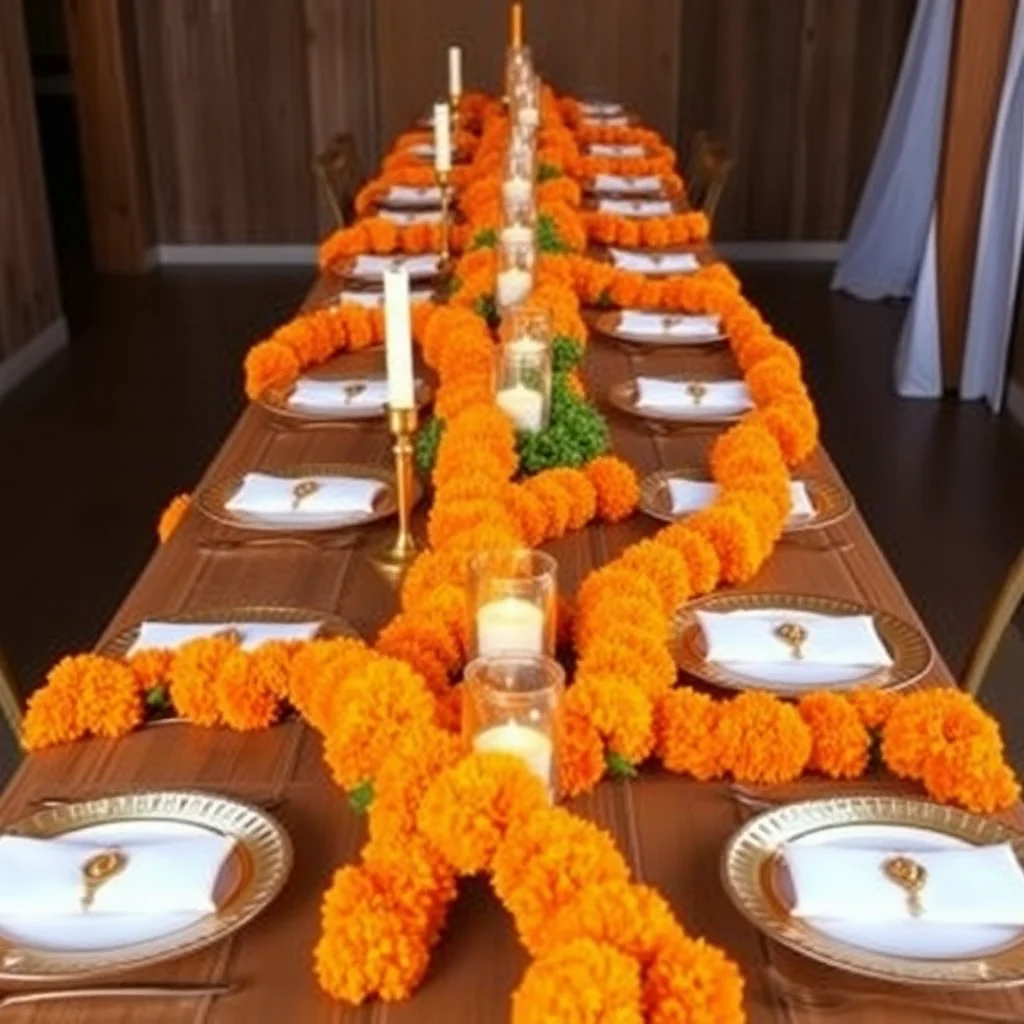
Choosing orange flowers based on their seasonal availability can add a natural and vibrant touch to any event, while also ensuring freshness and sustainability. Here’s a guide to help brides and event planners select the perfect orange blooms for each season:
Spring
Spring brings with it a bounty of vibrant orange flowers, including tulips and ranunculus. These blooms are perfect for creating cheerful and romantic bouquets or adding a pop of color to elegant table arrangements. Their soft, delicate petals make them a favorite for weddings and springtime celebrations.
Summer
The sunny months of summer are ideal for gerbera daisies and lilies. Gerberas are popular for their bold, bright orange hues and playful appearance, while lilies offer a more sophisticated and dramatic flair. These flowers can withstand the heat, making them an excellent choice for outdoor weddings or garden parties.
Fall
Autumn is synonymous with warmth, and orange flowers like marigolds, dahlias, and chrysanthemums embody the rich and cozy tones of the season. These blooms are particularly favored for rustic weddings and harvest-themed events as they pair beautifully with earthy decor elements like wood, burlap, and pumpkins.
Winter
During the colder months, roses and orchids are top choices for orange flowers, often grown in greenhouses for year-round availability. Roses convey timeless elegance, while orchids add a modern and luxurious touch to winter floral arrangements. Whether used in bouquets or dramatic installations, these blooms bring warmth to winter events.
To assist brides and event planners, consider using a seasonal flower chart. This helpful resource ensures that the selected blooms align with nature’s calendar, offering both sustainability and the freshest quality for unforgettable floral designs.
Part 4 – Orange Wedding Bouquets
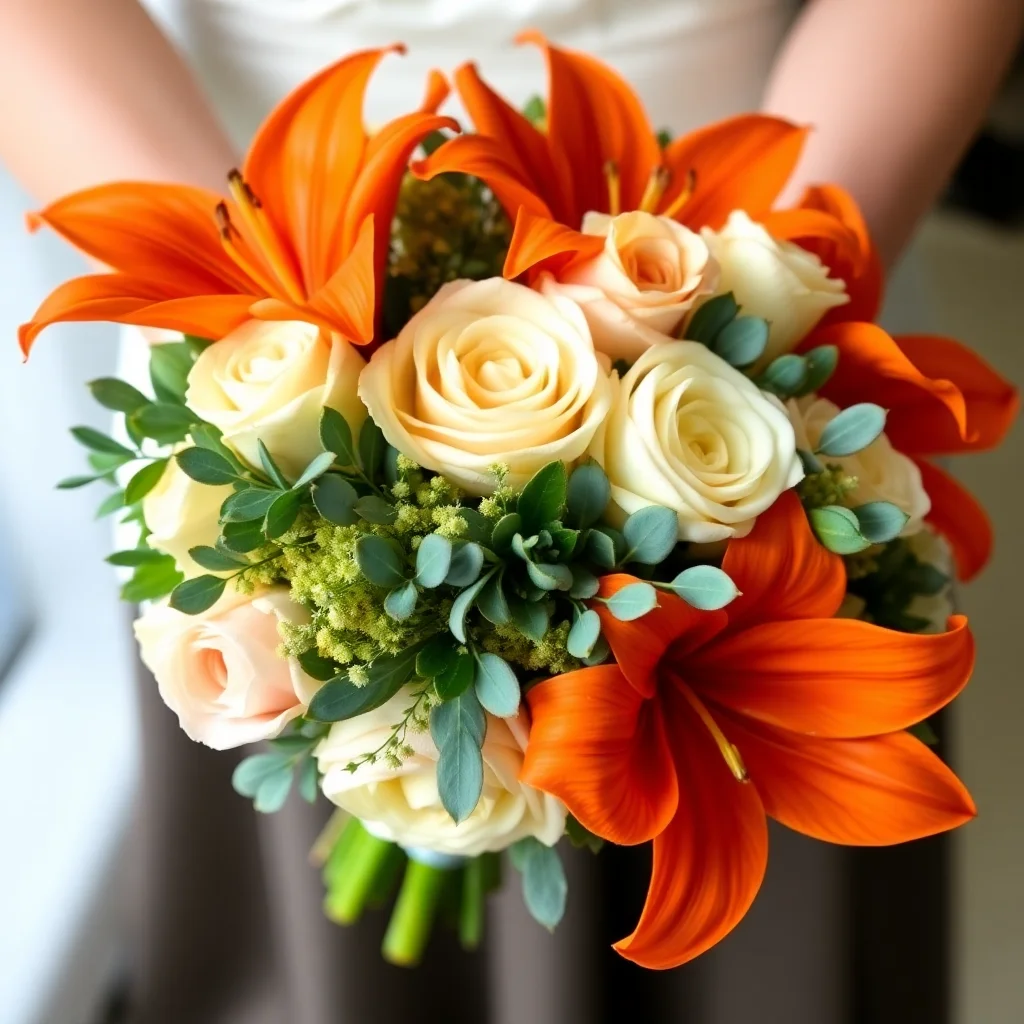
Orange wedding bouquets bring vibrant energy and warmth to any wedding celebration. Classic all-orange bouquets, composed of blooms like roses, tulips, and marigolds, exude a bold, eye-catching appeal. These monochromatic arrangements work beautifully in modern, rustic, or autumn-themed weddings, making a striking statement that commands attention.
For a softer, more versatile look, mixed bouquets combining orange flowers with complementary tones such as white, blush, or burgundy create a stunning visual balance. Pairing bright orange roses with delicate white ranunculus or blush-colored peonies softens the intensity of the orange, lending a romantic and elegant touch. Orange and burgundy combinations, on the other hand, infuse depth and sophistication, perfect for fall weddings or venues with rich, earthy tones. These varied palettes allow couples to tailor the bouquet style to enhance their wedding theme and personal aesthetic.
Adding greenery to orange bouquets serves as an essential design element, grounding the vibrant hues while providing texture and dimension. Options such as eucalyptus, dusty miller, or ferns perfectly complement these bright arrangements, delivering a natural yet polished look. The green tones not only balance the vivid oranges but also highlight the beauty of each bloom, creating a harmonious composition.
When styling orange blooms for bridesmaids’ bouquets, consider smaller, simpler versions of the bridal bouquet that maintain the same color palette. This ensures a cohesive look while allowing the bride’s bouquet to stand out as the central floral piece. To add subtle diversity, you can also vary the ratio of orange to complementary tones among the bridesmaids’ arrangements, creating visual interest while keeping the overall aesthetic unified.
When it comes to boutonnieres, orange flowers can provide handsome accents for the groom and groomsmen. A single orange bloom, such as a rose or a marigold, paired with a sprig of greenery or a touch of white filler, offers a refined yet coordinated touch. Ensure the boutonnieres complement the larger bouquets without overwhelming them and align them with the overall theme of the wedding.
By artfully styling orange wedding bouquets and accessories, you can achieve a visually stunning effect that uplifts the wedding atmosphere with warmth and vitality. These versatile arrangements are a testament to how color can set the tone for an unforgettable celebration.
Part 5 – Event Décor with Orange Flowers
Orange flowers bring an energetic and captivating flair to event décor, making them an excellent choice for various settings. Whether used during a wedding ceremony, a corporate gathering, or a cultural celebration, they add warmth, vibrancy, and a lively personality to any occasion.
Ceremony Décor
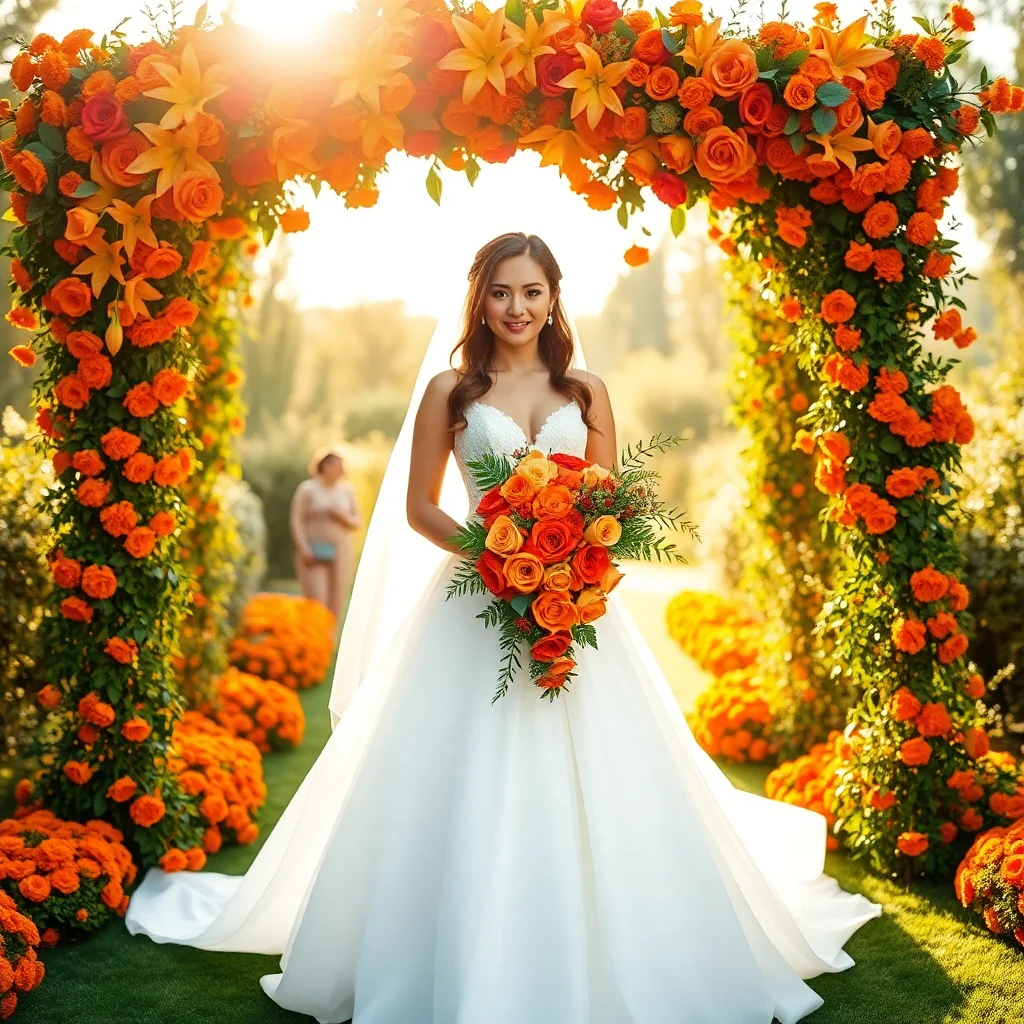
For wedding ceremonies, orange flowers can create a striking visual impact. Floral arches adorned with orange roses, lilies, or marigolds serve as stunning focal points for vows while exuding romance and passion. Aisle runners enhanced with orange petals or floral arrangements add a touch of warmth and excitement as guests focus on the procession. Floral backdrops in harmonious shades of orange make the perfect setting for memorable photographs, seamlessly blending with both indoor and outdoor venues.
Reception Décor
Reception spaces come alive with the careful placement of orange flowers in various forms. Centerpieces featuring orange blooms balanced with neutral tones, such as ivory or soft blush, exude elegance while maintaining their vibrant allure. Floral chandeliers made with cascading orange and greenery arrangements project sophistication and grandeur, drawing the eye to the ceilings and creating visual depth. Even the wedding cake can reflect the day’s aesthetic, with delicate orange flowers adorning the tiers, adding natural charm to the celebratory focal point.
Special Events
Beyond weddings, orange flowers add significance and charm to other events. For corporate parties, arrangements featuring orange paired with metallic accents, such as gold or copper vases, project an energetic yet polished ambiance that fosters creativity and connection. Anniversary celebrations become rich with sentimentality when orange flowers, representing enthusiasm and passion, are used in centerpieces or as subtle accents throughout the venue. At cultural festivals, the boldness of orange blossoms often carries symbolic meanings of joy, prosperity, and health, making them a popular choice for stage décor, processions, or altar arrangements.
Balancing with Neutrals, Metallics, and Greenery
To achieve a polished and harmonious look, pair orange flowers with neutral tones like white, cream, or soft taupe, as these hues offer balance and refinement. Metallic accessories in gold, copper, or bronze elevate orange décor, adding contemporary sophistication, while greenery like eucalyptus or ferns introduces texture and a natural contrast. When designed thoughtfully, orange flowers contribute an uplifting, versatile atmosphere that resonates with both elegance and joy, complementing every event’s purpose and style.

Part 6 – Pairing Orange with Other Wedding Colors
Orange is an incredibly versatile color that can be beautifully paired with various hues to create distinctive atmospheres for wedding décor. By combining orange with thoughtful, complementary shades, you can set the tone and highlight the mood you envision for your big day.
Orange + White = Clean, Elegant
Pairing orange with white creates a clean and elegant aesthetic that is both timeless and fresh. The purity of white softens the vibrance of orange, striking a perfect balance between energy and simplicity. This pairing is an excellent fit for modern or minimalist weddings, where the crispness of white enhances orange’s warmth, offering a serene yet stylish ambiance.
Orange + Yellow = Sunny, Cheerful
For a wedding full of joyful energy and positivity, consider pairing orange with yellow. These warm, sunny colors amplify one another, creating a cheerful and vibrant palette ideal for spring or summer celebrations. Together, they evoke feelings of happiness and renewal, transforming your wedding venue into a lively, inviting space.
Orange + Burgundy = Dramatic and Bold
The combination of orange and burgundy exudes drama, depth, and sophistication. Burgundy’s rich, deep tones temper the brightness of orange, resulting in a bold yet harmonious contrast. This pairing is especially well-suited for fall weddings, with warm, jewel-like accents that feel opulent and unforgettable.
Orange + Purple = Regal and Unique
When orange meets purple, the result is a regal and unique pairing that stands out. Purple, often associated with royalty, works beautifully with the boldness of orange to create a strikingly original and luxurious palette. This combination is ideal for couples who dare to make a bold statement with high-impact colors that feel modern yet majestic.
Orange + Green = Natural and Earthy
To evoke a calming, earthy atmosphere, orange and green make an exceptional duo. Green’s natural, grounding quality balances the intensity of orange, creating a palette that feels organic and inviting. Perfect for rustic or outdoor weddings, this pairing pairs beautifully with greenery, wood accents, and florals for a natural and harmonious aesthetic.
When pairing orange with other colors, the key lies in selecting shades that complement and balance one another, creating a cohesive and polished look. Whether your wedding theme leans toward classic, bold, or natural, these combinations highlight orange’s versatility, making it a memorable choice for your special day.
Part 7 – Budgeting for Orange Wedding Flowers
When planning your wedding budget, it’s essential to understand the average costs of popular orange flowers and how to make the most of your investment. Carnations, marigolds, and alstroemerias are cost-effective orange blooms, offering vibrant hues at a lower price point, ideal for large floral arrangements. If you’re looking for premium options, roses, tulips, and calla lilies in shades of orange provide a luxurious and elegant appeal but come with a higher price tag.
To save on floral expenses, consider buying wholesale flowers directly from suppliers, as this often reduces costs significantly. Mixing orange flowers with filler greens such as eucalyptus, ferns, or baby’s breath can add volume and texture to arrangements while keeping expenses manageable. Another savvy tip is to select flowers that are in season; for example, dahlias and chrysanthemums are stunning choices during the fall months and are typically more affordable when they’re in peak bloom.
By balancing cost-effective blooms with premium varieties and using strategic budgeting tips, you can achieve stunning displays of orange wedding flowersvbulk f that enhance your special day without exceeding your financial limits.
Care and Handling of Orange Flowers
Proper care and handling of orange flowers ensure their vibrancy and longevity, particularly for weddings and events. Conditioning the flowers is essential for long-lasting blooms. Begin by trimming the stems at a diagonal angle using sharp, clean tools to improve water uptake. Remove any foliage submerged below the water line to prevent bacterial growth. It’s also helpful to place the flowers in a clean vase with fresh, lukewarm water and add florist-grade flower food to nourish the blooms.
Hydration is key to maintaining the freshness of orange flowers. Keep them well-watered and avoid exposing them to direct sunlight, drafts, or extreme temperatures. It’s best to store the flowers in a cool environment, ideally between 36°F and 46°F, to prolong their lifespan. Mist the blooms lightly with water to prevent dehydration, especially for delicate varieties such as tulips or roses.
When transporting orange flowers to a wedding or event location, ensure that they are secured in upright containers filled with water and avoid overheating during transit. For the setup, arrange them as late as possible to ensure they stay fresh for the event’s duration. By following these best practices, your orange floral arrangements will maintain their stunning appeal throughout your special occasion.
Conclusion: Creating Unforgettable Memories with Orange Flowers
Orange flowers are more than just vibrant decorations — they are bold, joyful, and deeply memorable choices that make any celebration stand out. Their radiant hues symbolize enthusiasm, energy, and warmth, infusing a sense of happiness and excitement into your wedding or event. From pairing them with soft pastels for a dreamy, romantic look to contrasting them with deep, rich tones for dramatic elegance, orange flowers offer endless possibilities for creativity and personalization.
Experimenting with different textures, combinations, and arrangements allows you to craft a floral design that reflects your unique style and vision. Whether used in lush centerpieces, cascading bouquets, or striking backdrops, these fiery blooms never fail to captivate and leave a lasting impression on your guests.
Transform your special occasion into an unforgettable experience with the beauty and charm of orange flowers. Shop wholesale orange flowers now at Whole Blossoms and bring your wedding or event vision to life!