


 by
by 
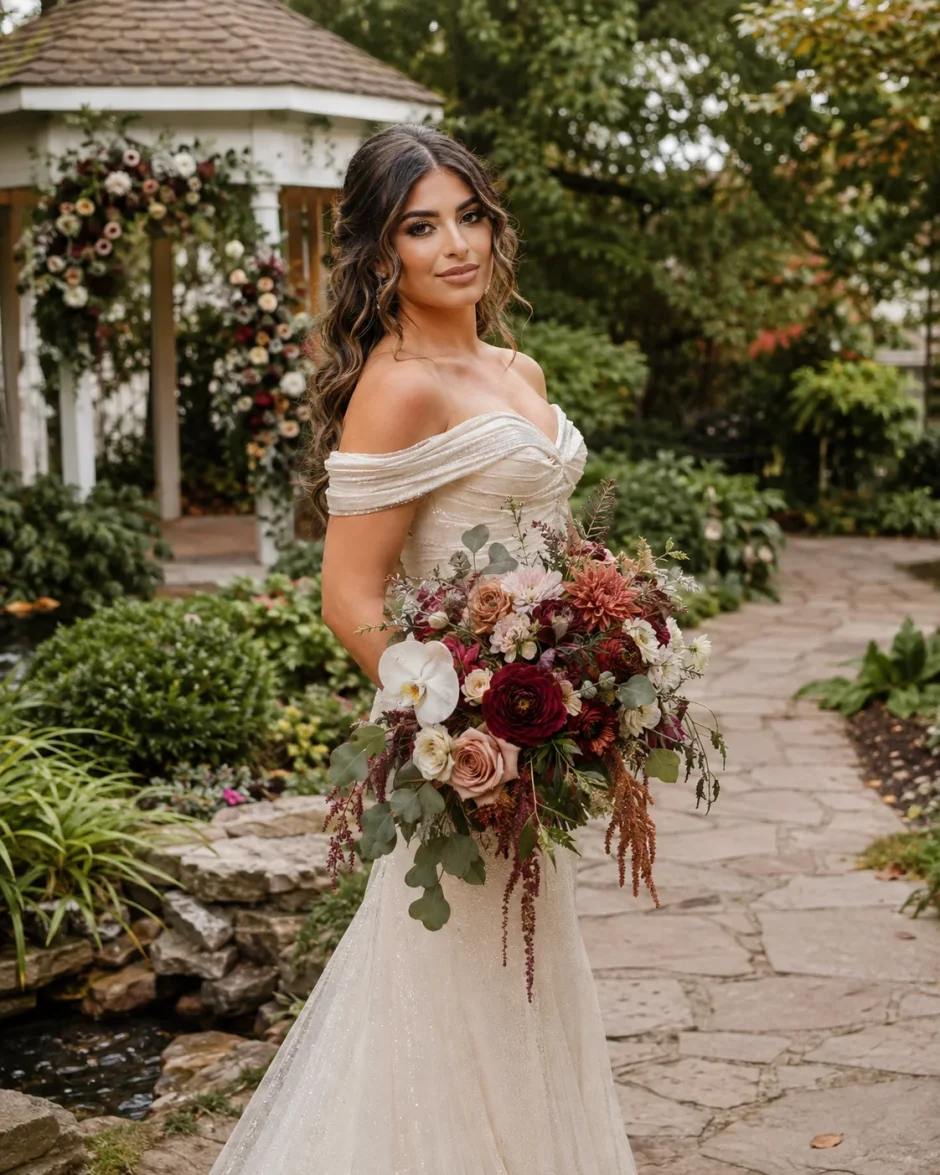
The most memorable fall bouquets are no longer trying to form a perfect floral ball. They move. They trail. They lean slightly to one side. A sculptural orchid may interrupt a cluster of garden roses, while scabiosa and dark foliage create just enough irregularity to make the arrangement feel collected rather than manufactured.
Modern fall bouquets are all about breaking free from rigid designs and embracing a bold, expressive aesthetic. Today’s brides are looking for arrangements with varied stem heights, asymmetrical silhouettes, and an intentional use of negative space. These trends reflect a shift towards celebrating the natural beauty of floral movement and form, rather than relying solely on traditional autumn colors. The rich tones of the season remain important, but it’s the interplay between unexpected flower shapes, trailing greenery, and sculptural elements that truly define the current style.
Whole Blossoms offers everything couples need to bring these trending looks to life. With their wide selection of focal blooms, accent flowers, and greenery, it’s easy to recreate the organic, artful vibe that makes today’s fall bouquets so unforgettable. Whether you’re drawn to striking orchids, wispy scabiosa, or dramatic foliage, the options are endless for crafting arrangements that feel dynamic, elegant, and uniquely personal.
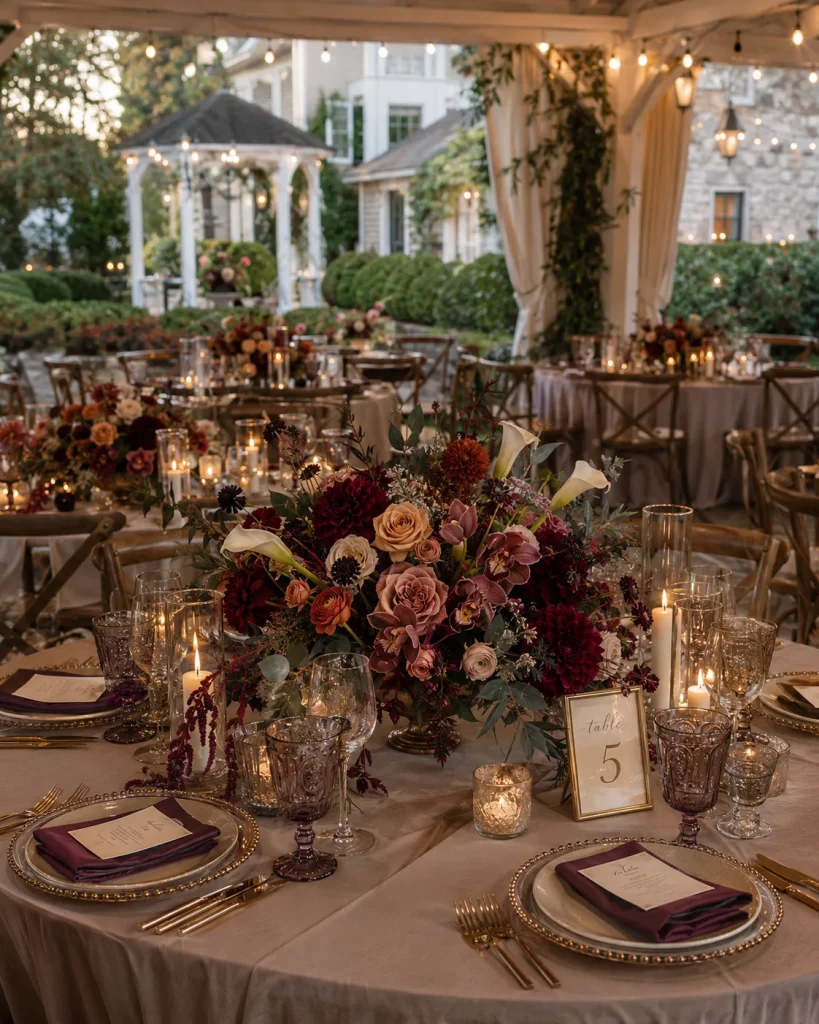
In this guide, you’ll learn:
- The biggest fall bouquet style shifts
- Which focal flowers are trending
- How orchids and calla lilies add modern structure
- Why texture flowers matter
- The hottest fall color palettes
- How to build an asymmetrical bouquet
- How to shop the look
Part 1 – Loose Asymmetrical Bouquets Are Replacing Perfectly Round Shapes
The era of perfectly round and symmetrical bouquets is giving way to a more modern and naturalistic approach. Loose, asymmetrical bouquets have emerged as a key structural trend in floral design, embodying organic movement, dynamic shapes, and artistic elegance. These designs use intentional irregularity to produce an arrangement that feels both contemporary and effortlessly romantic. With uneven flower placement, varying stem heights, and carefully chosen negative space, this style invites fresh creativity while still maintaining visual harmony.
Let Some Flowers Extend Beyond the Main Bouquet
One of the most striking elements of an asymmetrical bouquet is the way certain flowers or greenery extend beyond the main body of the arrangement. Directional flowers, such as scabiosa, orchids, calla lilies, and amaranthus, can serve as focal points that naturally draw the eye outward. Cascading greenery, like eucalyptus or ruscus, adds further drama and movement, creating graceful extensions that enhance the organic feel. This intentional reaching beyond the core arrangement adds a sense of depth and flow.
Build Around a Strong Focal Cluster
Despite their looseness, asymmetrical bouquets are not random. They rely on a clear focal area to establish balance and anchor the design. Flowers such as garden roses, dahlias, and ranunculus make excellent choices for this central cluster because of their lush, bold blooms and ability to command attention. Building the bouquet around this focal point ensures that the arrangement maintains structure, making the overall design visually coherent and rhythmic.
Leave Some Negative Space
Another defining characteristic of modern asymmetrical bouquets is the use of negative space. This intentional decision to leave openings between flowers and greenery allows the beauty of each individual stem to shine. Negative space provides breathing room within the arrangement, preventing it from feeling overly dense or chaotic. With the right balance, this approach highlights texture, shape, and color repetition, ensuring that each element contributes to the overall rhythm.
Finish With Loose Ribbon or Botanical Movement
To tie the look together, consider finishing your bouquet with materials that emphasize flow and movement. Trailing ribbons made of velvet or silk can add a luxurious, romantic touch, while botanical elements like hanging amaranthus or cascading greenery accentuate the bouquet’s naturalistic vibe. These final touches ensure the arrangement feels polished while continuing to highlight its loose and dynamic structure.
By balancing asymmetry with clear design principles—focal areas, rhythm, and negative space—these modern bouquets transcend trends to become timeless artistic compositions.
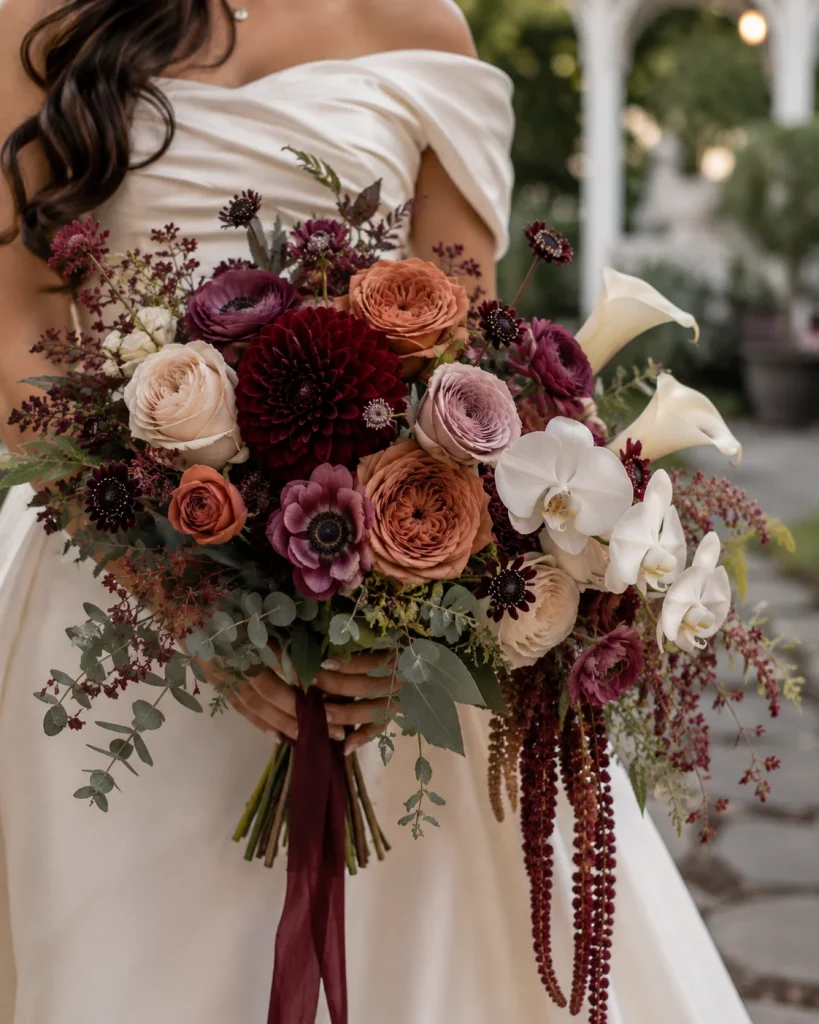
Part 2 – Garden Roses and Dinner Plate Dahlias Bring Maximum Fall Luxury
Garden Roses Add Romantic Petal Density
Garden roses are renowned for their lush, romantic appeal, making them the perfect choice for creating a sense of timeless luxury. Their dense, layered petals instantly draw the eye, creating a focal point that feels both rich and delicate. These flowers exude opulence, while their versatile tones, such as terracotta, caramel, dusty mauve, champagne, antique pink, and burgundy, are particularly striking for a fall palette. Whether nestled in a bridal bouquet or used in table arrangements, garden roses elevate compositions with their textured beauty. Their petal density also lends them a softness that contrasts beautifully against more sculptural or dramatic design elements, helping balance the bouquet while celebrating its organic flow.
Dinner Plate Dahlias Create Dramatic Scale
For florals that catch attention through sheer scale, dinner plate dahlias serve as the ultimate statement blooms. Known for their substantial size and striking presence, these dahlias are an essential choice for fall design. They work particularly well as key elements in bridal bouquets, ceremony installations, or statement centerpieces. Their broad, showstopping blooms are most impactful when used thoughtfully—rather than scattering them throughout, focus on creating singular areas of drama by clustering these flowers alongside complementary elements.
Large-scale flowers like dinner plate dahlias benefit from intentional visual framing, helping them remain the star without overwhelming the overall design. Their vibrant and often jewel-toned colors further enhance their presence, ensuring that they dominate in the most elegant way.
Mix Large Focal Flowers With Smaller Supporting Blooms
To achieve a balanced design, pairing large, premium focal flowers with smaller supporting blooms is essential. Small and medium-sized flowers, such as scabiosa, ranunculus, anemones, or berries, work harmoniously with larger-scale blooms like dinner plate dahlias and garden roses, creating a seamless visual transition. Incorporating greenery, such as eucalyptus or smilax, softens the overall design and provides a natural framework that enhances rhythm and structure.
This method prevents the arrangement from feeling heavy or disjointed, allowing the composition’s dynamic layers to shine. When executed well, the luxurious scale of garden roses and dinner plate dahlias can command attention, while the choice of supporting blooms ensures that every detail feels curated and purposeful, resulting in bouquets that radiate fall elegance.
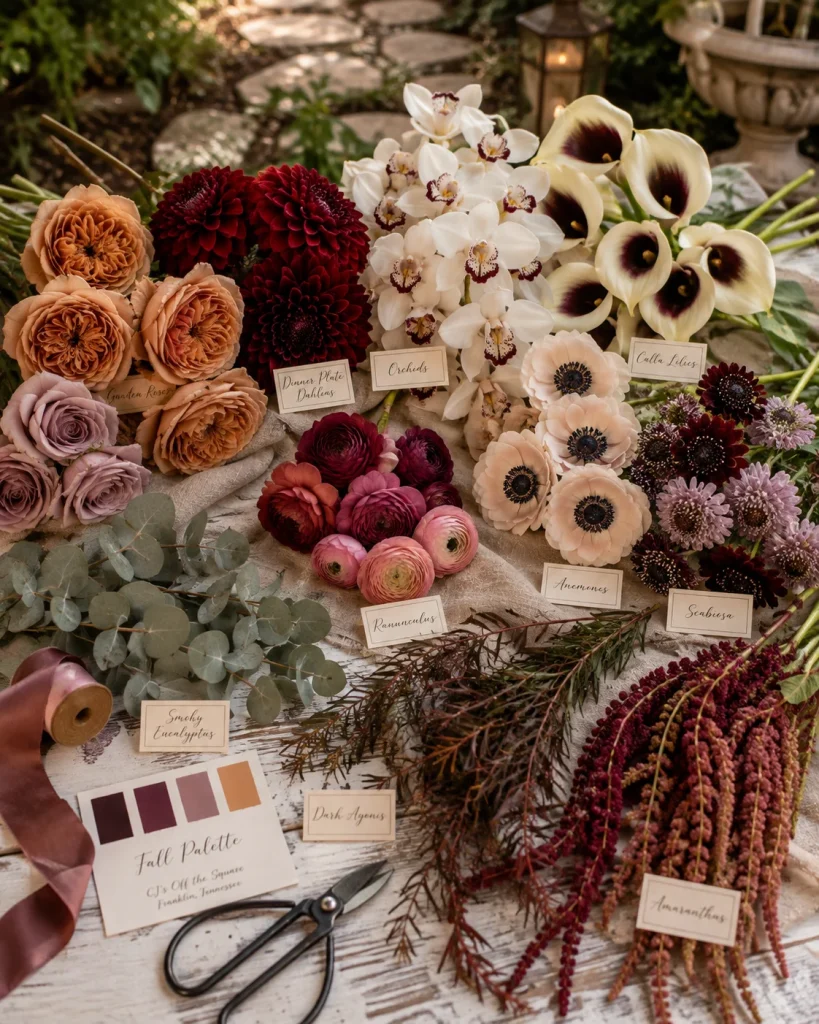
Part 3 – Orchids and Calla Lilies Are Adding Sculptural Drama
Modern bouquet styling takes on an editorial edge with the inclusion of orchids and calla lilies. These striking flowers introduce captivating shapes that provide a bold contrast to the softness of roses, dahlias, and ranunculus. By incorporating clean lines, directional movement, and asymmetry, they create sophisticated negative space and a structural elegance that elevates floral arrangements into modern works of art.
Orchids Create Cascading or Architectural Movement
Elegant and versatile, orchids play a dual role in bouquet designs by either cascading gracefully or introducing architectural structure. Orchid sprays can trail downward, adding a sense of movement that draws the viewer’s eye naturally through the composition. Alternatively, they can extend dramatically to one side, interrupting the rounded mass of traditional florals and creating an asymmetrical focal point. Their smooth, luxurious texture stands out while complementing the surrounding flowers, offering a refined touch that speaks to both opulence and modernity. When used sparingly but thoughtfully, orchids bring a luxe focal detail to any arrangement.
Calla Lilies Add Sleek Modern Lines
Calla lilies, with their trumpet-like form and sleek, minimalistic appearance, provide a sharp juxtaposition to heavily petaled blooms like dahlias or roses. Their clean silhouettes cut through the visual weight of larger flowers, introducing a streamlined aesthetic that exudes modern sophistication. Whether placed upright for a dynamic, vertical emphasis or angled within the bouquet to highlight asymmetrical design, calla lilies create a sense of intentionality that feels fresh and editorial.
One Sculptural Variety Can Change the Entire Bouquet
One of the key principles of modern bouquet styling is that less is often more. A bouquet does not require an abundance of orchids or calla lilies to make an artistic impact. Even just a few stems of these sculptural blooms can shift the entire visual direction of an arrangement. Their unique forms serve as a focal point, guiding the eye through the design and influencing how the bouquet is perceived. The result is an arrangement that feels curated, contemporary, and effortlessly chic.
When incorporating orchids and calla lilies, keeping the styling sophisticated ensures the design remains timeless rather than veering into tropical territory. By balancing these flowers’ dramatic qualities with softer, complementary elements, florists can achieve bouquets that radiate both modern drama and refined elegance.
Part 4 – Scabiosa, Anemones, and Ranunculus Create Editorial Texture
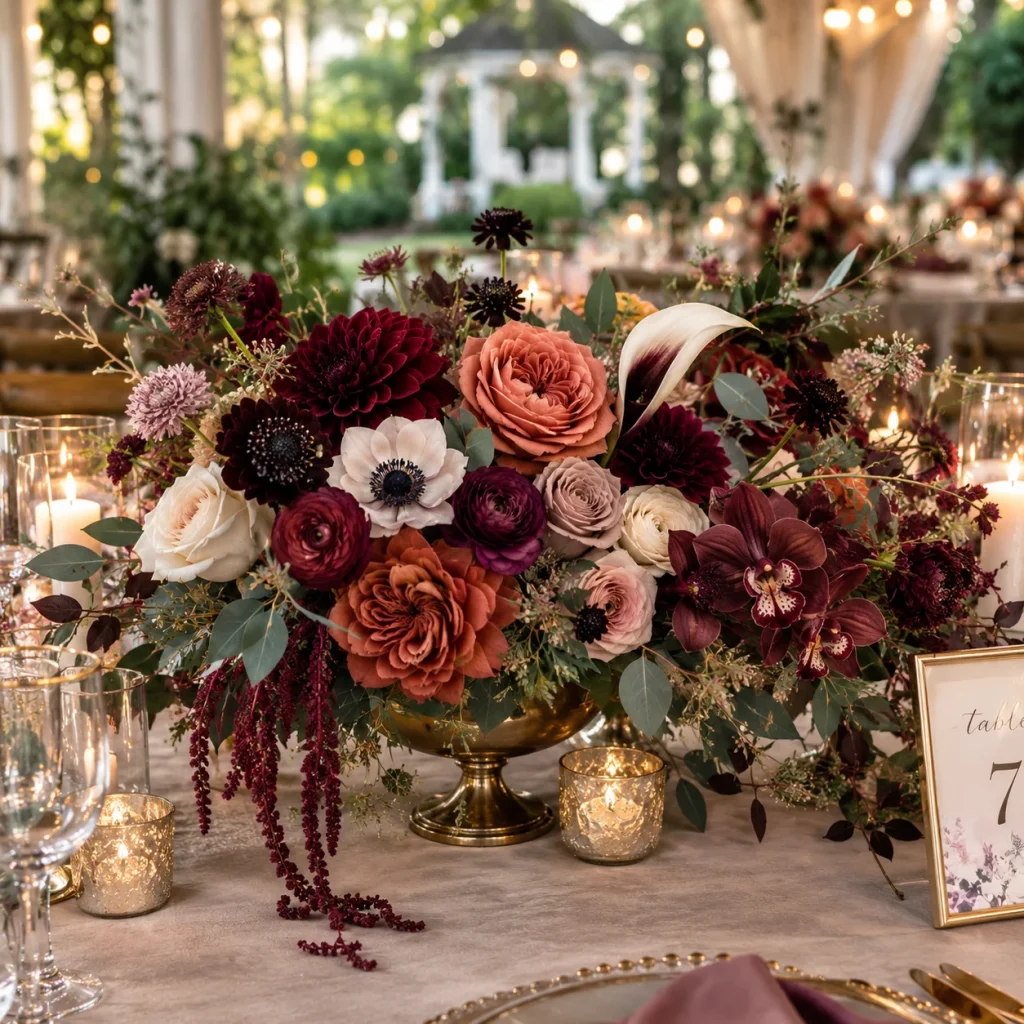
Adding subtle yet impactful texture to bouquets requires thoughtful use of smaller, detail-oriented flowers. Scabiosa, anemones, and ranunculus are ideal choices for creating that sought-after “garden-gathered” finish. By strategically incorporating these blooms, florists can achieve depth, movement, and rhythm within their designs, elevating the overall aesthetic.
Scabiosa Adds Height and Delicate Movement
Scabiosa offers a graceful way to bring height and lightness to an arrangement. Its distinctive center and long, slender stems create a sense of airy extension that helps soften and elongate the bouquet. Beyond height, Scabiosa also provides textural contrast, as its pincushion-like blooms balance more structured or uniform flowers. Additionally, its visual irregularity contributes to a naturalistic design, ensuring the bouquet feels organic and layered rather than overly stylized or stiff.
Anemones Add Strong Graphic Centers
Dark-centered anemones are a favorite for creating striking, editorial-style arrangements. Their bold centers act as focal points, drawing attention and adding a modern sharpness to the overall design. These flowers are particularly effective in dramatic color schemes, such as burgundy palettes, plum tones, or classic cream-and-black combinations. Their structured yet soft appearance lends itself to a high-fashion aesthetic, perfect for bouquets aiming to blend sophistication with an artistic edge.
Ranunculus Adds Delicate Layering
Renowned for their tightly layered petals and refined beauty, ranunculus plays a key role in bridging the size gap between larger blooms like garden roses or dahlias and smaller texture flowers. Their delicate, domed shape offers subtle volume without overpowering the arrangement. By layering ranunculus strategically, florists can create gentle transitions within the bouquet, leading the eye seamlessly from one focal point to the next.
Do Not Spread Every Texture Flower Evenly
For a more dynamic and visually appealing design, avoid distributing smaller texture flowers uniformly throughout the arrangement. Instead, cluster certain elements together while allowing others to stand alone. This intentional asymmetry creates a compelling rhythmic flow that enhances the bouquet’s character and makes it feel both curated and organic. By layering textures and varying placement, florists can achieve the coveted “garden-gathered” finish that radiates modern elegance and timeless charm.
Part 5 – Moody Jewel Tones and Tonal Palettes Are Defining Fall Color
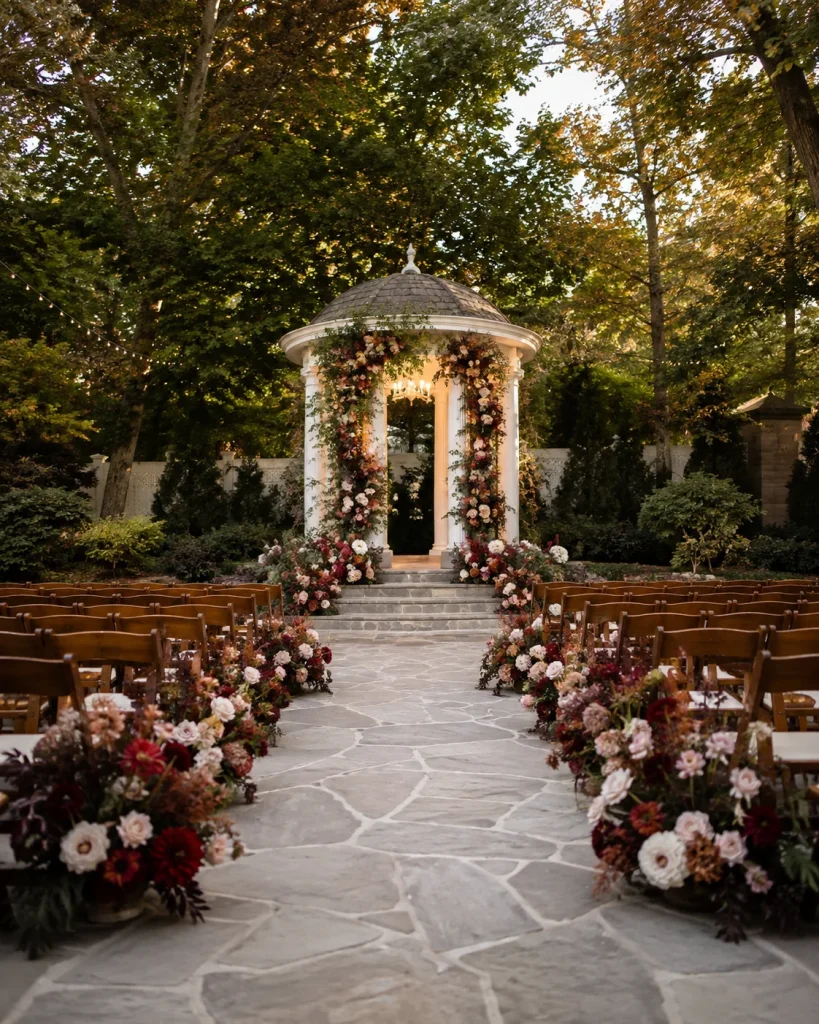
The fall season brings a deeper, more luxurious color palette to floral arrangements, with moody jewel tones and tonal palettes taking center stage. These rich hues not only capture the essence of autumn but also offer florists an exciting opportunity to curate unique and trend-forward designs. Pairing vibrant colors with lush textures creates arrangements that feel both opulent and modern, making them perfect for weddings, events, or everyday displays. Below are some of the leading color combinations trending for fall, along with tips to transform them into captivating floral compositions.
Burgundy + Plum + Wine
Use: Burgundy roses, dark dahlias, plum scabiosa, near-black accents, and dark foliage.
Mood: Moody, romantic, dramatic.
This palette evokes a sense of mystery and romance, perfect for creating dramatic fall bouquets. Burgundy roses form the foundation of depth, while dark dahlias add a velvety texture. To create contrast and intrigue, incorporate plum scabiosa and near-black accents, such as black calla lilies or chocolate cosmos. Dark foliage, like smoke bush or black fern, ties the look together while amplifying the moody effect. This combination works especially well in evening events or elegant settings needing a bold, sophisticated touch.
Terracotta + Rust + Caramel
Use: Terracotta garden roses, rust dahlias, caramel roses, bronze foliage, and amaranthus.
Mood: Warm, earthy, editorial.
This warm color palette exudes a grounded, autumnal vibe that feels simultaneously cozy and editorial. Terracotta garden roses bring a sunlit vibrancy, while rust-colored dahlias add richness and depth. Balance these tones with softer caramel roses and layer in bronze foliage, such as autumn eucalyptus or copper beech, for a cohesive look. For additional texture, cascading amaranthus adds an organic, slightly wild character. This palette is ideal for rustic weddings or home décor arrangements during fall’s peak.
Mauve + Dusty Rose + Berry
Use: Mauve roses, dusty pink ranunculus, berry dahlias, dark scabiosa.
Mood: Soft, romantic, autumn.
For clients seeking a lighter, romantic feel, this combination is perfect. Mauve roses and dusty pink ranunculus provide subtle elegance, while berry-tone dahlias introduce a fresh autumnal vibe. Adding dark scabiosa provides contrast, keeping the arrangement grounded in a fall aesthetic without feeling too heavy. These tones create a soft, nostalgic ambiance that pairs well with intimate weddings or feminine-inspired designs.
Near-Monochromatic Bouquets
While mixing bold colors has its charm, layering several tones within the same color family offers a more refined and sophisticated aesthetic. For example, creating a bouquet using shades of burgundy, wine, plum, and aubergine creates depth and visual interest without overwhelming the eye. This tonal approach can be particularly striking for fall arrangements, as it highlights the richness of the season’s natural hues. When experimenting with near-monochromatic palettes, focus on varying textures and flower shapes to ensure the arrangement feels dynamic.
By leveraging these on-trend fall color palettes, florists can transform seasonal inspiration into irresistible bouquets. Whether for romantic weddings or modern event décor, these combinations capture the essence of autumn while offering endless opportunities for creative expression.
Part 6 – Finish the Bouquet With Dark Greenery and Cascading Texture
Greenery plays an essential role in completing the look of any bouquet, especially when using on-trend fall color palettes. By adding dark greenery and cascading elements, florists can create a finished design that embodies movement, depth, and balance. These thoughtfully chosen foliage options not only enhance the flowers but also give bouquets a more dynamic and modern silhouette.
Smoky Eucalyptus Softens Heavy Color
Smoky eucalyptus is a versatile greenery option that pairs beautifully with popular fall tones such as burgundy, mauve, terracotta, and cream. Its muted, silvery-green undertones have a softening effect, which helps to balance the intensity of deep, rich florals. The delicate texture of eucalyptus leaves contrasts with heavier blooms, creating an airy feel that prevents the arrangement from looking overly dense. Whether used as a backdrop or to blend floral clusters seamlessly, smoky eucalyptus adds subtle sophistication to elegant fall designs.
Dark Agonis Adds Moody Contrast
Dark agonis foliage introduces a striking moody element that perfectly complements lighter focal blooms while adding depth to the arrangement. With its deep, wine-colored leaves and delicate structure, dark agonis can serve as a frame that emphasizes brighter florals and brings the overall design into focus. This depth-creating greenery is especially effective in bouquets featuring cream or terracotta tones, as it enhances contrast without feeling out of place.
Cascading Amaranthus Creates Movement
Cascading amaranthus is the perfect choice for adding dynamic movement to bouquets. Florists can strategically place stems beneath the bouquet, along one side, or woven between floral clusters. This flowing greenery contributes to a romantic and whimsical aesthetic that contrasts well with structured arrangements. However, be mindful not to allow every amaranthus stem to hang at the same length—varying the drape can create a more natural and visually interesting silhouette.
Greenery Should Support the Flowers, Not Hide Them
While greenery plays a critical role in finishing bouquets, it is equally important to ensure it complements the flowers rather than overshadowing them. Many modern bouquets have shifted away from the greenery-heavy “wild” garden style in favor of designs with more focus on strategic placement. Thoughtful distribution of foliage enhances the flowers’ shapes and colors, maintaining balance while giving the bouquet a lush yet refined appearance.
By utilizing these greenery options and techniques, florists can craft captivating, high-end arrangements that elevate their seasonal designs and meet trending consumer preferences.
Part 7 – How to Shop a Trend-Forward Fall Bridal Bouquet
A thoughtfully curated bridal bouquet can bring your wedding vision to life, combining elegance with on-trend designs. To create a stunning fall bouquet that feels unique yet cohesive, follow this straightforward shopping framework.
Choose One or Two Focal Flowers
Select focal flowers that set the tone for the entire bouquet. Garden roses, with their romantic, full blooms, or dahlias, celebrated for their intricate layers and vibrant fall hues, make ideal options. These flowers define the bouquet’s central theme and bring bold splashes of color and texture.
Add One Sculptural Flower
To elevate your arrangement, incorporate a sculptural flower. Orchids, with their graceful, curving forms, or calla lilies, known for their sleek, timeless beauty, provide dimension and sophistication. These flowers create a sense of drama and movement within the design.
Add One or Two Texture Flowers
Texture flowers add depth and visual interest. Incorporate scabiosa for its unique pincushion-like heads, anemones for their striking contrast centers, or ranunculus for their soft, multi-petaled look. These flowers enhance the layers of your bouquet while offering a modern twist.
Finish With Movement
The final touch in your bouquet is adding greenery or flowers that provide flow and movement. Delicate amaranthus offers a cascading effect, eucalyptus adds soft wisps of greenery, and dark agonis contributes moody, modern accents. These elements help tie the arrangement together, providing balance and harmony.
Build a Sample Recipe Before Ordering the Entire Wedding
To streamline your shopping process, experiment with a single sample recipe before committing to larger wedding orders. A bridal bouquet should stand apart from other arrangements, like bridesmaid bouquets, centerpieces, or ceremony installations. Remember, not every bouquet requires every trending flower—the beauty of your design lies in its balance, cohesion, and thoughtful selection.
By following this formula—focal flowers, sculptural accents, texture flowers, and greenery—you can confidently shop for a fall bridal bouquet that’s trend-forward, cohesive, and unforgettable.
Fall Wedding Bouquet Trend Matrix
| Trend | Focal Flowers | Accent Flowers | Greenery | Shape | Color Palette | Best Wedding Style |
| Asymmetrical Garden | Garden Roses + Dahlias | Scabiosa | Eucalyptus | Loose asymmetrical | Mauve/Burgundy | Garden wedding |
| Sculptural Modern | Calla Lilies | Orchids | Minimal ruscus | Linear | Cream/Wine | Modern wedding |
| Moody Jewel Tone | Burgundy Roses | Scabiosa + Ranunculus | Dark Agonis | Loose round | Plum/Wine | Evening wedding |
| Terracotta Editorial | Garden Roses | Ranunculus | Amaranthus | Cascading | Rust/Caramel | Autumn estate wedding |
FAQ SECTION
What are the biggest fall wedding bouquet trends?
Loose asymmetrical shapes, garden-gathered styling, jewel-tone palettes, sculptural flowers, and visible movement are strong directions. Garden roses and dahlias provide focal volume, while orchids, calla lilies, scabiosa, ranunculus, and trailing greenery create more editorial silhouettes.
What flowers are popular for modern fall bridal bouquets?
Garden roses, dinner plate dahlias, calla lilies, orchids, scabiosa, anemones, ranunculus, and cascading amaranthus can all create modern autumn designs. The strongest bouquets generally mix flowers with different shapes instead of relying on one uniformly rounded bloom type.
Are asymmetrical bridal bouquets difficult to make?
They require more planning than a perfectly rounded bouquet because the arrangement still needs visual balance. Start with a strong focal cluster, establish one or two directional extensions, then add smaller flowers and greenery without filling every open space.
What colors are trending for fall wedding bouquets?
Burgundy, wine, plum, aubergine, terracotta, rust, caramel, dusty mauve, berry, and champagne all work beautifully for fall. Tonal palettes using multiple shades from one color family can feel especially sophisticated.
How many different flower varieties should be in a bridal bouquet?
There is no fixed number, but four to seven varieties can provide plenty of diversity when each one has a clear role. Think in categories: focal flower, sculptural flower, texture flower, and greenery rather than simply adding more varieties.
How can I make a fall bouquet look expensive without using premium flowers everywhere?
Concentrate premium focal flowers such as garden roses and large dahlias where they will have the strongest visual impact, then use smaller textural flowers and greenery to build shape and movement around them.
Conclusion
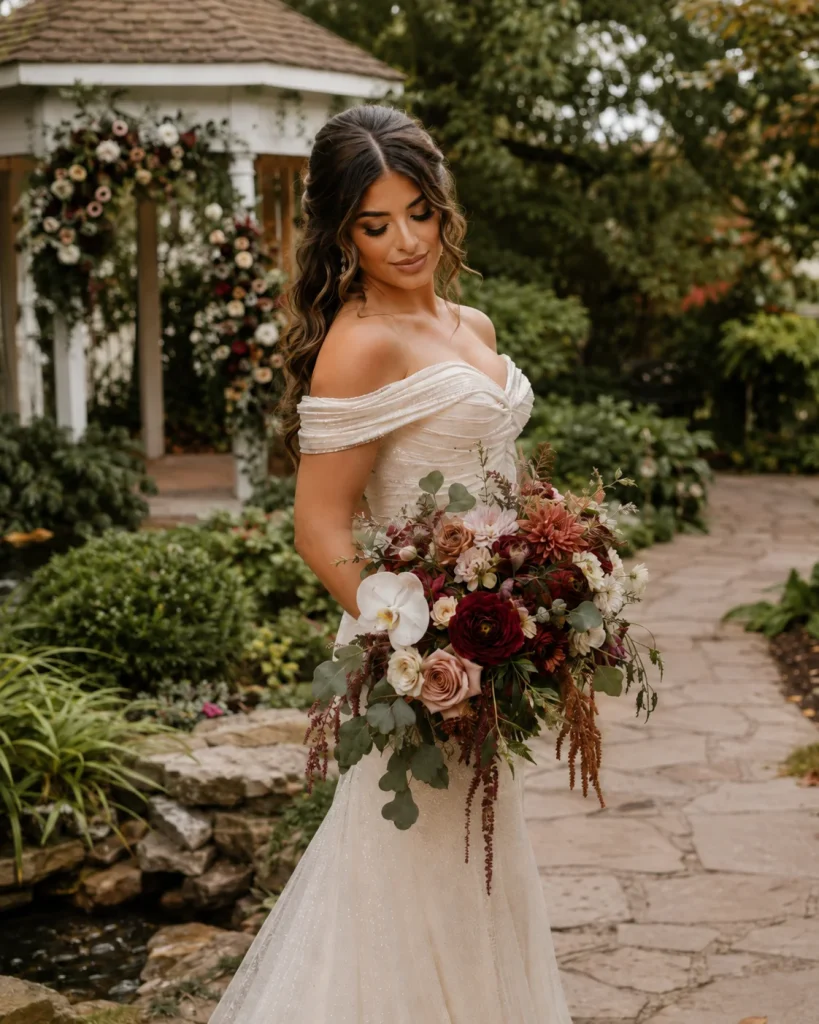
The strongest modern fall bouquet is not defined by a single flower, but by the harmonious combination of different floral roles. Garden Roses and Dahlias provide eye-catching volume, while Orchids and Calla Lilies offer sculptural structure. Scabiosa, Anemones, and Ranunculus add unique textures, and Amaranthus combined with lush greenery introduces movement. Together, these elements create a stunning arrangement, with color setting the mood and tying it all together. The result is a bouquet that feels abundant, dynamic, and entirely your own.
Create your own trend-forward autumn bouquet with farm-direct flowers from Whole Blossoms. Explore our selection of garden roses, dahlias, orchids, calla lilies, scabiosa, anemones, ranunculus, bulk greenery, and other floral supplies to design breathtaking bridal bouquets, bridesmaid arrangements, centerpieces, or fall ceremony décor.