


 by
by 
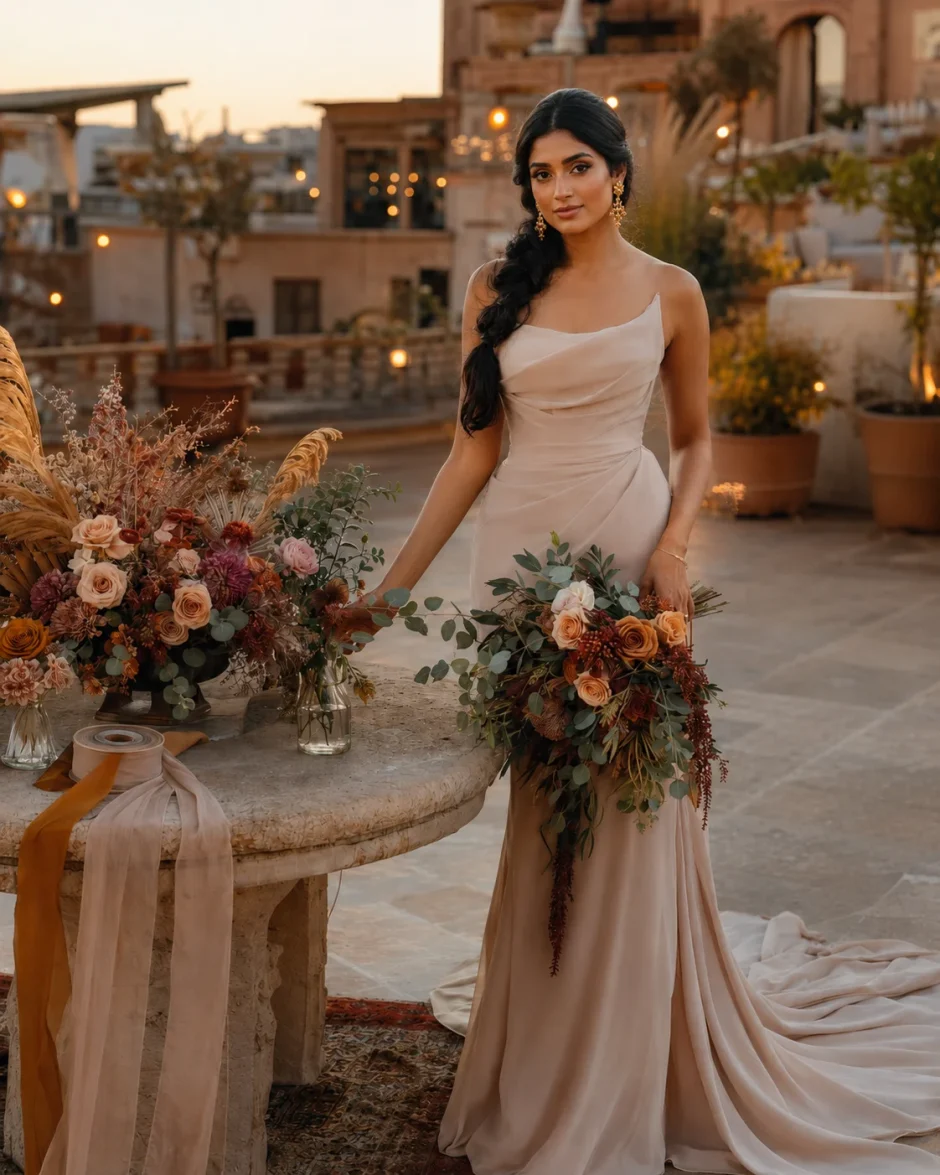
Planning a fall wedding might feel like a distant task in July, but the time to secure your floral arrangements is closer than you think. If you are wondering when to order fall wedding flowers, July is one of the best months to start making serious decisions about your flowers, colors, quantities, and design style. Weddings in September, October, or November come with their own unique palettes and themes, and July offers a valuable window to plan ahead without the stress of last-minute decisions. This does not mean flowers need to arrive in July. Instead, it’s the perfect time to select and reserve the flowers you’ll need, coordinate delivery timelines, and finalize designs. By preparing now, you ensure your wedding day blooms reflect the beauty and vision you’ve imagined. At Whole Blossoms, we specialize in bulk flowers, helping brides and planners simplify fall wedding preparations with high-quality blooms, expert advice, and flexible delivery options to suit your needs.
In this guide, you’ll learn:
- Why July matters for fall wedding flower planning
- When to order flowers for September, October, and November weddings
- Best fall wedding flowers and colors to plan now
- Fresh vs. dried vs. preserved fall flowers
- What supplies and greenery to prepare early
- Common fall flower planning mistakes to avoid
- FAQs about ordering fall wedding flowers
Part 1 – Why July Is the Smart Planning Month for Fall Wedding Flowers
Planning fall wedding flowers in July may seem early, but it’s actually the perfect time to start finalizing decisions and preparing for the season ahead. Fall weddings often demand detailed floral arrangements, which means many decisions need to be made well in advance, long before fresh flowers arrive closer to your big day. From choosing color schemes to ordering supplies, July provides the breathing room to ensure you have everything set for a beautiful and stress-free celebration.
July Gives You Time to Choose, Plan, and Prepare
July is all about laying the groundwork for your fall floral vision. This month gives you enough time to research and finalize the key details of your wedding flowers. Decisions like color palettes, bouquet styles, centerpiece designs, and ceremony flower quantities need to be addressed. Additionally, it’s the ideal time to determine your greenery needs and decide whether you want to incorporate preserved or dried flowers into your arrangements. This level of preparation ensures that you’re not scrambling for last-minute solutions closer to the wedding.
Starting in July also allows you to coordinate logistics well in advance. For those planning DIY flowers, it’s particularly important to establish schedules for helpers who will assist with arranging bouquets and centerpieces. Securing their availability early ensures a seamless process as the date approaches. July is the month to plan delivery schedules, reserve any rental items like vases, and stock up on ribbons, foam, and other floral supplies.
Fall Wedding Flowers Require Color Decisions Early
Color is a defining feature of fall weddings, and July offers the perfect opportunity to lock in these details. Popular fall palettes often include deep reds, oranges, and golds, but they can also extend to neutral tones like cream, dusty rose, or even moody blues. By deciding your colors now, you can align your flower choices with the overall aesthetic of your wedding and ensure that your arrangements complement the season beautifully.
Additionally, many fall-themed flowers and greenery are in high demand as the season progresses. Making decisions early on ensures that the varieties and shades you prefer will be available and achievable when it’s time to order fresh blooms closer to the event.
Fresh Flowers Are Delivered Later, but Planning Starts Now
One critical distinction to understand when planning wedding flowers is the timing of fresh flower delivery. Fresh flowers are highly perishable and are typically delivered just days before the wedding to ensure optimal freshness. However, this doesn’t mean you should wait until the final weeks to plan. July is not the month for delivery, it’s the month for decision-making.
By utilizing July to finalize your flower choices, you can avoid stress in the months to come. While fresh flowers can’t be secured this far in advance, preserved and dried flowers, along with all necessary supplies, can be ordered now and stored for later use. Trust the process, starting early ensures smooth execution and peace of mind as the wedding date approaches.
Preserved, Dried, and Supply Orders Can Start Earlier
If you’re incorporating preserved or dried flowers into your fall wedding arrangements, July is the perfect time to place these orders. These non-perishable options offer long-lasting beauty and flexibility, and getting them earlier allows you to experiment with design ideas or even create some arrangements ahead of time.
This is also the time to start stocking up on essential supplies like floral foam, wire, ribbons, and vases. These are often overlooked until the last minute, but by securing them now, you’ll minimize stress during the crucial final weeks before the wedding.
Buyer Questions Answered
- Is July too early to plan fall wedding flowers? No, July is the ideal time to finalize flower design decisions, order non-perishable materials, and prepare for the months ahead.
- Should I order fall wedding flowers in July? While fresh flowers don’t need to be ordered yet, July is a great time to order preserved, dried flowers, and supplies.
- When should I start choosing flowers for a September wedding? Decisions should be made by July to ensure availability and alignment with your wedding vision.
- Can I order dried or preserved flowers earlier than fresh flowers? Absolutely, these items can be purchased now and stored, giving you more time to refine your arrangements before the wedding.
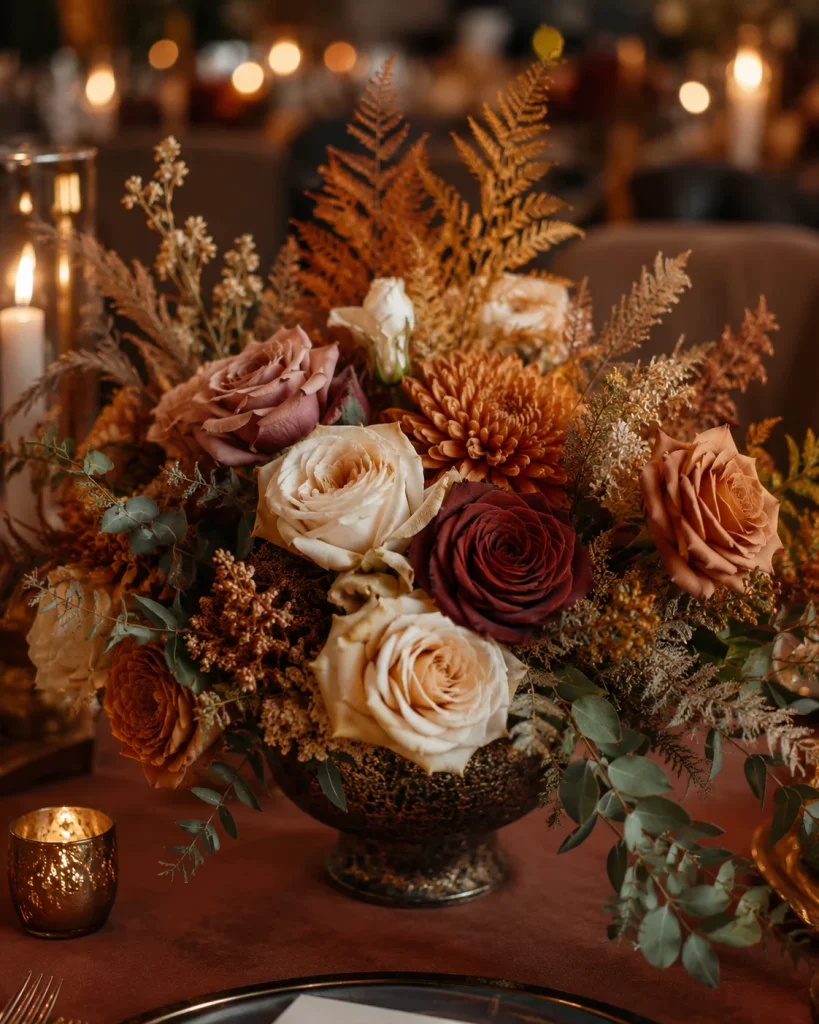
Part 2 – When to Order Fall Wedding Flowers by Wedding Month
Planning wedding flowers requires careful thought and preparation. For a fall wedding, you’ll want to start early to ensure your floral arrangements are exactly as you envisioned. Below is a practical timeline broken down by wedding month, September, October, and November, to guide you in planning, ordering, and ensuring everything comes together seamlessly.
September Weddings: Finalize the Flower Plan in July
If your wedding is in September, July is the crucial month to finalize your flower plan. Begin by narrowing down your flower color palette to complement your overall wedding theme. Once you’ve decided on your desired colors, choose the bulk flower categories you’ll need, such as roses, dahlias, or sunflowers. Estimating the quantities of each flower type is also key during this stage to avoid over or under-ordering.
July is also an excellent time to purchase any non-perishable supplies, such as floral foam, vases, and ribbon, as these items can be stored well in advance. When it comes to fresh flowers, schedule delivery closer to your wedding day, generally 2–3 days before the event, based on the specific care needs of the flowers you’ve chosen. This will help ensure peak freshness and quality.
October Weddings: Lock In Colors and Design Direction
For October weddings, July is the perfect time to finalize your design direction. Start by narrowing your flower color palette to seasonal shades, such as deep oranges, burgundies, and soft yellows. Decide if you want to use fresh, dried, preserved flowers, or a combination of all three. This decision will also help prioritize which flowers to order earlier versus later.
Additionally, consider where the flowers will have the most impact, such as the ceremony altar or reception tables. By identifying your priorities now, you can determine how much of your budget should go to these key areas. While preserved and dried flowers can be ordered early and stored well, fresh flower decisions should be finalized by mid-August, and delivery should follow the same rule as September weddings, 2–3 days before the event.
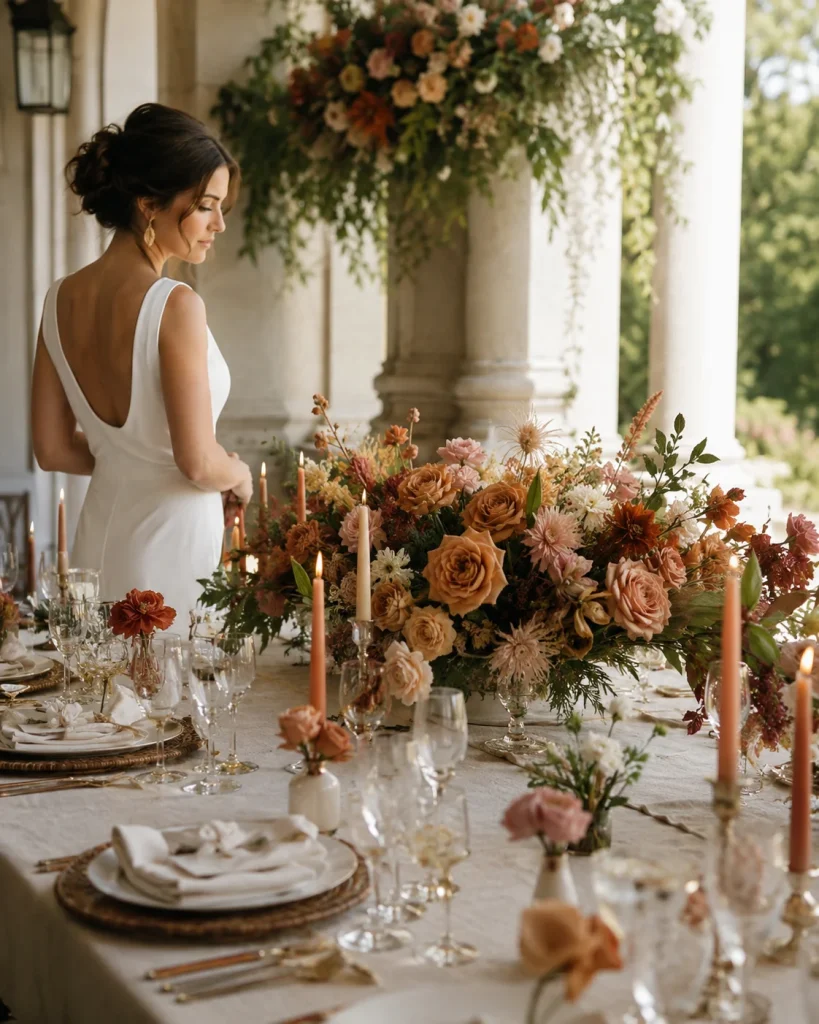
November Weddings: Start the Fall Floral Blueprint
For November weddings, July is a great time to start laying the foundation for your floral vision. Use this time to gather inspiration and fine-tune your budget and design ideas. Decide which flower types and arrangements will best suit your wedding style, from elegant monochromatic bouquets to rustic, mixed textures with dried foliage.
By July, you can confidently choose preserved and dried flowers and start placing orders for these items. Fresh flowers, on the other hand, should be selected closer to your wedding date. Final flower orders should ideally be made in early September to allow for farm availability and shipping time.
Fresh Flower Delivery Should Be Timed Close to the Event
For all fall weddings, fresh flower delivery should always be scheduled close to your wedding day. Most flower varieties stay vibrant for several days with proper hydration and care, so a delivery 2–3 days before your event ensures they look beautiful on the big day. Keep in mind that more delicate flowers may have special handling requirements, so consult your supplier or florist for specific recommendations.
Supplies and Preserved Flowers Can Be Ordered Earlier
Unlike fresh flowers, which have a limited shelf life, preserved and dried flowers, along with essential supplies, can be purchased and stored well ahead of time. Doing this early will give you extra time to prepare your arrangements and reduce stress in the weeks leading up to your wedding. Non-perishable items such as floral wire, tape, and containers are also best purchased early.
How Far in Advance Should You Plan DIY Wedding Flowers?
For DIY brides, starting early is essential. At least three months beforehand, you should calculate the number of stems needed for your arrangements, buy your tools and materials, and assign tasks to helpers. Avoid leaving flower decisions until the week of your wedding, a rushed plan can lead to mistakes and unnecessary stress. With proper preparation, your DIY flowers can be a beautiful and rewarding part of your big day.
By following this timeline and preparing well in advance, you can make the process of planning your fall wedding flowers smooth and enjoyable. Whether you’re using fresh, dried, preserved flowers, or a mix, early planning ensures your floral arrangements are stunning and perfectly tailored to your vision.
Part 3 – Fall Wedding Flowers and Color Palettes to Choose in July
When planning your fall wedding flowers in July, it’s essential to choose a color palette early. Not only will this decision guide your floral selections, but it will also influence other aspects of your wedding design, from linens to bridesmaid dresses. Creating a cohesive and beautiful fall aesthetic starts with selecting colors that resonate with the season and your personal style.
Choose Your Fall Wedding Color Palette First
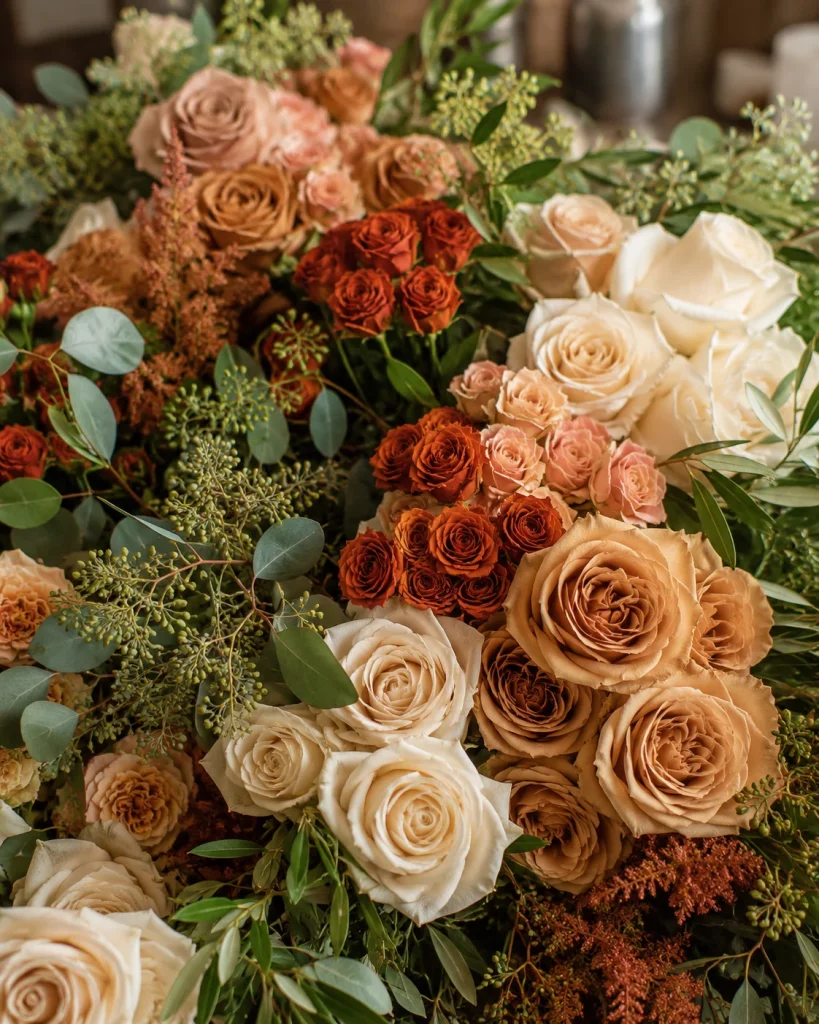
The first step in this process is to define your fall wedding color palette. Fall weddings are naturally associated with warm, rich tones, but you can also incorporate neutral or unexpected accents to make your arrangements stand out. Popular fall wedding colors include burgundy, rust, terracotta, cream, ivory, and champagne. These shades evoke the cozy and romantic essence of the season. For a bolder take, consider adding plum, mauve, or mustard to your palette. Deep orange, olive green, chocolate brown, and dusty rose are equally enchanting choices that beautifully reflect the autumnal setting. By establishing your color palette in July, you can confidently move forward with ordering flowers and coordinating the overall look of your wedding.
Burgundy, Rust, Terracotta, and Cream Are Strong Fall Choices
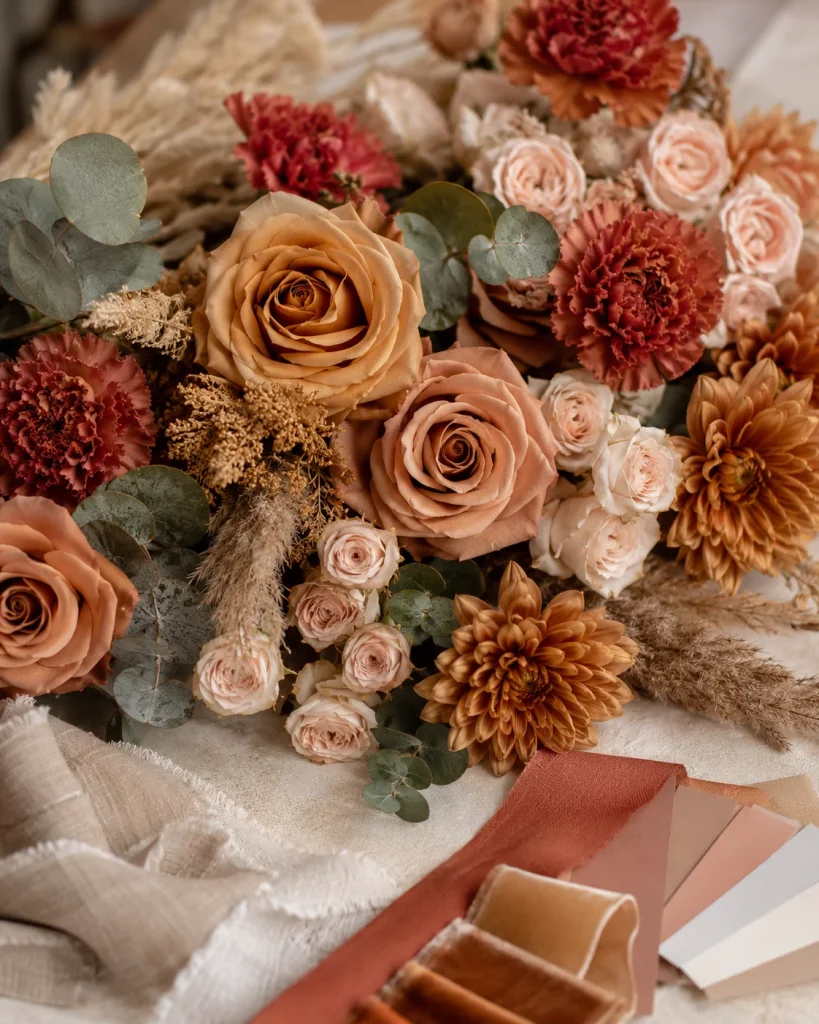
Burgundy, rust, terracotta, and cream form a classic combination perfect for autumn weddings. Burgundy offers depth and drama, while rust and terracotta bring warmth and a natural, earthy feel. Cream serves as a soft, neutral counterbalance that prevents deeper tones from feeling too heavy. These colors are not only striking but are also widely available in fresh and dried floral options, ensuring both versatility and convenience for your arrangements.
Roses, Carnations, and Chrysanthemums Add Fall Color and Volume
When it comes to flowers, roses, spray roses, carnations, and chrysanthemums are excellent options for fall. Roses and spray roses are timeless and available in nearly every fall color, including burgundy and cream. Carnations are budget-friendly yet stunning, with shades like dusty rose and rust that complement fall palettes. Chrysanthemums, often referred to as “mums,” bring texture and volume to your designs and work well on their own or paired with other blooms. If available, consider adding dahlias or ranunculus for an extra touch of seasonal elegance.
Greenery Gives Fall Arrangements Shape and Texture
Greenery plays an important role in fall floral arrangements. Options like eucalyptus, Italian ruscus, and leather leaf provide lush texture and structure to your designs. For a unique, autumn-inspired look, olive branches can lend a rustic yet elegant touch. These greenery options pair beautifully with warm seasonal colors, ensuring that your flowers feel full and dimensional.
Dried and Preserved Accents Add Seasonal Depth
To capture the essence of fall, add dried or preserved elements like pampas grass, dried palms, or preserved ruscus to your arrangements. These accents not only deepen the seasonal aesthetic but also create an intriguing mix of textures. Baby’s breath, when dried, can add a delicate, airy quality. Mixing fresh flowers with dried accents is a creative way to add visual interest to bouquets and centerpieces while staying true to the fall theme.
By choosing your color palette and floral elements in July, you’ll have plenty of time to place your orders and ensure that everything arrives on schedule. Whether your vision includes lush greenery, bold blooms, or dried accents, early planning will bring your dream fall wedding flowers to life.
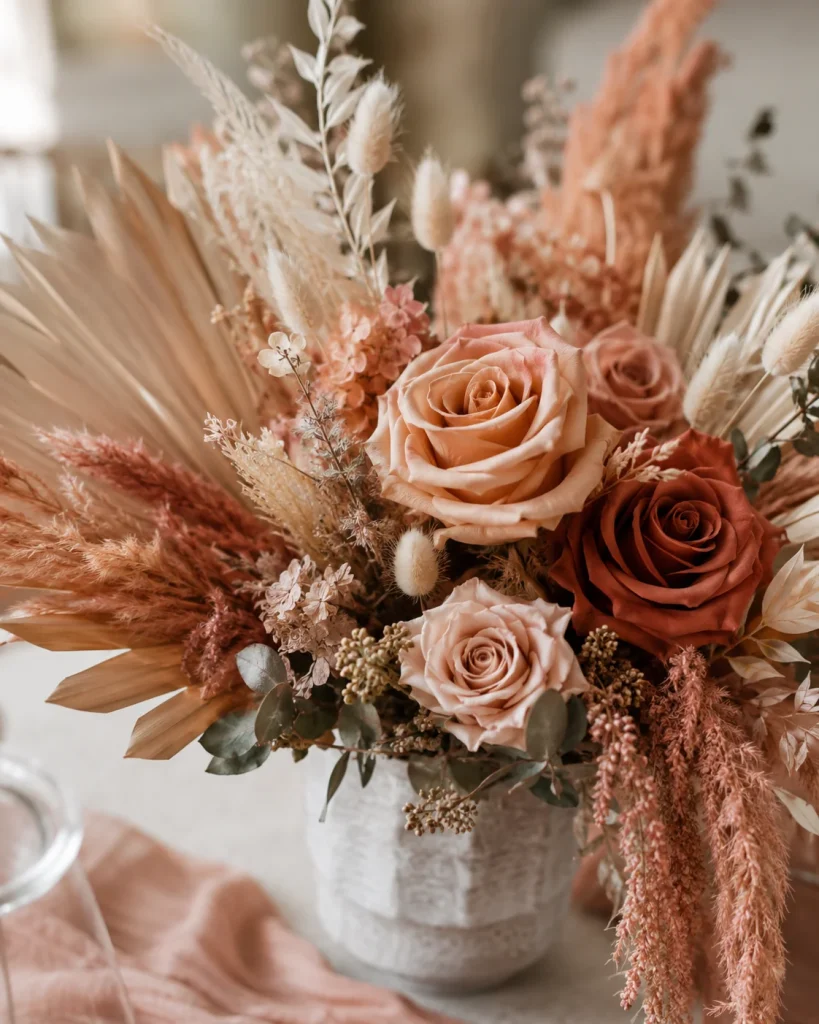
Part 4 – Fresh, Dried, or Preserved Fall Wedding Flowers: What to Decide Now
Selecting the right type of flowers for your fall wedding is an important choice that depends on your style, timeline, and budget. Understanding the advantages and needs of fresh, dried, and preserved flowers will help you make the best decision for your special day.
Fresh Flowers Create Classic Fall Wedding Beauty
Fresh flowers are the quintessential choice for many weddings, offering vibrant colors, natural movement, and a fragrant aroma that can transform any venue. Fresh blooms are ideal for bouquets, centerpieces, and ceremony arrangements, particularly if your wedding leans toward a classic design. However, they do require careful planning. Fresh flowers need to be ordered close to your wedding date to ensure they remain hydrated and pristine. Proper storage and arranging logistics are essential to keep them looking their best, especially for large-scale events. For this reason, fresh flowers are ideal for couples working with a florist who can handle the timing and care demands.
Dried Flowers Add Texture and Early Planning Flexibility
Dried flowers are gaining popularity for boho, rustic, and vintage-inspired fall weddings, thanks to their unique textures and earthy charm. These flowers are long-lasting and can often be ordered well in advance, making them an excellent option for couples planning early. Unlike fresh flowers, dried blooms don’t require water, so they are more forgiving in terms of care and storage. However, they do require careful handling to avoid breakage and dust buildup. When styled intentionally, dried flowers can provide stunning arrangements with a timeless feel.
Preserved Flowers Help Reduce Last-Minute Stress
Preserved flowers combine the beauty of fresh blooms with the longevity of dried ones. These flowers undergo a preservation process to maintain their supple texture and vibrant colors for months, making them an excellent option for long-lasting greenery, keepsake designs, or for mixing with fresh blooms. Because they are less time-sensitive than fresh flowers, preserved blooms can be prepared well ahead of your wedding day. Proper storage and gentle handling are key to keeping preserved flowers intact and visually appealing.
Mixed Fresh and Dried Designs Can Work Beautifully
Combining fresh flowers with dried or preserved accents allows for a unique and multidimensional look. This approach pairs the natural movement and fragrance of fresh blooms with the texture and flexibility of dried or preserved elements. For example, pairing a fresh bouquet with wispy dried grasses or preserved greenery can create a distinctive design—perfect for couples seeking a balance between classic and modern styles. Collaboration with a florist can help ensure a seamless blend of these elements.
July Is the Time to Decide Which Direction Fits Your Wedding
If your fall wedding plans are coming together in July, now is the ideal time to finalize your flower decisions. For fresh flowers, this timing helps you connect with vendors and ensure your wedding date aligns with their schedules. For dried and preserved flowers, July offers the opportunity to order well in advance without concerns about spoilage. This is especially valuable for DIY brides, allowing ample time for styling, centerpiece assembly, and other creative arrangements. By exploring your options and planning ahead, you can select the perfect floral format that suits your vision, timeline, and budget.
By weighing the benefits of fresh, dried, and preserved flowers, you’ll make a well-informed decision that enhances your fall wedding. For additional help with sourcing flowers, explore options in Fresh Wholesale Flowers, Preserved Flowers, Dried Flowers, Fall Wedding Flowers, Bulk Greenery, and Floral Supplies. Each choice brings unique opportunities to express your style and celebrate the beauty of the season.
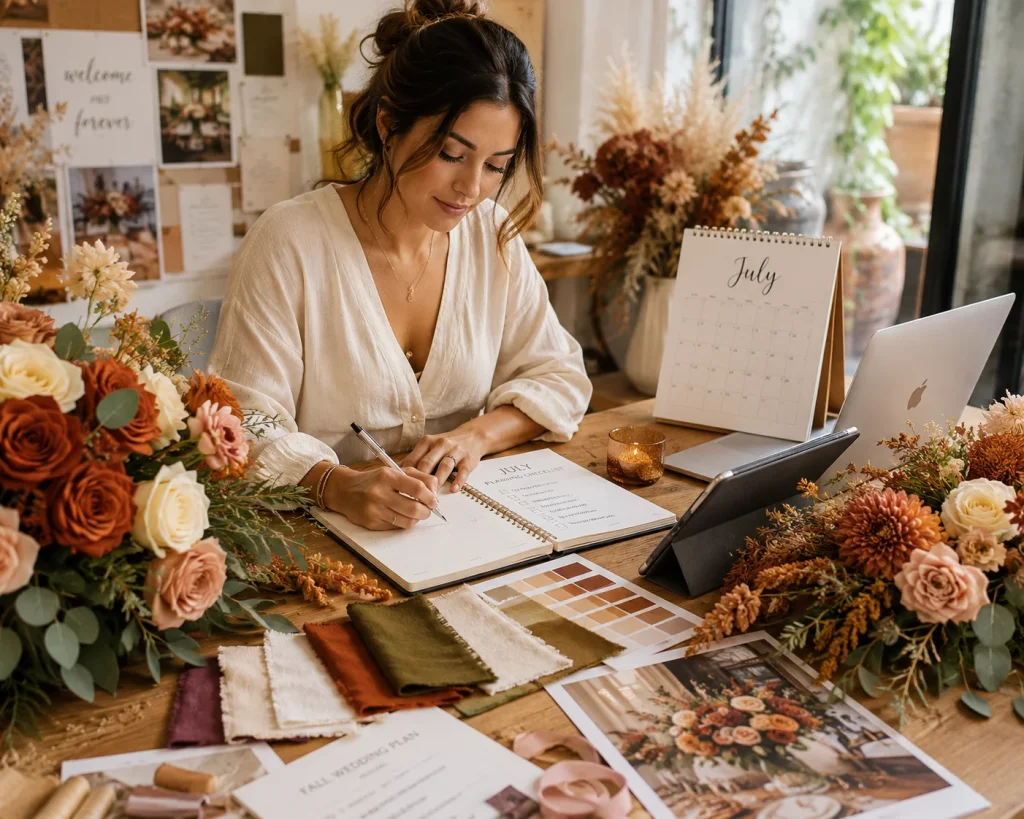
Part 5 – What to Prepare in July Before Your Fall Wedding Flowers Arrive
July is the perfect time to take action and lay the groundwork for a stress-free wedding week. By completing key preparations now, you’ll avoid last-minute chaos and ensure everything is ready when your fall wedding flowers arrive. Use this July checklist to guide your planning process and set yourself up for a seamless, beautiful celebration.
Finalize Your Flower Quantities
One of the most important steps is determining how many flowers you’ll need. Start by finalizing your wedding color palette and deciding on the types of flowers you want—fresh, dried, preserved, or a mix. Once you’ve made that decision, estimate the quantities for your bouquets, centerpieces, and other floral arrangements. Carefully count the exact number of guest tables, head tables, cocktail tables, ceremony areas, the cake table, welcome table, and bar. Be sure to plan for accent flowers and greenery to add volume and texture. Having clear flower quantities will streamline your ordering process and help you stay within budget.
Order Supplies Before the Flowers Arrive
July is also an ideal time to stock up on all the floral supplies you’ll need for DIY arrangements. Essential items could include floral foam, wire, floral tape, shears, and vases or containers that complement your wedding aesthetic. Don’t forget to include extra supplies for backup in case of breakage. Ordering supplies early not only ensures availability but also gives you time to compare prices and avoid rushed purchases.
Plan Where Flowers Will Be Stored
When your fall wedding flowers arrive, proper storage is critical to keeping them fresh and vibrant. Designate a cool, dark area with enough space to accommodate your flower order, whether it’s a local refrigerator, a cool basement, or a rented floral cooler. If you’re handling fresh flowers, ensure your chosen space provides the right temperature and humidity conditions to extend their freshness. For dried and preserved flowers, a clean, dry storage environment will protect them from damage. Planning this in advance will save you the headache of scrambling to find storage at the last minute.
Schedule Helpers for DIY Arranging
If you’re arranging your flowers yourself, you’ll need a team of helpers to get the job done efficiently. Start contacting family members or close friends in July to see who’s available to assist. Assign specific tasks, such as unboxing and processing the flowers, creating bouquets, and assembling centerpieces. Make sure you give everyone clear instructions and set up an organized workspace for assembling the arrangements. Scheduling helpers now will prevent stress and ensure your DIY efforts run smoothly.
Create a Wedding Week Flower Timeline
Finally, plan a detailed flower delivery and prep timeline for the week of your wedding. Decide who will receive the flower shipment and what needs to happen as soon as the flowers arrive. Include time for processing flowers, storing them properly, and arranging them into your designs. By breaking the timeline into manageable steps, you’ll avoid feeling overwhelmed and keep everything on track.
By tackling these action steps in July, you’ll reduce wedding-week panic and have a clear plan for managing your fall wedding flowers. Start organizing now and explore options in Bulk Flowers, Bulk Greenery, and Affordable Wedding Flowers to make your dreams a reality. Proactive planning ensures that your special day is nothing short of stunning, leaving you free to enjoy every moment.
Part 6 – Common Fall Wedding Flower Planning Mistakes to Avoid
Ensuring your fall wedding flowers are flawless means careful planning and avoiding common pitfalls that could derail your efforts. Here are several planning mistakes to steer clear of to minimize stress, avoid delays, and create the stunning floral arrangements you envision.
Do Not Wait Too Long to Make Flower Decisions
One of the biggest mistakes brides make is waiting until the wedding week to finalize flower choices. Many seasonal flowers may have limited availability, so it’s crucial to research fall wedding flower options, such as sunflowers, chrysanthemums, and wholesale roses, in advance. Procrastination can lead to disappointment, especially when sought-after blooms are no longer available or shipping timelines cut too close to your big day. Order your flowers early to ensure availability and peace of mind.
Do Not Forget Greenery and Filler Flowers
Greenery and filler flowers provide structure and balance to floral arrangements, yet they’re often overlooked. Popular options like eucalyptus, ferns, and baby’s breath can highlight the beauty of your focal blooms while keeping your designs full and cohesive. Incorporating greenery from the start ensures your arrangements look professional and polished. Don’t forget to browse Bulk Greenery options to pair perfectly with your chosen flowers.
Do Not Skip the Stem Count Plan
Flower shortages can quickly spiral into a logistical nightmare. A stem count plan is essential to avoid running short on flowers. Consider how many stems you’ll need for bouquets, centerpieces, and other arrangements, and order slightly more than you think you might need to allow for design adjustments or last-minute ideas. This will help you stay organized and avoid stressful surprises on the wedding day.
Do Not Forget Supplies, Storage, and Helpers
DIY wedding flowers can turn unexpectedly stressful if you don’t prepare adequately. Make sure you have essential floral supplies like floral tape, scissors, and foam blocks to assemble and transport your arrangements. Flowers also need proper hydration and storage to maintain their freshness. Plan ahead for a cool, safe space, such as a refrigerator or air-conditioned room, and enlist reliable helpers who can assist with preparation and setup.
Do Not Leave Preserved and Dried Flowers Out of the Plan
A growing trend for fall weddings includes preserved and dried flowers, which can add texture, variety, and a touch of vintage charm to floral designs. Incorporating elements like dried pampas grass or preserved roses can create stunning, long-lasting arrangements. These flowers also provide the added benefit of being easier to store and manage. Explore options in Preserved Flowers to see how these elements can complement your wedding theme.
Tie It All Together
By avoiding these common mistakes, you can streamline your fall wedding flower planning process and reduce unnecessary stress. Whole Blossoms offers a variety of options, from Wholesale Roses to Dried Flowers and Floral Supplies, to make your planning easier and more enjoyable. Thoughtful preparation ensures your wedding flowers dazzle on the big day, leaving you free to savor every cherished moment.
FAQ Section
FAQ 1: When should I order fall wedding flowers?
You should begin planning fall wedding flowers in July if your wedding is in September, October, or November. Fresh flowers should usually be delivered closer to the event, but July is a smart time to choose colors, estimate quantities, order supplies, and decide whether to use fresh, dried, or preserved flowers.
FAQ 2: Is July too early to plan October wedding flowers?
No, July is not too early to plan October wedding flowers. It is a good time to finalize your palette, count tables, choose bouquet styles, review greenery needs, and order supplies. Fresh flower delivery should be scheduled closer to the wedding date, but the planning should start earlier.
FAQ 3: Can I order dried or preserved flowers earlier than fresh flowers?
Yes, dried and preserved flowers can often be ordered earlier than fresh flowers because they are not as perishable. They are useful for fall weddings, boho designs, keepsakes, texture, and early prep. Store them carefully and keep them protected from damage, moisture, and dust.
FAQ 4: What flowers are best for fall weddings?
Popular fall wedding flowers include roses, spray roses, carnations, chrysanthemums, lisianthus, dahlias when available, baby’s breath, greenery, dried accents, and preserved foliage. Fall palettes often include burgundy, rust, terracotta, ivory, champagne, plum, mauve, copper, and olive green.
FAQ 5: What should I do in July for a fall wedding flower order?
In July, finalize your color palette, choose fresh vs. dried vs. preserved flowers, estimate stem counts, count guest tables, plan bouquets and centerpieces, order supplies, decide where flowers will be stored, and schedule helpers for wedding-week prep.
FAQ 6: Why should I not wait until the last minute to order wedding flowers?
Waiting until the last minute to order wedding flowers can result in limited availability, higher costs, and unnecessary stress. Early planning ensures you have your desired flowers and colors while allowing time to address unforeseen issues.
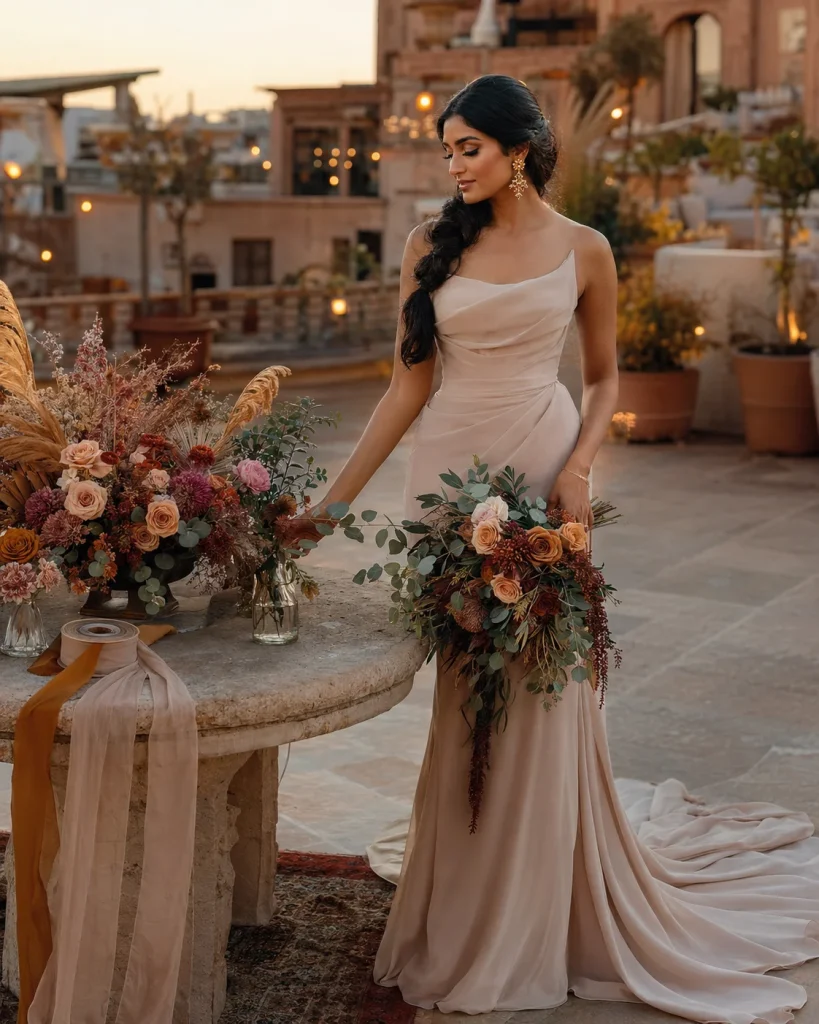
Planning Your Fall Wedding Flowers Starts Now
July is the perfect time to kickstart your fall wedding flower planning. Even if fresh flowers will be delivered closer to your big day, early preparation allows you to choose your preferred colors, decide between fresh, dried, or preserved flowers, estimate the number of arrangements needed, order supplies, and finalize your wedding-week flower timeline. By planning ahead, you ensure your wedding flowers are both intentional and stress-free, giving you one less thing to worry about during your special day.
Ready to plan your fall wedding flowers? Shop Fall Wedding Flowers, Preserved Flowers, Dried Flowers, Wholesale Roses, Bulk Greenery, Bulk Flowers, and Floral Supplies from Whole Blossoms to build your autumn wedding flower plan with confidence.