


 by
by 

Every bride dreams of walking into her wedding surrounded by stunning floral arrangements, but that dream can quickly be overshadowed when the florist’s quote arrives. If you are researching DIY wedding flowers on a budget, you are probably trying to figure out whether bulk flowers can give you the look you want without the full-service florist price. The good news? It absolutely can—with the right preparation. By choosing the perfect varieties and quantities of wholesale fresh flowers and crafting a smart plan, you can create gorgeous bouquets, centerpieces, and ceremony accents while saving thousands of dollars.
But let’s be honest, DIY wedding flowers are not entirely effortless. They require time, organization, and a team of helpers to bring your floral vision to life. From sourcing the right blooms to ensuring they stay fresh until the big day, preparation is key. That’s where Whole Blossoms can help. From providing high-quality bulk flowers to offering guidance to help you create a realistic and achievable plan, we are here to support budget-savvy brides in making their floral dreams a reality.
In This Guide, You’ll Learn:
- Why DIY wedding flowers can save money
- What a realistic DIY flower budget includes
- Sample $500, $1,000, and $1,500 flower plans
- Best budget-friendly flowers to order in bulk
- Where to splurge and where to save
- Mistakes to avoid when DIYing wedding flowers
- FAQs about DIY wedding flower costs
Part 1 – Why DIY Wedding Flowers Can Save Money
Planning a wedding often comes with a hefty price tag, and florals can be a significant part of the budget. For brides looking to save money while adding a personal touch, DIY wedding flowers can be a fantastic option. However, understanding the cost dynamics is crucial to making an informed decision. Here’s a breakdown of why DIY wedding flowers can help save money without diminishing the quality of your big day.
Florist Quotes Include More Than Flowers
When you receive a professional florist quote, it’s important to recognize that the cost isn’t just for the flowers themselves. A significant portion of the price covers a variety of essential services, such as design expertise, consultations, recipe planning, flower processing, and even logistics like delivery and setup. Florists also invest in storage, cooling systems to keep flowers fresh, specialized mechanics for complex designs, and their staff’s time and experience. Additionally, floral installations often require teardown services after the event. These intricate, behind-the-scenes details add value to their work but also contribute to the higher costs. This isn’t to say florist services aren’t worth it, but understanding what’s included helps explain why quotes can seem expensive.
Bulk Flowers Let You Control the Budget
DIY wedding flowers allow you to purchase bulk flowers directly from wholesalers or farms, which can dramatically reduce costs. By eliminating the markup that comes with professional services, you control how much of your budget is spent on each type of flower and greenery. Popular wholesale options like roses, carnations, eucalyptus, and baby’s breath give you the flexibility to stick with budget-friendly blooms. This approach allows brides to adjust their floral choices based on seasonal availability and personal priorities, ensuring you get the best value for your money.
DIY Saves Most When Designs Stay Simple
One key to keeping costs and stress low with DIY wedding flowers is maintaining simplicity in your designs. Elaborate centerpieces or cascading bouquets often require expensive mechanics, additional flowers, and more labor. Instead, opting for minimalist arrangements, loose greenery, or simple hand-tied bouquets can still be stunning while requiring fewer materials and time. Greenery and filler flowers can also help stretch your arrangements, creating a polished look without breaking the bank.
The Trade-Off: You Save Money by Doing the Prep
It’s important to be honest about what DIY wedding flowers entail. While you save on professional labor costs, the responsibility shifts to you. Conditioning and prepping flowers, arranging them, and setting up display pieces will require your time and effort. For many brides, enlisting the help of family or friends can make the process enjoyable and memorable. However, you’ll need a dedicated workspace, tools like clippers and buckets, and a clear schedule for flower preparation close to the wedding day. Proper planning is essential to avoid feeling overwhelmed, as stress can outweigh the cost savings if you’re not prepared.
Is DIY Worth the Work?
For brides who want control, value hands-on creativity, and are working with a tight budget, DIY wedding flowers can offer incredible savings and a rewarding experience. While professional florists provide invaluable expertise and convenience, going the DIY route empowers you to prioritize flowers where they matter most, like bouquets and ceremony backdrops, without overspending. Ultimately, DIYing your wedding florals works best for those who plan ahead, keep designs simple, and don’t mind putting in some effort for a beautiful, personalized result.
Part 2 – What a Realistic DIY Wedding Flower Budget Includes
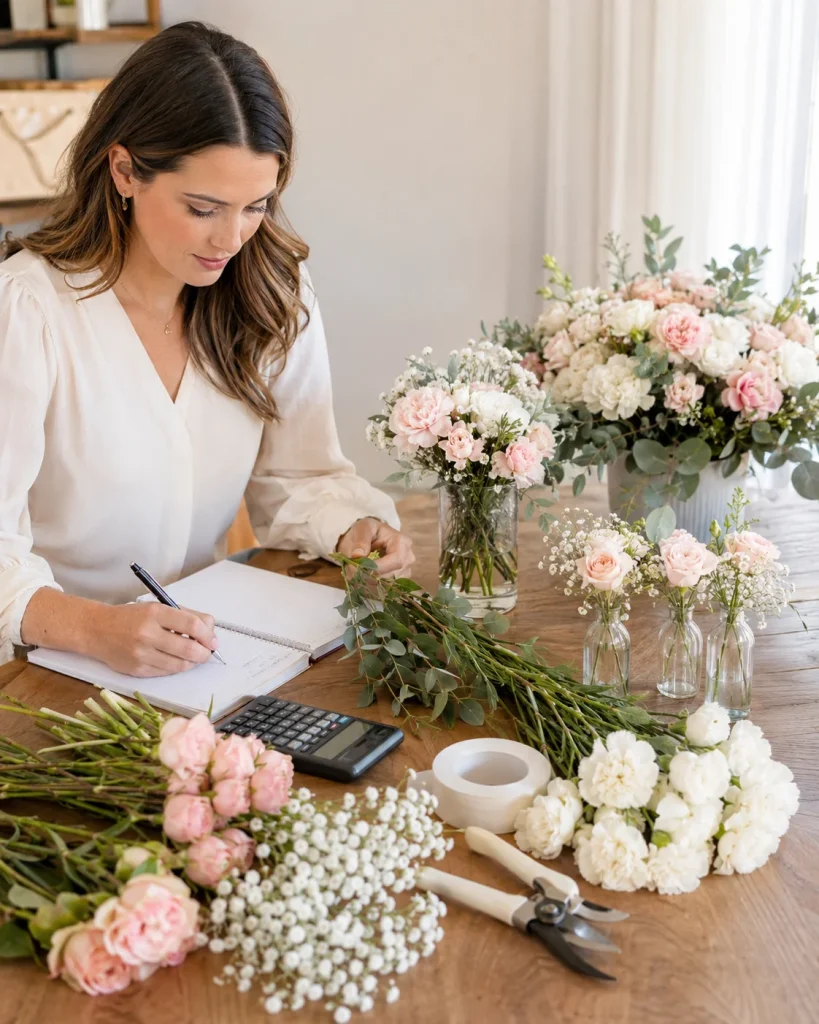
Planning a DIY wedding flower budget involves more than accounting for just the blooms. While flowers are the centerpiece of your designs, other critical components can add up quickly if not accounted for. By understanding the full scope of a DIY floral budget and preparing in advance, you can stay on track and avoid unexpected surprises. Here’s a breakdown of essential categories every DIY bride should consider:
Flowers Are Only Part of the Budget
When crafting a DIY floral plan, flowers will likely take up the biggest portion of your budget. You’ll need to account for focal flowers like roses, peonies, or lilies, which often serve as the stars of your arrangements. Secondary flowers, such as carnations or mini daisies, add fullness and texture, while filler flowers, like baby’s breath or wax flower, provide the finishing touches. Many DIY brides forget to plan for enough greenery, such as eucalyptus or ferns, which can effectively fill space and add depth to designs. To estimate your costs, allocate about 50–65% of your budget toward flowers and greenery combined, ensuring you leave room for all these components.
Supplies Can Affect the Final Cost
Beyond the blooms, you’ll need the right supplies to successfully arrange, prepare, and store your flowers. Essential tools include floral clippers, tape, wire, and pins for creating boutonnieres or securing stems. You’ll also need ribbon for wrapping bouquets and vases or vessels for table centerpieces. Don’t forget utility items like buckets to hydrate your flowers, flower food to keep them fresh, and even floral foam or other mechanics if your design requires additional support. Supplies can consume 10–20% of your budget or more, so plan accordingly to avoid scrambling for last-minute materials.
Greenery and Fillers Stretch the Look
One of the best ways to make your floral arrangements appear fuller without overspending is to invest in greenery and filler flowers. Greenery typically costs less than focal flowers and can add texture and volume to bouquets, backdrops, and centerpieces. Popular options like seeded eucalyptus or ruscus not only stretch your budget but also provide a soft, natural aesthetic. Plan for 15–25% of your overall budget to go toward greenery and fillers to ensure you have ample materials to bring your arrangements to life.
Always Leave Room for a Small Cushion
No matter how carefully you plan, unexpected issues may arise, such as flower shortages or damage during shipping. Including a small cushion in your budget can save the day. Consider allocating 5–10% of your total budget for backup stems or extra materials. This cushion allows you to replace flowers that don’t meet your expectations or create last-minute arrangements without stress.
A Simple Budget Framework to Follow
To make planning easier, use this flexible percentage-based framework as a starting point for your DIY wedding flower budget:
- 50–65%: Flowers (focal, secondary, filler)
- 15–25%: Greenery and fillers
- 10–20%: Supplies (ribbon, clippers, vessels, etc.)
- 5–10%: Cushion/backup materials
By spreading your budget across these categories, you can ensure every element of your DIY wedding flowers is accounted for, from blooms to tools.
With a well-rounded plan, you’ll be prepared to tackle your flower arrangements confidently, knowing you’ve budgeted for every detail. Remember, flowers might be your focus, but the supplies and planning are what will help you bring your vision to life.
Part 3 – Sample DIY Wedding Flower Budgets at $500, $1,000, and $1,500
Creating a budget for your DIY wedding flowers is an essential part of making your floral vision come to life while staying within your means. Below, we’ve outlined three sample DIY flower budgets to suit different needs and wedding sizes. Remember, these are example plans, you can adjust them based on your guest count, flower preferences, seasonality, and product availability.
What You Can Do With a $500 DIY Flower Budget
A $500 budget is best suited for smaller weddings or events with simple floral décor needs, such as elopements, micro-weddings, or bridal shower-style setups.
Best for:
- Elopements
- Micro-weddings
- Small ceremonies
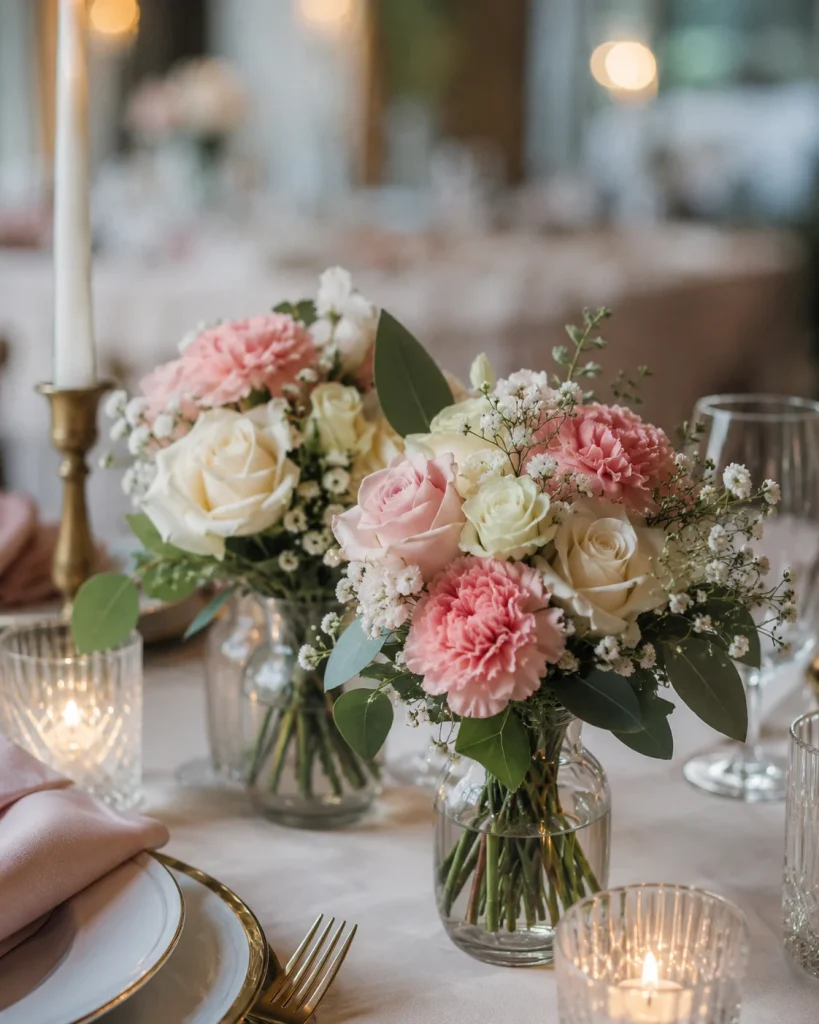
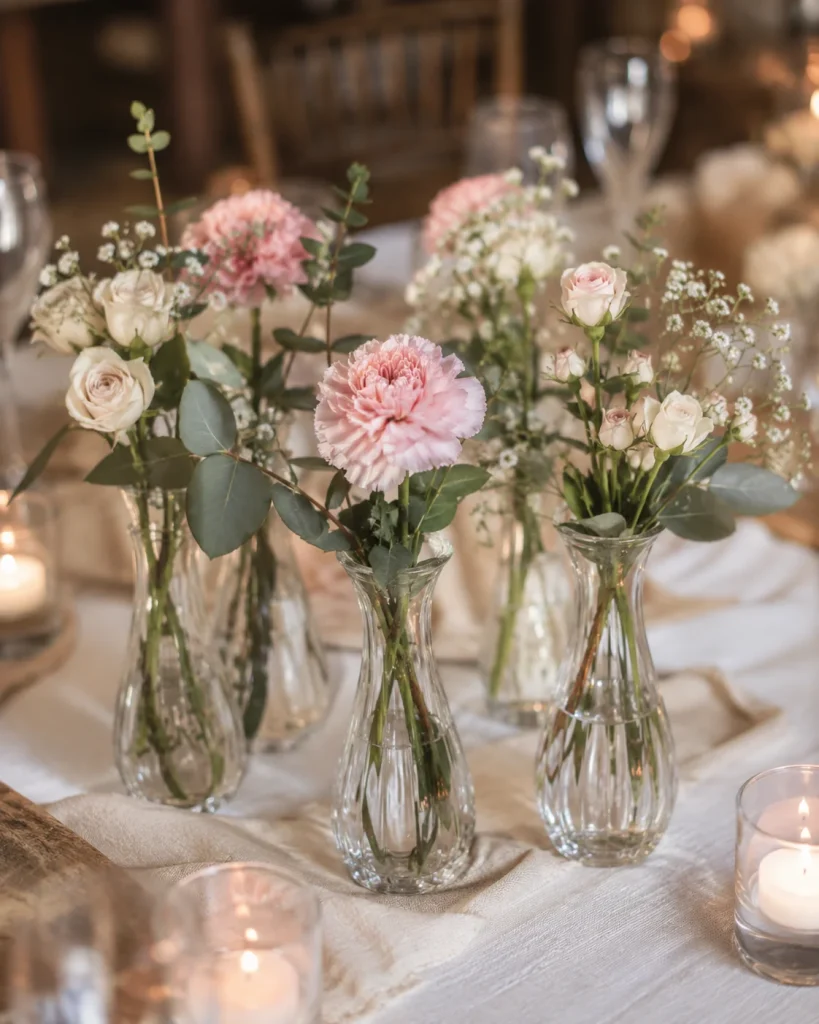
- Bud vase centerpieces
Possible flower plan:
- Bridal bouquet
- 2–3 bridesmaid bouquets
- 5–8 bud vase centerpieces
- Simple greenery accents
- Small cake table arrangement
Best flower types:
- Carnations
- Baby’s breath
- Greenery
- Seasonal filler flowers
Sample Allocation for $500 Budget:
| Category | Example Percentage | Estimated Amount |
| Bridal Party Flowers | 40% | ~$200 |
| Centerpieces and Décor | 50% | ~$250 |
| Supplies and Backup | 10% | ~$50 |
This budget prioritizes compact designs and low-cost flowers like carnations and greenery while keeping room for meaningful touches like a bridal bouquet and simple centerpieces.
What You Can Do With a $1,000 DIY Flower Budget
A $1,000 budget is great for medium-sized weddings with more elaborate floral needs. With this plan, you can create cohesive arrangements and add decorative accents that enhance your event’s atmosphere.
Best for:
- Medium-sized weddings
- Simple yet cohesive floral designs
- Guest table centerpieces
- Ceremony floral accents
Possible flower plan:
- Bridal bouquet
- 4–6 bridesmaid bouquets
- 10–12 centerpieces
- Boutonnieres
- Flowers for a welcome table or cake table
- Greenery accents
Best flower types:
- Carnations
- Spray roses
- Chrysanthemums
- Baby’s breath
- Eucalyptus or ruscus greenery
Sample Allocation for $1,000 Budget:
| Category | Example Percentage | Estimated Amount |
| Bridal Party Flowers | 35% | ~$350 |
| Centerpieces and Décor | 55% | ~$550 |
| Supplies and Backup | 10% | ~$100 |
With this budget, you can achieve fuller flower designs while ensuring your ceremony and reception spaces have fresh, elegant touches that tie everything together.
What You Can Do With a $1,500 DIY Flower Budget
A $1,500 budget allows for lush, abundant arrangements, perfect for larger weddings where more impactful florals are preferred. It gives you the flexibility to incorporate diversity in both design and flower types.
Best for:
- Larger weddings with more elaborate décor
- Fuller floral arrangements and bouquets
- Larger quantities of centerpieces and ceremony accents
Possible flower plan:
- Bridal bouquet
- Bridesmaid bouquets
- Boutonnieres and corsages
- 12–18 centerpieces
- Aisle flowers
- Cake table flowers
- Greenery-heavy ceremony accents
Best flower types:
- Wholesale roses
- Spray roses
- Carnations
- Hydrangeas (where appropriate)
- Greenery
- Filler flowers and selected premium accents
Sample Allocation for $1,500 Budget:
| Category | Example Percentage | Estimated Amount |
| Bridal Party Flowers | 30% | ~$450 |
| Centerpieces and Décor | 60% | ~$900 |
| Supplies and Backup | 10% | ~$150 |
This budget allows for flexibility in choosing higher-end flowers such as hydrangeas or premium accent blooms while investing in larger arrangements that create a spectacular impression.
Part 4 – How to Adjust These Budgets for Your Guest Count
No two weddings are the same, and your flower plan should reflect your unique requirements. For example, a smaller guest count may mean fewer centerpieces, allowing you to allocate more towards premium flowers or elaborate bouquets. Conversely, for a larger event, prioritizing flowers with more volume per stem—like carnations or baby’s breath—can help stretch your budget.
Where Bulk Flowers Give You the Most Value
When working with a DIY budget, bulk flowers provide extensive value. Wholesale options such as roses, spray roses, and greenery can significantly lower costs while maximizing the impact of your arrangements. Baby’s breath and carnations also offer excellent volume and versatility, ensuring your designs appear lush and professional without overspending.
Whether you’re working with $500 or $1,500, planning and creativity are key to bringing your dream wedding florals to life on any budget!
Part 5 – Where to Splurge and Where to Save on DIY Wedding Flowers
When planning DIY wedding flowers on a budget, it’s essential to spend strategically. Budget-friendly flowers can look stunning when money is allocated intentionally. Prioritizing where to splurge and where to save ensures your floral designs remain both impactful and cost-effective. Below are tips to help you prioritize your flower budget wisely.
Spend More Where Photos Matter Most
Certain floral elements will appear prominently in your wedding photos and leave a lasting impression, making them worth the splurge. The bridal bouquet, for example, is the ultimate showpiece and will feature in countless photographs throughout the day. Investing in high-quality flowers and a design that reflects your style for this piece is essential.
Similarly, focusing on the ceremony’s focal area, such as a flower arch or altar arrangement, will ensure your first moments as a married couple are beautifully framed. Flowers at the sweetheart table, head table, or other areas where photographer-heavy moments occur, like cutting the cake, should also be elevated. Statement flowers in key places, like large arrangements or lush garlands, can enhance the elegance of your event without requiring you to decorate every corner.
Save Money With Simple Guest Table Designs
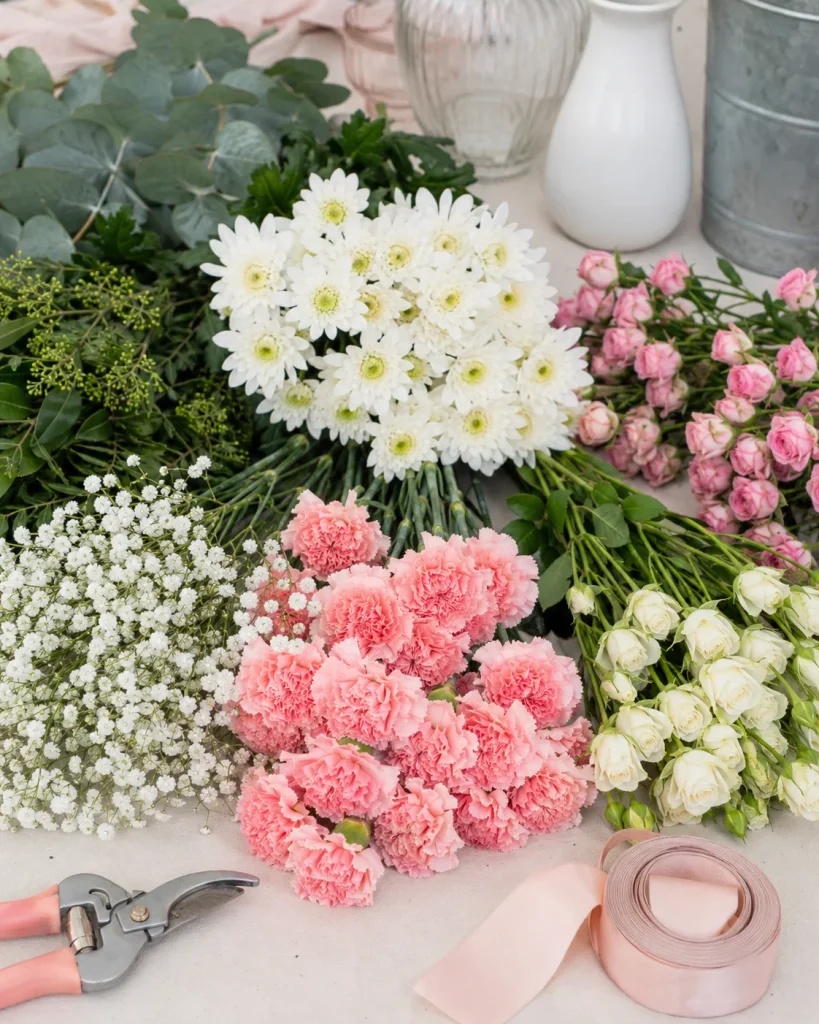
For guest tables, simplicity can still look stunning. Opt for budget-friendly options like bud vases with just a few blooms or small arrangements made from filler flowers and greenery. Instead of elaborate centerpieces, use affordable options like baby’s breath, carnations, or daisies. Cocktail tables can also be minimally decorated with petite bud vases or candles paired with greenery accents.
Another area to save is aisle markers. These arrangements often go unnoticed after the ceremony. You can keep them simple by using greenery or small bundles of flowers—and don’t forget they can often be repurposed for use elsewhere.
Repurpose Ceremony Flowers at the Reception
One of the best ways to stretch your budget is to repurpose floral arrangements from the ceremony for the reception. For example, ceremony arches can be relocated to serve as a photo booth backdrop, while aisle flowers can be reused to decorate the bar, welcome table, or cake table. Bridesmaid bouquets can double as centerpieces when placed in vases at the head table or other prominent locations. These creative swaps not only save money but also ensure your floral arrangements have a greater impact.
Use Greenery to Create Fullness Without Overspending
Greenery is a cost-effective way to make arrangements look plentiful without breaking the bank. Eucalyptus, ruscus, and other wholesale greenery options can fill out centerpieces, bouquets, and garlands while adding texture and depth. Pairing greenery with affordable filler flowers creates lush designs that look high-end but remain budget-friendly.
Key Takeaways
You don’t need flowers everywhere—you need flowers where they matter most. Splurge on areas that will be captured in photos and leave a lasting impression, and save on items that guests won’t closely notice or that can be reused throughout the day. With smart planning and creativity, your DIY wedding flowers can be both beautiful and budget-friendly.
Part 6: DIY Wedding Flower Mistakes That Can Cost You Money
Creating stunning wedding flower arrangements yourself can be a rewarding and budget-friendly experience. However, without proper planning, certain missteps can lead to wasted flowers, extra stress, and unexpected costs. Here are some common DIY wedding flower mistakes to avoid so you can make your special day as seamless and beautiful as possible.
Do Not Order Without a Stem Count
One of the biggest mistakes that DIY brides make is ordering flowers without a clear stem count plan. It’s tempting to shop for flowers without calculating exactly how much you’ll need for bouquets, centerpieces, and other arrangements. Over-order, and you waste money on extras you can’t use. Under-order, and you risk scrambling to find matching flowers last-minute. Before placing your order, map out your arrangements and estimate the number of stems required for each piece. Not sure how to calculate? Whole Blossoms has stem count guidelines and bulk flower packs that simplify this part of the process.
Do Not Forget Vases, Clippers, and Buckets
While the flowers themselves take center stage, forgetting to purchase essential supplies can derail your entire DIY project. You’ll need plenty of buckets to hydrate the flowers upon arrival, clippers for trimming stems, vases for displaying arrangements, and floral tape or wire for securing designs. Buying these supplies in advance ensures you aren’t wasting precious hours—and extra money—running out to gather what you need at the last minute. Check out Whole Blossoms’ floral supplies collection for affordable, high-quality tools.
Do Not Pick Designs That Are Too Complicated
Some of the most beautiful wedding arrangements come from keeping things simple. While elaborate Pinterest-style designs might look stunning, they can quickly become overwhelming during crunch time. Complex arrangements often require extra time, skill, and possibly even professional tools to execute. Stick to designs that are achievable within your skill level and time frame. Combining bulk flowers with lush greenery provides volume and elegance without overcomplicating the process.
Do Not Wait Until Wedding Week to Make a Plan
Procrastinating on your flower plan is one of the most stressful and costly mistakes you can make. Flowers should be ordered well in advance, as certain varieties may sell out during the busy wedding season. Ensure everything arrives a few days before the wedding so you have time for conditioning and arranging. Aim to solidify your design and supply list at least a month before the big day to stay on track.
Do Not Skip Flower Conditioning
Properly conditioning your flowers is absolutely essential to ensure they remain fresh and vibrant throughout your wedding day. DIY brides sometimes overlook this step, resulting in wilted blooms by the time arrangements are needed. Upon arrival, trim stems at an angle, remove excess foliage that sits below the waterline, and hydrate flowers in clean water with flower food. Whole Blossoms’ flower care guide offers step-by-step advice for conditioning each type of flower.
Avoid Stress by Planning Ahead
DIY wedding flowers are entirely achievable with the right preparation. By avoiding these common mistakes, like ordering without a plan, skipping key supplies, or underestimating flower care, you can create elegant arrangements without unnecessary stress. With a little foresight and assistance from trusted suppliers like Whole Blossoms, your DIY wedding flowers can be as effortless as they are stunning.
For more tips, visit our Flower Care Guides or explore our Wedding Flowers and Floral Supplies collections for everything you need.
FAQ
1. Is it cheaper to do DIY wedding flowers?
Yes, DIY wedding flowers can be cheaper because you are buying flowers in bulk and handling the prep, arranging, and setup yourself. The savings depend on your flower choices, guest count, designs, supplies, and how much help you have. DIY works best when you keep the designs simple and plan ahead.
2. Can I do wedding flowers for $500?
A $500 wedding flower budget can work for a small wedding, elopement, or simple DIY setup. Focus on a bridal bouquet, a few bridesmaid bouquets, bud vases, greenery, and affordable flowers like carnations, spray roses, baby’s breath, and seasonal fillers. Larger weddings usually need a bigger budget.
3. What are the best flowers for a budget wedding?
Carnations, spray roses, baby’s breath, chrysanthemums, alstroemeria, roses, and greenery are strong options for budget wedding flowers. These flowers can add color, texture, and fullness without relying only on expensive premium blooms. Greenery is especially helpful for stretching arrangements.
4. How can I make cheap wedding flowers look expensive?
Use a focused color palette, mix focal flowers with fillers and greenery, avoid too many varieties, and keep arrangements clean and intentional. Spend more on the bridal bouquet and key photo areas, then use simpler centerpieces, bud vases, and greenery-heavy designs to save money.
5. What should I not forget when budgeting for DIY wedding flowers?
Do not forget supplies. DIY wedding flowers usually require buckets, clippers, vases, floral tape, ribbon, flower food, towels, labels, and storage space. Many brides only budget for flowers and then realize they also need tools and vessels to condition and arrange them properly.
6. How far ahead should I plan DIY wedding flowers?
Start planning your DIY wedding flowers months ahead, especially if you need to calculate quantities, choose colors, gather supplies, and organize helpers. Your actual delivery timing depends on flower type and event date, but the design plan should be settled well before wedding week.
Conclusion
DIY wedding flowers can be a wonderful way to save money while adding a personal touch to your special day. However, achieving stunning results requires careful planning, realistic budgeting, and thoughtful design choices. By focusing on simple yet elegant designs, selecting hardy and affordable flowers, and taking proper care of your blooms, you can create arrangements that are both beautiful and meaningful. Budget flowers don’t have to look sparse or cheap—with the right bulk flowers, greenery, and floral supplies, you can craft wedding decor that reflects your unique style and vision.
Ready to build your wedding flower plan? Shop Affordable Wedding Flowers, Bulk Flowers, Wholesale Roses, Carnations, Baby’s Breath, Bulk Greenery, and Floral Supplies from Whole Blossoms to create beautiful DIY wedding flowers while staying on budget! Every bride dreams of walking into her wedding surrounded by stunning floral arrangements, but that dream can quickly be overshadowed when the florist’s quote arrives. If you are researching DIY wedding flowers on a budget, you are probably trying to figure out whether bulk flowers can give you the look you want without the full-service florist price. The good news? It absolutely can—with the right preparation. By choosing the perfect varieties and quantities of wholesale fresh flowers and crafting a smart plan, you can create gorgeous bouquets, centerpieces, and ceremony accents while saving thousands of dollars.