


 by
by 

Your bridal bouquet is more than just an accessory—it’s a symbol of your love story, meticulously crafted to complement your special day. But between the heat, endless photos, and unpredictable delays, even the freshest flowers can wilt before the reception. Keeping your florals vibrant from the early morning photoshoot to the final dance requires more than luck; it demands florist-level care and a well-thought-out plan. This guide combines professional insights with actionable tips, catering to brides, wedding planners, and florists alike. Whether you’re a DIY bride determined to preserve your bouquet’s beauty or a seasoned pro looking to refine your timeline, you’ll find expert advice on handling delicate blooms and setting yourself up for success. Don’t leave your flowers’ fate to chance—arm yourself with the techniques to ensure your bouquet stays picture-perfect all day long.
Part 1 – What does it mean to “make a bridal bouquet last all day”?
Bouquet longevity hinges on four key factors: hydration, temperature control, mechanical protection, and time out of water management. These elements work together to preserve freshness and structural integrity, keeping blooms vibrant and secure throughout the wedding day.
While a bouquet prepared in the morning may look stunning at 10am, ensuring it remains photogenic into the evening—around 8pm—requires careful planning and maintenance. Flowers are living organisms that react to environmental changes, such as heat, humidity, and handling. Proper hydration is essential to prevent wilting, while temperature control helps slow down the natural aging process of the blooms. Mechanical protection, such as sturdy arrangements and reinforced stems, safeguards flowers from excessive movement or damage during the day. Lastly, limiting the amount of time flowers spend out of water is crucial to retaining their vitality.
To make a bouquet last all day is not just about initial preparation but also about proactive care throughout the event. With the right techniques, your bouquet can remain as fresh and beautiful for the evening photos as it was when you first walked down the aisle.
Part 2 – Why Bouquets Wilt on the Wedding Day (The Science in Plain English)
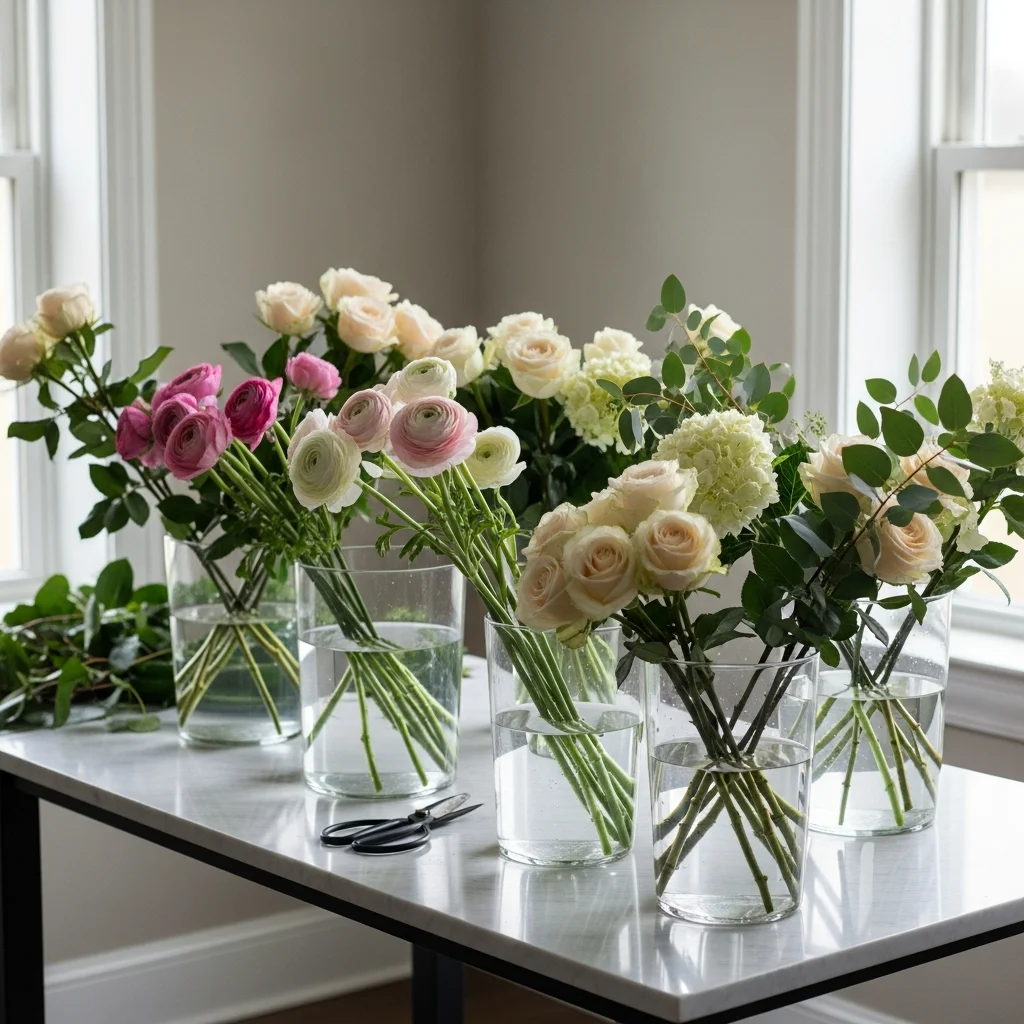
Understanding why bouquets wilt on the wedding day comes down to science. Flowers are living organisms that require water and nutrients to maintain their vitality. However, once they are cut from their roots, their ability to take in water becomes limited, leaving them more vulnerable to environmental stresses. Several factors, including dehydration, exposure to heat, light, and wind, as well as ethylene gas, all play a role in causing flowers to droop and lose their freshness prematurely. By addressing these challenges, you can keep your bouquet looking vibrant all day long.
What Dehydration Actually Is Inside a Stem
Dehydration is the primary reason flowers begin to wilt, and it starts within the stem. Inside a flower’s stem are tiny tube-like vessels called xylem, which transport water from the base of the stem to the petals. When these xylem vessels are functioning properly, water flows efficiently, keeping the flower hydrated. However, if the stem is crushed, clogged with dirt, or exposed to air bubbles (a condition called an air embolism), the water flow is disrupted. This blockage prevents crucial hydration from reaching the petals and other parts of the flower, which can quickly lead to wilting. Keeping stems cut at a sharp angle, avoiding dirty water, and ensuring the base of the stems isn’t damaged are essential steps in minimizing dehydration on the big day.
Heat + Light + Wind: The “Transpiration Tax”
Environmental factors like heat, light, and wind amplify water loss through a process called transpiration. When flowers are outdoors for photos or ceremonies, they are exposed to more light and heat, which increases transpiration rates. Similarly, wind can accelerate the evaporation of moisture from the petals and leaves. Car rides, while necessary for transporting the bouquet, often expose flowers to warm, dry air as well, compounding the effects. This is why keeping flowers shaded, cool, and away from direct wind during transitions is vital to preserving their freshness throughout the day.
Ethylene Exposure and Why Fruit Is a Problem
Ethylene gas is a natural compound released by fruits and some flowers. While it’s harmless to humans, ethylene acts like a ripening hormone for flowers, accelerating their wilting process. If flowers are placed in a refrigerator alongside fruits like apples or bananas, they are exposed to higher levels of ethylene gas, which can reduce their lifespan significantly. To avoid this, always store your bouquet in a fridge far away from produce, ensuring it remains in a low-ethylene environment. This simple step can make a big difference in keeping your blooms looking vibrant.
Part 3 – The Wedding-Day Bouquet Timeline (This Is the Part People Bookmark)
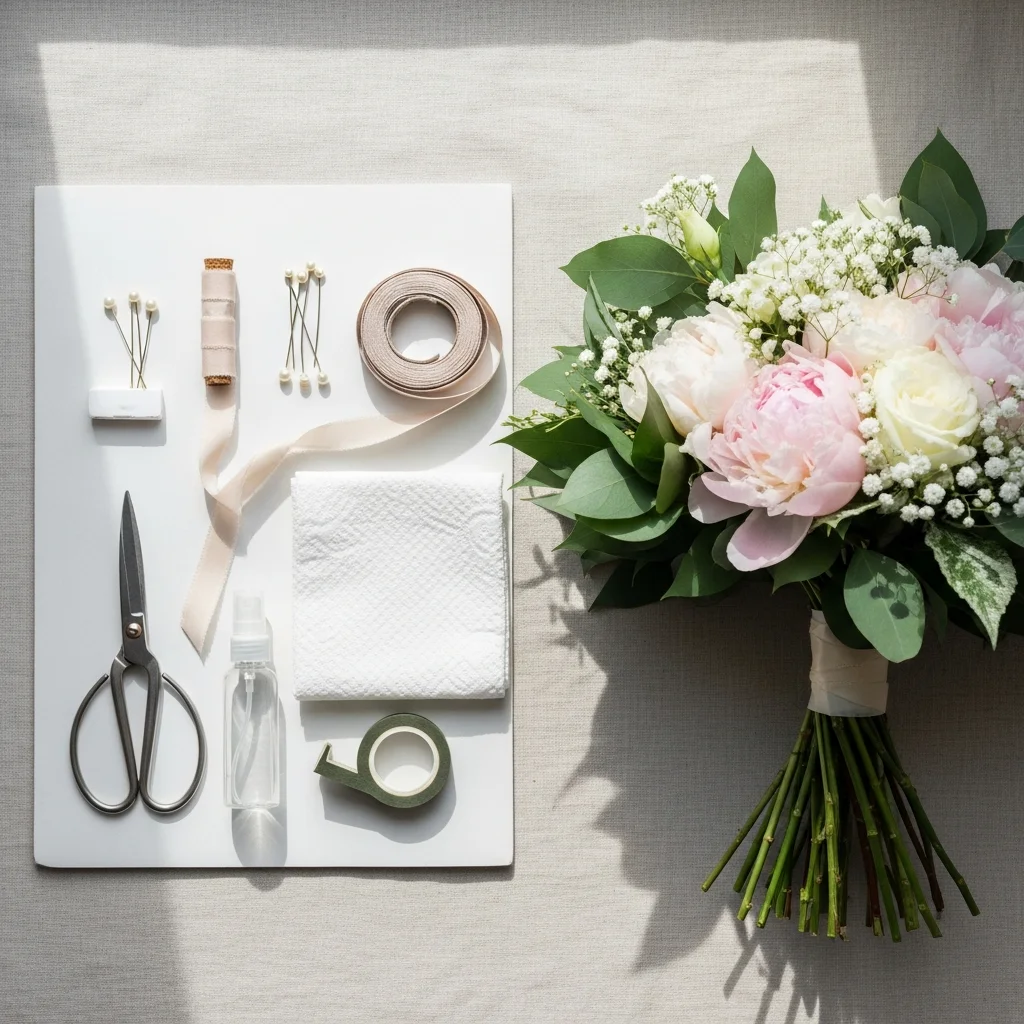
Planning for your wedding bouquet involves more than just picking your favorite blooms—it’s about ensuring they look stunning throughout your big day. This detailed timeline will guide you through key steps to keep your bouquet fresh and picture-perfect, from preparation to the ceremony. Follow these steps to make your bouquet look its best when it truly matters.
24–48 Hours Before: Conditioning Protocol
Proper preparation begins the day before your wedding. Start by gathering all the necessary tools, including a clean bucket, sharp pruning shears or scissors, flower food, and fresh water. Sterilize the bucket to eliminate any bacteria that could shorten the lifespan of your flowers. Make fresh, angled cuts on each stem to maximize water absorption, and place the flowers immediately in the clean water. Add flower food to the water according to the package instructions. Allow the blooms to hydrate fully, ideally in a cool, shaded area for 24 to 48 hours. Proper conditioning during this time is essential for ensuring your bouquet remains fresh and vibrant for your wedding day.
Morning Of: The “Last Deep Drink” Rule
On the morning of your wedding, continue to prioritize hydration for your bouquet. After removing the blooms from their conditioning buckets, place them in fresh, clean water to allow them one last deep drink before being arranged for transport. Keep the flowers in water for as long as possible, only removing them when it’s time to leave for your venue. This step helps ensure the flowers retain their strength and beauty for the long day ahead.
Travel + Arrival: Protect, Cool, and Stabilize
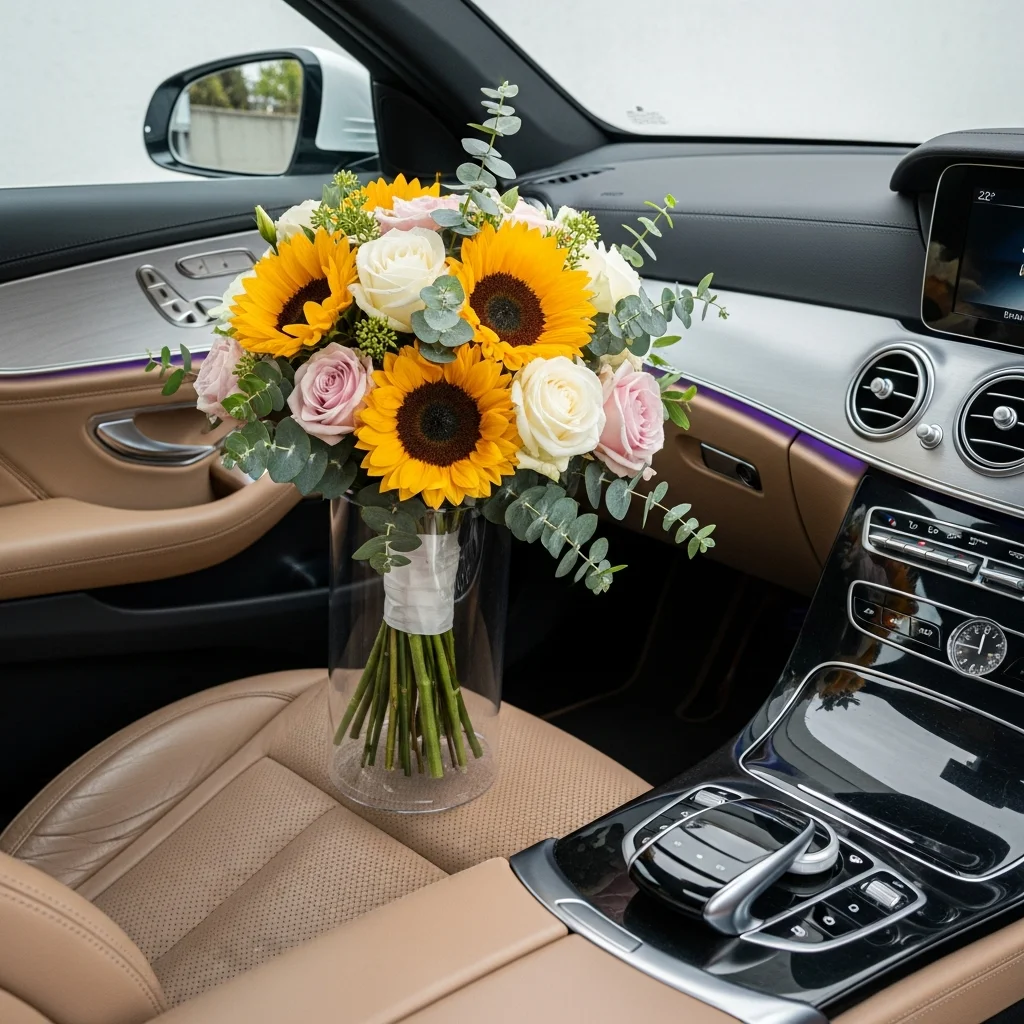
When it’s time to transport your bouquet, take precautions to shield it from heat and potential damage. Use your car’s air conditioning to maintain a cool environment, and avoid placing the bouquet in the trunk, where temperatures can quickly rise. Keep the stems upright and stabilized using a box or container to prevent bruising or bending during transit. Once you arrive at your destination, place the bouquet in a cool area out of direct sunlight until it’s ready for photos or the ceremony.
Photos + Ceremony: Managing Time Out of Water
During your photo session and ceremony, your bouquet will likely spend extended periods out of water. To combat dehydration, rotate the flowers back into a water-filled vase between photo sets or while waiting for the ceremony to begin. This practice helps prevent wilting and maintains the bouquet’s crisp appearance. Additionally, handle the bouquet gently to avoid bruising petals or breaking stems. By carefully managing its time out of water, your bouquet will remain fresh and stunning, no matter how long the proceedings last.
By following this wedding-day bouquet timeline, you’ll give your flowers the best chance to stay gorgeous throughout the day, leaving you with breathtaking blooms in every photo—and memories that will last a lifetime.

Part 4 – Pre-wedding Hydration and Cutting: How Florists Prep Stems so They Last
Crafting a wedding bouquet that lasts all day starts well before the big event. Florists rely on meticulous preparation to ensure flowers maintain their vibrancy and freshness throughout the celebrations. Pre-wedding hydration and proper stem cutting are critical steps in extending the life of your blooms. From the tools they choose to the techniques they practice, every detail matters when prepping flowers for one of the biggest days of your life. Here’s how professionals handle stem care to keep flowers looking their best.
How to Cut Stems Correctly (and What “45-degree Angle” Really Does)
Cutting flower stems the right way is essential for optimal hydration. Florists always use clean, sharp shears to create neat cuts that don’t crush the stem’s internal structure. Crushing stems can block water absorption, shortening the life of your flowers. Removing any foliage that would sit below the water line is equally important, as submerged leaves decompose quickly, encouraging bacteria growth.
The iconic tip of cutting stems at a 45-degree angle isn’t just tradition—it’s strategy. This angled cut increases the surface area at the stem’s end, allowing more water to be drawn into the flower. The angled shape also prevents the stem from sitting flat against the bottom of a vase, ensuring it doesn’t block water flow. With these techniques, stems are better equipped to support lush, hydrated blooms.
Should You Cut Stems Under Water?
Cutting stems under water is a debated practice, but florists know when it’s worth the effort. The idea is to prevent air from entering the stem, which could create an air pocket (also called an embolism) that blocks water flow. Cutting under water is particularly useful for flowers like roses or hydrangeas, which tend to be more sensitive to air embolisms.
However, for many hardy flowers, cutting stems in open air works just fine, as long as they are placed in water quickly. What matters more than the location of the cut is using clean tools, cutting at the right angle, and ensuring stems are hydrated shortly after trimming.
Clean Water Rules That Actually Matter
When it comes to keeping your bouquet hydrated, the cleanliness of the water and vase can’t be overstated. Florists clean vessels thoroughly to prevent bacteria build-up—this ensures a bacterium-free environment that won’t clog the stems. Water depth is another key factor; filling the vase halfway or slightly higher is ideal to support stem hydration without over-saturating.
Changing the water every one to two days is equally critical. Fresh water removes any lingering bacteria that could harm the flowers and helps prevent unpleasant odors. Together, these practices ensure your flowers remain healthy and beautiful for as long as possible.
Flower Food Basics (and What to Do if You Don’t Have It)
Flower food blends are designed to extend the life of cut flowers by offering nutrients, balancing pH levels, and reducing bacteria in the water. However, if you don’t have professional flower food on hand, there are simple, safe alternatives. Adding a small drop of clear dish soap or a teaspoon of sugar to the water can help emulate some of the functions of flower food.
Avoid gimmicks or untested advice like using soda or aspirin, which can harm certain flowers. When in doubt, keeping the water fresh and clean is more effective than risky at-home hacks. By sticking to proven methods, florists ensure fresh, vibrant flowers without relying on anything overly complicated.
Part 5 – Which flowers last best in a bridal bouquet and which need extra help?
A bridal bouquet must last through hours of photographs, ceremonies, and celebrations while looking fresh and beautiful. Some flowers naturally rise to the occasion thanks to their resilience, while others may need extra care to shine all day. By choosing the right varieties and understanding their needs, you can create a stunning bouquet that remains vibrant for the entire event.
Long-lasting staples for all-day bouquets
Certain flowers are known for their durability, making them ideal choices for bridal bouquets that need to endure. Roses, for example, are classic and hardy, capable of withstanding hours outside of water while maintaining their elegance. The same goes for carnations, which are highly resistant to wilting and come in a wide spectrum of colors, perfect for complementing any wedding palette.
Orchids add a touch of luxury to bouquets while surprisingly being among the longer-lasting flowers. Their waxy petals retain water well, keeping them fresh even in challenging conditions. For airy, romantic touches, baby’s breath is a favorite filler flower due to its ability to stay crisp and fresh for long periods without demanding much attention. Finally, incorporating eucalyptus not only enhances fragrance but also provides sturdy greenery that resists drying out.
High-impact but thirstier flowers
While some flowers deliver dramatic aesthetics, their fragility makes them “thirsty,” meaning they need constant hydration to avoid wilting. Hydrangeas, for instance, are visually stunning but are highly prone to drooping if left out of water for extended periods. Stems can be wrapped in a damp cloth or floral foam to help retain moisture throughout the day.
Similarly, peonies and ranunculus are popular for their romantic, lush blooms, but they’re known to have short vase lives without proper hydration. Incorporating floral water tubes into your bouquet can help extend their freshness. Tulips, loved for their sleek elegance, tend to continue growing even after cutting, so trimming stems before arranging can help manage their unpredictable behavior.
Dahlias, another high-impact favorite, need special care as well. These blooms absorb water quickly but wilt just as fast without a steady supply. To offset their thirst, plan to keep them hydrated right until the bouquet is held, and consider conditioning the stems by soaking them in water beforehand.
Structure + filler that helps longevity
To add longevity to your bouquet’s structure and balance, incorporating certain fillers and greenery can make a significant difference. Greenery like ferns, ruscus, or eucalyptus offers stability while remaining resilient to drying. Floral choices such as sunflowers bring both vibrancy and durability, holding up exceptionally well in a bridal bouquet.
If you’re looking for trendy yet practical options, pampas grass and preserved flowers (like dyed or dried roses) provide longevity while adding unique texture and a modern touch. Preserved elements are particularly helpful when aiming to feature timeless keepsakes within your arrangement, as they maintain their beauty long after the event itself.
By mixing durable staples with impactful yet delicate blooms and enhancing them with supportive fillers, you can create a bridal bouquet that’s both striking and long-lasting.
Part 6 – The Bridal Bouquet Emergency Kit (What to Pack and Why It Works)
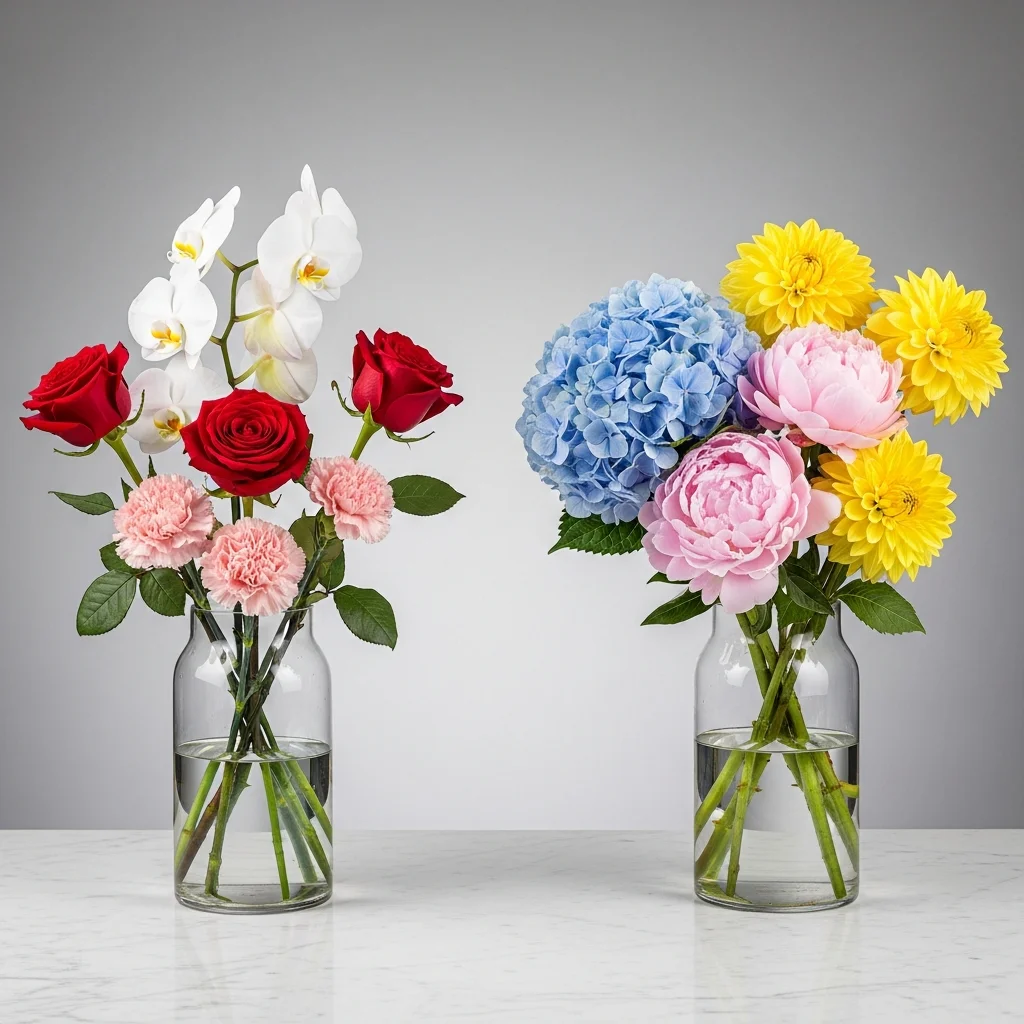
Even with the most carefully crafted bridal bouquet, unforeseen issues can occur on the wedding day. From stray petals to drooping blooms, having the right tools on hand can help you address small emergencies and keep your bouquet looking flawless. A well-packed emergency kit ensures you’re prepared for quick fixes without stress. These essentials are chosen to preserve the bouquet’s integrity and beauty without causing further damage. Whether it’s securing loose ribbons, blotting moisture, or refreshing blooms, this kit is designed to work quickly and effectively under time-sensitive pressure.
The 10-Item Kit (Snippet-Friendly Checklist)
Here are the most important items to pack for your bridal bouquet emergency kit:
- Small clean water bottle – Hydration is key for wilting flowers.
- Floral tape – Perfect for securing loose stems or blooms.
- Ribbon pins – To reattach or adjust decorative ribbons smoothly.
- Blotting cloth – Use to remove excess water or moisture gently.
- Scissors – For precise trimming of stems or stray threads.
- Mini spray bottle – Create a light mist to refresh flowers without over-saturating.
- Zip bag – Keep these small essentials organized in one place.
- Paper towels – Useful for catching drips or wrapping delicate stems.
- Wire cutters – Essential for handling wired floral arrangements.
- Tweezers – Helps remove debris or fix small details with precision.
This compact checklist ensures a quick response to bouquet dilemmas, allowing you to focus on the big day itself.
What NOT to Do in a Panic
When faced with bouquet trouble, it’s important to avoid actions that could worsen the situation. Here are a few common pitfalls to steer clear of:
- Avoid heavy misting. Over-watering can weigh down delicate flowers or cause them to droop further.
- Don’t rely on sugar myths. Adding sugary solutions to the water might attract pests or harm certain blooms.
- Never leave the bouquet in a hot car. Heat accelerates wilting and damages fresh flowers quickly.
- Don’t use harsh adhesives. Substances like glue can cause irreversible damage to petals and greenery.
By staying calm and following the right steps, you can handle small bouquet hiccups like a pro!
Part 7 – People Also Ask
How do you keep a bridal bouquet fresh all day?
To keep a bridal bouquet fresh all day, ensure it stays hydrated, store it in a cool location when not in use, and limit the amount of time it is out of water. Mist the bouquet lightly to keep flowers hydrated and vibrant. Use fresh water and floral preservative whenever possible to prolong the flowers’ freshness.
For longer events, you can prepare by transporting the bouquet in a vase with clean water until it is required. During the ceremony and photos, minimize direct exposure to heat and sunlight to prevent wilting. If available, a cooler or air-conditioned environment can help preserve the bouquet’s pristine appearance for hours.
What is the 3-5-8 rule for weddings and how does it affect flowers?
The 3-5-8 rule refers to the timing structure for bridal party preparation on the wedding day. Makeup, hair, and dressing are completed first (approximately 3 hours prior), photos or pre-ceremony activities follow (roughly 5 hours before the main event), and the actual ceremony begins around 8 hours after the start of preparation.
This timing impacts flowers as bouquets may need to stay fresh and photo-ready for extended periods. Keeping them in water until right before use and misting them during breaks will ensure they maintain their full beauty throughout the day.
How long in advance can you make a bridal bouquet?
A bridal bouquet is best created 24–48 hours before the wedding to ensure freshness. Certain flowers, like roses or chrysanthemums, can hold up well when stored appropriately. Others, like hydrangeas or delicate wildflowers, should be handled closer to the event to avoid wilting.
To store a bouquet, keep it in a cool area, out of direct sunlight, and in clean water mixed with floral preservative. Wrapping the stems with damp paper towels if refrigeration isn’t an option can also help maintain the flowers’ integrity.
Does adding sugar to water make flowers last longer?
No, adding sugar to water doesn’t make flowers last longer and can actually encourage bacteria growth, which harms blooms. Instead, using dedicated floral food is more effective, as it provides balanced nutrients while controlling bacteria.
Floral food contains an ideal mix of sugar, acidic elements to maintain water pH, and anti-bacterial agents. Sugar alone lacks these components, making it an unreliable option. To keep flowers at their best, prioritize cleanliness and use fresh water with proper additives.

Part 8 – How this connects to buying Wholesale Flowers for DIY weddings
When planning a DIY wedding, using wholesale flowers can be a cost-effective and impactful way to create stunning floral arrangements. However, ensuring the longevity of these blooms is critical, especially when preparing them days in advance. Proper handling, conditioning, and planning are essential to maximize their freshness and beauty for your wedding day. This involves understanding the value of wholesale flowers, establishing an efficient timeline for receiving and conditioning blooms, and selecting a balanced mix of flowers for bouquet building.
Why Wholesale Flowers help longevity when handled right
Wholesale flowers provide several key advantages when it comes to flower longevity. Since they are supplied in fresher conditions compared to retail flowers, you receive stems that are closer to their original harvest time. Fresher stems last longer, especially when handled with proper care. Additionally, wholesale sourcing offers better value as you buy in bulk, allowing you to allocate your budget toward other wedding essentials. Most importantly, wholesale flowers give you control over the conditioning process from start to finish. By trimming stems, using clean water and floral food, and allowing adequate hydration time, you can ensure your flowers look their best on the big day. Learn more about the benefits of Wholesale Flowers.
Smart ordering timeline for Bulk Flowers
Planning a strategic timeline for ordering bulk flowers is vital to ensure your arrangements look fresh and vibrant. The ideal delivery window is 2 to 4 days before the wedding, giving you enough time to unpack, hydrate, and condition the flowers properly. Hydration is crucial, as flowers typically arrive thirsty after transportation. Be sure to factor in time for trimming stems, removing foliage, and letting the blooms fully rehydrate. This preparation not only enhances the flowers’ longevity but also allows them to open up beautifully by the wedding day. Explore more tips for ordering Bulk Flowers.
Best bouquet-building mix when ordering Wedding Flowers in bulk
Creating cohesive and elegant wedding bouquets starts with selecting the right blend of flowers and greenery. Start with durable base flowers like roses or hydrangeas, which serve as reliable anchors for your bouquet. Accent blooms such as peonies or ranunculus add flair and softness, while supportive greenery like eucalyptus or ferns ties the arrangement together, adding texture and volume. This well-rounded mix ensures your bouquets are visually stunning while remaining sturdy throughout the event. For inspiration, explore our selection of Wedding Flowers to craft your perfect vision.
Quick-reference recap
- Choose sturdy base flowers: Opt for resilient blooms like roses or hydrangeas to create a strong foundation.
- Add complementary accents: Incorporate soft, eye-catching flowers such as peonies or ranunculus for texture and personality.
- Include supportive greenery: Use foliage like eucalyptus or ferns to add volume and balance the arrangement.
- Focus on balance: Ensure your bouquet maintains harmony between colors, shapes, and textures for visual appeal.
- Do prioritize freshness: Use fresh and properly hydrated flowers to enhance longevity throughout your event.
- Don’t overcomplicate: Avoid overcrowding your bouquet with too many types of flowers, which can look messy.
- Avoid delicate stems as anchors: Fragile blooms might wilt easily and disrupt the structure.
- Do check proportions: Size your bouquet appropriately to prevent it from overwhelming or underwhelming the overall look.
Conclusion: The Florist-Level Rule That Keeps Bouquets Beautiful for Hours
The secret to keeping your bouquets fresh and stunning for hours lies in mastering four essential principles: hydration, keeping cool, protecting from harm, and minimizing time out of water. First and foremost, regular hydration is the foundation of freshness—always ensure your flowers have ample access to water to prevent wilting. Equally important is maintaining a cool environment, as high temperatures can shorten the lifespan of your blooms. Protecting your arrangements from direct sunlight, drafts, and physical damage ensures they stay vibrant and intact. Lastly, limit the time your flowers spend out of water when creating, transporting, or displaying arrangements to keep them lively for longer.
Armed with these florist-level tips, you can now confidently craft beautiful bouquets like a pro. Whether you’re creating arrangements for a wedding, a special event, or decorating your home, these strategies ensure your blooms will stay fresh and captivating throughout the occasion. For an even greater edge in your DIY floral endeavors, trust Whole Blossoms as your go-to source for Wholesale Flowers and Bulk Flowers, providing you with high-quality blooms to elevate your creations every step of the way.