


 by
by 
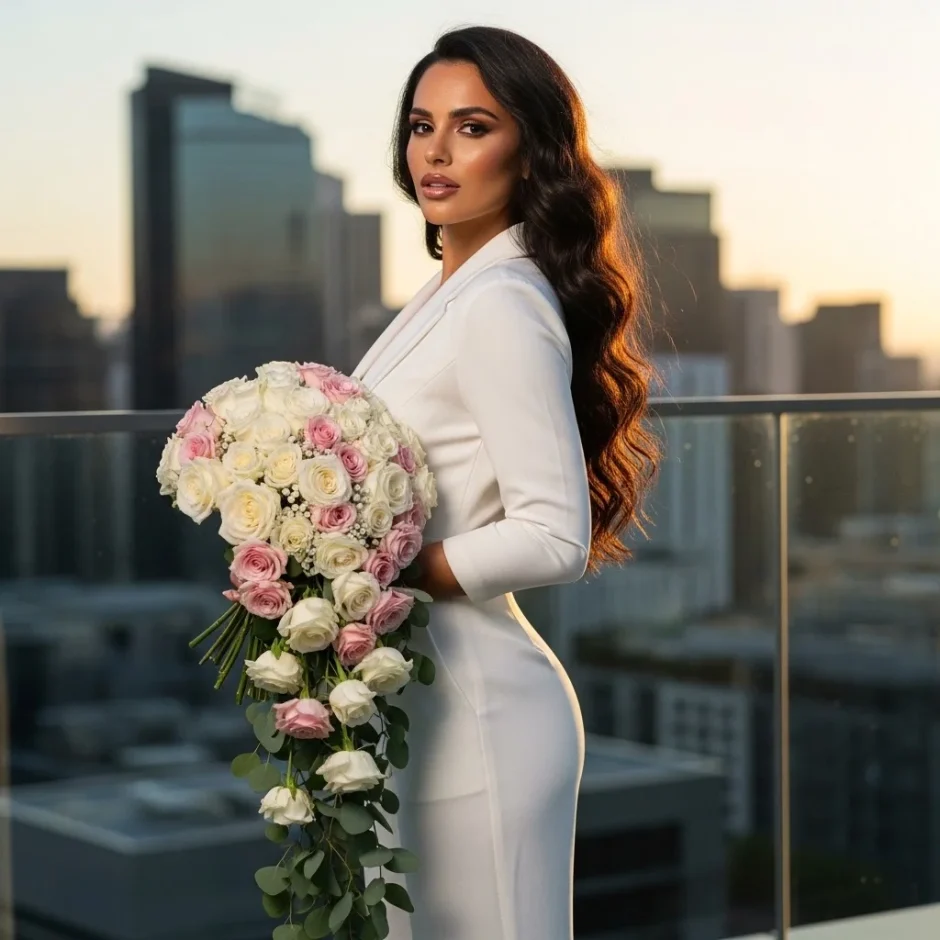
Planning the right quantity of roses for a wedding is an essential step in creating stunning floral arrangements while staying within budget and timeline constraints. Roses are the quintessential wedding flower, celebrated for their elegance, symbolism of love, and wide variety of colors, making them the #1 stem for weddings across the world. However, determining the correct quantity is crucial, as it directly impacts costs, logistics, design quality, and the freshness of the blooms.
Whether you’re dreaming of lush bridal bouquets, elegant centerpieces, or aisle arrangements adorned with roses, knowing how many stems you need ensures everything comes together seamlessly. For example, a typical bridal bouquet uses between 18–30 roses depending on its size and desired fullness, while centerpieces typically require 12–24 stems per arrangement depending on the vessel size and design. These estimates are invaluable for wedding planners, florists, and DIY brides who often search this question early in the planning process to coordinate their floral vision with their overall budget.
Understanding quantities also ties into the ordering process. Roses are often purchased as Bulk Roses or through Wholesale Flowers suppliers, which means ordering in precise quantities to accommodate delivery timelines is critical. The flowers need to arrive fresh, typically 2–3 days before the event, to allow sufficient time for preparation and arrangement.
A wedding flower calculator can simplify this process, providing an easy way to estimate the number of roses required based on arrangements, guest count, and venue size. This tool not only helps streamline calculations but also ensures no detail is overlooked, saving time, money, and stress. By planning ahead and ordering strategically, brides can achieve the perfect floral display for their special day.

Part 1 – Why Do Rose Quantities Matter for Weddings?
Rose quantity is determined by three key factors: arrangement size, design style, and stem substitution strategy. When planning a wedding, understanding the number of roses required is essential for both budget management and ensuring a cohesive, stunning floral design. Roses are renowned for their versatility and elegance, making them a centerpiece of many wedding arrangements. However, there are several commercial and logistical considerations that make rose quantity an important aspect of preparation.
Budget Planning and Cost Per Stem
One of the most significant factors in determining rose quantity is the cost per stem. Wedding budgets can vary widely, and knowing how many roses are needed helps couples avoid overspending. This is especially critical for large-scale weddings, where floral costs can quickly escalate. Opting for bulk purchases from wholesale flower suppliers often lowers the price per stem, but this requires detailed inventory planning to ensure sufficient quantities while avoiding waste.
Stem Count Variance by Design Style
Design style also has a major impact on the number of roses a wedding might require. For example, minimalist bouquets or arrangements with ample greenery need fewer roses, whereas lush, opulent designs incorporating tightly packed blooms demand significantly higher quantities. Arrangements that mix roses with other flowers, such as hydrangeas or ranunculus, can reduce the number of rose stems required while maintaining a luxurious appearance.
Venue Scale
The wedding’s venue scale plays a crucial role in rose quantity decisions. For micro or intimate weddings, smaller arrangements can create an elegant atmosphere, often requiring fewer blossoms. Conversely, luxury weddings in grand venues demand show-stopping floral displays, significantly increasing the number of roses needed to fill large spaces or dramatic installations like floral arches and centerpieces.
Color Palette and Floral Variety Substitutions
Rose quantity calculations also depend on how they fit within the overall color palette and floral composition. Often, roses are paired with complementary flowers, such as baby’s breath for a soft, romantic touch or greenery to enhance natural textures. These collaborative pairings allow roses to remain the focal point while reducing the overall number of stems required. Substituting similar hues in other flowers, such as hydrangeas for voluminous arrangements, can also impact the rose count.
Bulk Ordering Timelines and Freshness
Timeliness is vital when placing bulk flower orders. Roses must be ordered early enough to secure preferred colors and quantities but close enough to the wedding date to ensure they remain fresh. Proper scheduling, especially for larger weddings or peak seasons, helps avoid last-minute stress and ensures the flowers arrive in optimal condition for arrangement and display.
Part 2 – The Rose STEM Calculator: Quick Answers by Arrangement
How Many Roses for a Bridal Bouquet?
Bridal bouquets are the centerpiece of a wedding’s floral arrangements, and the number of roses required varies based on style and design preferences. Below are standard estimates to help you plan the perfect bouquet.
Standard Estimates (Snippet Box Style)
- Tight Round Bouquet: 18–24 Roses
- Garden-Style Bouquet: 24–36 Roses
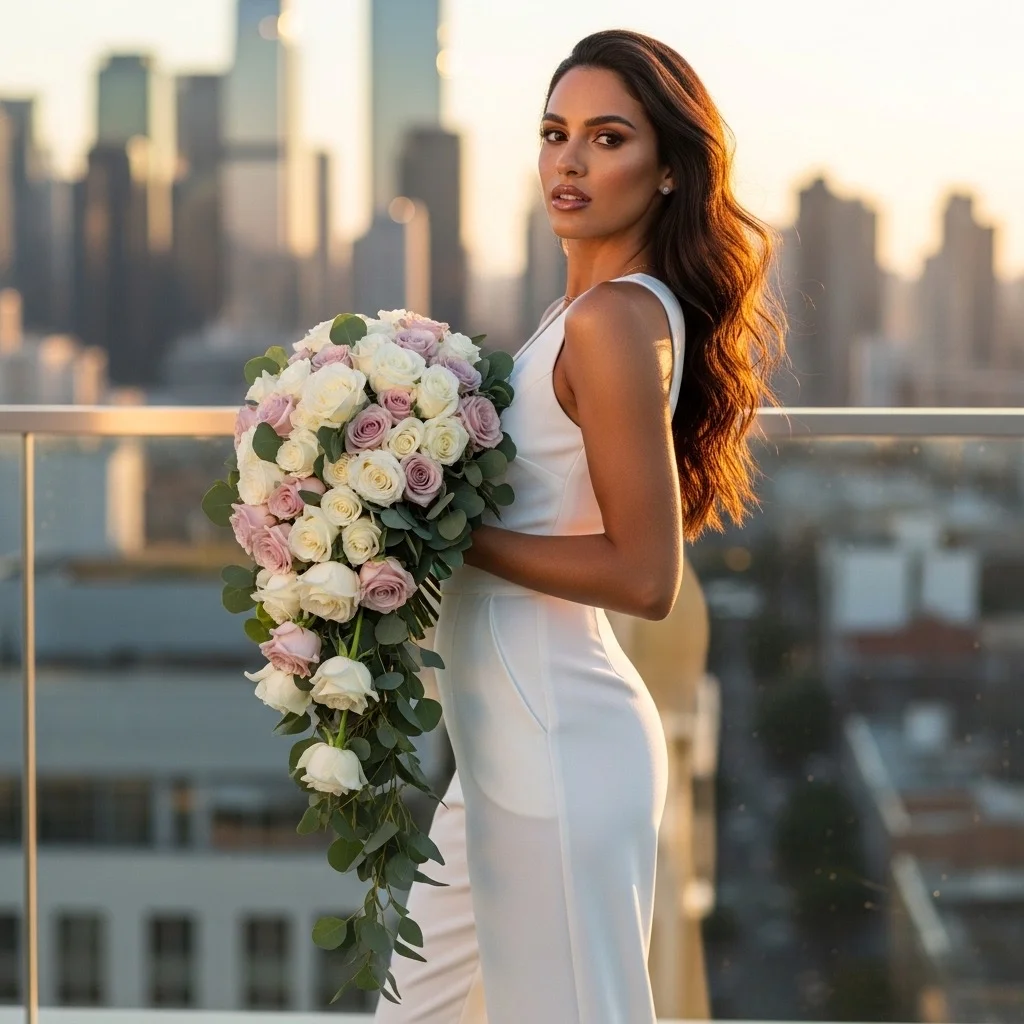
- Cascade Bouquet: 30–45 Roses + Greenery
- Minimalist / Modern: 12–18 Roses
For variety and added texture, consider substituting roses with complementary flowers like peonies, ranunculus, or orchids. Using these substitutions can create a unique and visually dynamic bouquet that reflects both tradition and individuality.
How Many Roses for Bridesmaid Bouquets?
When arranging bridesmaid bouquets, balance is key. These bouquets are typically smaller than the bridal bouquet but still essential for completing the wedding’s floral harmony.
Snippet Box
- Typical size: 10–18 Roses per bouquet
- Mini bouquets: 6–10 Roses
To ensure cohesive color schemes, match the bridesmaid bouquet roses to the bridal colors, integrating seasonal options like pastels in spring or rich jewel tones in autumn. Incorporating fillers and greenery, like eucalyptus, can also bring a natural touch while using fewer roses.
How Many Roses for Centerpieces?
Table centerpieces are a focal point of the reception, and their rose count can depend on the desired style and table size.
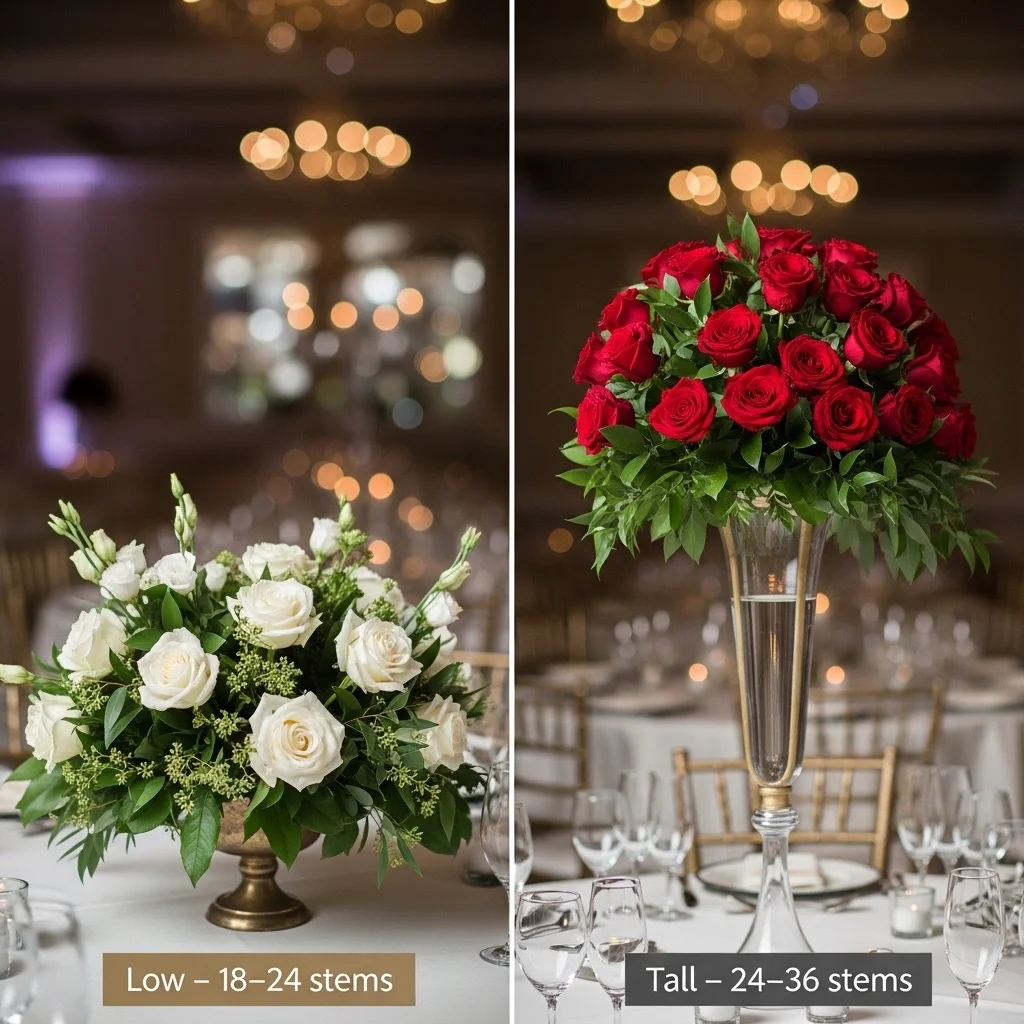
Tall Centerpieces
- Number of Roses: 24–36 Roses + Greenery
Tall centerpieces create stunning vertical displays. Adding greenery like eucalyptus or fillers such as hydrangeas can provide volume while reducing the total number of roses needed.
Low Centerpieces
- Number of Roses: 12–24 Roses
Low centerpieces are ideal for intimate dining arrangements and easy guest interaction. Carnations, tulips, and dahlias are great substitutes or companions to reduce reliance on roses and add variety.
Bud Vases
- Number of Roses: 1–3 Roses per vase
Bud vases offer a minimalist approach, showcasing individual flowers elegantly. Adding fillers like delicate baby’s breath can create a polished yet understated look.
How Many Roses for Aisle Décor?
Aisle décor is essential for setting the tone of the ceremony and directing the eye toward the wedding altar or archway. The design should reflect the couple’s style while considering practicality.
Aisle Markers
- Number of Roses: 3–6 Roses each
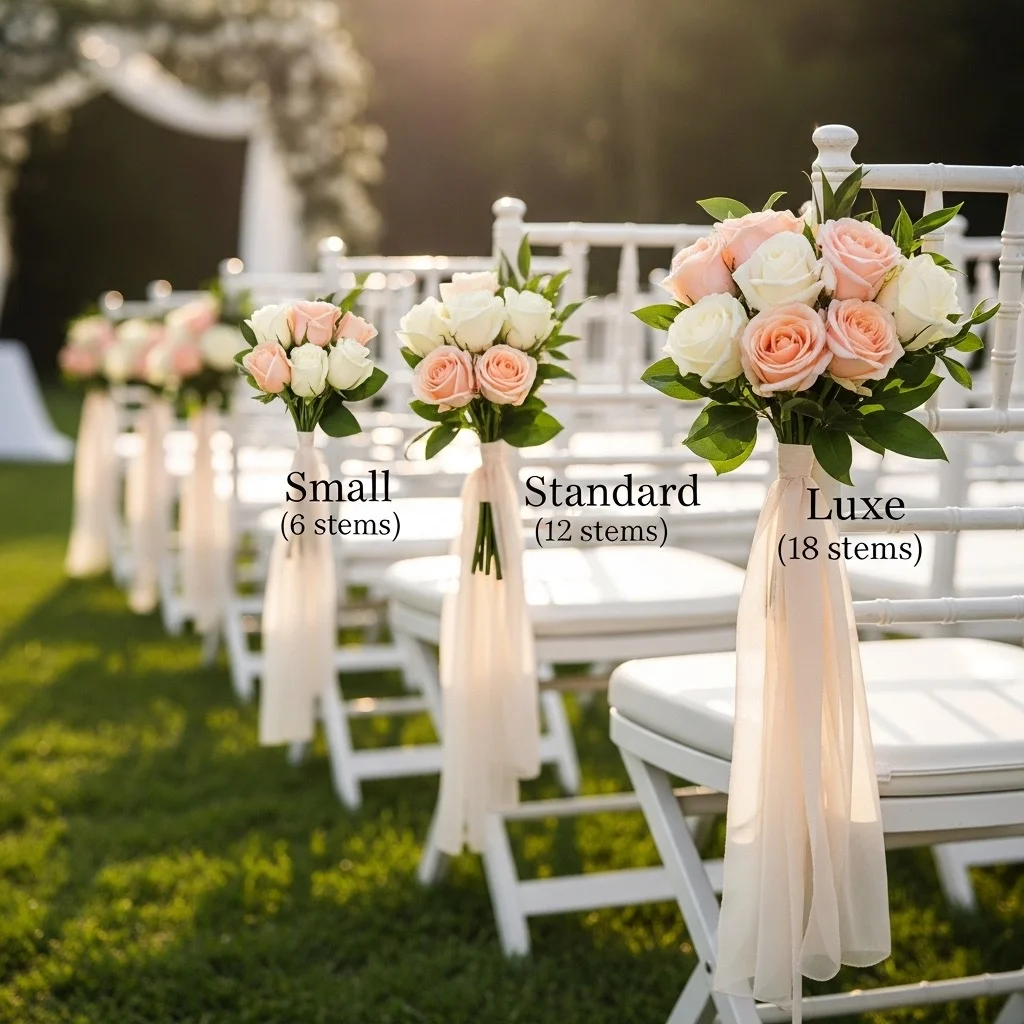
Chair/Pew Posies
- Number of Roses: 5–8 Roses each
Aisle Ground Arrangements
- Number of Roses: 18–36 Roses per cluster
Ground arrangements can benefit from cascading greenery or fillers like pampas grass and eucalyptus for a lush and dramatic effect.
Image Suggestions: Cascading ground arrangements and aisle marker layouts with labeled flower breakdowns can help with visualization and inspire creative décor ideas.
How Many Roses for Arches & Installations?
Floral arches and installations form a breathtaking backdrop for ceremonies, photos, and focal points. The following ranges can guide flower planning by installation type.
Full Floral Arch
- Number of Roses: 250–450 Roses + Greenery
Half Moon Arch
- Number of Roses: 150–250 Roses
Corner Clusters
- Number of Roses: 60–120 Roses
By integrating fillers like pampas grass, baby’s breath, preserved flowers, or orchids, you can enhance depth and reduce costs without compromising on beauty.
How Many Roses for Boutonnières, Corsages & Cake Flowers?
These small but impactful floral pieces add subtle elegance to outfits and wedding details.
Snippet-Ready Estimates
- Boutonnières: 1–2 spray Roses
- Wrist Corsages: 3–5 spray Roses
- Cake Flowers: 6–18 Roses depending on tiers
Using spray roses for these features is a cost-effective approach that ensures maximum coverage and versatility for smaller accents.
How Many Roses for Bridesmaid Bouquets?
Snippet-Ready Estimates
- Typical size: 10–18 Roses per bouquet
- Mini bouquets: 6–10 Roses
To ensure a cohesive and polished look, bridesmaid bouquets should complement the bride’s bouquet in both style and color. Include shades that match the wedding’s theme, with careful consideration of seasonal color availability. For example, pastel tones like blush, peach, and cream are popular in spring, while bold hues such as burgundy, deep pink, and orange are perfect for fall.
How Many Roses for Centerpieces?
The number of roses needed for centerpieces will largely depend on the style and design:
Tall Centerpieces
- 24–36 Roses + Greenery
Tall centerpieces often make a dramatic statement and provide height to the décor. Pair roses with greenery like eucalyptus or other filler flowers to create a lush, balanced arrangement.
Low Centerpieces
- 12–24 Roses
Ideal for intimate table settings, low centerpieces offer subtle elegance. They’re perfect for boosting table decor without obstructing the guests’ line of sight.
Bud Vases
- 1–3 Roses per vase
A minimalist option, bud vases are a cost-effective way to scatter blooms across the venue. Pair roses with filler flowers like carnations or tulips for added texture and volume.
Substitutions to Consider:
To achieve desired volume while reducing the overall cost, consider including alternative flowers such as hydrangeas (great volume filler), carnations, tulips, eucalyptus, or dahlias.
How Many Roses for Aisle Décor?
Aisle décor sets the tone for the ceremony and guides guests toward the altar. Depending on the format, use the following estimates:
Aisle Markers
- 3–6 Roses each
Simple yet sophisticated, these markers can beautifully define the ceremony path.
Chair/Pew Posies
- 5–8 Roses each
Attach to guest seating for a charming and elegant touch.
Aisle Ground Arrangements
- 18–36 Roses per cluster
Large floral clusters along the aisle create bold statements and can be customized with cascading greenery.
How Many Roses for Arches & Installations?
Floral arches and installations are often focal points of wedding décor. Estimates vary based on the size and design of the arrangement:
Full Floral Arch
- 250–450 Roses + Greenery
Perfect for a grand ceremony backdrop, these lush installations require significant volume for full coverage.
Half Moon Arch
- 150–250 Roses
A half-arch design is cost-effective and equally striking, working well for outdoor or minimalist settings.
Corner Clusters
- 60–120 Roses
Smaller floral accents on corners provide elegance and dimension to any arch style.
Suggested Fillers: Pampas grass, baby’s breath, preserved flowers, and orchids can be used to add texture and reduce the rose count without lessening the visual impact.
Part 3 – Wedding Rose Quantity Chart (By Arrangement Type)
To help guide the planning process, the chart below provides a detailed breakdown of the number of roses recommended for key wedding arrangements. Stem counts can vary depending on the style, size, and use of complementary flowers and greenery.
| Arrangement | Stem Count | Notes |
| Bridal bouquet | 18–36 | Depends on shape & style |
| Bridesmaid bouquets | 10–18 | Smaller, coordinated options |
| Centerpieces (low) | 12–24 | Hydrangeas can be used as filler to reduce rose count |
| Centerpieces (tall) | 24–36 | Requires additional volume for impactful visual balance |
| Arch (full) | 250–450 | Use greenery or fillers such as eucalyptus to balance cost and enhance aesthetics |
| Boutonniere | 1–2 | Spray Roses or small blooms are ideal for subtle elegance |
When designing wedding arrangements, consider the overall aesthetic and the venue’s atmosphere. Strategic incorporation of filler flowers, greenery, or other elements, such as preserved blooms, can reduce rose requirements while maintaining an opulent look. This chart serves as a flexible guide to ensure your floral vision aligns with your event’s scale and style.
Part 4 – Choosing the Right Rose Type for Weddings
What Types of Roses Are Best for Weddings?
Selecting the right roses for your wedding arrangements can transform your floral vision into a breathtaking reality. From timeless classics to statement blooms, each type of rose offers unique attributes to complement your theme and style. Below, we’ve outlined four popular rose varieties to consider and how they can enhance your special day:
✔ Standard Roses
These are the most versatile and affordable option, making them a go-to choice for large-scale designs like centerpieces and bouquets. With their smooth petals and elegant shape, standard roses work well in any wedding aesthetic, from classic to modern.
✔ Garden Roses
Known for their luxurious appeal and ruffled petals, garden roses add a sense of romance and opulence to your arrangements. Their fuller shape and lush texture make them perfect for bridal bouquets or as statement blooms in ceremony arches.
✔ Spray Roses
Featuring small, delicate blossoms on thin stems, spray roses are ideal for creating filler or accent features that add dimension and detail. Their versatility makes them an excellent choice for boutonnieres, corsages, and smaller arrangements.
✔ Preserved Roses
For couples looking to incorporate lasting elements that can be cherished after the wedding day, preserved roses are a wonderful option. These blooms maintain their beauty for months or even years, making them boutonniere-friendly and ideal for keepsakes.
Complementary Flowers
To achieve a beautifully balanced look, consider pairing your roses with complementary flowers and greenery. Hydrangeas can add volume and softness, while ranunculus and tulips bring texture and charm. Orchids can make a bold, exotic statement, and eucalyptus offers both greenery and a touch of natural elegance. Together, these pairings can elevate your wedding arrangements, ensuring a cohesive and breathtaking result.
Part 5 – How Does Bulk Ordering Affect Quantity & Freshness?
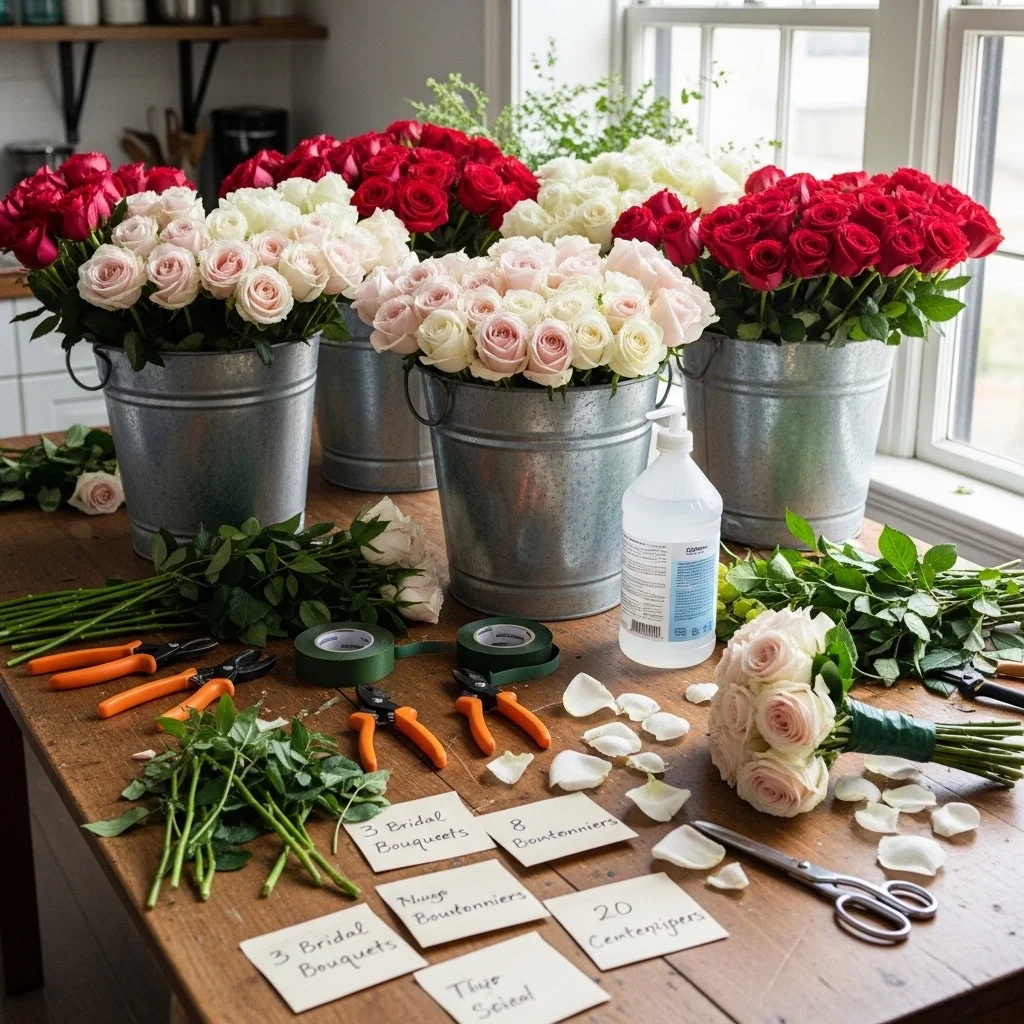
When purchasing flowers in bulk, understanding how it impacts stem counts and freshness is essential for planning your arrangements effectively. Bulk packaging typically comes in increments, such as 25-stem bunches, which allow you to easily calculate your needs for events like DIY weddings, corporate events, or floral installations. This standardized stem count ensures consistency and simplifies estimating the volume required, especially for large-scale orders.
One of the key advantages of bulk flowers is that they are sourced directly from farms. Farm-direct logistics minimize transit time and ensure the blooms are harvested at peak freshness. Many suppliers use cold-chain handling, a temperature-controlled process that protects flowers throughout transportation. This method preserves their quality and extends their vase life, ensuring your arrangements look stunning longer.
Once your bulk order arrives, it’s important to account for the hydration period. Flowers may need 24 to 48 hours to properly rehydrate after being shipped. During this time, stems absorb water and regain their vitality, which is especially critical for ensuring blooms achieve peak appearance before the event. Proper care, such as trimming stems at an angle and placing them in fresh water, can further enhance hydration.
Bulk ordering is highly appealing to DIY brides, event planners, and professional florists. The cost savings associated with wholesale flower purchases allow for more flexibility, enabling you to allocate your budget strategically. Additionally, bulk flowers provide the opportunity to design intricate and unique arrangements tailored to your specific vision.
Part 6 – Example Quantities for Small, Medium & Large Weddings
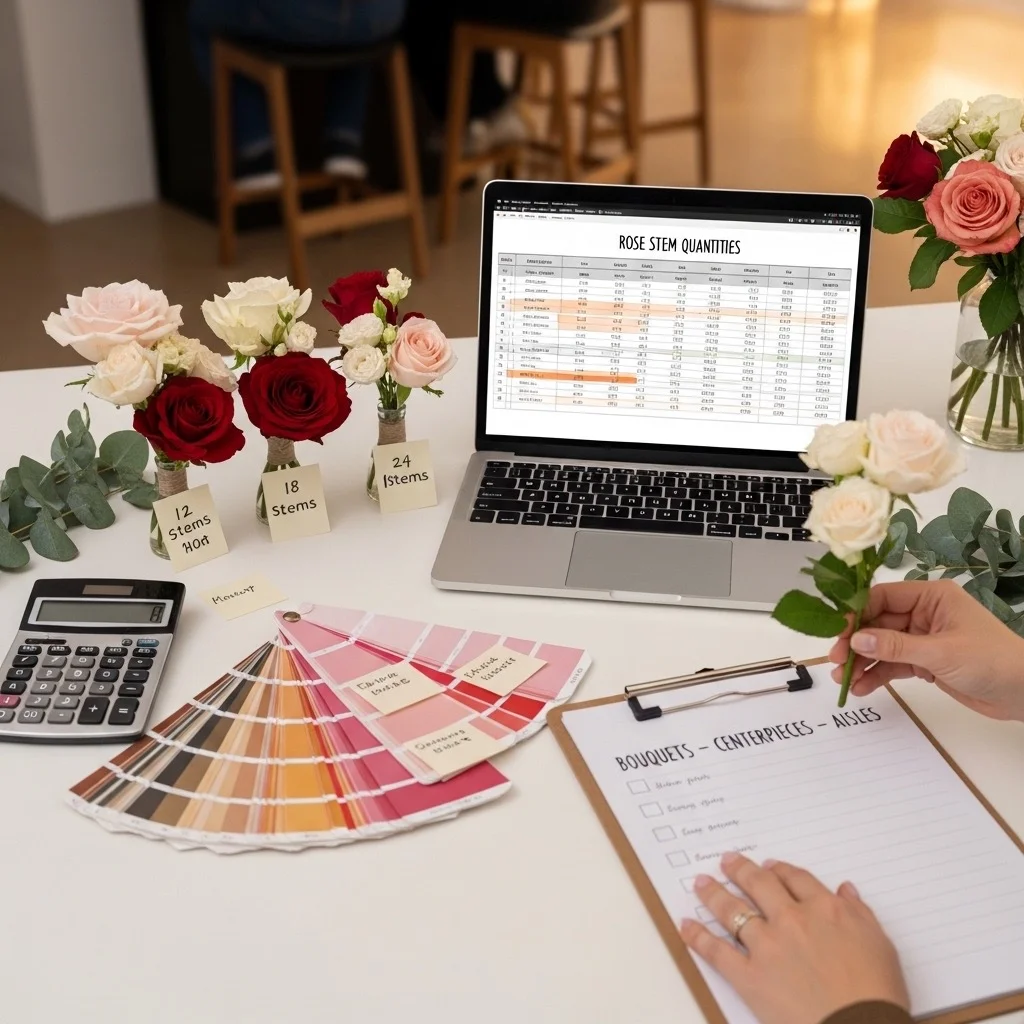
When planning a wedding, estimating the right quantity of flowers is key to achieving the perfect look while avoiding unnecessary waste. Below, we outline three hypothetical breakdowns to help you determine the approximate number of flowers you may need based on the size of your event.
Small Wedding (50 Guests)
A small wedding with 50 guests typically requires fewer floral arrangements. Here’s an example breakdown:
- 1 Bridal Bouquet: 24 Roses
- 2 Bridesmaid Bouquets: 28 Roses
- 5 Tables (Centerpieces): 60 Roses
- Arch Spray: 120 Roses
Total: 232 Roses
This arrangement provides an elegant and intimate setting, perfect for a cozy celebration.
Medium Wedding (120 Guests)
A medium-sized wedding with around 120 guests allows for more boldness in floral décor while maintaining budget-consciousness. Depending on design preferences, you may need between:
- ~420–550 Roses
This includes flowers for bouquets, centerpieces for approximately 10–12 tables, and additional arrangements for the ceremony and reception areas.
Large Wedding (200+ Guests)
For a large wedding with over 200 guests, grand floral designs can leave a dramatic impact. To ensure lavish decorations, you’ll likely require:
- ~700–900 Roses
This count accommodates designs for a larger number of bouquets, elaborate table settings for 20+ tables, entrance pieces, and elaborate arch or backdrop arrangements.
Note on Fillers
While roses form the foundation for these examples, incorporating fillers can add volume, texture, and a natural feel to your arrangements. Popular fillers include Baby’s Breath, Greenery, and Pampas Grass, which not only enhance the aesthetic but also help balance flower costs. These elements can beautifully complement roses and provide a fuller appearance to your designs without excessive expense.
Part 7 – Cost, Stem Counts & Budget Planning
How Much Do Roses Cost for a Wedding?
When planning a wedding, understanding the cost of roses is crucial for managing your floral budget. The price of roses can vary significantly based on several factors, including seasonality, rose quality, and quantity required. Seasonal pricing plays a major role, as roses are generally more expensive around peak floral holidays such as Valentine’s Day or Mother’s Day. Opting for non-peak wedding dates can help reduce costs.
The distinction between luxury roses and standard roses also impacts pricing. Luxury roses, often prized for their larger size, intricate petal structure, and premium quality, can cost significantly more than standard varieties. For example, garden roses or David Austin roses are categorized as luxury blooms and are typically priced higher than standard hybrid tea roses.
Stem counts further influence costs, as the number of roses needed will depend on the scale and intricacy of your arrangements. A small centerpiece may require just 10-12 stems, while a large arch can easily use upwards of 150 roses. Buying in bulk, however, is one of the most effective ways to reduce overall costs. Wholesale flower providers like Whole Blossoms offer farm-direct roses that can save you 20–60% compared to retail prices. By sourcing directly from farms, you not only gain access to fresher blooms but also eliminate the markups associated with traditional retailers, making it a smart choice for couples planning their big day.
Budget planning becomes simpler when you consider these cost-saving strategies combined with thoughtful arrangement choices. A mix of standard roses, fillers, and greenery can create stunning designs while keeping expenses in check.

Part 8 – When Should I Order Roses for a Wedding?
Timing your rose order is crucial to ensuring they look their best on your wedding day. Most florists order roses 7–10 days before the wedding to allow proper hydration and bloom opening. This timeframe ensures the roses reach the ideal bloom stage, appearing lush and vibrant in bouquets and arrangements.
Proper storage is key once the roses arrive. Keep them in a cool, shaded area at around 36–40°F to maintain their freshness. Avoid direct sunlight or drafts, as these can dry out the petals and shorten the lifespan of the flowers. It’s also important to recut the stems and place the roses in clean water with floral preservatives to maximize their vase life.
The bloom stage of the roses significantly affects their appearance in arrangements. Ordering them early allows enough time for tighter buds to fully open, showcasing their full beauty. By planning the order carefully and ensuring optimal conditions for storage, you can achieve show-stopping floral displays that remain fresh and vibrant throughout your special day.
Conclusion
Careful planning when calculating rose quantities ensures every arrangement looks full and balanced while minimizing waste. Determining the exact number of roses needed for your design helps stretch your budget without compromising on beauty. Bulk purchasing is an excellent way to save on costs while guaranteeing access to a wide variety of high-quality blooms, perfect for creating stunning arrangements for weddings or special events. Additionally, placing professional orders well in advance allows time for the roses to be delivered, properly conditioned, and bloom to their peak, ensuring each flower is showcased at its best.
Whether you are a professional florist or planning a once-in-a-lifetime event, ordering roses thoughtfully can help you achieve fresh, vibrant displays that make a lasting impression. Explore a wide selection of Wholesale Flowers, Bulk Flowers, and Wedding Flowers by visiting our website to find everything you need to bring your floral vision to life.