


 by
by 

The Underrated Charm of Baby’s Breath
Often overlooked in favor of more vibrant blooms, Baby’s Breath quietly holds its place as a timeless staple in floral arrangements. Known scientifically as Gypsophila, this delicate flower has a rich history dating back to its origins in Eastern Europe and Asia, where it thrived in arid, chalky soils. Traditionally used as a filler flower, Baby’s Breath stood in the background while more colorful counterparts took the spotlight. However, in recent years, its simplicity and elegance have led to a resurgence in modern floral design, where it now often takes center stage.
One of the greatest strengths of Baby’s Breath lies in its versatility. From wedding bouquets to home décor and even as standalone arrangements, its soft, cloud-like aesthetic creates a sense of whimsy and romance. Available in both classic white and dyed in various pastel or bold hues, it adapts effortlessly to a wide range of themes and styles. Whether used to complement extravagant floral displays or to create minimalist installations, Baby’s Breath offers endless possibilities. Additionally, its affordability makes it a popular choice for those looking to create stunning arrangements on a budget without compromising beauty.
This article will take a closer look at the unique characteristics of Baby’s Breath, explore its historical significance, and examine its growing popularity in contemporary design. We’ll highlight creative uses for this delicate bloom, tips on caring for and arranging it, and why it’s become a favorite among floral enthusiasts. Join us as we uncover the charm of this small yet impactful flower and discover how it captures hearts in both simple moments and grand celebrations.
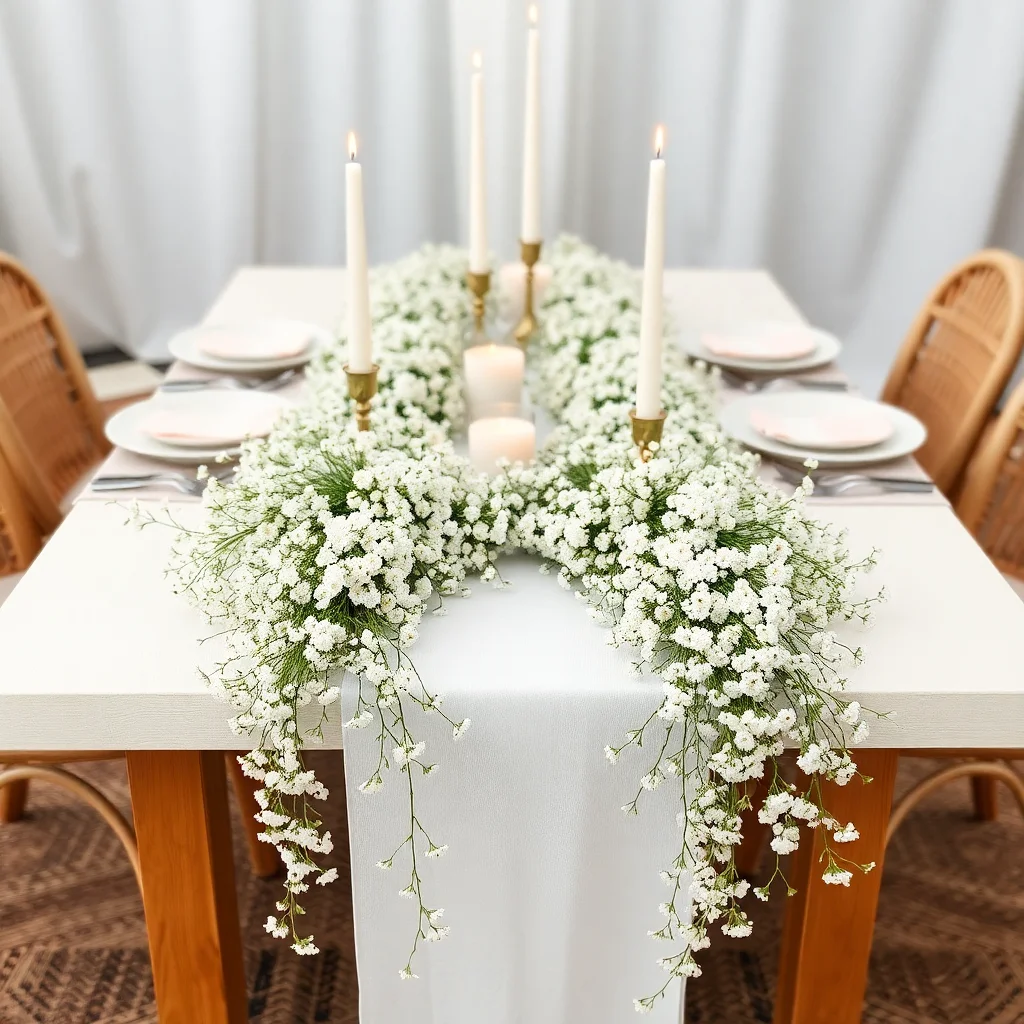
Part 1 – Botanical Profile: Understanding Baby’s Breath (Gypsophila)
Baby’s Breath, scientifically known as Gypsophila, is a genus of flowering plants belonging to the Caryophyllaceae family. This delicate bloom gets its scientific name from the Greek words “gypsos” (gypsum) and “philos” (loving), referring to its preference for gypsum-rich soils. Native to Europe, Asia, and parts of Africa, Baby’s Breath is a popular choice among gardeners and florists for its light, airy appearance and versatility in arrangements.
Scientific Classification and Common Varieties
The Gypsophila genus encompasses over 100 species, although only a few are widely cultivated for ornamental use. The most popular variety is Gypsophila paniculata, or common Baby’s Breath, recognized for its profusion of tiny, white or pale pink flowers that emerge on branching stems. Another sought-after species is Gypsophila elegans, often referred to as annual Baby’s Breath, which features a shorter growth cycle and a more delicate aesthetic. Unique varieties, such as Gypsophila repens (creeping Baby’s Breath), also exist and are prized for their mat-forming growth habit, making them an ideal ground cover.
Growth Habits and Physical Characteristics
Baby’s Breath is characterized by its slender, branching stems that create a cloud-like effect when in full bloom. The flowers are typically small, measuring about 0.1–0.4 inches in diameter, and grow in dense clusters. Depending on the variety, these blossoms can range in color from pristine white to soft shades of pink, with double-flowered hybrids offering fuller, more textured blooms. The plant itself typically grows to a height of 1.5 to 3 feet, with light green, narrow leaves that provide an understated backdrop to the flowers.
Seasonal Availability and Cultivation Regions
Baby’s Breath thrives in well-drained, alkaline soils and prefers full sun, making it a hardy choice for gardens in temperate climates. It is commonly grown in Europe, North America, and parts of Asia where the conditions meet its requirements. The plant is both perennial and annual, with perennial varieties blooming repeatedly year after year under favorable conditions, while annual species complete their lifecycle in a single growing season. Typically, Baby’s Breath is available from late spring through summer, though greenhouse cultivation ensures its availability year-round for floral design purposes.
Understanding the botanical profile of Baby’s Breath not only deepens one’s appreciation for its beauty but also provides insight into how this simple, yet striking plant has captivated hearts globally and earned its place among the most beloved blooms.
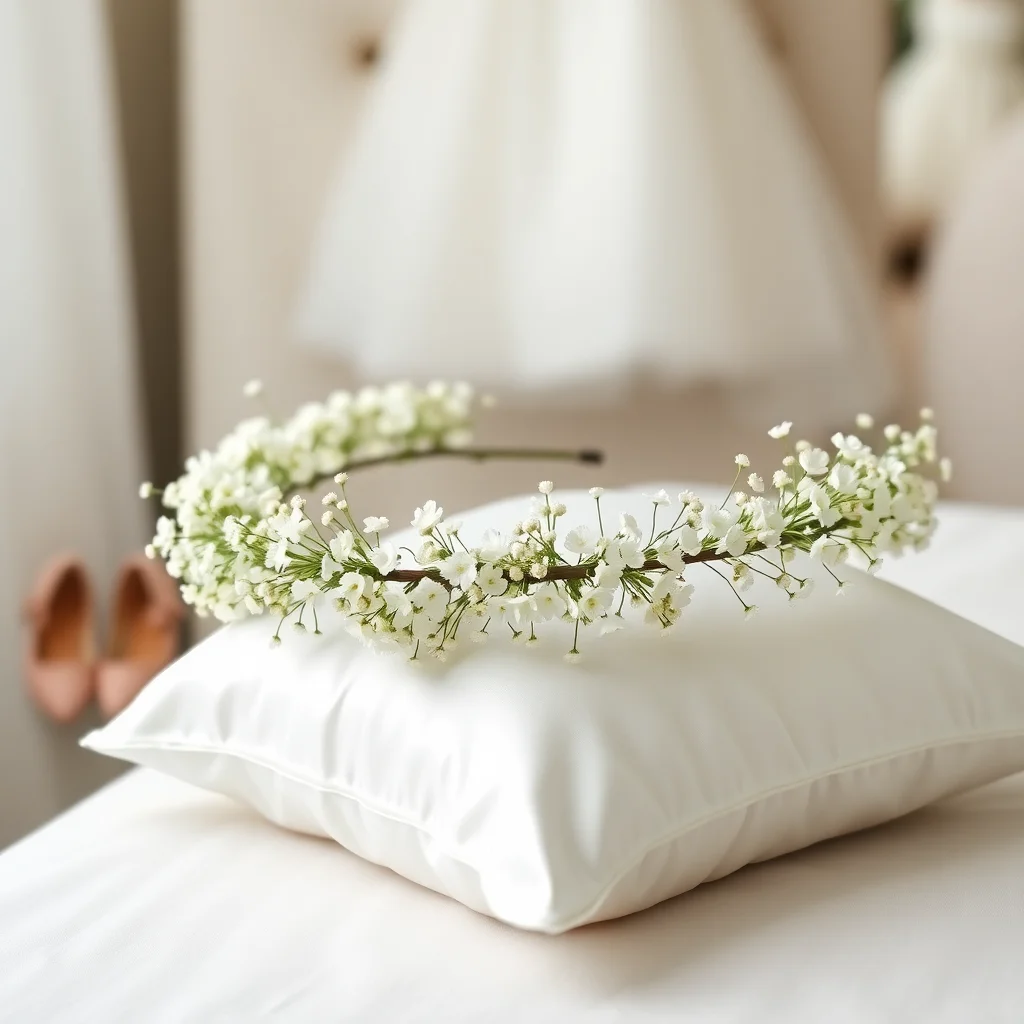
Part 2 – Symbolism and Cultural Significance
The delicate Baby’s Breath has long been cherished as a symbol of purity, innocence, and everlasting love. Its tiny, delicate blossoms evoke a sense of simplicity and grace, making it a beloved inclusion in floral arrangements for significant life events. Traditionally, Baby’s Breath has been popular in weddings, where it is often used to complement bridal bouquets and table arrangements. Its association with everlasting love and devotion makes it a fitting choice for celebrating the union of two people, symbolizing the purity of their bond.
Across various cultures, Baby’s Breath plays an important role in ceremonies and traditions. For example, in Western countries, it is a staple in wedding décor, adding an ethereal touch to everything from centerpieces to hair adornments. Similarly, in some Eastern traditions, it is incorporated into rituals to signify innocence and the fragility of life, making it a poignant choice for newborn celebrations or memorial services. Its subtle yet remarkable appearance ensures its place as an enduring symbol of life’s transitions — from new beginnings to heartfelt farewells.
Modern interpretations of Baby’s Breath have expanded beyond traditional uses, as it has become a favorite in a variety of events and décor styles. Its versatility allows it to complement minimalist aesthetics, bohemian gatherings, and even rustic or vintage-inspired themes. Baby’s Breath is frequently used in DIY projects for home and party décor, admired for its affordability, long-lasting freshness, and ability to blend seamlessly with other flowers. From whimsical cloud-like installations to understated accents, it continues to captivate with its timeless charm and wide-ranging appeal. Indeed, the persistent popularity of Baby’s Breath reflects not only its symbolic meanings but also its adaptability to evolving trends in floral design and cultural expression.
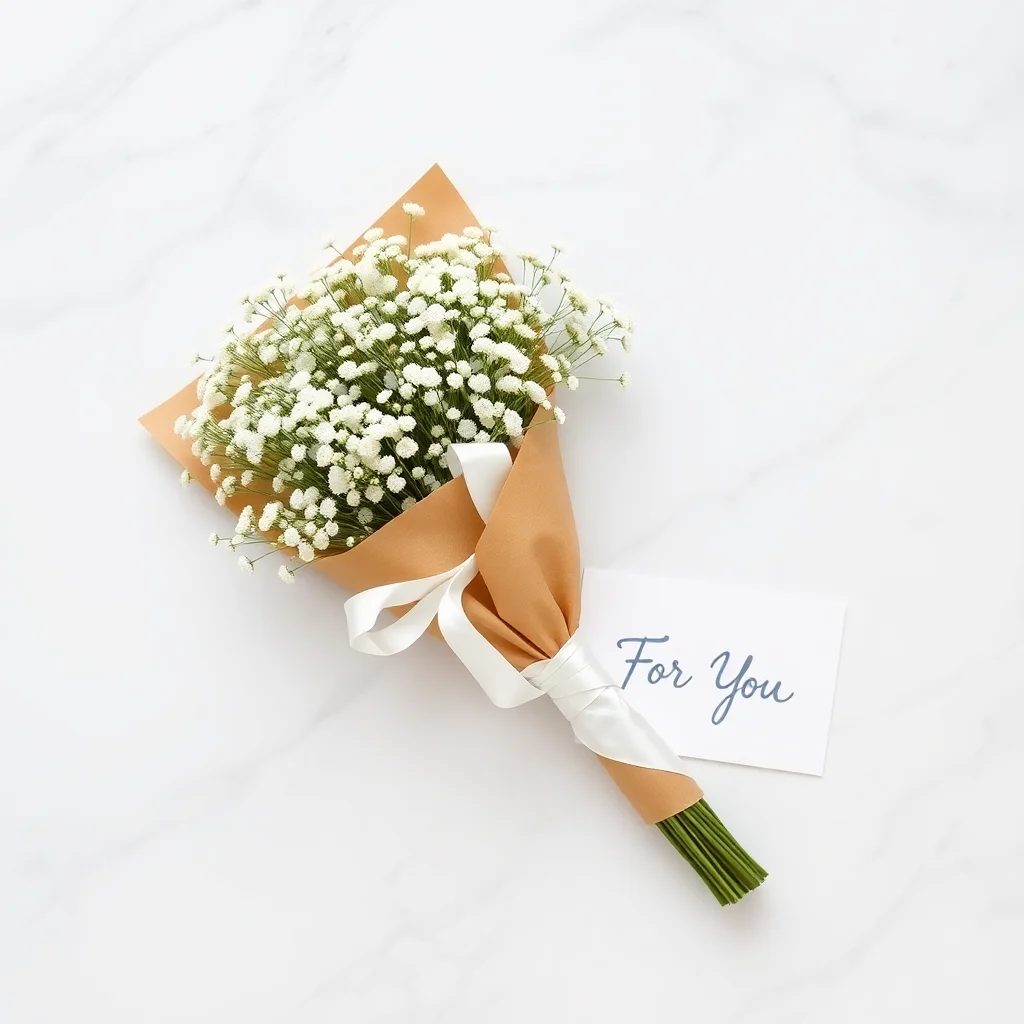
Part 3 – Design Applications: From Filler to Focal Point
Baby’s Breath has undergone a fascinating evolution in the world of floral design, transforming from a humble supporting role to a striking centerpiece in many arrangements. Traditionally seen as a filler flower, Baby’s Breath was often used to complement larger, more colorful blooms. However, its understated beauty has allowed it to step into the spotlight in modern designs, where it is now celebrated for its minimalist elegance, versatility, and ability to make a bold statement on its own.
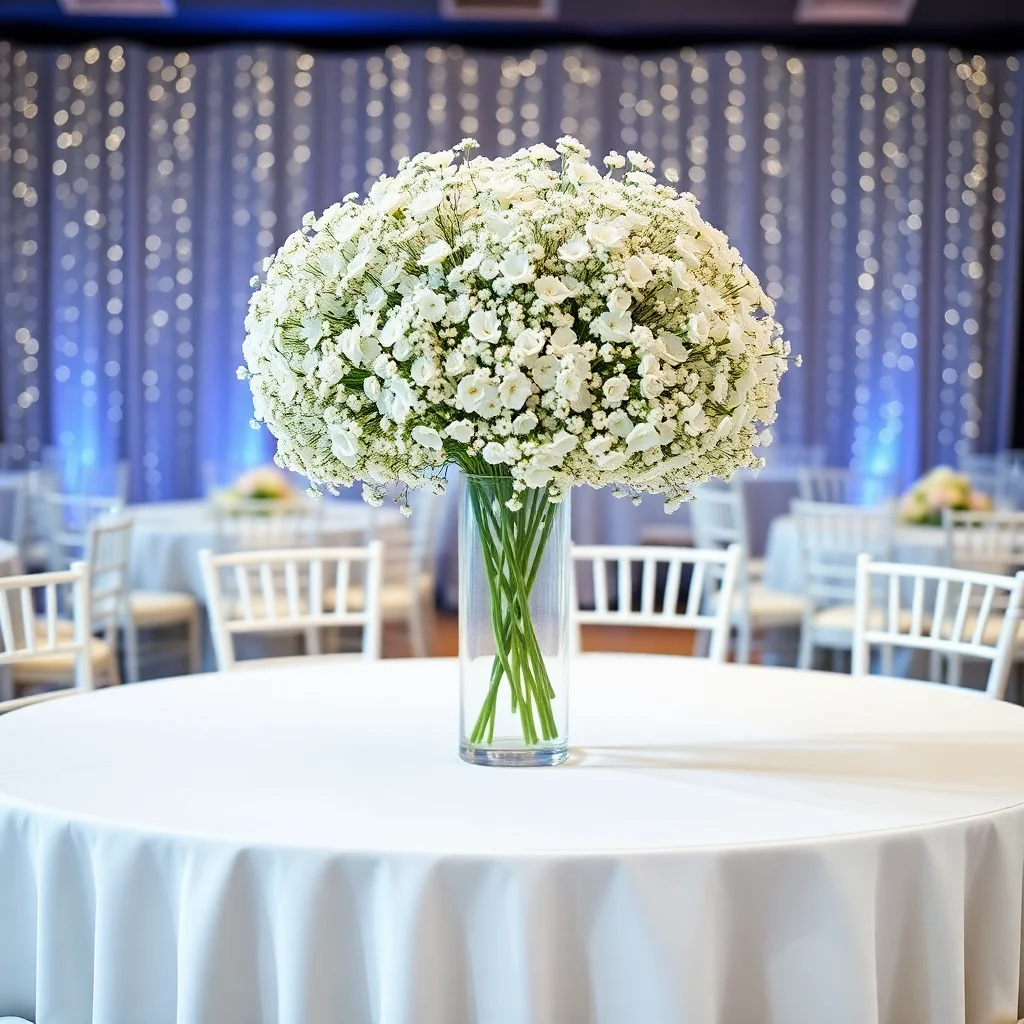
One of the most notable areas where Baby’s Breath shines is in wedding décor. For decades, it has been a go-to choice for bridal bouquets, admired for its soft texture and delicately romantic aesthetic. Its neutral white hue makes it an ideal match for any color palette, whether it’s a classic white-and-green combination or a vibrant array of brighter tones. Beyond bouquets, Baby’s Breath is prominently used in wedding arches, where masses of fluffy, cloud-like clusters create a dreamy backdrop for ceremonies. It’s also a favorite for centerpieces, often set in minimalist vases or sprawling arrangements that evoke a sense of lightness and charm. These versatile uses ensure that Baby’s Breath remains a timeless favorite for couples seeking both traditional and modern styles.
Creative applications of Baby’s Breath have also expanded well beyond conventional floral arrangements. Reimagined through a contemporary lens, it has become a popular choice for striking hanging installations that add depth and dimension to event spaces or home interiors. When dyed, Baby’s Breath offers bursts of unexpected color, lending a playful or avant-garde touch to any display. Artists and designers also use this adaptable flower to craft intricate wreaths and garlands, perfect for seasonal décor or unique statement pieces. Its ability to hold its shape and structure even when dried broadens its range of applications, further solidifying its status as one of the most versatile flowers in the design world.
The redefinition of Baby’s Breath—from filler to focal point—illustrates how simplicity can evolve into sophistication. Its low-maintenance nature and affordability, paired with limitless creative possibilities, have elevated it from a supporting role to a centerpiece that commands attention. Whether used in lavish events, intimate gatherings, or as part of everyday décor, Baby’s Breath continues to inspire and adapt, making it a perennial favorite for designers and flower enthusiasts alike.

Part 4 – Color Variations and Styling Tips
Baby’s Breath, known for its delicate white blooms, naturally radiates a soft, airy charm that blends seamlessly into various designs. While white remains the classic choice, Baby’s Breath is now available in a variety of dyed color options, catering to wider aesthetic needs. From pastel tones of blush pink, lavender, and sky blue to bold hues like striking purple or vibrant red, dyed Baby’s Breath offers endless possibilities for customization. This versatility allows it to fit harmoniously into different themes, whether you’re designing a romantic wedding, a lively birthday celebration, or a minimalist home décor arrangement. When dyed, the blooms retain their structural integrity while adding a pop of personalized color, making them especially popular in modern floral arrangements.
Pairing Baby’s Breath with other flowers and greenery enhances its visual appeal and highlights its adaptability. It serves as the perfect complement to roses, peonies, and lilies, amplifying their beauty without overshadowing them. For a softer, uplifting vibe, pair Baby’s Breath with pastel flowers like hydrangeas or ranunculus. To add a more rustic or bohemian touch, combine it with dried flowers, such as pampas grass and wheat stalks, or opt for eucalyptus and olive branches as greenery. Whether used as an accent or focal point, Baby’s Breath enriches arrangements with its light and whimsical presence.
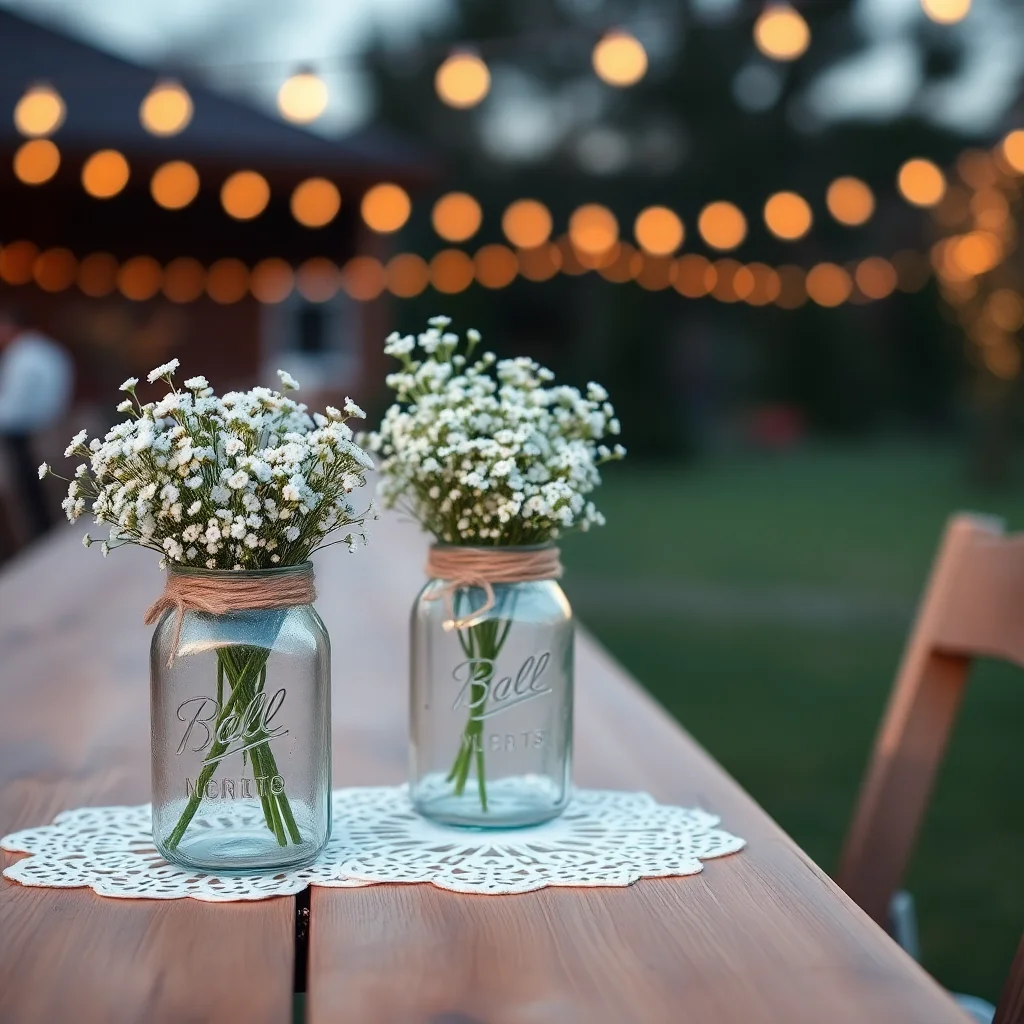
To achieve various aesthetics using Baby’s Breath, careful attention to color, texture, and arrangement style is key. For a rustic look, pair natural white blooms with burlap, twine, or wooden containers, infusing the design with warmth and organic elements. For an elegant, refined arrangement, opt for dyed Baby’s Breath in soft, muted colors, placed in simple glassware or metallic vases to create a sophisticated, chic feel. Minimalist aesthetics can be achieved by using monochromatic color palettes—single-color Baby’s Breath arrangements in sleek, geometric vases allow the simplicity of the flower to shine through. To lift any design, ensure balance and proportion, layering Baby’s Breath with other elements while preserving its light, airy quality.
Ultimately, Baby’s Breath offers unparalleled versatility for both novices and professional designers alike. Through natural colors, dyed variations, and creative pairings, it can transform a vision into reality, no matter the occasion or style.
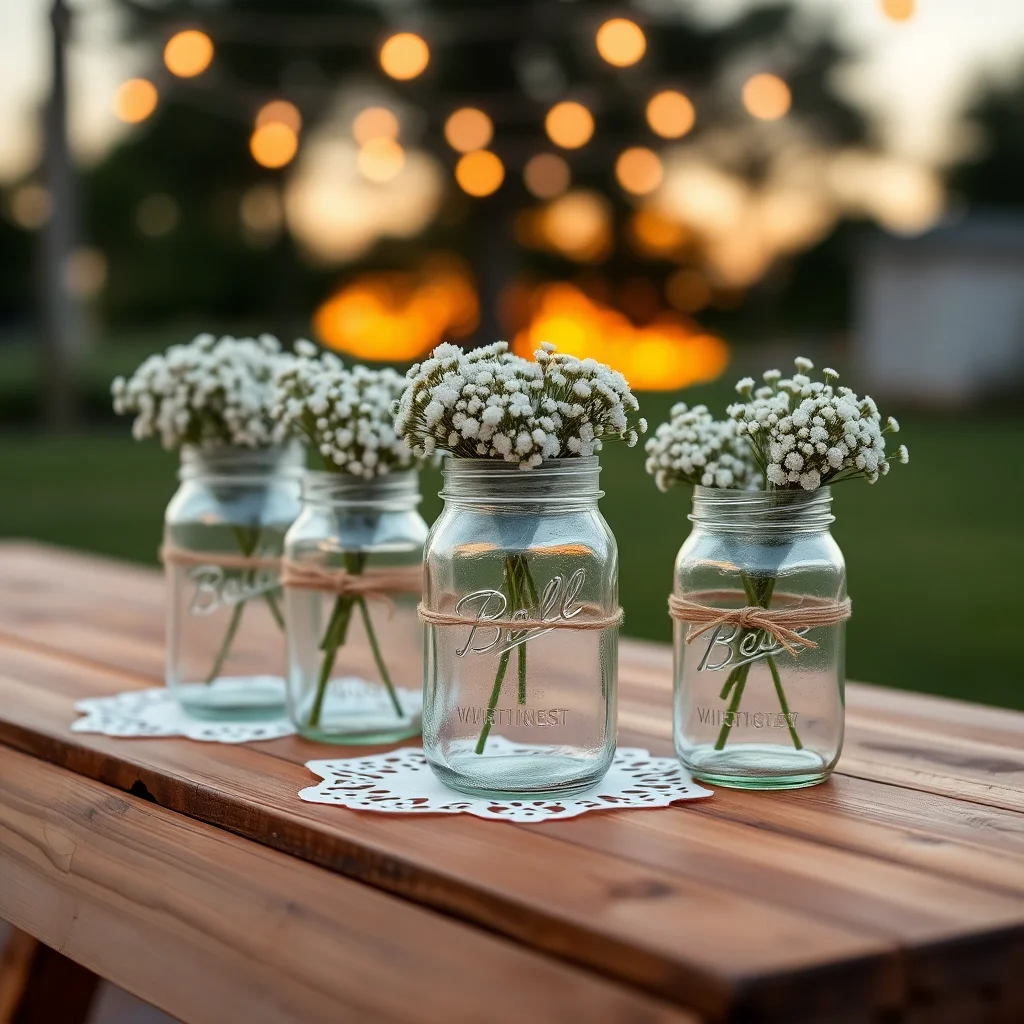
Part 5 – Budget-Friendly Beauty: Cost-Effective Decorating
When it comes to creating stunning floral arrangements on a budget, few flowers rival the affordability and charm of Baby’s Breath. Compared to other popular wedding flowers such as roses, peonies, or orchids, Baby’s Breath is significantly more cost-effective while still delivering timeless beauty. Its delicate clusters imbue any arrangement with softness and romance without breaking the bank, making it a favorite among couples planning elegant, yet affordable weddings.
One of the key advantages of Baby’s Breath is its suitability for bulk purchasing. Unlike pricier blooms, Baby’s Breath is widely available in large quantities at reasonable prices, enabling decorators to craft lavish displays without overspending. From cascading arches to voluminous centerpieces, its volume and texture make it an excellent filler flower, amplifying designs while keeping overall costs low.
Baby’s Breath also lends itself beautifully to DIY decorative projects, offering endless possibilities for various events. For weddings, it can be tied into charming bouquets, whimsical flower crowns, or simple boutonnieres. For baby showers or birthday parties, Baby’s Breath can be paired with pastel hues to create light, airy garlands or table runners. Even for more casual gatherings, small clusters can be arranged in mason jars or teacups for an effortlessly chic look. The flower’s versatility ensures that even novice decorators can craft personalized pieces with minimal effort and expense.
With its affordability, accessibility, and creative potential, Baby’s Breath proves that floral décor doesn’t have to come at a steep price. Whether used alone or paired with more expensive blooms, it brings a sense of understated refinement that elevates any event, proving that beauty and budget-consciousness can go hand in hand.
Part 6 – Care and Maintenance: Keeping Baby’s Breath Fresh
Baby’s Breath is a hardy and low-maintenance flower, but taking a few simple steps can ensure its freshness and longevity in any arrangement. Proper care and handling from the start will help the delicate blooms maintain their charm, whether fresh or dried.
Proper Handling and Storage Techniques
To keep Baby’s Breath fresh, start by trimming the ends of the stems at a diagonal with clean, sharp scissors or floral shears. This increases the stem’s ability to absorb water efficiently. Fill a clean vase with fresh, lukewarm water mixed with a floral preservative to nourish the blooms and keep bacteria at bay. Refresh the water every 2–3 days, trimming the stems slightly each time. Store the arrangement in a cool, shaded area, away from direct sunlight, heat sources, or drafts that could cause dehydration or premature wilting.
Tips for Prolonging Freshness in Arrangements
One secret to prolonging the beauty of Baby’s Breath is to mist the blooms lightly with water daily to prevent them from drying out too quickly. Avoid overcrowding the stems in a vase, as this can restrict airflow and promote mold growth. Additionally, keeping arrangements away from ripening fruits or vegetables is essential, as these release ethylene gas which can significantly shorten the lifespan of flowers. If you notice any browning or wilting blooms, remove them immediately to maintain the overall health and appearance of the arrangement.
Considerations for Dried Versus Fresh Usage
Baby’s Breath is just as stunning when dried as it is fresh, but the care requirements differ. To dry Baby’s Breath, hang small bundles of stems upside down in a cool, dark, and well-ventilated area for 1–2 weeks. Once dried, the flowers become more brittle and should be handled gently to avoid breakage. While dried Baby’s Breath lasts significantly longer and is perfect for keepsakes or rustic-style décor, fresh blooms provide a softer, more vibrant look and a light scent that enriches the atmosphere.
By following these practices, Baby’s Breath can retain its beauty for as long as possible, making it a reliable and elegant choice for any occasion. Whether you opt for fresh arrangements or dried displays, proper care allows this versatile flower to shine, extending its life and value.
Part 7 – Environmental Considerations and Sustainability
When incorporating Baby’s Breath into floral arrangements, it is important to consider its environmental impact and sustainability. Baby’s Breath is a relatively low-maintenance plant that thrives in various conditions, making it an eco-friendly choice for floral decorations. Its widespread availability and ease of cultivation often reduce the need for intensive farming practices, conserving resources like water and energy. Additionally, dried Baby’s Breath can be reused in arrangements, promoting a sustainable approach to floral design.
However, Baby’s Breath is classified as invasive in some regions, particularly when it escapes cultivation and disrupts local ecosystems. To mitigate this, it is essential to source Baby’s Breath responsibly, ensuring that it is harvested from well-managed farms or grown in controlled conditions. Avoid planting it in areas where it could threaten native plant species, and consider selecting varieties that are bred to be non-invasive.
When it comes to disposal, Baby’s Breath offers a sustainable advantage. Both fresh and dried florals can be composted, returning nutrients to the soil and minimizing waste. To compost, ensure the flowers are free of synthetic dyes or chemical treatments beforehand. By taking these steps, Baby’s Breath can be enjoyed responsibly, supporting both aesthetic beauty and environmental well-being.
Conclusion: Embracing the Delicate Impact
Baby’s Breath holds a timeless charm and remarkable versatility, making it a beloved choice for floral arrangements and beyond. Whether used as a filler flower to complement bold blooms or as a standalone statement piece, its delicate clusters of tiny blossoms bring an air of elegance and whimsy to any design. From weddings and home décor to creative crafts and sustainable gardening, Baby’s Breath proves that simplicity can indeed be stunning.
By incorporating Baby’s Breath into your designs, you invite a sense of lightness and sophistication into your creations. Its adaptability ensures it fits beautifully into both classic and modern styles, offering countless opportunities to experiment and express your personal vision. From fresh, airy arrangements to long-lasting dried projects, the possibilities are limited only by your imagination.
We encourage you to explore the creative potential of this understated flower. Visit your local florist or garden center, try pairing it with other blooms, and work it into DIY projects that reflect your unique aesthetic. With Baby’s Breath, you can craft meaningful, sustainable, and visually captivating designs that celebrate nature’s beauty. Take inspiration and discover the endless ways this delicate flower can make a lasting impact in your life.

❓ Frequently Asked Questions (Q&A)
Q1: What is baby’s breath and why is it so popular in weddings?
A: Baby’s breath, also known as Gypsophila, is a delicate white flower with tiny clustered blooms. Its airy appearance adds a soft, romantic feel to floral arrangements. It’s incredibly versatile, budget-friendly, and symbolizes everlasting love and purity, making it a timeless favorite for weddings.
Q2: Does baby’s breath look cheap or classy in arrangements?
A: When styled correctly, baby’s breath can look incredibly elegant and ethereal. Large bunches or cloud-like clusters create a dramatic, upscale look. It pairs beautifully with roses, ranunculus, or peonies and complements both rustic and formal events. Proper presentation is key—baby’s breath doesn’t look cheap, it looks chic.
Q3: Is baby’s breath considered a filler flower or a focal flower?
A: Traditionally a filler, baby’s breath has become a focal point in modern designs. Florists now use it in mass bunches for bold visual impact—especially in minimalist weddings or boho themes. Whether tucked between blooms or showcased alone, it shines either way.
Q4: What colors does baby’s breath come in?
A: Naturally, baby’s breath is white or pale pink. However, it’s often dyed for design purposes. You can find it in blue, lavender, yellow, or even multi-colored versions—perfect for custom event themes and creative projects.
Q5: How do I keep baby’s breath fresh for my event?
A: Keep the stems in cool, clean water and trim the ends diagonally. Store in a cool, dark place until use. Baby’s breath can also be used dry, retaining its beauty for long periods. Avoid high humidity, which may cause browning.
Q6: Is baby’s breath safe for pets and children?
A: Baby’s breath is mildly toxic if ingested by pets or humans. It can cause stomach irritation. While it’s safe to display, it’s best to keep it out of reach of curious pets or toddlers.
Q7: How many stems of baby’s breath do I need for a bouquet or centerpiece?
A: It depends on the look you want. For a full bridal bouquet, you might use 5–10 bunches. For a centerpiece, 2–3 bunches typically create a lush appearance. Buying in bulk helps stretch your budget while achieving high visual impact.
Q8: Can I use baby’s breath for outdoor weddings or events?
A: Yes, baby’s breath holds up well outdoors, especially in dry climates. However, avoid direct sunlight and wind exposure for long durations. Mist lightly if needed to refresh the blooms, but don’t soak.
| Flower | Best Pairing with Baby’s Breath For | Suitable Arrangements | Ideal Events |
| Roses | Romantic and elegant looks | Bridal bouquets, centerpieces | Weddings, anniversaries |
| Peonies | Soft and lush arrangements | Bouquets, table runners | Weddings, garden parties |
| Carnations | Affordable and versatile accents | Corsages, boutonnieres | Proms, graduations, casual celebrations |
| Eucalyptus | Adding greenery and texture | Garlands, wreaths | Rustic or boho-themed events |
| Sunflowers | Bright and cheerful designs | Statement centerpieces, floral arches | Outdoor weddings, summer events |
| Lavender | Delicate and fragrant accents | Bouquets, aisle decorations | Rustic weddings, intimate gatherings |
| Tulips | Classic and simple elegance | Small bouquets, centerpieces | Spring weddings, modern gatherings |
| Hydrangeas | Full and voluminous arrangements | Large centerpieces, altar displays | Church weddings, formal events |