


 by
by 

When it comes to planning a wedding, every detail counts, and bridesmaid bouquets are no exception. These carefully crafted floral arrangements do more than simply accompany the bridal party down the aisle—they play a crucial role in setting the tone and enhancing the overall aesthetic of your special day. Choosing the right bridesmaid bouquets can tie together your wedding theme and create a cohesive visual flow that carries throughout the ceremony and reception. From their colors and textures to their size and arrangement style, these bouquets serve as a reflection of your personal style while complementing the wedding atmosphere.
Bridesmaid bouquets also hold emotional significance. They symbolize the bond between the bride and her closest friends or family members, becoming a meaningful accessory that connects the wedding party. A well-planned bouquet can elevate the bridal party’s look, ensuring every detail aligns with the grandeur and love of the occasion. Whether you opt for matching arrangements or prefer a mix of complementary styles, the choice of flowers, hues, and designs should harmonize seamlessly with the bridal bouquet and the overall décor.
When exploring bridesmaid bouquet ideas, it’s important to consider the wedding’s floral planning as a whole. Keeping the bouquets in sync with centerpieces, altar arrangements, and other floral elements ensures a cohesive and polished appearance. Balancing personal expression with the broader aesthetic vision can transform your wedding into a stunning event that creates lasting memories for everyone involved. These small yet impactful details demonstrate how the right floral choices can make all the difference in turning dreams into reality. With thoughtful planning, your bridesmaid bouquets will not only add beauty but also enrich the emotional essence of the day.
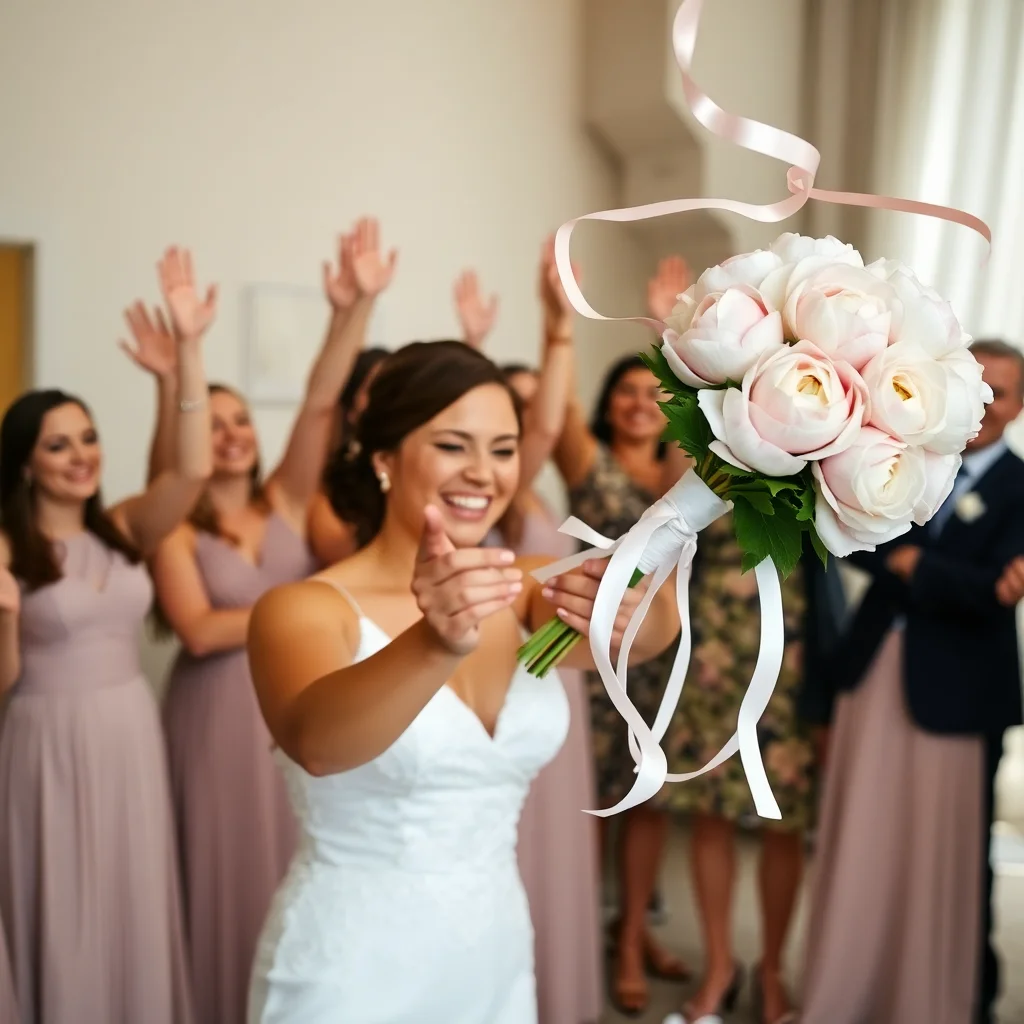
Part 1 – Matching Bouquets: Classic Uniformity Explained
When it comes to wedding planning, matching bridesmaid bouquets have long been a staple of traditional ceremonies and continue to hold a timeless appeal. Defined by their uniformity, matching bouquets mean that every bridesmaid carries an identical arrangement of flowers, creating a cohesive and harmonious aesthetic. This classic style has persisted through generations due to its simplicity, elegance, and unmistakable charm.
Historically, the use of matching bouquets can be traced back to ancient times when bridesmaids were often dressed similarly to the bride, including carrying alike floral arrangements. This uniformity was believed to confuse evil spirits and protect the bride on her special day. Over time, matching bouquets became associated with the symbolism of unity and balance, complementing the overall ceremonial theme.
Popular flower choices for matching bridesmaid bouquets include timeless blooms like roses, peonies, and hydrangeas. These flowers are not only beautiful but also versatile, blending seamlessly with various wedding color schemes. Roses, for instance, symbolize love and passion, while peonies are known for their lush, romantic appearance. Hydrangeas, with their voluminous clusters, create striking arrangements that photograph beautifully. The consistent use of such classic flowers ensures that the bouquets remain elegant and universally appealing.
The benefits of opting for matching bridesmaid bouquets extend beyond their visual charm. Their uniform design contributes to a cohesive and polished look in wedding photographs, ensuring a sense of symmetry in group shots. This timeless aesthetic exudes sophistication, making the bouquets a safe yet stunning choice for couples aiming for a traditional or classic wedding theme. Additionally, uniform bouquets allow for a streamlined planning process, as choosing one design eliminates the complexity of coordinating different styles or colors.
Matching bridesmaid bouquets are a flawless blend of tradition, beauty, and practicality. They reflect a sense of order and consistency, enriching the overall visual narrative of a wedding day. For couples seeking refined elegance and a classic touch, this approach is undoubtedly a stellar choice. Whether paired with white, pastel, or vivid color schemes, matching bouquets effortlessly bridge tradition with contemporary wedding trends, ensuring that timeless beauty prevails.
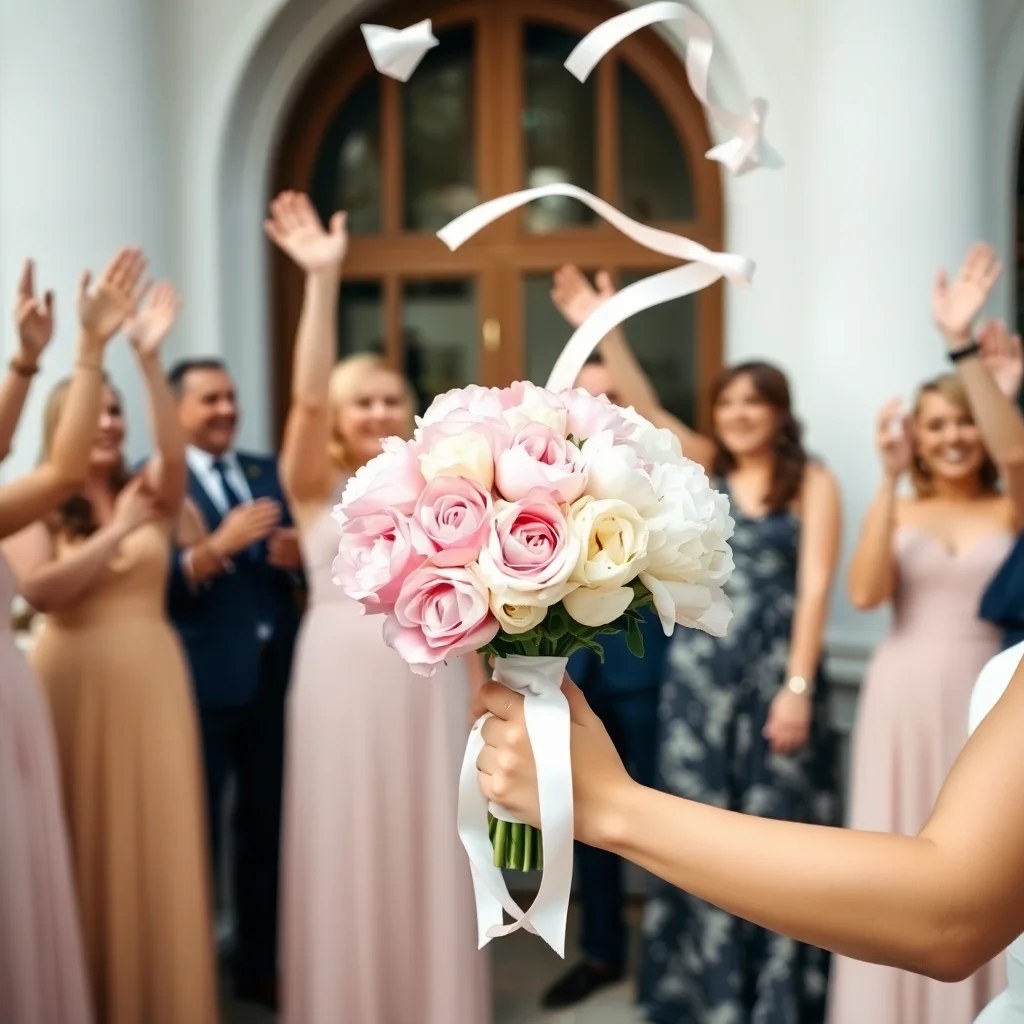
Part 2 – Complementary Bouquets: Curated Contrast & Creativity
For couples looking to infuse individuality and modern flair into their wedding decor, complementary bouquets are an exciting option. Unlike matching bouquets, complementary designs break away from uniformity, allowing bridesmaids to carry arrangements that vary in color, texture, or floral shape. This curated contrast embraces creativity while maintaining a cohesive and harmonious aesthetic.
What Are Complementary Bouquets?
Complementary bouquets are carefully designed to share a unifying theme while allowing for variation and uniqueness in each arrangement. The idea is to create visual interest and a sense of diversity, drawing on different elements that work well together rather than mirroring one another exactly. These bouquets often play with contrasts in color palettes, flower types, or even arrangement size and structure, resulting in a dynamic yet unified look.
The Role of Color Theory, Texture, and Floral Shape
Color theory is central to crafting complementary bouquets. Designers often use analogous or complementary color schemes to strike the perfect balance. For instance, using hues that are adjacent on the color wheel—such as coral, peach, and blush—creates a soft, tonal gradient. Conversely, contrasting colors, like navy and mustard, can add a bold and dramatic edge.
Texture is another key consideration. Combining smooth blooms like roses with the feathery elegance of astilbe or textural greens like eucalyptus adds depth and dimension. Floral shapes also play a significant role; round flowers like ranunculus can pair beautifully with elongated stems such as snapdragons, creating balance and movement within an arrangement.
Popular Styles of Complementary Bouquets
Several trends have emerged for complementary bouquets that cater to eclectic tastes:
- Wildflower Variations: Perfect for rustic or bohemian weddings, wildflower-style bouquets combine an array of seasonal blooms in varying shapes and hues. These arrangements exude charm and a carefree spirit while subtly tying into the wedding’s color palette.
- Tonal Gradients: For a sophisticated approach, tonal bouquets feature flowers in varying shades of a single color family. For example, bridesmaids might carry bouquets ranging from light lavender to deep plum, creating a seamless and elegant gradation.
- Bold Color Contrasts: Brightly colored arrangements that intentionally clash are becoming a favorite in modern weddings. The juxtaposition of bold tones creates striking visuals, ideal for artistic or unconventional celebrations.
Benefits of Complementary Bouquets
The appeal of complementary bouquets lies in their ability to celebrate individuality without sacrificing overall coordination. Each bridesmaid can carry a style that reflects her personality, introducing a layer of authenticity to the wedding aesthetic. The variety also brings depth and texture to photographs, making each shot a visual treat. Additionally, opting for complementary bouquets aligns with contemporary trends, as modern couples increasingly seek unique, personalized touches in their wedding elements.
By exploring the possibilities of complementary bridesmaid bouquets, couples can craft a wedding experience that feels both on-trend and uniquely theirs. Whether pairing wildflower arrangements with tonal gradients or layering contrasting textures, complementary bouquets allow creativity to flourish while ensuring a cohesive and stylish look.
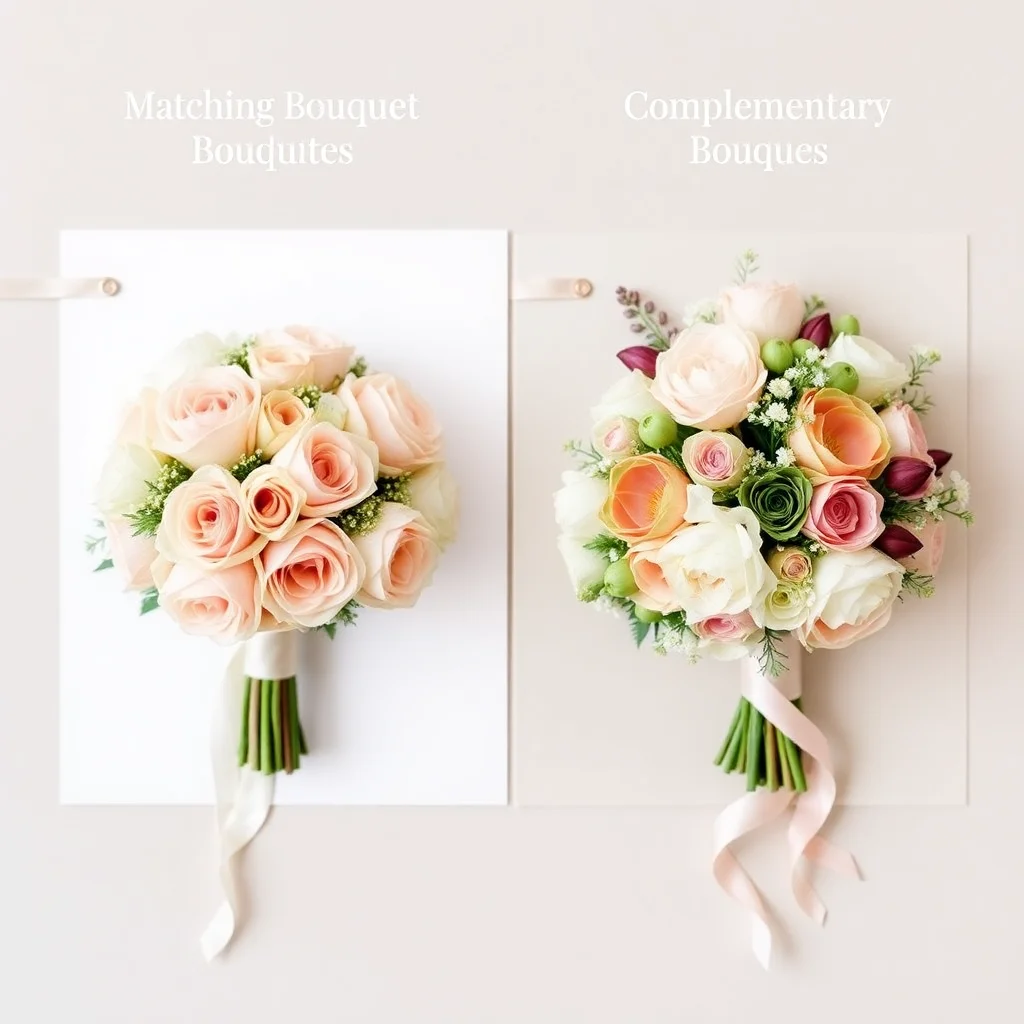
Part 3 – Real Wedding Comparisons: Side-by-Side Visual Analysis
When it comes to choosing bridesmaid bouquet styles, seeing real-world examples can spark inspiration and decision-making. Below, we analyze two distinct approaches to bridesmaid bouquets and their impact on wedding aesthetics. Paired with side-by-side imagery (such as a photo carousel), this analysis highlights key features and considerations for each style.
Example 1: Matching Pastel Peonies
- Aesthetic: Uniform, elegant, and cohesive.
- Key Features:
- Bouquets featuring exclusively pastel peonies in shades like blush, ivory, and peach.
- A timeless, polished look that complements classic or traditional wedding themes.
- Works beautifully with clean, monochromatic bridesmaid dresses.
- Pros:
- Simplifies the design process with a uniform approach.
- Creates a seamless visual flow in photos.
- Perfect for indoor venues or formal settings where simplicity enhances luxury.
- Cons:
- Limited in texture and variety, which may feel overly conservative for bold themes.
- Less suited to outdoor or rustic weddings where diversity in blooms stands out.
Example 2: Complementary Boho Wildflower Styles
- Aesthetic: Organic, laid-back, and eclectic.
- Key Features:
- Bouquets with a mix of wildflower textures and colors, including daisies, greenery, and pops of vibrant hues.
- Individualized arrangements where each bridesmaid carries a slightly different bouquet within a complementary palette.
- Boho, rustic, or outdoor weddings benefit from this natural diversity.
- Pros:
- Encourages creativity and individuality for each bridesmaid.
- Vibrant, textured arrangements look stunning in both casual and scenic outdoor settings.
- Aligns well with current trends in unique and personalized wedding details.
- Cons:
- Requires more planning to ensure the bouquets complement one another.
- Can risk appearing mismatched or chaotic if not expertly curated.
Summary
Selecting between matching pastel peonies and complementary boho wildflower styles ultimately depends on your wedding vision. Matching peonies offer a sense of timeless refinement, while boho wildflowers express carefree creativity. Use this inspiration to explore wedding bouquet comparisons that align with your unique style.
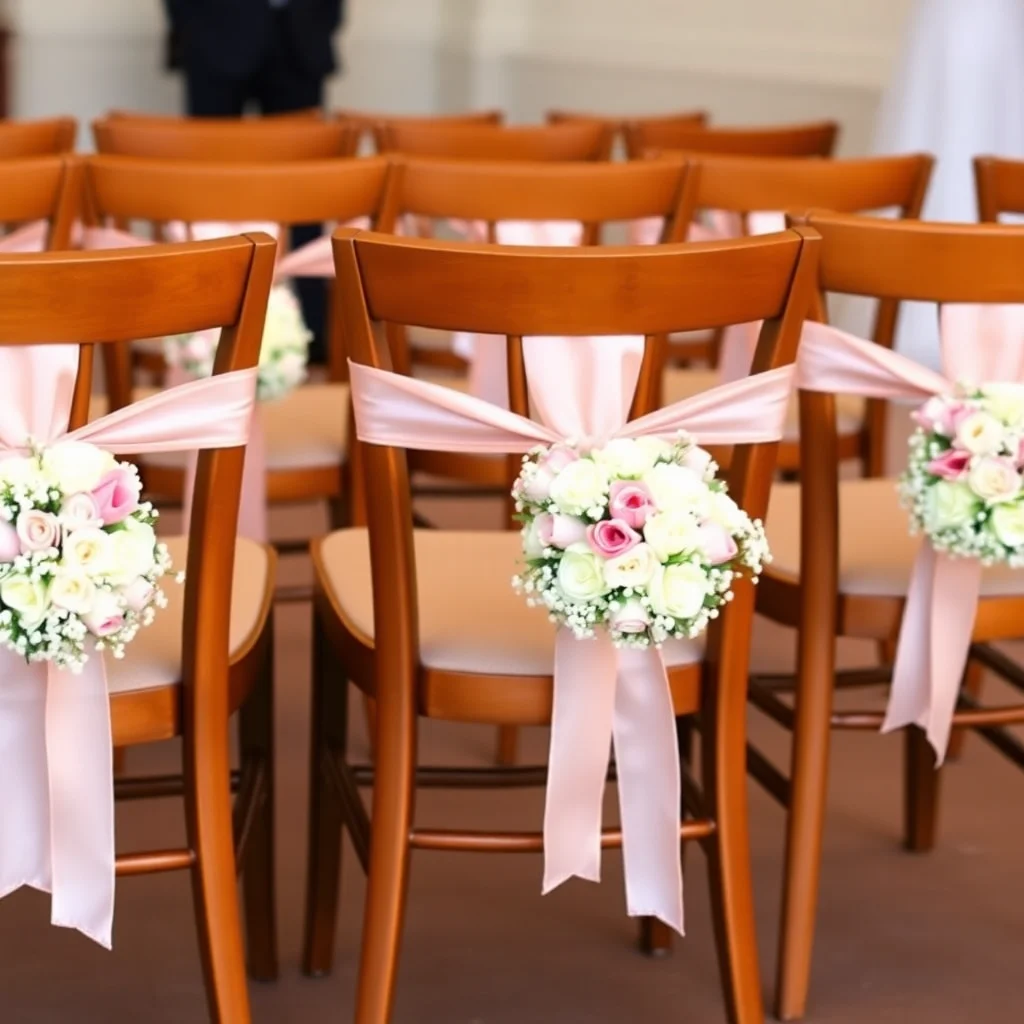
Part 4 – How to Choose What’s Right for Your Wedding
Selecting the perfect bouquets for your wedding can feel daunting, but it doesn’t have to be. With some thoughtful planning and guidance, you can ensure the flowers align beautifully with your overall vision. Below is a step-by-step guide to simplify the process and help you choose the right bridesmaid bouquets.
Step 1: Consider Your Dress Color Palette
The first step in choosing bouquet styles is to reflect on the color palette of your wedding dress and bridesmaids’ dresses. Are you leaning toward soft pastel tones, rich jewel hues, or neutral shades? Matching or complementary flowers can enhance this palette. For example, pastel pink roses beautifully complement blush gowns, while vibrant sunflowers bring warmth and contrast to navy blue dresses.
Checklist:
- List the primary colors of the bridal party’s attire.
- Determine whether you want matching or contrasting bouquets.
- Consider adding greenery for a natural and versatile accent.
Step 2: Align with the Venue and Vibe
Your venue and overall wedding style play a huge role in choosing the right bouquets. For a romantic ceremony in a grand ballroom, classic roses or peonies in coordinating colors evoke a sense of sophistication. Meanwhile, a rustic outdoor wedding may call for free-spirited wildflower bouquets. Aligning your flowers with the vibe of your wedding ensures a cohesive look.
Checklist:
- Confirm the wedding theme (e.g., rustic, modern, traditional, bohemian).
- Match bouquet styles to your venue aesthetics.
- Determine if the bouquets need to be formal or casual based on your setting.
Step 3: Talk to Your Florist About Seasonality
Some flowers are only available during specific seasons, which can impact your choices. Collaborate with your florist to select seasonal blooms that fit your palette while staying within budget. Seasonal flowers are often fresher, more affordable, and better for the environment.
Checklist:
- Research which flowers are in season during your wedding month.
- Ask your florist for recommendations based on availability.
- Be open to substitutions if your first choice isn’t feasible.
Step 4: Pro Tips from Top Florists
To help you make the best decision, keep these professional tips in mind:
- “Choose flowers that complement, rather than overpower, your wedding party’s look,” advises floral designer Sarah Thompson.
- “Add small personal touches, such as ribbons or meaningful flower varieties, to make the bouquets extra special,” says event florist Ethan Rivera.
- Strike a balance by mixing statement blooms (like peonies or dahlias) with filler flowers and greenery for texture and harmony.
By following these tips, you’ll master how to choose bridesmaid bouquets that suit your wedding theme while coordinating with bridal party flowers. These bouquet coordination tips will help you create a unified, picture-perfect bridal party look.
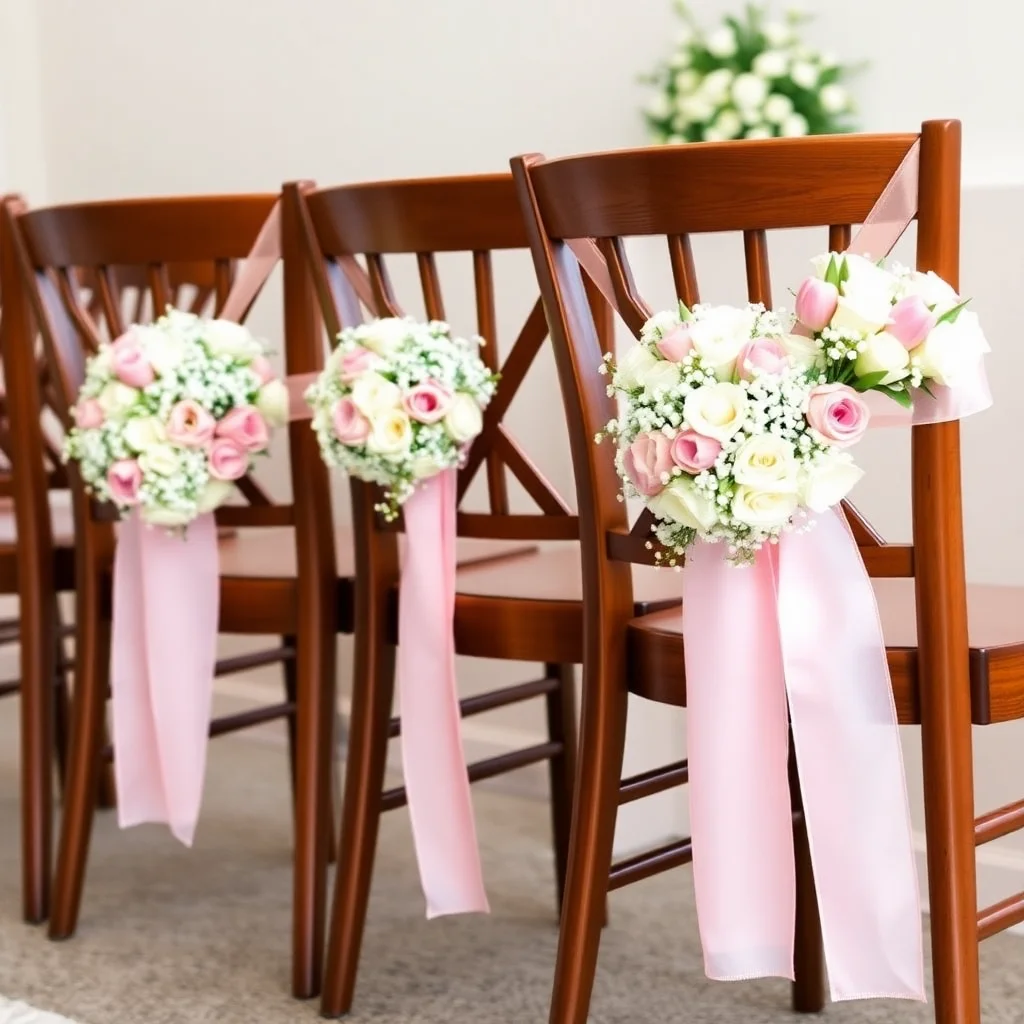
Final Checklist for Choosing Bouquets
- Does the bouquet style match the dress color palette?
- Is the bouquet aligned with the venue and overall vibe?
- Are the selected flowers in season?
- Does the bouquet balance statement blooms and fillers?
- Add any personal touches or sentimental details!
Choosing the perfect bouquets may take time, but this thoughtful process guarantees a cohesive and memorable wedding aesthetic that reflects your unique style. Don’t hesitate to rely on your florist’s expertise for guidance!
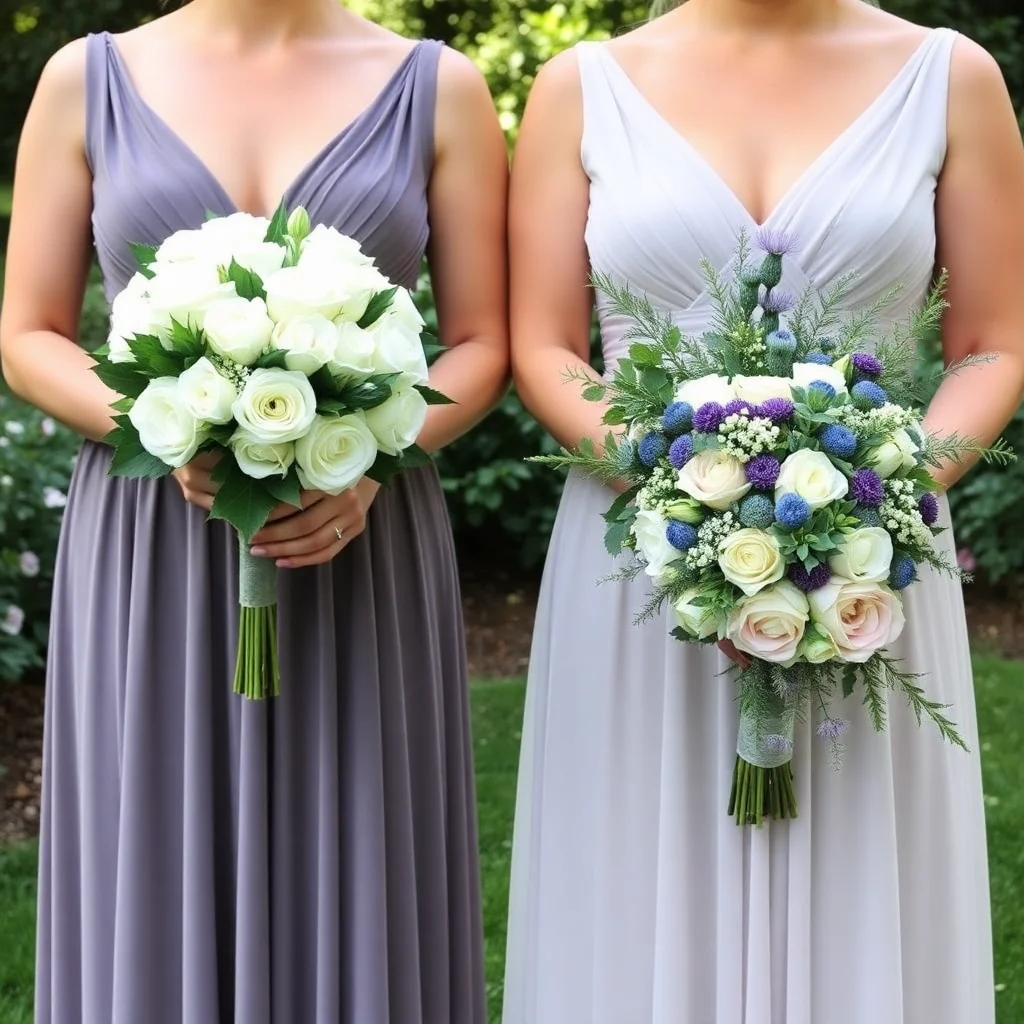
Part 5 – Expert Opinions: Florist Tips on Color, Balance & Shape
When it comes to designing stunning bouquets, professional florists offer invaluable advice on achieving the perfect combination of color, balance, and shape. Here are some expert tips to guide your choices and ensure your floral arrangements are both breathtaking in photos and beautiful in real life.
The Art of Color Coordination
“Color harmony is key,” says floral designer Maggie Russo. “Bouquets should complement the wedding’s overall palette without competing with other elements like the bride’s dress or the venue decor.” Maggie suggests using tonal shades for a cohesive look. For instance, if your wedding features pastel tones, opt for soft, romantic blooms like blush roses or pale peonies, which photograph beautifully in natural light.
Balancing Statement and Subtlety
“Balance is just as important as color,” explains Jorge Medina, a celebrated florist specializing in bridal designs. “Too many large statement flowers can overwhelm the bouquet, but too many fillers can make it look underwhelming.” Jorge advises using 2-3 standout blooms like garden roses or orchids, paired with smaller complementary flowers and textured greenery to add depth and dimension, creating an elegant yet balanced structure.
The Perfect Shape for Photos & Real Life
According to florist Laura Kim, the bouquet’s shape significantly impacts how it appears in photographs versus how it feels to hold. “A loosely hand-tied bouquet offers a soft, natural look that photographs well from multiple angles, whereas a compact round bouquet creates a more formal and symmetrical appearance,” she explains. Laura also notes the importance of adjusting bouquet size based on the bride’s height and frame to ensure a flattering proportion.
Pitfalls to Avoid
Creating the perfect bouquet means steering clear of common mistakes. Top errors include overlooking seasonal availability, choosing overly fragrant blooms that may cause allergies, or neglecting to consider the durability of flowers in different environments. Laura warns, “Some delicate flowers, while gorgeous, wilt quickly in direct sunlight. Opt for hardy options like ranunculus or dahlias for outdoor summer weddings.”
Final Thoughts
Remember, designing bouquets is an art form that benefits greatly from a florist’s experience. For brides seeking insightful guidance, be sure to ask about their top florist bouquet tips. With a focus on color, balance, and bouquet shape for bridesmaids and the bride alike, you’ll create lasting impressions both in person and in cherished wedding photographs. Keep in mind that what looks stunning in real life can also shine brightly on camera with the right choices!
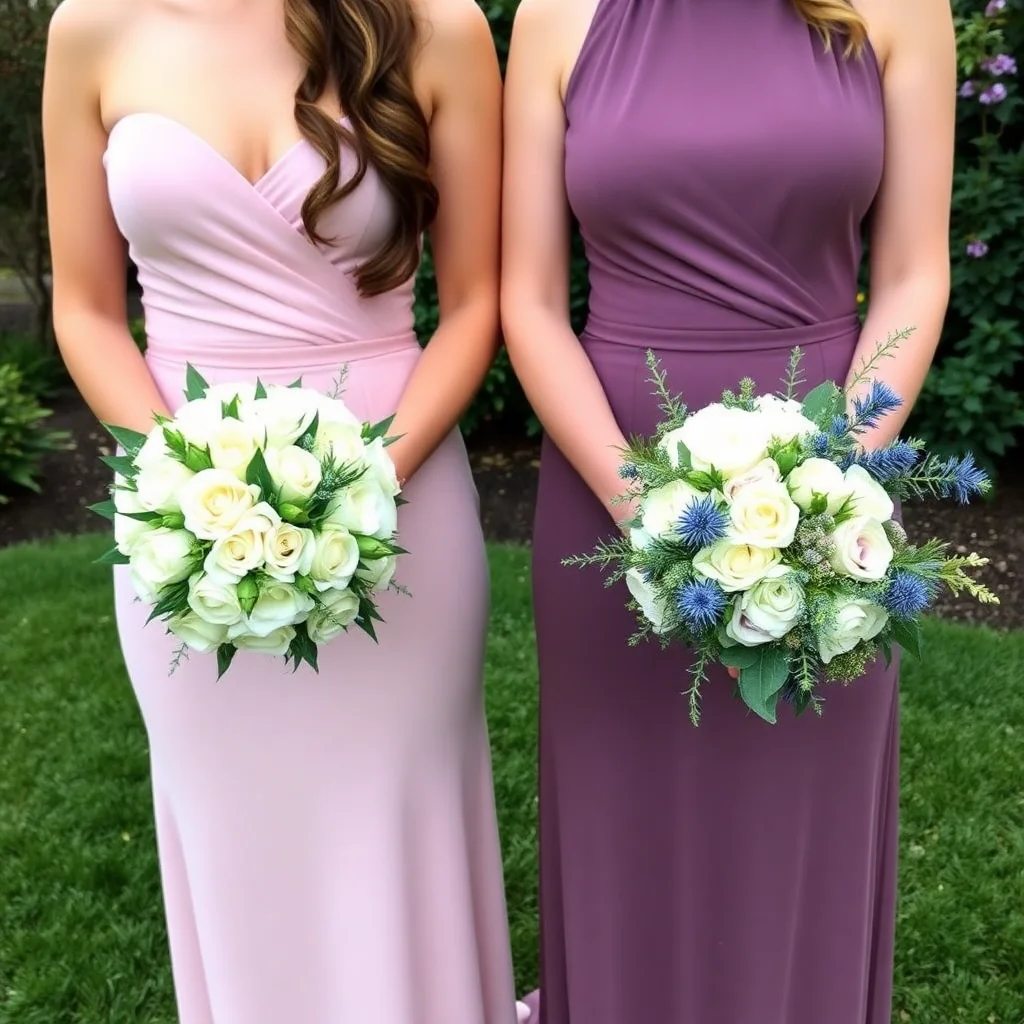
Part 6 – Bridesmaid Personalization: Adding Meaning to Florals
Personalizing the bridesmaid bouquets is a thoughtful way to add depth and meaning to your wedding florals. By selecting flowers that reflect sentiments like friendship, family, or personal milestones shared with your bridesmaids, you can create a truly memorable experience. For example, yellow roses signify friendship, while baby’s breath symbolizes everlasting love and bonds. Consider incorporating each bridesmaid’s favorite bloom or a flower that holds special significance to your relationship with them. These thoughtful touches are not only sentimental but also create stunning, individualized arrangements.
Customizing ribbon colors, charms, or stem wraps is another impactful way to make each bouquet unique. Select ribbon hues that coordinate with the wedding’s color palette but give each bouquet a personal twist by matching each ribbon to a bridesmaid’s favorite color or personality. Adding delicate charms, such as initials, small pendants, or symbols of shared memories, can also serve as keepsakes that bridesmaids cherish long after the wedding. Decorative wraps for the bouquet stems, including lace, silk, or rustic twine, further elevate the design while adding a layer of customization.
A “matching with a twist” approach is a beautiful way to maintain a cohesive aesthetic while giving each bridesmaid bouquet a distinct identity. This could mean using the same base of flowers but switching up the accent blooms or using variations in shade for a gradient effect. Personalized bridesmaid bouquets highlight the care and thoughtfulness behind every detail of your wedding while shining brightly in photographs and creating lasting memories. Through creative custom bouquet details, every bridesmaid will feel celebrated, appreciated, and deeply connected to your special day.
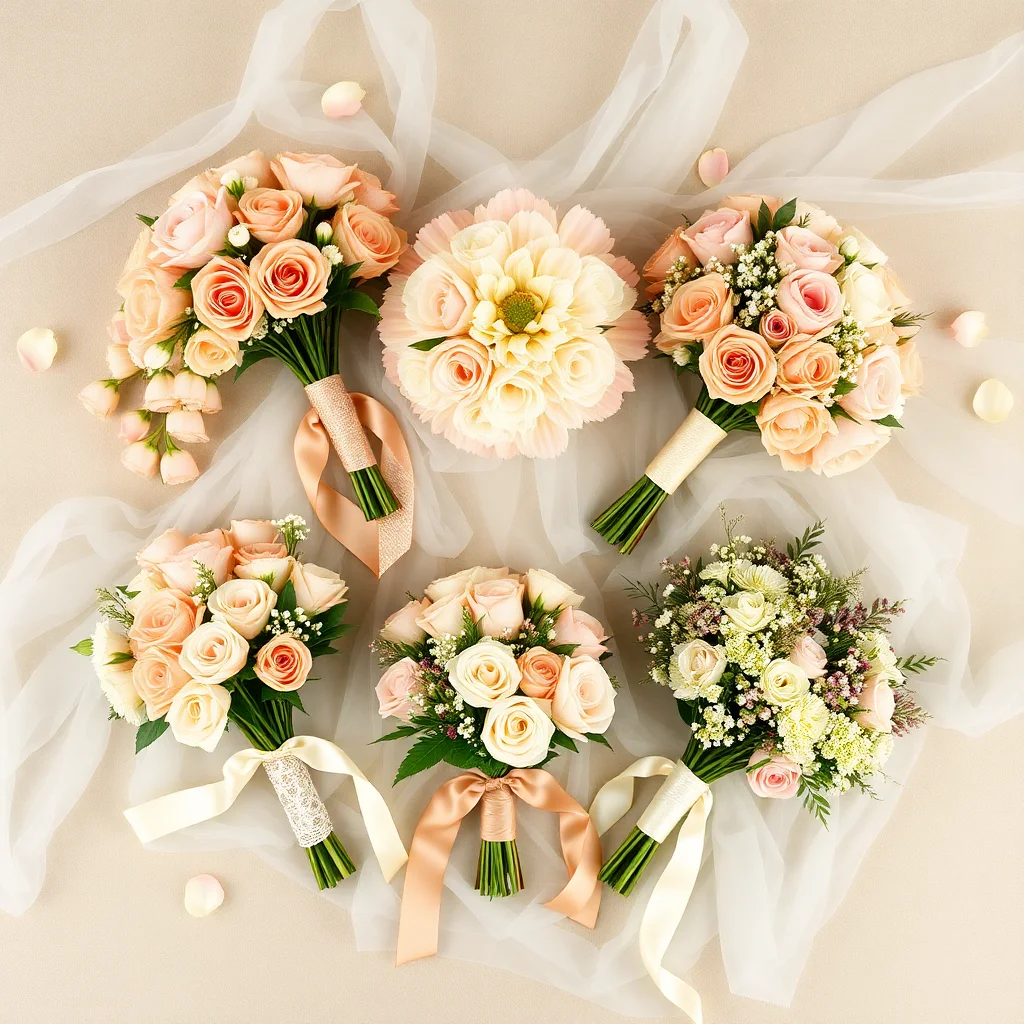
Part 7 – Matching vs. Complementary Styles Recap
When deciding on bridesmaid bouquet styles, the choice between matching and complementary designs can be significant. To help you weigh your options, here is a quick-glance table summarizing the pros and cons of each style.
| Bouquet Style | Pros | Cons |
| Matching Bouquets | – Creates a cohesive, uniform look for the wedding party | – May feel less personalized for each bridesmaid |
| – Works well for traditional or formal wedding themes | – Can make it harder for individual personalities to shine | |
| – Simplifies decision-making and planning | – Limited creativity in the overall floral arrangements | |
| Complementary Bouquets | – Offers unique, personalized touches for each bridesmaid | – Requires more time and effort to design and coordinate |
| – Adds depth, texture, and variety to wedding photos | – Potential for a less uniform appearance if not executed cohesively | |
| – Allows flexibility to incorporate more diverse floral choices | – May need careful attention to balance colors and themes |
This table offers a comprehensive comparison to help you decide which bouquet style best fits your vision. Whether you prefer the symmetry of matching designs or the individuality of complementary bouquets, both approaches can create stunning results tailored to your wedding aesthetic.
Remember to consider your overall wedding theme, personal preferences, and how you’d like your bridal party to come together visually. Thoughtful planning ensures your choice will leave a meaningful and beautiful impact.
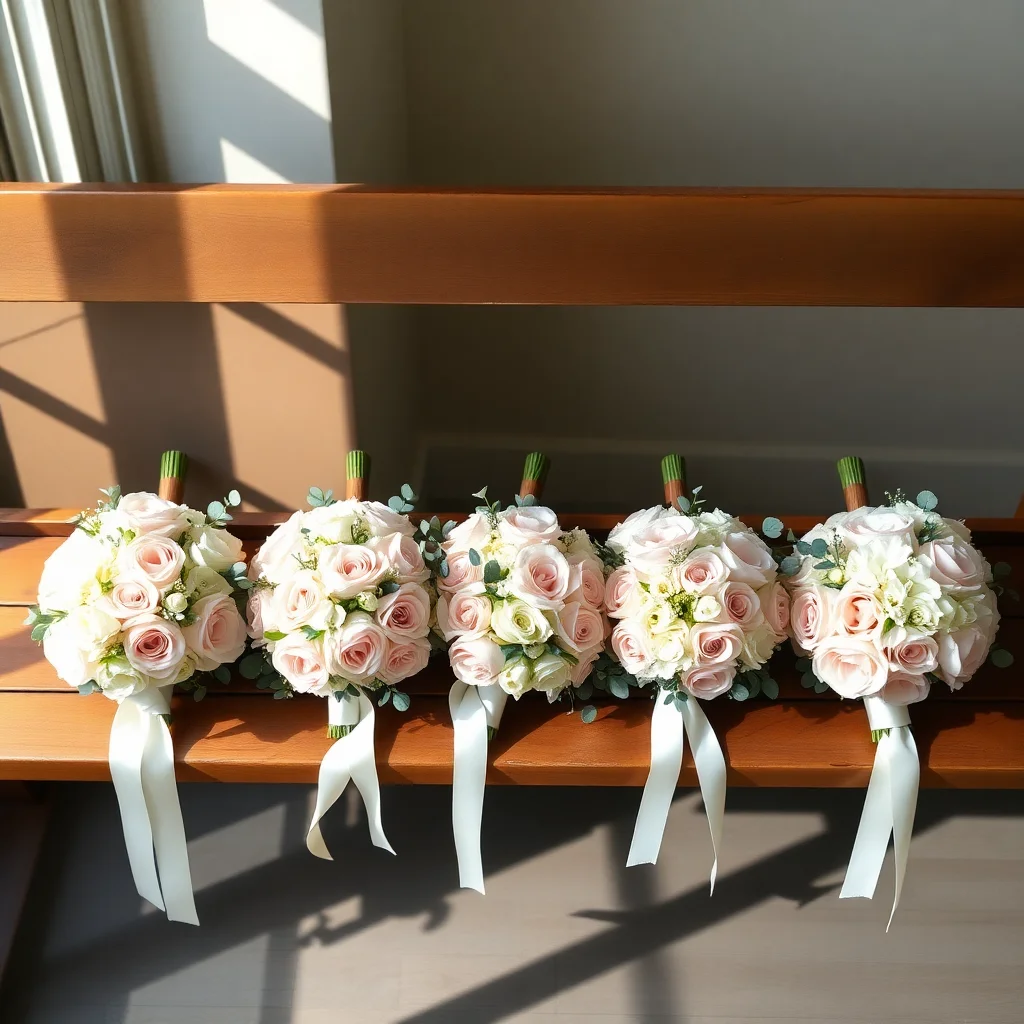
Final Thoughts + What’s Trending for 2025 Bridesmaids
Floral styling plays a pivotal role in shaping your wedding day’s visual storytelling. Your choice of bouquets not only enhances your overall theme but also allows your bridesmaids to reflect your vision in a beautiful and cohesive way. Whether you decide on matching bouquets or opt for complementary styles, it’s the thoughtful details that make a lasting impression.
Looking ahead to 2025, bridesmaid floral trends are taking a creative and modern turn. Dried florals are continuing to captivate attention, with their earthy tones and unique textures offering a sustainable yet chic option. Think preserved pampas grass, bleached ruscus, and muted roses – perfect for weddings with a boho or rustic aesthetic. Another rising trend is the use of sculptural bouquets. These often feature bold shapes, asymmetrical arrangements, and unique elements like protea or orchids, creating an avant-garde vibe that adds an artistic flair. Additionally, monochromatic color palettes and minimalist bouquets with a focus on greenery are gaining popularity among brides seeking timeless elegance.
Now is the perfect time to start planning your bridesmaid bouquets to ensure they align with the latest trends while staying true to your personal style. At Whole Blossoms, we specialize in custom floral designs tailored to your wedding vision. From dried floral arrangements to sculptural masterpieces, we are here to bring your dream bouquets to life.
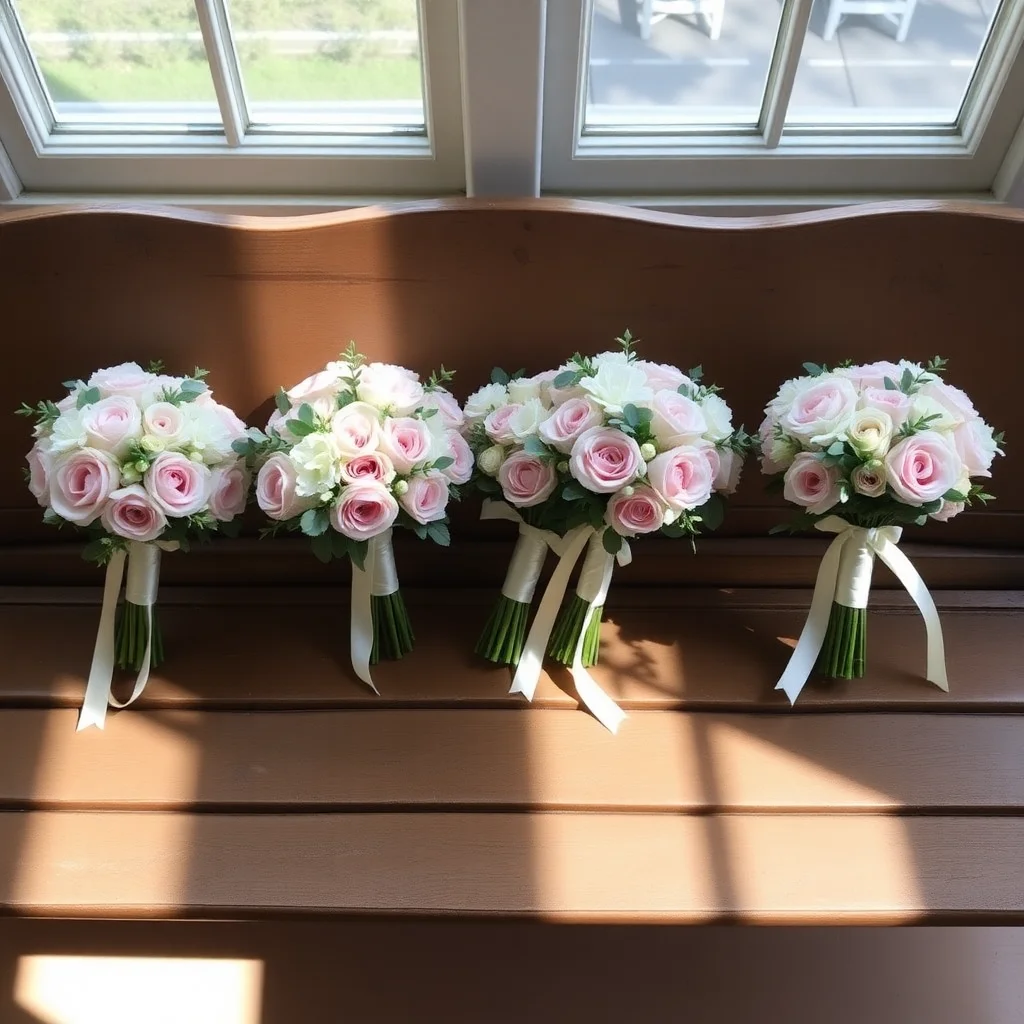
Contact Whole Blossoms today to start your custom bouquet journey and make your wedding unforgettable.
With Whole Blossoms, your bridesmaid bouquets will not only celebrate the latest bouquet styles for weddings but will also create memories that blossom beautifully for years to come.

FAQ
Do bridesmaid bouquets have to match?
No, bridesmaid bouquets don’t necessarily have to match. Many modern couples choose to mix and match bouquet styles to reflect their wedding theme and each bridesmaid’s personality. Cohesive elements, like a shared color palette or complementary flowers, can tie the designs together beautifully.
Can I mix different flowers in each bouquet?
Absolutely! Mixing different flowers in each bridesmaid bouquet creates a unique and eye-catching aesthetic. It’s an excellent choice for creating a dynamic, textured look that stands out in photos. Popular wedding flowers like roses, peonies, ranunculus, or eucalyptus can be mixed creatively to reflect your chosen wedding theme.
What are the best flowers for bridesmaids in spring or fall?
For spring weddings, fresh seasonal blooms such as tulips, daffodils, and lilacs are perfect for bright and vibrant bouquets. Soft pastel roses or cherry blossoms can also exude elegance. For fall weddings, richer shades and earthy tones are ideal. Opt for flowers such as dahlias, sunflowers, chrysanthemums, or burnt orange roses to complement the season’s palette.
Whether it’s spring or fall, Whole Blossoms provides a wide range of seasonal flowers perfect for stunning bridesmaid bouquets. Explore our collection to create picture-perfect arrangements tailored to your dream wedding.