


 by
by 

Choosing the perfect flowers for your wedding day is one of the most exciting parts of planning. Among luxury wedding blooms, peonies and garden roses reign supreme as favorites for brides who adore lush, ruffled, and romantic florals. Both of these stunning flowers exude elegance and charm, making them ideal for creating dreamy bouquets, breathtaking centerpieces, and show-stopping floral installations. However, deciding between peonies and garden roses can be a challenge. Each flower has its own unique qualities that bring something special to your big day.
When comparing peonies and garden roses, several factors come into play—availability, cost, versatility, and durability. Peonies, known for their voluminous petals and soft fragrance, are prized for their dramatic, statement-making appearance. Their seasonality, however, makes them less available outside of late spring and early summer, which can impact your flower choices depending on your wedding date. On the other hand, garden roses, with their signature layered blooms and rich colors, are available year-round, offering greater flexibility.
Cost is another important consideration. While peonies are undeniably exquisite, they are often more expensive due to their limited availability. Garden roses, while still luxurious, tend to be a more budget-friendly alternative without sacrificing beauty. Additionally, versatility and durability are key when designing wedding florals. Both options are highly versatile, but garden roses are generally hardier, allowing them to hold up better in different temperature conditions.
This ultimate wedding flower guide will help you weigh the pros and cons of peonies and garden roses, ensuring you can make the best decision for your dream wedding. Whether you prefer the opulence of peonies or the romance of garden roses, these blooms are sure to elevate your celebration to an unforgettable level of sophistication.
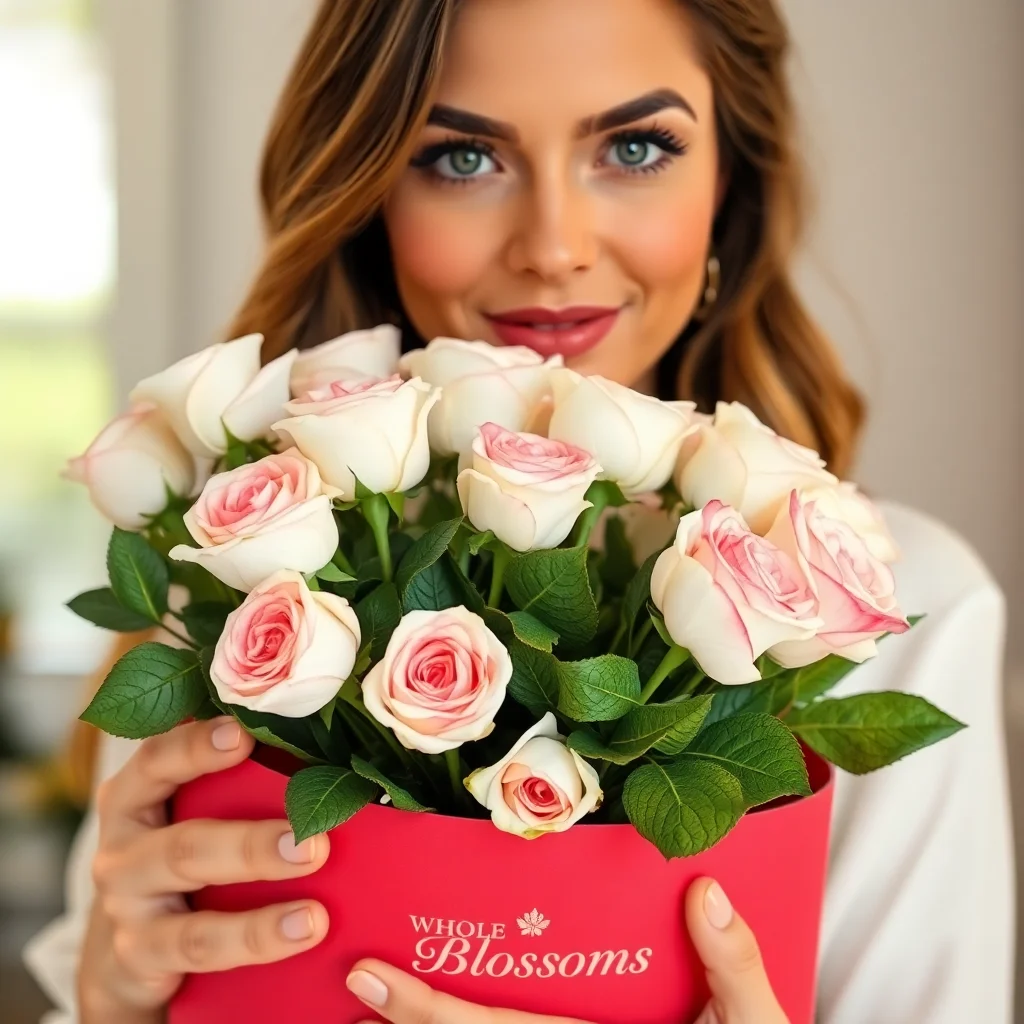
Part 1 – Peonies vs. Garden Roses: What’s the Difference?
When deciding between peonies and garden roses for your wedding, it’s important to understand their differences. These beloved blooms each have their own unique qualities that influence their appearance, fragrance, and versatility in floral arrangements. Here’s a closer look at what sets them apart.
Botanical Classification
Peonies and garden roses come from different botanical families, which contributes to their distinct characteristics. Peonies belong to the Paeoniaceae family. These timeless flowers are native to regions in Asia, Europe, and North America, with a history of cultivation that dates back thousands of years. Garden roses, on the other hand, are members of the Rosaceae family, a group that includes a wide variety of plants. Known for their traditional ties to romance and elegance, garden roses trace their origins to ancient horticultural endeavors.
Bloom Structure
The structural differences in their blooms are one of the most striking features separating peonies and garden roses. Peonies are known for their large, fluffy, and spherical blooms. Their soft, layered petals give them a luxurious texture and voluminous look that makes them ideal for impactful centerpieces or bouquets. Blooming in a wide range of colors, from soft pastels to vibrant hues, peonies add an effortless elegance to any floral arrangement.
Garden roses, in contrast, boast dense, intricate blooms with a signature ruffled appearance. Their tightly packed, overlapping petals create a distinctly romantic aesthetic that works perfectly in vintage or timeless wedding themes. While slightly smaller than peonies in size, garden roses offer a refined composure, with many varieties contributing to a lush and textured floral design.
Fragrance
The fragrance of a flower is a critical factor for many couples when making a choice. Peonies have a mild, sweet scent that is subtle yet inviting, making them a great option for those who prefer a light aromatic touch in their arrangements. Their gentle fragrance pairs beautifully with other florals without overwhelming the senses.
Garden roses, however, are known for their diverse range of fragrances, which can vary widely depending on the variety. Some have an intensely heady, nostalgic aroma, while others are more delicate or even nearly scentless. This versatility allows garden roses to appeal to a variety of preferences, making them a standout choice for couples who prioritize fragrance.
Understanding these fundamental differences can help you begin narrowing down your options when planning the floral design for your special day. Whether you’re drawn to the lush, voluminous charm of peonies or the intricate elegance of garden roses, both blooms have the potential to elevate your celebration and make a memorable statement.
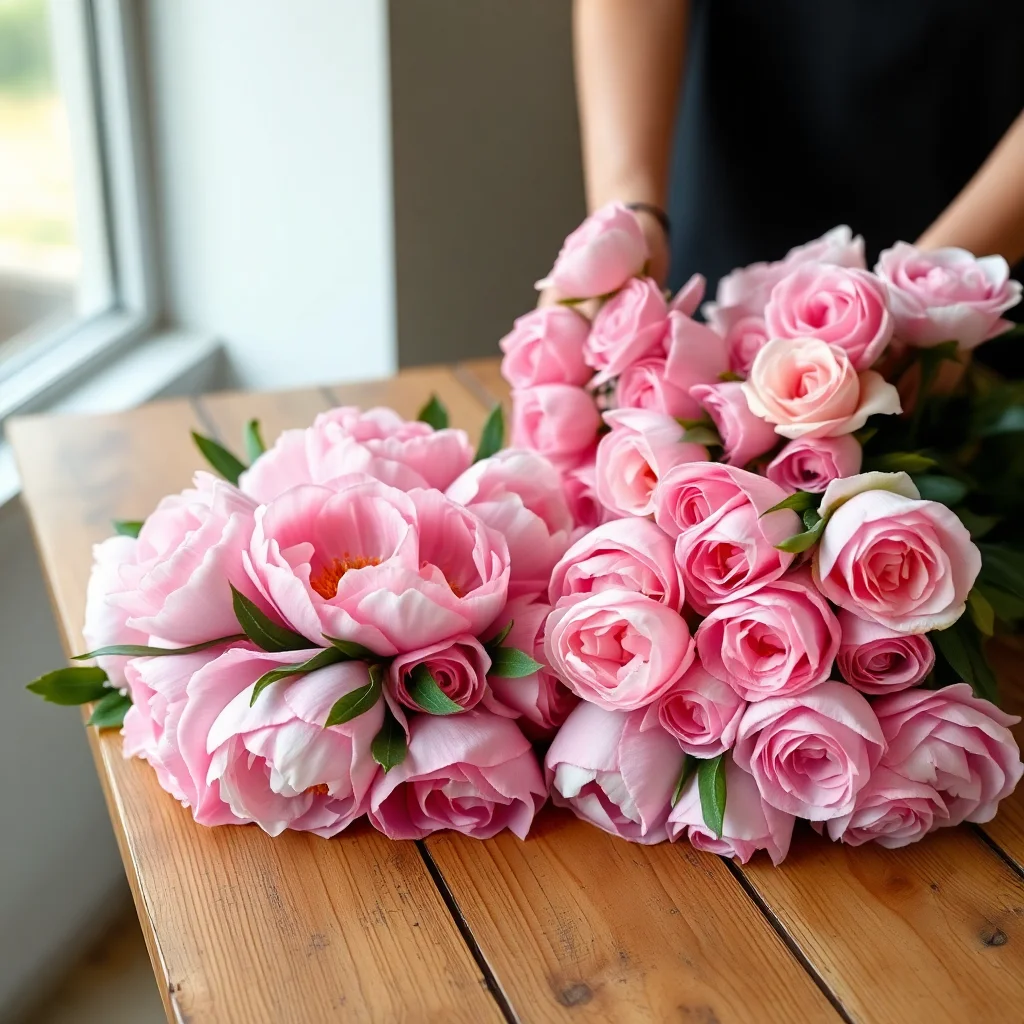
Part 2 – Availability & Seasonality: When Can You Get Peonies & Garden Roses?
When considering peonies and garden roses for your wedding floral arrangements, understanding their availability and seasonality is crucial. These factors not only influence the feasibility of incorporating these blooms into your special day but also impact the overall cost of your floral design.
Peonies
Peonies are a beloved choice for their enchanting beauty, but their availability is limited. These blooms are at their best from April to June, with May marking their peak season. This makes peonies an ideal option for spring weddings when they are in plentiful supply and showcase their most vibrant colors and full-blooming charm. However, their rarity outside this window can pose challenges. If your wedding falls outside the peony season, sourcing them will likely require imports from other continents, dramatically elevating their price. Often, off-season peonies can cost up to three times more than those purchased during their peak months, making them a less budget-friendly option during fall or winter.
Garden Roses
Garden roses, on the other hand, stand out as a more versatile and dependable alternative when it comes to seasonality. These exquisite blooms boast year-round availability, allowing couples to incorporate their timeless elegance into weddings on any date. Whether you are planning a summer garden celebration, a cozy winter event, or anything in between, garden roses remain accessible and ready to enhance your floral arrangements. Their consistent availability also contributes to greater price stability compared to peonies, ensuring they fit a variety of budgets without seasonal surges.
Cost Implications of Seasonality
Seasonality plays a significant role in floral pricing, which becomes a deciding factor when choosing between peonies and garden roses. If your heart is set on peonies, opting for a spring wedding can help you take advantage of better pricing during their peak season. Conversely, hosting your wedding in the off-season could add a considerable premium to your floral budget. Garden roses, with their consistent availability, are typically less susceptible to such drastic cost fluctuations, making them a practical and cost-effective option year-round.
By evaluating availability and seasonality, you can balance your floral preferences with practicality and budget considerations, ensuring your wedding blooms capture the essence of your vision without unnecessary stress or expense.

Part 3 – Cost Comparison: Are Peonies More Expensive Than Garden Roses?
When planning your wedding florals, understanding the cost differences between popular blooms like peonies and garden roses is essential to make informed decisions. Below is a direct cost comparison between these two beloved flower types:
Average Cost Per Stem:
| Flower Type | Cost Per Stem (in-season) | Cost Per Stem (off-season) |
| Peonies | $5 – $15 | $15 – $25 |
| Garden Roses | $3 – $7 | Consistent year-round |
Why Peonies Are More Expensive
Peonies are widely loved for their lush, romantic blooms and soft, delicate petal structures, but these qualities come at a premium price. One primary reason for their high cost is the shorter blooming window. Peonies are a seasonal flower, generally available in late spring to early summer, which limits supply outside of these months. This naturally raises their price, especially during the peak wedding season when demand is at its highest.
Another factor driving the cost of peonies is their delicate nature. Due to their fragility, they require extra care in handling, storage, and transportation to prevent damage, further increasing costs. Their popularity as a wedding flower also contributes significantly to the demand, making them a pricier option compared to garden roses.
How to Save Money on Peonies & Garden Roses
While peonies are undeniably beautiful, incorporating them within a wedding budget can be challenging. However, there are several ways to enjoy their beauty without overextending your floral spending. Consider these cost-saving tips:
- Buy in Bulk from Wholesale Suppliers: Purchasing flowers from wholesale suppliers can significantly reduce costs compared to buying through retail florists. You can often find bulk deals during peony season, which helps you save money on this sought-after bloom.
- Use a Mix of Both Flowers in Arrangements: Combining peonies with garden roses in your arrangements provides a stunning balance of beauty and affordability. Garden roses mimic the lush aesthetic of peonies while offering a broader range of colors and textures at a lower price point.
By strategically incorporating both flowers into your wedding décor, you can achieve the elegant, timeless look you desire while staying within budget. Understanding the costs and options available allows you to create breathtaking floral arrangements that reflect the essence of your special day without unnecessary financial strain.
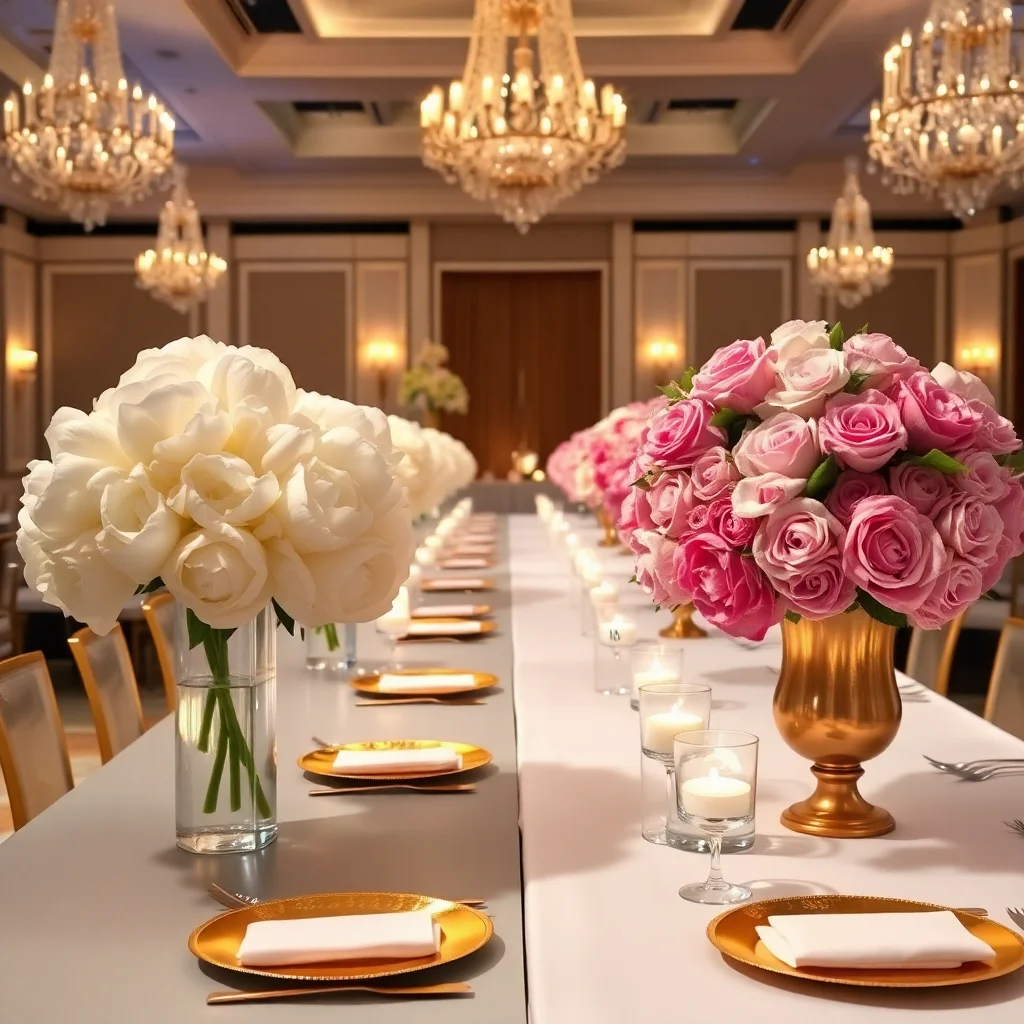
Part 4 – Best Uses in Weddings: Bouquets, Centerpieces & Installations
When planning your wedding floral arrangements, understanding the unique characteristics of peonies and garden roses allows you to maximize their visual impact in different settings. Each type of flower brings its strengths to various aspects of wedding décor, from bouquets to centerpieces and larger installations.
Bridal Bouquets
Peonies: Renowned for their soft, romantic appeal, peonies are a favorite choice for bridal bouquets. Their lush, full blooms exude an air of timeless elegance, making them ideal for creating delicate, dreamy arrangements. Peonies pair beautifully with complementary flowers such as ranunculus, hydrangeas, and soft greenery to enhance their texture and depth. Due to their natural charm, peonies are perfect for brides seeking a whimsical or vintage-inspired look.
Garden Roses: For a more structured and polished bouquet, garden roses are a top contender. Their ruffled petals mimic the luxurious feel of peonies while offering the classic beauty of a traditional rose. These flowers create stunningly sophisticated bouquets that evoke glamour and refinement. Whether used as a standalone bloom or combined with other flowers, garden roses add a timeless elegance to bridal arrangements.
Centerpieces
Peonies: Peonies’ large, eye-catching blooms make them ideal for compact floral centerpieces. Their ability to fill space with minimal stems allows for cost-effective arrangements that make a statement on guest tables. Peonies work best for low-profile centerpieces in small vases or lush floral designs with minimal filler, perfect for intimate, romantic wedding receptions.
Garden Roses: Garden roses shine in abundant, cascading centerpieces that incorporate a mix of textures and trailing vines. Their versatility and wide color range make them ideal for blending with additional flowers, greenery, or seasonal blooms, creating lush centerpieces that serve as focal points at the table. The structured form of garden roses also allows for more creative and intricate designs.
Floral Installations
Peonies: While stunning, peonies’ delicate petals and need for constant hydration make them challenging to incorporate into larger or hanging floral installations. Due to their susceptibility to wilting, they require careful planning and alternative hydration methods. Thus, peonies are best used sparingly in these setups or as part of grounded arrangements like altar pieces or floral runners.
Garden Roses: Known for their durability and long-lasting nature, garden roses are better suited for large-scale installations like arches, flower walls, and aisle décor. Their ability to endure various conditions makes them a reliable choice for suspended or outdoor setups. Whether incorporated into hanging hoops, entrance arches, or stunning photo backdrops, garden roses provide the structure and resilience required to achieve breathtaking floral designs.
By selecting the right flowers for each element of your wedding décor, you can craft a harmonious and visually stunning atmosphere that reflects your unique style. Strategic use of peonies and garden roses ensures every bouquet, centerpiece, and installation is both timeless and memorable.
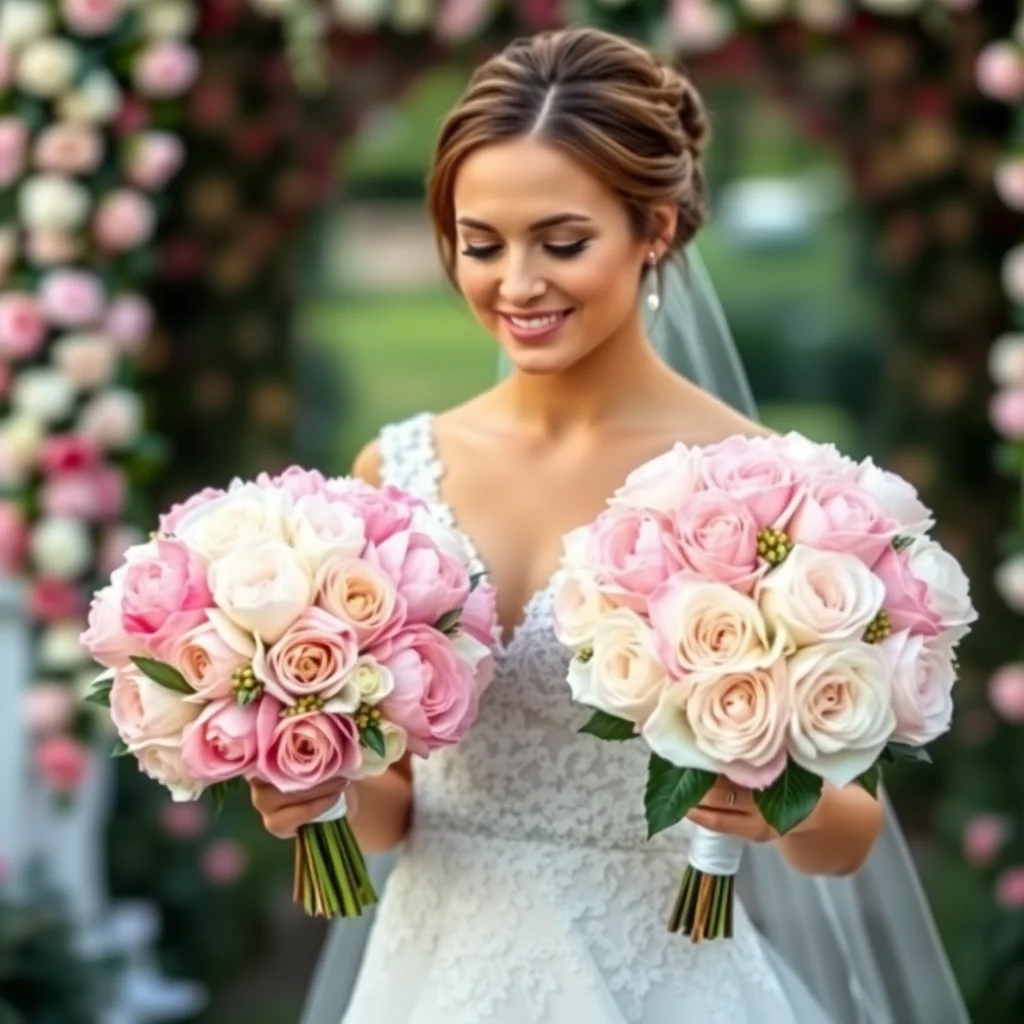
Part 5 – Longevity & Care: Which Flower Lasts Longer?
When selecting flowers for your wedding, understanding the longevity and care requirements is crucial to ensure they stay fresh and beautiful throughout your special day. Comparing peonies and garden roses, each has its own strengths in terms of vase life and maintenance needs.
Peonies have a vase life of 5-7 days. They thrive best in cool temperatures and require constant hydration to retain their lush appearance. Peonies are more delicate and sensitive to heat, meaning careful handling and proper conditions are essential for keeping them at their peak. This makes them ideal for indoor setups or cooler climates, where their elegance can truly shine without the threat of wilting too quickly.
Garden roses, on the other hand, are more resilient and boast a longer vase life of 7-10 days. They are better equipped to handle transportation stress and are more resistant to heat, making them a versatile choice for a variety of wedding settings, including outdoor ceremonies and warm climates. Their durability allows them to maintain their classic beauty longer, offering peace of mind during your celebration.
Tips for Keeping Flowers Fresh
No matter which bloom you choose, employing proper care techniques ensures that both peonies and garden roses remain fresh and vibrant. Here are some expert tips to maintain the longevity of your flowers:
- Store in a cool, dark place before arranging: Flowers benefit from being kept in a controlled environment away from heat and light until they are ready to be used.
- Use floral food and fresh water daily: Regularly replacing the water and adding floral preservatives will nourish the blooms and maintain their vibrancy.
- Avoid placing flowers near direct sunlight and fruit: Sunlight accelerates wilting, while fruit emits ethylene gas, which speeds up the aging process of flowers.
By following these care guidelines and choosing the right blooms based on their strengths, you can ensure that your floral arrangements remain picture-perfect throughout your wedding festivities. Whether you prefer the lushness of peonies or the timeless beauty and durability of garden roses, proper care will make all the difference for a memorable and enchanting celebration.
Part 6 – Peonies vs. Garden Roses: Which One Should You Choose?
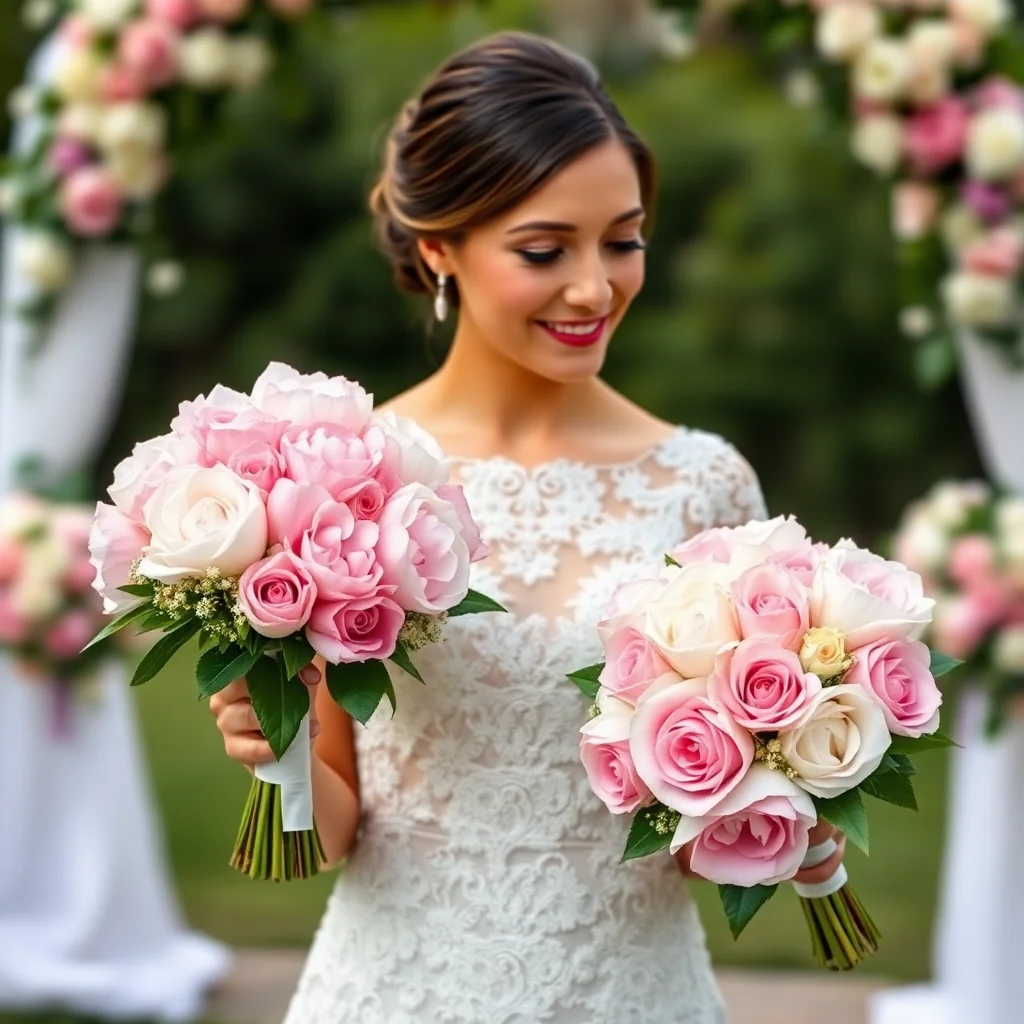
When deciding between peonies and garden roses for your wedding, it’s essential to consider the season of your celebration, your budget, and the aesthetic you’re aiming for. Both blooms offer striking beauty but have unique characteristics that can make one a better fit for your special day than the other.
Choose Peonies If:
✔️ You’re having a spring wedding (April-June): Peonies are in their prime during these months, ensuring better availability and fresher blooms.
✔️ You love fluffy, round blooms with soft petals: Peonies are famous for their luxurious, voluminous look with petal clusters that create a romantic and whimsical feel.
✔️ Budget isn’t a concern, and you want a luxury floral feel: Often a symbol of opulence, peonies are typically more expensive than other flowers due to their seasonal nature and high demand.
Choose Garden Roses If:
✔️ You need year-round availability: Unlike peonies, garden roses are not bound by a specific season, making them an excellent choice for weddings at any time of the year.
✔️ You want a classic, ruffled look without seasonal price fluctuations: Garden roses deliver timeless charm with their layered petals and are generally more budget-friendly than peonies.
✔️ You need longer-lasting flowers for outdoor or multi-day events: Garden roses are more resilient than peonies, making them a practical option for prolonged events or challenging conditions like heat and humidity.
Ultimately, both peonies and garden roses can elevate your wedding décor with their distinct styles. By balancing aesthetic preferences with practical considerations, you can confidently choose the blooms that will best complement your special day.

The Perfect Balance – Why Not Use Both?
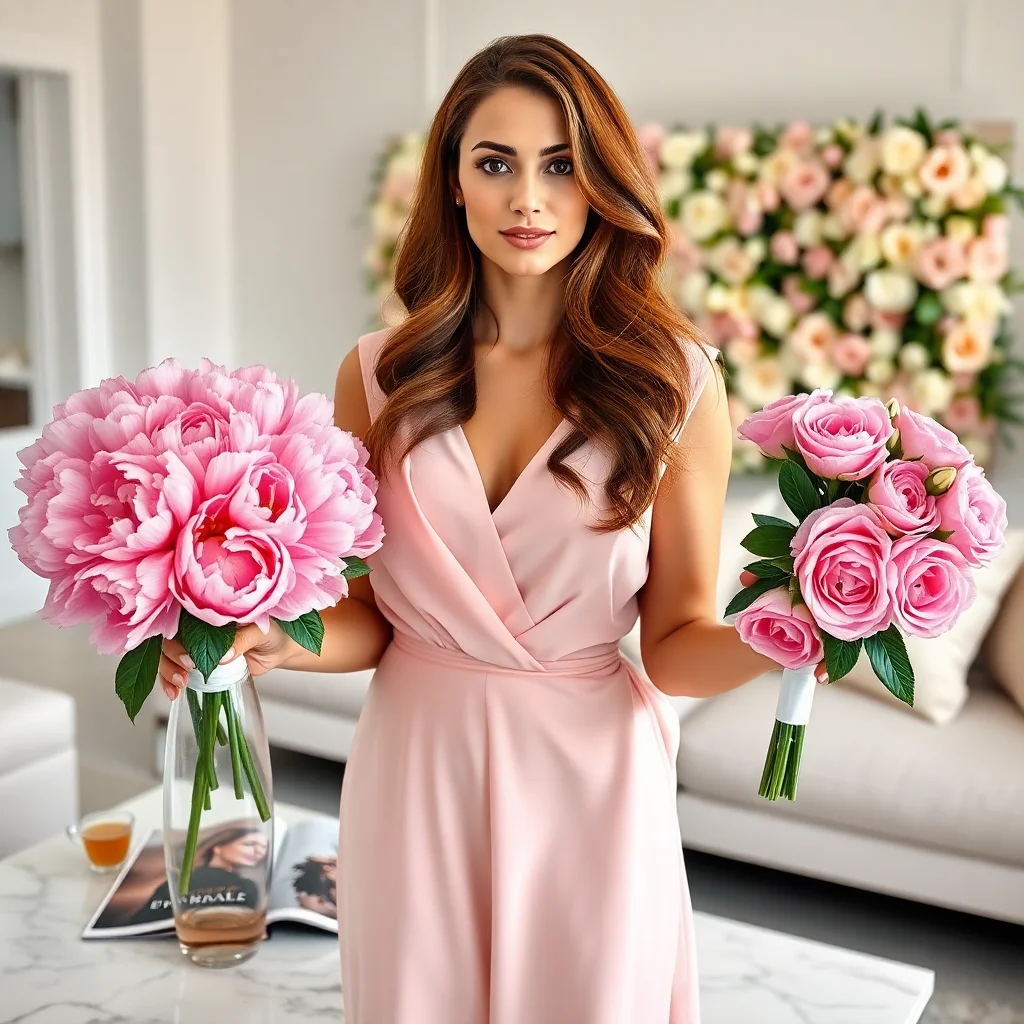
When it comes to wedding florals, there’s no need to choose between peonies and garden roses—you can have the best of both worlds. Many florists recommend blending these stunning blooms to create arrangements that are as unique as your special day. Imagine the lush, romantic textures of peonies balanced beautifully with the timeless elegance and resilience of garden roses. Together, they form a harmonious combination that offers both visual impact and practicality.
Peonies bring their signature opulence and charm, ideal for creating that dreamy, romantic feel. On the other hand, garden roses provide their unmatched durability, ensuring your floral arrangements remain fresh and vibrant throughout your celebration, even in challenging conditions. This pairing allows you to enjoy the lush beauty of peonies while relying on the consistent performance of garden roses.
At Whole Blossoms, you can source fresh-cut bulk peonies and garden roses at wholesale prices, making it easy to create stunning displays without breaking the budget. Whether you’re planning a DIY wedding or designing florals professionally, these high-quality blooms offer everything you need to craft extraordinary arrangements that will leave a lasting impression. By combining the two, you’ll strike the perfect balance for a truly unforgettable wedding décor.
FAQs: Answering Common Questions About Peonies & Garden Roses
1️⃣ Are peonies more expensive than garden roses?
Yes, peonies are typically twice as expensive, especially when purchased out of season. Their cost is reflective of their short growing season and high demand, making them a premium option for special occasions.
2️⃣ Do garden roses look like peonies?
Some varieties of David Austin garden roses closely resemble peonies with their lush, ruffled petals. However, garden roses tend to be smaller in size and have a more structured bloom, offering a unique yet complementary appearance.
3️⃣ Can I mix peonies and garden roses in bouquets?
Absolutely! Mixing peonies and garden roses is a wonderful way to craft a balanced and elegant bouquet. This combination not only adds dimension and texture but also helps reduce costs while maintaining a luxurious look.
4️⃣ Which flower lasts longer in a wedding bouquet?
When it comes to longevity, garden roses generally have a longer vase life, lasting around 7-10 days, compared to peonies, which typically last 5-7 days. This makes garden roses a more resilient option for events that require extended display times.