


 by
by 

Immerse yourself in the timeless charm of handcrafted boutonnieres and corsages! These small floral accessories have been adorning lapels and wrists for centuries, adding an elegant touch to special occasions. From weddings and proms to anniversaries and formal events, and even casual celebrations, boutonnieres and corsages are versatile accessories that elevate any outfit. In this guide, we will delve into the art of creating these floral masterpieces, providing step-by-step instructions, flower recommendations, and tips for various occasions. So, grab your floral wire and tape, and let’s dive into the enchanting world of DIY boutonnieres and corsages.
In this section, we will explore the following topics:
- The Meaning and History: Discover the origins of wearing flowers for special occasions and gain insights into the differences between boutonnieres and corsages. Uncover the modern significance of these floral accessories and how they can enhance any ensemble.
- Essential Tools and Supplies: Gather the essential tools needed for creating stunning boutonnieres and corsages, including floral wire, tape, scissors, and decorative accents. Explore a wide range of fresh cut flowers options, greens, and fillers to bring your creations to life. We’ll also share pro tips to ensure your floral designs are picture-perfect.
So, whether you’re a DIY enthusiast or someone looking to add a personalized touch to your next event, join us on this floral adventure as we guide you through the art of crafting exquisite boutonnieres and corsages.
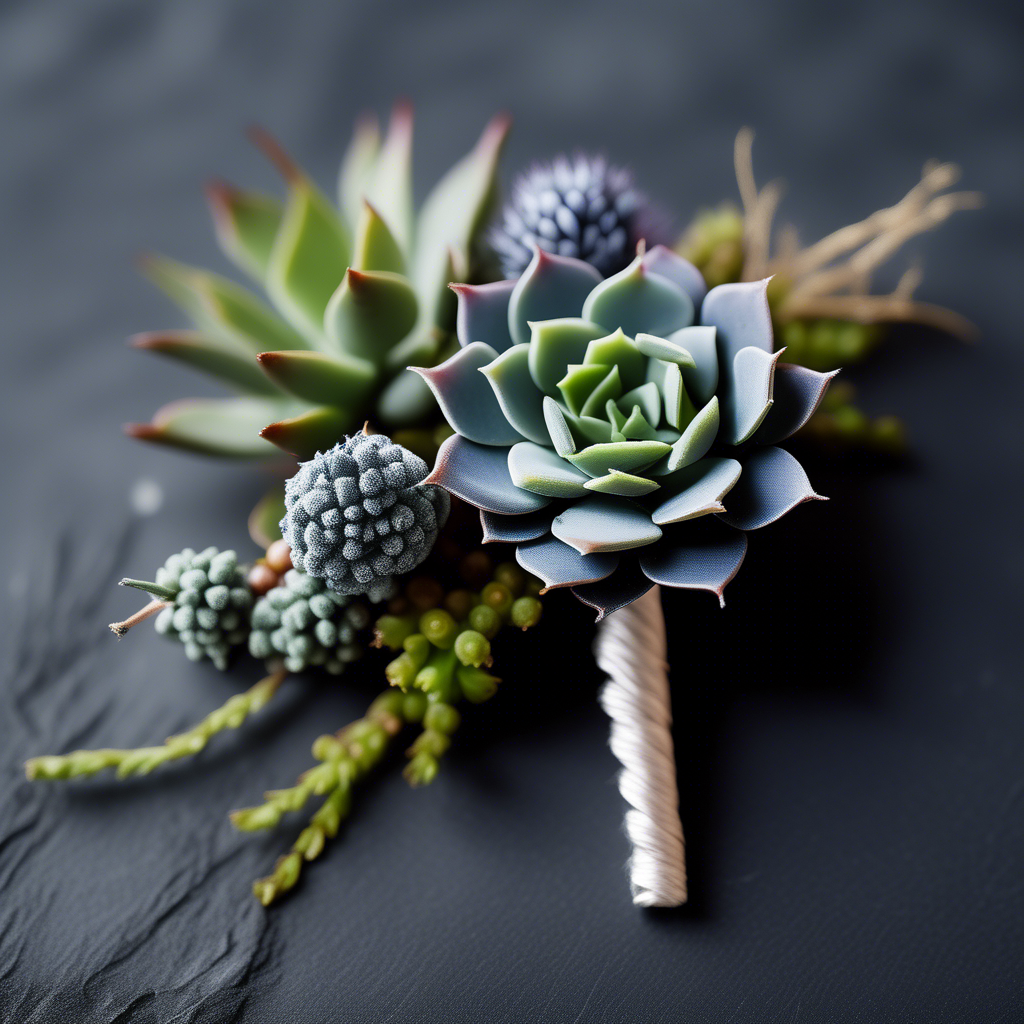
Section 1: What Are Boutonnieres and Corsages?
Boutonnieres and corsages are timeless floral accessories that add a touch of elegance and sophistication to any special occasion. These wearable floral arrangements are meticulously crafted using a combination of flowers, greens, and decorative accents. Let’s delve into the definition, history, and modern significance of boutonnieres and corsages.
Definition and History:
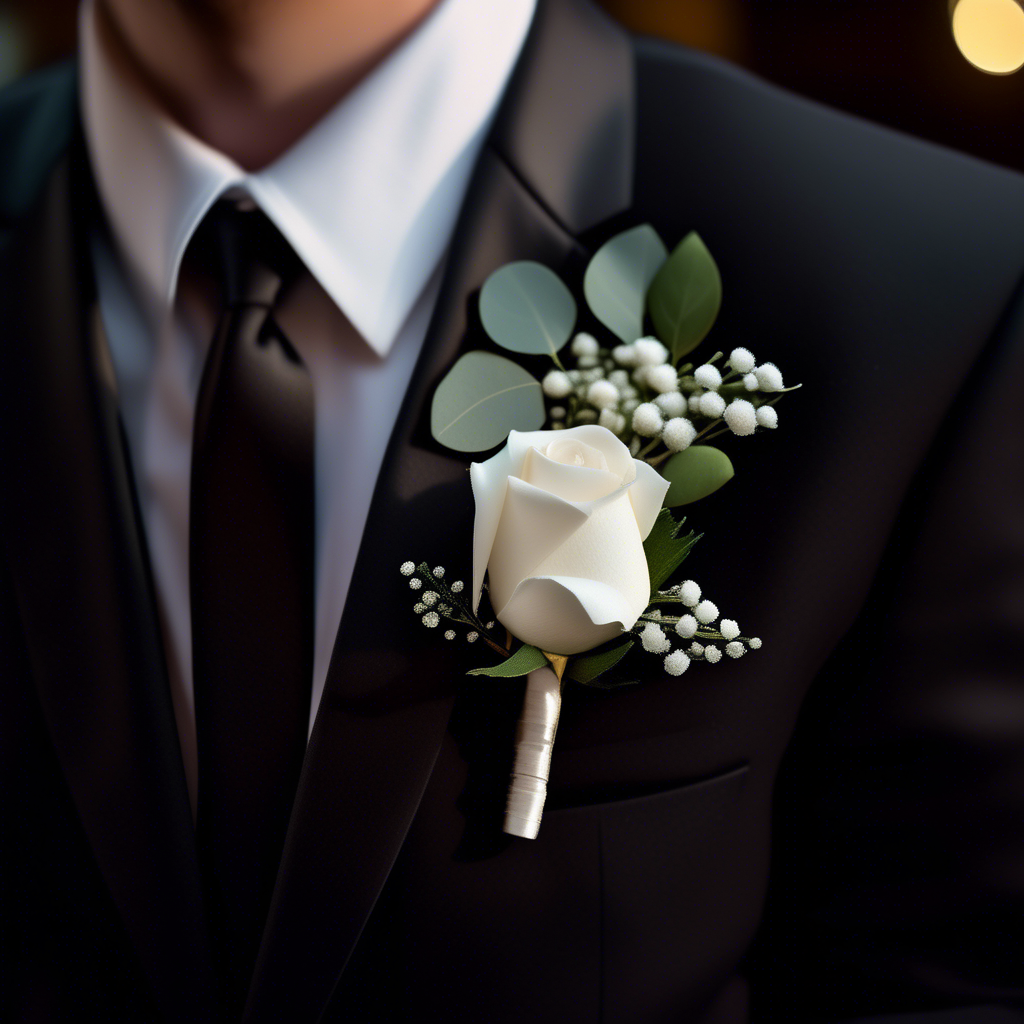
A boutonniere is a small floral decoration traditionally worn by men on the lapel of a suit or tuxedo jacket. It typically consists of a single flower or a small cluster of flowers, complemented by greens or fillers. On the other hand, a corsage is a similar floral arrangement, but larger in size, typically worn by women on the wrist, pinned to the dress, or attached to a handbag. Corsages often feature more intricate designs and can include multiple flowers, greens, and decorative elements.
Origins of Wearing Flowers for Special Occasions:
The practice of wearing flowers as accessories dates back centuries. In ancient civilizations, flowers were worn for their symbolic meanings and believed to bring good luck and protect against evil spirits. The tradition of wearing boutonnieres and corsages for special occasions gained popularity during the Victorian era when etiquette and formal dress codes were highly valued.
Differences between Boutonnieres and Corsages:
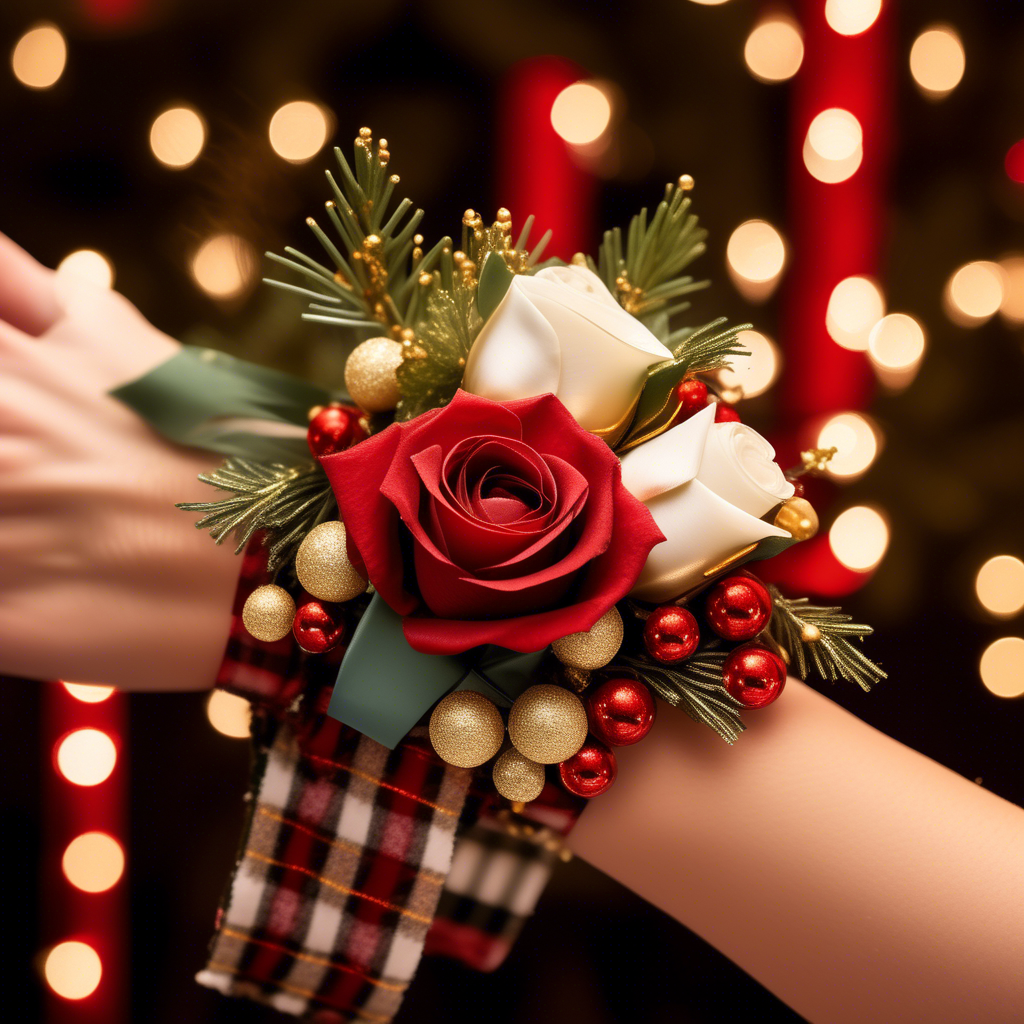
While both boutonnieres and corsages serve as wearable floral arrangements, they differ in size, placement, and design. Boutonnieres are smaller and worn by men, usually on the lapel of a suit, representing elegance, and adding a touch of color to formal attire. Corsages, on the other hand, are larger and worn by women, serving as eye-catching accessories for formal events such as weddings, proms, and dances.
Modern Significance and How They Elevate Any Outfit:
In modern times, boutonnieres and corsages have become cherished traditions, symbolizing respect, honor, and celebration. These floral accessories not only enhance the aesthetic appeal of outfits but also carry sentimental value, representing a special occasion and creating lasting memories. Whether it’s a wedding, prom, anniversary, or graduation, the addition of a well-designed boutonniere or corsage elevates the overall look, adding a touch of natural beauty and elegance.
As you explore the art of crafting boutonnieres and corsages, remember the beauty and significance these floral accessories hold. With their rich history and modern significance, boutonnieres and corsages continue to be cherished symbols of love, celebration, and style, elevating any outfit and making every occasion truly special.

Section 2: Supplies You Need to Make Boutonnieres and Corsages
To create beautiful boutonnieres and corsages, it’s essential to have the right supplies on hand. Here are the tools, flowers, and greens you’ll need to bring your floral accessories to life:
Essential Tools:
- Floral wire: Used to provide stability and structure to the boutonniere or corsage.
- Floral tape: Helps secure the stems and holds the design together.
- Scissors or pruners: Used for trimming stems and foliage.
- Glue gun (optional): Useful for attaching decorative accents or securing delicate elements.
- Ribbon or decorative accents: Adds a finishing touch to the design and complements the overall look.
Fresh Cut Flower Options:
- Roses, carnations, orchids, lilies, baby’s breath, eucalyptus, wax flowers, etc.: These flowers are popular choices for boutonnieres and corsages due to their durability and aesthetics. Select flowers that are fresh, sturdy, and fit the style of your occasion.
Greens and Fillers:
- Italian ruscus: Elegant and versatile, Italian ruscus brings lush greenery to the design.
- Seeded eucalyptus: Adds texture and a touch of whimsy with its delicate seeds.
- Leatherleaf fern: Provides vibrant green foliage that complements various flower types.
Pro Tips:
- Use flowers that are fresh and sturdy to ensure longevity and maintain the overall appearance of the boutonniere or corsage throughout the event.
- Prep all materials before starting to streamline the crafting process and ensure a smoother workflow.
With these essential tools, fresh flowers, and greens, you’ll have everything you need to create stunning boutonnieres and corsages that elevate any special occasion. Remember to gather all your supplies before beginning, and let your creativity flourish as you bring your floral accessories to life.
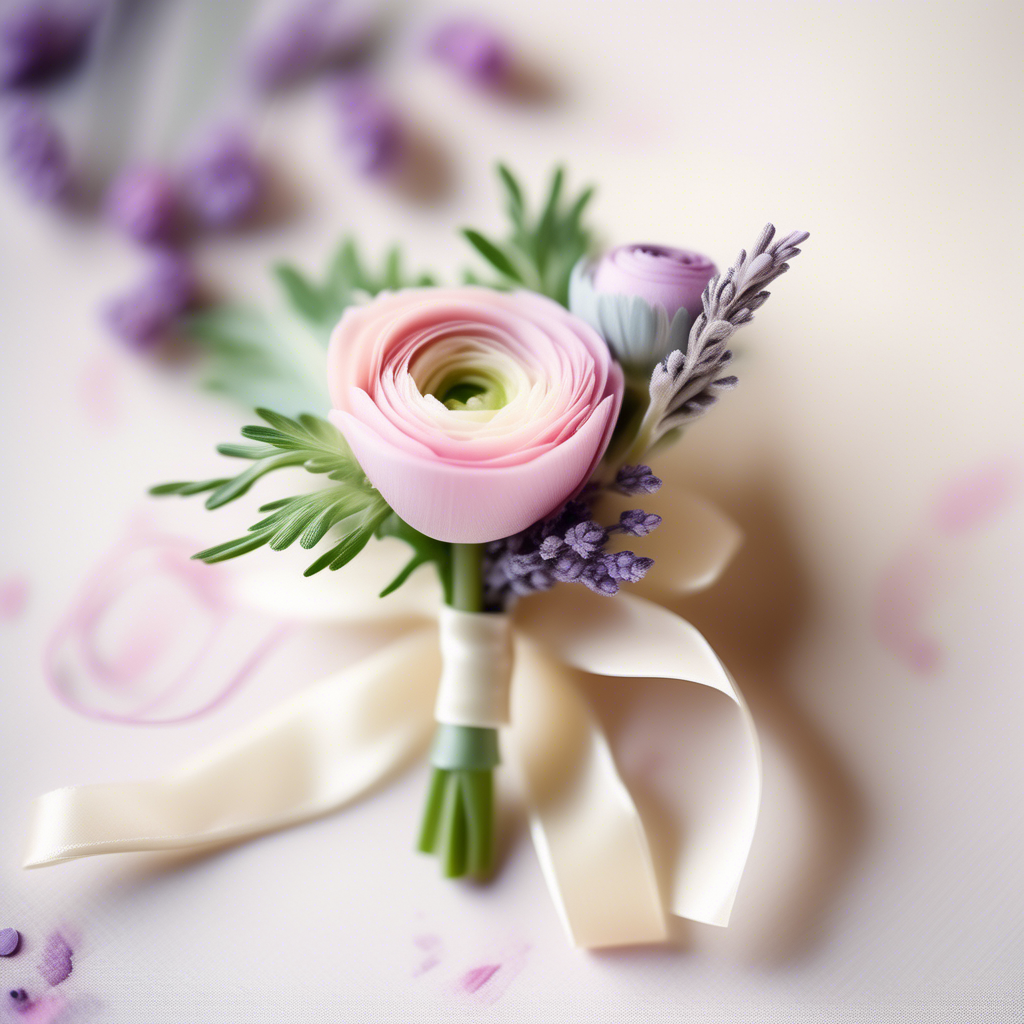
Section 3: Step-by-Step Tutorial for Making a Boutonniere
Creating a beautiful boutonniere is a delightful and rewarding DIY project that adds a touch of elegance to any special occasion. Follow these step-by-step instructions to craft a stunning boutonniere that complements your attire and captures the essence of the event.
- Select Your Flowers:
- Choose a focal flower such as a rose or carnation that suits your style and color scheme.
- Consider using complementary fillers like spray roses, mini calla lilies, or orchids to enhance the boutonniere’s visual appeal.
- Remove unnecessary leaves from the stems to ensure a clean and polished look.
- Prepare the Stems:
- Trim the stems of your flowers to a length of about 1-2 inches.
- For added stability, reinforce the stems by wrapping floral wire around them, starting from the base and extending about halfway up.
- Assemble the Boutonniere:
- Begin by placing the focal flower at the center of the design. This flower will be the main attraction and should be positioned slightly higher than the other elements.
- Layer the fillers and greens around the base of the focal flower, arranging them in a way that creates a visually balanced and pleasing composition.
- Secure the elements together by wrapping floral tape tightly around the stems, starting from the base and working your way down.
- Decorate:
- Add a decorative touch to your boutonniere by wrapping the stems with a ribbon that complements the color scheme of the event.
- Consider embellishing the boutonniere with small accessories like beads, pearls, or decorative pins to add a personal touch and elevate its visual appeal.
- To ensure the boutonniere stays in place, attach a pin to the back of the design, ready to be fastened to the lapel.
- Final Touches:
- Spray the finished boutonniere with a floral sealant to help preserve its freshness and appearance throughout the event.
- Store the boutonniere in a cool place until it is ready to be worn, ensuring it stays in optimal condition until the special moment.
By following these step-by-step instructions, you can create a stunning boutonniere that adds a touch of sophistication to any occasion. Enjoy the process of crafting your own boutonniere and take pride in wearing or gifting this personalized floral accessory.
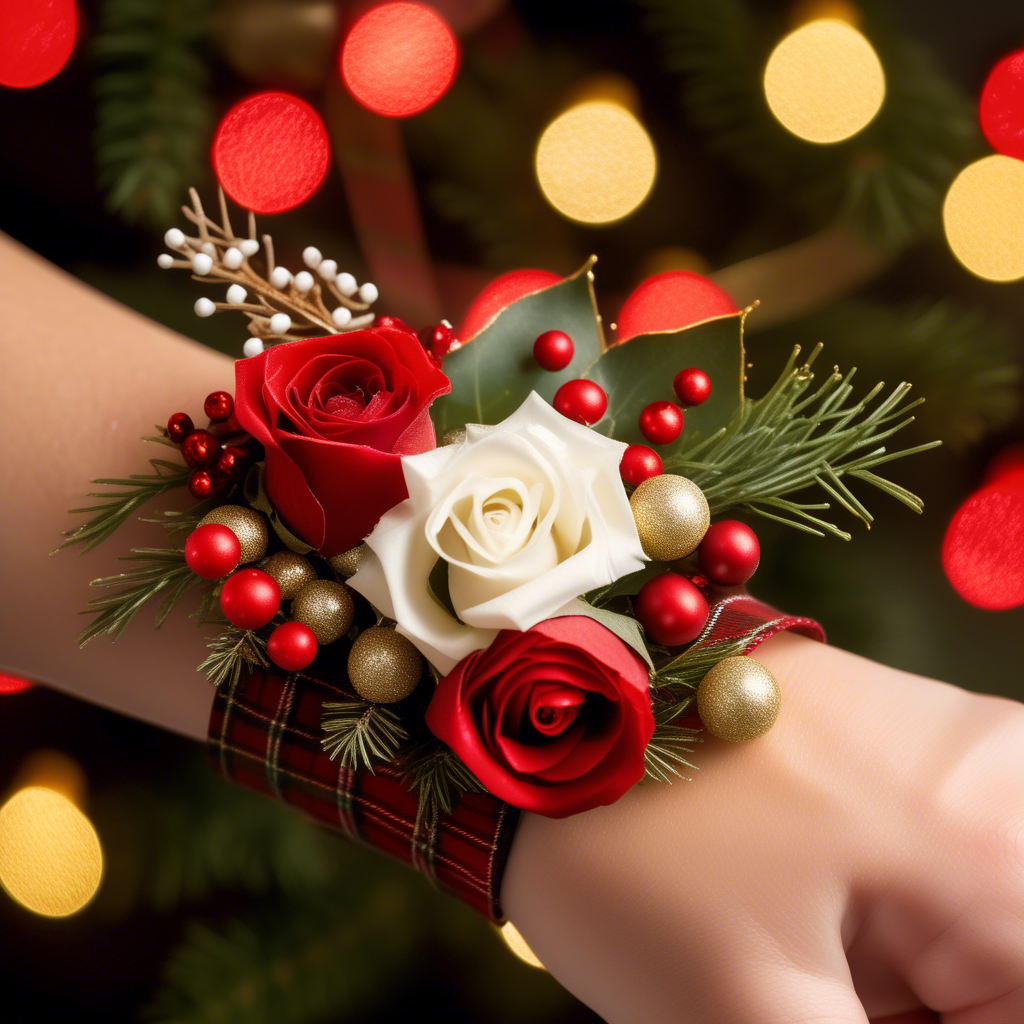
Section 4: Step-by-Step Tutorial for Making a Corsage
Creating a stunning corsage for any special occasion is a rewarding and enjoyable experience. Follow these step-by-step instructions to craft your own beautiful corsage:
Choose the Flowers and Base:
- Flowers: Select flowers that are sturdy and long-lasting, such as roses, alstroemeria, or ranunculus. Pick flowers in colors that complement the attire or theme of the event.
- Base: Decide on the type of base you’d like to use, such as a wristband, clip, or elastic. Choose a base that will be comfortable to wear and securely hold the corsage in place.
Prepare the Flowers:
- Remove Leaves and Thorns: Trim away any leaves or thorns from the stems, as they can detract from the appearance of the corsage and cause discomfort when worn.
- Cut Stems: Cut the flower stems to about 1 inch in length to ensure they fit nicely into the base and are at the desired height when worn.
- Wire and Tape: For added support and flexibility, wire and tape each flower stem. This will make it easier to attach them to the base and create a cohesive arrangement.
Create the Corsage:
- Attach Focal Flowers: Start by attaching the focal flowers to the base. These are typically larger flowers that will be the center of attention in the corsage. Use floral adhesive or wire to secure them in place.
- Add Fillers and Greens: Next, add fillers and greens to give volume and balance to the corsage. Choose complementary foliage such as baby’s breath, ferns, or eucalyptus. Insert them between the focal flowers to create a harmonious arrangement.
Attach to Wrist or Clip:
- Use Floral Adhesive or Wire: Depending on the type of base you’ve chosen, use floral adhesive or wire to securely attach the corsage to the wristband, clip, or elastic. Make sure it is fastened firmly but comfortably to ensure it stays in place throughout the event.
Add Accents:
- Ribbon, Pearls, or Glitter: Add a touch of elegance and personalization to the corsage by incorporating accents such as ribbon, pearls, or glitter. Wrap a ribbon around the bouquet stems or incorporate small decorative elements for a finishing touch.
Store Properly:
- Keep Cool: Until the corsage is ready to be worn, store it in a cool place away from direct sunlight. This will help preserve the freshness and appearance of the flowers.
- Mist Lightly with Water: To keep the corsage hydrated, lightly mist it with water using a spray bottle. Be careful not to oversaturate the flowers, as this can cause wilting.
By following these step-by-step instructions, you can create a stunning corsage that adds a touch of sophistication to any occasion. Enjoy the process of crafting your own corsage and take pride in wearing or gifting this personalized floral accessory.

Section 5: Best Flower Varieties for Boutonnieres and Corsages
When it comes to creating beautiful boutonnieres and corsages, choosing the right flower varieties is key to achieving stunning results. Here are some classic options and seasonal picks that are perfect for different occasions:
Classic Options:
- Roses: Timeless and elegant, roses are a popular choice for both boutonnieres and corsages. They come in various colors, allowing you to match them to any outfit or theme.
- Carnations: Known for their ruffled petals and long-lasting blooms, carnations are versatile and available in a wide range of colors.
- Orchids: Exotic and sophisticated, orchids add a touch of luxury to any corsage or boutonniere. Their unique shapes and vibrant colors make them stand out.
Seasonal Picks:
- Spring: Embrace the freshness of the season with flowers like tulips, ranunculus, and freesia. Their delicate blooms and vibrant colors are perfect for springtime events.
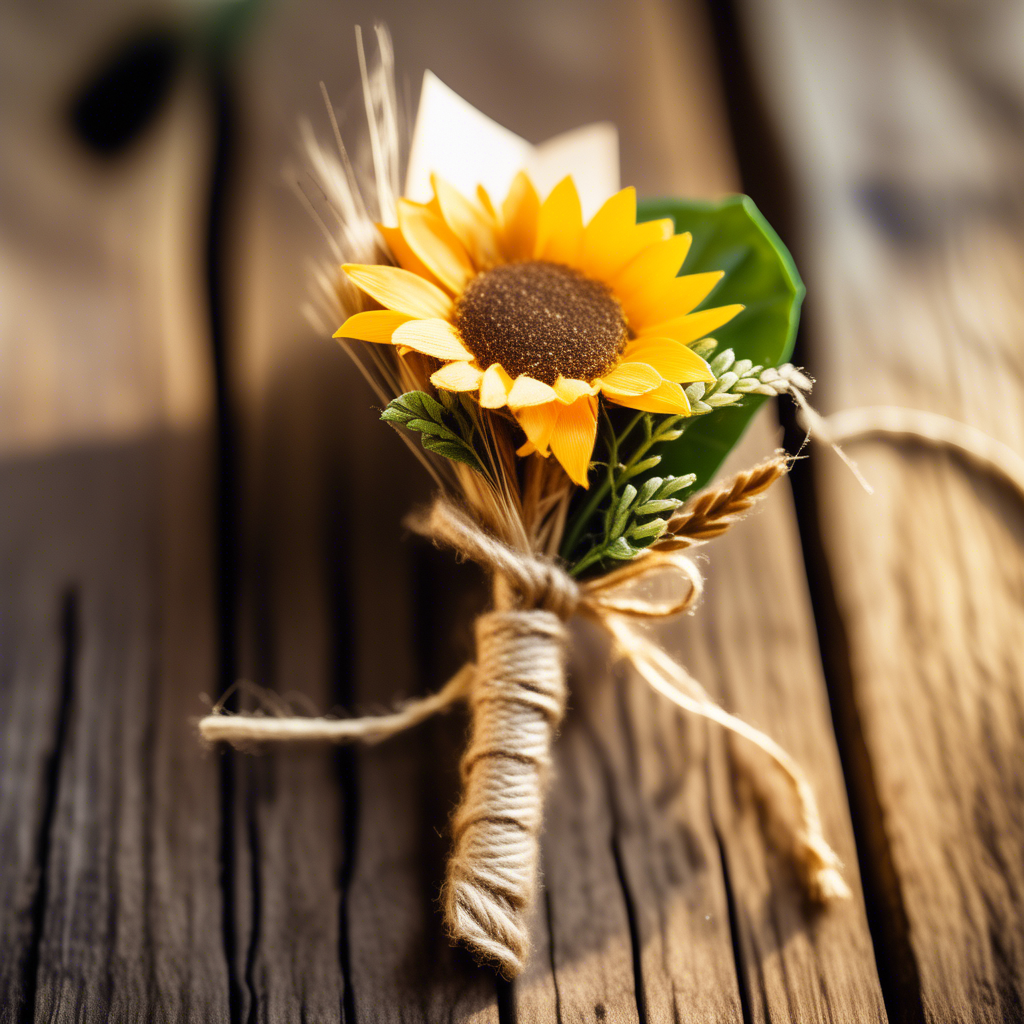
- Summer: Capture the warmth and vibrancy of summer with flowers like dahlias, daisies, and sunflowers. These bold and cheerful blooms are sure to make a statement.
- Fall: Embrace the rich hues and textures of autumn with flowers like chrysanthemums, berries, and pampas grass. These seasonal elements add a touch of warmth and coziness.
- Winter: Celebrate the beauty of the winter season with flowers like amaryllis, pine, and holly. These festive blooms are perfect for adding a touch of holiday spirit to your corsages and boutonnieres.
Occasion-Specific Suggestions:
- Weddings: For weddings, white roses and delicate baby’s breath create a classic and romantic look.
- Proms: Bright and vibrant lilies or colorful ranunculus make a bold statement for prom corsages.
- Anniversaries: Sweetheart roses and mini orchids symbolize love and are perfect for celebrating anniversaries.
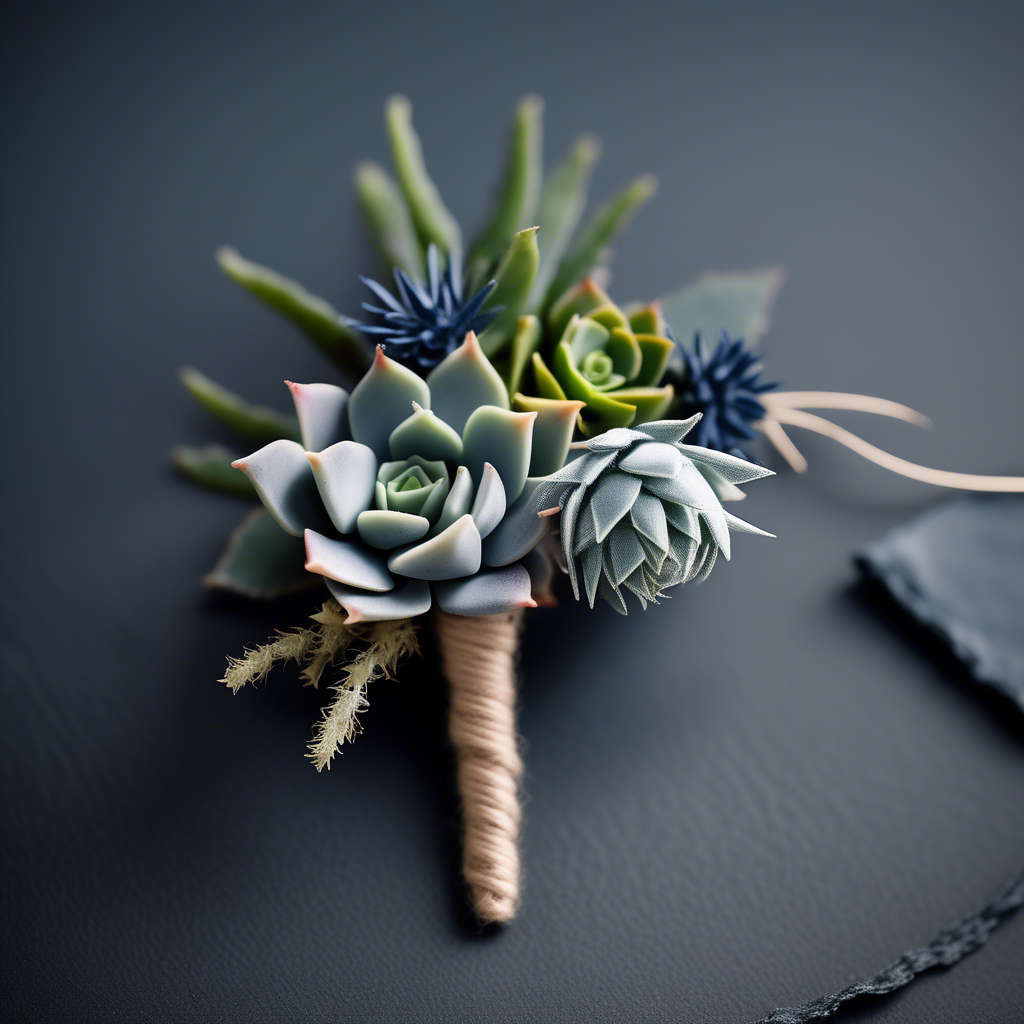
- Casual Events: Embrace a more relaxed vibe with wildflowers or succulents, creating a bohemian and nature-inspired look.
By selecting the right flower varieties for your boutonnieres and corsages, you can create stunning floral accessories that perfectly complement any occasion. Whether it’s classic roses or seasonal blooms, let the flowers be a reflection of your style and personality.

Section 6: Creative Ideas and Variations
Unique Designs: Succulent Boutonnieres for Rustic Events
For those seeking a distinctive and nature-inspired look, succulent boutonnieres are an excellent choice. These charming and resilient plants add a touch of rustic elegance to any occasion. Pair them with earthy elements like twine or burlap for a complete rustic aesthetic. Succulents are not only visually appealing but also practical, as they can be replanted after the event, serving as lasting mementos of the special day.
Feather Accents for Themed Occasions
For themed events or occasions that call for a touch of whimsy, consider incorporating feather accents into your boutonnieres and corsages. Feathers can add texture, visual interest, and a sense of playfulness to floral arrangements. Whether you opt for natural feathers or brightly dyed ones, they are sure to make a statement and complement the overall theme of your event.
Eco-Friendly Tips: Use Sustainable Materials and Local, In-Season Flowers
In an increasingly environmentally conscious world, opting for eco-friendly boutonnieres and corsages is a thoughtful choice. Consider using sustainable materials like twine or reusable bases instead of non-biodegradable options. Additionally, choose locally sourced, in-season flowers to reduce carbon footprint and support local growers. By embracing sustainable practices, you can create beautiful floral accessories while minimizing environmental impact.
Customization Ideas: Incorporate Small Charms or Beads, Match Colors to the Outfit or Theme
Personalize your boutonnieres and corsages with small charms or beads that hold significance to you or your loved ones. These subtle additions can reflect hobbies, interests, or even express sentimental messages. Furthermore, consider matching the colors of the flowers to the outfit or theme of the event. This attention to detail adds a cohesive and polished touch to the overall aesthetic.
By exploring these creative ideas and variations, you can craft boutonnieres and corsages that are unique, eco-friendly, and tailored to your preferences. Let your imagination run wild, and infuse your floral accessories with elements that express your personality and make a lasting impression.

Section 7: Care Tips to Make Them Last
To ensure that your boutonnieres and corsages stay fresh and vibrant throughout the event, here are some essential care tips:
- Spray flowers lightly with water before assembling: Before creating your boutonnieres or corsages, lightly mist the flowers with water. This helps to hydrate the blooms and keep them looking fresh.
- Store in a fridge or cool place: After assembling the floral accessories, store them in a refrigerator or a cool place. The lower temperatures help to slow down the aging process and maintain the freshness of the flowers.
- Transport carefully in protective boxes: When transporting boutonnieres and corsages, it’s crucial to handle them with care. Place them in protective boxes or containers to prevent any damage during transit. Avoid placing heavy objects on top of them to avoid crushing or bending the delicate blooms.
- Use floral sealant for added freshness: Consider using a floral sealant spray to prolong the lifespan of the flowers. Floral sealants create a protective barrier that helps to retain moisture and prevent wilting. Follow the instructions provided by the sealant manufacturer for optimal results.
By following these simple care tips, you can ensure that your boutonnieres and corsages remain fresh and beautiful for the entire duration of your special occasion. Remember to handle them gently and keep them in cool conditions to maintain their vibrant appearance.
Frequently Asked Questions
- How far in advance can I make boutonnieres or corsages?
- It is recommended to make boutonnieres and corsages on the day of the event or the day before to ensure their freshness and longevity. However, if necessary, you can make them up to two days in advance and store them in a cool, humid place like a refrigerator.
- What are the best flowers for a long-lasting corsage?
- Flowers that are known for their longevity and durability, such as orchids, roses, and carnations, are great choices for corsages. These flowers can withstand the wear and tear of the day and stay fresh throughout the event.
- Can I use artificial flowers instead of fresh ones?
- Yes, using artificial flowers is an option if you prefer a corsage or boutonniere that will last as a keepsake. Artificial flowers can be made from various materials like silk or foam and provide a long-lasting alternative to fresh flowers.
- How do I attach a boutonniere to a jacket?
- To attach a boutonniere to a jacket, use a corsage pin or a small floral wire. Insert the pin or wire through the back of the lapel, then through the stem of the boutonniere, and back into the lapel. Make sure it is secure but not too tight to avoid damaging the fabric.
- Are wrist corsages better than pin-on corsages?
- The choice between wrist corsages and pin-on corsages depends on personal preference and the outfit. Wrist corsages are convenient and popular for events like proms and weddings, as they can be worn comfortably on the wrist. Pin-on corsages, on the other hand, are suitable for attaching to clothing, such as lapels or dresses.
- Can corsages be worn by men?
- Absolutely! Corsages are not limited to women; men can also wear them as boutonnieres. The choice of flower and style can be adjusted to suit their taste and attire.
Conclusion
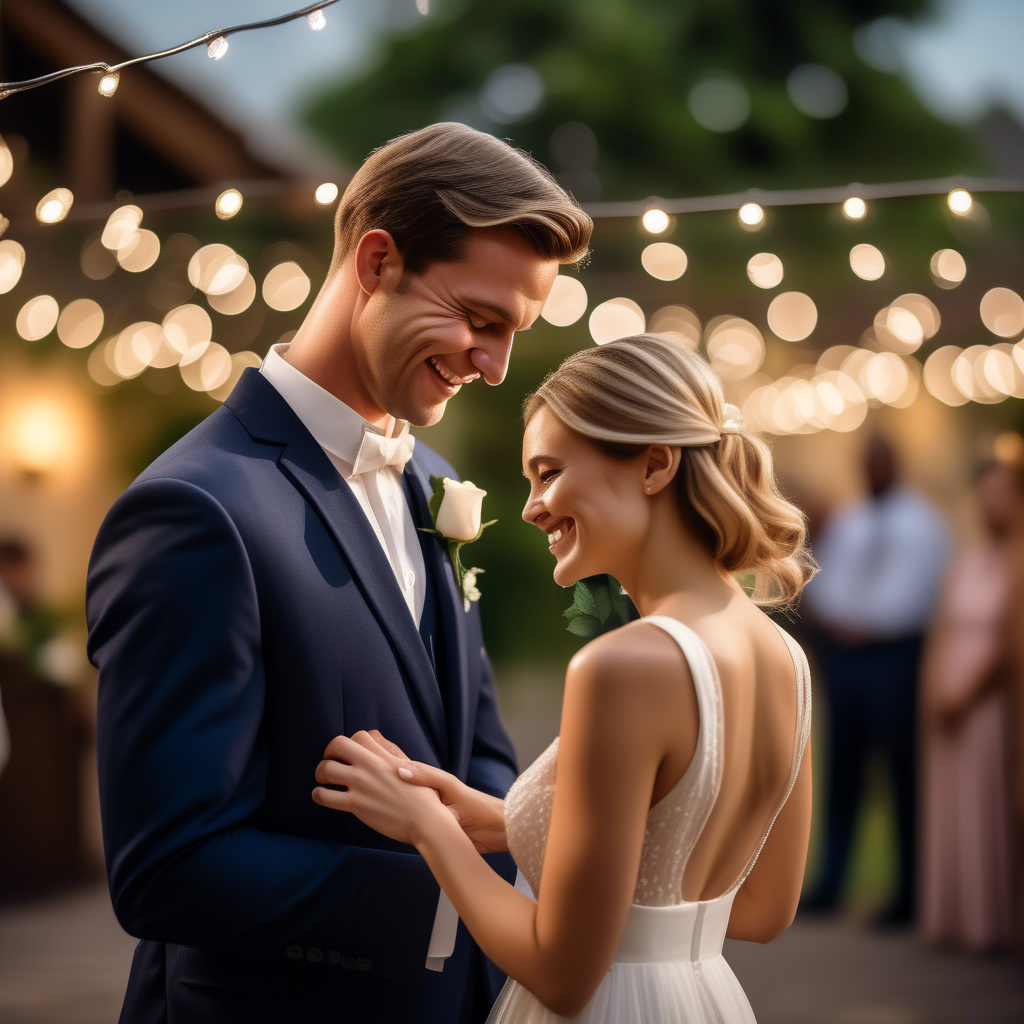
Recap: Making boutonnieres and corsages at home is a delightful and cost-effective endeavor that allows you to showcase your creativity while adding a personal touch to special events. Whether you opt for wrist corsages or pin-on corsages, the choice depends on your preference and the occasion. Men can also wear corsages as boutonnieres, offering a stylish and coordinated look.
For the freshest flowers to create stunning DIY boutonnieres and corsages, visit Whole Blossoms. Our wide selection of fresh flowers will ensure your creations stand out.