


 by
by 

Are you an avid flower enthusiast with a passion for creating captivating floral masterpieces? If so, you know that proper preparation is the key to ensuring the longevity and vibrant beauty of your arrangements. Welcome to “The Ultimate Guide to Preparing Fresh Flowers for Stunning Arrangements,” where we will delve into the art of preparing fresh flowers to unleash their full potential. Whether you’re a seasoned pro or just starting your floral journey, this guide is your gateway to unlocking pro techniques, insider tips, and answers to frequently asked questions. So, let’s dive in and discover the secrets that will elevate your floral creations to breathtaking heights. Get ready to learn essential skills in preparing fresh flowers for arrangements and master the art of floral design that will leave everyone in awe.
1. Why Proper Flower Preparation Matters
Proper flower preparation is essential for extending the vase life of your blooms and achieving professional-looking arrangements that will impress and delight. Taking the time to care for your fresh flowers ensures that they stay vibrant and beautiful for as long as possible. By following proper hydration techniques and handling practices, you can avoid common mistakes that may lead to premature wilting or deterioration. Neglecting the initial preparation steps can significantly impact the longevity and visual appeal of your floral creations. So, whether you’re a novice or an experienced floral enthusiast, understanding the importance of proper flower preparation is crucial for successful arrangements that exude beauty and elegance. Explore techniques for fresh flower care, learn about effective hydration methods, and discover the secrets to flawless flower arrangement preparation. Let’s embark on this journey together and unlock the artistry of transforming fresh flowers into captivating works of art.

2. Getting Started: Unpacking and Inspecting Your Flowers
Properly unpacking and inspecting your flowers upon arrival is a fundamental step in flower preparation. Follow these step-by-step instructions to ensure your flowers are handled with care:
- Handle with Care: Gently handle the box containing your flowers, avoiding any rough movements or impacts that could damage the delicate blooms.
- Open the Box: Carefully open the box, taking care not to damage the flowers inside. Cut through the tape using floral shears or a sharp knife.
- Inspect the Packaging: Look for any signs of damage or mishandling during transit. If the box appears crushed or the packaging materials are damaged, take photos for reference.
- Remove the Packaging: Gradually remove the packaging materials, such as bubble wrap or tissue paper, ensuring that it doesn’t pull or damage the flowers. Set the materials aside for disposal later.
- Check the Condition: Examine the flowers for any visible damage, discoloration, or wilting. It’s normal for flowers to appear slightly dehydrated or wilted after shipping. Don’t worry, as proper hydration will revive them.
- Trim the Stems: Using sharp floral shears, trim approximately an inch off the bottom of each stem at a 45-degree angle. This promotes better water absorption and helps revive the flowers.

What to Do If Flowers Look Dehydrated:
If your flowers appear dehydrated upon arrival, follow these immediate hydration steps:
- Fill clean buckets or containers with fresh, lukewarm water.
- Add a floral hydration solution or flower food to the water according to the product instructions.
- Place the flowers in the prepared water solution and let them hydrate for several hours or overnight.
- Keep the flowers in a cool, shaded area as they rehydrate.
Remember, it’s normal for flowers to look slightly wilted or dehydrated during shipping. With proper care and hydration, they will regain their freshness and vitality.
Hydration solutions can help facilitate the hydration process and ensure optimal flower health. Consider using them to provide the necessary nutrients and hydration to revitalize your blooms.
By carefully unpacking and inspecting your flowers upon arrival, and following proper hydration methods, you set the stage for creating stunning arrangements that will captivate and delight. Let your creativity bloom as you embark on this floral journey!
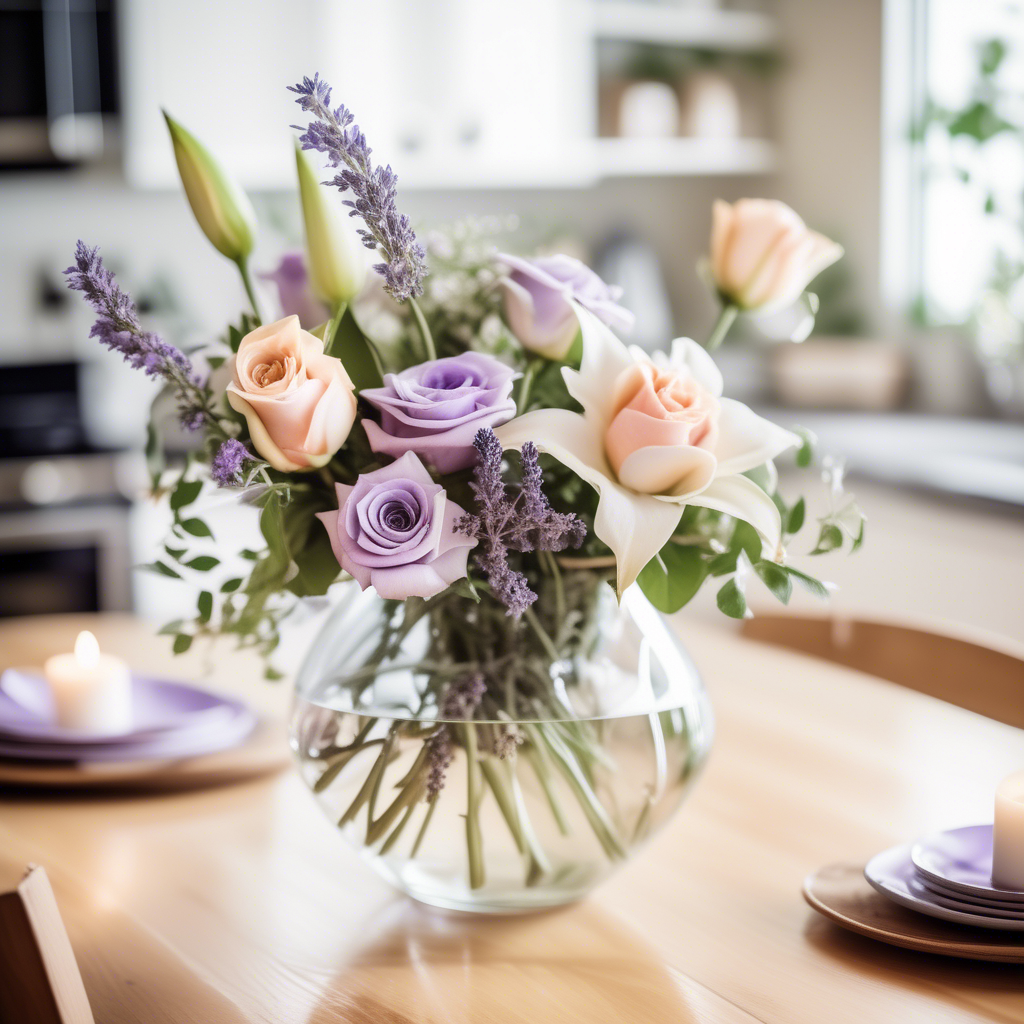
3. Essential Tools for Flower Prep
To ensure successful flower preparation, having the right tools on hand is crucial. Here is a checklist of must-have tools for your flower prep process:
- Floral Shears: Invest in a pair of high-quality floral shears specifically designed for cutting flower stems. These shears provide clean cuts, minimizing damage to the flowers and allowing for better water absorption.
- Floral Knives: A sharp floral knife is essential for precise and delicate stem cutting. It enables you to make clean cuts at the perfect angle, promoting efficient water uptake and extending the vase life of your flowers.
- Water Buckets: Use sanitized water buckets to hold your flowers during the preparation process. Having separate buckets for different flower types helps prevent cross-contamination and maintains optimal hygiene.
- Floral Food or Preservatives: Floral food or preservatives are essential for providing necessary nutrients to your flowers, prolonging their vase life. Follow the instructions provided with the floral food to mix it properly with water in your buckets.
- Gloves: Protect your hands with gloves while handling flowers, especially if you have sensitive skin or allergies. Gloves not only provide an extra layer of hygiene but also prevent the transfer of oils and bacteria from your hands to the flowers.
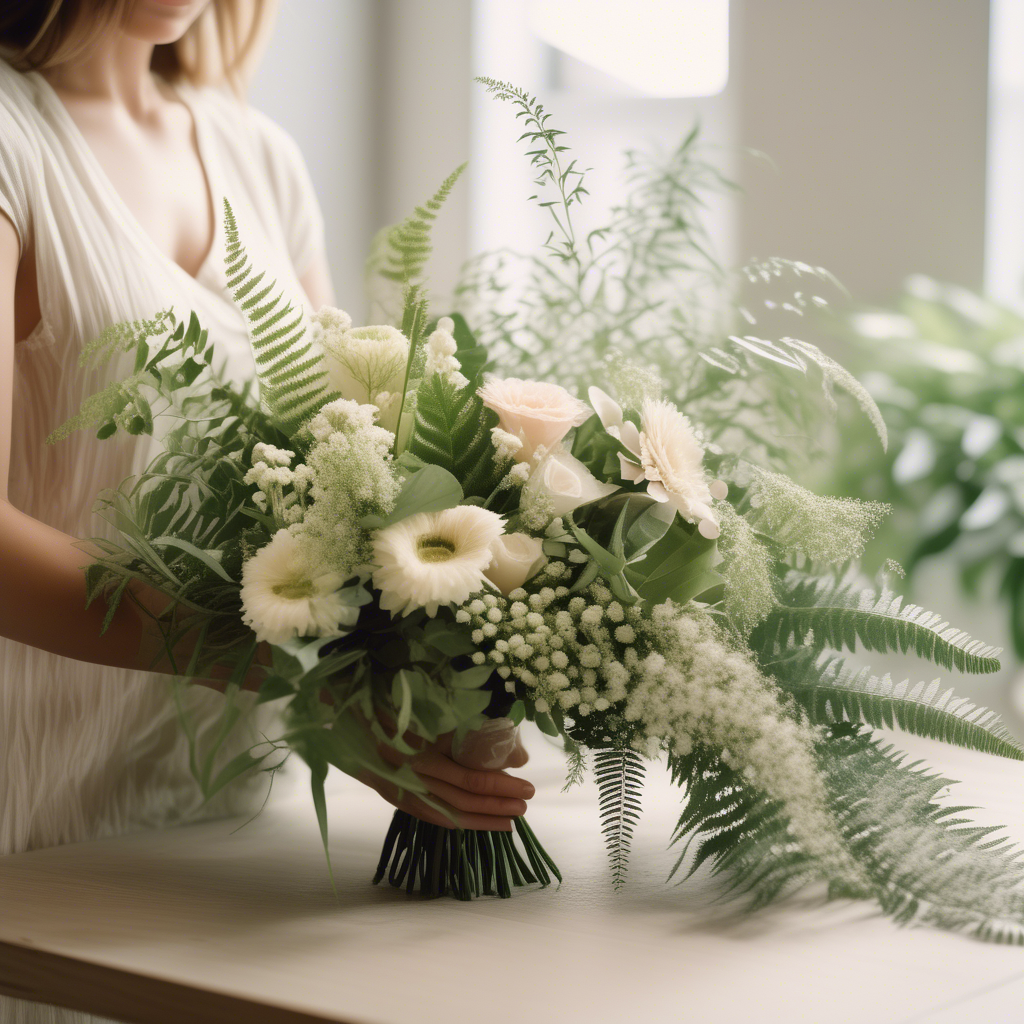
Pro Tips for Using Tools:
- Cutting Stems Underwater: Trim flower stems underwater to prevent air bubbles from entering the stems, which can impede water uptake. Make a 45-degree angle cut to increase the surface area for better water absorption.
- Pruning Foliage: Remove any foliage that will be submerged in water, as it can decay and promote bacterial growth. This helps keep the water clean and prevents the growth of harmful microorganisms.

4. Step-by-Step Flower Preparation
Proper flower preparation is essential for ensuring the longevity and freshness of your floral arrangements. By following these step-by-step instructions, you can enhance the beauty and lifespan of your blooms.
Cleaning Buckets and Containers
To maintain the cleanliness and prevent bacterial growth in your floral arrangements, it’s crucial to use sanitized buckets and containers. Here’s how you can clean them effectively:
- Rinse the buckets and containers with warm water to remove any debris or residue.
- Use a mixture of water and mild dish soap to scrub the surfaces thoroughly.
- Rinse the buckets and containers again with clean water to remove any soap residue.
- Finally, sanitize the buckets and containers by soaking them in a solution of one part bleach to ten parts water for 10-15 minutes. Rinse them thoroughly with clean water before use.
Mixing Water with Floral Food or Preservatives
Floral food or preservatives play a vital role in providing essential nutrients to the flowers and preventing bacterial growth. Follow these instructions to mix water with floral food:
- Fill a clean container with lukewarm water, leaving enough space for the stems.
- Read the instructions on your floral food packet and measure the appropriate amount.
- Dissolve the floral food in the water, stirring gently until fully mixed.
- Ensure the water temperature is lukewarm, as cold water can shock the flowers and hinder water uptake.

Cutting Stems and Removing Foliage
Trimming flower stems correctly and removing excess foliage helps optimize water absorption and prevents bacterial growth. Follow these guidelines:
- Fill a clean sink or basin with lukewarm water.
- Submerge the flower stems underwater to prevent air bubbles from entering the stems.
- Using sharp, clean floral shears, make a 45-degree angle cut on each stem. This increases the surface area for better water absorption.
- Remove any foliage that will be submerged in water. Leaves in the water can decay and promote bacterial growth, which can shorten the lifespan of the flowers.
Allowing Flowers to Rehydrate
Some flower varieties benefit from overnight hydration before arranging. Here are the optimal rehydration times for popular flowers:
- Roses: 4-6 hours.
- Peonies: 4-6 hours.
- Hydrangeas: 2-4 hours.
Place the flowers in a clean container filled with lukewarm water and allow them to rehydrate in a cool, dark place overnight. This step ensures that the flowers regain their vitality and freshness before being included in your arrangements.
By following these step-by-step flower preparation techniques, you’ll create a solid foundation for breathtaking floral arrangements that will last for days. With the right tools, proper cleaning and cutting techniques, and patience, you can transform your flowers into stunning works of art. Get ready to impress with your floral arranging skills! So go ahead and let your creativity bloom as you embark on this floral journey! Remember to always follow these essential steps for flower prep to ensure the best results in creating beautiful arrangements. Happy arranging!
- Floral Wire: For larger or heavier blooms, having floral wire on hand can help provide additional support and structure for your arrangements. Use it to secure stems together or create a grid pattern over the vase opening to hold stems in place.
- Vase/Foam inserts: Depending on your arrangement style, using a vase or floral foam can make designing easier and maintain the structure of your blooms. Floral foam is especially helpful for creating intricate designs, as it holds stems securely in place while providing water to the flowers. Be sure to soak the foam in water mixed with floral food before use to keep the flowers hydrated.

5. Arranging Your Flowers
Once your flowers are cleaned, trimmed, and prepped, it’s time to create your stunning floral arrangement. Whether you’re going for a simple bouquet or a more elaborate design, these tips will help you achieve a professional look:
Choosing the Right Vase
The shape, size, and color of your vase can greatly impact the overall aesthetic of your arrangement. Consider the following when selecting your vase:
- Use a taller vase for long-stemmed flowers like roses or gladiolus.
- Opt for a low, wide vase for shorter-stemmed flowers or compact arrangements.
- Select a vase color that complements or contrasts with the flowers for added visual appeal.
Building the Base
Start by creating a stable base for your arrangement. Use greenery, such as eucalyptus or fern, to form the foundation and add texture. Distribute it evenly around the vase to provide structure and balance for the flowers.
Arranging the Blooms
When adding flowers to your arrangement:
- Begin with your focal flowers—often larger or more vibrant blooms—to establish the central point of interest.
- Add smaller, complementary flowers around the focal ones to create depth and contrast.
- Use filler flowers like baby’s breath or small clusters of blooms to fill gaps and complete the arrangement.
- Rotate the vase as you work to ensure the arrangement looks balanced from all angles.
Adjusting and Final Touches
Once all your flowers are in place, step back and assess your arrangement. Make adjustments by trimming stems, repositioning flowers, or balancing colors as needed. For an added touch of elegance, consider incorporating decorative accents like ribbon, twine, or even seasonal ornaments.
By taking the time to thoughtfully arrange your flowers, you can create a piece that is not only visually stunning but also full of personality and charm. With practice, your confidence and skills will grow, allowing you to craft arrangements for any occasion with ease!

6. Advanced Techniques for Arranging Fresh Flowers
Elevate your floral arranging skills to the next level with these advanced techniques that will take your flower arrangements from beautiful to breathtaking. Whether you’re preparing for a special occasion or simply want to create stunning floral displays for your home, these techniques will help you achieve professional-looking results.
Floral Design Principles: To create visually pleasing arrangements, it’s important to understand the principles of floral design. Balance, proportion, and color harmony are key elements to consider. Achieve balance by distributing the visual weight of the flowers evenly throughout the arrangement. Pay attention to proportion, ensuring that the size of the vase and the height of the flowers are in harmony. Experiment with color combinations to create striking arrangements that evoke different moods.
The “3-5-8 Rule”: A useful guideline for structuring bouquets is the “3-5-8 rule.” This rule suggests using three types of flowers, five stems of each type, and arranging them in groups of eight. By following this rule, you can create a visually balanced and cohesive bouquet with varying textures and heights.

Layering Flowers and Greenery: Layering is a technique that adds depth and dimension to flower arrangements. Start by placing greenery as the base, creating a lush foundation. Then, layer in filler flowers to add texture and volume. Finally, incorporate focal blooms, which are typically larger and more visually striking. This layering technique creates a well-balanced arrangement with a natural flow and visual interest.
Custom Arrangements by Occasion: Tailoring your floral arrangements for specific occasions can create a truly memorable experience. For weddings, consider using seasonal flowers in elegant and romantic designs. Birthdays call for vibrant and cheerful arrangements that reflect the recipient’s personality. Seasonal events offer the opportunity to experiment with unique themes and incorporate elements like seasonal foliage and ornaments.
By mastering these advanced techniques, you can create custom and captivating seasonal flower arrangements for any occasion. Embrace your creativity and let your personal style shine through in your DIY fresh flower arrangements. With practice and an understanding of these principles, you’ll be able to design stunning floral displays that bring joy and beauty to any setting.

7. Caring For Your Arrangements
After assembling your arrangement, there are a few steps you can take to ensure its longevity and freshness: Taking proper care of your fresh flower arrangements ensures their longevity and continued beauty. Here are some essential tips to keep your arrangements looking fresh and vibrant:
- Changing Water Daily: Replace the water in your vase every day to prevent bacteria growth and maintain optimal hydration for the flowers.
- Re-Cutting Stems: Trim the ends of the flower stems at a diagonal angle before placing them back into the fresh water. This allows for better water absorption and keeps the flowers hydrated.
- Keeping Flowers Away from Direct Sunlight and Drafts: Place your arrangements in a cool and shaded area, away from direct sunlight and drafts. This helps to prevent wilting and keeps the flowers looking fresh for longer.
- Using Sprays or Mists to Retain Petal Moisture: Lightly misting your flower arrangements with water can help keep the petals hydrated and prevent them from drying out.
By following these simple care tips, you can extend the lifespan of your fresh flower arrangements and enjoy their natural beauty for days to come.

8. Troubleshooting Common Flower Prep Issues
When dealing with fresh flowers, it’s essential to be prepared for unexpected situations. Here are some common flower preparation issues you may encounter and how to address them:
- What to Do When Flowers Arrive Damaged:
- If your flowers arrive damaged or wilted, it’s important to document the damage by taking clear photos. Contact the floral provider or the seller immediately and provide them with the evidence of the damage. They will guide you through the process of requesting replacements or resolving the issue.

- Steps to Document Damage and Request Replacements:
- Take clear and detailed photos of the damaged flowers from different angles.
- Contact the floral provider or seller promptly and provide them with the photos as evidence.
- Follow their instructions for submitting a claim or requesting replacements.
- Provide any additional information or documentation they may require.
- Quick Fixes for Last-Minute Arrangements:
- In emergencies where you need to revive flowers quickly, try these fast methods to extend their freshness:
- Trim the stems at an angle and place them in a vase of fresh water.
- Add floral food or a homemade solution of sugar and lemon juice to nourish the flowers.
- Place the arrangement in a cool area away from direct sunlight and drafts.
- Mist the flowers lightly with water to provide hydration.
By being prepared for common flower preparation issues and knowing how to troubleshoot them, you can ensure that your fresh flower arrangements continue to bring beauty and joy to your space.
Frequently Asked Questions
- How long should flowers hydrate before arranging?
- It’s recommended to allow flowers to hydrate in fresh water for at least a few hours before arranging them. This gives the stems time to absorb water and regain firmness.
- What is the best temperature for rehydration water?
- Room temperature water is ideal for rehydrating flowers. Avoid using hot or cold water, as extreme temperatures can shock and damage the blooms.
- How do I prevent bacterial growth in water?
- To prevent bacterial growth in water, ensure that the vase or container is clean before adding the flowers. Remove any foliage that will be submerged in the water and change the water every two to three days. Additionally, adding a few drops of bleach or vinegar to the water can help inhibit bacterial growth.
- Can I use sugar or other DIY solutions in place of floral food?
- While sugar or DIY solutions like sugar and lemon juice can provide some nourishment, they are not as effective as commercially available floral food. Floral food contains additional nutrients and ingredients that help prolong the life of cut flowers. It’s best to use floral food whenever possible for optimal results.
By following these tips and guidelines, you can ensure that your fresh flower arrangements not only look stunning but also last longer, bringing beauty and joy to your space.

Going Beyond: Creative Ideas for DIY Arrangements
Looking to take your floral arrangements to the next level? Explore these unique ideas to add a touch of creativity and personalization to your DIY flower arrangements:
- Centerpieces, Hanging Installations, and Gift Bouquets: Go beyond traditional vase arrangements and experiment with different forms. Create eye-catching centerpieces for special occasions, hang flowers from ceilings or walls to add drama to your space, or craft beautiful gift bouquets to surprise your loved ones.
- Incorporating Uncommon Greens and Textures: Expand your floral palette by incorporating unique greens and textures into your arrangements. Consider adding eucalyptus for its delicate scent and airy appearance, using ferns to create a lush and natural feel, or even including succulents for a touch of modern elegance.
- Seasonal Themes and Elements: Embrace the beauty of each season by incorporating seasonal flowers, foliage, or other elements into your arrangements. Explore vibrant blooms for spring, sunflowers for summer, warm-colored leaves for fall, and evergreens for winter, adding a seasonal touch to your arrangements.
- Repurposing Containers: Get creative with your choice of containers for your arrangements. Consider repurposing vintage vases, mason jars, tea cups, or even unconventional items like wine bottles or tin cans. This adds an element of uniqueness and charm to your floral displays.
With these creative ideas, you can elevate your DIY flower arrangements and infuse them with your own personal style and flair. Let your imagination bloom as you explore new possibilities and create stunning arrangements that truly reflect your individuality.
In conclusion, preparation is key to creating long-lasting and beautiful DIY flower arrangements. By following the principles of balance, proportion, and color harmony, you can create breathtaking displays that captivate the eye. Layering flowers and greenery adds depth and dimension, while customizing arrangements to suit different occasions ensures that your floral creations convey the desired message. Remember to explore your creativity and experiment with different containers to add a unique touch to your arrangements. And when it comes to sourcing fresh cut flowers, Whole Blossoms is your go-to destination for top-quality blooms that will bring your floral visions to life. Happy arranging!