


 by
by 

The purpose of this blog is to serve as a comprehensive guide for floral enthusiasts, both novice and experienced, who wish to create stunning arrangements using the top five bulk flowers: roses, carnations, chrysanthemums, lilies, and tulips. By offering a detailed, step-by-step approach, readers will learn how to combine these versatile blooms harmoniously, achieving eye-catching designs suitable for various occasions. Our goal is to inspire creativity and empower individuals to craft beautiful displays that can brighten any space or event.
Roses, carnations, chrysanthemums, lilies, and tulips are celebrated not only for their beauty but also for their incredible versatility in floral arrangements. Each flower brings its unique charm and character, making them suitable for a wide range of settings and occasions. Roses, known for their romantic symbolism, are frequently used in weddings and anniversaries, while carnations offer a delightful, long-lasting option that works well in both casual and formal bouquets.
Chrysanthemums, with their diverse shapes and colors, bring texture and fullness to arrangements, making them ideal for autumn displays. Lilies add an elegant touch with their sophisticated blooms, perfect for upscale events, while tulips provide a charming simplicity that can brighten up any spring gathering. Their popularity in various floral designs stems from their ability to complement one another, allowing floral enthusiasts to create stunning combinations that resonate with personal style and event themes.
Floral arrangements using roses, carnations, chrysanthemums, lilies, and tulips can elevate a variety of occasions, enhancing the ambiance and emotional impact of each event. For weddings, these flowers can be expertly combined to create breathtaking bouquets, centerpieces, and floral installations that reflect the couple’s unique style. In corporate events, elegant arrangements featuring lilies and chrysanthemums add a touch of sophistication to the venue. Home decor can be stylishly transformed with seasonal bouquets, such as cheerful tulips in spring or rich, warm-toned chrysanthemums in autumn, infusing any space with color and freshness. Additionally, these lovely arrangements make thoughtful gifts for birthdays, anniversaries, or ‘just because’ occasions, bringing joy and beauty to the recipient. Each arrangement can be tailored to suit the specific event, ensuring that the flowers resonate with the desired mood and theme.
Understanding the Top 5 Bulk Flowers
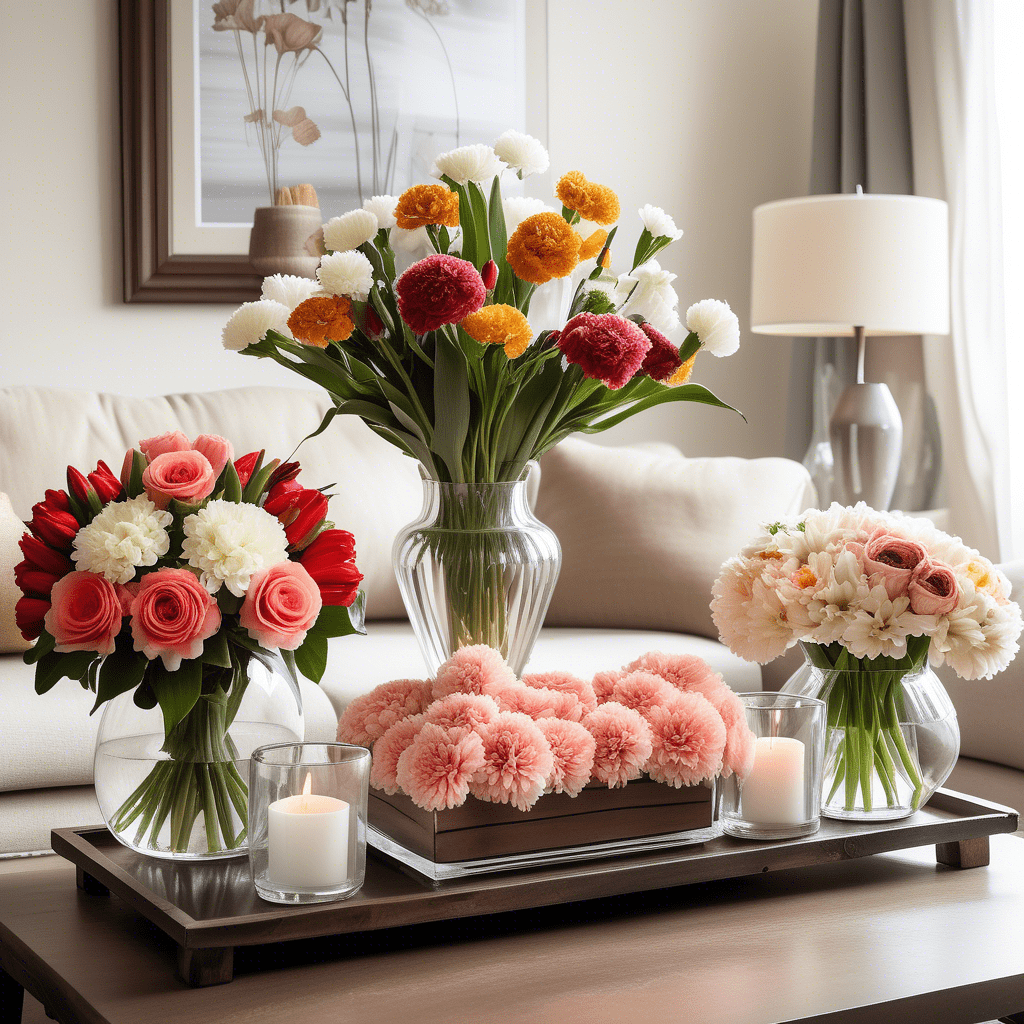
Roses
Description: Roses are one of the most beloved flowers in the world, renowned for their lush petals and captivating fragrance. They come in various types, each offering unique characteristics. Hybrid tea roses are cherished for their large blooms and elegant shape, making them a staple in formal arrangements. Garden roses, with their fuller heads and rich textures, exude a romantic charm and are perfect for creating lush bouquets. Spray roses, smaller and often more delicate, feature clusters of blooms on a single stem and are ideal for adding volume and variety to arrangements. Roses are available in a vast array of colors, including classic reds, soft pinks, pure whites, and striking yellows, allowing floral designers to select the perfect shade to complement any theme.
Popular Uses: Roses are synonymous with romance, making them a top choice for wedding bouquets and arrangements. Their vibrant hues and delightful scents evoke deeply emotional responses, adding a touch of love and joy to any occasion. In wedding decor, roses can be used in everything from bridal bouquets to centerpieces, contributing to an atmosphere of elegance and beauty. Furthermore, they are commonly featured in anniversaries and special celebrations, often given as gifts to express love and appreciation.
Design Tips: When incorporating roses into arrangements, consider using them as focal points due to their striking size and vivid colors. Place larger blooms at the center of your design to draw the eye and surround them with complementary flowers like carnations or chrysanthemums to create balance. Varying the heights of the roses can add depth to arrangements, while grouping them in clusters can enhance their visual impact. Additionally, experimenting with contrasting greens, such as eucalyptus or ferns, can highlight the beauty of roses and elevate the overall aesthetic of your floral displays.

Carnations
Description: Carnations are celebrated for their remarkable durability and versatility, making them a favorite among floral enthusiasts. These blooms come in a wide range of colors, from vibrant reds and pinks to soft pastels and crisp whites, allowing for endless creative possibilities in floral design. Their affordability further enhances their appeal, making them an accessible option for both casual and formal arrangements. Known for their frilled petals and long-lasting freshness, carnations can hold up beautifully in various environments, ensuring that arrangements maintain their charm for an extended period.
Popular Uses: Carnations are commonly utilized in a variety of floral displays, including mixed arrangements, boutonnieres, and funeral sprays. Their ability to blend seamlessly with other flowers makes them an excellent choice for filling out bouquets and adding depth to compositions. For weddings, bright bouquets with carnations can complement the theme, while in memorial arrangements, their gentle hues convey sentiments of love and remembrance.
Design Tips: When designing with carnations, consider using them as filler flowers to add texture and volume to your arrangements. Grouping them in clusters can create a delightful effect, while alternating the heights of carnations can enhance the visual interest of the design. Their sturdy stems allow for creative positioning, so don’t hesitate to experiment with angles and placements to achieve a balanced and dynamic look. Incorporating contrasting greenery, such as Ruscus or leatherleaf, can further highlight the beauty of carnations and elevate your floral displays.
Chrysanthemums (Mums)
Description: Chrysanthemums, commonly known as mums, are cherished for their incredible variety and adaptability in floral design. They come in several forms, including pompon, spider, and cushion varieties, each offering distinct shapes and sizes. Pompon mums are round and compact, creating a lovely sphere that adds a playful touch to arrangements. Spider mums, with their long, thin petals resembling spindly legs, introduce a unique visual texture. Cushion mums feature flat blooms resembling cushions, providing a fuller appearance and making them a popular choice in many displays. This diversity allows for creative combinations, making them a staple in the florist’s toolkit.
Popular Uses: Mums are particularly favored for seasonal arrangements, especially in the fall, where their warm hues complement autumnal themes beautifully. Their robust blooms hold up well in mixed bouquets, making them an excellent choice for weddings, harvest celebrations, and Thanksgiving decorations. Whether used alone or combined with other seasonal flowers, chrysanthemums bring a vibrant and cheerful vibe to floral designs.
Design Tips: When designing with mums, consider using them to create dynamic visual interest by varying shapes and colors throughout your arrangement. Grouping different types of mums together can enhance the texture, while their rounded forms can be strategically placed to fill gaps in bouquets. Experiment with contrasting flower varieties, such as roses or lilies, to create a stunning balance. Additionally, incorporating lush greenery can help to accentuate the blooms’ colors, ensuring your floral compositions are eye-catching and harmonious.
Lilies
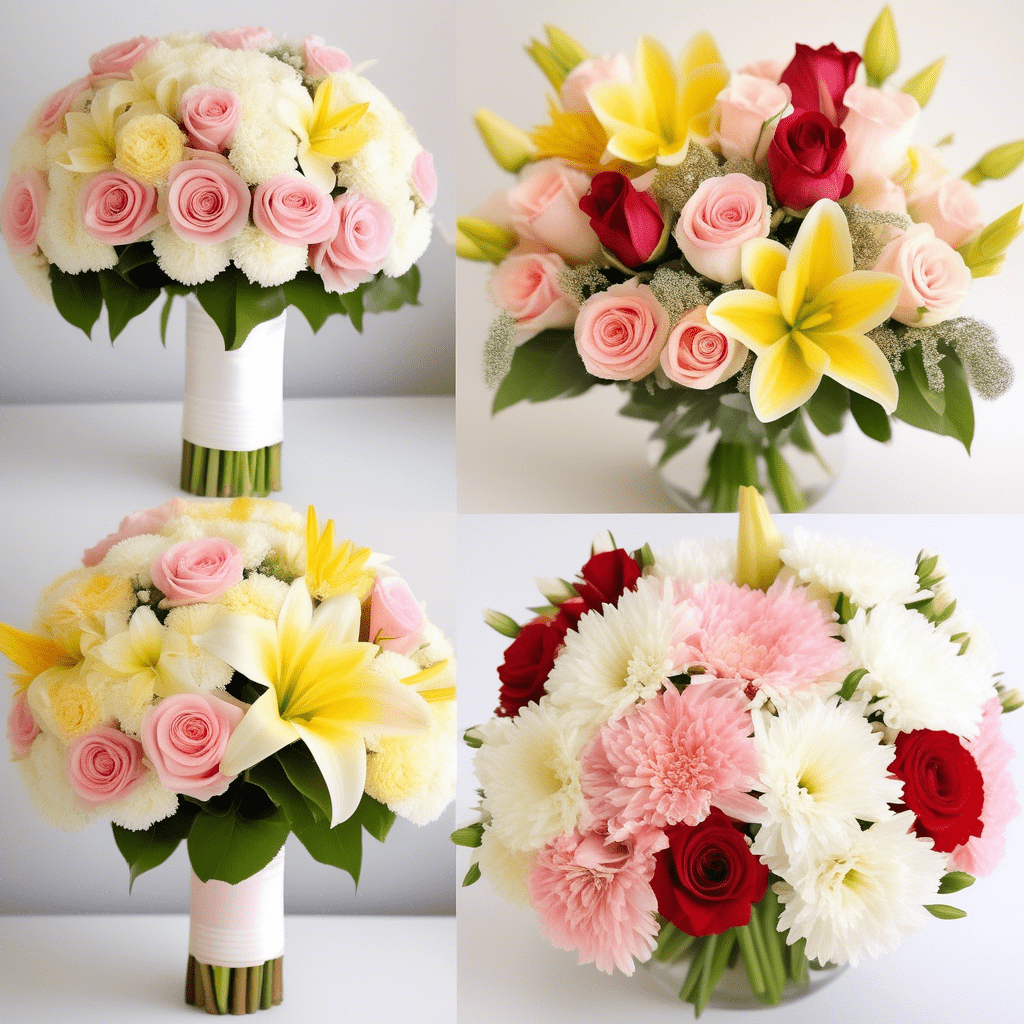
Description: Lilies, renowned for their striking appearance and captivating fragrance, are divided primarily into two categories: Oriental and Asiatic lilies. Oriental lilies are celebrated for their large, bold blooms and intoxicating scents that can fill a room with sweetness. Their wide-open petals showcase vivid hues ranging from white and pink to deep reds, creating a stunning visual impact. Asiatic lilies, on the other hand, are characterized by their more compact form and lack of fragrance, making them an excellent choice for those who prefer a less aromatic option. Their vibrant, cheerful colors add a lively touch to any arrangement, making them a versatile addition to floral designs.
Popular Uses: Lilies are a popular choice for various occasions, including wedding bouquets, where they lend an air of elegance and sophistication. Their large blooms can make a strong statement in sympathy arrangements, conveying heartfelt sentiments with grace. Additionally, they are frequently utilized in elegant table centerpieces, offering height and visual interest that complements other floral elements beautifully.
Design Tips: To maximize the impact of lilies in floral arrangements, position them strategically among other flowers. Placing lilies at varying heights can create a sense of movement and depth while ensuring they do not overshadow more delicate blooms. It’s essential to balance the boldness of lilies with softer flowers, such as roses or daisies, to maintain harmony within the design. Be mindful of the arrangement’s overall scent, especially with fragrant Oriental lilies, and consider using them in combination with non-scented varieties to ensure all elements shine without overpowering each other.
Tulips
Description: Tulips are celebrated for their simple yet elegant structure, showcasing smooth, curvilinear petals that open wide to reveal their inner beauty. They come in an impressive array of vibrant colors, from rich purples and reds to soft pinks and yellows, making them an ideal choice for multiplying themes in floral arrangements. Their streamlined shape and robust stems contribute to a clean and contemporary aesthetic that appeals to many floral enthusiasts.
Popular Uses: Tulips are particularly popular in spring arrangements, where they symbolize renewal and beauty. Their minimalist elegance makes them a favorite for creating understated bouquets, allowing their vivid colors to take center stage. Additionally, they blend beautifully in mixed flower displays, adding a touch of sophistication to any floral composition.
Design Tips: When designing with tulips, consider pairing them with other flowers that complement their simplicity and enhance their visual appeal. Flowers such as hyacinths and daffodils can create a harmonious spring palette, while incorporating greenery like eucalyptus or fern can add texture and contrast. To maintain balance, avoid overcrowding the arrangement; instead, let the tulips shine by placing them strategically throughout the design.
Essential Tools and Materials for Creating Floral Arrangements
To craft beautiful floral arrangements, having the right tools and materials is essential. Below is a list of the necessary items:
- Flower shears or scissors
- Floral foam or flower frogs
- Vases or floral containers
- Floral tape and wire
- Flower food and water
- Decorative elements (ribbons, stones, beads)
Creating a beautiful floral arrangement begins with a well-organized workspace. Ensure that your area is clean and clutter-free to allow for smooth and efficient movement as you work. Adequate lighting is essential, so make sure your workspace is bright enough to see the true colors and details of the flowers. Keep all your tools and materials within easy reach, including shears, floral foam, and vases, to minimize interruptions. Additionally, having a water source nearby is important for filling vases and hydrating flowers, ensuring they remain fresh and vibrant throughout the arranging process. A tidy and accessible workspace sets the foundation for your creative flow and enhances the overall experience of floral design.
Step-by-Step Guide to Creating Stunning Floral Arrangements
Step 1: Plan Your Arrangement
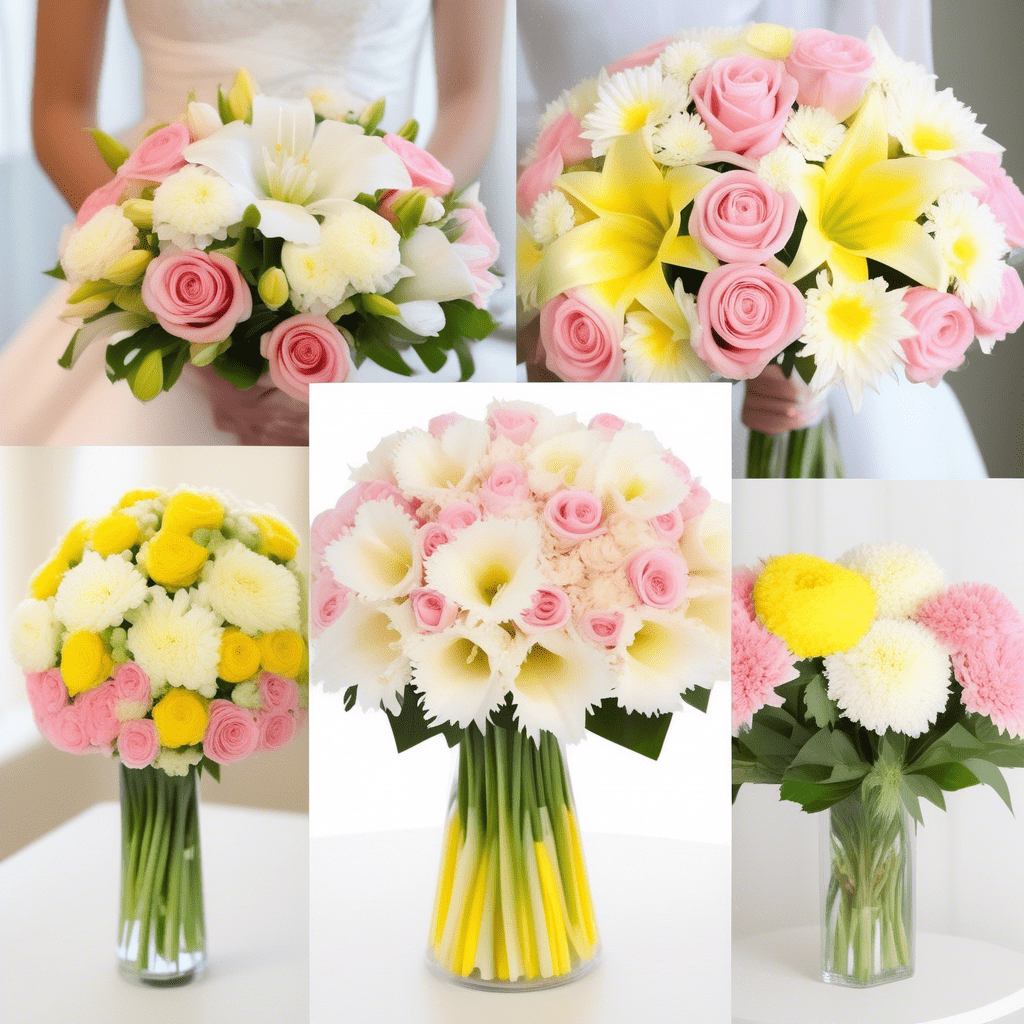
Determine the Occasion: The first step in creating a beautiful floral arrangement is to clearly define its purpose. Whether it’s for a wedding centerpiece, a thoughtful gift bouquet, or to enhance your home décor, understanding the occasion will guide your design choices and the overall aesthetic.
Choose a Color Scheme: Selecting a harmonious color palette is crucial. Consider the emotions you want to evoke and the theme of the event. For weddings, soft pastel colors tend to create a romantic atmosphere, while bright, bold hues can energize celebrations like birthdays or anniversaries. Aim for colors that complement one another to ensure a cohesive look.
Decide on a Style: The style of your arrangement can greatly influence its impact. Decide whether you want a structured, formal arrangement, which often features precise lines and symmetry, or a loose, garden-style design that embraces a more natural and organic feel. The chosen style should align with the occasion and the overall vibe you wish to convey.
Step 2: Prepare Your Flowers
Hydrate the Flowers: Begin by trimming the stems of your flowers at a 45-degree angle under running water. This technique prevents air bubbles from forming in the stems, which can hinder water absorption and lead to wilting. Ensuring that each stem is cut fresh allows for maximum hydration, keeping your arrangement vibrant for longer.
Remove Excess Foliage: Next, carefully strip any leaves that would fall below the water line when placed in a vase. Removing these leaves is crucial as they can decay in the water, leading to bacterial growth that ultimately shortens the lifespan of your flowers.
Condition the Flowers: Once trimmed and cleaned, place the flowers in lukewarm water mixed with flower food. Allow them to hydrate for a few hours before arranging. This conditioning process helps them to adapt to their new environment and promotes optimal health, ensuring your floral arrangement looks its best.

Step 3: Start with the Base of the Arrangement
Using Floral Foam or a Flower Frog: Begin by securing your floral foam or flower frog in the chosen container. If using floral foam, soak it in water until fully saturated, ensuring it provides adequate hydration for your flowers. The foam or frog acts as a sturdy base, holding flowers in place and facilitating easy manipulation as you design your arrangement.
Begin with Greenery: Create a foundational layer by incorporating greenery like eucalyptus, ferns, or other foliage. This greenery not only fills out the arrangement but also brings texture and depth to the design, setting the stage for the floral elements to follow.
Add Mums and Carnations: Once your greenery base is established, start with more durable flowers, such as mums and carnations. These robust blooms will provide a solid foundation for your arrangement, allowing you to build structure and add further layers of color and interest as you proceed with the design.
Step 4: Add Focal Flowers
Insert Roses and Lilies: Begin by introducing your larger, more eye-catching flowers, such as roses and lilies, into the arrangement. These blooms should be positioned strategically to create focal points that draw the eye and add visual interest. The contrasting textures and shapes of roses and lilies provide a dramatic impact that enhances the overall design.
Balance the Arrangement: As you add the roses and lilies, ensure they are evenly distributed throughout the arrangement. Avoid clustering them in one area, as this can create a lopsided look. Instead, intersperse these focal flowers within the existing structure of mums and carnations, keeping the composition harmonious and fluid.
Consider Height and Dimension: To elevate the arrangement further, vary the height of the roses and lilies. This approach creates a dynamic, multi-layered effect that adds depth and intrigue to your floral design. Taller flowers can be placed towards the back or center, while shorter stems should be used in the front for a balanced, visually appealing arrangement. Aim for a natural progression in height to give your design a lush, garden-like feel.
Step 5: Fill in with Accent Flowers
Add Tulips: Introduce tulips to your arrangement to provide vibrant bursts of color and fill in any gaps. Their graceful and elegant shape adds a softer, flowing aesthetic, enhancing the overall visual appeal of your design. Strategically place tulips among the larger focal flowers, allowing their hues to complement the existing blooms while adding a refreshing dimension to the arrangement.
Place Smaller Flowers and Buds: Complete your floral masterpiece by filling any remaining spaces with smaller flowers or buds, such as daisies, waxflowers, or baby’s breath. These delicate additions not only contribute to the overall texture but also create a sense of fullness, making the arrangement appear lush and abundant. Arrange them thoughtfully to ensure a balanced composition, enhancing the harmony of colors and shapes within your floral design. Integrating these accent flowers will elevate your arrangement, providing a finished look that captures attention and admiration.

Step 6: Final Touches and Finishing
Adjust Stems and Spacing: Step back and assess the overall look of the arrangement. This perspective allows you to identify any flowers that may be out of place or need repositioning. Gently adjust the stems to ensure a balanced and harmonious composition, taking care to maintain an organic flow throughout the arrangement.
Add Decorative Elements: To enhance your floral design, consider adding decorative touches such as ribbons, beads, or even a visually appealing vase. Ribbons can be tied around the base of the arrangement or draped artistically to create an elegant finish. Beads or other small accents can be integrated among the flowers for a touch of whimsy and glamour, elevating the overall aesthetic.
Ensure Proper Hydration: Finally, fill the container with fresh water mixed with flower food. This vital step ensures all stems are adequately submerged, promoting longevity and vibrancy in your arrangement. Regularly check water levels and replace it as needed to keep your flowers looking fresh and beautiful for days to come.
Design Tips and Inspiration for Different Occasions
Wedding Arrangements
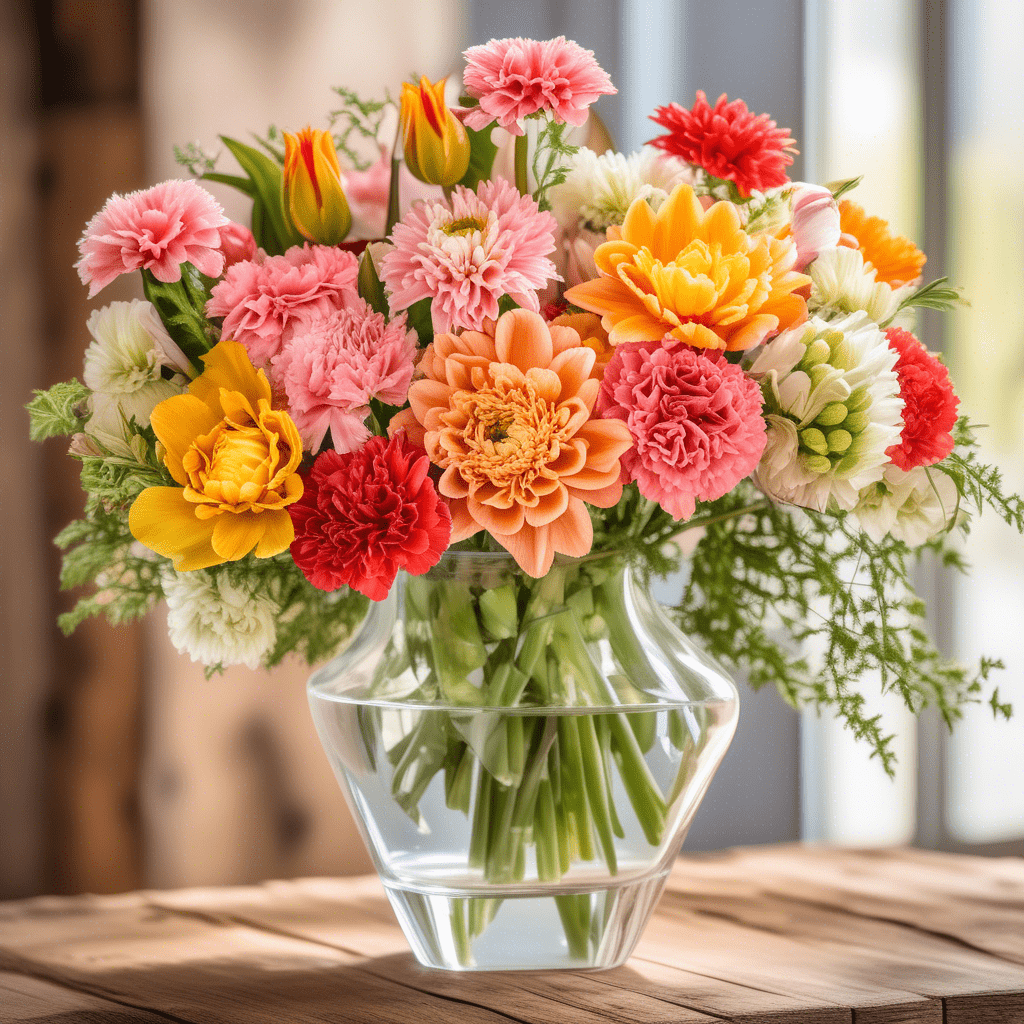
When designing wedding bouquets and centerpieces, roses and lilies offer a perfect blend of romance and elegance. Start by selecting soft pastel hues or classic white roses, pairing them with the striking beauty of lilies for a stunning contrast. Incorporate delicate greenery and smaller blooms to add texture and depth. Consider using cascading styles for bouquets to create a dramatic effect, while arrangements in elegant glass vases work beautifully as table centerpieces. Enhance these designs with ribbons or lace ribbons that match the wedding theme, adding a whimsical touch.
Home Decor
Seasonal arrangements featuring mums and carnations can transform your living space into a warm and inviting haven. Choose vibrant colors of mums, such as rich yellows and deep reds, to reflect the beauty of autumn, or soft pastels for springtime. Combine them with clusters of carnations in complementary shades to create lush, balanced arrangements. Place these creations in rustic containers, such as wooden boxes or vintage vases, and position them on mantels, dining tables, or entryways to welcome guests with a cheerful atmosphere.
Gifts
Creating personalized floral gifts using a mix of roses, lilies, mums, and carnations is an excellent way to express your sentiments. Start with a base of roses for their romantic association and intersperse lilies for elegance. Add bright, cheerful mums and soft, charming carnations for a touch of affection. Tailor your arrangement to reflect the recipient’s tastes, using their favorite colors or flowers. Present these lovely bouquets in uniquely shaped vases or wrapped in beautiful paper, making them perfect for birthdays, anniversaries, or any special occasion.
Events and Celebrations
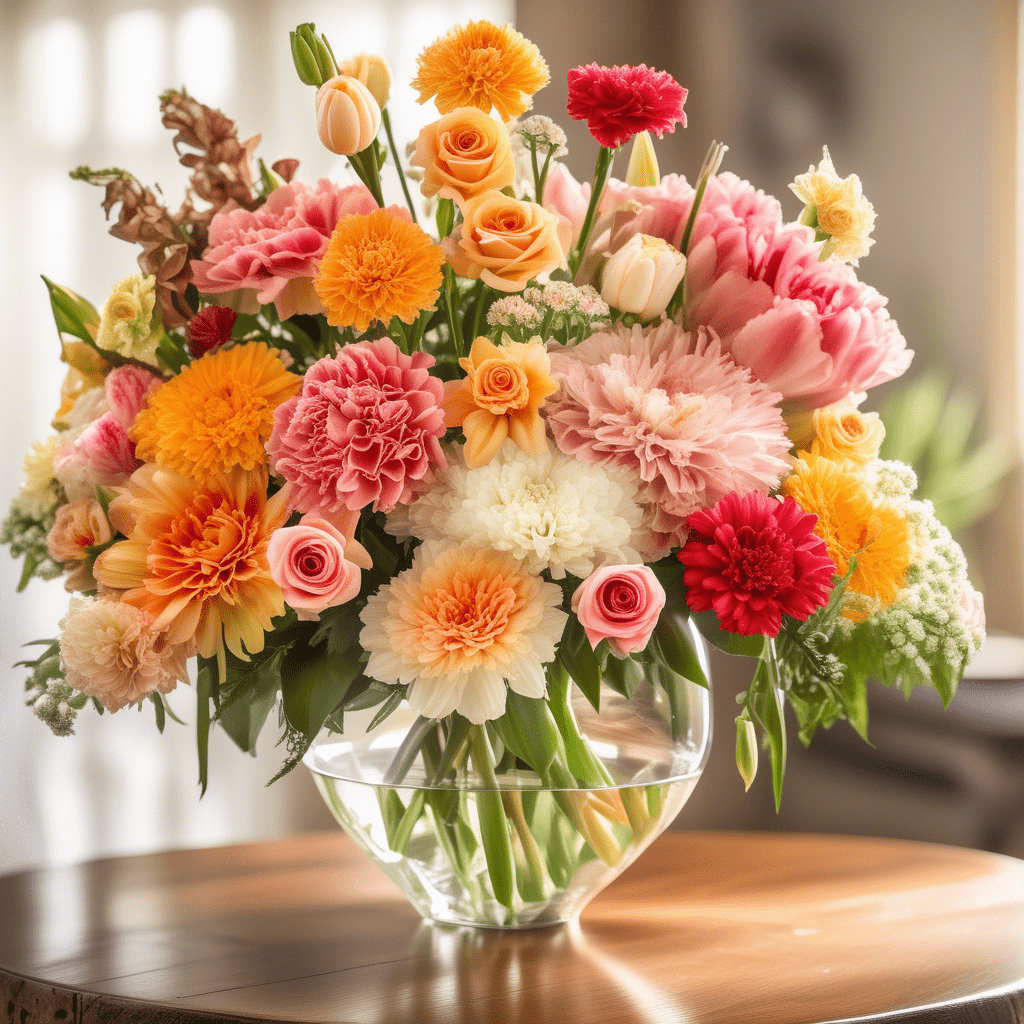
For vibrant and festive arrangements suitable for parties and gatherings, consider using a lively mix of all five flowers. Combining roses, lilies, mums, and carnations will create a dynamic and colorful display. Use bold, contrasting colors to grab attention and evoke a festive spirit. Group arrangements in clusters or create a long table runner for a dramatic table display. Add accents such as balloons or glitter to enhance the celebratory feel. These arrangements not only brighten the atmosphere but also serve as a delightful conversation starter for any event.
Tips for Maintaining Freshness and Longevity of Arrangements
Proper Hydration: Keeping flowers hydrated is crucial for their longevity and vibrancy. Flowers absorb water through their stems, so it’s essential to ensure they are always adequately hydrated. Replace the water in your arrangement every two to three days to reduce bacteria buildup and maintain freshness. When changing the water, gently remove the flowers, clean the container, and refill it with fresh water mixed with an appropriate amount of flower food. This nutrient-rich solution provides essential minerals that help nourish the flowers, extending their lifespan and maintaining their beauty.
Avoiding Direct Sunlight and Heat: To maximize the lifespan of your floral arrangements, store them in a cool location away from direct sunlight, heat sources, and drafts. Exposure to these elements can cause flowers to wilt and fade more quickly. Ideal placements include shaded areas or rooms with stable temperatures. If possible, refrigerating arrangements for a few hours can also help preserve their freshness, especially during warmer months.
Regular Pruning and Maintenance: Regularly check your arrangement for wilted flowers or leaves and promptly remove them to prevent them from affecting the health of the remaining blooms. Re-trimming the stems at a 45-degree angle can enhance water absorption, allowing flowers to draw in the moisture they need. This simple maintenance task, combined with keeping the water fresh, will ensure that your floral arrangements continue to look vibrant and lively for days on end.
In this blog, we explored several essential aspects of floral design. First, we delved into understanding the flowers, highlighting the unique characteristics and aesthetics of roses, lilies, mums, and carnations, which can be used to achieve various moods and themes in arrangements. Next, we identified the tools needed for creating stunning arrangements, emphasizing the importance of having the right set of supplies to enhance the creative process.
We then outlined a comprehensive step-by-step arrangement process that guides you from evaluating and preparing your flowers to the finishing touches that elevate your design. Lastly, we provided specific tips for different occasions, including wedding arrangements, home decor, personalized gifts, and festive events, ensuring that your floral creations are not only beautiful but also fitting for their intended purpose. By following these guidelines, anyone can enhance their floral design skills and create arrangements that leave a lasting impression.
Creating your own floral arrangements can be a rewarding and enjoyable experience, allowing you to express your creativity while brightening up any space or occasion. We encourage you to try applying the tips outlined in this blog and experiment with various flower combinations and styles. Don’t hesitate to mix traditional blooms with unique varieties to discover stunning contrasts and vibrant palettes that reflect your personality or the theme of your event. For those looking to source high-quality flowers for your arrangements, Whole Blossoms is your go-to destination for bulk flowers. Their extensive selection ensures you’ll find the perfect blooms to bring your floral visions to life. Happy arranging!