


 by
by 
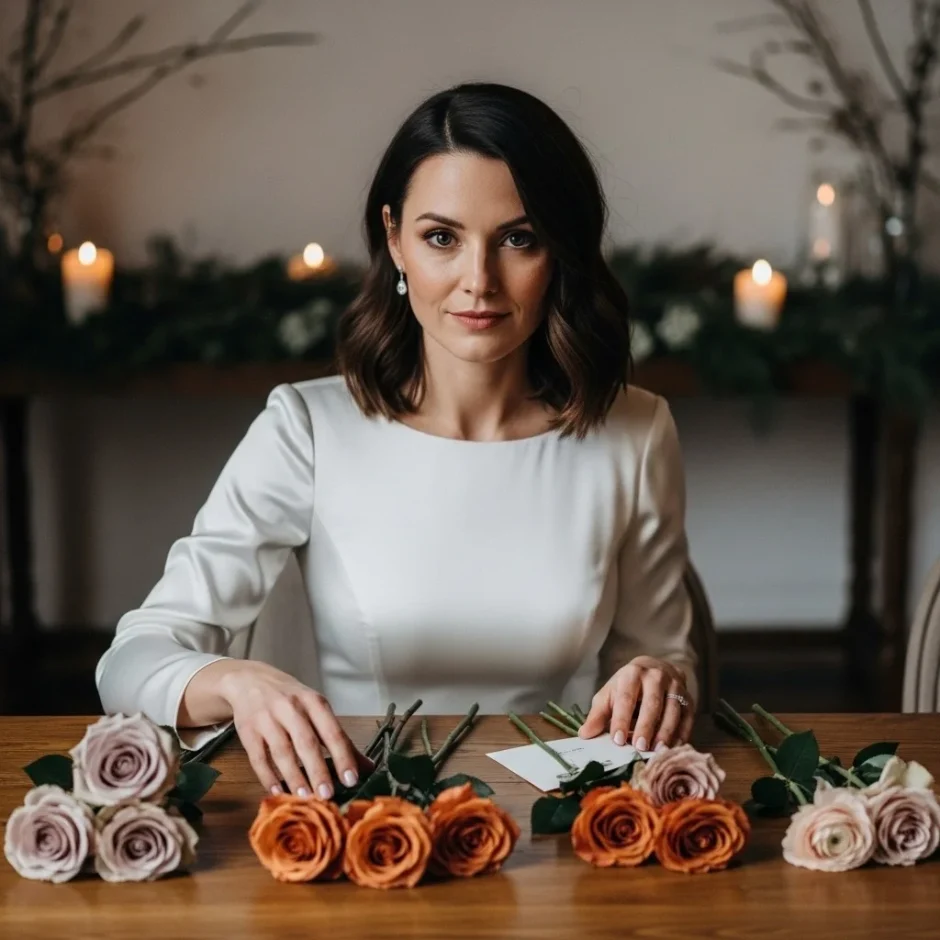
Winter weddings have always held a magical allure, with their cozy charm and stunning seasonal backdrops. But in the fast-paced, detail-driven world of modern wedding planning, brides are starting their research earlier than ever—sometimes a year or more in advance. This trend is especially noticeable when it comes to selecting color palettes. For those planning their 2026 winter nuptials, decision-making begins in late 2024 to early 2025, when they start gathering inspiration and locking in key design elements. With supply chain timelines extended and high demand for popular décor trends, early preparation has become a necessity, rather than just a preference.
Among the most requested palettes for winter wedding colors in 2025 are Dusty Rose, Terracotta, and a variety of fresh neutrals. These hues are captivating brides with their perfect balance of warmth, romance, and modern sophistication. Dusty Rose wedding flowers add an ethereal, soft touch to bouquets and centerpieces, while Terracotta wedding palettes evoke both boldness and an earthy elegance. Complementing these are the “new neutrals,” which incorporate shades like warm taupes, greiges, and muted blushes, creating a versatile base to pair with any seasonal design.
This guide blends insights into the latest trends with practical tips for using these on-trend palettes to elevate your winter wedding theme. Whether you’re envisioning intimate candlelit receptions or sweeping snow-covered settings, these colors promise timeless beauty while keeping your wedding day fresh and contemporary.
Part 1 – Why Dusty Rose Is Still One of the Most Requested Winter Wedding Colors
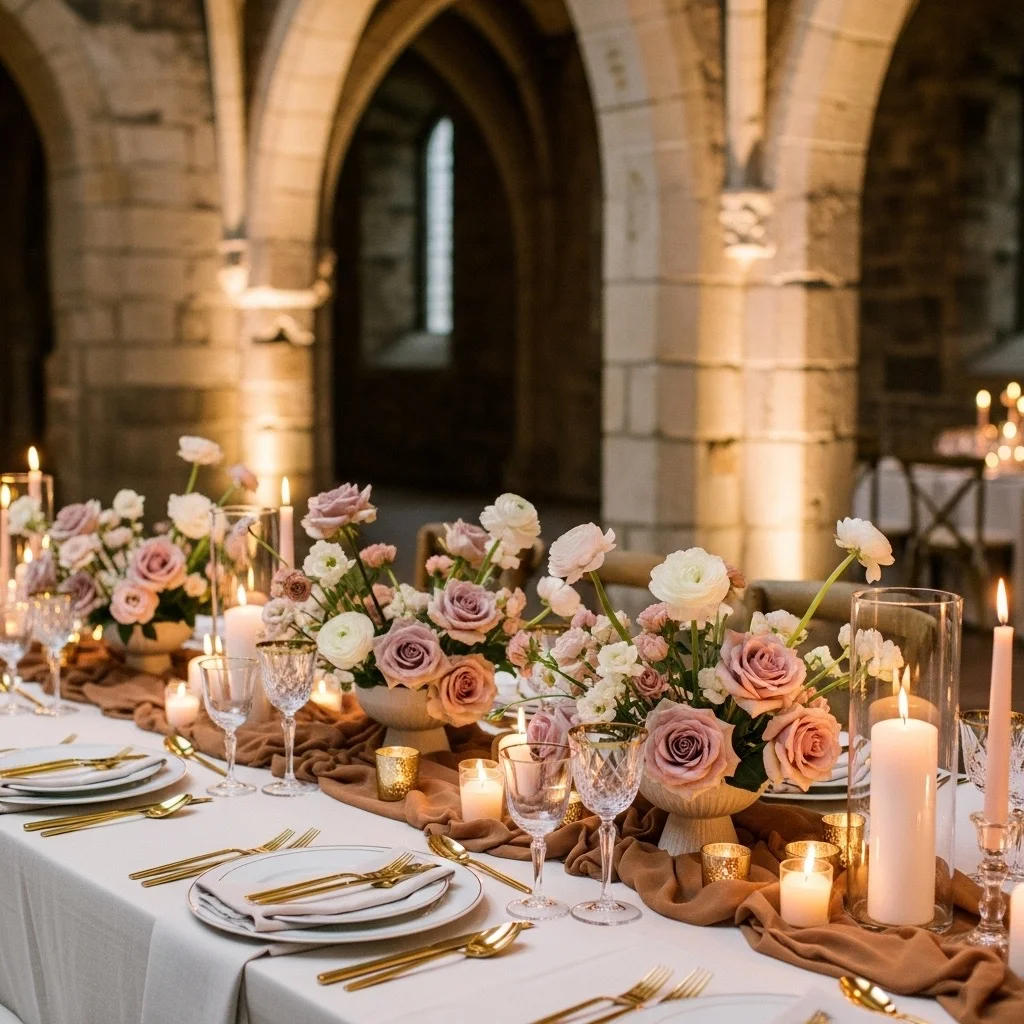
Dusty Rose continues to captivate the hearts of winter brides and grooms for its undeniable emotional appeal. This romantic hue, with its soft and muted tones, exudes warmth and tenderness, making it a perfect choice for balancing the often stark and chilly ambiance of the winter season. Dusty Rose evokes feelings of nostalgia and timeless elegance, offering a comforting presence amidst crisp landscapes and frosted backdrops. Its subtle sophistication ensures it complements nearly any design aesthetic, from ethereal bohemian weddings to refined classic affairs.
One reason Dusty Rose remains a sought-after winter wedding color is its ability to soften cold-season venues. Winter settings, whether rustic barns or grand ballrooms, can sometimes feel stark with their natural tones and minimal greenery. Incorporating Dusty Rose into floral arrangements, table settings, and accent pieces introduces a floral warmth that transforms the space into an inviting haven. Pairing Dusty Rose with elements like natural wood, soft whites, or golden metallics creates a harmonious palette that reflects both the beauty of winter and the warmth of love.
When it comes to blooms, Dusty Rose is a versatile choice that works with a variety of flowers to achieve a dreamy palette. Popular blooms in this shade include Dusty Rose Roses, celebrated for their classic and romantic appeal, and Blush Garden Roses, known for their lush, petal-heavy appearance. Ranunculus flowers add texture and dimension with their layered petals, while Spray Roses, in their dainty clusters, provide a charming and delicate touch to arrangements. Together, these flowers create bouquets, centerpieces, and installations that are rich in texture and depth.
Dusty Rose effortlessly bridges the gap between warmth and coolness, nostalgia and modernity, making it a perennial favorite for winter weddings. From intimate elopements to grand celebrations, this color continues to bring a sense of romance and sophistication to venues of all kinds.
Part 2 – Terracotta’s Rise: Why Earthy Warmth Works So Well for Winter Weddings
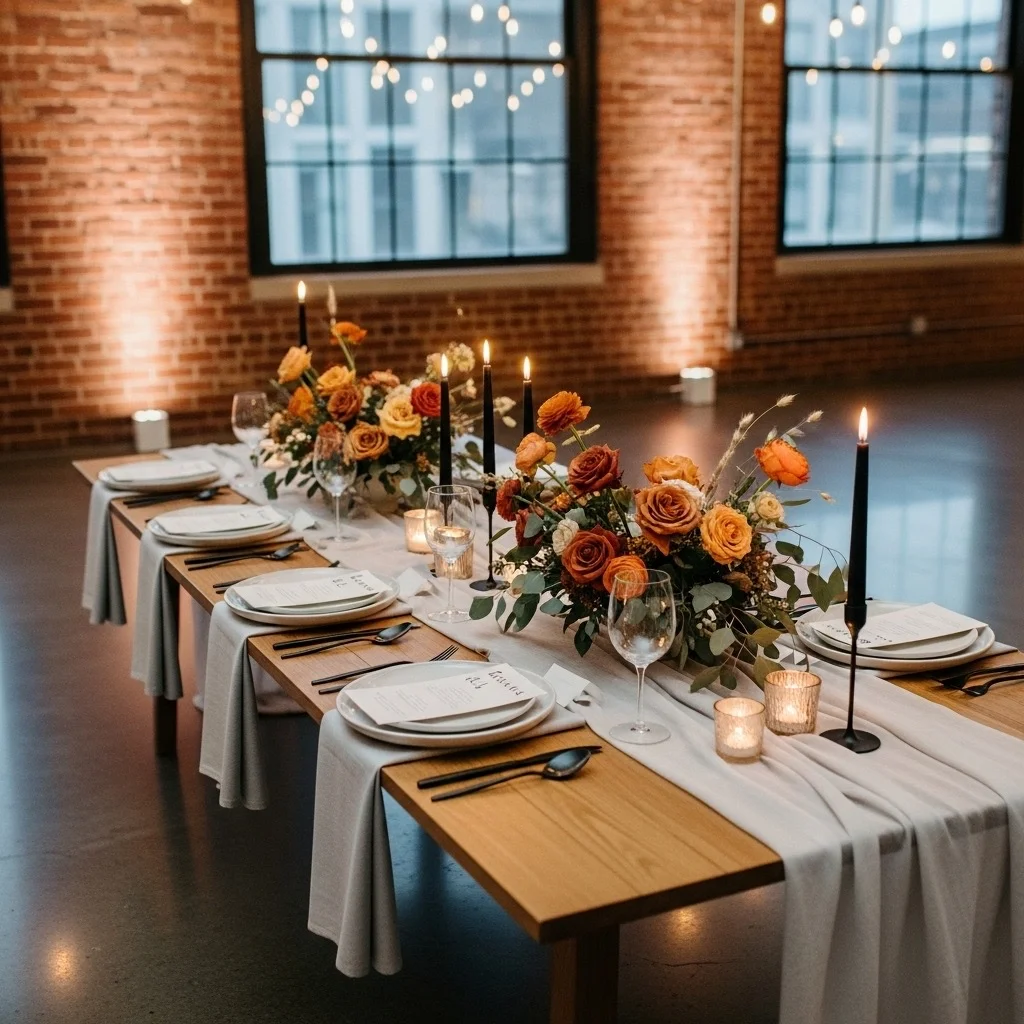
Terracotta has swiftly risen as a favored palette for winter weddings, bringing an earthy warmth that beautifully balances the season’s inherently cool tones. Its rich, orange-brown hue adds a grounding element to any color scheme, harmonizing seamlessly with other winter hues like icy blues, muted greens, or soft neutrals. Where winter often evokes a chill with silvered landscapes and frosty light, terracotta provides a luxurious contrast, adding depth and an inviting quality to wedding aesthetics without overpowering the serene seasonal vibe. This balance is why terracotta works so effortlessly to create an intimate yet stylish atmosphere.
One of the reasons terracotta is so versatile is its compatibility with diverse venues. For lofts or urban spaces, the warm vibrancy of terracotta softens industrial elements like exposed brick and steel beams, creating a harmonious fusion of modernity and warmth. Barns and rustic settings, with their expansive wood tones and cozy charm, find a natural partner in this hue, as it enhances the organic textures and brings cohesion to the décor. At historic venues, where old-world elegance often takes center stage, terracotta injects a contemporary twist while respecting the rich character of the setting. Meanwhile, in sleek, modern spaces characterized by minimalist designs and clean lines, terracotta offers a pop of earthy depth, providing a refined contrast that prevents the space from feeling too stark.
Flowers play a key role in highlighting terracotta’s beauty. Terracotta Roses, with their sun-kissed tones, anchor floral arrangements and evoke timeless elegance. Toffee Roses and Cappuccino Roses add subtle caramel and cream hues, lending softness and an air of sophistication. Burnt Orange Ranunculus, with their vibrant yet nuanced shades, inject energy and dimension to bouquets. These blooms collectively create stunning arrangements that perfectly complement the terracotta palette, infusing warmth and texture into every floral design.
The enduring appeal of terracotta lies in its ability to feel both modern and timeless. It’s a color that adapts to trends while remaining grounded in nature, making it a forever-stylish choice for couples seeking a cozy, elegant atmosphere for their winter celebrations.
Part 3 – The New Neutrals: What Brides Mean When They Ask for “Soft, Warm, Modern”
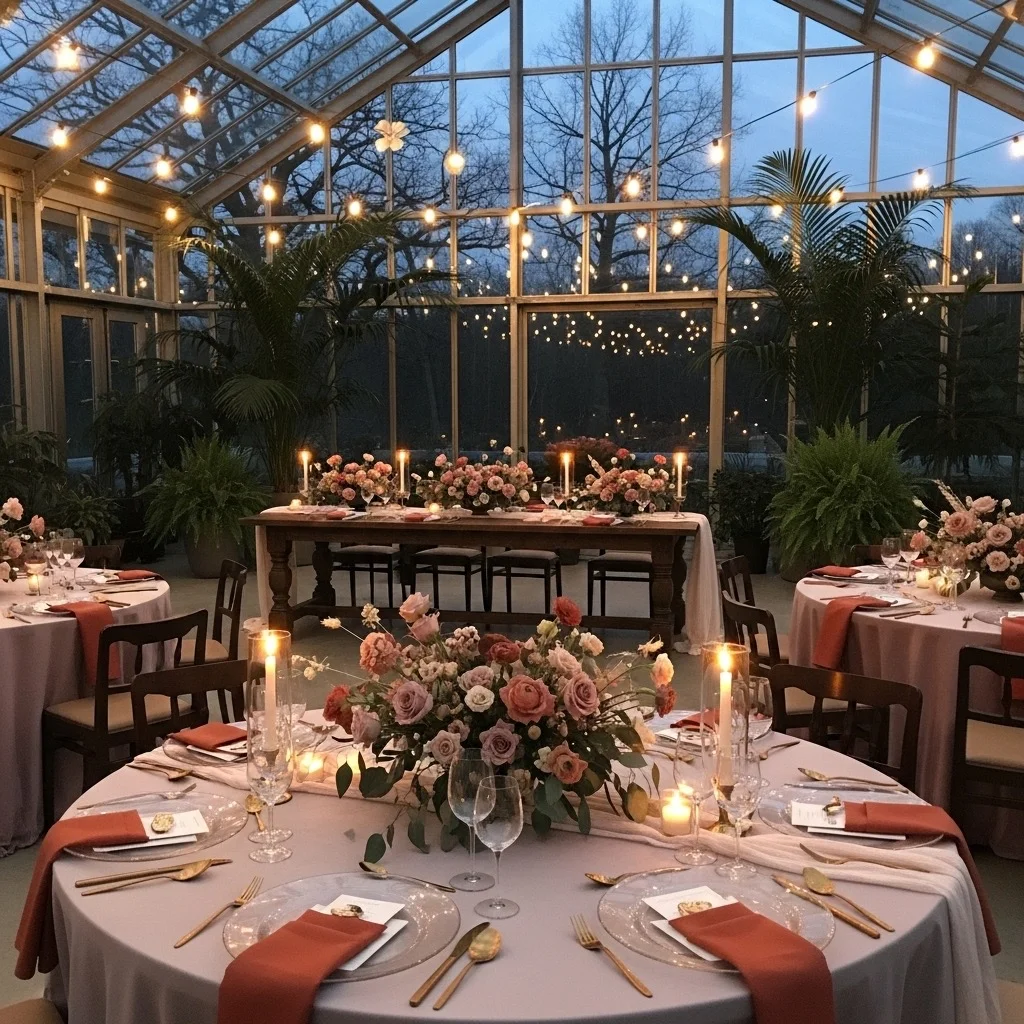
The concept of “new neutrals” has taken the world of winter weddings by storm, offering a palette that feels effortless yet sophisticated. When brides request a “soft, warm, modern” aesthetic, they’re envisioning a spectrum of understated shades that exude elegance without overshadowing other design elements. These tones include sand, taupe, mushroom, champagne, and soft mocha—colors that feel earthy yet refined, bringing a sense of balanced warmth to winter celebrations.
What makes these new neutrals especially appealing for winter weddings is how beautifully they photograph in the season’s distinctive light. Soft, diffused winter daylight enhances the depth and subtle variations within these tones, creating imagery that feels luminous and romantic. Unlike bolder hues, which can sometimes clash with muted seasonal lighting, these shades harmonize perfectly, allowing the couple and their surroundings to be the focal point of each shot. Whether captured in front of a snow-dusted landscape or inside a candlelit venue, the new neutrals add a timeless quality to wedding photography.
To elevate this neutral palette, florals play a crucial role in maintaining the desired softness and warmth. Classic ivory roses are a perfect staple, offering their creamy tones and romantic form to match the elegance of the palette. White ranunculus adds layers of delicate texture while maintaining a subtle allure, while lisianthus brings an airy, almost whimsical touch to the arrangements. Cream garden roses, with their full and luxurious appearance, make an excellent anchor flower, tying together the bouquet with a sense of understated opulence. Together, these blooms complement the new neutrals flawlessly, creating floral designs that feel modern yet grounded.
For brides seeking a cohesive and stylish look, pairing sand, taupe, mushroom, champagne, and soft mocha with thoughtfully selected florals achieves a harmonious balance. The result is an aesthetic that feels warm and inviting yet undeniably chic—perfect for celebrating love during the winter months. By blending these new neutrals with expert design elements, brides can craft a wedding day atmosphere that is both meaningful and visually captivating, leaving a lasting impression on every guest.

Part 4 – How Designers Combine Dusty Rose, Terracotta, and Neutrals in One Palette
Modern winter palettes have evolved into a stunning blend of Dusty Rose, Terracotta, and nuanced neutrals, creating a sophisticated and contemporary aesthetic that feels warm and timeless. By integrating these tones, designers offer couples a fresh interpretation of elegance with a twist of earthy charm. However, achieving the perfect balance requires intentionality and a strong understanding of color theory.
A key strategy in creating a cohesive palette is selecting one dominant color, one supporting color, and one grounding neutral tone. For instance, Dusty Rose often serves as the dominant hue, celebrated for its romantic and soft qualities. Dusty Rose can be featured prominently in bridesmaid dresses, floral arrangements, or even table linens, enveloping the space in subtle warmth without overwhelming the overall aesthetic. It sets a gently feminine tone, which is versatile yet undeniably chic.
Complementing Dusty Rose, Terracotta becomes the supporting color in this palette. Terracotta brings a rich, earthy depth to the mix, adding vibrancy without clashing with the subdued elegance of Dusty Rose. Designers often incorporate Terracotta through accent elements like ceramic décor, smaller floral installations, or details such as ribbons and personalized stationery. Its warm undertones echo natural textures, fostering a connection to the season’s organic beauty.
Finally, grounding neutrals, such as creamy beige, soft taupe, or velvety mushroom, provide the foundation for the color story. These restrained and versatile tones prevent the palette from feeling too busy or chaotic by stabilizing the contrasting warmth of Dusty Rose and Terracotta. Neutrals can be integrated seamlessly into furniture pieces like dining chairs, table settings, or overall venue décor as a cohesive backdrop. This allows the other colors to stand out while maintaining harmony and elegance.
When building a palette of Dusty Rose, Terracotta, and neutrals, balance is essential. Placing emphasis on a single dominant color avoids visual competition, while carefully utilizing secondary tones adds character and depth. Grounding neutrals mitigate bounce and hold the palette together, providing a clean and polished finish. This thoughtful combination feels intentional, not accidental, ensuring brides feel confident in their choices while creating an atmosphere that is both captivating and memorable.
By educating brides on these foundational design principles, designers reduce decision-making stress while fostering trust and creativity. An expertly curated palette not only reflects the couple’s personal style but also transforms their special day into a celebration of beauty, warmth, and enduring love with colors that perfectly complement each other.

Part 5 – Best Winter Flowers for These 2025 Wedding Color Trends
Winter weddings in 2025 are showcasing a stunning array of color trends, and choosing the perfect flowers ensures these palettes come to life with elegance. Selecting winter-friendly blooms is essential to achieving both durability and beauty during the season. Below, we explore high-performing flowers by color group that work seamlessly within these trends.
Warm Tones (Reds, Pinks, and Oranges)
- Roses: Classic and versatile, roses are a timeless choice for winter weddings. Their velvety petals and range of shades from deep crimson to blush pink make them a perfect match for warm-toned palettes.
- Spray Roses: These smaller, cluster-forming roses add texture and softness. Their ability to complement both bold arrangements and delicate accents makes them ideal for layering warm tones.
- Ranunculus: Known for their lush, multi-petaled appearance, ranunculus flowers bring an air of romance. Their array of fiery reds, coral pinks, and golden oranges makes them a standout winter favorite.
Cool Tones (Blues, Purples, and Whites)
- Lisianthus: With their delicate, rose-like blooms and availability in soft lavenders, deep purples, and pristine whites, lisianthus perfectly captures the cool serenity of winter landscapes.
- Roses (again): Pure white roses shine in cool-toned palettes, offering crisp elegance. For added drama, icy blue or lavender-tinted roses can be incorporated to enhance the spectrum.
- Carnations: Hardy and long-lasting, carnations come in an impressive variety of shades. Their ruffled petals beautifully soften arrangements in icy blues and purples.
Neutral Tones (Beiges, Whites, and Earthy Greens)
- Roses and Ranunculus dominate here, often paired with seasonal greenery for a fresh, organic feel. Beige roses and cream ranunculus blend beautifully with earthy palettes, making them staples in muted, modern designs.
- Spray Roses work well in neutral arrangements, adding interest with their clustered blooms without overwhelming the simplicity of beige or white tones.
Roses and ranunculus are powerhouses in winter wedding designs due to their year-round availability, variety of shades, and ability to hold up well in cooler temperatures. Their luxurious appearances mean they deliver on both style and practicality, making them the top choices for couples aiming to create breathtaking floral arrangements.
While these flowers are perennial favorites, don’t hesitate to explore beyond the usual to personalize your arrangements. Spray roses, carnations, and lisianthus offer unique textures and shapes that add depth and variety to bouquets and displays. With thoughtful layering and creative pairings, your wedding colors will radiate warmth, elegance, and individuality.
Part 6 – Why These Color Trends Perform Better Than Bright or Seasonal Reds
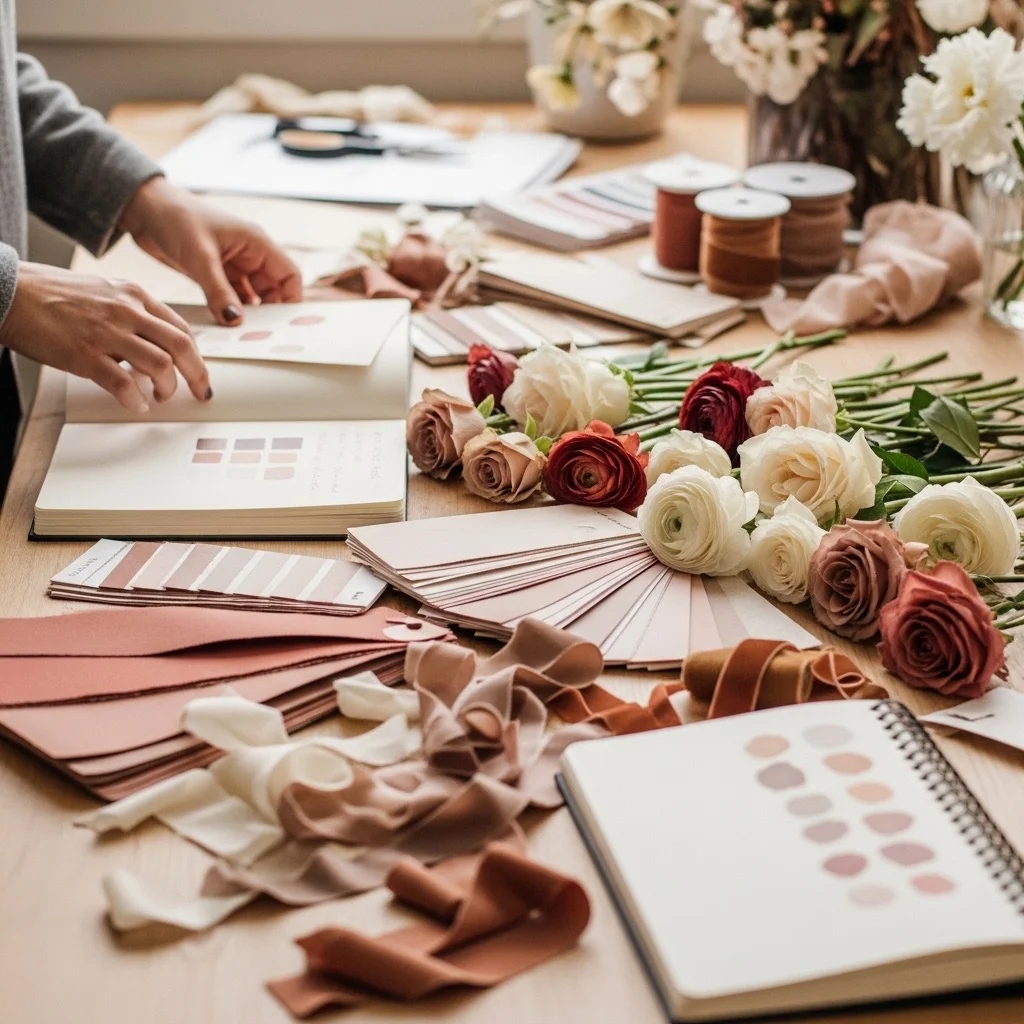
When it comes to wedding color palettes, brides are increasingly steering away from overly seasonal or bold shades like bright reds, which can sometimes feel limiting or too tied to a specific time of year. Seasonal colors, while vibrant, can date the décor and photographs, firmly associating them with a particular month or holiday. Dusty rose, terracotta, and neutral tones offer something timeless, transcending trends and seasons. These muted hues complement a broader variety of settings and styles, from rustic-chic outdoor venues to elegant ballroom receptions, ensuring they remain relevant for years to come.
One of the most significant considerations for modern brides is the longevity of their wedding photos. Weddings are a once-in-a-lifetime event, and the photographs often represent cherished memories for generations. Bold, seasonal colors can sometimes overpower the beauty of the moment, or feel dated as trends shift. Subtle and adaptable tones like dusty rose and terracotta, on the other hand, provide a softer, more neutral background that lets the couple and their love story take center stage. These colors age gracefully, creating timeless visuals that feel classic even decades later.
Additionally, choosing muted tones strikes the perfect balance between safe and sophisticated. While these colors are understated, they are far from boring. Dusty rose exudes romance, terracotta carries warmth and depth, and neutrals evoke understated elegance. These shades allow brides to layer textures, play with lighting, and incorporate accent colors for added interest without straying into overwhelming or mismatched territory. For couples aiming to curate a refined, enduring aesthetic, these softer tones remain a smart, elevated choice, perfectly blending personalization with timeless appeal.
Part 7 – Common Mistakes Brides Make With Winter Wedding Color Palettes
Designing the perfect winter wedding color palette can be a delicate balance, and there are a few common mistakes brides make during the planning process. By avoiding these pitfalls, couples can ensure their aesthetic feels cohesive and harmonious.
Overusing One Color
While it’s tempting to lean heavily on a favorite color, overusing a single hue can make the décor feel monotone and flat. Instead, aim for balance by pairing your core color with complementary shades or neutrals that enhance the overall look without overpowering the space. For instance, if you’re drawn to deep burgundy, consider offsetting it with soft blush, ivory, or even a touch of gold to add depth and dimension.
Choosing Shades That Clash With Winter Lighting
Winter weddings often feature dimmer, cooler lighting, especially during evening celebrations. Bright, summery colors or overly saturated tones can clash with the natural ambiance and feel disconnected from the season. Brides should consider how colors will appear under soft candlelight, string lights, or the muted winter sun. Softer shades, like frosty blues or muted greens, tend to harmonize well with the season’s natural lighting conditions.
Ignoring Flower Availability
One of the most overlooked aspects of color palette planning is the seasonal availability of flowers. Brides often settle on a color scheme only to realize their chosen blooms aren’t available during the winter months or come with a hefty price tag. To avoid this, work closely with your florist to incorporate seasonally appropriate flowers that fit your palette. For example, rich velvety red roses, creamy white amaryllis, or deep green eucalyptus are beautiful, winter-friendly options.
By steering clear of these common missteps, couples can create a winter wedding color palette that feels cohesive, seasonal, and effortlessly beautiful.
Part 8 – How Choosing the Right Color Palette Improves Floral Budget Efficiency
Selecting the right color palette for your wedding is not just about aesthetics; it plays a significant role in optimizing your floral budget. Flexibility in your palette allows you to incorporate substitutions seamlessly, helping you adapt to seasonal availability or price fluctuations. Avoiding highly specific or rigid color choices ensures your florist has the freedom to recommend cost-effective alternatives that align with your vision. For example, shades of blush or dusty blue can be beautifully complemented with various flowers, providing options beyond pricier blooms without compromising style or elegance.
Another key benefit of a smart palette is the incorporation of neutral-forward tones as a foundation. Neutrals such as whites, creams, and soft grays pair effortlessly with most accent colors, making it easier to substitute specific flowers. This strategy ensures visual cohesion even if certain blooms are unavailable or too expensive. For instance, replacing peonies with garden roses or ranunculus within a neutral-centric arrangement retains stunning aesthetics while offering more cost-efficient solutions.
Finally, having a versatile color scheme can reduce hesitation during the planning process. Couples often feel overwhelmed by high floral prices or limited options, but a practical palette alleviates unnecessary stress. With broader choices and fewer rigid expectations, the planning experience becomes more enjoyable and budget-conscious. By prioritizing adaptable and neutral-focused palettes, you not only enhance your wedding’s visual harmony but also ensure a greater sense of financial and creative flexibility.
Part 9 – Why Dusty Rose, Terracotta, and Neutrals Will Lead Winter Weddings Through 2026
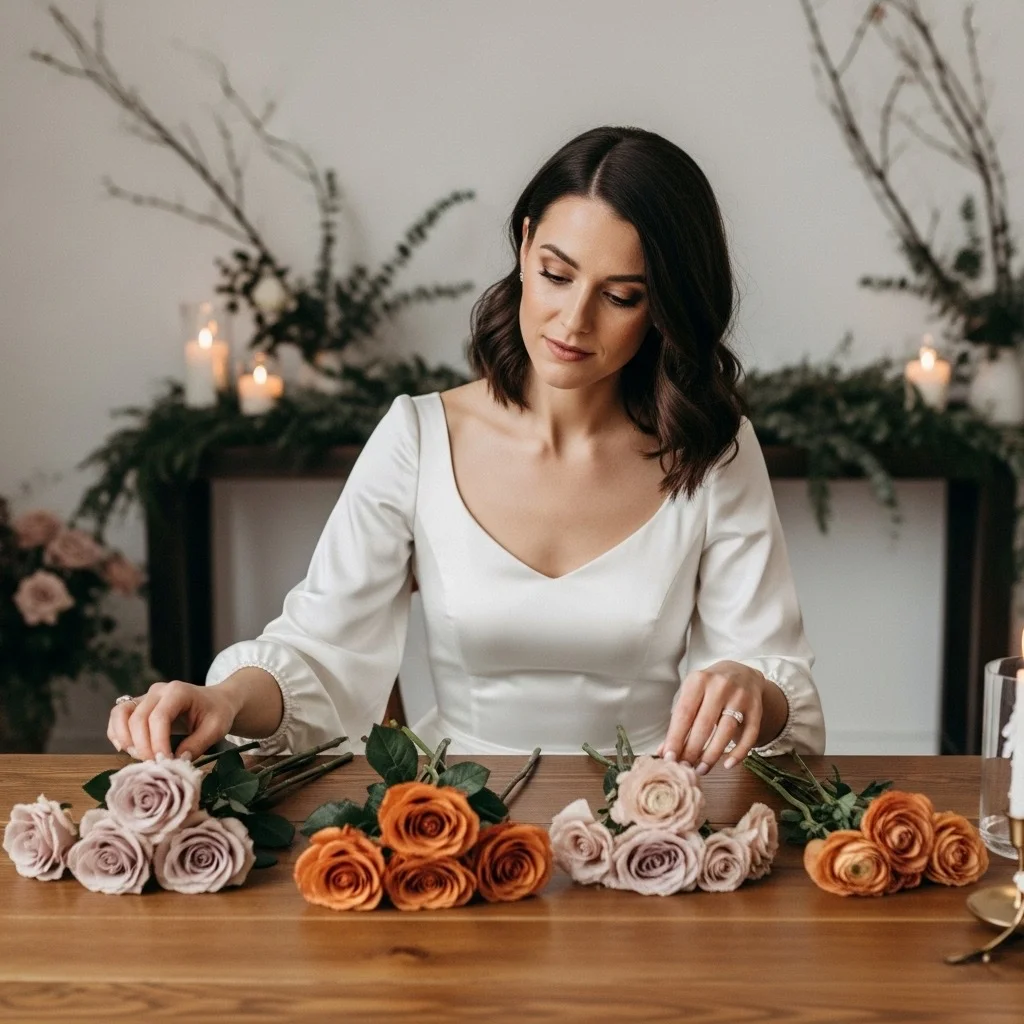
Dusty rose, terracotta, and neutral tones are set to dominate winter weddings through 2026, reflecting both current data and long-term design trends. According to recent industry reports, these earthy and muted hues have surged in popularity across wedding boards and platforms due to their timeless appeal and flexibility. These colors evoke warmth and sophistication, offering a perfect contrast to the often cool and stark winter landscape, making them particularly desirable for ceremonies during the colder months.
Wedding planners favor these shades for their versatility and compatibility with a variety of décor styles—rustic, bohemian, modern, or vintage. Their muted tones allow for dynamic combinations that suit anything from bold metallic accents to soft greenery. Photographers, too, are drawn to these palettes because they photograph beautifully, providing a warm, cohesive look under different lighting conditions, whether natural daylight or ambient indoor setups. Venues appreciate these palettes as they blend seamlessly with diverse architectural styles, from grand ballrooms to charming barns, boosting the location’s natural aesthetic.
Additionally, couples planning weddings well in advance recognize the enduring nature of dusty rose, terracotta, and neutrals, signaling a safe and stylish investment. Early adopters of these palettes are making futureproof choices, ensuring their wedding photos and overall design will remain timeless rather than tied to fleeting trends. By opting for these adaptable and trend-leading hues, couples gain a curated yet personal edge, combining classic elegance with modern sensibility.
Conclusion: The Winter Wedding Colors Brides Are Choosing With Confidence
Dusty rose, terracotta, and new neutrals have undoubtedly become the frontrunners in winter wedding palettes, and for good reason. These versatile hues strike a perfect balance between warmth and sophistication, making them ideal for creating both intimate and grand atmospheres. Dusty rose evokes romance and softness, while terracotta adds earthy depth, and neutrals provide an understated yet polished backdrop. Together, these colors enhance any wedding theme, from rustic to modern, and guarantee a timeless aesthetic that will look stunning in years to come.
One of the strongest appeals of these colors lies in their ability to complement a variety of floral options. Brides can confidently explore arrangements featuring muted roses, ranunculus, dahlias, or even dried grasses and foliage for a contemporary twist. The adaptability of these hues ensures that every couple can craft a wedding design that feels authentically theirs, effortlessly blending elegance with personal touches.
If you’re seeking to curate your perfect winter wedding look, allow these sophisticated palettes to inspire your choices. From lush floral installations to understated bouquets, there are countless ways to combine these tones with seasonal blooms. Explore flower categories like cascading arrangements, centerpiece ideas, or even boutonnieres to complete the vision. With dusty rose, terracotta, and new neutrals leading the way, you can plan your special day with confidence, knowing every detail will reflect timeless beauty and charm.
Whole Blossoms is your one-stop source for all your floral needs, offering premium, farm-fresh blooms that elevate any wedding or special event. With an extensive selection of flowers in every shade and style imaginable, we ensure you’ll find the perfect match for your vision. Our commitment to quality means that each bloom is harvested directly from eco-friendly partner farms and arrives fresh, vibrant, and ready to impress. Whether you’re designing show-stopping centerpieces, dreamy bouquets, or elegant boutonnieres, Whole Blossoms provides unbeatable variety and exceptional customer service to bring your dream designs to life. Our user-friendly website simplifies your planning experience, allowing you to browse by color, season, or flower type, and our tailored guidance ensures everything arrives on time for your special day. Trust Whole Blossoms to deliver stunning flowers that create unforgettable moments, making your winter wedding as beautiful and unique as the love you’re celebrating.