


 by
by 

When it comes to floral symbolism, roses often dominate the conversation. They’re a universal symbol of love and affection, with different colors signifying different nuances of these emotions. Red roses, for instance, are commonly associated with romantic love, while yellow roses often symbolize friendship. The focus on roses in floral symbolism is likely due to their widespread cultivation and recognition, as well as their prominent role in history and literature. However, this rose-centric view can overlook the rich meanings and symbolism of other flowers.
While roses undoubtedly have their own charm and symbolism, this blog aims to traverse the lesser-trodden path, exploring the meanings of other significant yet often overlooked flowers. Our purpose is to delve deep into the world of floral symbolism beyond the realm of roses, highlighting the beauty, diversity, and profound meanings of other blooms. From the hopeful daisies to the loyal sunflowers, each flower carries a unique story, a secret language waiting to be understood. Join us in this exciting journey as we uncover the hidden messages communicated through the vibrant world of flowers, one petal at a time.
The Fascinating World of Floral Language
The concept of floral symbolism has ancient roots, spanning various cultures and epochs. The ancient Greeks, for instance, used different flowers to represent gods and heroes, with each flower embodying a specific myth or legend. In China, floral symbolism was incorporated into art, literature, and everyday life, with certain flowers like the peony symbolizing wealth and honor, while the lotus represented purity and perfection.
The language of flowers, also known as floriography, truly flourished in the Victorian era. In a time when societal norms and etiquette placed constraints on open expressions of emotions, people turned to the subtle language of flowers to convey feelings that could not be spoken aloud. Each flower, and sometimes their arrangement, bore a specific sentiment or message, allowing for intricate and nuanced communication. This tradition was so well-regarded that numerous guidebooks were published to assist in decoding the meanings of various plants and flowers. While this practice might not be as prevalent today, the symbolism of flowers continues to permeate modern culture, adding depth and nuance to our understanding of these beautiful creations of nature.
Floral language, or floriography, is a means of cryptological communication through the use or arrangement of flowers. It is a rich and elegant method of expressing feelings and emotions that cannot be conveyed with words. Originating from the Victorian era when societal restrictions curbed open emotional expression, flowers became the subtle couriers of heartfelt messages. Each flower holds a specific meaning, for instance, a red tulip is a declaration of love, whereas chrysanthemums might signify death or lamentation in some cultures. Some flowers even have different meanings based on their color variations. The arrangement of flowers, too, can modify or add depth to the message being conveyed. In this way, a ‘bouquet’ of communication is formed, allowing people to express complex emotions and sentiments in a beautifully subtle manner. Today, although less common, floriography is still a beloved practice among flower enthusiasts and romantics, continuing to add a layer of depth to the seemingly simple act of gifting flowers.
Peonies: The Bashful Beauties
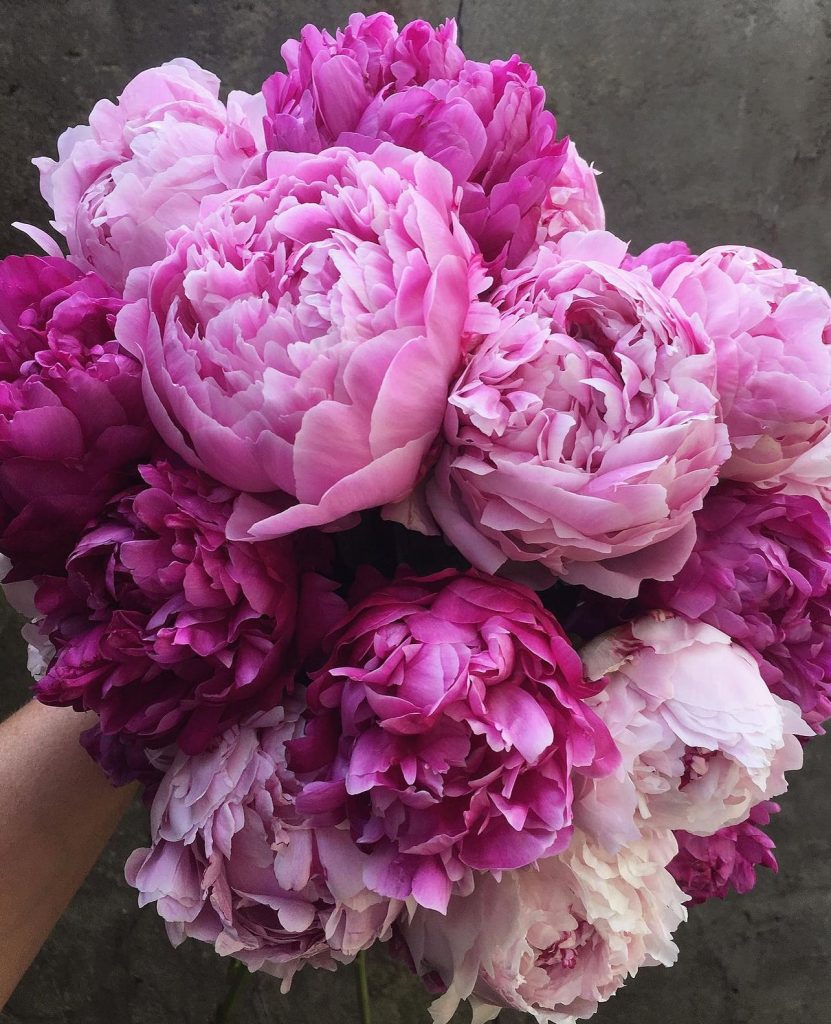
Peonies, with their voluminous blossoms and soft, velvety petals, are often compared to bashful beauties. They bring to life a blend of elegance and charm that is seldom found elsewhere. Popular for their lush, round shape and captivating fragrance, peonies are available in a vast array of colors, including white, pink, red, and even yellow. Each hue brings a different layer to their beauty, but all share a similar attribute: a quiet, breathtaking allure that captures the eye and heart of every beholder.
When it comes to symbolism, peonies carry a depth of meaning that goes beyond their physical appearance. They are often associated with prosperity, wealth, and honor, with different cultures imbuing them with even more nuanced connotations. In Chinese culture, for instance, peonies are considered symbolic of the nobility, the honor of the high rank, and the wealth associated with such a status. They are also gifted as a token of love and appreciation, embodying the wish for good fortune and a happy marriage. Similarly, in Victorian floriography, the peony is often seen as a bearer of good luck and a harbinger of a happy life. Embodying bashfulness, compassion, and prosperity, peonies, indeed, hold a potent language within their vibrant petals, speaking volumes to those who understand their silent discourse.
Daffodils: The Herald of Spring
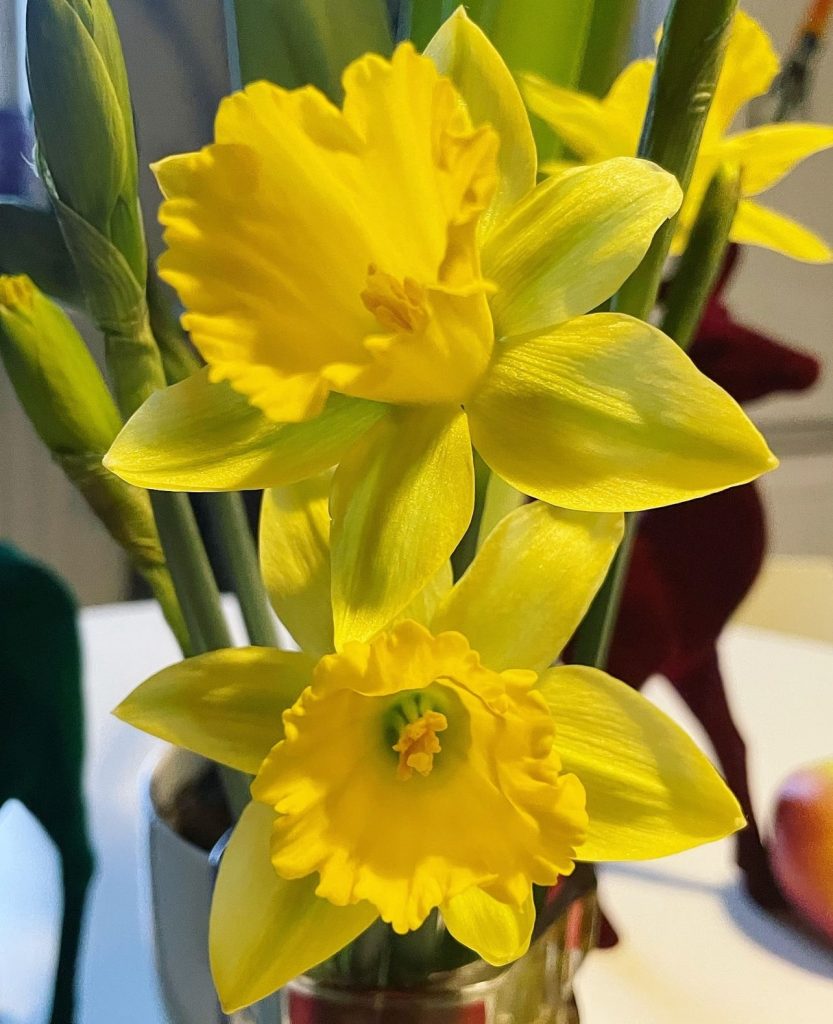
Daffodils, with their bright yellow blooms, are often the first sign that spring has arrived. Their vibrant petals, resembling a trumpet, stand out against their slim, long green stalks, creating a lively contrast that brings a fresh dose of optimism after the long, cold winter. Daffodils are known for their hardiness and ability to thrive in various climates, painting landscapes with their various shades ranging from white to deep golden yellow. Some varieties even sport orange or pink hues, adding to the multicolored spectacle of spring.
In terms of symbolism, daffodils carry significant meaning in various cultures. They are often associated with new beginnings, rebirth, and the coming of spring, as they are among the first flowers to bloom after winter. In Western culture, particularly in literature and art, daffodils are associated with joy, vitality, and the invigorating energy of spring. In Chinese culture, the daffodil is synonymous with good fortune and prosperity, often displayed during the Chinese New Year as a token of luck for the coming year. In the language of flowers, or floriography, a single daffodil is a sign of misfortune, while a bunch of daffodils is a promise of joy and happiness. These bright and cheerful flowers, indeed, speak a language of renewal and hope, symbolizing the rejuvenating power of spring that infuses life into the world around us.
Chrysanthemums: The Autumn Stars
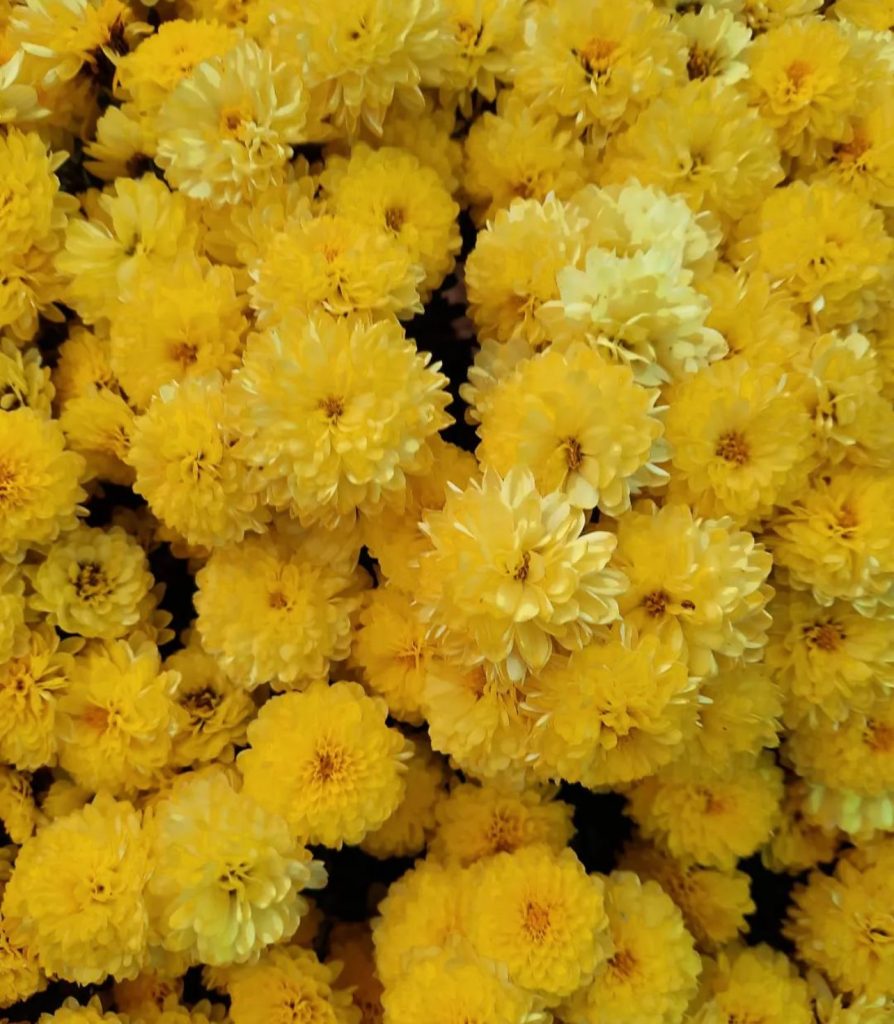
Chrysanthemums, often referred to as ‘mums’ or ‘chrysanths’, are admired for their vibrant array of colors and variety of shapes. They bloom in the heart of autumn, lending their signature beauty to the season. Their buds open into a profusion of petals, with some varieties resembling daisies, while others appear as pompoms or buttons. The colors of chrysanthemums range from the classic autumn shades of orange, red, and yellow, to subtler hues of white, pink, and purple. Their captivating beauty coupled with their hardy nature makes them a favorite among garden enthusiasts and floral arrangers alike.
In terms of symbolism, chrysanthemums hold significant meanings across different cultures. In the language of flowers, or floriography, chrysanthemums generally symbolize longevity and enduring life. In Asian cultures, particularly in China and Japan, chrysanthemums are revered as a symbol of autumn and the impermanence of life, embodying the beautiful transition from life to death. They are often used in festivals and religious rituals that mourn and celebrate the cycle of life. Conversely, in Western cultures, chrysanthemums are often associated with death, commonly used in funerals and to adorn graves. Regardless of the contrasting connotations, the universal recognition of chrysanthemums speaks to their unique beauty and the deep symbolism they bear, making them captivating autumn stars.
Lilies: The Emblem of Purity
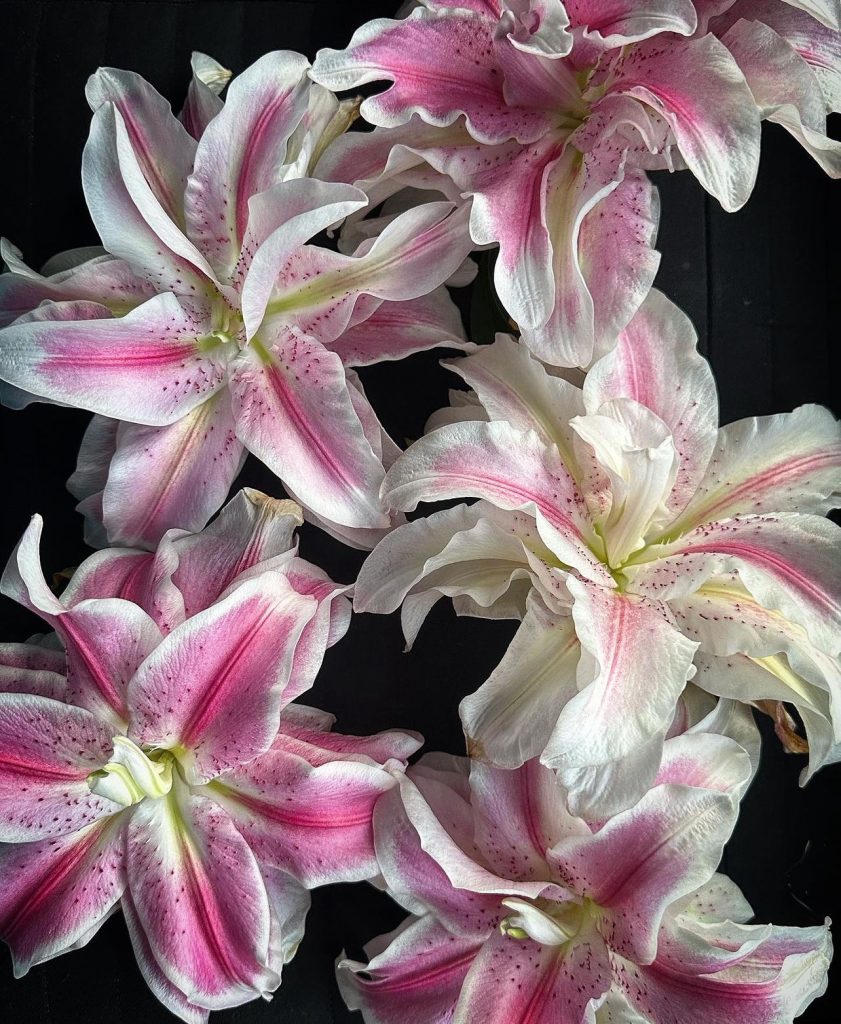
Lilies, with their long, slender stems and six-petaled blooms, exude an aura of sublime grace and tranquility. Their blossoms open wide to reveal a rich stamen, their color palette ranges from the purest white to the deepest red, punctuated by shades of pink, orange, and yellow. The forms of lily flowers vary too, with some appearing as funnels, others as trumpets, and still others as bowls. Admired for their captivating fragrance and elegant appearance, lilies are a mainstay in many gardens and floral arrangements, their beauty often deemed a symbol of pure and refined aesthetic charm.
In the realm of symbolism, lilies carry deep, profound meanings across different cultures. They are often associated with purity, virginity, and innocence, particularly the white lily – a common feature in Christian iconography representing the Virgin Mary. In the language of flowers, or floriography, lilies also symbolize the restored innocence of the soul after death, which is why they are frequently seen in funeral arrangements. However, the symbolism of lilies is not all solemn; they also represent fertility and motherhood, making them a popular choice for weddings. For instance, the Greek mythology associates lilies with Hera, the queen of the Gods, symbolizing fertility and renewal. In Chinese culture, lilies are considered auspicious flowers symbolizing 100 years of love and are often used in weddings. With their varied and rich symbolism, the charming lilies indeed stand as emblems of purity, adding an ethereal touch to the occasions they grace.
Tulips: The Colorful Cupids
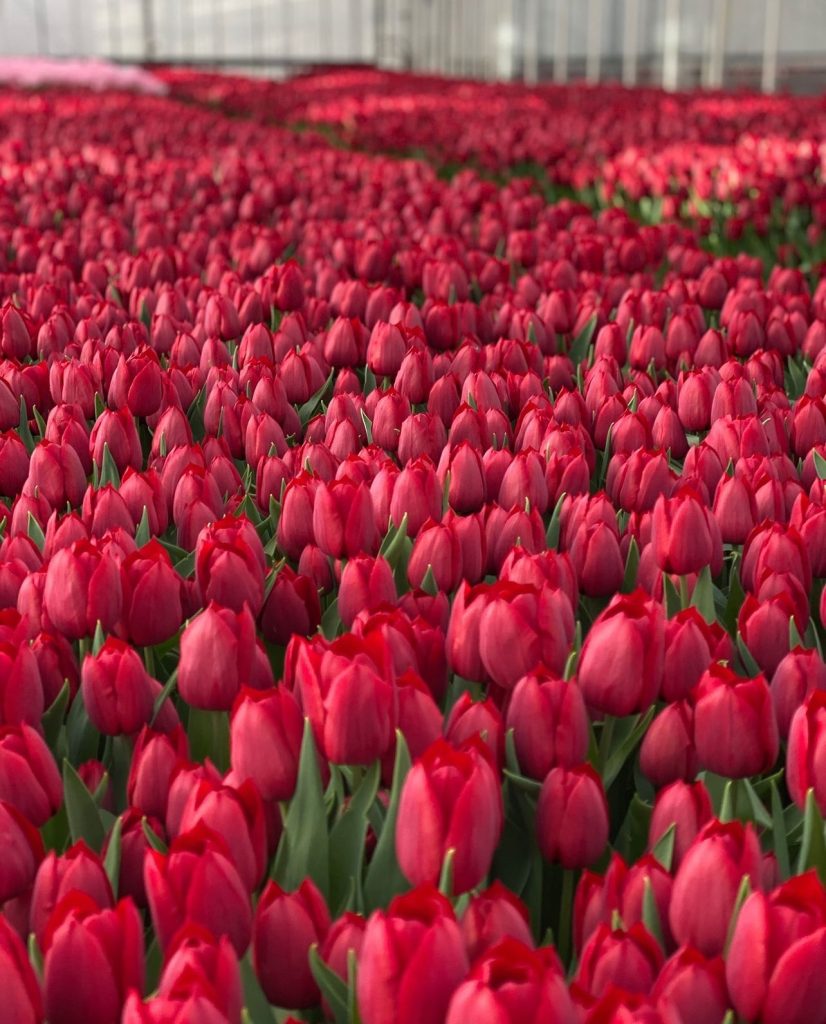
Tulips, known for their bold colors and distinctive shape, are a delightful spectacle. The blooms take on a cup-like form, with three petals and three sepals that look much like petals. A wide range of colors are exhibited by these springtime stars, from the purest white to the deepest purple, the most fiery red to the sunniest yellow. Some tulips even flaunt petals with striking color patterns or frills, adding to the allure. The tulip’s beauty is simplistic yet captivating, with a single stem rising from a bulb to give way to one stunning bloom.
In terms of symbolism, tulips are rich in meaning. They are often associated with perfect love, the mythology woven around them tracing back to a Turkish legend of a prince named Farhad who was in love with a maiden named Shirin. When he learned that she had been killed, he was so overcome with grief that he rode his horse off a cliff, and it is said that a red tulip sprouted from each droplet of his blood, symbolizing perfect love. In the language of flowers, or floriography, different colors of tulips also carry distinct meanings. Red tulips are most strongly associated with true love, while purple symbolizes royalty. The meaning of yellow has evolved somewhat, from once representing hopeless love to now being a common expression for cheerful thoughts and sunshine. White tulips are used to claim worthiness or to send a message of forgiveness. With their vibrant colors and historical significance, tulips truly are the colorful cupids of the flower world, silently conveying messages of love and admiration.
Sunflowers: The Sunny Sentinels
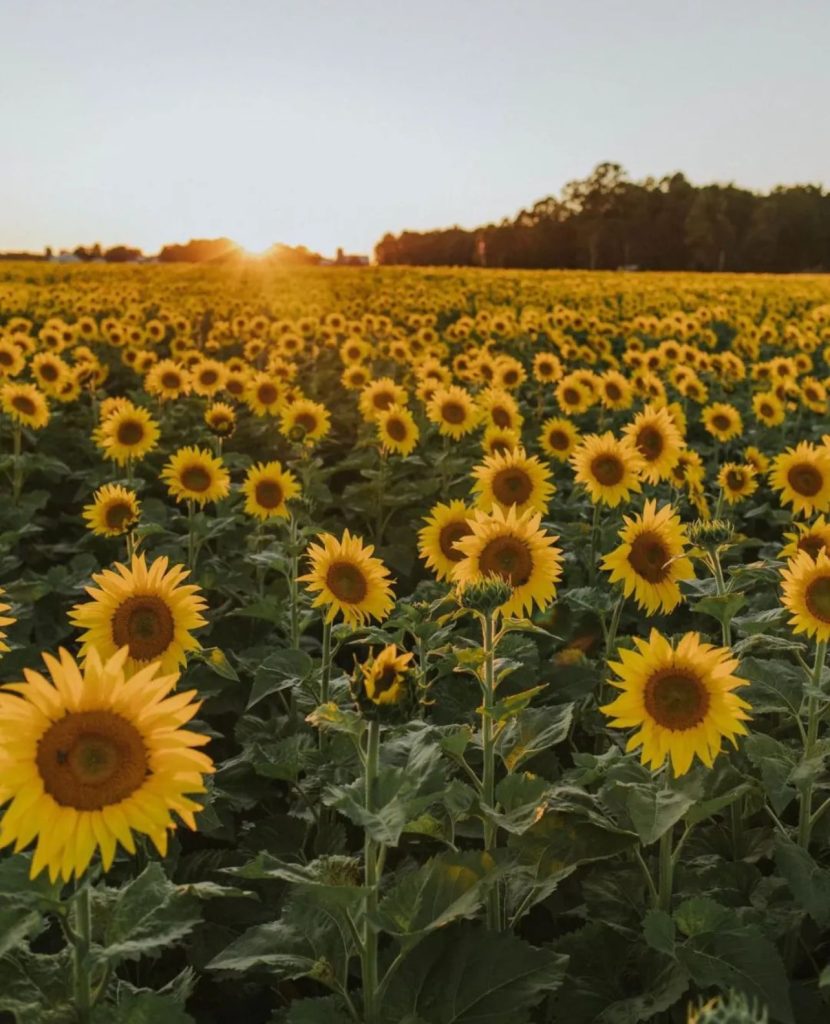
Sunflowers, towering tall with radiant golden heads, are the epitome of sunny optimism and vivaciousness. These flowers rise high above many others, with their faces turned towards the sun, capturing its warmth and energy. Their vibrant yellow petals, known as rays, sit around a dark inner disk and are set atop a thick, green stalk. The large, circular faces of sunflowers resemble the sun itself and come in an array of sizes, from small, fist-sized blooms to large heads that can reach a foot or more in diameter. These summer-blooming beauties are a favorite among gardeners, nature enthusiasts, and artists alike, adding a splash of cheer wherever they grow.
Sunflowers symbolize adoration, loyalty and longevity, largely due to their unique characteristic of tracking the sun across the sky – a phenomenon known as heliotropism. This eternal pursuit of light and warmth has led to the sunflower being associated with spiritual knowledge, worship and a deep respect for the power of the sun. In the language of flowers, or floriography, sunflowers are seen as symbols of good luck, representing happiness, vitality, positivity and prosperity. Their strong and sturdy stalks stand as a testament to the values of loyalty and resilience, while their bright yellow colors evoke feelings of joy and inspiration. Sunflowers, with their unmistakable sunny disposition, are the perfect emblem of the power of positivity and the innate desire to seek out the light even in dark times, standing tall and proud as sunny sentinels.
Orchids: The Exotic Enchanters
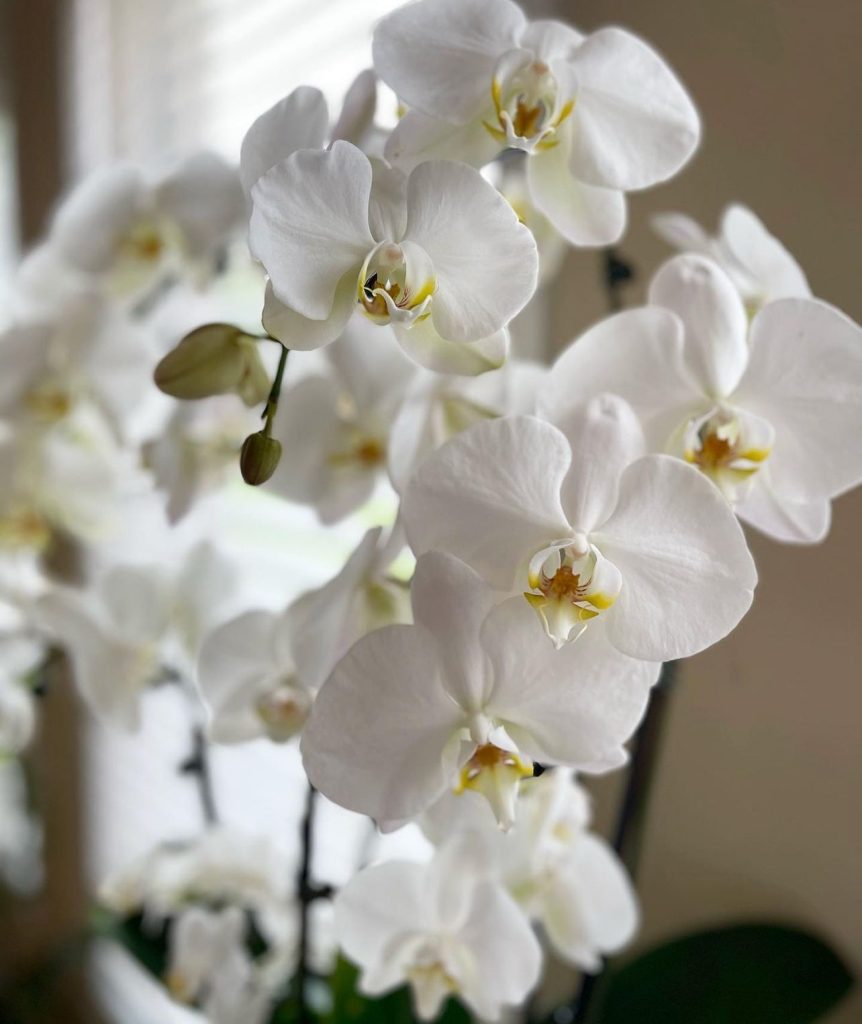
Orchids, with their spectacular diversity in color, shape, size, and aroma, are rightfully crowned as the exotic enchanters of the floral world. Their blooms, often vibrantly colored and fragrant, range from being tiny and delicate to large and robust, exhibiting a wide array of shapes including whimsical spirals, playful ruffles, and more. Some orchids bear a single bloom on a tall, slender stalk, while others showcase a stunning array of flowers on a single spike. The beguiling beauty and exotic appeal of orchids have made them subject to passionate cultivation, with enthusiasts going to great lengths to grow and propagate these enticing flowers.
In the realm of symbolism, orchids carry significant and intriguing meanings. They are often associated with love, beauty, fertility, and refinement. In ancient Greece, orchids were linked to virility, with the belief that if fathers consumed orchid tubers, their wives would give birth to a boy. In Victorian times, the complex structure of orchids led people to associate them with luxury and opulence. The symbolism can also vary with the color of the orchid; white orchids symbolize purity and innocence, pink orchids stand for femininity and grace, and yellow orchids represent friendship and new beginnings. On a more spiritual note, the orchid is considered a symbol of the quest for perfection in any areas of life. Whether displayed in a home, worn as a corsage, or given as a gift, the exotic enchanters called orchids add an air of sophistication and elegance, making any occasion feel just a bit more special.
Hydrangeas: The Heartfelt Harmonizers
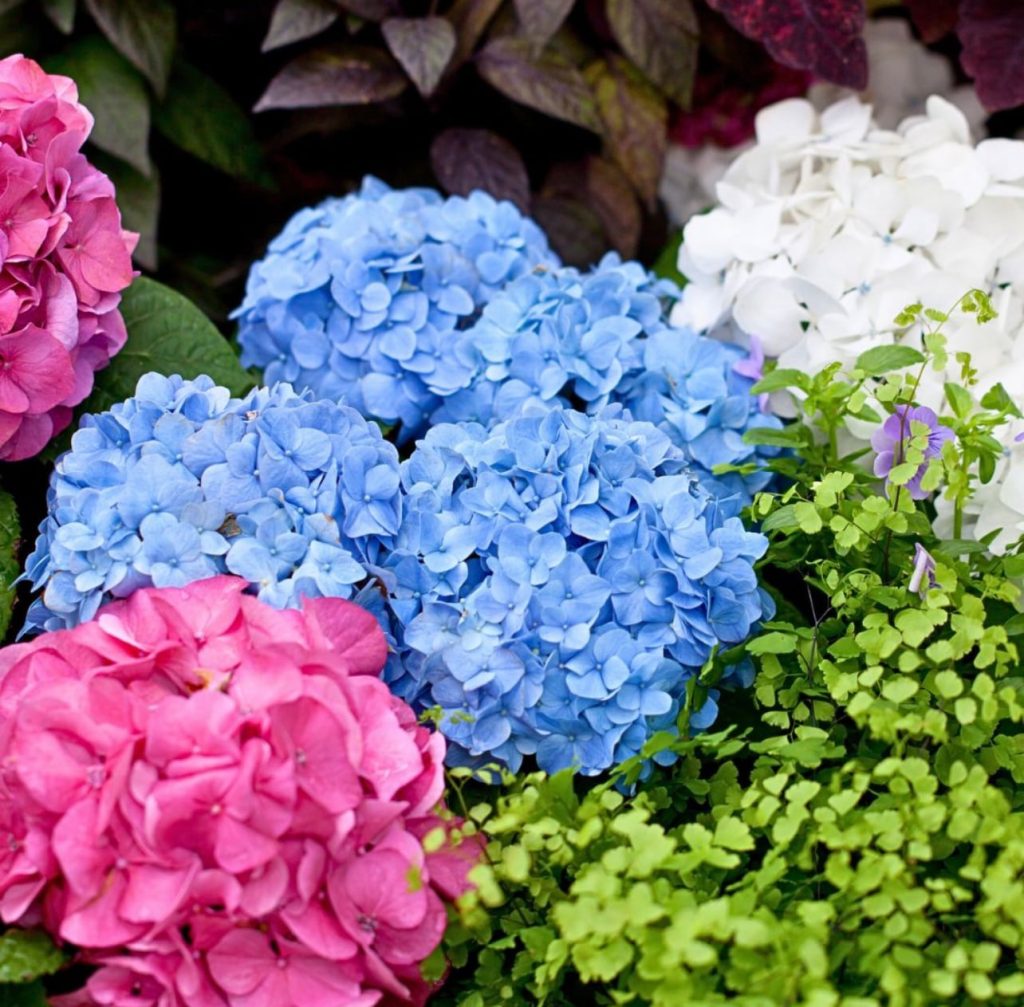
Hydrangeas, with their large, lush clusters of flowers, exude a sense of harmonious elegance and heartfelt charm. These perennial shrubs boast an impressive variety of forms, from towering trees to petite shrubs, each adorned with rounded or flattened arrays of blooms. The flowers unfurl in a stunning spectrum of colors from dreamy blues to vibrant pinks, regal purples to pristine whites, often changing hues in response to the acidity levels in the soil. The dense foliage of heart-shaped leaves adds to the overall appeal of these ornamental plants, making them a favorite choice for landscaping, borders, and bouquets alike.
In terms of symbolism, hydrangeas are imbued with rich and varied meanings. They are often associated with heartfelt emotions, gratitude, and understanding. In the Victorian era, hydrangeas were said to symbolize vanity due to their abundance of petals, while in Japan, they are tied to apologies and expressions of gratitude. The pink hydrangeas denote love and sincere emotions, blue hydrangeas symbolize forgiveness and regret, and white hydrangeas stand for boasting or bragging. Regardless of the varied interpretations, hydrangeas, with their captivating beauty and abundance of blossoms, serve as heartfelt harmonizers in any settings, seamlessly blending emotions, meanings, and aesthetics.
Poppies: The Resilient Reminders
Poppies, with their vibrant, papery petals and hardy stems, are the resilient reminders of the floral world. These delicate yet tough flowers bloom in an array of colors, including red, yellow, white, and pink, each type showcasing its unique charm. The most recognizable variety, the red poppy, is known for its striking hue that paints fields and meadows with splashes of bright red during the blooming season. Their distinctive black core encased with a rounded cluster of stamen adds to their unique allure. Poppies, despite their seemingly fragile appearance, are robust and can thrive in challenging climates, symbolizing resilience and the power of life itself.
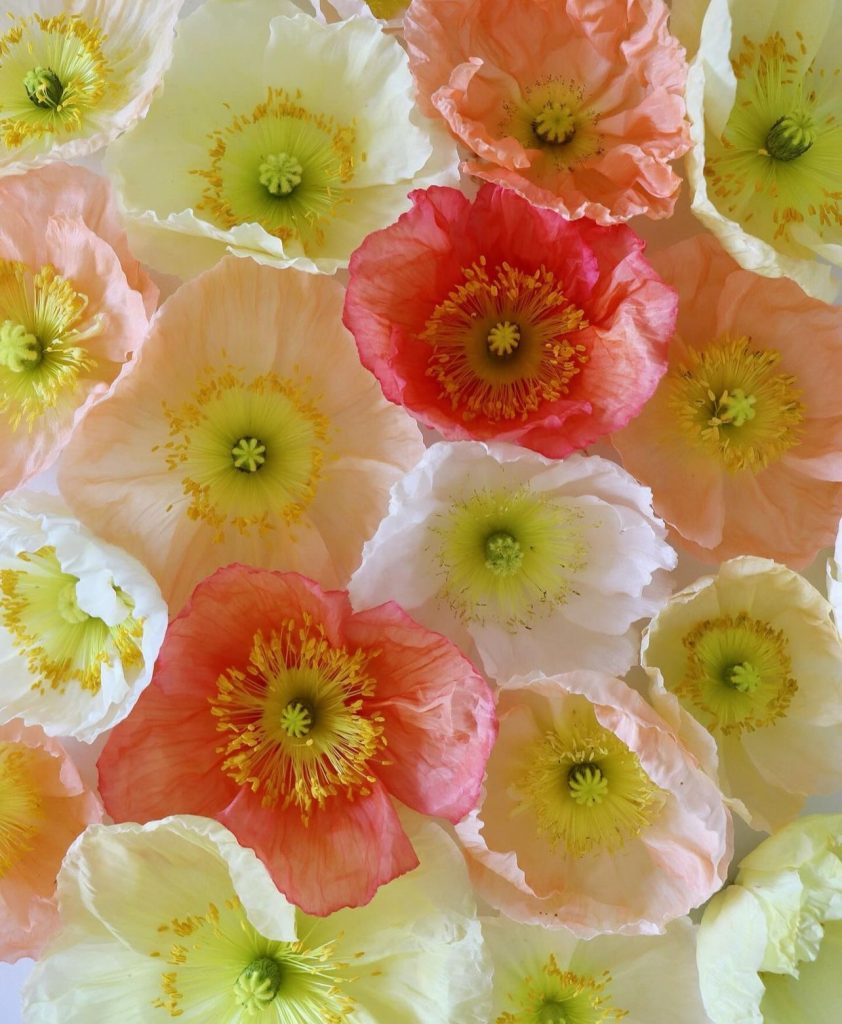
In the realm of symbolism, poppies hold deep and profound meanings. They are predominantly associated with sleep, peace, and death due to the sedative effect of opium extracted from certain varieties. However, they also symbolize remembrance, especially the red poppies, which are often used to commemorate military personnel who have lost their lives during war times. In this context, poppies stand as a symbol of sacrifice, loss, and the resilience of life. On a positive note, poppies also symbolize beauty, success, and extravagance due to their bright and attractive colors. With their daring hues and enduring nature, poppies serve as resilient reminders of life’s inherent strength and the beauty that persists even in harsh circumstances.
In conclusion, the language of flowers, or floriography, is a symbolic means of communication that has been known and used throughout history, carrying importance that reaches beyond their visual beauty. Whether it’s the sunflower’s representation of positivity and vitality, the orchid’s exotic elegance and quest for perfection, the hydrangea’s heartfelt charm and gratitude, or the poppy’s resilient reminder of life’s inherent strength, each flower tells a story. Understanding these symbolic references can enrich our appreciation of these natural beauties, adding layers of context and depth to our interactions with them. Through this lens, a bouquet becomes a message, a garden turns into a narrative, and flowers transform into silent, yet eloquent, storytellers.
We often find ourselves entranced by the classical beauty of roses, but the world of flowers brims with countless varieties, each holding its unique symbolism and allure. From the cheerful daisies representing innocence and purity to the regal lilies symbolizing majesty and honor, each flower tells its own tale. We encourage you to delve into the enchanting world of floriography, exploring the rich symbolism that each bloom carries. Whether it’s a celebration, a heartfelt gesture, or simply an aesthetic choice for your home or garden, every flower can add a layer of meaning to your choice.
At Whole Blossoms, we offer a diverse selection of fresh-cut flowers, ready to be part of your story. Our blooms are carefully selected, ensuring the highest quality and freshness. Unveil the beauty and symbolism of different flowers through our offerings and let them paint your moments with their hues and meanings. Whole Blossoms is your trusted companion in this journey, ensuring you have the freshest, most beautiful blooms for every occasion. Remember, every flower has a story to tell, let us help you tell yours.