


 by
by 

Floral arrangements are more than just decorative touches—they are a vital element in setting the tone and enhancing the ambiance of weddings, events, and home décor. At weddings, flowers symbolize love, prosperity, and new beginnings, gracing bridal bouquets, centerpieces, and ceremonial arches. Events, from formal corporate gatherings to intimate parties, are elevated by the charm and elegance that well-crafted floral designs provide. Even within the home, thoughtfully arranged flowers can fill a space with life, color, and joy, creating an inviting and warm atmosphere.
Using wholesale flowers is an excellent way to achieve professional-looking arrangements without extending your budget. Purchasing flowers in bulk allows for a wider variety of choices, giving you the flexibility to experiment with different blooms, colors, and combinations while keeping costs manageable. Additionally, wholesale flowers tend to be fresher and last longer, enabling you to create stunning designs that leave a lasting impression.
This guide will take you through the essential steps to mastering floral arrangements, even if you’re a beginner. You’ll learn how to select the right flowers for your design, choose the proper tools to bring your vision to life, and arrange blooms to achieve balance and harmony. We’ll also share expert tips on keeping your arrangements fresh for longer, ensuring your hard work remains vibrant. By the end of this guide, you’ll be equipped with the knowledge you need to craft breathtaking floral designs for any occasion.

Part 1 – Choosing the Right Flowers
A. Wholesale Flowers vs. Retail Flowers
When it comes to sourcing flowers for your arrangements, one of the first decisions to make is whether to purchase them wholesale or retail. Wholesale flowers often come directly from farms or suppliers, which means they are usually fresher than those available at retail outlets. This is because retail flowers often spend extra time in transit and storage before reaching the consumer, which can diminish their freshness and vibrancy.
Another significant advantage of buying wholesale is cost-effectiveness, especially for larger projects like weddings, events, or DIY arrangements. Buying in bulk significantly reduces the per-stem price, leaving more room in your budget for other decorations or enhancements. Many online wholesalers make the process simple, offering curated packages for specific events or custom orders tailored to your needs. When ordering wholesale flowers, it’s essential to plan ahead since they often require pre-scheduling for delivery to ensure you receive them at peak freshness.
Retail flowers, on the other hand, are better suited for smaller projects and last-minute needs. They may not offer the same cost advantages as wholesale, but they provide convenience and a curated selection for simpler arrangements or individual bouquets.
B. Selecting Flowers for Your Arrangement
The key to a successful arrangement lies in selecting the right combination of flowers and greenery to create balance, harmony, and visual interest. Below, we’ve broken down the primary components you’ll need:
Focal Flowers
Focal flowers are the centerpiece of your arrangement, drawing the eye and making a bold statement. Popular choices include roses, with their timeless elegance, peonies, known for their lushness and charm, or sunflowers, which bring warmth and vibrancy. These flowers often dictate the color palette and mood of your arrangement.
Filler Flowers
Filler flowers play a supporting role, adding texture and depth to your design. Baby’s breath is a classic choice for its delicate, cloud-like appearance, while wax flowers and asters offer a touch of whimsy or a pop of color. These flowers help bridge the spaces between focal blooms, creating a fuller, more cohesive look.
Greenery
No arrangement is complete without greenery to enhance structure and provide contrast. Eucalyptus is a popular option, prized for its silvery leaves and subtle fragrance. Ruscus adds elegant shapes and a rich green hue, while ferns bring a touch of natural, untamed beauty. Greenery is an essential element that anchors the arrangement and ties everything together.
Seasonal Blooms
Finally, consider incorporating seasonal blooms to ensure maximum freshness and affordability. Flowers that are in season are more readily available and hold up better after being cut, as they’ve matured in their natural growing cycles. Additionally, working with seasonal options often aligns with themes or palettes popular during specific times of the year, such as pastel-colored tulips for spring or deep-toned dahlias for fall. By prioritizing in-season flowers, you’ll elevate your design with vibrant colors and longer-lasting stems without breaking the bank.
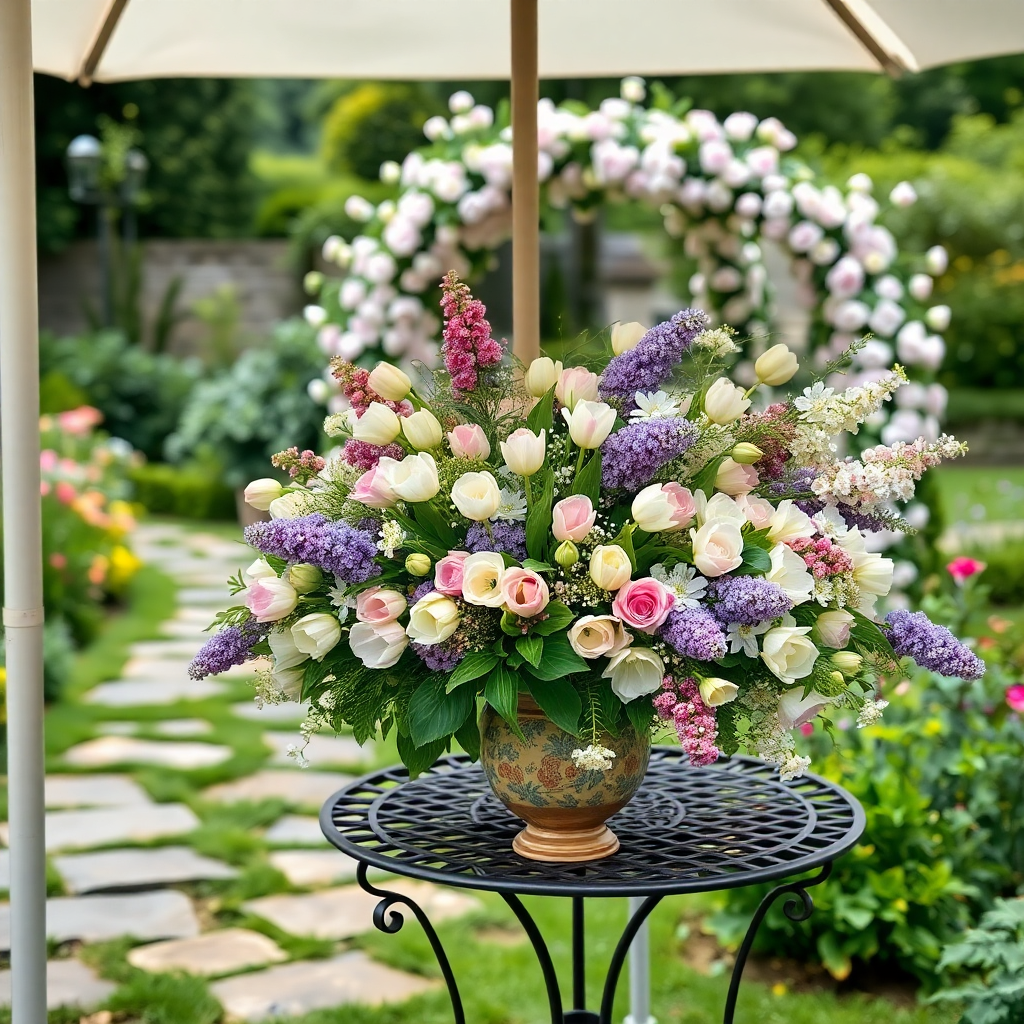
Part 2 – Essential Tools for Floral Arranging
Creating beautiful floral arrangements requires more than just flowers—it demands the right tools to achieve stability, precision, and aesthetic appeal. Here, we’ll explore some of the key tools that every florist or floral enthusiast should consider.
Floral Foam vs. Chicken Wire: Which One is Better for Stability?
Floral foam and chicken wire are two popular choices for stabilizing arrangements, each with its own set of advantages. Floral foam provides a secure base, allowing stems to stay firmly in place and remain hydrated longer. It’s ideal for intricate designs or when stability is paramount. However, it’s less environmentally friendly and single-use. On the other hand, chicken wire is reusable and more sustainable. It offers excellent support for larger arrangements while allowing for natural stem positioning. Choosing between these options depends on the design’s complexity and your eco-conscious preferences.
Florist Shears & Scissors: Sharp Tools for Clean Cuts and Longevity
Investing in high-quality florist shears and scissors is essential for maintaining healthy stems and creating precise cuts. Sharp tools not only prevent crushing delicate stems but also extend the life of your flowers by ensuring clean cuts that absorb water efficiently. Look for tools with ergonomic handles and durable blades for ease of use and longevity.
Flower Tape & Wire: How They Help Shape Your Bouquet
Flower tape and wire are unsung heroes in the art of floral arranging. Flower tape is perfect for binding stems together seamlessly, while floral wire adds structural support to individual flowers or heavy elements in your design. These tools allow you to manipulate shapes, secure blooms, and craft dynamic bouquets with better control.
Vases & Containers: Matching Vase Shape with Floral Design
The shape and size of a vase or container can dramatically influence the final arrangement. For tall flowers or vertical designs, opt for cylindrical or trumpet-shaped vases. For fuller, rounded arrangements, bowl-shaped containers work beautifully. Matching the right vase shape to your floral design ensures balance and elevates the visual appeal of your creation.
Equipped with these essential tools, you’ll be well on your way to creating stunning, cohesive, and professional-looking floral arrangements.

Part 3 – The Principles of Floral Design
A. Balance and Symmetry
Creating balance in floral design is fundamental for crafting arrangements that are both harmonious and striking. The Rule of Thirds is a key guide that helps designers achieve visual order and dynamic composition. Divide your arrangement space into three sections—bottom, middle, and top—and distribute flowers, foliage, and other materials accordingly for proportionate weight and flow. For instance, place heavier or darker blooms at the base for stability, lighter and airier elements toward the top, and use medium-sized florals in the center to connect the two.
Floral arrangements can also be categorized as symmetrical or asymmetrical, depending on the design goal. Symmetrical designs are uniform and mirror one another if split down the middle, creating a classic, formal look. Ideal for traditional events or elegant décor, these arrangements often feature a central focal point with balanced elements on either side. On the other hand, asymmetrical designs have a more dynamic and modern appeal. These arrangements use uneven distribution of flowers and foliage while still maintaining visual harmony. The balance is achieved not through symmetry but by mindful placement of contrasting shapes, sizes, and colors.
B. Color Theory in Floral Design
Color is an essential element of floral design, capable of evoking emotions and setting the tone for any arrangement. Complementary color palettes—combinations of hues opposite one another on the color wheel, such as purple and yellow or blue and orange—create vibrant, eye-catching contrasts that make arrangements pop. For a subtle, cohesive appearance, monochromatic color schemes—using varying shades of a single color—offer elegance and visual unity.
An effective use of contrasting tones can also add depth and interest to your arrangements. Pairing pastel shades with bold, saturated colors leads to a captivating interplay that draws the eye. For example, soft pink roses can be paired with deep red dahlias for a luxurious and layered effect. Experimenting with tonal contrasts allows you to tailor arrangements to different themes or moods, whether it’s a delicate, romantic setting or a bold, energetic event.
C. Proportion and Scale
Proportion and scale are key considerations in ensuring your floral arrangement complements its surroundings. The size of the arrangement should be matched to the event space or display area. For instance, a small centerpiece is perfect for an intimate dinner table, but it might feel out of place in a vast banquet hall—where a tall or voluminous arrangement would be more appropriate. Take time to evaluate the setting to ensure your creation enhances the space without overwhelming it.
Equally important is maintaining proportion between the flowers and the container. The general rule is that the height of the arrangement should be around one and a half to two times the height of the vase. For wide, flat containers, focus on spreading the blooms to respect the container’s shape while emphasizing a natural flow. Following these principles ensures that your floral arrangements achieve an aesthetically pleasing balance and remain well-suited to their intended purpose.
When these elements—balance and symmetry, color theory, and proportion and scale—are carefully applied, your floral designs will not only showcase technical skill but also exude artistry and visual appeal, leaving a lasting impression.
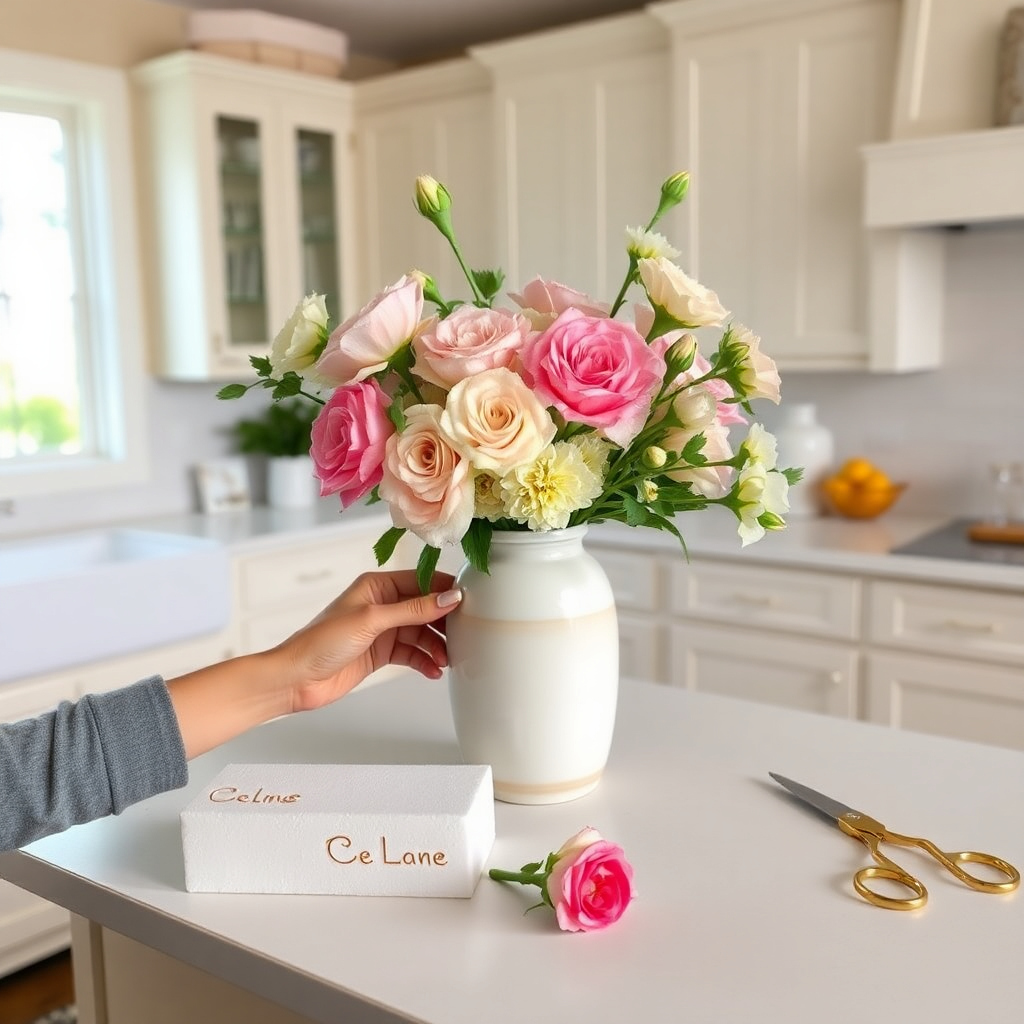
Part 4 – Step-by-Step Guide to Arranging Flowers
Creating a stunning floral arrangement involves both preparation and a thoughtful approach to design. By following this step-by-step guide, you can craft beautiful arrangements that highlight the natural beauty of your flowers.
A. Preparing Your Flowers for Arranging
- Trim Stems at a 45-Degree Angle
Begin by trimming the stems of your flowers at a 45-degree angle using a sharp pair of scissors or pruning shears. This angled cut increases the surface area for water absorption, helping your flowers stay fresh and vibrant for a longer period.
- Remove Leaves Below the Waterline
Any leaves that would sit below the waterline in your vase should be removed. Leaves submerged in water can decay quickly and promote the growth of bacteria, which shortens the lifespan of your flowers and clouds the water.
- Hydrate Flowers Before Arranging
Place the freshly trimmed flowers in clean, room-temperature water for 4-6 hours to allow them to fully hydrate prior to arranging. This step ensures the flowers are at their peak freshness and easier to handle during the designing process.
B. Creating a Stunning Floral Arrangement
- Start with Greenery
Greenery provides the essential foundation for your arrangement. Begin by placing pieces of foliage in the container to establish the structure and form. Greenery acts as a base framework, adding texture and depth while providing a backdrop for the blooms.
- Add Focal Flowers
Focal flowers are typically larger, stand-out blooms such as roses, peonies, or sunflowers that draw immediate attention. Distribute these flowers evenly throughout your arrangement, ensuring a balanced placement that creates focal points without overcrowding one area.
- Fill with Secondary Flowers
Secondary flowers, like daisies, tulips, or snapdragons, help to support the visual flow of the focal flowers. Layer these blooms between the focal flowers, focusing on creating complementary contrasts and interesting textures. This stage adds substance and variety to the arrangement.
- Use Filler Flowers & Accents
Filler flowers, such as baby’s breath or wax flowers, along with smaller accents like seed pods or berries, are crucial for giving depth and movement to your arrangement. These elements fill any gaps and soften transitions between the flowers, creating a cohesive, polished look.
- Check Balance and Adjust
Step back and assess your design. Look for symmetry and ensure the bouquet feels natural and harmonious. Adjust any blooms, greenery, or accents as needed to achieve a balanced and cohesive appearance. Don’t hesitate to rotate the arrangement to view it from all angles, making sure it looks great from every perspective.
By following these steps, you can create floral arrangements that seamlessly combine technical skill and artistic flair. Whether you’re designing for a special event or simply to brighten a space, the process will result in a striking display that captures the beauty of nature.
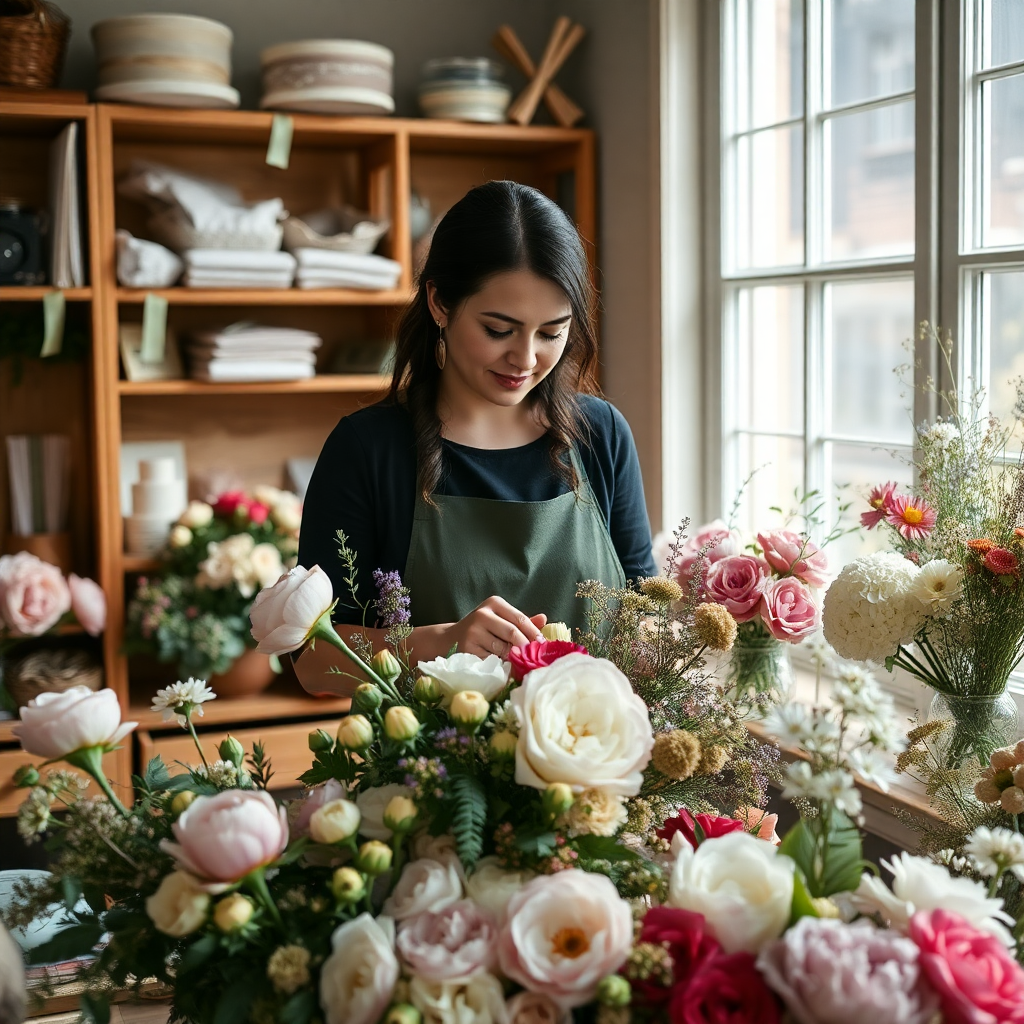
Part 5 – Professional Flower Arrangement Styles
When crafting professional flower arrangements, understanding various styles is key to creating designs that suit different occasions and preferences. Below are four popular styles, each offering unique techniques and aesthetics.
A. Traditional Round Bouquets
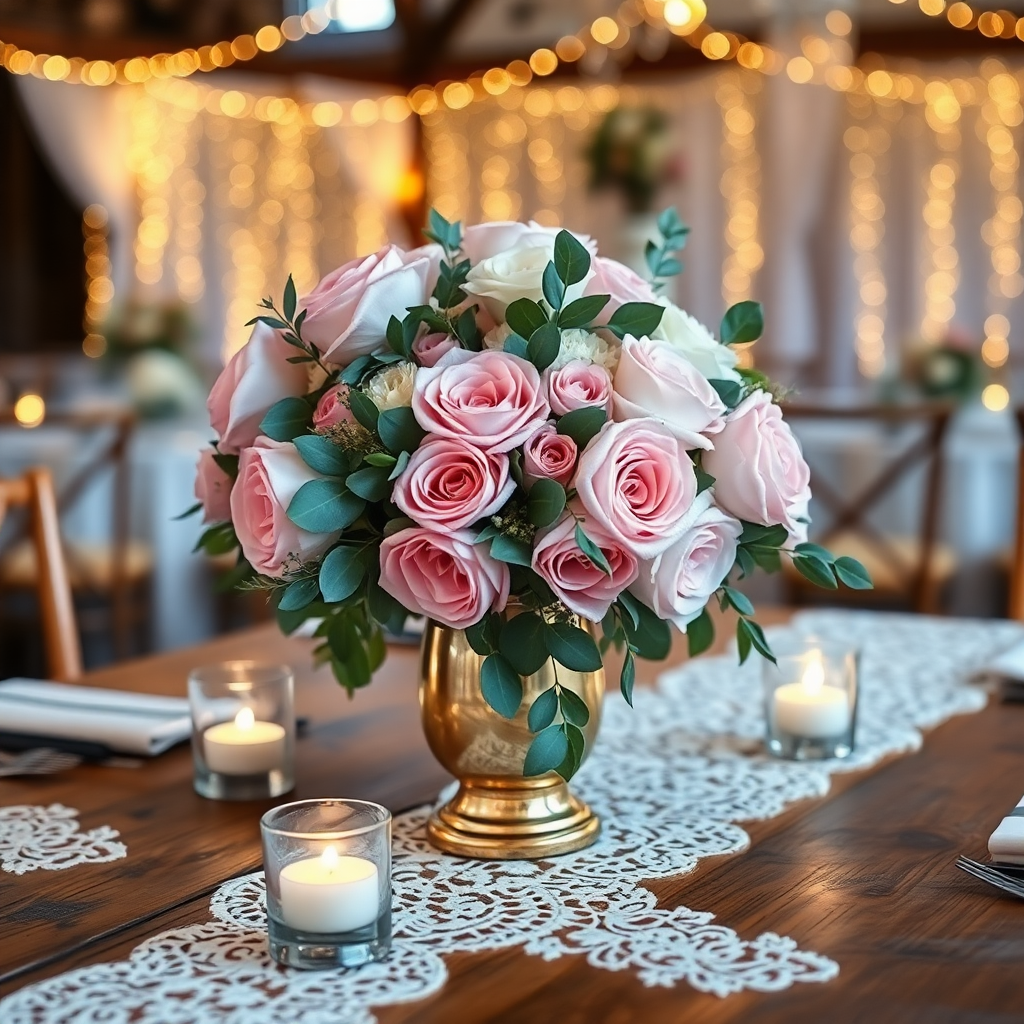
Traditional round bouquets are a timeless style, often used in weddings and classic table centerpieces. These arrangements are characterized by their symmetrical, dome-like shape, which gives them a sense of fullness and balance. Commonly made with roses, peonies, or hydrangeas, round bouquets rely on layering flowers in concentric circles to achieve their signature look. To create one, use a mix of large focal blooms and smaller accent flowers, ensuring every angle of the arrangement looks cohesive. This technique makes them a versatile choice for formal events, exuding both elegance and charm.
B. Cascading Arrangements
Cascading arrangements are the epitome of luxury and grandeur, often chosen as bridal bouquets or as part of extravagant event décor. These arrangements feature flowers and greenery flowing downward in a waterfall effect, creating a dynamic and dramatic appearance. To create this style, start with a sturdy base and add trailing elements like ivy, amaranthus, or cascading orchids. Layer bolder, larger blooms closer to the top and anchor the cascading pieces below for balance. This style requires strategic placement of each element to maintain flow and movement, resulting in a design that feels opulent and visually stunning.
C. Modern Minimalist Arrangements
Modern minimalist arrangements reflect contemporary trends in floral design, emphasizing simplicity and clean lines. These arrangements often use a monochrome palette and incorporate geometric shapes to create a sleek and sophisticated look. One rising trend within this style is single-stem floral designs, where a single type of flower or even a single bloom serves as the focal point. To achieve a minimalist arrangement, prioritize negative space and focus on quality over quantity. Pair striking flowers like calla lilies or anthuriums with neutral-toned vases to emphasize their unique form and color. This style is ideal for contemporary spaces and those looking for understated elegance.
D. Wild & Organic Arrangements
Wild and organic arrangements have grown in popularity, particularly in bohemian weddings and rustic outdoor events. These styles mimic the look of freshly picked flowers and greenery, celebrating the natural beauty of asymmetry and texture. To create this aesthetic, designers often incorporate foraged elements like eucalyptus, grasses, or wildflowers, alongside cultivated blooms. The key is to allow for irregularity and movement, avoiding overly structured compositions. Mixing diverse textures and heights adds depth, while a few loose stems or trailing vines enhance the garden-like feel. This style embodies a sense of freedom and spontaneity, making it perfect for those who favor a more relaxed and earthy aesthetic.
By mastering these four distinct styles, you can adapt your floral designs to meet a wide range of preferences, from classic elegance to modern artistry.
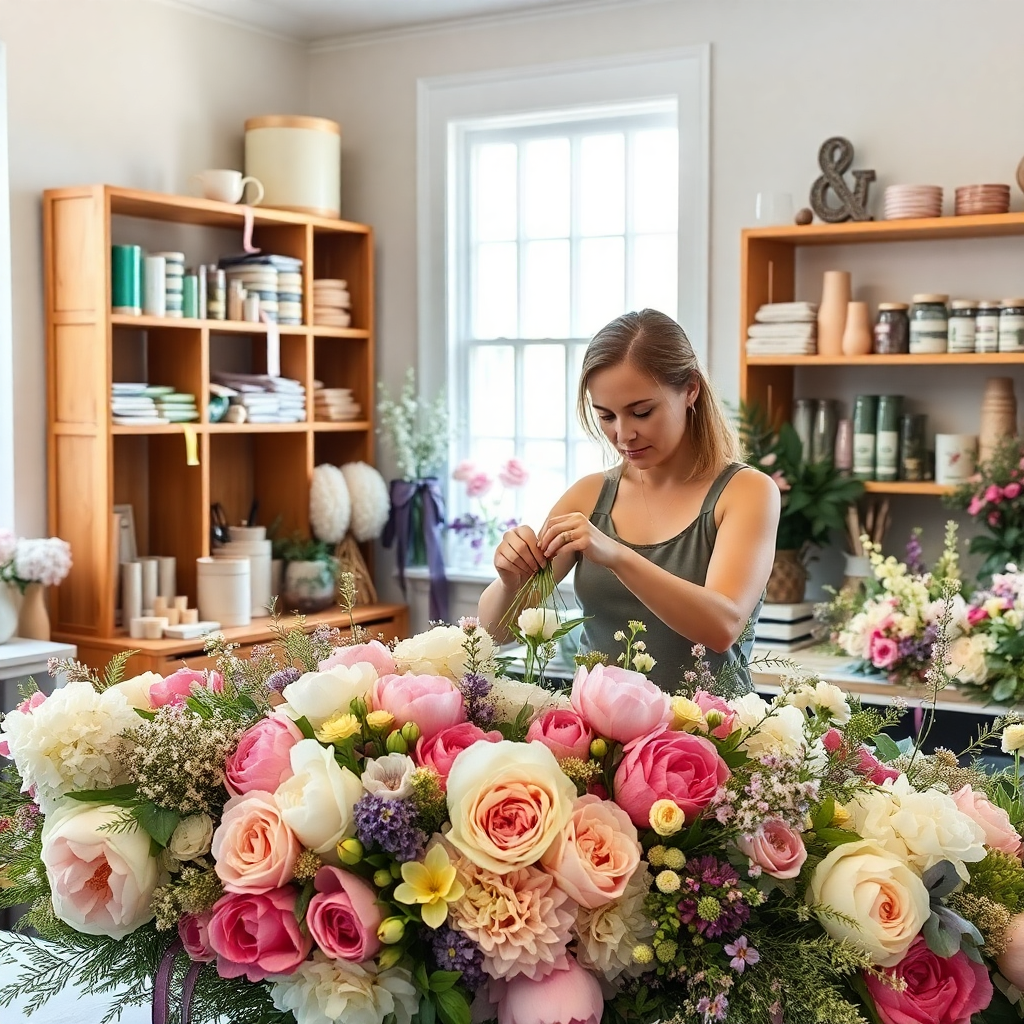
Part 6 – Keeping Your Flower Arrangements Fresh
To enjoy the beauty of your flower arrangements for as long as possible, proper care and maintenance are essential. Follow these tips to ensure your blooms stay vibrant and fresh.
A. Water & Hydration Tips
Maintaining fresh water is key to the longevity of your arrangements. Change the water every 1-2 days to prevent bacteria buildup, which can shorten the lifespan of your flowers. When refilling, consider using flower food, which contains essential ingredients to nourish the stems and inhibit bacterial growth. Alternatively, you can make a DIY mixture using sugar and a small amount of bleach. However, be cautious with the ratio to avoid damaging the flowers. Cutting the stems at an angle every few days also helps improve water absorption.
B. Placement & Temperature Control
Where you place your arrangements significantly impacts their longevity. Keep them away from direct sunlight, heat sources, and drafts, as these can dehydrate the flowers and cause them to wilt prematurely. Ideally, flowers should be displayed in a cool, shaded area within your home. To store arrangements overnight and extend their freshness, consider placing them in a cooler room or even in the refrigerator, as long as the temperature is gentle and consistent.
C. Reviving Wilted Flowers
Even if some flowers begin to wilt, they can often be revived with a few simple techniques. For hydrangeas and roses, the ice water shock method works wonders—place the stems in a container of ice-cold water for 30 minutes to rehydrate them. Lightly misting the petals and leaves can also help improve hydration, particularly for delicate blooms with soft textures. With these rejuvenation methods, your arrangements can regain some of their charm and vitality.
Part 7 – Final Touches & Display Tips
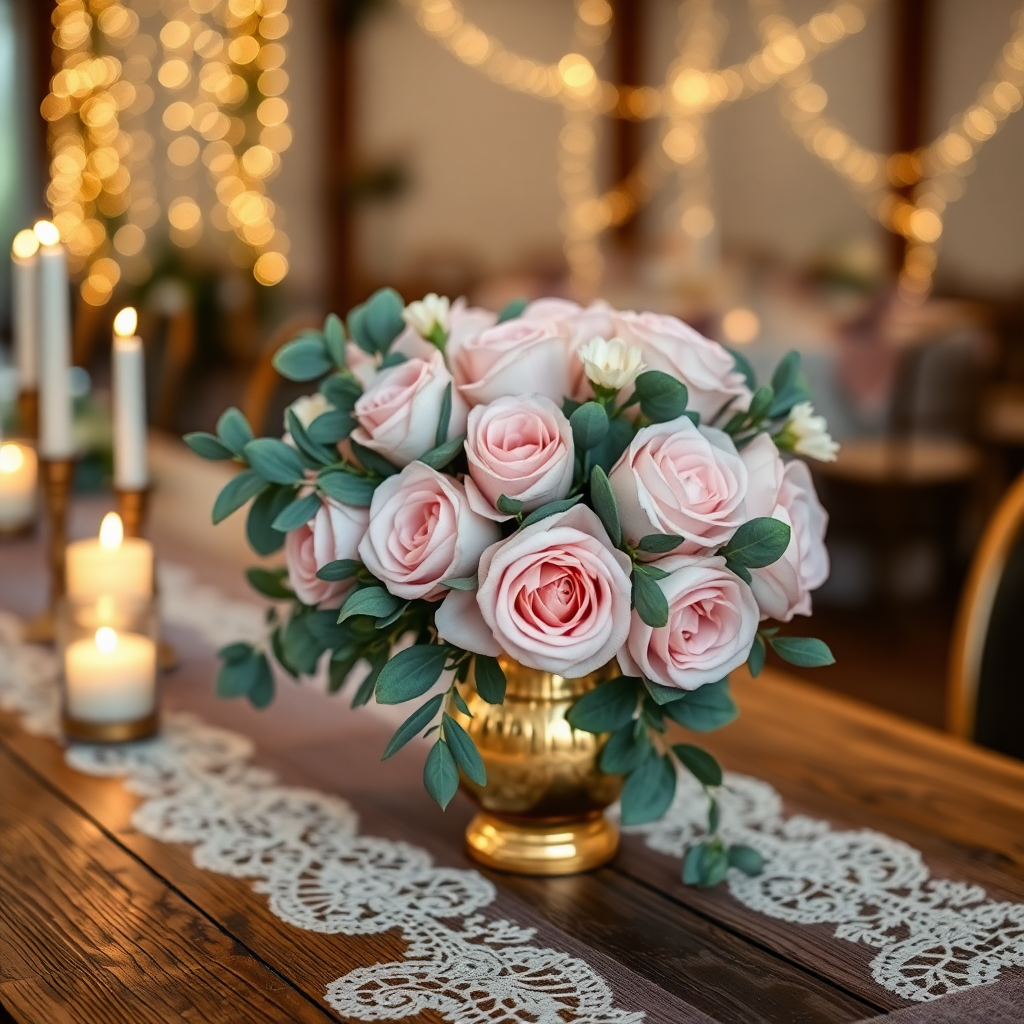
When it comes to presenting floral arrangements, small details can make a big impact. Adding ribbons or floral wraps is an easy way to enhance your bouquet’s elegance and charm. Choose ribbons that complement the colors of your flowers, tying them securely around the stems for a polished look. For a more modern style, consider using trendy floral wraps in subtle textures or patterned designs that add sophistication without stealing the spotlight from your blooms. Meanwhile, pairing your flowers with decorative vases—think sleek glass, ceramic, or rustic wooden containers—brings an additional layer of personality to your arrangements.
For event table arrangements, floral foam or box displays are practical and stunning. Cut the floral foam to fit the container snugly, soak it thoroughly in water, and then secure the stems into the foam to hold your design in place. This method not only keeps the flowers hydrated but also allows for versatile and creative arrangements that can suit formal or casual events alike. Flower-filled boxes are perfect for events like birthdays, weddings, or anniversaries, offering a compact yet visually appealing centerpiece.
To showcase your floral designs at home, consider prime spots like a dining table, kitchen island, or living room coffee table. For events, arrangements look best on entryway tables, buffet setups, or as centerpieces on guest tables. The right placement transforms your floral creations from simple décor into memorable, eye-catching statements that bring life to any space.
Floral arranging is an art that combines creativity and technique to craft stunning displays for any occasion. From selecting the right blooms and foliage to experimenting with color palettes, textures, and shapes, the essential techniques discussed provide a strong foundation for creating captivating arrangements. Remember the importance of trimming stems at an angle, hydrating flowers properly, and choosing complementary vases or containers to enhance the overall design. These small but significant steps ensure your arrangements are fresh, vibrant, and designed to impress.
For those looking to explore floral arranging without breaking the bank, experimenting with wholesale flowers is an excellent option. Wholesale flowers provide a cost-effective way to access a variety of fresh, high-quality blooms that are perfect for practicing techniques or creating arrangements for events. Whether you’re an aspiring florist or someone who loves working with flowers as a hobby, taking advantage of wholesale options allows for more creativity and experimentation.
If you’re ready to start crafting your own beautiful arrangements, shop for wholesale flowers at Whole Blossoms. With a wide selection of fresh and affordable blooms, you’ll find everything you need to bring your floral visions to life. Combine your passion with thoughtful techniques, and watch your designs transform into breathtaking masterpieces!
7 FAQs About Wholesale Flowers
- What are wholesale flowers?
Wholesale flowers are fresh flowers sold in bulk directly from growers or suppliers. They are typically available at a lower price compared to retail, making them an ideal choice for events, weddings, and floral businesses.
- Who can buy wholesale flowers?
Anyone can purchase wholesale flowers, though certain suppliers may require a business license. However, many platforms, like Whole Blossoms, allow individuals and hobbyists to buy flowers without restrictions.
- Why are wholesale flowers more affordable?
Wholesale flowers are purchased in large quantities and often cut out the middleman, leading to reduced costs compared to buying smaller quantities from retail stores.
- How should I care for wholesale flowers upon arrival?
Once your wholesale flowers arrive, trim the stems at an angle, remove lower leaves, and place them in fresh water. Store them in a cool, shaded area to ensure they stay fresh longer.
- Are wholesale flowers suitable for small-scale projects?
Absolutely! Many suppliers allow you to purchase smaller quantities or offer mixed bundles, making them a great option for smaller arrangements or DIY projects.
- Can I order specific flower varieties in bulk?
Yes, wholesale flower providers usually offer an extensive range of flower types and colors. This allows you to choose specific blooms tailored to your design needs.
- When should I order wholesale flowers for an event?
It’s best to order wholesale flowers about 2-3 weeks before your event. Additionally, schedule their delivery 2-3 days prior to the date, ensuring they have time to rehydrate and bloom perfectly.