



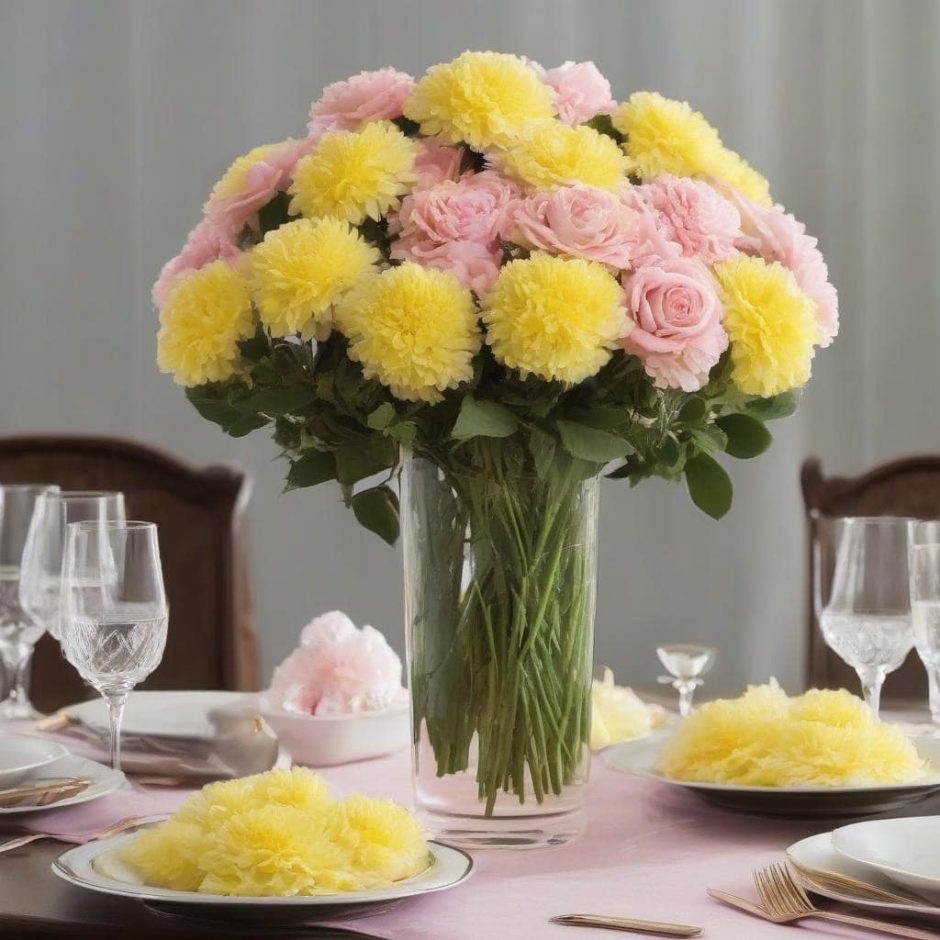
The significance of color contrast in floral designs cannot be overstated—it’s the magic that brings a bouquet or arrangement to life. By carefully selecting and pairing colors that sit opposite each other on the color wheel, designers can create compositions that are visually striking and emotionally evocative. This technique not only highlights the individual beauty of each flower but also creates a visual harmony that captivates the viewer. Whether it’s the soft elegance of pastels against the boldness of bright hues or the depth of dark tones against light, color contrast plays a pivotal role in defining the mood and aesthetic appeal of floral arrangements. It’s this dynamic interplay of colors that makes each bouquet not just a collection of flowers, but a masterpiece of design.
Continue reading “Enhance Your Wedding with the Magic of Pink Roses & Yellow Carnations “Seasonal Wedding Trends
Exploring the Charm of Blush Bouquets for an Enchanting Spring Ceremony
 by Paul T
1,795 views
by Paul T
1,795 views

Bridal bouquets are far more than just an accessory; they are a symbol of joy, purity, and the blossoming of new love. Historically, bouquets carried by brides were composed of herbs and spices to ward off evil spirits and ensure a life filled with health, happiness, and fertility. Over time, flowers took over herbs in this tradition, allowing brides to express themselves through the language of flowers. Today, a bridal bouquet accentuates the beauty of the dress, ties together the wedding theme, and represents the personal style and emotions of the bride on one of the most significant days of her life. Choosing the perfect bouquet is a key element in the wedding planning process, offering a touch of elegance and a splash of color to the celebration.
Continue reading “Exploring the Charm of Blush Bouquets for an Enchanting Spring Ceremony “A Modern Take on Wedding Flowers: Spotlight on White Tulips
by Paul T
7,814 views
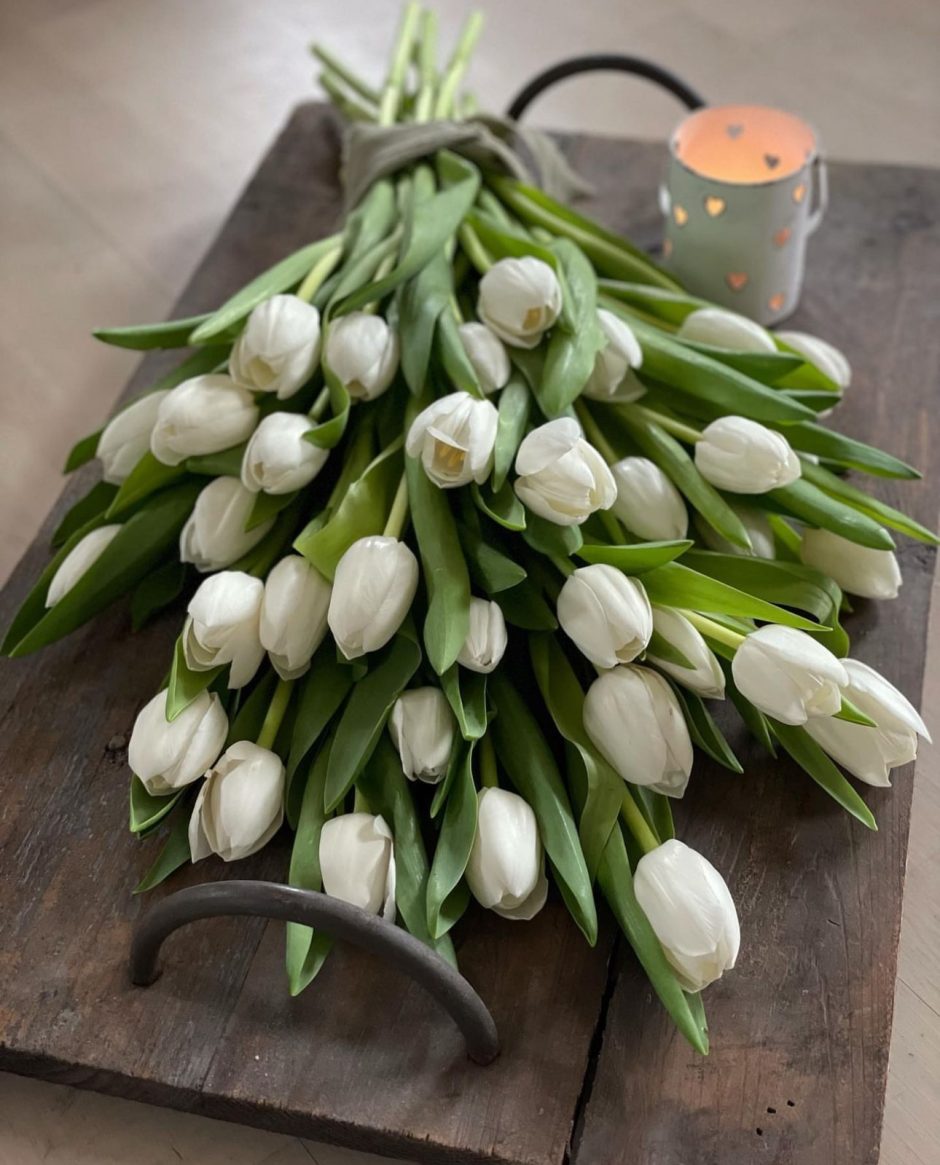
Historically, wedding flowers have symbolized various meanings and sentiments, evolving over centuries to reflect cultural and social trends. Initially, flowers and herbs were chosen for their symbolism and supposed magical properties. For example, in ancient Rome and Greece, brides carried herbs to ward off evil spirits. The Victorian era introduced the language of flowers, with each bloom carrying a specific meaning, influencing bouquet compositions. In the 20th century, wedding flower trends mirrored broader fashion and design trends, from the opulent arrangements of the 1920s to the simple and natural styles of the 1960s and 1970s. Today, the focus has shifted towards personalization and sustainability, with couples favoring flowers that have a personal significance or are eco-friendly, such as locally-sourced blooms. White tulips, with their elegance and simplicity, have emerged as a popular choice, reflecting modern couples’ preference for minimalist yet meaningful floral arrangements.
Continue reading “A Modern Take on Wedding Flowers: Spotlight on White Tulips “