

 by
by 

The Global Journey of a Flower
Most people don’t realize that the delicate roses in their wedding bouquet might have traveled thousands of miles from a lush farm on the other side of the world. Flowers, brimming with beauty and vibrant colors, often make a remarkable journey before arriving at your doorstep or event. Behind every bloom lies a story that spans continents, climates, and skilled hands.
Key flower-exporting countries play a vital role in meeting the world’s floral demands. Ecuador, for instance, is renowned for its breathtaking roses, cultivated high in the Andes where the climate fosters extraordinary blooms. Colombia, too, has earned global recognition for producing a wide variety of high-quality flowers, including carnations and chrysanthemums. Meanwhile, the Netherlands remains a powerhouse with its iconic tulips and advanced horticultural technology, dominating global flower auctions. Kenya and Ethiopia also flourish as major producers, supplying vibrant flowers like alstroemeria and hypericums to markets worldwide.
Amid this globally interconnected floral industry, Whole Blossoms stands out as a trusted partner for sourcing wholesale flowers of the highest quality. By creating direct partnerships with farms across these regions, Whole Blossoms ensures that you receive fresh, premium blooms while supporting sustainable and ethical farming practices.
Each flower has a story, and its roots lie deep within the soil of a farm where skilled farmers dedicate their craft to cultivating perfection. From the moment a seed is planted to the day a flower is harvested and shipped, this global network of farms and growers weaves together the vibrant tapestry of the floral industry. Let’s take a closer look at the fascinating origins of flowers and the commitment behind their immaculate beauty.
Part 1 – Why Flower Origins Matter
The origin of a flower profoundly influences its quality, as factors like altitude, soil quality, and climate work in harmony to shape its health and beauty. Flowers thrive in specific environmental conditions, making their origin integral to their quality and appearance. For example, high-altitude regions provide a cooler climate and slower growth cycles, resulting in stronger, longer-lasting blooms. Soil quality, rich in nutrients and properly balanced, ensures optimal growth and enhances the vibrancy of flowers. Meanwhile, the climate, including temperature, rainfall, and sunlight, determines the health and resilience of each bloom.
This connection between flower origin and quality is best exemplified by renowned varieties like Ecuadorian roses and Colombian carnations. Ecuador’s high-altitude farms yield long-stemmed roses with larger, more robust blooms and intense colors due to extended exposure to sunlight at high elevations. Similarly, Colombia’s warm climate and fertile valleys produce vibrant carnations prized for their rich hues and durability. These geographic advantages highlight the concept of “origin-based quality,” where a flower’s origin directly impacts its aesthetic and structural attributes, setting it apart from others.
Logistics also play a pivotal role in maintaining the inherent quality of flowers. The location of a farm and the efficiency of the supply chain significantly influence freshness, vase life, and cost. Flowers sourced globally often require specialized handling, refrigeration, and rapid transportation to preserve their pristine condition during transit. By understanding the benefits of sourcing globally, businesses and consumers can make informed decisions, gaining access to premium-quality blooms while supporting diverse agricultural communities.
By exploring the intricate relationship between flower origin and quality, it’s clear that the origins of blooms are more than just a point of geography—they’re a testament to nature’s artistry and the sustainability of global sourcing practices. Knowing where flowers come from enables appreciation for their beauty, longer vase life, and the value of investing in exceptional blooms.
Part 2 – The Farm-to-Vase Supply Chain
Understanding the farm-to-vase supply chain reveals the remarkable process that brings fresh flowers from fields around the globe directly to your doorstep. This step-by-step system is designed to preserve the beauty and quality of blooms through meticulous care and innovative logistics.
Step 1: Farm Harvest
The journey of every flower begins at carefully managed farms where dedicated growers cultivate vibrant blooms. These farms often operate with expertise passed down through generations, ensuring that flowers are picked at the perfect stage of maturity for optimum freshness and longevity.
Step 2: Sorting and Packing
Once harvested, flowers are immediately sorted and graded based on quality, color, and size. They’re then carefully packed to protect the delicate blooms. Innovative packaging techniques, including secure wrapping and hydration mechanisms, ensure minimal damage during transit.
Step 3: Cold Chain Transport
Flowers are highly perishable, making cold chain logistics essential. From the farms, flowers are stored in temperature-controlled environments to maintain their freshness. This cold chain extends through every stage of transport, whether by trucks, planes, or refrigerated shipping containers. By keeping blooms consistently cool, their longevity and vibrancy are preserved.
Step 4: Arrival in the U.S.
When flowers arrive in the U.S., they pass through inspections to ensure quality and regulatory compliance. Wholesalers and distributors then handle them with care, maintaining appropriate storage conditions. The blooms may be sent directly to floral designers or businesses that specialize in wholesale flower delivery.
Step 5: Delivery to the Customer
The final step in the farm-to-vase process is bringing the flowers to customers. Whether through retail flower shops, online floral delivery services, or bulk purchases for events, every bouquet is carefully delivered to ensure that petals remain unspoiled and gorgeous upon arrival.
Why the Farm-to-Vase Process Matters
This supply chain, often referred to as “floral cold chain logistics,” highlights the intricate work behind the scenes that keeps blooms fresh and beautiful, no matter the distance they travel. By supporting efficient and sustainable practices, the farm-to-vase process ensures that customers can enjoy the unmatched beauty and quality of fresh flowers.
- Farm Harvest
- Sorting and Packing
- Cold Chain Transport
- Arrival in U.S.
- Delivery to Customer
When you choose blooms cared for at every stage, you’re not just buying flowers—you’re experiencing the extraordinary complexity and craftsmanship of the farm-to-vase process. This seamless blend of art and logistics delivers the freshest, highest-quality flowers straight to your door.
Part 3 – Top Flower-Sourcing Countries
Meet the Floral Giants
The global floral industry is supported by some incredible countries that have mastered the art of flower cultivation. Each offers unique traits and specialties, making them leaders in the farm-to-vase process. Here’s a closer look at the giants of floral sourcing:
Ecuador
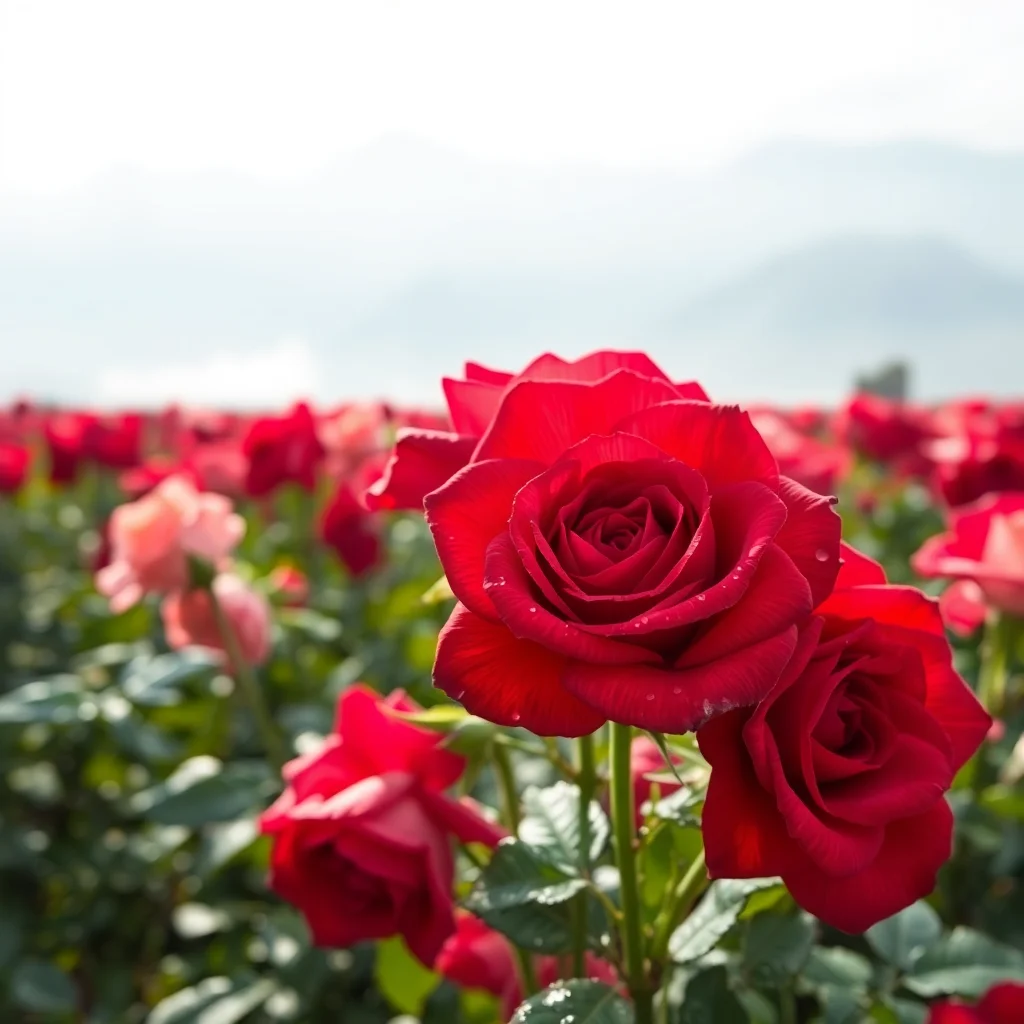
Famed for its long-stemmed roses, Ecuador benefits from its high-altitude farms with strong sunlight and cool nights. These conditions result in robust, vibrant blooms with large heads and a rich fragrance. Ecuadorian roses are a favorite for luxury floral arrangements and events like weddings where wedding roses grown at altitude shine.
Colombia
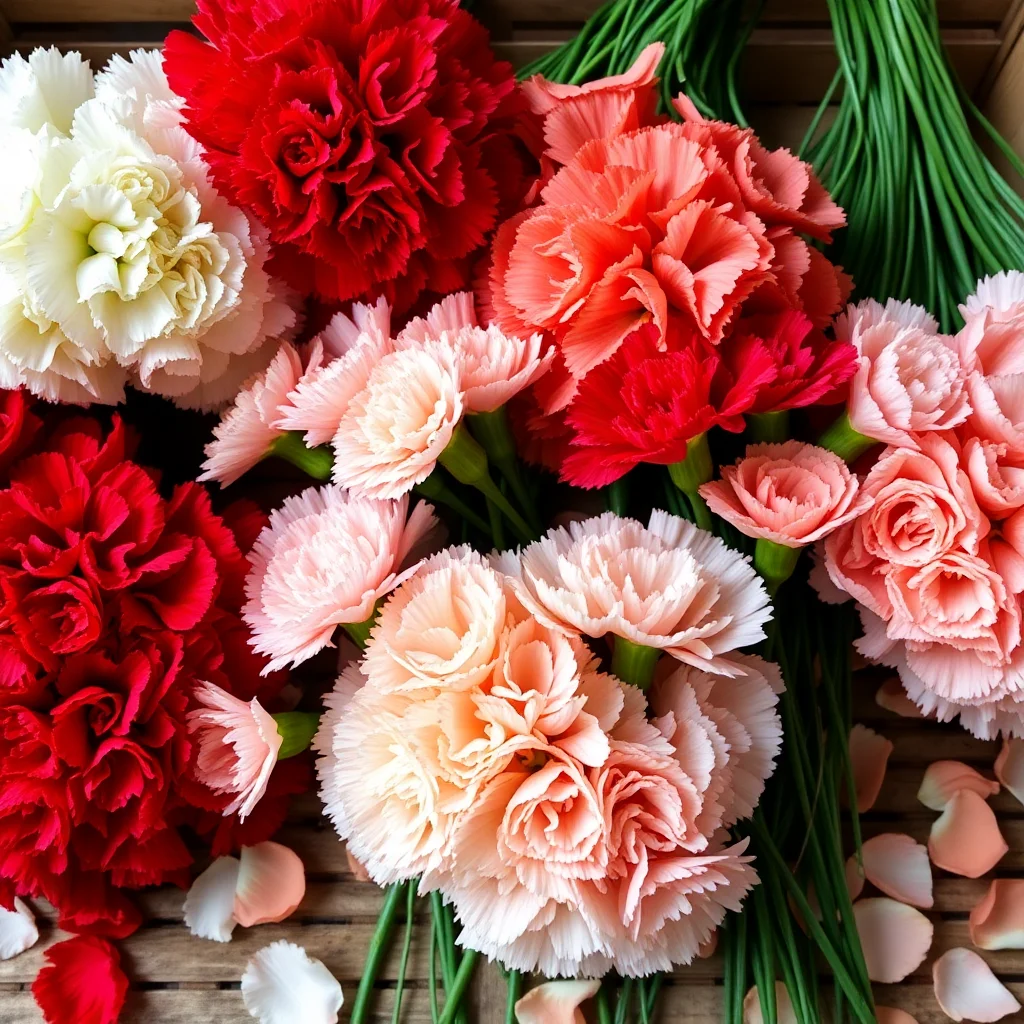
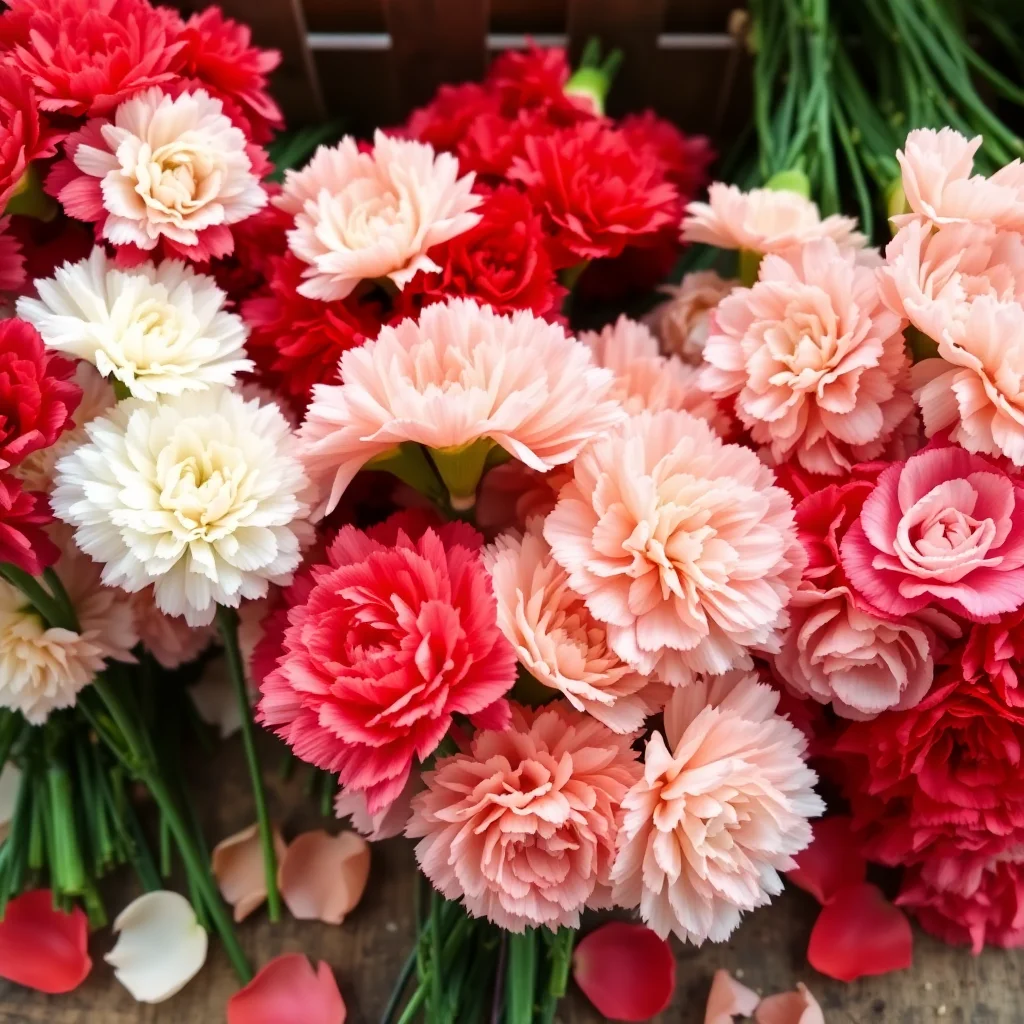
Colombia is the largest exporter of carnations and spray roses globally, thanks to its consistent weather patterns that maintain precise color uniformity. The country’s dedication to flower quality and growing infrastructure has made it a preferred supplier for carnations and other flower varieties worldwide.
Netherlands
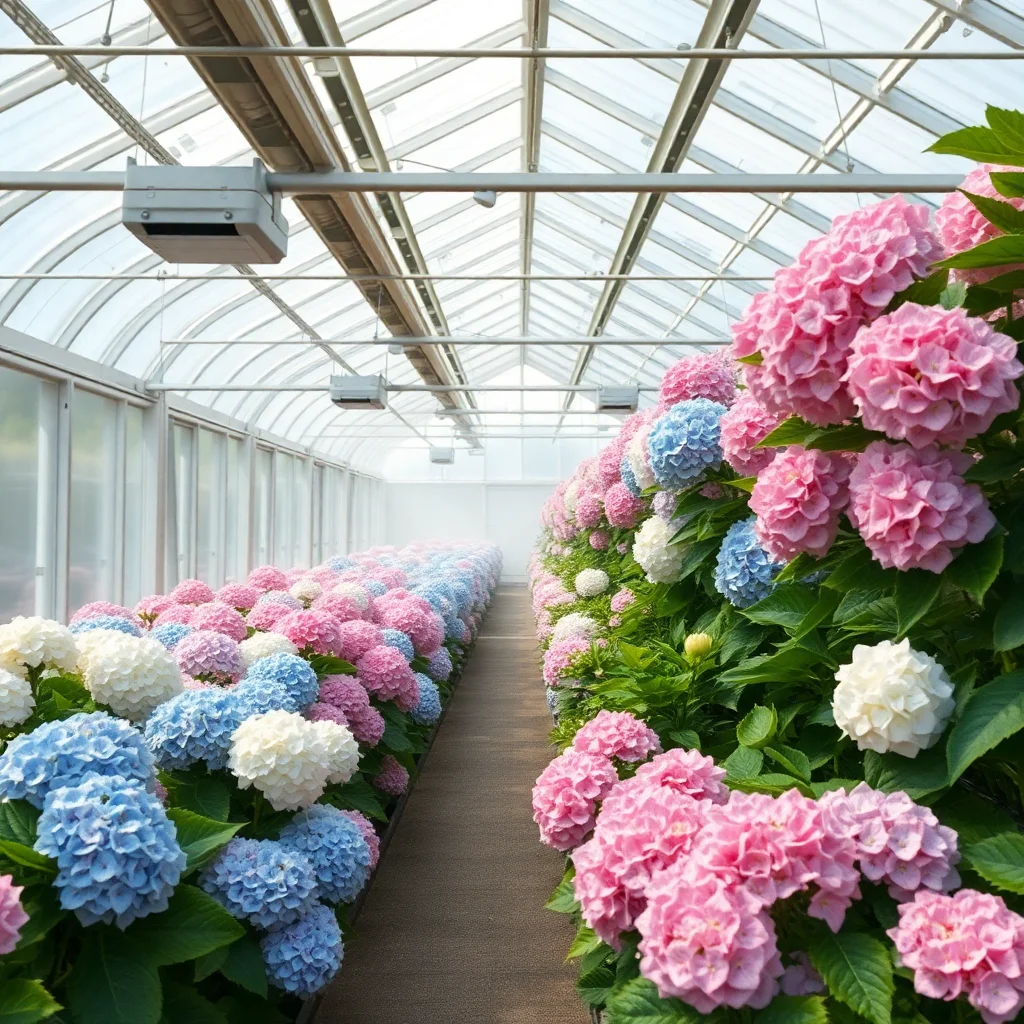
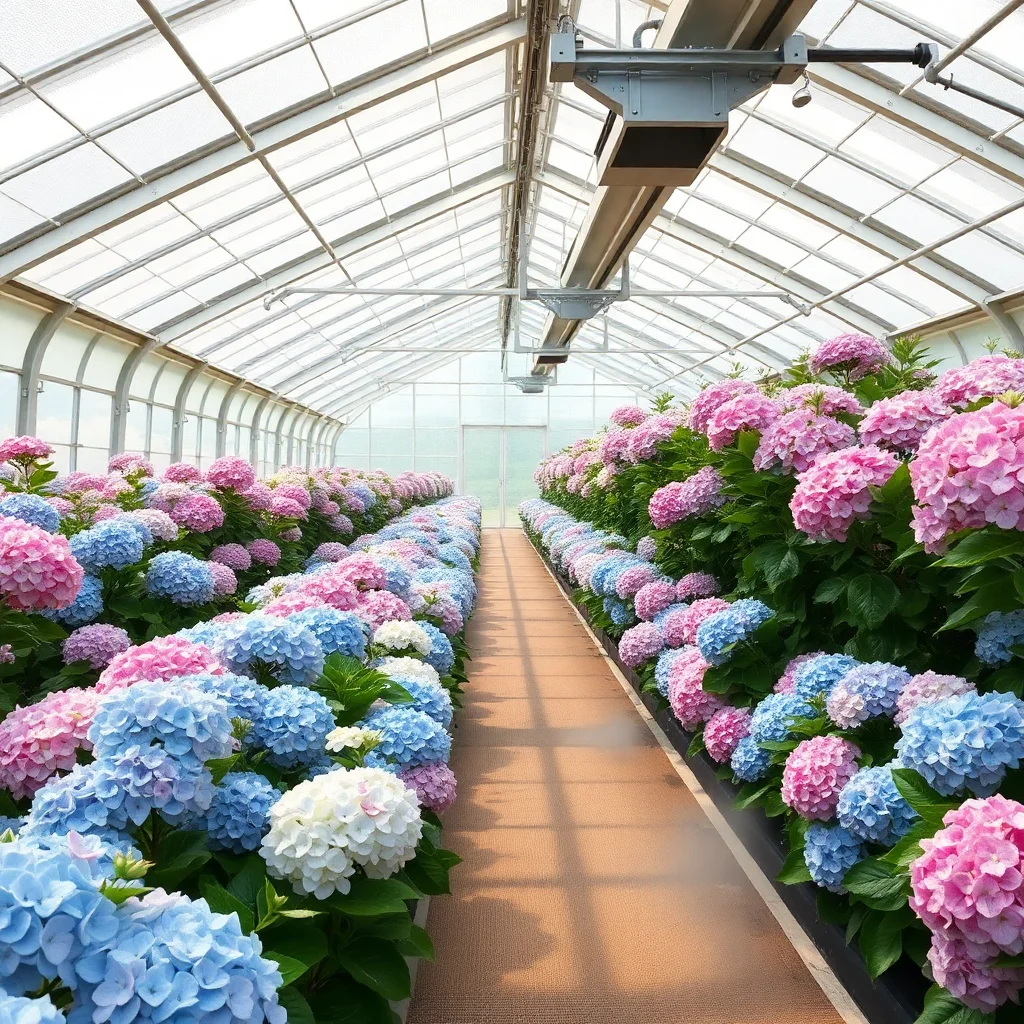
Known as the global capital of flowers, the Netherlands is synonymous with tulips and hydrangeas. The country’s innovative greenhouse technology ensures year-round production of high-quality blooms, minimizing the environmental impact while maximizing output. The Netherlands is also home to the famous Aalsmeer Flower Auction, the world’s largest flower market.
Peru
Floral enthusiasts look to Peru for its stunning tropical flowers and vibrant Alstroemeria. The country’s unique climate produces dramatic, bright seasonal blooms unmatched in variety and color. Peru’s exotic offerings have become increasingly popular in both wedding designs and modern bouquets.
Israel
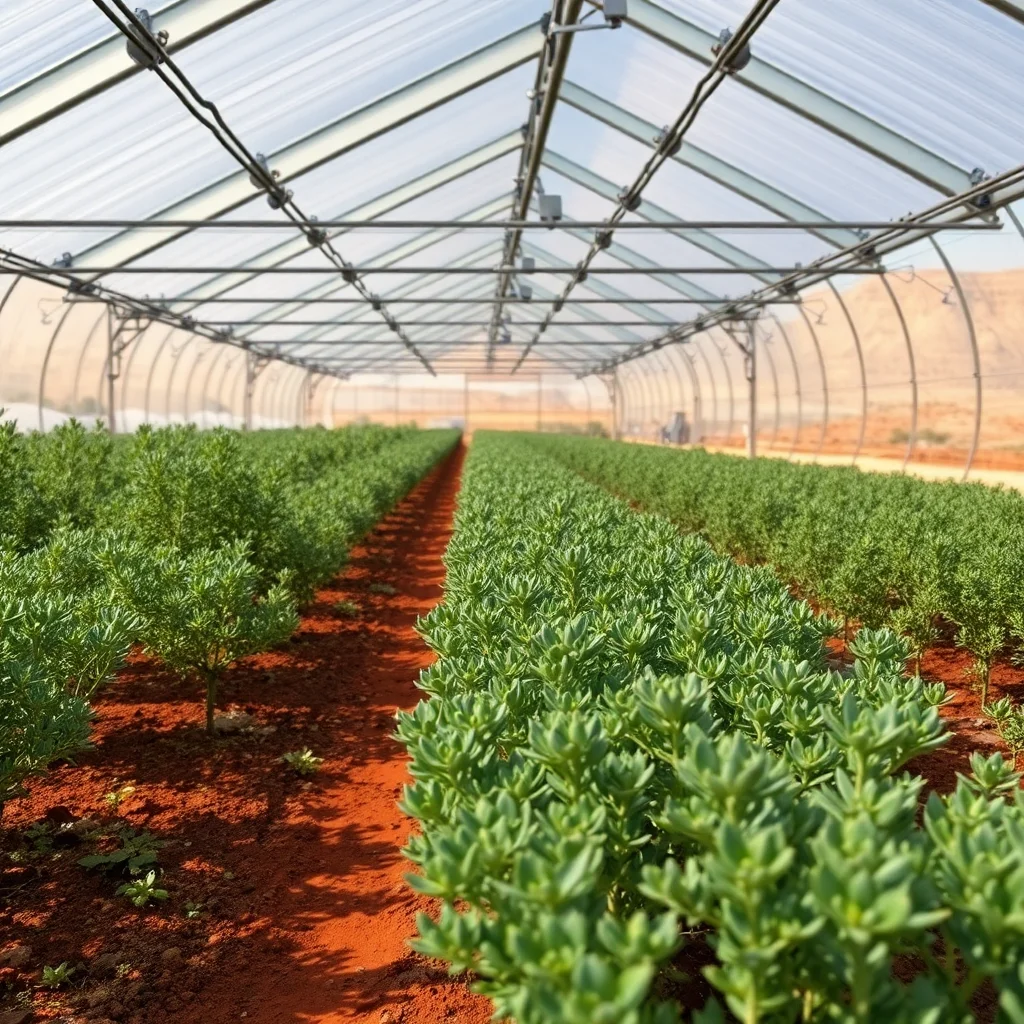
Israel’s cutting-edge agricultural technology has positioned it as a leader in cultivating high-tech greenery. With precise water management systems and eco-friendly practices, Israel produces lush foliage and specialty flowers ideal for sustainable floral arrangements.
United States (California)
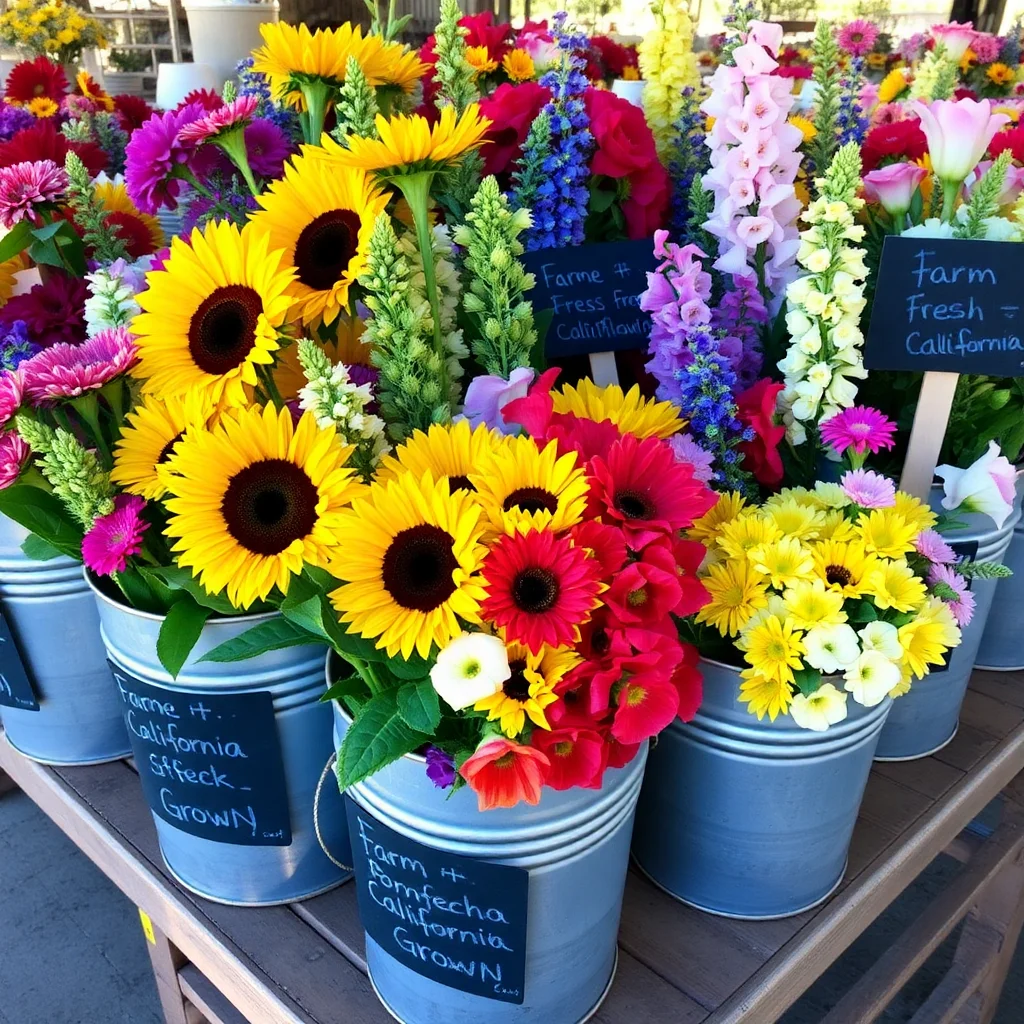
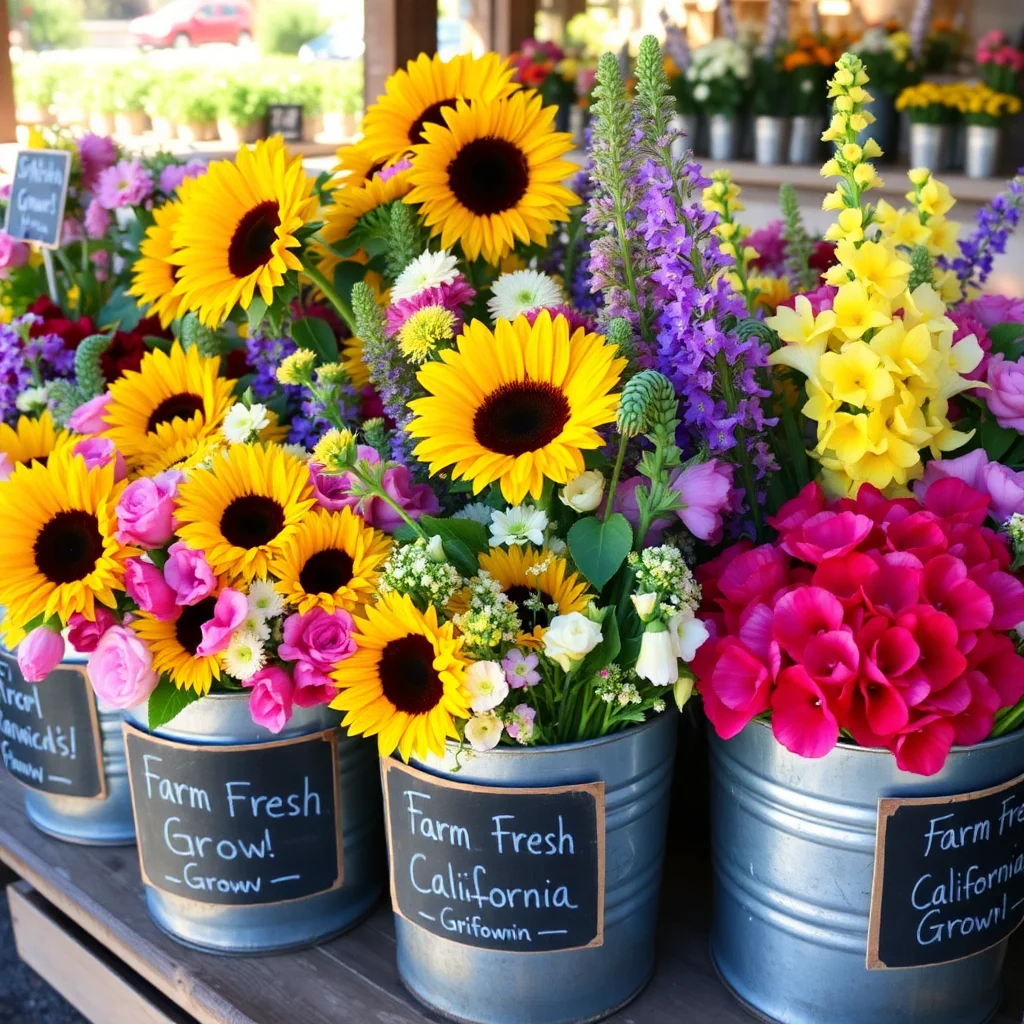
California plays a significant role in the local U.S. market, producing a broad range of fresh flowers such as roses, daisies, and lilies. With the advantage of proximity, California-grown flowers are known for being fast, fresh, and local, often reaching customers within hours of being harvested.
What Flowers Come From Where?
| Country | Best Known For | Export Specialty |
| Ecuador | Long-stemmed Roses | Wedding Roses (High Altitude) |
| Colombia | Carnations, Spray Roses | Color Uniformity |
| Netherlands | Tulips, Hydrangeas | Greenhouse Innovation |
| Peru | Tropicals, Alstroemeria | Bright Seasonal Blooms |
| Israel | Greenery | Eco Tech Growing |
| California | Mixed Flowers | Fast U.S. Delivery |
By sourcing flowers from these leading nations, the floral industry can provide a vast array of blooms, ensuring that customers enjoy diversity, quality, and sustainable practices with every bouquet.
Part 4 – What Influences Flower Growing Locations?
The choice of flower growing locations is heavily influenced by a combination of climate, labor costs, and technological advancements. These factors determine the quality, availability, and price of flowers that reach consumers worldwide.
Climate: Optimal Temperatures, Sunlight, and Rainfall
Climate plays the most significant role in determining where flowers can thrive. Specific blooms require certain temperature ranges, consistent sunlight, and appropriate rainfall to grow in abundance and maintain top-tier quality. For example, countries like Colombia and Ecuador offer high-altitude climates with mild temperatures and ideal sunlight conditions for roses and carnations, ensuring vibrant colors and robust growth. Similarly, the Netherlands, with its cooler climate and innovative greenhouse solutions, is well-equipped for growing tulips and hydrangeas year-round. By leveraging these natural conditions, these regions ensure an uninterrupted supply of high-quality flowers.
Labor Costs: Cost-Effective Sourcing
Labor costs are another key factor influencing where flowers are cultivated. Countries with lower operational and labor expenses, such as Colombia, contribute to cost-effective production, making flowers more affordable for global markets. Peruvian flower farms, employing cost-efficient labor, have become renowned for producing tropical flowers and bright seasonal blooms at competitive prices. Simultaneously, regions with higher labor costs, like California, mitigate this challenge by prioritizing proximity to markets, reducing shipping time and costs.
Technology: Greenhouses and Cold-Chain Logistics
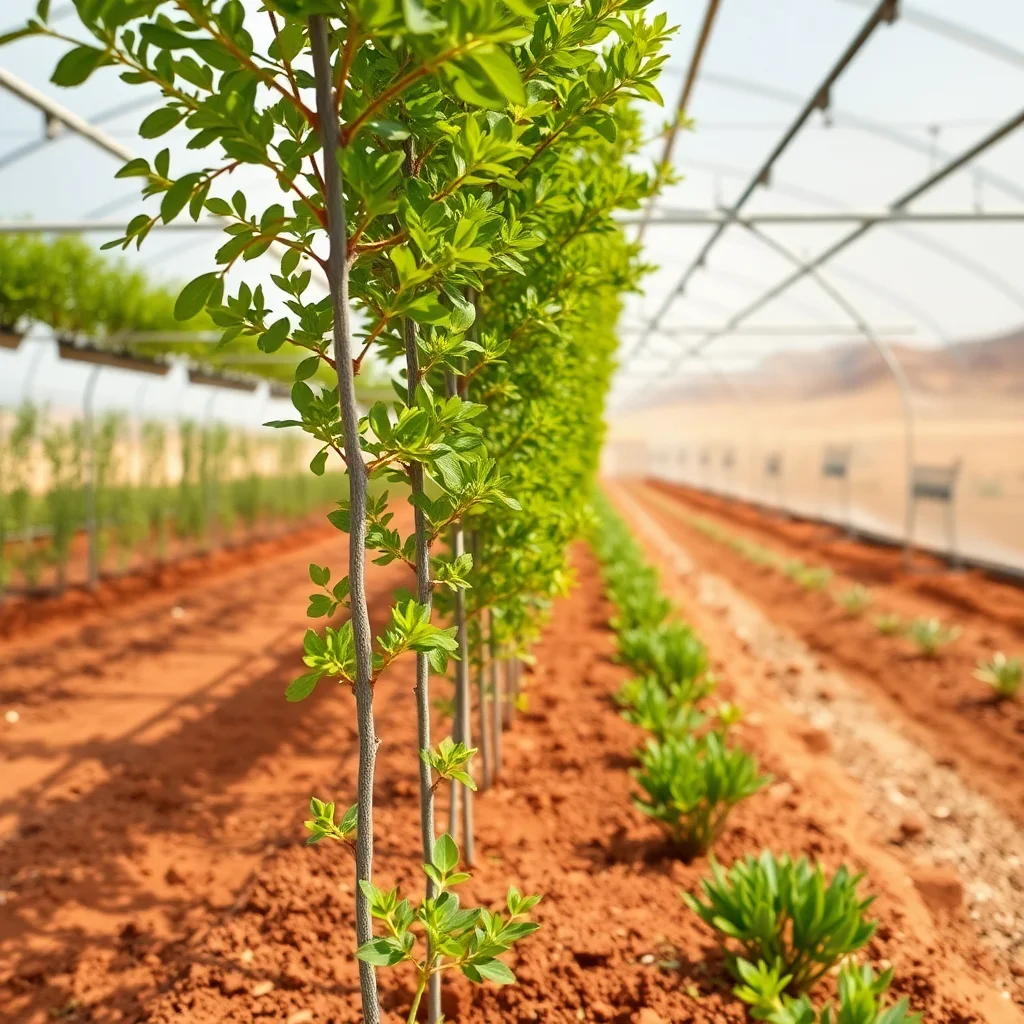
The role of technology in flower growing cannot be overstated, particularly in areas where natural conditions might fall short. Innovations like greenhouses equipped with climate control systems allow countries like the Netherlands to overcome limitations posed by their seasons and grow flowers year-round. Furthermore, advancements in cold-chain logistics ensure that flowers maintain their freshness as they travel across continents. From Israeli greenery grown with eco-tech systems to California’s strategically located mixed flower farms, technology bridges the gap between local constraints and global demand.
Why Do Flowers Come from Certain Countries?
Flowers come from specific countries due to a mix of economic, environmental, and agricultural advantages. Nations like Colombia, Ecuador, and Kenya dominate the industry due to their ideal growing conditions, affordable labor, and well-established export infrastructures. With abundant sunshine, fertile soil, and favorable climates, these nations produce high-quality flowers at competitive prices. Additionally, proximity to global markets plays a crucial role. For instance, California’s flower farms ensure fast U.S. delivery, meeting consumer demand for fresh and vibrant bouquets. By strategically harnessing these factors, countries solidify their positions as leaders in the global floral industry.
The synergy between nature, labor, and technology in these regions ensures a steady flow of beautiful, high-quality blooms for customers around the world. Understanding these factors highlights the intricate processes behind every bouquet we admire.
Part 5 – Chart: Top 10 Flower Exporting Countries Globally
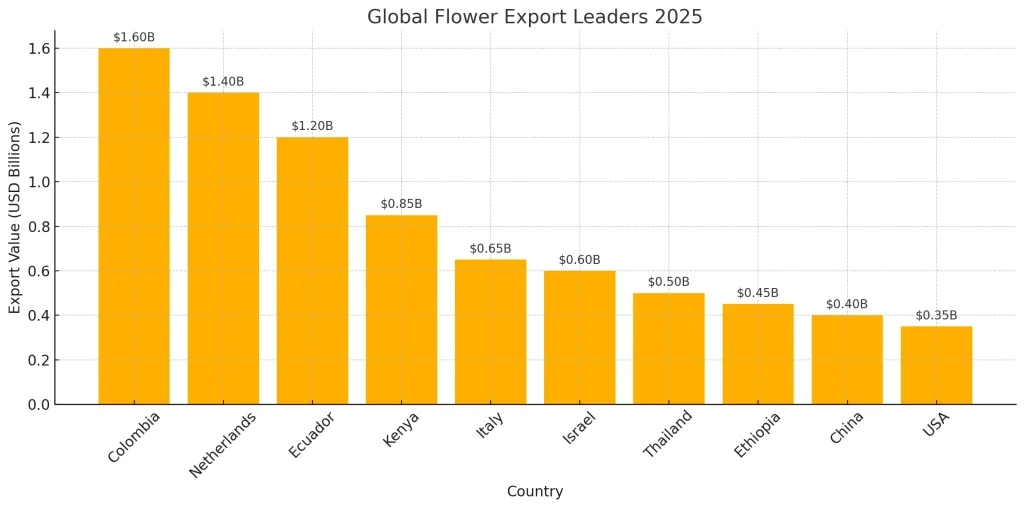
Top countries include Colombia, Ecuador, the Netherlands, and Kenya. Displays export volume in millions of dollars, highlighting global trade dominance. Source: Whole Blossoms research and export trade data.](#)
This chart provides a visual representation of the leading flower-exporting countries globally, showcasing their contribution to the international floral industry. With Colombia, Ecuador, the Netherlands, and Kenya leading the rankings, it becomes evident how different regions have leveraged their unique climates, advanced cultivation techniques, and efficient supply chains to dominate global markets. Understanding these dynamics offers valuable insights into the intricate world of flower exports.
Part 6 – Sustainability & Ethics in Flower Sourcing
At Whole Blossoms, sustainability and ethics are at the heart of our mission to deliver the finest flowers to our customers. We are deeply committed to sourcing from eco-friendly flower farms that prioritize responsible growing practices and ensure fair treatment of workers. By collaborating with ethical farms, we aim to preserve the environment, support local communities, and provide our customers with blooms that are as kind to the planet as they are beautiful.
Among the global leaders in sustainable floral sourcing, Israel, the Netherlands, and California stand out for their innovative and mindful practices. Israeli flower farms have pioneered advanced irrigation systems, making efficient use of water resources in arid environments. Similarly, Dutch growers have adopted state-of-the-art greenhouse technology, reducing energy consumption and minimizing their environmental footprint while maintaining flower quality. California, known for its year-round growing capability, boasts farms that integrate organic farming techniques and prioritize reduced pesticide use, ensuring both environmental health and worker safety.
Whole Blossoms also places a strong emphasis on ensuring our flowers meet rigorous sustainability standards. Many of our partner farms hold certifications like Rainforest Alliance and Fair Trade, which endorse environmentally and socially responsible farming practices. These certifications not only uphold eco-friendly floral sourcing but also promote ethical labor practices, granting farm workers fair wages and safe working conditions. Eco-labels such as Florverde and VeriFlora further validate our commitment to a greener future, reassuring consumers that our flowers are grown with care and responsibility.
By choosing sustainably grown blooms, Whole Blossoms customers can enjoy vibrant, fresh flowers while also contributing to environmental conservation and ethical trade. Together, we can foster a floral industry that respects both nature and humanity, nurturing beauty in every sense of the word. With every stem, bouquet, and arrangement sourced ethically, we are paving the way for a brighter and more sustainable future in the floral world.
Why Wholesale Shoppers Should Care
When it comes to flowers, their origin is much more than just a point on a map—it’s a direct reflection of their quality. At Whole Blossoms, we believe that where and how flowers are grown plays a crucial role in determining their beauty, durability, and overall appeal. By prioritizing sustainably and ethically sourced blooms, we ensure that every petal not only radiates exquisite color but also delivers unmatched vibrancy and fragrance. For wholesale shoppers like planners, florists, and brides, understanding the importance of origin means gaining confidence in the quality and consistency of their floral choices.
The origin of flowers impacts several key factors that matter to professionals in the industry. Color saturation, for example, is directly influenced by growing conditions and agricultural practices, leading to breathtaking blooms that make a statement in any setting. Petal strength and structure, carefully nurtured through responsible cultivation, ensure resilience and longevity, so your arrangements maintain their charm long after they’re displayed. Furthermore, fragrance—an often-overlooked hallmark of quality—flourishes in flowers nurtured in ideal conditions. These elements combined offer a tactile difference that dramatically enhances any design, from intimate bridal bouquets to elaborate event centerpieces.
At Whole Blossoms, we’re committed to providing wholesale shoppers with a seamless experience rooted in trust and high standards. Whether you’re planning a wedding, crafting daily floral arrangements, or coordinating a major event, you can rely on our ethically sourced flowers to deliver perfect consistency. With every bloom you select, you’re not just choosing stunning flowers; you’re choosing peace of mind that your arrangements will leave a lasting impression.
When you buy from Whole Blossoms, you’re buying from the source. Experience the true difference of sustainably grown, premium-quality flowers that tell a story of care, responsibility, and undeniable beauty.
Top 10 Questions About Global Flower Sourcing
1. Where do most sustainably sourced flowers come from?
Sustainably sourced flowers often come from regions with ideal growing conditions, such as Colombia, Ecuador, Kenya, and the Netherlands. These areas are renowned for their advanced agricultural practices and climates that are perfect for cultivating high-quality blooms. Learn more about the top flower-producing countries in this blog.
2. Why is sustainable flower sourcing important?
Sustainable flower sourcing helps protect the environment, supports fair labor practices, and ensures that growers, workers, and local communities benefit from ethical trade. It’s a way to bring beauty into your life while having a positive global impact. Check out our article about the benefits of sustainability in floriculture for more insights.
3. How can I be sure my flowers are sustainably sourced?
Look for certifications like Rainforest Alliance, Fair Trade, or Florverde, as these validate ethical and sustainable practices. Purchasing from trusted partners with transparent sourcing policies, like Whole Blossoms, ensures peace of mind. Discover more about certifications and what they mean here.
4. Can seasonal flowers be sourced globally year-round?
Yes, global flower sourcing allows for seasonal blooms to be available year-round due to varying climates worldwide. For example, peonies are grown in South America during North America’s off-season. Explore the benefits of global availability in this detailed guide.
5. Where are premium roses grown for event arrangements?
Most premium-quality roses are grown in Ecuador and Colombia, where the high-altitude climate and rich soil produce vibrant, long-lasting blooms. For more on why Ecuadorian roses are top-tier, read this in-depth blog.
6. Why do some flowers cost more when sourced globally?
Global flower costs can vary due to factors like rarity, shipping logistics, and the labor involved in harvesting and handling delicate blooms. Sustainable and ethical practices may also influence pricing. Learn more about global flower pricing in our blog.
7. How does global shipping ensure fresh flowers?
Advanced cold-chain logistics and careful packaging help flowers maintain their freshness during transport. Flowers are typically shipped within 24-48 hours after harvest to preserve their beauty. For a behind-the-scenes look at flower shipping, visit this resource.
8. Can I choose specific growers or farms for my flowers?
Some flower providers, like Whole Blossoms, give you the option to select blooms from specific farms known for their quality and sustainability. This ensures you receive exactly what you’re looking for. Read this blog about why farm selection matters.
9. Why are global flowers popular for weddings and events?
Global flower sourcing provides access to unique and exotic varieties that complement any wedding or event theme, ensuring stunning arrangements that stand out. Learn more about creating unforgettable events with global blooms in this feature.
10. How does global flower sourcing impact local economies?
When done ethically, global flower sourcing creates jobs and supports communities in flower-growing regions. It also fosters sustainable practices that have long-term benefits for local ecosystems. Find out more in this case study on the social impact of floriculture.
By exploring these questions, you’ll gain better insight into the beauty and conscientious effort behind global flower sourcing. For more information, check out additional resources in our flower sourcing blog series.
Want Ecuadorian Roses for Your Wedding?
Make your special day unforgettable with the timeless beauty of Ecuadorian roses. Known for their vibrant colors and unmatched freshness, these blooms are perfect for weddings, anniversaries, or any celebration of love. Explore our curated selection of roses grown in the heart of Ecuador.
Shop by Country, Color, or Variety
Customize your floral experience by shopping our collection by country of origin, color palette, or flower variety. With guaranteed freshness, reliable delivery, and exceptional support, we make it easy for you to find the perfect blooms for any occasion.
Where Beauty Begins
Every bloom tells a story—and it starts at the source. Whether it’s long-stemmed roses from the highlands of Ecuador or lush hydrangeas from Dutch greenhouses, knowing where your flowers come from helps you appreciate the quality, care, and craftsmanship behind every stem. At Whole Blossoms, we proudly connect you to the world’s finest floral farms, delivering freshness, variety, and value from farm to vase.