


 by
by 
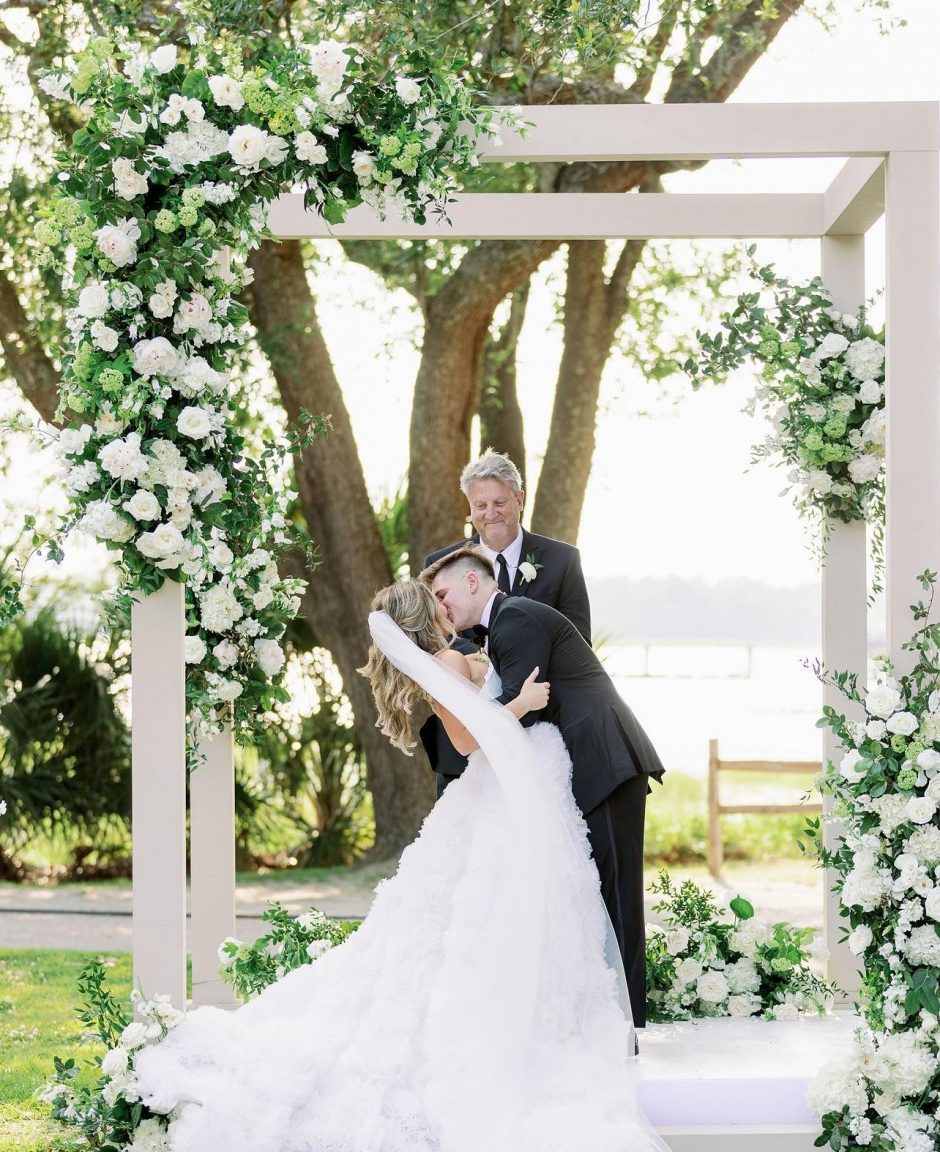
Flowers hold a quintessential role in weddings, adding beauty, fragrance and symbolism to the ceremony. They are an expression of emotion and set the tone for the event, reflecting the couple’s personality, style, and theme. The color white, in particular, holds a special significance in weddings. It symbolizes purity, innocence, and elegance, and is often associated with new beginnings and everlasting love. Choosing white flowers for a wedding can create a classic, timeless atmosphere that adds a touch of sophistication and tranquility to the occasion.
- Roses
The rose, often hailed as the ‘Queen of Flowers’, has a rich history dating back millions of years. Fossils tell us that roses existed as far back as 35 million years ago, and throughout the centuries, they have been a symbol of love, beauty, war, and politics. The Ancient Greeks and Romans associated the rose with their goddesses of love, Aphrodite and Venus. In the 17th century, roses were so high in demand that royals considered them legal tender, using them as currency and for barter.
Symbolically, roses convey deep emotions, love, honor, faith, beauty, and passion. White roses, in particular, symbolize purity, innocence, and new beginnings, making them a popular choice for weddings.
Including roses in wedding decor offers numerous benefits. Aside from their unmistakable beauty and fragrance, roses are incredibly versatile and can be incorporated into any style or theme. They come in a wide range of sizes and petal shapes, and their sturdy stems make them ideal for various floral arrangements like bouquets, boutonnieres, centerpieces, and arches. Roses are also available year-round, making them a reliable choice for weddings in any season.
- Lily of the Valley
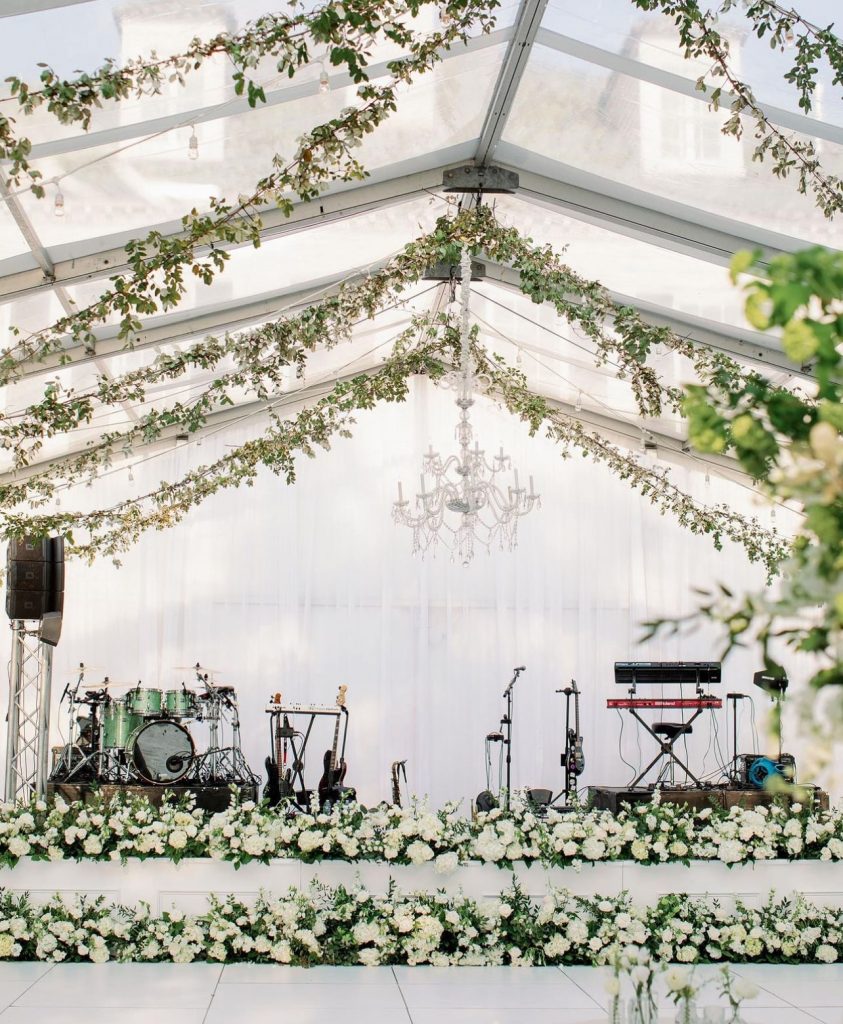
Lily of the Valley, also known as ‘May Bells,’ is a sweetly scented, highly poisonous woodland flowering plant that is native to the Northern Hemisphere in Asia and Europe. This charming bell-shaped flower has a rich history and has been used for medicinal purposes since the Middle Ages. It was considered a symbol of humility in religious paintings and was commonly associated with the second coming of Christ.
Symbolism, like many flowers, Lily of the Valley is loaded with meaning. This delicate bloom represents humility, purity, and the return of happiness. Its symbolism makes it a meaningful choice for wedding celebrations, symbolizing the couple’s joy, love, and appreciation of simplicity.
Incorporating Lily of the Valley into your wedding decor offers several advantages. Its delicate and fragrant blooms add a touch of elegance and sophistication to any arrangement. Ideal for bouquets and table arrangements, its minimalistic beauty stands out in any setting, making it a perfect choice for a classic, traditional wedding. The simplicity of this flower also means it pairs well with other blooms, allowing for a variety of floral combinations.
- Orchids
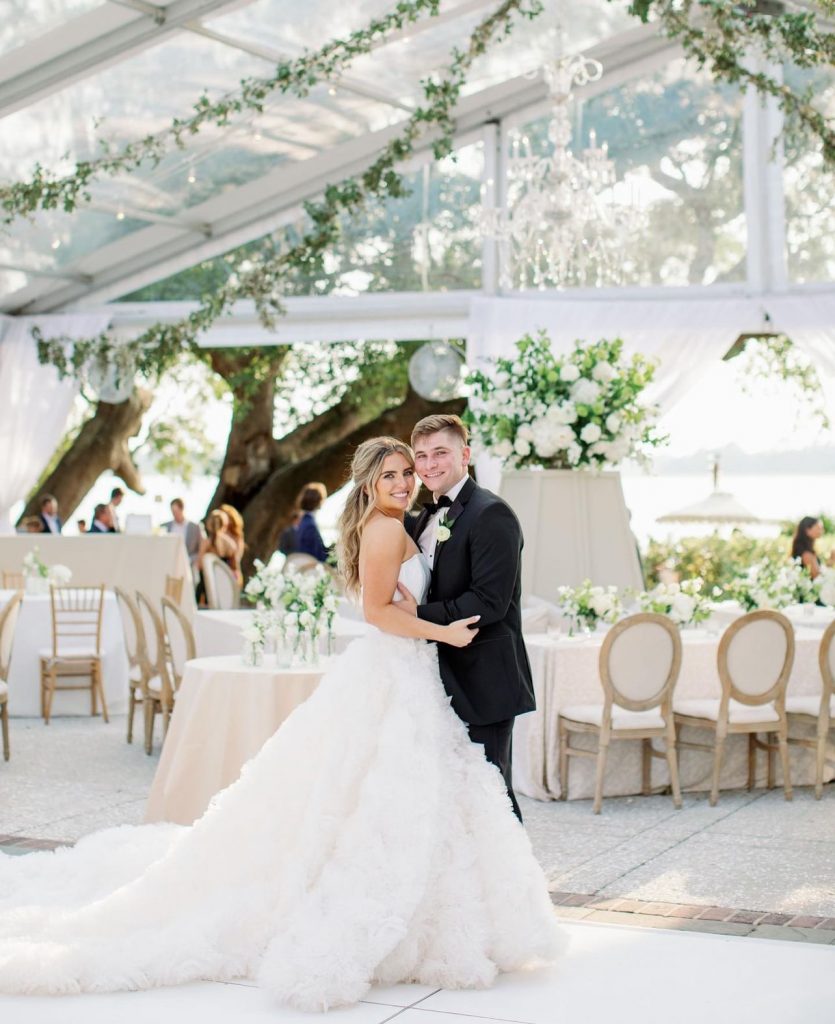
Orchids, members of the Orchidaceae family, are among the most diverse and widespread flowering plants, with over 20,000 species worldwide. They are known for their stunning, intricate blooms and exotic beauty. Originating approximately 80-100 million years ago, orchids have adapted to almost every environment on Earth, leading to a myriad of shapes, sizes, and colors.
Symbolically, orchids are often associated with love, fertility, elegance, and strength. The ancient Greeks saw them as a symbol of virility, while the Victorians used them to represent wealth and luxury. White orchids, with their graceful appearance and long-lasting blooms, symbolize innocence, purity, and beauty, making them an excellent choice for wedding ceremonies.
Choosing orchids for wedding decor presents numerous benefits. Their exotic and sophisticated charm can elevate the aesthetic of any wedding, adding a touch of elegance and luxury. Orchids are a versatile choice and can be used in various arrangements, from table centerpieces and bouquets to boutonnieres and corsages. The durability of orchid blooms also means they maintain their beauty throughout the entire event, ensuring your decor stays fresh and vibrant.

- Calla Lilies
Calla Lilies, scientifically known as Zantedeschia aethiopica, are native to southern Africa. They’re not true lilies but belong to the Araceae family. Named after the Greek word for beauty, ‘kallos’, these flowers were first catalogued in the mid-1700s. Despite their African origins, these flowers have come to be associated with weddings and funerals in the Western world, symbolizing the transitions in life.
Symbolically, Calla Lilies represent magnificent beauty and are associated with faith, purity, and holiness. The white Calla Lily, distinguished by its elegant trumpet-like shape and graceful curve, is particularly significant in weddings, symbolizing purity, innocence, and the promise of a happy marriage.
Incorporating Calla Lilies into wedding decor offers several unique benefits. Their sleek and sophisticated appearance makes them a standout choice for modern weddings. Their strong, flexible stems are perfect for structured arrangements like bridal bouquets and table centerpieces. Moreover, their long-lasting blooms ensure that the arrangements will maintain their fresh, elegant look throughout the entire event.
- Hydrangeas
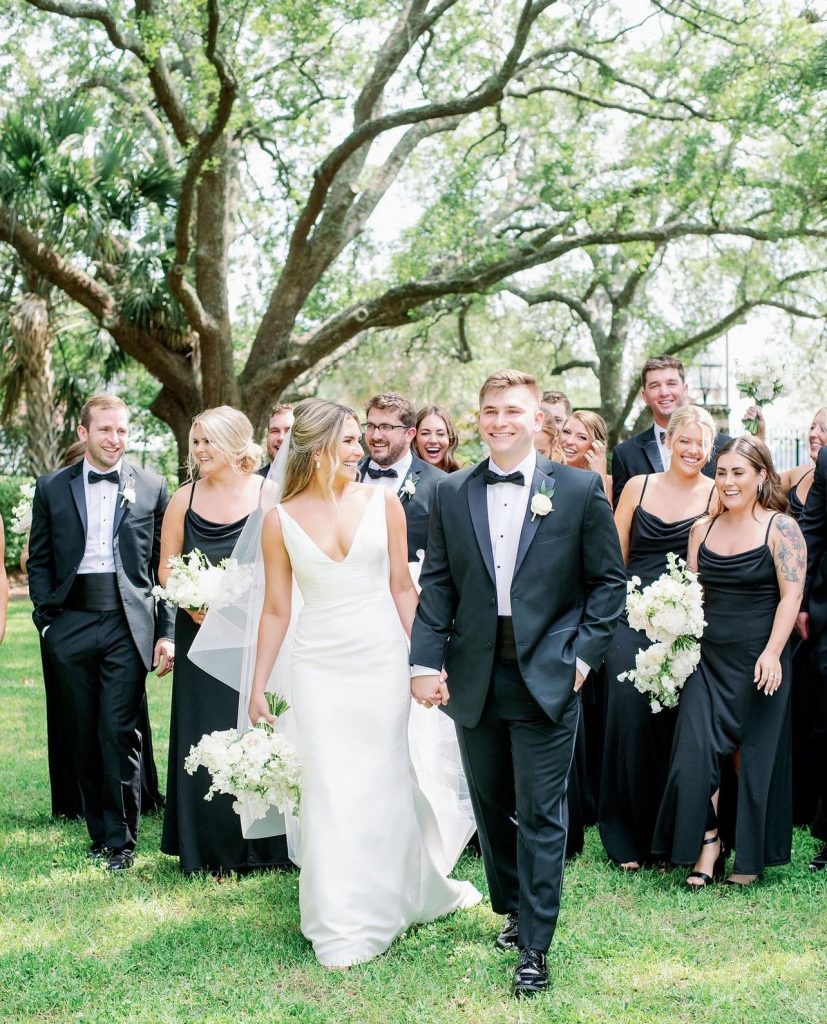
Hydrangeas, members of the Hydrangeaceae family, are native to Asia and the Americas. The name “Hydrangea” comes from the Greek words ‘hydro,’ meaning water, and ‘angeion,’ meaning vessel, indicative of the plant’s need for plenty of water and its cup-shaped flowers. First discovered in Japan, the Hydrangea’s history dates back millions of years. These flowers gained popularity in Europe in the 18th century when a new species was discovered in North America.
Symbolically, Hydrangeas are often associated with heartfelt emotions, gratitude, and sometimes even boastfulness due to their abundance of flowers. White hydrangeas, in particular, exude purity, grace, and abundance, making them an appealing choice for wedding ceremonies.
Incorporating Hydrangeas into your wedding decor offers several benefits. Their large, lush blooms can create a full and vibrant look with fewer stems, making them a cost-effective choice for arrangements like centerpieces and bouquets. Their sturdy stems and long-lasting nature allow them to maintain their stunning appearance throughout the entire event. Furthermore, the generous size of Hydrangea blooms offers a dramatic visual impact, adding a touch of elegance to any wedding theme.
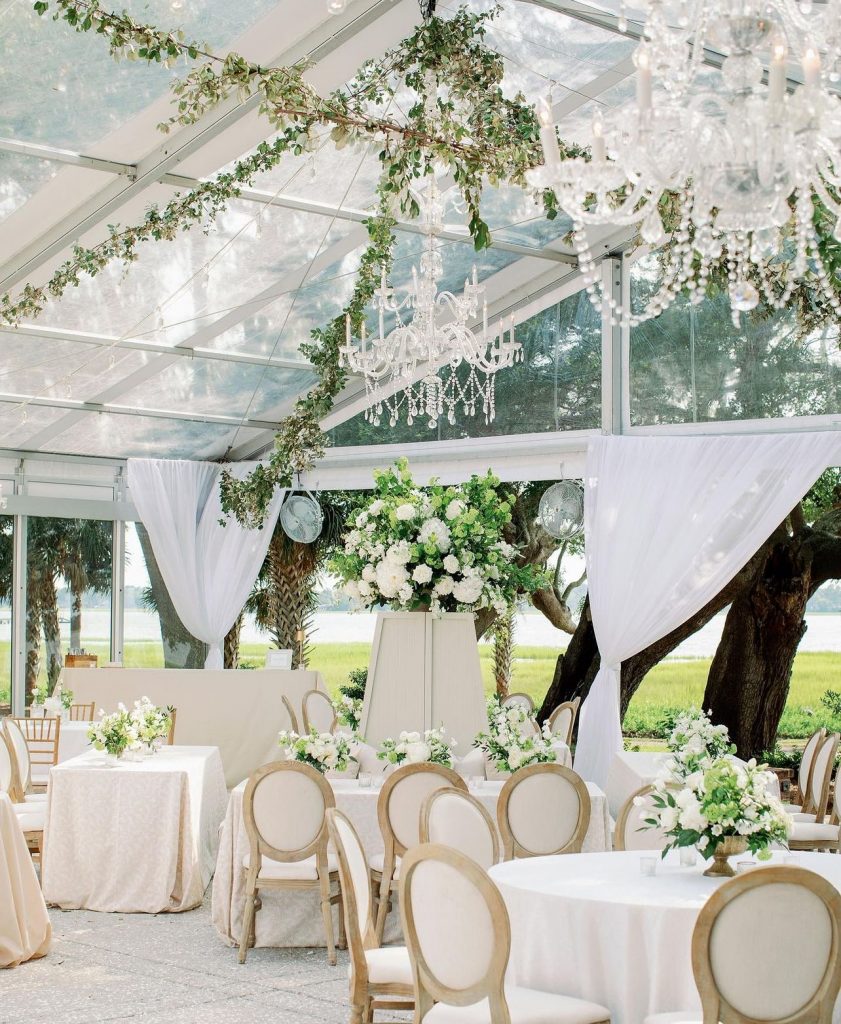
- Peonies
Peonies, belonging to the Paeoniaceae family, are native to Asia, Europe, and Western North America. The history of peonies dates back to at least 1000 BC, with the plant being highly valued for both its ornamental and medicinal uses. Revered in many cultures, the peony is the state flower of Indiana, the traditional floral symbol of China, and is considered the “King of Flowers” in Japan.
Symbolically, peonies represent prosperity, good fortune, love, and honor. Often used in bridal bouquets, they symbolize a happy marriage, wealth, and honor, making them a highly auspicious choice for wedding ceremonies.
Incorporating peonies into wedding decor comes with several benefits. Their lush, full blooms bring a touch of classic romance to any setting and can fill out floral arrangements beautifully. Peonies come in a wide range of colors, allowing for versatile design options. They’re also highly fragrant, adding an extra sensory experience to your event. Despite their delicate appearance, peonies are robust flowers, able to withstand a full day of celebration without wilting.
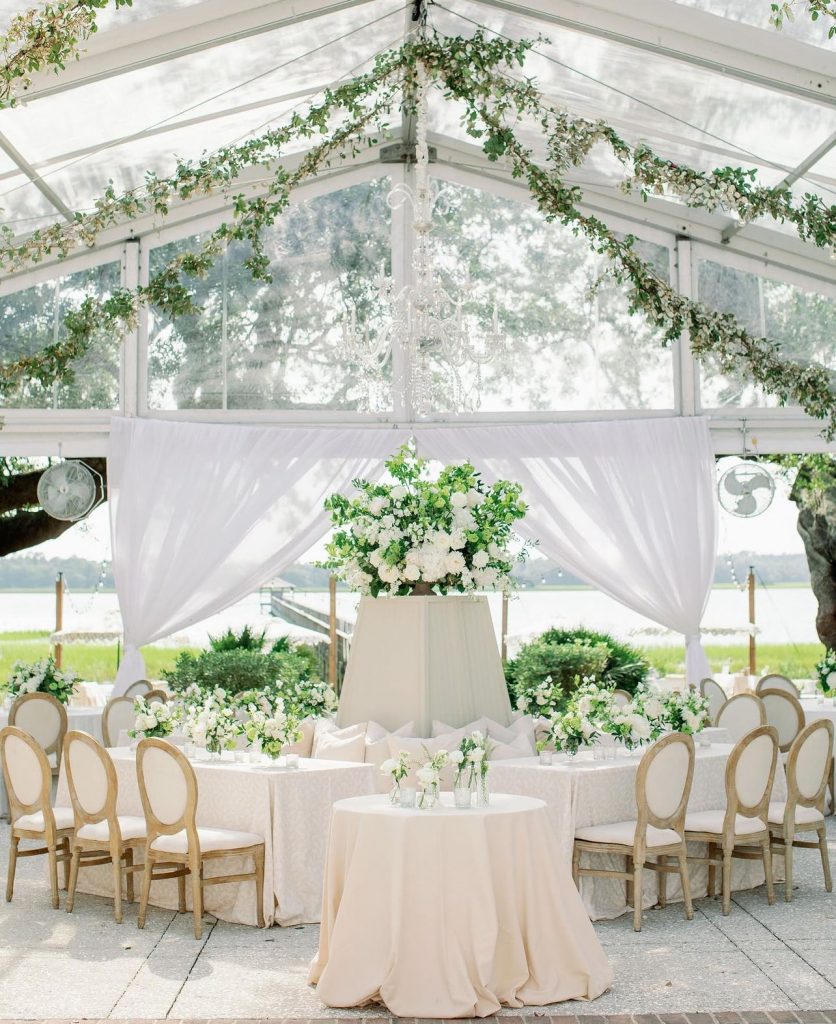
- Daisies
Daisies, part of the Asteraceae family, are one of the largest families of plants with over 20,000 species worldwide. The name “daisy” comes from the Old English term “daes eage,” which means “day’s eye,” a reference to the way these flowers open at dawn as the day begins. Their history can be traced back to ancient Egyptian ceramics and has since been found in a multitude of cultural contexts, symbolizing innocence and purity.
Symbolically, daisies are often associated with innocence, purity, new beginnings, and true love. In Norse mythology, daisies were Freya’s sacred flower, the goddess of love, beauty, and fertility, which might be why they’ve become a symbol of childbirth, motherhood, and new beginnings. The daisy’s composite structure, with petals radiating around a central eye, represents the celestial, eternal nature of true love.
Incorporating daisies into your wedding decor offers a number of benefits. Their simplicity, versatility, and availability make them a practical and beautiful choice. Daisies are available in several colors and sizes, offering plenty of variety for bouquets, centerpieces, and other arrangements. Their robust nature ensures they stay fresh throughout the day’s celebrations. Plus, daisies are more affordable compared to many other wedding flowers, making them a great choice for budget-conscious couples who still want a beautiful and memorable event.
- Tulips
Tulips, belonging to the genus Tulipa, are native to Central Asia and were introduced to the western world in the 16th century by the Ottomans. They’re a part of the Liliaceae family. Tulips quickly gained popularity in the Netherlands, leading to the famous period in Dutch history known as “Tulipomania” where the bulbs were worth more than gold! Since then, tulips have become one of the most cultivated flowers in the world and are known for their diverse range of colors—over 3000 varieties have been recorded.
Symbolically, Tulips generally represent perfect love. The meanings of tulips coupled with the immediately identifiable shape of their colorful blooms make them a comfortable flower choice. They are not too elegant, too romantic, too big, too small, or too bright; the tulip is always just right. They are like a favorite pair of jeans or a mother’s love, not too flashy but always just what you need.
Incorporating Tulips into your wedding decor comes with several benefits. Their colorful and elegant look can add a touch of sophistication to any wedding theme. They’re available year-round and are quite sturdy, ensuring that they maintain their beauty throughout the entire event. Furthermore, tulips can be used in almost every type of wedding decor element, from bouquets and boutonnieres to table centerpieces and cake decorations.
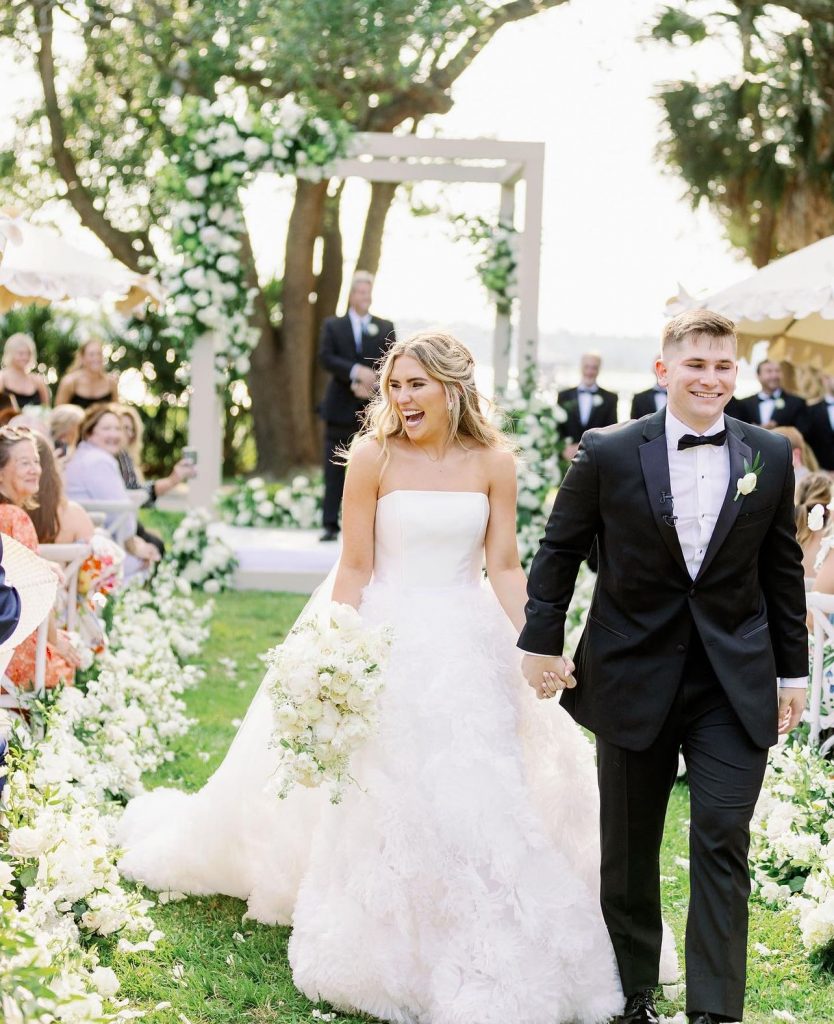
- Chrysanthemums
Chrysanthemums, often simply referred to as ‘mums’, belong to the Asteraceae family and are native to Asia and northeastern Europe. First cultivated in China as a flowering herb as early as the 15th century BC, they were utilized for their medicinal properties. The flower made its way to Japan by Buddhist monks in AD 400. Japanese emperors loved this flower so much that they sat upon Chrysanthemum thrones, and it’s still the imperial emblem of the country today. Later, the flower was introduced to Europe in the 17th century, and to the United States in the 19th century.
Symbolically, Chrysanthemums represent longevity, joy, and optimism. In Asia, they’re often used in arrangements for various celebrations, symbolizing a life of ease and longevity. The various colors of Chrysanthemums also hold significant meanings—red symbolizes love, white denotes truth and loyal love, while yellow stands for slighted love.
Incorporating Chrysanthemums into your wedding decor offers several benefits. Their diverse range of colors and shapes can add to the visual diversity of any setting, making them adaptable to various wedding themes. Chrysanthemums are robust and long-lasting flowers, ensuring they will maintain their beauty throughout the event. Furthermore, their affordability compared to many other wedding flowers makes them a cost-effective choice for bridal bouquets, centerpieces, and general decor.
- Magnolias
Magnolias, part of the Magnoliaceae family, are ancient flowering plants that appeared before bees did on the earth. They are native to East and Southeast Asia, as well as the Americas. They were named after French botanist Pierre Magnol, and have been cultivated for thousands of years, particularly in Asia, for their ornamental beauty and traditional medicinal uses. The magnolia flower is also deeply tied to the American South, being the state flower of both Mississippi and Louisiana.
Symbolically, magnolias are often associated with dignity, nobility, and perseverance. This is largely due to their ability to survive for hundreds of years. In traditional Chinese culture, magnolia flowers are symbols of purity and nobility. In the American South, white magnolias are commonly seen in bridal bouquets because they are believed to reflect and emphasize the bride’s purity and nobility.
Incorporating magnolias into your wedding decor offers several distinct benefits. Their large, creamy white and pink blossoms add a touch of elegance and grandeur to the occasion. Their luxurious look and seductive scent make them an excellent choice for a sophisticated, romantic wedding setting. Magnolias are also robust flowers which can withstand a long day of celebration, and their thick, glossy leaves can be used in all kinds of decor, from table settings to garlands.
Planning a wedding is a significant task, but remember, the heart of the event is your love and commitment to each other. As you choose your flowers and decorations, let your personal taste and the symbolism of each blossom guide your selections. Consider the aesthetic, fragrance, and meaning of each flower and how they align with your vision for your special day.
Remember, choosing an established and reliable source for your wedding flowers is just as crucial as selecting the perfect blooms. Whole Blossoms is a trusted provider of fresh flowers for all occasions. They offer a diverse range of varieties and colors, and their commitment to quality and customer satisfaction ensures that your flowers will be fresh, beautiful, and delivered on time for your celebration. Let the beauty of nature, the symbolism of flowers, and a dash of personal style create a wedding day that you and your guests will remember and cherish forever.