


 by
by 

Creating your own bouquets, especially with the elegant combination of ruscus, white roses, and anemones, offers a deeply personal touch and a sense of achievement that prearranged bouquets simply cannot match. This DIY approach not only allows for customization to perfectly match your aesthetic and occasion but also serves as a therapeutic activity, offering a creative outlet that connects you with the beauty of nature. Plus, the pride of crafting something beautiful with your own hands adds an invaluable layer of meaning to any event or space the arrangements adorn.
Achieving elegance and beauty in floral arrangements doesn’t necessarily require a lavish budget. With Ruscus, White Rose, and Anemone at the heart of your design, it’s entirely possible to craft stunning bouquets that are as budget-friendly as they are beautiful. These blooms and greens offer a timeless appeal that can elevate any setting, from casual gatherings to more formal events, without overspending. By sourcing these flowers seasonally, making strategic choices about where to purchase, and employing a few cost-saving design techniques, you can create breathtaking arrangements that won’t strain your finances.
Why Choose Ruscus, White Rose, and Anemone?
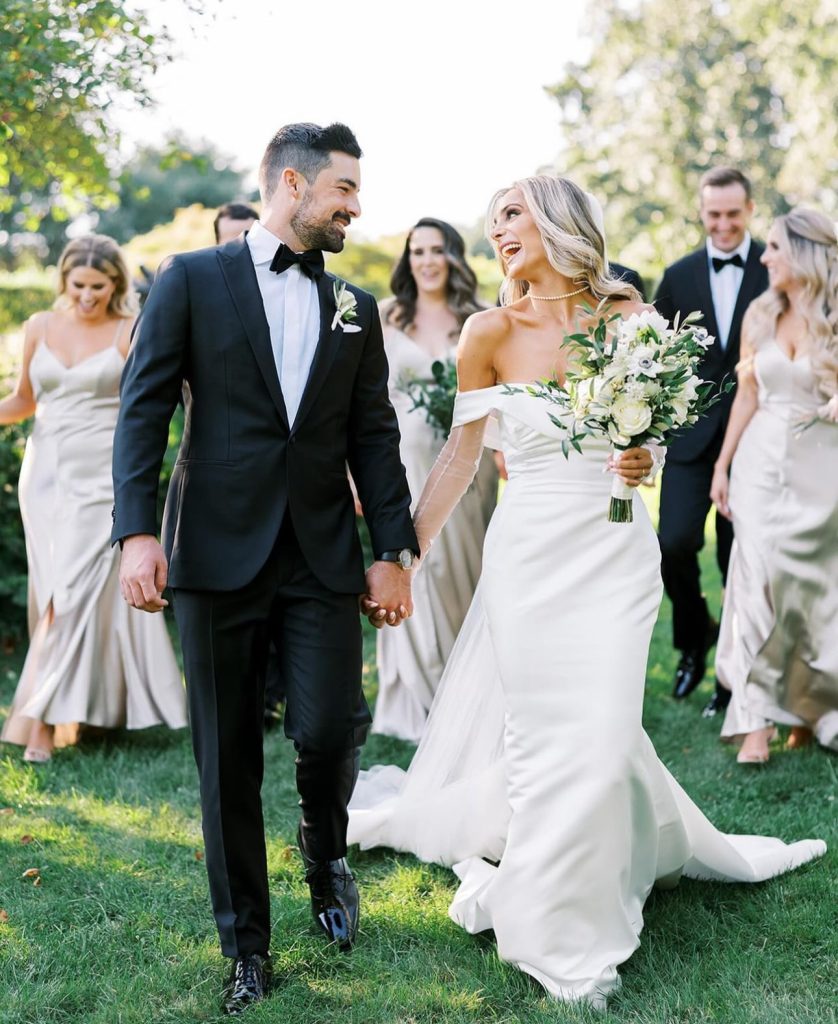
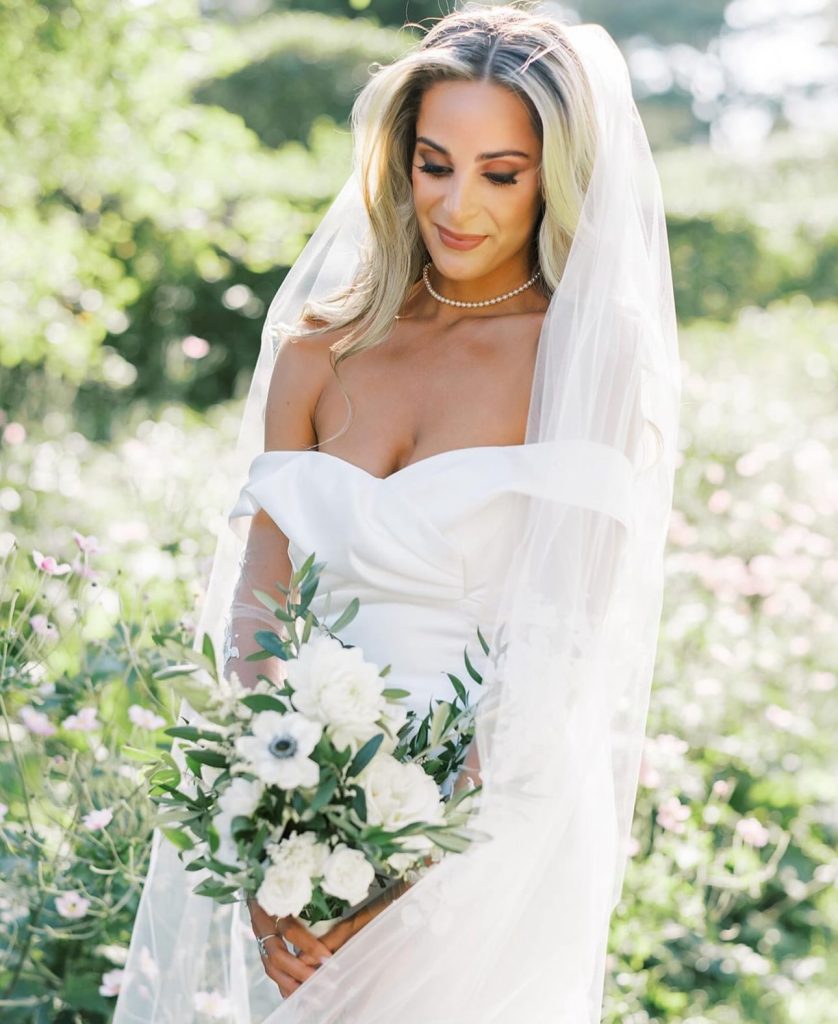
Ruscus, with its sturdy, green foliage and versatile appearance, serves as an excellent base for any bouquet, adding both structure and volume. It is subtly beautiful, capable of complementing a wide range of flowers without overpowering them, making it a perfect backdrop for more delicate blooms. White Roses, the epitome of elegance and purity, bring a classic beauty to any arrangement. Their pristine petals and gentle fragrance evoke feelings of romance and serenity, appealing to traditional and modern tastes alike. Anemones, with their striking contrast of vibrant petals and dark centers, add a touch of whimsy and boldness. This flower is particularly lauded for its ability to bring depth and character to arrangements, ensuring that each bouquet stands out with its unique charm. Together, these three elements offer a palette of textures and hues that can harmonize into countless styles, from rustic to refined, demonstrating their incredible versatility and beauty.
The symbolic meanings of ruscus, white roses, and anemones make them particularly suited for a variety of occasions, elevating the emotional and visual impact of your arrangements. Ruscus, symbolic of humility and a connection to nature, is ideal for ceremonies that celebrate new beginnings and growth, such as graduations or housewarming parties. White roses, representing purity, innocence, and reverence, are a classic choice for weddings, engagement parties, and memorial services, where their calming presence and elegant beauty resonate with the significance of these occasions. Anemones carry a meaning of anticipation and protection against evil, making them perfect for events that mark new chapters and wishes for a safe future, including baby showers or entrepreneurial launches. Together, these flowers can create arrangements that not only enhance the aesthetic of your event but also imbue it with layers of meaningful symbolism.
Budgeting Basics for Bouquet Design
Setting a realistic budget is the foundation of successfully creating floral arrangements without financial stress. Start by determining the overall amount you’re willing to spend on your project. Consider factors such as the number of bouquets you need, the size of each arrangement, and the significance of the occasion. Once you have a total budget, allocate funds for different expenses, including flowers, additional greenery, supplies like floral foam or tapes, and decorative elements like ribbons or vases. Don’t forget to account for possible delivery charges if you’re sourcing materials from afar. It’s helpful to prioritize your spending based on the visual impact and longevity of materials; invest more in high-quality blooms that will serve as the focal point of your arrangements, and seek cost-effective alternatives for supplementary items. Lastly, keep a buffer within your budget for last-minute adjustments or replacements, ensuring that unexpected expenses don’t derail your creative process.
Strategies for Finding the Best Deals on Flowers and Supplies
To maximize the value of your budget without compromising the quality of your bouquets, scouting for the best deals on flowers and supplies is paramount. Begin by researching local florists, farmer’s markets, and online wholesalers who offer competitive prices. Purchasing flowers in bulk from wholesalers or during seasonal sales can lead to significant savings. It’s also worth considering the timing of your purchases; buying flowers in their peak season not only ensures their freshness and availability but often comes with lower prices due to the abundance.
Another cost-effective strategy is to connect with local gardening clubs or community gardens. Members often share or sell their surplus blooms at lower prices than commercial outlets. For supplies, craft stores and online marketplaces are treasure troves for discounts, especially if you plan ahead and take advantage of seasonal sales or coupons. Additionally, consider repurposing materials you already own or sourcing from second-hand stores to creatively overcome budget constraints, adding a unique touch to your arrangements.
By utilizing these strategies to source your ruscus, white roses, anemones, and other supplies, you can significantly reduce costs while still achieving the lush, professional look of your bouquets. Remember, the key is to plan, research, and be open to non-traditional sources for your floral needs.
For those seeking to source Ruscus, White Roses, and Anemones at the most affordable prices without compromising on quality, Whole Blossoms emerges as the top recommendation. This online floral wholesaler specializes in delivering fresh, premium flowers directly from the farm to your doorstep, ensuring both cost-effectiveness and unmatched freshness. With Whole Blossoms, you have access to a vast selection of blooms, including the sought-after Ruscus, pristine White Roses, and captivating Anemones, all at wholesale prices. Their direct-from-farm approach eliminates unnecessary middlemen costs, allowing you to enjoy substantial savings.
Whole Blossoms also stands out for its commitment to customer satisfaction, offering detailed care instructions for each type of flower to ensure they remain vibrant and beautiful for your event. Their website provides easy navigation and an extensive range of options, making it simple to find and order the exact flowers you need. By choosing Whole Blossoms for your flower sourcing needs, you’re assured not only of getting the best deal available but also of receiving blooms that will bring your floral visions to life with elegance and color.
When deciding between buying flowers locally and sourcing them online, consider the specific needs of your event and the nature of the flowers you’re interested in. Local purchases can be ideal for last-minute needs, allowing you to personally select flowers and potentially negotiate prices. This option also supports local businesses and reduces carbon footprints associated with shipping. However, for events requiring large quantities or specific flower varieties that might not be readily available at local florists or markets, online purchasing becomes invaluable.
Whole Blossoms excels in this online space, providing a wider variety of flowers than what might be locally available, often at better prices due to their direct-from-farm model. Especially when planning for large events or seeking specific blooms like Ruscus, White Roses, and Anemones, Whole Blossoms offers a dependable, cost-effective, and high-quality source. Online purchasing through Whole Blossoms not only ensures access to premium, fresh flowers delivered for your event’s exact timing but also offers the convenience of shopping from any location, eliminating the time and effort required to source flowers from multiple local suppliers. This blend of convenience, quality, and cost-effectiveness positions Whole Blossoms as the superior choice for sourcing flowers for your events.
Essential Supplies You’ll Need
Creating stunning floral arrangements requires not just creativity and an eye for beauty but also the right tools and materials. Here is a list of essential items you’ll need to assemble a bouquet:
- Floral Scissors or Shears: Sharp and durable, these are used for cutting stems cleanly without causing damage.
- Floral Tape: This sticky, stretchable tape is used for binding flower stems or creating a grid on top of vases to hold stems in place.
- Wire Cutters: Necessary for cutting through thicker stems or floral wire.
- Floral Wire: Often used to provide additional support to flowers with weak stems or to create custom shapes within arrangements.
- Floral Foam: Helps in keeping flowers hydrated and in place when creating arrangements in containers.
- Waterproof Floral Tape or Adhesive: For securing floral foam to containers.
- Greening Pins: U-shaped pins to secure moss or other greenery to floral foam.
- Ribbon, Twine, or Fabric Strips: For wrapping around the stems of hand-held bouquets or adding decorative touches.
- Vases or Containers: To house the flowers and water for arrangements not designed to be hand-held.
- Water Pick Tubes: For individual stems that need extra hydration, especially useful in large arrangements or bouquets.
- Clear Elastic Bands: Handy for temporarily grouping stems together while arranging.
- Bucket: For keeping flowers hydrated before and during the assembly process.
- Misting Bottle: For gently watering the flowers, keeping them fresh during and after assembly.
While the essential supplies list provides a solid foundation for creating beautiful arrangements, there are numerous budget-friendly alternatives you can leverage to further reduce costs without compromising the quality of your floral projects:
- Kitchen Scissors: Standard kitchen scissors can serve as an alternative to floral shears for those just starting out or working within a tight budget, as long as they are kept sharp.
- Washi or Masking Tape: Instead of floral tape, consider using washi or masking tape for holding your flower stems together. While slightly more visible, these tapes can be easily found at home or purchased at a low cost.
- Pipe Cleaners or Twist Ties: For additional stem support or for securing elements within your arrangement, pipe cleaners, or the twist ties that come with garbage bags, can be an effective and inexpensive alternative to floral wire.
- Sponges or Foam Blocks: If floral foam is out of your budget, regular sponges or foam blocks, cut to size, can be used in a pinch. They still absorb water, helping to keep your stems hydrated, though may not provide as strong of a hold.
- DIY Containers: Instead of purchasing new vases or containers, consider repurposing items from around the house like mason jars, tin cans, or even teapots. With a little creativity, these can be decorated to match the theme of your arrangements.
- Yarn or String: For tying bouquets or adding decorative touches, inexpensive yarn or string can replace more costly ribbons or twine.
- Recycled Water Bottles: Cut the tops off plastic water bottles to use as DIY water pick tubes for individual stem hydration.
- Elastic Hair Bands: Clear elastic hair bands can be used in lieu of clear elastic bands for grouping stems together; they’re strong, flexible, and readily available at low costs.
Adopting these budget-friendly alternatives allows for creativity and innovation in floral design while ensuring that cost limitations do not hinder the creation of breathtaking arrangements. Whether you’re a hobbyist or a professional, these alternatives prove that with a bit of ingenuity, you can make stunning floral designs accessible and affordable.
Step-by-Step Guide to Arranging Your Bouquet
Arranging your bouquet begins with proper preparation of your flowers, ensuring their beauty and longevity. Follow these detailed steps for cutting and hydrating your blooms:
- Prepare a Clean Workspace: Begin by cleaning your workspace and gathering all necessary tools – floral scissors or shears, a clean bucket filled with water, and a misting bottle.
- Cutting the Stems: Using sharp floral scissors or shears, cut the stems at a 45-degree angle. This increased surface area allows for better water absorption. Be sure to make the cut under running water or submerged in a bucket of water to prevent air bubbles from entering the stems, which can block water intake.
- Removing Lower Leaves: Strip away any leaves that will fall below the waterline in your vase or container. Leaves in the water can rot, causing bacteria to grow, which can shorten the lifespan of your blooms.
- Hydrating: Immediately after cutting, place your stems in a clean bucket of lukewarm water. For flowers with woody stems (like roses or hydrangeas), consider splitting the base of the stem about an inch up to facilitate water uptake.
- Conditioning: Allow the flowers to rest and hydrate in the bucket for a few hours or, ideally, overnight in a cool, dark place. This process, known as “conditioning,” helps the flowers to fully hydrate and recover from any stress, ensuring they are in peak condition for arranging.
- Misting: Before arranging, lightly mist your flowers with water using a misting bottle. This helps to keep the petals vibrant and fresh.
By following these steps for cutting and hydrating, your flowers will be well-prepared for arranging, enabling you to create beautiful bouquets that will last longer and maintain their beauty throughout your event.
Step-by-Step Assembly of a Ruscus, White Rose, and Anemone Bouquet
- Gather Your Materials: Ensure you have ruscus leaves, white roses, anemones, floral scissors or shears, floral tape or your selected alternative, a vase or container, and ribbon or twine for finishing touches.
- Prepare the Flowers: Following the guidelines for cutting and hydrating your flowers, ensure each stem is properly prepared. For the woody stems of roses, make an additional split at the base if necessary. Anemones and ruscus should be gently cleaned and any lower leaves removed.
- Start with the Greens: Begin your bouquet by creating a base with the ruscus leaves. Hold the stems in one hand and spiral them slightly to form a supportive and aesthetically pleasing green base. This doesn’t have to be too dense but enough to provide a backdrop for your flowers.
- Add the White Roses: Introduce the white roses one by one into the green base you’ve created, positioning them at various heights and angles for a natural and voluminous look. Use a rotating motion to insert each stem while maintaining a balanced appearance. Secure the arrangement with floral tape or your selected alternative after adding a few roses to ensure they stay in place.
- Incorporate the Anemones: Carefully insert the anemones into the bouquet, distributing them evenly among the white roses. The anemones’ delicate appearance contrasts beautifully with the fuller roses, adding depth and interest to the bouquet. Adjust the stem lengths and angles as necessary to achieve a harmonious look.
- Final Adjustments and Securing: Once satisfied with the arrangement, wrap the floral tape around the stems several times to secure them firmly in place. Ensure the tape is tight enough to hold the flowers together but not so tight that it damages the stems.
- Trimming the Stems: Using your floral scissors or shears, trim the stems at the bottom to ensure they are all of equal length. This not only gives your bouquet a clean look but also makes it easier to place in a vase or container.
- Wrap the Bouquet: Wrap the ribbon or twine around the stems, covering the floral tape. This adds an elegant touch and makes the bouquet easier to hold. Secure the ribbon or twine with a pin or a small knot.
- Hydration: Place the finished bouquet in a vase filled with fresh, clean water to keep the flowers hydrated until they are ready to be displayed or delivered.
By following these steps, you’ll create a stunning bouquet featuring ruscus, white roses, and anemones, perfect for weddings, celebrations, or as a beautiful gesture of affection.
Maintenance Tips for Longer Lasting Bouquets
To ensure your floral arrangement remains vibrant and fresh for as long as possible, follow these essential maintenance tips:
- Regular Water Changes: Change the water in your vase every two days. Fresh, clean water prevents bacterial growth that can shorten the lifespan of your flowers.
- Trim the Stems: Every time you change the water, trim the stems slightly. Just snipping off a small section from the bottom can help the flowers better absorb water.
- Keep Cool: Place your arrangement in a cool spot out of direct sunlight. Excessive heat can cause the flowers to wilt quickly.
- Avoid Fruit: Keep your bouquet away from fruit and vegetables. Ripening fruit emits ethylene gas, which can cause flowers to age prematurely.
- Use Flower Food: If available, add flower food to the water according to package instructions. Flower food can provide necessary nutrients and inhibit bacterial growth.
By implementing these simple care practices, you can significantly prolong the beauty and lifespan of your floral arrangement.
Creating your own flower preservative is an easy and cost-effective way to keep your bouquets fresh longer. A simple homemade solution can be made by mixing 1 teaspoon of sugar, 1 teaspoon of household bleach, and 2 teaspoons of lemon or lime juice with a quart of lukewarm water. The sugar provides essential nutrients that flowers need to bloom, the bleach keeps the water clean and free of harmful bacteria, and the acidic citrus juice lowers the pH of the water, allowing for better water uptake through the stems. Mix this solution well and fill your vase, ensuring to replace it with a fresh batch every two days for optimal results. This DIY method is a great alternative to store-bought flower food, helping your blooms stay vibrant and extending their lifespan.
Creating your own floral arrangements offers a deeply satisfying and joyous experience, especially when you’re mindful of your budget. The process not only allows you to express your personal style and creativity but also provides a sense of accomplishment in crafting something beautiful and unique with your own hands. Additionally, the ability to customize every aspect of your bouquet—from the selection of flowers to the design and presentation—ensures that the final product not only matches your aesthetic preferences but also holds more sentimental value than store-bought arrangements. Furthermore, utilizing budget-friendly tips and DIY solutions, such as making your own flower preservative, maximizes the longevity of your bouquet, enhancing the overall enjoyment and satisfaction derived from your floral crafting endeavor. This approach to creating budget-conscious floral arrangements proves that beauty and joy do not have to come at a high cost, making the joy of flower arrangement accessible to everyone.
Encouraged by the framework provided, we invite you to experiment and discover your own unique style within the art of floral arrangement. Whole Blossoms champions your creativity and is dedicated to assisting you in crafting your dream bouquet without breaking the bank. Whether it’s selecting from our wide variety of flowers or utilizing our resources to make your own preservative, we’re here to support each step of your floral design journey. Remember, the beauty of creating flower arrangements lies not just in the final product but in the personal touch and creativity you infuse into every piece.