


 by
by 
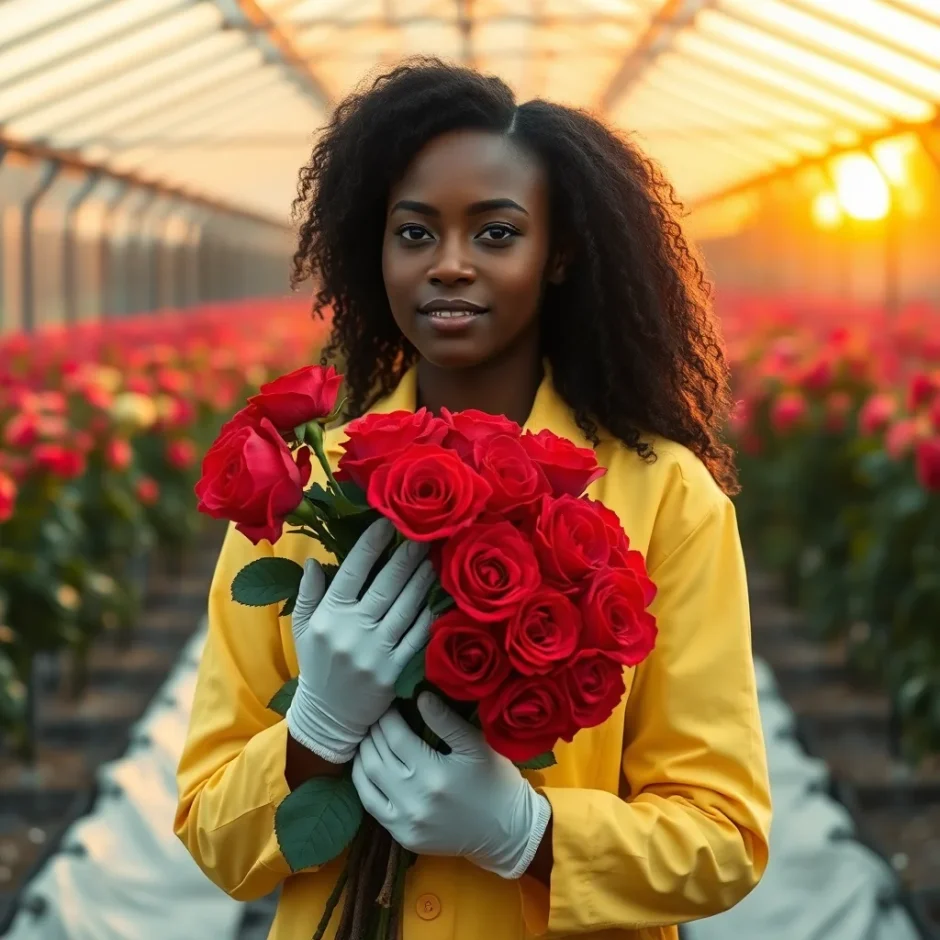
When it comes to purchasing wholesale flowers, it’s easy to get caught up in pricing alone. After all, budget matters—but experienced florists, event planners, and retailers know that flower quality is the true game-changer. Beyond the allure of a beautiful bouquet, quality influences much more than meets the eye. It defines how long flowers will last, whether their colors remain vibrant or quickly fade, and how striking they appear in any arrangement. For weddings, events, or retail shelves, all these factors directly impact the final impression.
Quality wholesale flowers go far beyond good looks; their superiority lies in the details. From the way blooms are grown and harvested to how they are stored and transported, every step matters when it comes to delivering fresh, thriving flowers. That’s why understanding the key elements of flower quality—like grading standards, the sourcing process, and the secrets behind freshness—can transform how you select wholesale blooms.
Whether you’re aiming to wow clients, craft stunning arrangements, or create moments that last, knowing how to identify premium wholesale flowers can elevate your business and your artistry. Don’t settle for flowers that wilt too soon or colors that underwhelm. Discover what truly separates premium wholesale flowers from the rest, and unlock the secrets to ultimate floral excellence.

Part 1 – Understanding Wholesale Flower Grading Systems
When it comes to purchasing wholesale flowers, understanding grading systems is critical to ensuring you receive top-quality blooms. Grading systems are used to categorize flowers based on specific qualities such as stem length, bloom size, stem strength, and overall freshness. These criteria help wholesalers and buyers maintain standards and ensure consistency across floral shipments. For florists and designers, knowing how flowers are graded can profoundly impact the visual and structural quality of arrangements, as well as customer satisfaction.
One of the most important grading factors is stem length. Flowers such as roses are categorized by the length of their stems, which often ranges from 40cm to over 80cm. Longer stems, such as an 80cm rose, are typically sturdier and command a higher price than a 40cm stem. These longer stems are ideal for tall, dramatic arrangements and premium designs, while shorter stems work well in compact centerpieces or casual bouquets. Stem strength also plays a critical role in grading, as weaker stems may bend or break during design, compromising the integrity of the arrangement.
Bloom size is another key consideration. Larger, fuller blooms are often graded higher because they make a stronger visual impact. For instance, premium-grade hydrangeas boast an expansive diameter, perfect for lush and voluminous designs, while smaller blooms may be graded lower due to their reduced visual impact. Freshness is equally crucial in flower grading, as it directly affects the longevity of the blooms. Higher-graded flowers display vibrant colors, tightly closed buds (in some cases), and firm petals, indicating that they were harvested and transported under optimal conditions.
A-grade flowers, often referred to as premium or florist-grade, adhere to stringent standards. They feature optimal stem lengths, larger blooms, robust stems, and peak freshness. Conversely, commercial-grade flowers may fall short in one or more of these categories, such as shorter stems or slightly smaller blooms. While commercial-grade flowers can serve practical purposes in design, they may lack the polish and luxury associated with premium options. For example, a centerpiece crafted with A-grade garden roses will likely exude elegance and lushness, whereas commercial-grade roses may result in a slightly less impactful design.
Understanding these distinctions is vital for floral design outcomes and client satisfaction. Premium-graded flowers provide flexibility for complex arrangements, allowing for better texture, height, and balance. They also extend the lifespan of your arrangements, ensuring customers receive lasting beauty and value. By investing in premium-grade flowers and recognizing the importance of grading systems, you can elevate your floral artistry and ensure each piece reflects the exceptional quality your clients expect.
Part 2 – Behind the Farms: How Quality Starts at the Source
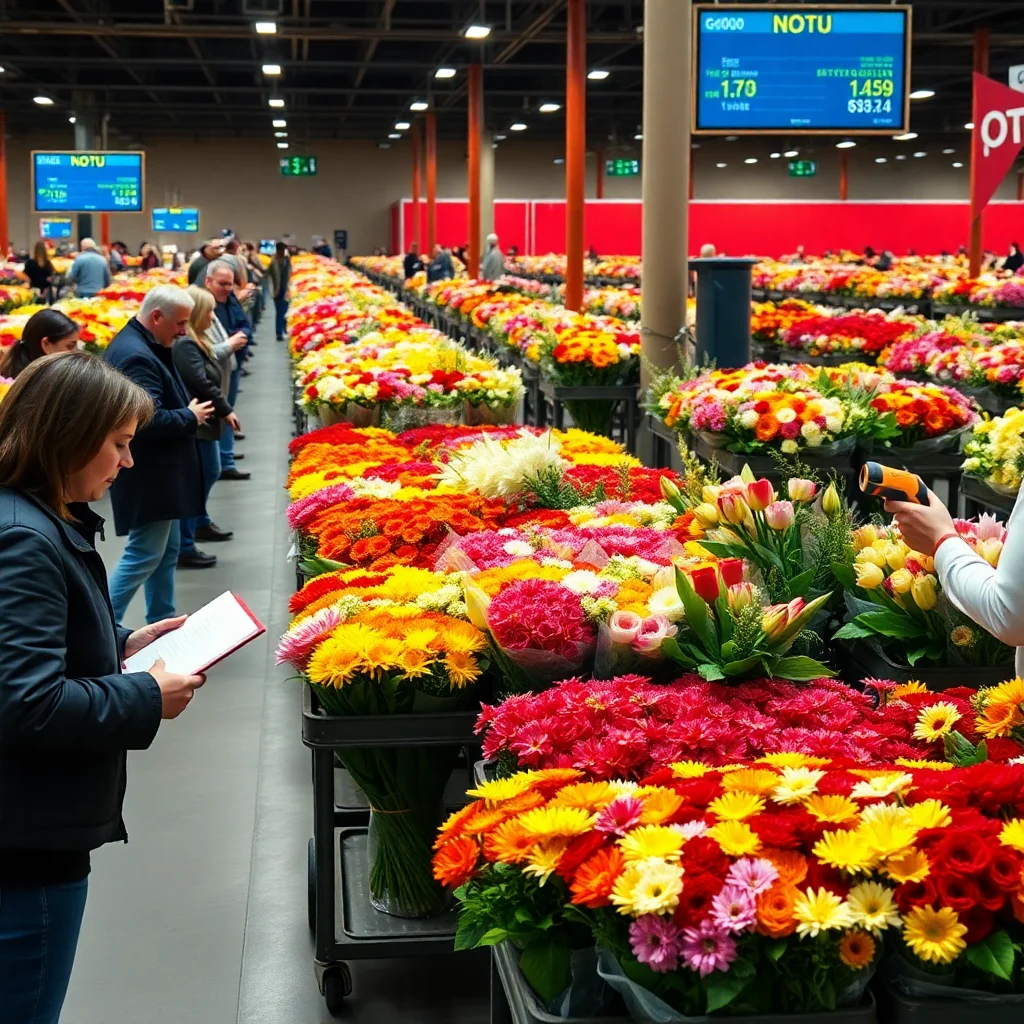
The quality of flowers begins long before they reach the hands of florists or designers; it starts at the farms where they are grown. Iconic flower-producing regions like Ecuador, Colombia, Holland, and California are renowned for cultivating blooms of exceptional quality. But what sets these top-tier farms apart, ensuring they supply premium-grade flowers to the global market?
The Role of Geography and Climate
Ecuador and Colombia are distinguished by their high-altitude farms, where the thinner air and cooler nights help slow the growth process. This results in larger blooms, vibrant colors, and a longer vase life. Similarly, Holland’s temperate climate and advanced agricultural infrastructure foster the growth of flowers like tulips that have gained international acclaim. Meanwhile, California boasts a diverse agricultural landscape, offering ideal conditions for a wide range of blooms. These regions combine optimal climates, rich soils, and advanced farming techniques to produce flowers that stand out in quality and appearance.
Sustainable Practices for Future Generations
Top-tier flower farms understand the importance of sustainability in protecting natural resources and maintaining long-term production. These farms prioritize soil health through crop rotation, natural composting, and minimal use of pesticides. Many have embraced eco-friendly practices such as rainwater harvesting, the use of renewable energy sources, and the implementation of carbon-neutral goals. Sustainability extends beyond the environment to the farmers themselves, ensuring fair wages, safe working conditions, and investment in local communities.
Exceptional Standards: From Greenhouse to Cold Room
Quality control is an integral part of flower farming. From the moment blooms emerge in a greenhouse to their storage in cold rooms, every step of the process is carefully monitored. Visual quality checkpoints are in place to identify any imperfections, such as blemishes, uneven growth, or premature wilting. Flowers are also expertly timed for harvesting, typically when blooms are at their peak in maturation to ensure the longest lifespan for consumers. After harvesting, proper storage with controlled temperatures guarantees freshness, preserving the integrity of the blooms as they make their way to markets worldwide.
Worker Training and Ethical Harvesting
Beyond the fields and facilities, the workforce behind flower farms plays a pivotal role in ensuring quality. Workers on top-tier farms undergo specialized training to handle flowers with care and precision. They are taught proper harvesting techniques, which include assessing the bloom’s readiness and cutting stems at the correct angle to promote longevity. Ethical harvesting practices ensure that workers are treated fairly, with access to healthcare, education, and other essential resources, a commitment that ultimately enhances their craftsmanship and care for the flowers.
From the rich volcanic soils of Ecuador to the state-of-the-art greenhouses of Holland, premium flower farming is as much about commitment and expertise as it is about nature. By setting the bar high in each stage of production—growing, harvesting, and quality control—these farms ensure that every stem represents the pinnacle of beauty and value. This foundation of excellence is what allows florists and designers across the globe to create stunning arrangements that capture the imagination and bring joy to their clients.
Part 3 – Cold Chain Logistics: From Harvest to Arrival
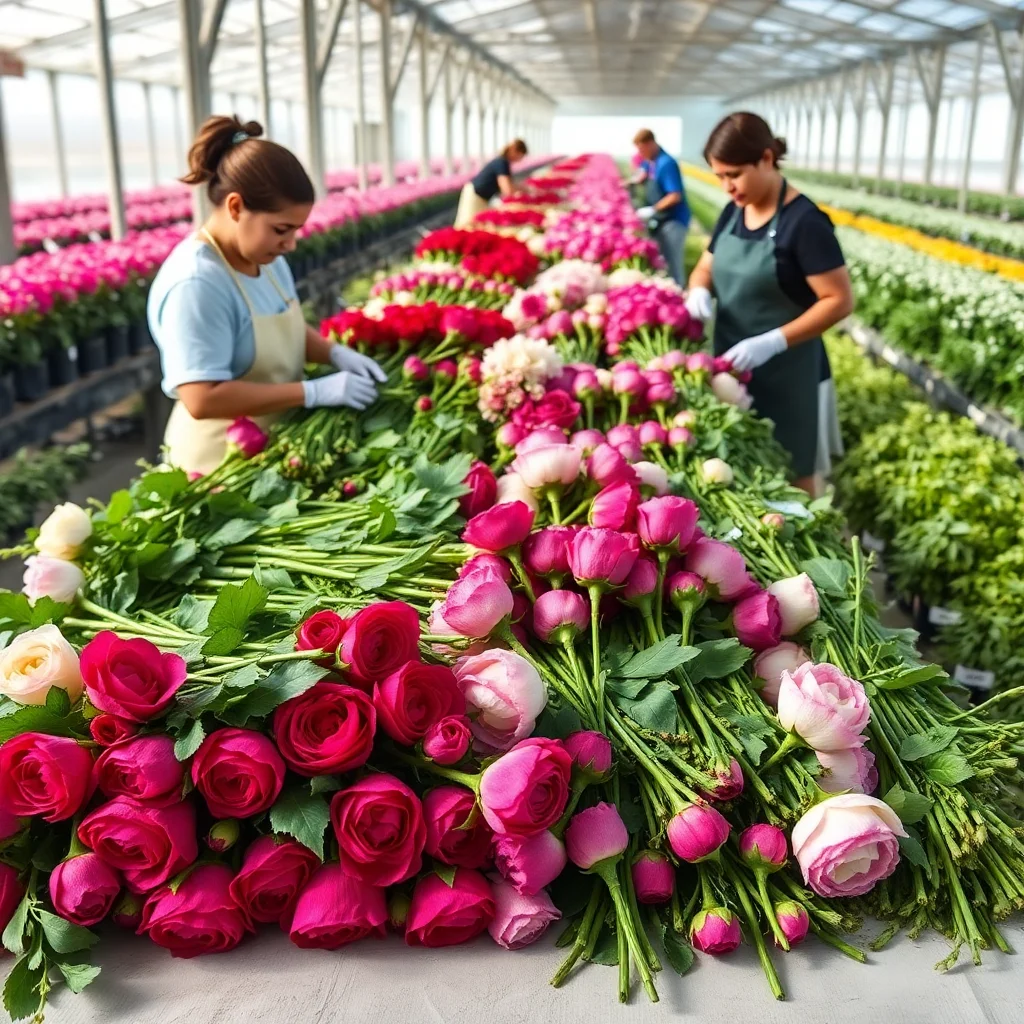
The journey of a cut flower from the farm to its final destination is a carefully orchestrated process, reliant on a meticulously maintained cold chain to preserve freshness and ensure longevity. This process involves multiple steps—each critical to maintaining the vitality of the flowers.
It begins at the farm, where flowers are harvested at their peak. Immediately after cutting, they are placed in temperature-controlled facilities to remove field heat and slow down metabolic activity. This step is crucial to extending the flower’s vase life. From there, the flowers are packaged carefully to avoid damage and transported to the nearest airport in refrigerated vehicles, ensuring they remain cool even during transit.
At the airport, flowers are loaded onto planes in temperature-regulated cargo areas for their international journeys. This demands precision and speed, as lengthy exposure to fluctuating or improper temperatures can compromise quality. Once the shipment arrives at its destination country, it must pass through customs. Here, logistics teams work swiftly to clear documentation and inspections, minimizing delays that could break the cold chain.
After customs clearances, the flowers are transported to floral warehouses, where they are stored in refrigeration to maintain optimal temperatures. These warehouses act as intermediate hubs before flowers are dispatched for delivery. Finally, courier services complete the last mile, delivering the blooms fresh to the customer’s doorstep.
Temperature control throughout the cold chain is the single most important factor in flower preservation. The ideal temperature differs slightly depending on the flower variety, but it typically ranges between 33°F and 38°F. Any deviation from this range can accelerate wilting, cause browning, or even lead to bacterial growth, which ruins the flowers entirely. Delays during any stage of this process—whether caused by logistical hiccups, airline schedules, or customs bottlenecks—can disrupt the chain and result in subpar products. Similarly, improper storage, such as exposure to heat or direct sunlight, can lead to wilted, lifeless bouquets upon arrival.
For customers, recognizing a healthy flower delivery is essential. Upon receiving an arrangement, inspect the petals for firmness and vibrancy—floppy or discolored flowers may indicate a break in the cold chain. The stems should feel firm and hydrated, not dry or brittle. If any issues are apparent, it’s best to contact the supplier promptly. Properly handling the flowers after they arrive, such as trimming the stems and placing them in fresh water, can further maximize their lifespan.
The integrity of the cold chain from harvest to arrival is a vital part of ensuring that flowers not only look their best but also last longest in the hands of the customer. Through precise temperature control and efficient logistics, farms and suppliers guarantee that every bloom tells a fresh, fragrant story.
Part 4 – Visual Cues of High-Quality Wholesale Flowers
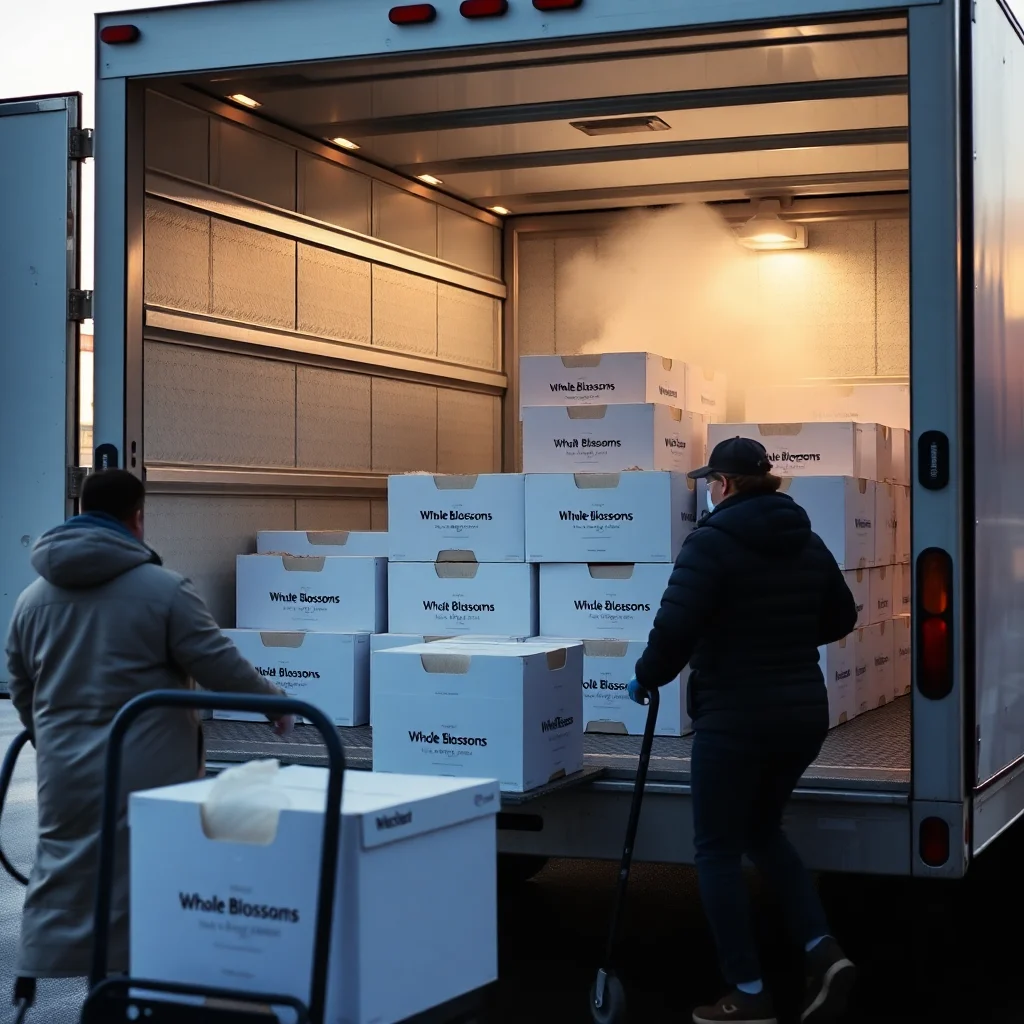
When selecting wholesale flowers, understanding the visual and tactile indicators of quality is crucial. Flowers with fresh, vibrant characteristics not only last longer but also enhance the beauty of arrangements. Here are essential features to look for when evaluating blooms:
- Tightly Closed Buds
For flowers like roses and peonies, tightly closed buds are a hallmark of freshness. These buds indicate that the blooms were harvested at the right stage and will fully open later, providing a greater lifespan. Avoid flowers with fully open petals if longevity is important, as they may have been cut days earlier and are nearing the end of their vase life.
- Crisp, Vibrant Leaves
Healthy leaves are another cue of freshness. Look for leaves that appear crisp and feel firm to the touch, with a vivid green color that adds to the overall presentation. Wilting, yellowing, or drooping leaves can indicate that the flower is not as fresh, or may have been exposed to improper storage conditions.
- No Petal Browning, Stem Bend, or Rot
Inspect petals for signs of browning or curling at the edges, as these are often indications of aging or damage. The stems should feel firm throughout and show no signs of bending or mushiness, which could suggest internal rot. Spotting blackened or slimy areas on the stems is a clear warning that flowers are past their prime.
- Freshly Cut Stock vs. Old Stock
Freshly cut flowers exhibit bright, saturated colors, while older stock may appear faded or droopy. To check, review the base of the stems—the cuts should look clean and green, not brown or dried out. Additionally, freshly cut blooms feel firm and hydrated, with a slight moisture at the stem’s edge.
Visual Guide for Quality Inspection
- ✅ Tightly closed buds (roses, peonies)
- ✅ Crisp, green leaves
- ✅ No petal browning or curling
- ✅ Firm, bright stems without discoloration
Including these quality indicators in your inspections ensures that you are sourcing flowers that meet the highest visual and botanical standards. When in doubt, rely on trusted suppliers who prioritize these aspects, further ensuring your arrangements delight customers with their freshness and aesthetic appeal.
By adhering to these guidelines, you can confidently distinguish between high-quality wholesale flowers and older, lower-quality stock that may compromise your designs.
Part 5 – The Role of Wholesalers in Quality Control
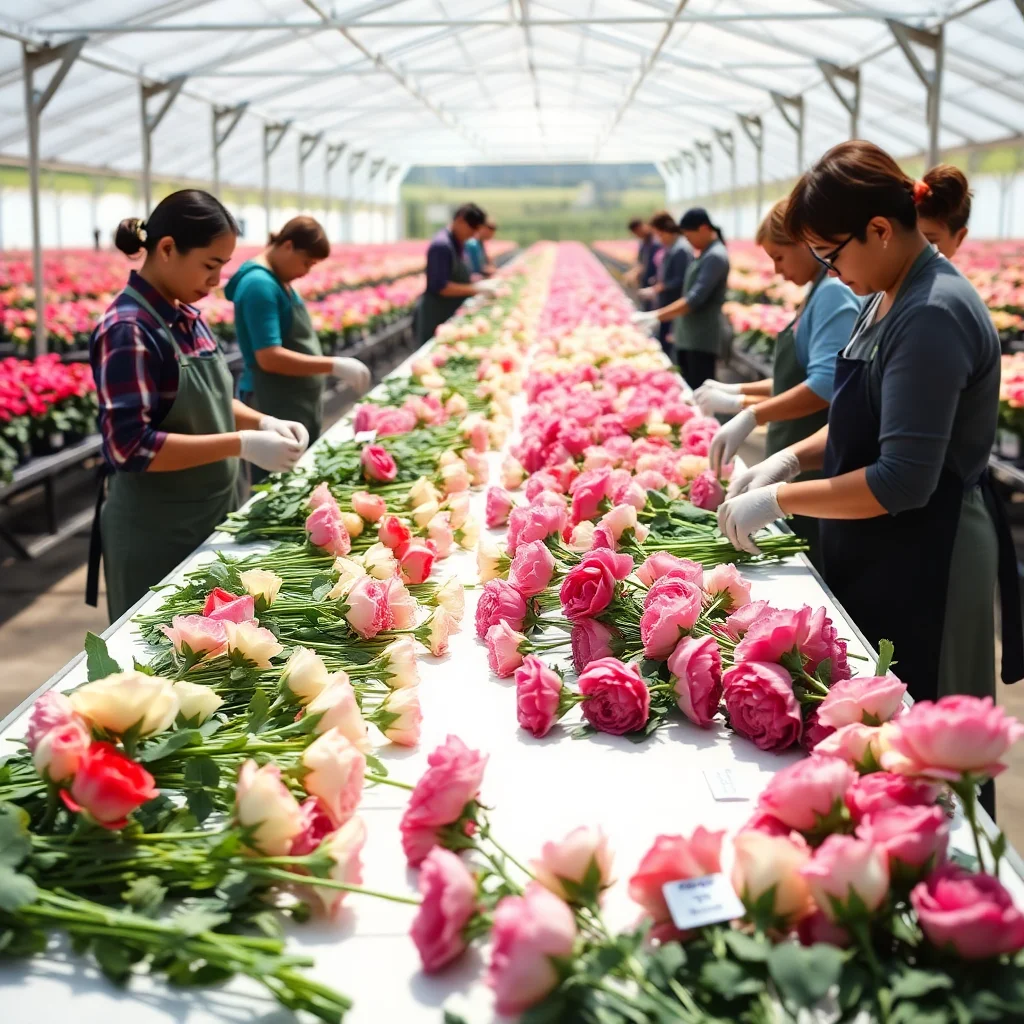
Reputable flower wholesalers play a pivotal role in ensuring the quality of blooms provided to florists and consumers alike. Whole Blossoms implements rigorous practices to vet and inspect flowers, guaranteeing customers receive only premium-quality blooms. These wholesalers act as gatekeepers, ensuring the flowers maintain their beauty and durability from the moment they are harvested until they reach the end consumer.
One of the critical steps in quality control is the intensive in-house inspection process wholesalers use upon receiving shipments. Flowers are carefully examined for signs of damage, discoloration, or premature wilting. Every bloom is assessed to ensure it meets size, color, and freshness specifications. During this process, wholesalers often repackage flowers for secure transit and apply rehydration techniques that extend the flowers’ vase life. Rehydration involves placing stems in specialized solutions designed to replenish lost moisture and nutrients, reinvigorating the blooms and helping them appear fresher for longer periods.
A core tenet of maintaining outstanding quality is transparent sourcing. Wholesalers like Whole Blossoms focus on direct-from-farm supply chains, working closely with growers worldwide who adhere to strict cultivation and harvesting standards. By cutting out multiple intermediaries, direct sourcing ensures fresher flowers and provides clear traceability, so customers know exactly where their blooms are coming from. This transparency often translates into better product consistency, as reputable farms are held accountable to deliver the highest quality.
Lastly, policies like reviews, guarantees, and replacement options further demonstrate a wholesaler’s commitment to quality control. Encouraging customer feedback through reviews not only builds trust but also provides a valuable mechanism for continuous improvement. Guarantees, which sometimes ensure the blooms’ arrival in pristine condition, give buyers confidence in their purchase. Should any issues arise, replacement policies ensure that no customer is left dissatisfied, reflecting a dedication to excellence and customer satisfaction.
By implementing these practices, reputable wholesalers significantly elevate the standard of flowers available in the marketplace. Their stringent inspection techniques, transparent sourcing policies, and customer-focused guarantees form the backbone of their quality control processes, inspiring trust and ensuring that every flower received remains a source of delight.
Part 6 – Red Flags: How to Spot Poor Quality Vendors
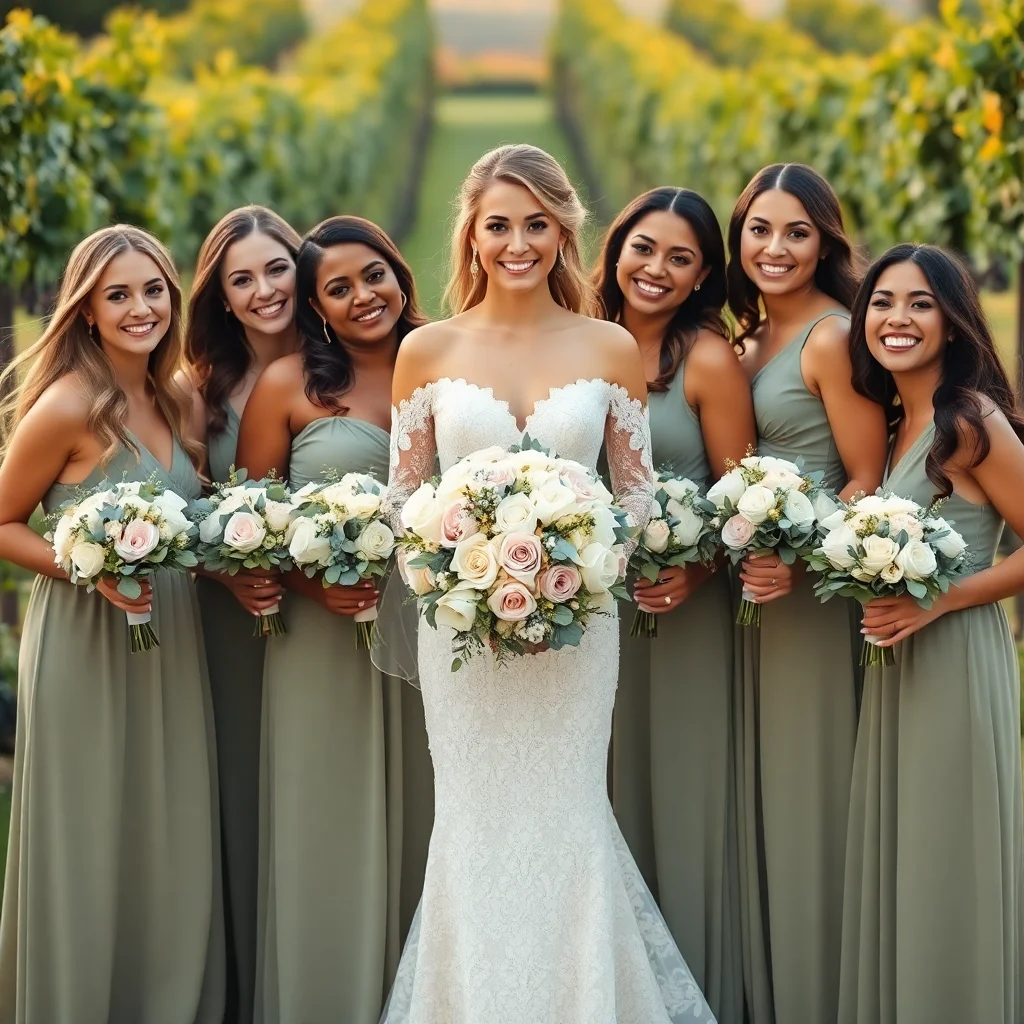
Identifying poor-quality flower vendors is crucial to avoid disappointment, financial losses, and compromised product quality. Several warning signs can help you recognize unreliable suppliers and steer clear of potential issues.
One of the key red flags is the absence of harvest dates for their flowers. High-quality vendors provide clear details about when and where the flowers were sourced to ensure freshness. Without this information, you run the risk of receiving old or wilting flowers. Another major warning sign is the lack of a replacement policy. Reliable suppliers stand by their products and offer replacements or refunds if there are quality issues. Vendors that avoid such policies may leave you stuck with unsatisfactory flowers.
Additionally, pay attention to shipping practices. Poor quality vendors often fail to use temperature-controlled shipping, which is essential for maintaining the freshness of flowers during transit. Without proper temperature regulation, flowers are susceptible to wilting or damage before they even arrive. Poor communication or vague sourcing information is another red flag. Vendors who are unresponsive, evasive, or overly generic about the origins of their products often lack transparency and accountability.
There have been customer complaints stemming from these issues. For example, a caterer received flowers for an event only to find them wilted due to inadequate cooling during transportation. Another instance involved a customer trying to resolve an issue with an entire shipment of damaged flowers but receiving no replacement due to the vendor’s rigid policies. Being vigilant about these warning signs can help ensure that your flower supplier is dependable and delivers on quality.
Part 7 – Why Quality Pays Off at Your Event
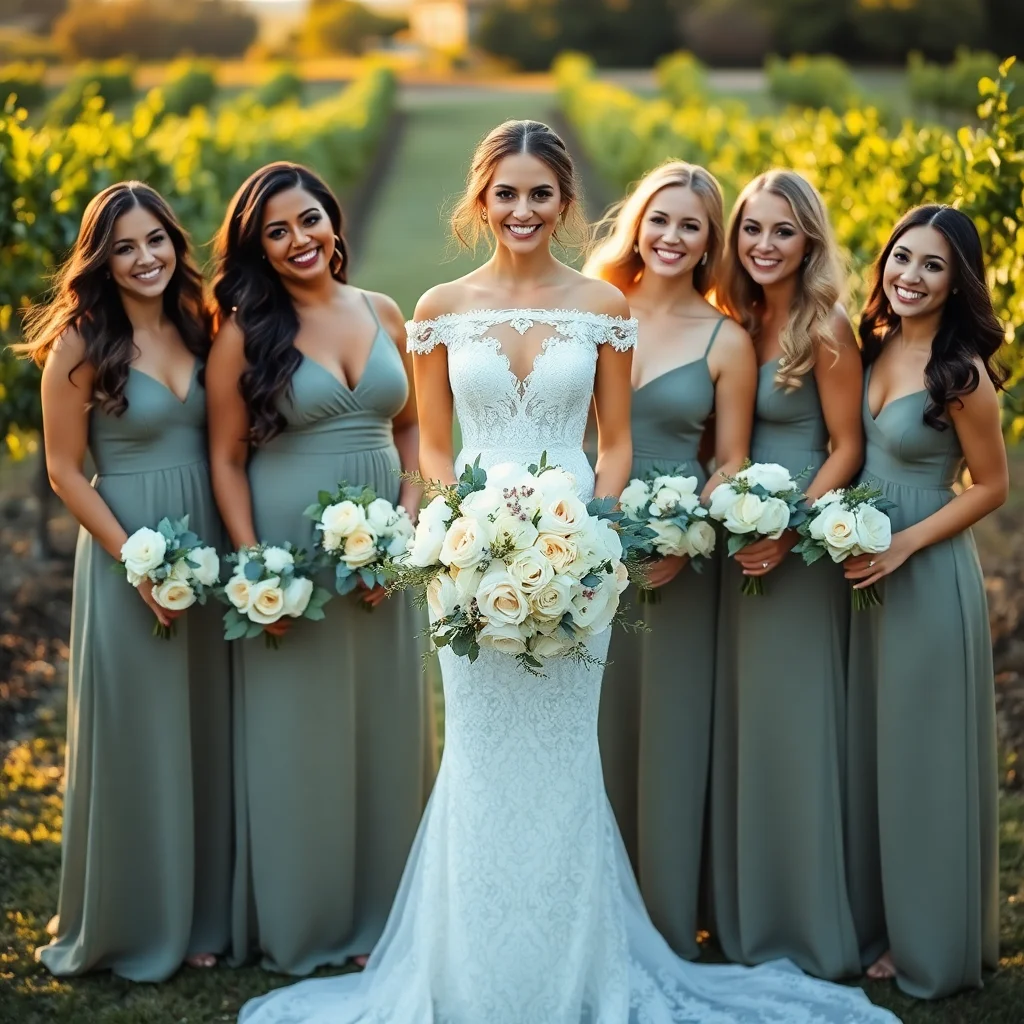
Choosing a quality flower supplier is more than just about aesthetics—it impacts the entire planning and execution of your event. High-quality flowers translate to longer-lasting centerpieces, ensuring your arrangements remain vibrant and fresh throughout the occasion. This longevity makes a significant difference, particularly for events that stretch over multiple days or have extended timelines.
With dependable flowers, there are fewer surprises or last-minute emergencies. You can avoid the stress of scrambling for replacements due to wilted or damaged blooms. Reliability from your supplier ensures smoother planning and seamless execution, helping you focus on other aspects of the event.
For floral designers, premium flower quality means easier prep and handling. Healthy, fresh flowers respond better to design techniques, allowing designers to create more intricate and polished arrangements. This efficiency saves valuable time and effort on the day of the event.
Additionally, high-quality flowers offer better scent and bloom development. Guests will not only enjoy the visual appeal of lush, vibrant flowers but also appreciate their fresh fragrance and fuller blooms. These little details go a long way in creating an impressive and memorable experience, often leading to compliments and positive feedback about the event.
Investing in quality flowers is ultimately an investment in the success of your event. The small premium paid upfront pays off in reduced stress, enhanced aesthetics, and a truly exceptional guest experience. By partnering with the right supplier, you can elevate your event and leave a lasting impression.
Summary: Trust the Process, Ask the Right Questions
Understanding flower quality at the wholesale level is crucial to the success of any event. High-quality flowers are not just about vibrant colors and fresh appearances; they represent careful sourcing, grading, and proper handling to ensure they arrive in peak condition. By prioritizing these aspects, you create an atmosphere that captivates your guests and enhances the event’s overall aesthetic.
When sourcing wholesale flowers, it’s essential to ask the right questions. Where are the flowers sourced? Are they graded for optimal quality? What delivery methods are used to maintain their freshness? These inquiries help you identify a reliable supplier who aligns with your event’s needs and expectations. Trust the process by partnering with experts who prioritize quality at every stage, from farm to event.
Investing in exceptional flowers sets your event apart, leaving a lasting, positive impression. Don’t settle for less—connect with a supplier who values craftsmanship and attention to detail.
Shop high-quality wholesale flowers with confidence and elevate your next event’s decor.
Why Whole Blossoms is Your Go-To for Wholesale Flowers
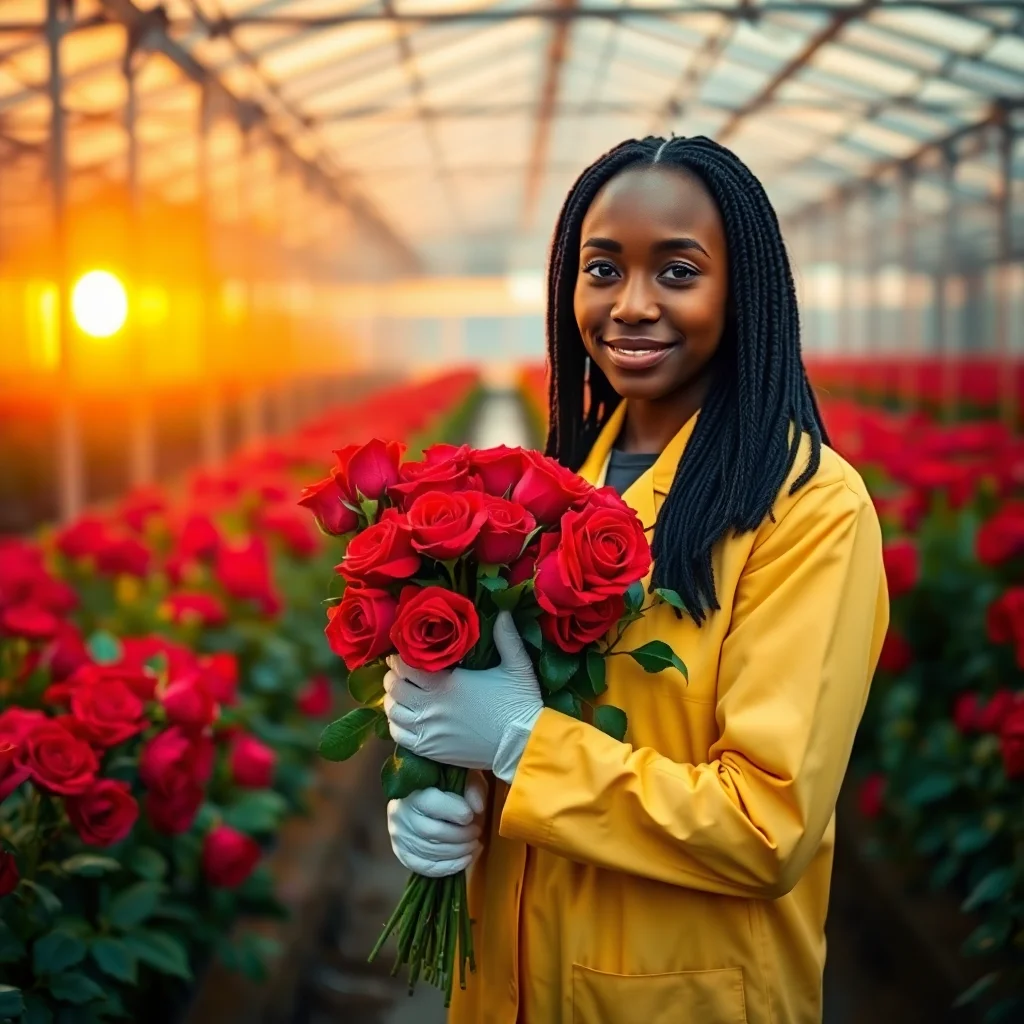
Whole Blossoms stands out as a trusted and reliable source for premium wholesale flowers, perfect for any event. With a dedication to quality and a passion for beauty, Whole Blossoms ensures every bloom exceeds expectations. Their extensive selection includes a wide variety of flowers, from classic roses and hydrangeas to exotic blooms like proteas and anemones. This diverse inventory allows customers to find the perfect flowers to match their event’s theme and aesthetics.
One of the primary reasons Whole Blossoms is a top choice is the freshness of their flowers. Sourced directly from top-rated farms across the globe, each bloom is carefully handpicked and shipped straight to your door. With shorter transit times and no intermediaries, the freshness and longevity of the flowers are unmatched. This makes them ideal for weddings, corporate events, and other special occasions.
Whole Blossoms also offers competitive pricing, giving customers access to high-quality flowers at wholesale rates, no matter the size of their order. Whether you’re a professional event planner or a DIY enthusiast, they provide guidance and support at every step, making the process seamless from selection to delivery.
Additionally, Whole Blossoms prioritizes exceptional customer service. Their team of floral experts is available to answer any questions, offer advice, and ensure customer satisfaction. With such a commitment to quality, affordability, and service, Whole Blossoms is the ultimate choice for those looking to elevate their events with stunning floral arrangements that leave a lasting impression.