


 by
by 
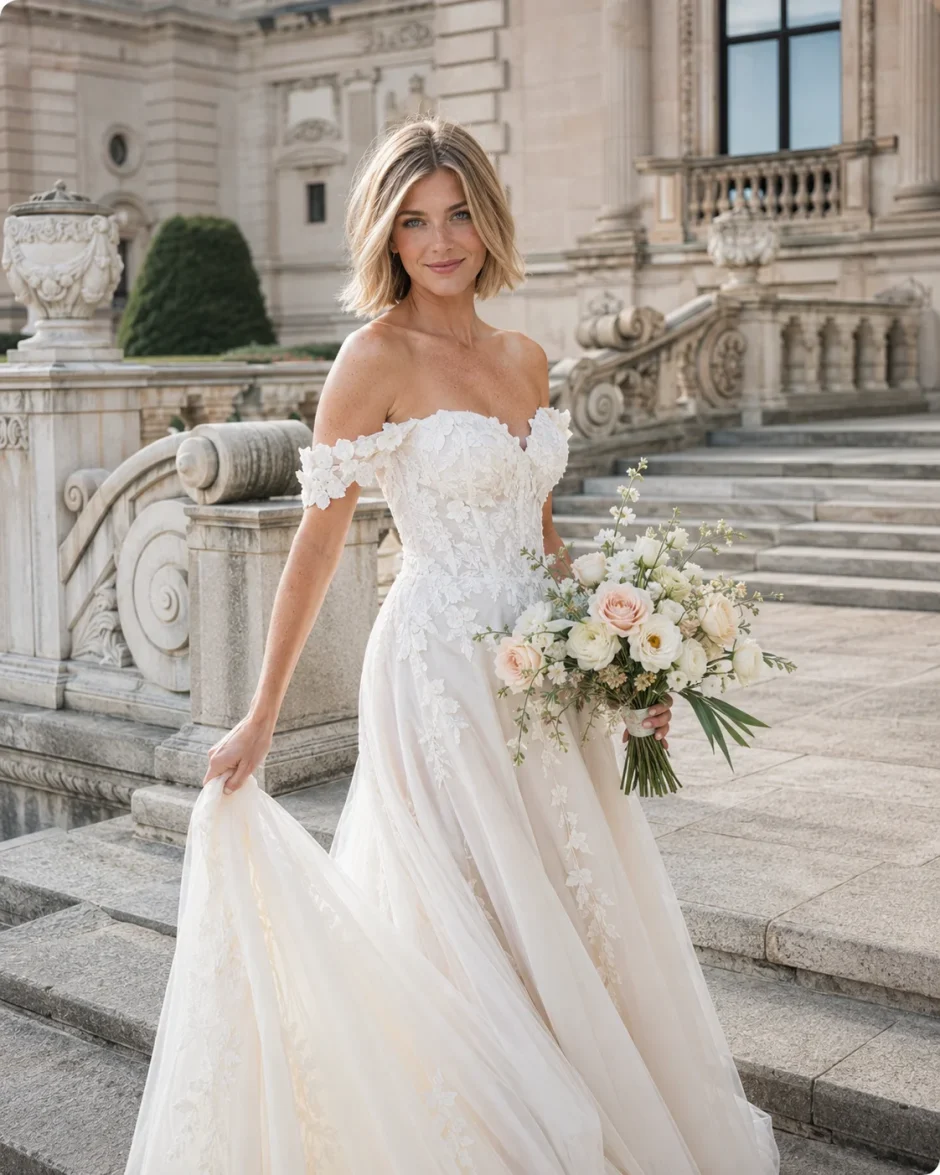
Do I Need Roses to Get the Soft, Romantic Wedding Look I Want?
Roses may be the first flowers brides picture when planning a romantic bouquet, but they are not the only way to create soft petals, graceful color, and garden-inspired movement. Lisianthus brings a delicate character all its own—and it may give your wedding flower plan more flexibility. With ruffled petals, branching stems, and a combination of open blooms and smaller buds, lisianthus offers an airy, elegant quality that pairs beautifully with various wedding styles.
While roses remain a timeless wedding classic, exploring alternatives like lisianthus can expand your options for delicate bouquets and centerpieces. It’s important to note that lisianthus isn’t always guaranteed to cost less than roses; its value depends on elements like the specific variety, stem structure, quantity needed, seasonality, design recipe, and complementary flowers.
At Whole Blossoms, you can compare flowers directly from the source, making it easier to find the perfect blooms for your vision. Whether you’re working within a budget or prioritizing unique textures and colors, lisianthus and roses are just two of the many options available to create stunning wedding arrangements.
In this guide, you’ll learn:
- How lisianthus differs from roses
- Which flower works best for each arrangement
- How to combine lisianthus and roses
- How to build a budget-conscious flower recipe
- How to order and prepare lisianthus
- Frequently asked lisianthus questions
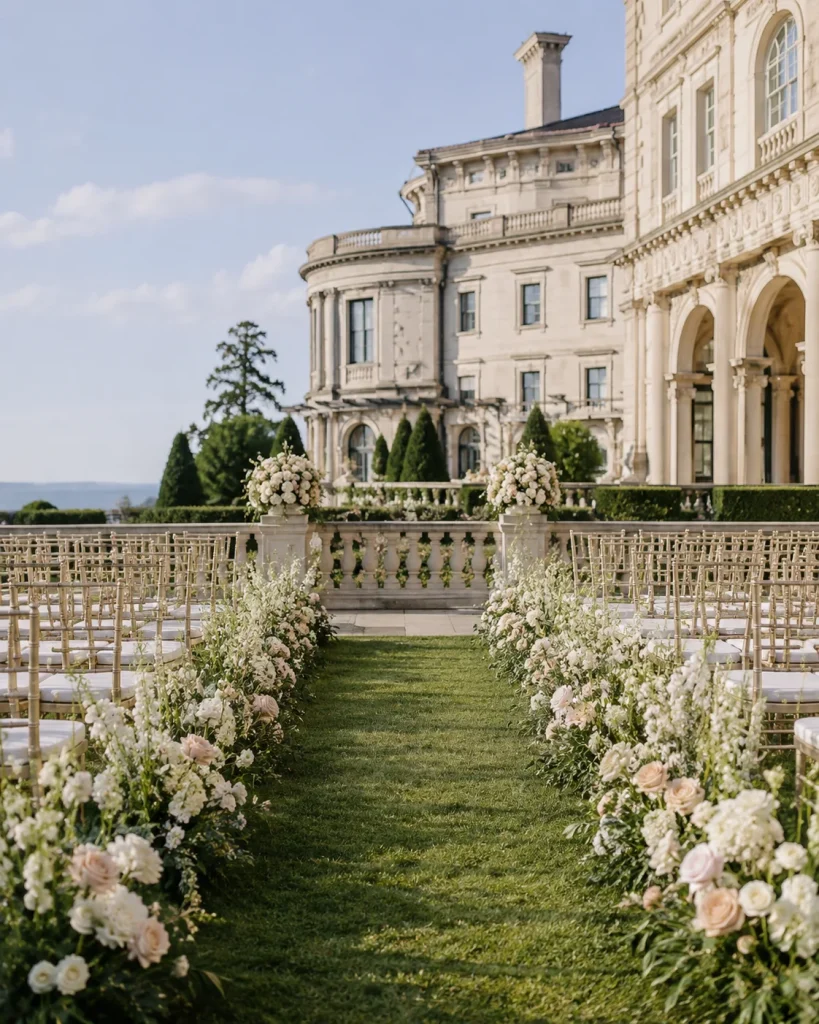
Part 1 – Compare Lisianthus and Roses Before You Buy
When it comes to wedding flowers, lisianthus and roses both bring their own unique charm and elegance. While they share a romantic ambiance and are highly versatile in arrangements, their differences in petal structure, silhouette, stem form, and design personality make each one distinct. Understanding these differences will help you choose the right balance or combination for your bouquets and centerpieces.
Lisianthus Creates a Soft, Garden-Inspired Look
Lisianthus is celebrated for its delicate, gently ruffled petals and natural elegance. Its blooms open gracefully, often revealing a mix of flowers at varying stages of maturity—some fully open, others partially open, and a few still in bud form. The branching stems of lisianthus contribute to loose, airy movement, making the flower ideal for a garden-style or asymmetrical design.
For loose bouquets or low centerpieces, lisianthus is a perfect choice. It can soften the outline of an arrangement, preventing it from appearing overly round or formal. Its organic and softly romantic character lends itself naturally to casual, garden-inspired aesthetics. This flower shines when paired with other blooms of similar textures, like ranunculus or spray roses, to create arrangements full of interest and dimension.
Roses Provide a Classic Focal-Flower Shape
Roses are perhaps the most recognized and timeless wedding flowers. Their iconic spiral-shaped petals form a strong visual center, giving arrangements a sense of structure and drama. Roses effortlessly evoke romantic and formal sentiments, making them a frequent choice for traditional, elegant events.
Used as a focal flower, roses are ideal for structured, classic bouquets or taller centerpieces. Their universally familiar shape appeals to brides seeking a timeless look, and their versatility allows them to suit a range of wedding themes, from vintage to modern. Due to their association with romance, roses hold special emotional significance for many couples, which adds to their enduring appeal.
Lisianthus Stems May Add Blooms and Buds
One notable feature of lisianthus is its multi-bloom stem structure. A single stem may include open flowers, partially opened blooms, and smaller buds alongside small branches, bringing a natural variety to your arrangement. This unique trait lets lisianthus offer more visual movement compared to the single large head of a rose. However, since the natural opening stage and number of blooms per stem vary, it’s essential to view lisianthus as a complement to other flowers rather than a one-to-one substitute for roses.
Compare Their Design Personalities
When designing arrangements, understanding the design personality of each flower is key. Lisianthus exudes an airy, botanical quality with its organic, garden-inspired appearance. It feels delicate and softly romantic, making it perfect for less formal or whimsical arrangements.
Roses, in contrast, deliver a structured and classic effect. Familiar and strong in visual presence, their formal nature makes them a traditional choice for structured bouquets or more elegant celebrations. Both can be combined in a way that balances their unique characteristics, resulting in arrangements that are both harmonious and multidimensional.
Compare Common Wedding Colors
Both lisianthus and roses come in a wide range of colors to suit various wedding styles. Common tones include white, ivory, blush, pink, peach, lavender, and mauve, offering countless options for romantic and soft color palettes. For deeper tones, roses are often more readily available in rich shades like burgundy or classic red, though certain varieties of lisianthus may also offer similar colors. Keep in mind that shade and availability can vary depending on the growing season and supplier.
Buyer Questions to Answer
- Does lisianthus look like a rose? While lisianthus shares a soft, romantic appearance with roses, it tends to have a more delicate and natural look with ruffled petals and multi-bloom stems.
- What is the difference between lisianthus and roses? Lisianthus has a lighter, more organic silhouette with branching stems, while roses are known for their single, structured bloom shape with a more formal elegance.
- Is lisianthus suitable for wedding bouquets? Absolutely. Lisianthus adds an airy, garden-inspired element and pairs beautifully with other flowers.
- Does lisianthus have several blooms on one stem? Yes, most lisianthus stems feature a combination of open flowers, buds, and side branches, adding visual movement to arrangements.
- Which flower looks more formal? Roses generally have a more formal and structured appearance, while lisianthus brings a softer, more relaxed charm.
- Can lisianthus completely replace roses? No, but it can complement roses beautifully. Each flower has its own unique role and enhances arrangements in different ways.
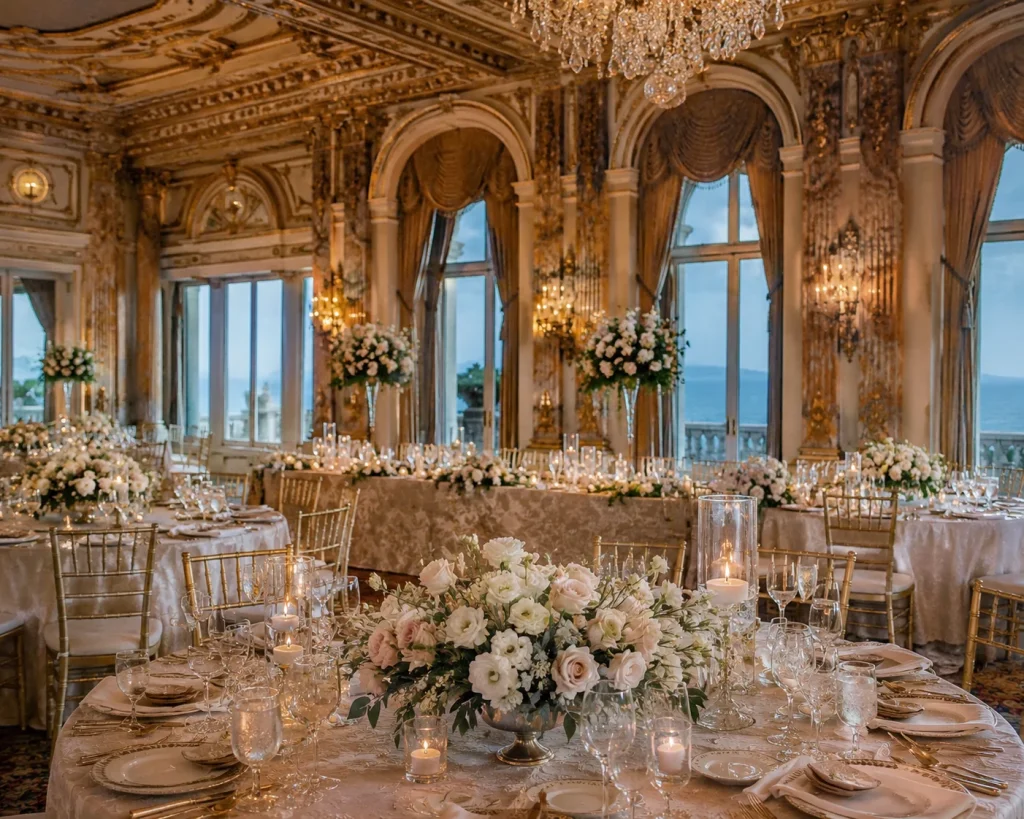
Part 2 – Choose the Right Flower for Each Arrangement
Planning wedding flowers involves pairing blooms that complement one another while achieving the desired style for each element of the event. Both lisianthus and roses serve important roles, and their strategic combination enhances floral arrangements throughout the day.
Bridal Bouquets Often Benefit From Both Flowers
A stunning bridal bouquet can showcase both roses and lisianthus for balance and beauty.
Suggested recipe:
- Roses as principal focal flowers
- Lisianthus for softness and buds
- Greenery for movement
- A light filler flower where needed
- Coordinating ribbon
Roses add structure and create a dramatic visual center, drawing attention to the bouquet. Surrounding them with lisianthus softens the overall shape, adds a romantic flair, and provides additional dimension with its delicate buds. This pairing ensures that the bouquet feels luxurious yet approachable, perfectly complementing the bride’s look.
Bridesmaid Bouquets Can Feature More Lisianthus
While the bridal bouquet takes center stage, bridesmaid bouquets can adopt a slightly more understated yet cohesive design by emphasizing lisianthus.
Recommended approach:
- Use fewer roses than the bridal bouquet
- Highlight lisianthus for its airy, delicate charm
- Add additional greenery for texture
- Maintain a smaller silhouette
- Choose one repeated focal color for simplicity
This approach ensures the bridesmaids’ flowers coordinate beautifully with the bridal bouquet without overshadowing it. Using more lisianthus also provides a softer, lighter feel while keeping the arrangements elegant and cohesive.
Lisianthus Works Beautifully in Low Centerpieces
Lisianthus shines in a variety of smaller centerpiece styles. Its soft blooms and versatility make it ideal for compote arrangements, bud-vase groupings, and casual garden-style displays.
Applications include:
- Cocktail tables
- Bridal shower arrangements
- Sweetheart-table flowers
Its romantic, natural aesthetic works especially well in intimate settings or events with a relaxed tone. However, pairing lisianthus with subtle greenery and complementary blooms enhances its impact.
Roses Strengthen Structured Centerpieces
For more formal receptions, roses are an excellent choice for structured centerpieces. Their bold, symmetrical blooms lend themselves to polished designs.
Best uses for roses:
- Formal round arrangements
- Compact centerpieces
- Ballroom receptions
- Classic white or blush designs
Roses bring a sense of tradition and grandeur, making them perfect for weddings with a more traditional or sophisticated theme.
Ceremony Flowers Need a Mixed Recipe
Larger ceremony arrangements benefit from the combination of roses, lisianthus, and supporting blooms to achieve balance and visual impact.
Suggested approach:
- Combine roses and lisianthus with affordable volume flowers and greenery
- Use seasonal blooms to cut costs while maintaining quality
- Ensure appropriate mechanics for structural stability
While lisianthus adds softness and movement, relying solely on its delicate stems for large installations can be challenging. Pairing it with sturdy supporting flowers ensures the arrangements look full and lush without compromising durability.
Personal Flowers Require Careful Selection
Boutonnieres and corsages call for detail and precision. The flower choice should take into account bloom size, stem strength, and style preferences.
Considerations include:
- Event timing and handling conditions
- Expertise level if creating arrangements DIY
Lisianthus buds and smaller blooms are perfect for a lightweight, romantic boutonniere, while roses can offer a more formal and timeless look.
Buyer Questions to Answer
- Is lisianthus good for a bridal bouquet?
- Should bridesmaid bouquets contain fewer roses?
- Can lisianthus be used in centerpieces?
- Which flower is better for a formal wedding?
- Can lisianthus be used in ceremony flowers?
- Do lisianthus and roses look good together?
By understanding these flowers’ characteristics and how they influence the silhouette and style of a design, you can create arrangements that beautifully reflect the tone of the wedding.
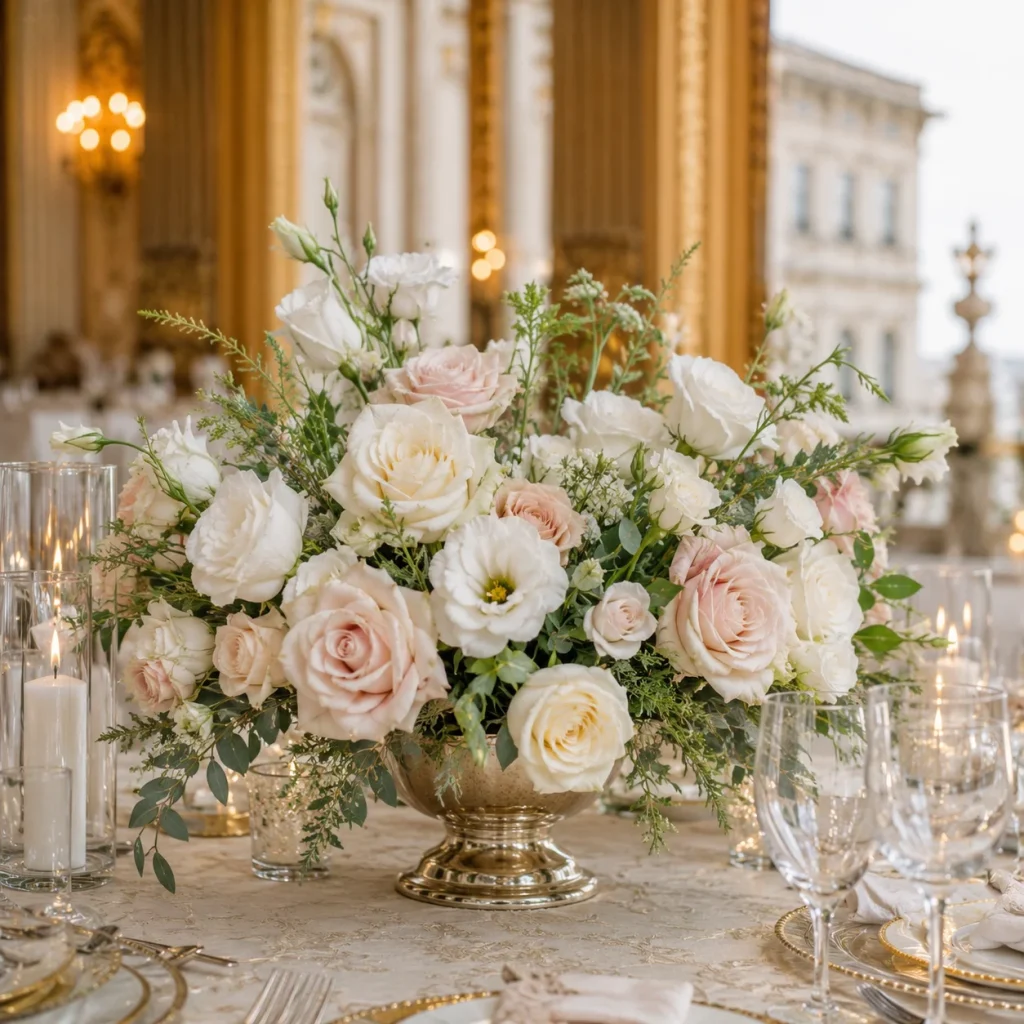
Part 3 – Build a Budget-Friendly Lisianthus and Rose Plan
Designing a breathtaking wedding flower plan doesn’t have to break the bank. By maximizing the unique strengths of both lisianthus and roses, you can create a balanced and budget-friendly design without compromising on elegance. “Budget-friendly” doesn’t just mean choosing the least expensive flower but involves strategic planning across all aspects of your floral arrangements. Consider factors like stem price, quantity, flower variety, bloom size, and seasonal availability, as well as the size of the arrangements, supporting elements, and labor costs.
Use Roses Where Their Focal Impact Matters Most
Roses, with their timeless appeal and unmistakable presence, shine as focal flowers for key areas of the wedding. To make the most of their impact, prioritize their use in high-visibility arrangements. Suggested placements include:
- Bridal bouquet, where the elegance of a rose can become the centerpiece of the bride’s look.
- Sweetheart table, to enhance intimacy and bring romance.
- Ceremony focal points, such as altar or arch arrangements, to draw attention to significant moments.
- Welcome displays that offer a powerful first impression for guests.
- Cake flowers, adding sophistication to your dessert showcase.
- Photographer detail arrangements, ensuring your special moments are beautifully framed.
Use Lisianthus to Add Softness Throughout the Event
Lisianthus, known for its delicate ruffled blooms and pastel hues, is a versatile flower ideal for blending softness and elegance into an event. Its more understated nature makes it perfect for broader use across the decor. Suggested placements include:
- Bridesmaid bouquets, where its softness complements the bride’s more dramatic bouquet.
- Low centerpieces, bringing gentle texture to tablescapes.
- Bud vases and cocktail tables for intimate arrangements.
- Accent arrangements to add detail in unexpected corners.
- Bridal showers or smaller events surrounding the wedding.
- Garden-style table flowers that highlight a natural and airy ambiance.
Build Each Arrangement With Clear Flower Roles
To optimize both beauty and cost, each arrangement should have a clear balance of flower roles. A strong flower recipe might include:
- One focal flower, such as roses.
- One soft supporting flower, like lisianthus.
- One affordable volume flower, such as carnations or chrysanthemums.
- One greenery choice, such as eucalyptus or seasonal greenery.
- Optional filler or texture, like baby’s breath or delicate blooms to add finishing touches.
For example, a bridal bouquet might feature roses as the main star, lisianthus as a complement, carnations to build volume, eucalyptus for greenery, and a sprinkling of filler flowers to tie it all together.
Reuse Suitable Ceremony Arrangements
An impactful way to stretch your floral budget is to reuse ceremony flowers in other parts of your event. For example:
- Ceremony aisle flowers can transition to cocktail tables.
- Entrance arrangements can find a second life at your welcome table.
- Altar flowers can adorn the sweetheart table.
- Signing-table arrangements can quickly become decor for the gift or cake table.
Advance planning is key to successfully repurposing flowers. Ensure your florist selects appropriately sized vessels, plans for setup logistics, and provides transportation and staff support to make these transitions effortless.
Compare the Complete Recipe, Not One Stem
When considering cost-saving strategies, it’s important to compare the total flower recipe instead of just focusing on the price of one type of stem. Factors like the total number of arrangements, stems required for each design, supporting ingredients, floral supplies, and timing all influence the overall budget. Hydration and delivery requirements can also shift costs, so thoughtful planning is essential.
Part 4 – Match Lisianthus and Roses to Your Wedding Style
Lisianthus and roses are a timeless pairing, offering versatility for virtually any wedding style. From romantic blush settings to modern minimalist aesthetics, these flowers can help you execute your vision while keeping your arrangements elegant and cohesive. Below, explore how lisianthus and roses can enhance various wedding themes and discover the perfect combinations to suit your celebration.
Romantic Blush and Ivory Weddings
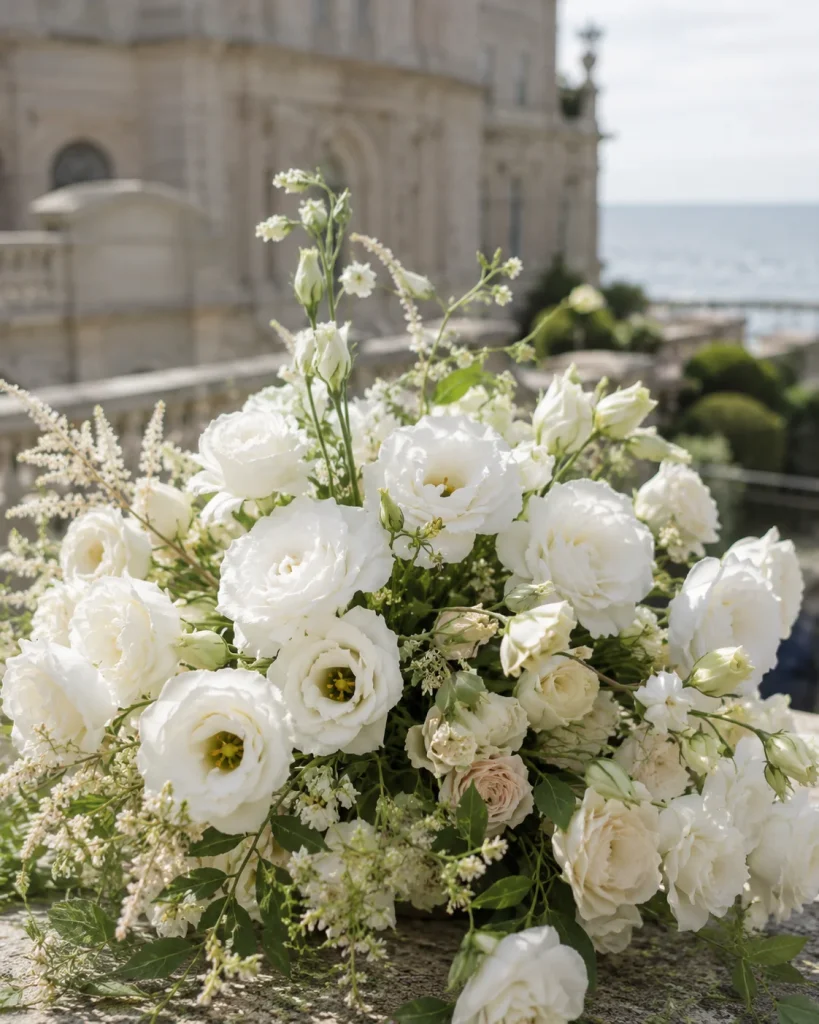
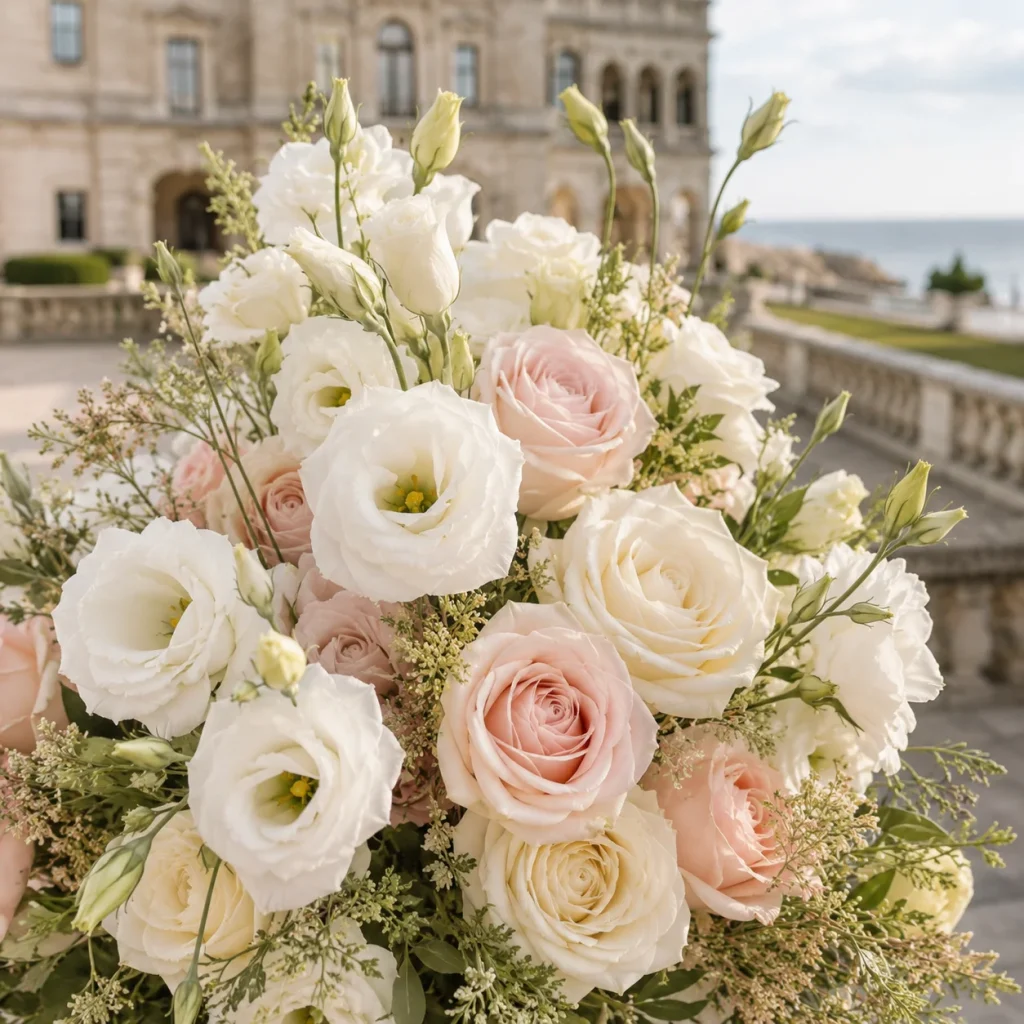
For those dreaming of a soft, romantic atmosphere, blush and ivory tones provide the perfect palette. Blush roses and white lisianthus form the foundation of this design, beautifully complemented by ivory roses, cream-toned supporting flowers, and soft greenery. The delicate textures and pastel hues evoke a sense of romance that is both classic and timeless, perfect for tender moments and intimate settings.
White and Green Garden Weddings
A white and green garden-themed wedding celebrates nature’s elegance through simplicity and freshness. Pair white lisianthus and white roses with lush greenery for an organic yet sophisticated feel. White filler flowers like baby’s breath or Queen Anne’s lace add texture, while clear or neutral vessels keep the overall design clean and understated. This combination effortlessly channels botanical beauty, ideal for outdoor venues or airy garden receptions.
Lavender and Mauve Weddings
Lavender and mauve weddings radiate a whimsical and ethereal beauty. Use lavender or purple lisianthus alongside mauve or blush roses, accented with ivory tones and dusty greenery. Incorporate delicate textural flowers such as astilbe or thistle to enhance the dreamy aesthetic. This palette suits rustic vineyards, romantic countryside ceremonies, and even indoor venues aiming for a soft, vintage charm.
Modern Minimalist Weddings
For a strikingly contemporary wedding, emphasize restraint and simplicity. Select a limited number of focal roses and lisianthus stems, keeping the design clean and sleek. Incorporate minimal greenery and pair these flowers with modern, clean vessels. Simplified silhouettes and open spaces in your arrangements will reflect a minimalist yet stylish approach that suits urban lofts or modern art galleries.
Vintage and Cottage-Garden Weddings
For vintage and cottage-garden weddings, focus on creating loosely arranged bouquets that convey a sense of natural, handpicked beauty. Romantic roses, visible lisianthus buds, branching greenery, and pastel-toned flowers work beautifully in this theme. Layer these flowers in small, decorative vessels for a charmingly nostalgic touch. This style is perfect for outdoor garden settings or cozy, historic venues.
Formal Mansion Weddings
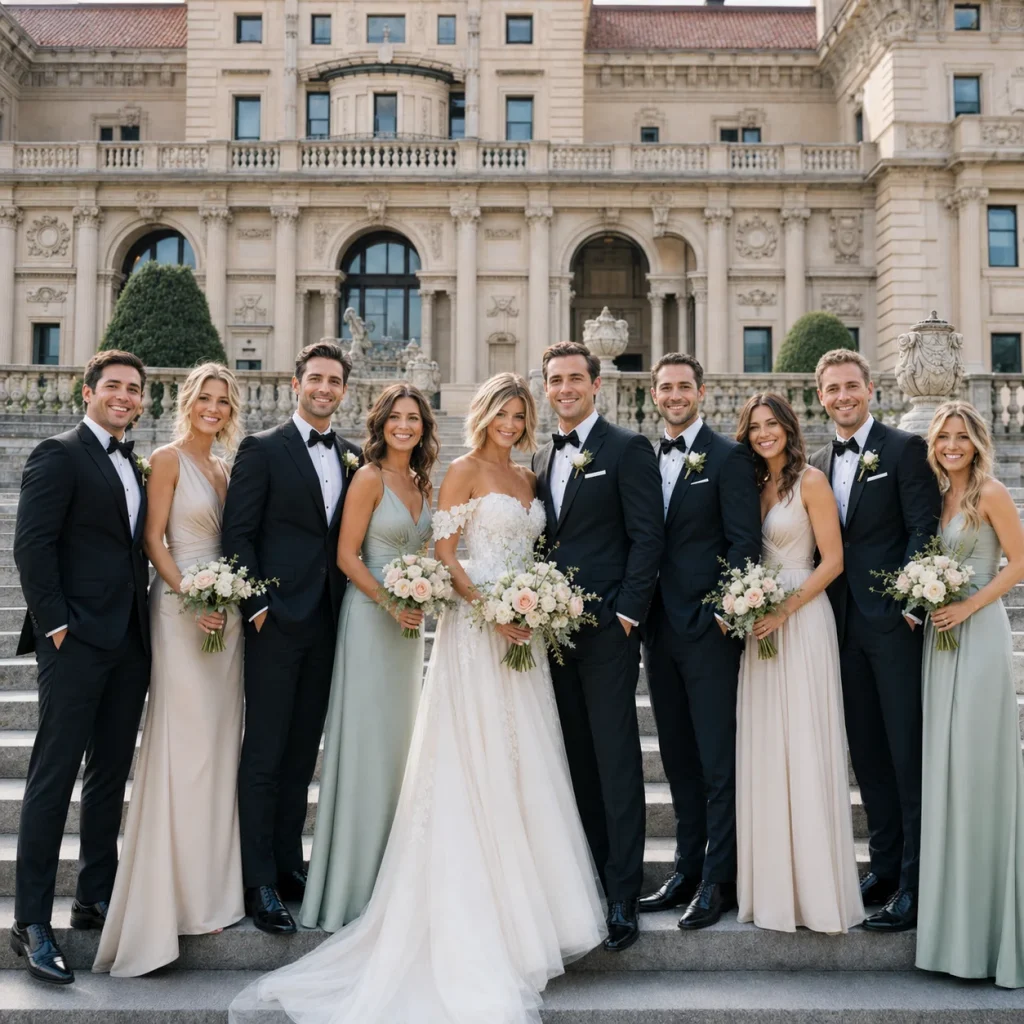
For an opulent and sophisticated affair, roses provide the formal structure central to classic mansion weddings, while lisianthus softens the arrangement for an approachable elegance. This pairing works beautifully for venues like The Breakers in Newport, with its grand terraces, pale stone walls, and Gilded Age interiors. Think pale color palettes with white and ivory roses paired with white lisianthus, small touches of greenery, and crystalline vessels for refined grandeur.
Buyer Questions to Answer
- What wedding styles suit lisianthus?
Lisianthus complements a range of styles, from romantic to minimalist, depending on the arrangement.
- Can lisianthus work in a formal mansion wedding?
Absolutely! Lisianthus softens the rigidity of formal arrangements, adding elegance and charm.
- What colors pair with white lisianthus?
White lisianthus pairs beautifully with blush, ivory, lavender, or even greenery-filled palettes.
- Can lisianthus be used in a minimalist bouquet?
Yes, its clean lines and understated beauty make lisianthus perfect for minimalist designs.
- Do blush roses coordinate with white lisianthus?
Blush roses and white lisianthus create a stunningly romantic and balanced pairing.
- Which flower is better for a garden wedding?
Both lisianthus and roses are ideal for garden weddings, especially when paired with lush greenery.
Part 5 – Order and Prepare Lisianthus Wedding Flowers
Planning and preparing lisianthus wedding flowers requires thoughtful organization to ensure everything is ready for your big day. Follow this step-by-step guide to move confidently from inspiration to execution.
Count Every Floral Design
Begin by listing all the floral designs required for your wedding. Common arrangements include:
- Bridal bouquet
- Bridesmaid bouquets
- Boutonnieres
- Corsages
- Ceremony flowers
- Guest-table centerpieces
- Cocktail-table arrangements
- Sweetheart table flowers
- Cake flowers
- Welcome display
- Rehearsal or shower flowers
This comprehensive list will help in estimating the number of stems you need.
Expect Natural Bloom Variation
It’s important to understand that lisianthus stems often include a mix of open blooms, partially opened flowers, tight buds, and side branches. Additionally, natural color variations can occur due to different growing conditions. Roses, which make excellent pairings with lisianthus, may also vary in size, shade, and blooming stage. These natural differences add charm and uniqueness to your arrangements.
Prepare Before the Flowers Arrive
To avoid last-minute stress, ensure you have the following items and tools ready before your lisianthus wedding flowers arrive:
- Clean buckets
- Fresh water
- Clean floral cutters
- A cool, shaded workspace
- Prepared containers, ribbons, and floral mechanics
- A written arrangement recipe for reference
- Adequate hydration time before arranging
Buyer Questions to Answer
- When should I order lisianthus for my wedding?
Plan to have your flowers delivered 2-3 days before the wedding to allow time for hydration and proper bloom opening.
- Will every lisianthus flower arrive fully open?
No, lisianthus stems naturally include blooms at different stages, from tight buds to fully open flowers.
- How should I hydrate lisianthus?
Place the flowers in clean buckets filled with fresh water immediately upon arrival, and give the stems a clean cut for optimal water uptake.
- How many extra stems should I order?
Always add a buffer of about 10-15% extra stems to account for natural imperfections or unexpected needs.
- Can I arrange lisianthus myself?
Yes, with proper planning and preparation, lisianthus can be arranged beautifully by anyone.
- What supplies should be prepared before delivery?
Ensure you have clean buckets, water, cutters, floral supplies, and everything needed to execute your arrangement recipes.
Recommended Comparison Table
| Feature | Lisianthus | Roses |
| Overall appearance | Soft and garden-inspired | Classic and structured |
| Stem form | Often branching with blooms and buds | Usually one primary bloom per standard stem |
| Design role | Supporting or focal flower | Strong focal flower |
| Bouquet style | Airy and romantic | Classic, formal, or romantic |
| Centerpiece style | Garden and compote designs | Structured or mixed designs |
| Budget role | Adds softness and visual interest | Strategic focal investment |
| Best combined use | Softens rose-heavy designs | Gives lisianthus stronger focal structure |
Disclaimer: Natural stem form, availability, bloom stage, and pricing may vary according to season, source, and other factors. Always consult with your florist or supplier for the most accurate and updated information.
FAQ SECTION
Is lisianthus a good flower for weddings?
Yes, lisianthus wedding flowers work beautifully in bridal bouquets, bridesmaid bouquets, centerpieces, bud vases, and garden-inspired arrangements. Their delicate petals, branching stems, open blooms, and buds add softness and natural movement. Exact color, stem form, and opening stage will vary.
Does lisianthus look like a rose?
Lisianthus can have a soft, rose-like appearance when open, but it has its own character. Lisianthus often features lighter ruffled petals, branching stems, and visible buds. Roses usually produce a fuller, more structured focal shape with their familiar spiral petal centers.
Is lisianthus cheaper than roses?
Sometimes, but not always. Pricing depends on the variety, color, season, quantity, stem structure, and availability. Lisianthus may support a budget-conscious recipe because one stem can contribute blooms, buds, and movement, but buyers should compare the complete arrangement rather than one stem price.
Can lisianthus and roses be used together?
Yes. Lisianthus and roses create a balanced romantic design. Roses provide strong focal blooms, while lisianthus adds softer petals, branching stems, and buds. The combination works well in bouquets, centerpieces, ceremony flowers, and white, blush, lavender, peach, or garden-style palettes.
Is lisianthus easy to arrange for a DIY wedding?
Lisianthus can work well for DIY arrangements when buyers prepare clean buckets, fresh water, sharp cutters, and adequate hydration time. Its branching shape creates movement but may require thoughtful placement. Handle the delicate flowers carefully and use a written recipe for each design.
Which is better for a bridal bouquet, lisianthus or roses?
The best choice depends on the intended style. Roses create a classic, structured focal point, while lisianthus provides a softer and more organic appearance. Many brides will achieve the strongest result by combining roses for focal impact with lisianthus for movement, buds, and garden texture.
CONCLUSION
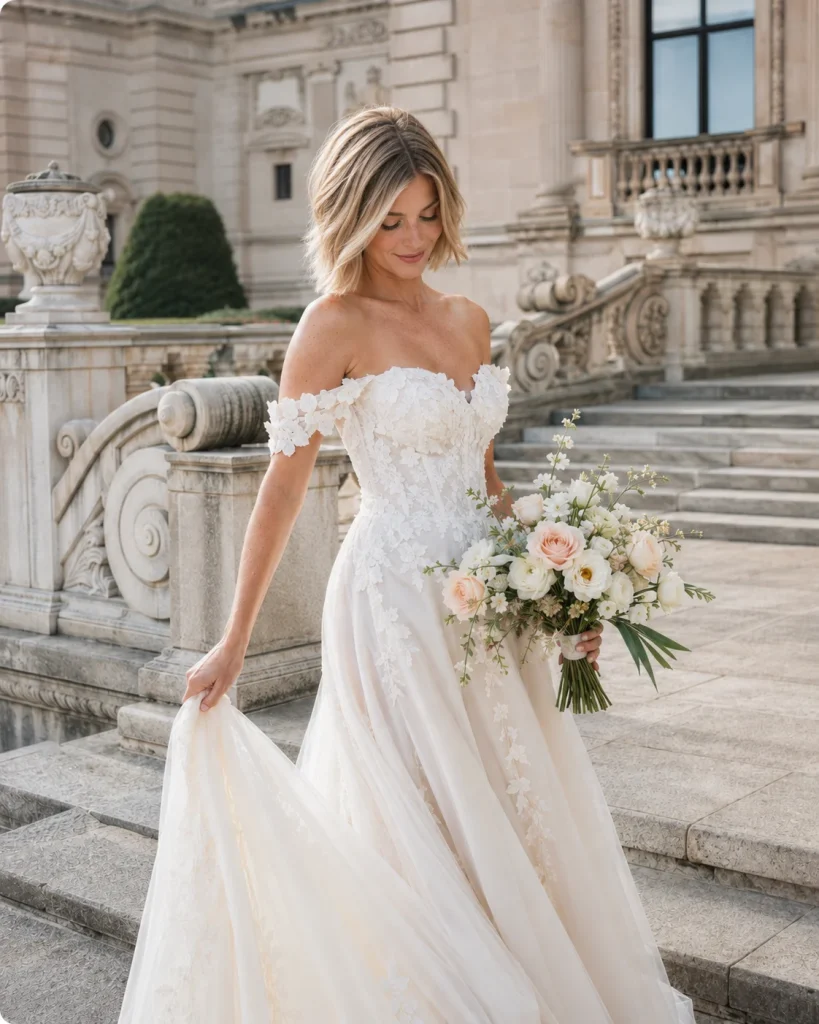
Lisianthus and roses do not have to compete for prominence in your wedding design—they are even more stunning when used together. Roses excel as classic focal blooms, offering structure and timeless elegance, while lisianthus adds softness, movement, and textural variety. Together, they create balanced and romantic arrangements. For additional volume and style, incorporate affordable filler flowers and greenery that complement both. Remember, the complete arrangement recipe, how all the flowers work together within your design, holds more importance than focusing on the individual cost of any single bloom.
Shop lisianthus wedding flowers, roses, affordable wedding flowers, bulk flowers, greenery, and floral supplies from Whole Blossoms to craft a wedding flower plan that perfectly suits your style, arrangements, and budget.