


 by
by 
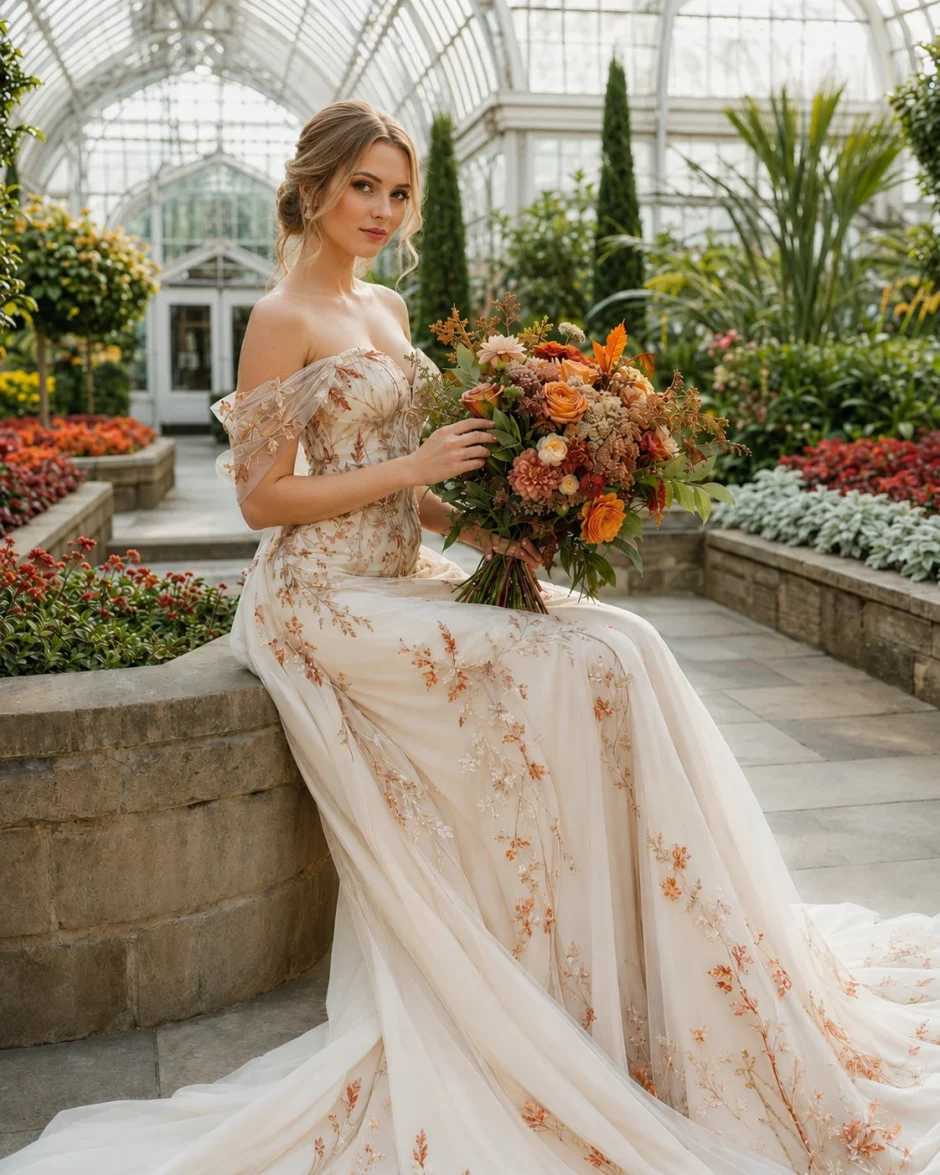
Burnt orange can mean copper, rust, terracotta, amber, or deep autumn orange, and natural flowers do not arrive matched to a single paint chip. The secret is building a coordinated color family rather than searching for one identical shade. When dreams of burnt orange wedding flowers come to life, it’s easy to imagine rich, cohesive arrangements pulled straight from your favorite inspiration boards. However, in reality, nature doesn’t work like a digital design tool. Flowers within the burnt orange palette offer stunning variation, ranging from warm peaches and deep coppers to earthy rust tones and true oranges. This variety can make selecting blooms a challenge if you’re trying to match them exactly to a fabric swatch or digital color sample.
The key to a successful palette lies in thoughtfully choosing flowers by their overall color family rather than seeking exact matches. This guide will help you identify popular burnt-orange flower varieties, select complementary colors, mix fresh and dried textures creatively, and organize your bulk-flower order with ease. Whether you’re a bride, florist, planner, or simply buying flowers for a fall event, Whole Blossoms is your go-to resource for farm-direct blooms in the quantities you need to make your vision a reality.
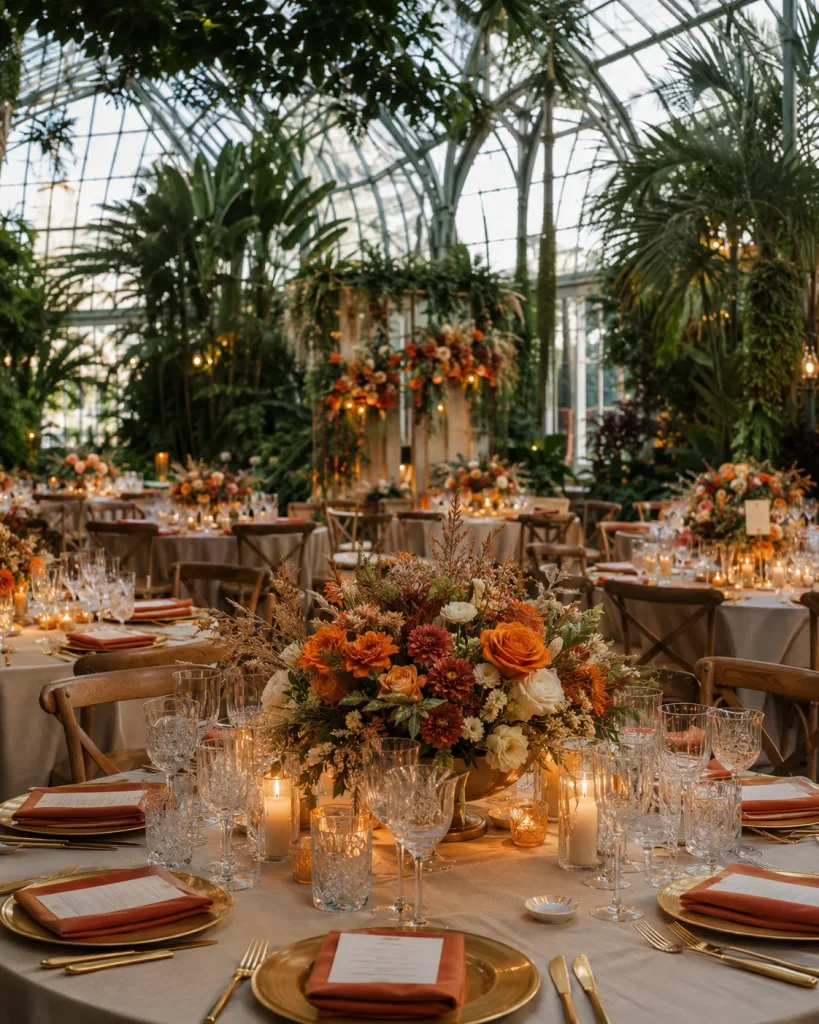
Part 1 – Choose the Best Burnt Orange Flowers for Your Wedding
When crafting stunning wedding arrangements with a burnt orange palette, it’s essential to appreciate the flexibility and depth of this color family. Burnt orange doesn’t refer to a single shade but spans a rich spectrum of warm autumn tones including copper, rust, terracotta, amber, cinnamon, clay, pumpkin, deep peach, toffee-orange, and warm bronze-orange. These shades evoke the earthy, cozy essence of fall and provide plenty of opportunities for creative floral design. However, it’s also vital to recognize that natural flower colors vary based on variety, season, growing conditions, lighting, and bloom stage. Below are some of the most popular burnt-orange floral options and their unique contributions to wedding arrangements.
Orange and Terracotta Roses Add Romantic Structure
Roses are the quintessential wedding flower, offering classic beauty and structure. Warm-toned roses in shades like terracotta, toffee-orange, or copper are perfect for bridal bouquets and bridesmaid arrangements, where their elegant blooms create a romantic focal point. Their versatility makes them ideal additions to centerpieces, ceremony flowers, sweetheart tables, and even cake-table arrangements.
Roses also excel in bridging burnt-orange tones with complementary colors such as cream, blush, burgundy, or greenery. Their layered petals and soft curves bring a refined touch, elevating rustic elements while harmonizing diverse palettes. Whether your vision leans classic, bohemian, or modern, roses provide the form and recognition that guests associate with timeless wedding florals.
Burnt Orange Carnations Build Affordable Volume
Often underestimated, carnations are star players when it comes to budget-friendly and visually impactful designs. These ruffled blooms offer fullness, texture, and color repetition, making them perfect for large events like weddings. Opt for burnt-orange, pumpkin, or rust hues to create cohesive arrangements across bridal bouquets, floral arches, centerpieces, and more.
Carnations also boast incredible durability, allowing them to hold up in extensive installations or lengthy outdoor ceremonies without wilting. Far from being mere “filler flowers,” their modern resurgence has cemented their status as chic and practical for everything from elegant bouquets to expansive wedding displays.
Chrysanthemums Strengthen the Autumn Look
For an unmistakably autumnal aesthetic, chrysanthemums are a go-to choice. These blooms are incredibly versatile, capable of playing multiple design roles. Use them as full centerpiece flowers, dramatic statement blooms, or textured supporting elements in bouquets and arrangements. Their variety of forms—from button-like pompons to spidery petals—enables the creation of layered textures and visual interest in any display.
Chrysanthemums also shine in settings beyond weddings, such as church and school events or harvest-inspired décor, where their warm tones reinforce the seasonal ambiance. Their adaptability ensures they can seamlessly integrate into both formal and casual gatherings.
Sunflowers Add Warmth and Recognition
Sunflowers lend a cheerful and welcoming vibe, adding warmth to burnt-orange wedding palettes. When used selectively, their golden-orange hues contribute to fall wedding bouquets, ceremony arrangements, and even creative welcome displays or church dinners.
These iconic blooms don’t need to be the primary focal point but work beautifully as accents that enhance the rustic charm of burnt-orange arrangements. Their familiarity and symbolism make them especially meaningful additions to nonprofit or school functions alongside wedding events.
Dried Flowers Add Rust, Wheat, and Copper Texture
To achieve a trendy, textured look, incorporating dried flowers and grasses can elevate your arrangements. Wisely chosen dried accents like preserved seed pods, palm textures, rusty-toned stems, neutral grasses, or wheat-toned materials introduce depth and contrast.
While dried flowers add visual interest, restraint is key to maintaining balance and avoiding an overly rustic or cluttered aesthetic. Used sparingly, they can beautifully complement fresh blooms and contribute to a polished, artfully designed look.
Buyer Questions Answered
Which flowers come in burnt orange? Popular choices include terracotta roses, burnt-orange carnations, chrysanthemums, sunflowers, and toffee-toned blooms.
Are terracotta and burnt orange the same color? Terracotta is a specific earthy-orange tone, while burnt orange encompasses a broader spectrum of similar warm hues.
Can carnations look elegant in wedding flowers? Yes, modern carnations add ruffled texture, volume, and affordability while maintaining a chic appearance.
Are chrysanthemums suitable for bridal bouquets? Absolutely. Their numerous forms make them versatile for creating textures and vibrant colors in bouquets.
Do sunflowers work with terracotta wedding colors? Sunflowers’ golden tones pair beautifully with terracotta and burnt orange for a warm, cohesive palette.
Which burnt-orange flowers are best for DIY arrangements? Choose durable varieties like carnations, chrysanthemums, and preserved accents for flexibility and easy handling.
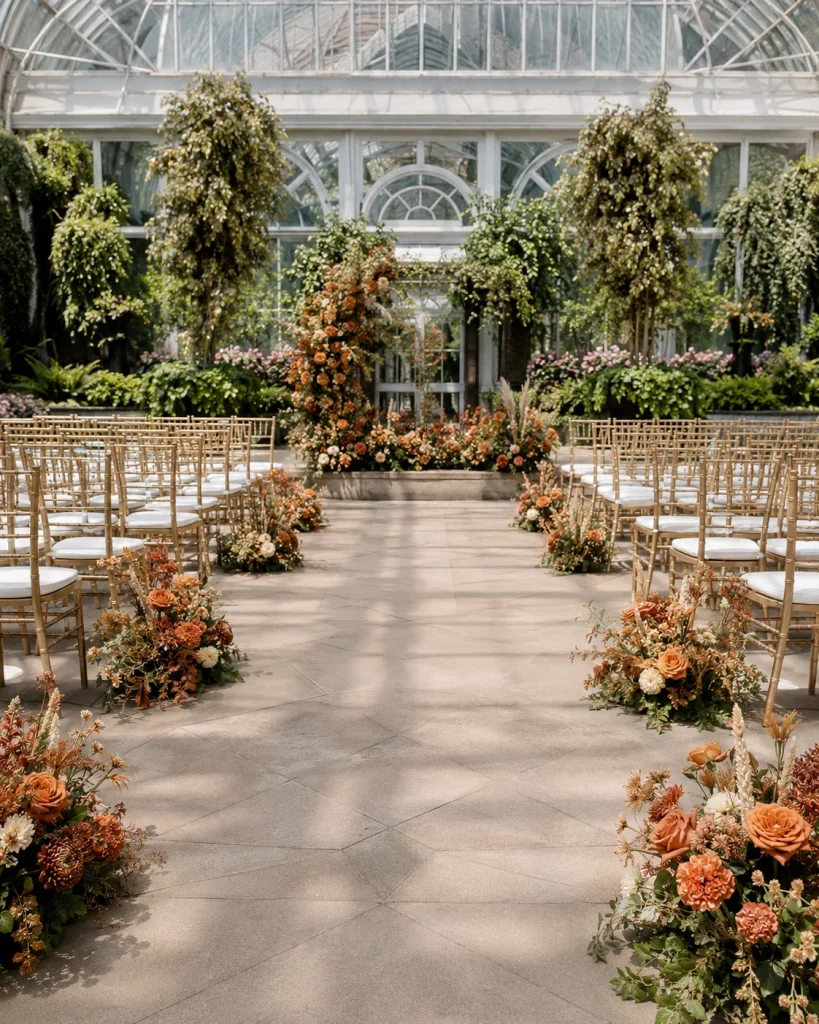
Part 2 – Build a Balanced Burnt Orange Wedding Palette
Creating a cohesive burnt orange wedding palette relies on pairing it with complementary colors that fit the desired style and mood. Supporting tones play a pivotal role in determining whether burnt orange feels romantic, botanical, modern, rustic, formal, or dramatic. Below, explore various combinations to help you build the perfect palette for your celebration.
Burnt Orange, Cream, and Green
This classic combination exudes timeless elegance and works beautifully for conservatory, estate, garden, or formal weddings. The mixture of soft, neutral tones with greenery balances burnt orange’s warmth, creating sophistication. Suggested ingredients for this style include:
- Burnt-orange roses
- Cream roses
- Ivory lisianthus
- Warm carnations
- Eucalyptus or other greenery
- Light neutral filler flowers
The result is a clean, polished design ideal for upscale or traditional wedding venues.
Terracotta, Blush, and Peach
For a soft romantic or modern-bohemian vibe, terracotta, blush, and peach offer a warm yet understated palette. These muted tones create an inviting atmosphere that feels effortlessly elegant. Supporting shades could include:
- Dusty peach
- Muted blush
- Nude
- Apricot
- Pale terracotta
- Champagne
Blend these hues with burnt orange for an airy aesthetic perfect for outdoor receptions or intimate gatherings.
Rust, Burgundy, and Copper
If you’re planning a dramatic autumn wedding or an evening celebration, this rich color trio is ideal. The blend of deep and luxurious tones evokes warmth and intensity. Recommended elements for this mood include:
- Rust flowers
- Burgundy roses or carnations
- Copper-colored dried accents
- Cream flowers
- Dark greenery
- Warm candlelight
This palette elevates burnt orange, creating depth and drama suitable for fall festivities or formal evening events.
Burnt Orange, Mustard, and Sunflower Gold
Harvest celebrations, church gatherings, school functions, or relaxed outdoor weddings are well-suited for a burnt orange, mustard, and sunflower gold palette. To maintain intentionality, soften the bold hues with cream flowers and greenery. This combination is vibrant and celebratory, making it perfect for joyful occasions.
Burnt Orange and Dusty Blue
For those looking for contrast, burnt orange and dusty blue create a sophisticated, balanced palette. The cool, muted tones of dusty blue act as an anchor, tempering the warmth of burnt orange. Incorporate blue-gray foliage, linens, or accents to achieve a botanical or refined aesthetic. This combination works particularly well for elegant garden or estate weddings.
How to Keep Burnt Orange From Looking Too Bright
Burnt orange can transform a space, but it’s important to use it thoughtfully to avoid overly vivid or overwhelming results. Consider the following tips:
- Mix multiple orange tones instead of using one flat shade.
- Add cream or ivory flowers between bold blooms for balance.
- Use muted greenery, such as eucalyptus, to offset the brightness.
- Opt for terracotta and rust tones over neon orange.
- Incorporate natural brown or dried textures.
- Choose neutral vases, vessels, and linens.
- Limit strong yellow accents if aiming for a softer palette.
Buyer Questions to Answer
- What colors go with burnt orange wedding flowers?
Burnt orange works well with cream, green, blush, burgundy, copper, dusty blue, mustard, and other muted tones.
- Does burnt orange work with blush?
Yes, blush can soften burnt orange, making it an excellent option for romantic or bohemian weddings.
- Can burnt orange be paired with burgundy?
Absolutely. Burgundy adds depth and richness, creating a striking palette perfect for autumn and evening events.
- Do rust and terracotta work together?
Yes, their similar earthy undertones make them complementary, especially when blended with neutral accents.
- How can I make orange wedding flowers look elegant?
By mixing orange tones, adding neutral flowers, and choosing sophisticated greenery, orange blooms can take on an elegant and refined look.
- Does burnt orange work in a glass conservatory wedding?
Burnt orange, paired with cream and greenery, can create a stunning formal look suitable for a conservatory setting.
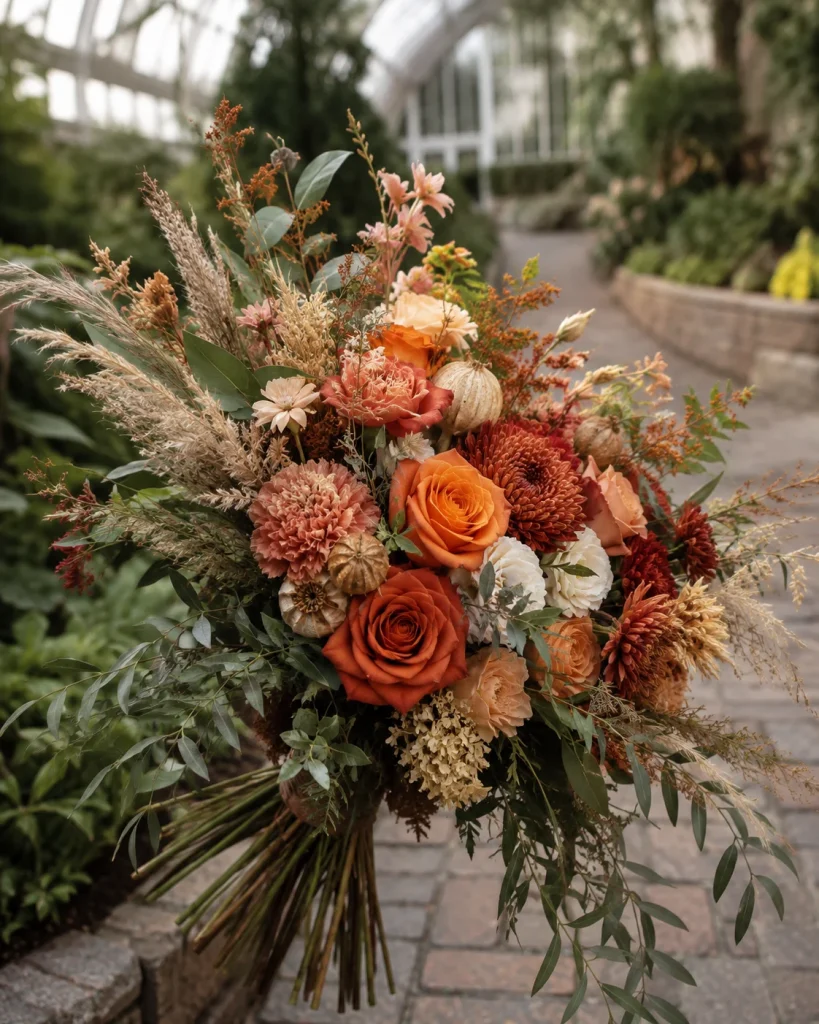
Part 3 – Design Burnt Orange Bridal Bouquets With Depth
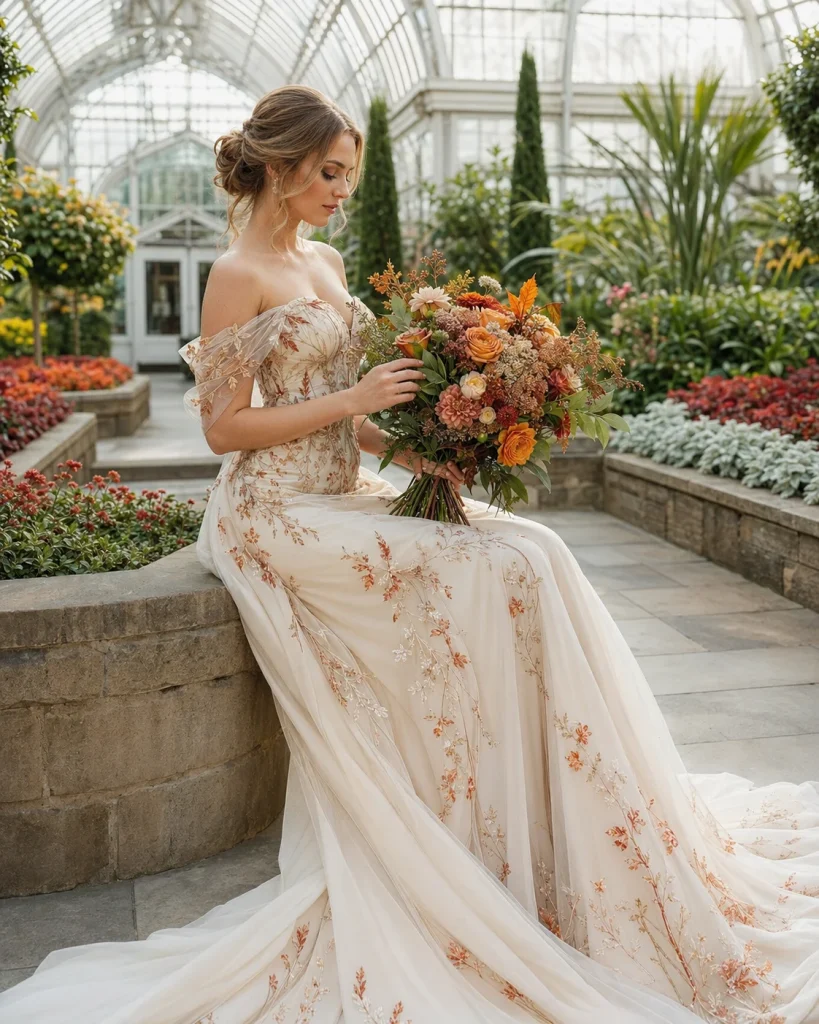
Creating a burnt-orange bridal bouquet with depth requires combining focal flowers, supporting flowers, and a balanced palette of light and dark tones. The bouquet should feature varying flower sizes, unique petal shapes, greenery, and controlled textural accents. Below, we’ve outlined practical bouquet recipes for different styles and occasions.
Romantic Burnt Orange and Cream Bouquet
Suggested Recipe:
- Burnt-orange roses
- Cream roses
- Warm-toned carnations
- Ivory lisianthus
- Eucalyptus
- Small neutral filler flowers
A romantic burnt orange and cream bouquet is timeless. The cream flowers act as separators, providing distinct contrast while softening the boldness of the orange tones. Including small filler flowers and eucalyptus adds an ethereal, natural charm while maintaining balance.
Rich Rust and Burgundy Fall Bouquet
Suggested Recipe:
- Rust roses
- Orange chrysanthemums
- Cream supporting flowers
- Dark greenery
- Copper dried accents
This combination is perfect for autumn ceremonies or dramatic evening weddings. The deep tones of burgundy and rust interlace beautifully with the lighter cream flowers, producing a luxurious effect. Dark greenery and copper dried accents add texture and richness to create an unforgettable autumn aesthetic.
Botanical Terracotta Bouquet
Suggested Recipe:
- Terracotta roses
- Muted peach flowers
- Warm carnations
- Airy greenery
- Delicate dried grasses
- Limited ivory accents
For a more natural and garden-inspired look, opt for a loose and airy arrangement. This terracotta design features warm, muted tones and delicate textures like dried grasses. Avoid overcrowding the bouquet with dense flowers, ensuring it retains its soft, botanical elegance.
Sunflower and Burnt Orange Bouquet
Suggested Recipe:
- A limited number of sunflowers
- Rust or orange roses
- Cream carnations
- Chrysanthemums
- Greenery
- Small dried accents
Sunflowers can serve as striking focal points, but balance is crucial. Combine them with smaller flower forms like carnations or chrysanthemums to avoid overwhelming the bouquet. Greenery and dried accents bring texture and cohesiveness to this cheerful arrangement.
Budget-Conscious Burnt Orange Bouquet
Suggested Recipe:
- Carnations as the volume flower
- Selected roses as focal flowers
- Chrysanthemums for seasonal texture
- Greenery
- Neutral filler flowers
Achieving a stunning look on a budget is possible by using carnations as the primary flower to add volume and texture. Pair them with a few choice roses and seasonal chrysanthemums for an elegant yet cost-effective option. Greenery and neutral fillers complete the bouquet, giving it depth without overspending.
Coordinating Bridesmaid Bouquets
For bridesmaid bouquets, simplify the designs while keeping them cohesive with the bridal bouquet. Use fewer focal flowers, incorporate more cream or greenery, and opt for smaller shapes. Repeating one burnt-orange element from the bridal bouquet ensures a harmonious look across the bridal party.
Buyer Questions to Answer
- What flowers belong in a burnt-orange bridal bouquet? Roses, carnations, chrysanthemums, and greenery are common options, with other flowers added for texture or contrast.
- How do I soften an orange wedding bouquet? Add cream, ivory, or neutral-colored flowers to balance the brighter tones.
- Can carnations and roses be mixed? Yes, they complement each other in both texture and visual appeal.
- Are sunflowers too informal for a bridal bouquet? Sunflowers can work when balanced within a structured arrangement.
- Should bridesmaid bouquets match the bridal bouquet exactly? No, but they should include complementary elements for a cohesive look.
- How many colors should be used in one bouquet? Limit the palette to three to five colors to maintain harmony and depth.
Part 4 – Create Burnt Orange Centerpieces for Every Table Style
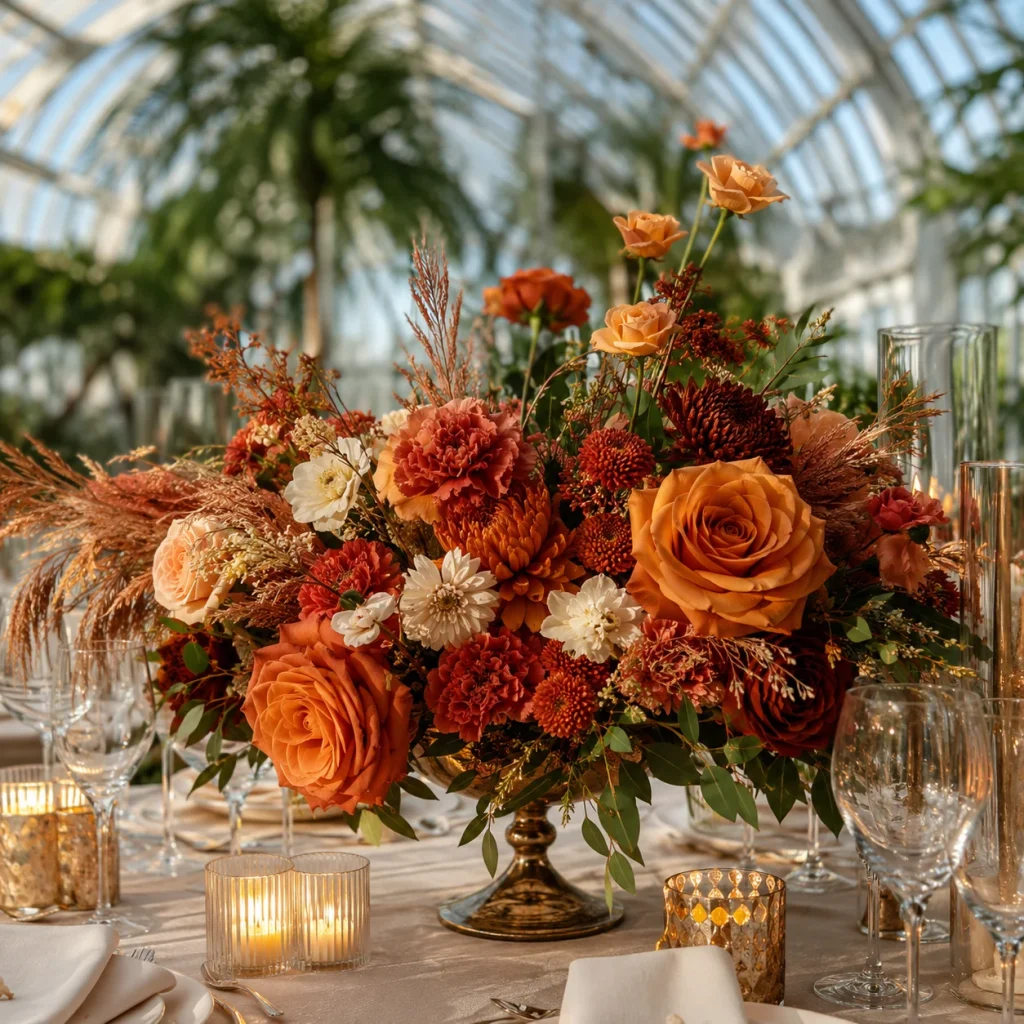
Burnt orange centerpieces bring warmth and energy to any event, creating an unforgettable ambiance. Strong orange flowers deliver visual impact with minimal effort, eliminating the need to overcrowd arrangements. Below, explore centerpiece styles tailored for round tables, long tables, cocktail tables, and statement areas, with practical guidance for each.
Low Burnt Orange Compote Centerpieces
Recommended for:
- Round guest tables
- Garden receptions
- Conservatory weddings
- Formal dinners
- Hotel ballrooms
Low compote centerpieces provide a classic and elegant option for round tables, offering beauty without obstructing conversation. A harmonious blend of burnt-orange roses, cream roses, carnations, and chrysanthemums, accented with fresh greenery and light dried textures, creates an understated but impactful arrangement. Incorporate warm terracotta tones in your compote vessel to enhance the overall aesthetic. Use this style for intimate dinners or sophisticated setups where subtlety is key.
Terracotta Bud-Vase Groupings
Recommended for:
- Long tables
- Cocktail tables
- Intimate weddings
- Restaurant receptions
- Bridal showers
Bud-vase groupings are perfect for spreading burnt orange hues across lengthy tables or compact spaces without requiring one large arrangement. Place individual burnt-orange roses, carnations, and light dried stems in terracotta or neutral-colored vases. Anchor the look with subtle greenery while allowing the table’s natural elements to shine through. This simple but impactful style allows flexibility and ensures a cohesive yet lightweight design for more casual or modern events.
Tall Autumn Statement Centerpieces
Recommended for:
- High-ceiling glasshouses
- Ballrooms
- Large banquet spaces
- Hotel receptions
- Corporate events
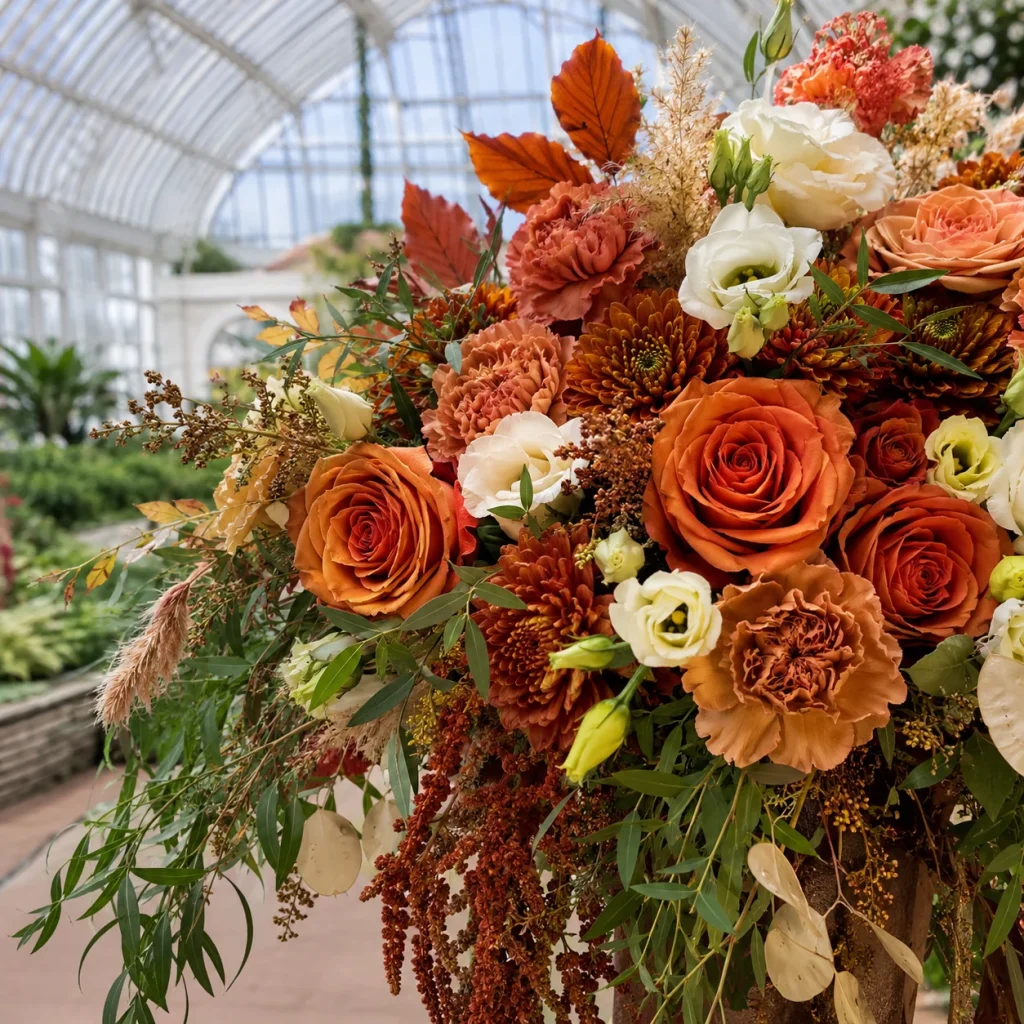
For grand venues, tall statement centerpieces maximize vertical space while preserving guest interaction. Feature striking orange focal flowers like burnt-orange roses, complemented by branching greenery, cream blooms, and dried textures. Elevate these arrangements on clear or metallic stands to maintain polished aesthetics while protecting sightlines. This centerpiece type suits large gatherings with formal atmospheres, making bold use of the venue’s architecture.
Sunflower and Chrysanthemum Event Centerpieces
Recommended for:
- Church banquets
- School homecomings
- Nonprofit fundraisers
- Community dinners
- Harvest celebrations
Celebrate the season with sunflowers and chrysanthemums, embodying the essence of autumn in warm, cheerful hues. These flowers are easily recognizable and create welcoming centerpieces that resonate with attendees. Pairing them with delicate greenery or muted dried elements ensures a more natural, rustic appeal. This style is ideal for casual, community-focused events where a strong seasonal impact is desired.
Burnt Orange Sweetheart and Head-Table Flowers
Recommended for:
- Sweetheart tables
- Head tables
Sweetheart and head-table arrangements demand fuller, more luxurious presentations. Use roses, carnations, and chrysanthemums as primary flowers, complemented by lush greenery, dried accents, and premium focal flowers like dahlias or ranunculus for added sophistication. Place these arrangements in center-focus areas where drama and elegance are a priority, tying in other design elements from the event.
Buyer Questions to Answer
- How many orange flowers should go in a centerpiece? Use as many as needed to create visual balance, but avoid overcrowding.
- Do burnt-orange arrangements need cream flowers? Cream flowers soften the boldness of orange, offering contrast and elegance.
- What containers work with terracotta flowers? Opt for neutral or earthy-toned vessels like terracotta or ceramic to complement the flowers.
- Can orange flowers be used in bud vases? Yes, single stems in bud vases can add controlled bursts of color to tables.
- How do I decorate long reception tables? Combine bud vases or tapering centerpieces with cohesive color accents.
- Are sunflowers appropriate for formal centerpieces? Sunflowers can be used in formal settings when styled intentionally within structured arrangements.
By thoughtfully combining burnt orange with complementary colors, you can tailor your wedding palette to perfectly express your style and suit your chosen venue. Whether the look is dramatic, soft, or botanical, the right balance of tones will turn your event into a memorable masterpiece.
Part 5 – Plan and Order Burnt Orange Flowers With Confidence
Planning and ordering your burnt orange wedding flowers with care ensures your floral arrangements are as breathtaking as your big day deserves. Follow this comprehensive guide to organize and execute your Whole Blossoms order effortlessly.
1. Create a Complete Arrangement Inventory
To begin, make a detailed list of every bouquet and arrangement needed for your celebration. Include items like:
- Bridesmaid bouquets
- Boutonnieres
- Corsages
- Ceremony aisle flowers
- Arch or altar flowers
- Guest-table centerpieces
- Cocktail-table flowers
- Welcome display
- Cake table décor
- Sweetheart table accents
- Bar or escort-card table arrangements
Having a full inventory allows accurate planning and prevents overlooked floral needs.
2. Combine Premium and Affordable Flowers
Choose a primary burnt-orange flower, such as roses or chrysanthemums, as the focal point of your arrangements. Pair these with complementary blooms in one or two supporting colors, such as ivory or sage green. Incorporate cost-conscious flowers like carnations or sunflowers for volume, and add greenery or dried textures for depth and dimension. Combining premium and affordable elements creates a lush, balanced look while staying on budget.
3. Expect Natural Color Variation
Burnt orange flowers can beautifully vary in shade, from rust to terracotta, copper, apricot, or warm orange. These variations depend on the type of flower and lighting conditions. Highlight this natural diversity in your arrangements for a dynamic and organic appeal.
4. Prepare for Delivery and Hydration
When delivery day approaches, ensure your workspace is ready. Gather these essential supplies before your flowers arrive:
- Clean buckets
- Fresh water
- Sharp floral cutters
- A stable, protective workspace
- Containers, floral foam, and wire mechanics
- Cool, shaded storage space
Allow adequate time for the flowers to hydrate properly after delivery. This prep work ensures they look fresh and vibrant for your event.
Buyer Questions to Answer
- How far in advance should I order fall wedding flowers? Place your order 3-4 weeks before your event.
- Will all burnt-orange flowers match? Expect natural variations among flower types and lighting conditions.
- How many extra stems should I order? Add a 10-15% buffer for unexpected needs.
- Can I mix roses with carnations and chrysanthemums? Absolutely! These combinations add texture and balance.
- When should I arrange bulk flowers? Start arranging approximately 1-2 days before your event.
- What supplies should I have ready before delivery? Have buckets, fresh water, floral tools, and cool storage prepared.
For additional information, explore our guides on Bulk Flowers, Wholesale Flowers, and Floral Supplies. Get inspired with our selection of Fall Wedding Flowers, and make your order today to curate arrangements that turn your vision into reality.
Burnt Orange Wedding Flower Pairing Guide and Order Worksheet
| Flower | Typical Tone | Best Pairings | Bouquet Use | Centerpiece Use | Budget Role |
| Orange roses | Copper to deep orange | Cream, blush, burgundy | Excellent | Excellent | Focal |
| Orange carnations | Rust to warm orange | Cream, terracotta, green | Very good | Excellent | Volume |
| Orange chrysanthemums | Amber to bronze-orange | Burgundy, cream, dried textures | Very good | Excellent | Seasonal texture |
| Sunflowers | Gold to warm yellow-orange | Rust, cream, greenery | Good | Excellent | Statement focal |
| Dried accents | Beige, copper, rust | Terracotta, burgundy, cream | Accent | Accent | Texture |
FAQ Section
What flowers come in burnt orange for weddings?
Burnt-orange wedding flowers may include roses, carnations, chrysanthemums, sunflowers, and selected seasonal blooms. Natural tones can range from copper and terracotta to rust, apricot, and deep orange. Choose flowers as part of a coordinated warm color family rather than expecting every stem to match one exact shade.
What colors look best with burnt orange wedding flowers?
Burnt orange pairs well with ivory, cream, blush, peach, burgundy, rust, copper, champagne, dusty blue, and greenery. Cream and blush soften the palette, while burgundy and copper create a deeper autumn look. Greenery provides contrast and prevents the arrangement from feeling overly bright.
Are burnt orange and terracotta the same color?
They are related but not identical. Burnt orange is usually deeper and more orange, while terracotta often contains muted clay, brown, peach, or red undertones. Natural flowers may fall between both color families, so mixing related shades often creates a richer and more realistic wedding palette.
Can carnations look elegant in a fall wedding bouquet?
Yes. Carnations have layered, ruffled petals and can add fullness, texture, and strong color at a practical cost. Combine burnt-orange carnations with roses, cream flowers, chrysanthemums, or greenery so they support the bouquet without becoming the only visible flower form.
Do sunflowers work with burnt-orange wedding flowers?
Sunflowers can work beautifully with rust, terracotta, cream, burgundy, and greenery. Use them as strong focal flowers and balance their large round shape with smaller roses, carnations, chrysanthemums, or delicate filler flowers. They are especially useful for late-summer weddings and large autumn events.
Will all my burnt-orange flowers be the same shade?
Natural flowers vary. One variety may appear copper, another rust, and another warm orange or terracotta. Lighting, photography, and bloom stage can also affect color. Plan for a coordinated range of warm autumn tones rather than requiring an exact match to fabric, stationery, or screen colors.
Conclusion
Burnt-orange wedding flowers bring inviting warmth, depth, and unforgettable autumnal beauty to any celebration. The most striking arrangements pair these focal blooms with cream or ivory flowers, lush greenery, unique shapes, controlled dried textures, and complementary hues like rust, blush, or burgundy. To plan your perfect floral designs, start by choosing your primary burnt-orange flower, then select harmonious colors and balance premium and budget-friendly stems. Be sure to count all arrangements, factor in natural color variations, and prepare flowers for delivery and hydration.
Transform your vision into reality, shop fall wedding flowers from Whole Blossoms today. Coordinate stunning roses, carnations, chrysanthemums, sunflowers, dried flowers, greenery, and floral supplies to create a complete burnt-orange wedding design that’s as unique and vibrant as your big day!