


 by
by 

Choosing wedding colors is as much about evolution as it is about personal expression, and 2026 marks a notable shift in how couples approach traditional favorites like dusty rose and terracotta. Rather than abandoning these beloved hues, many brides are seeking ways to refine and modernize them, creating palettes that feel fresh yet familiar. Analytics reveal an interesting trend—while searches and engagement for dusty rose and terracotta remain high, there’s a hesitance to fully commit, pointing to a desire for subtle reinvention rather than starting from scratch.
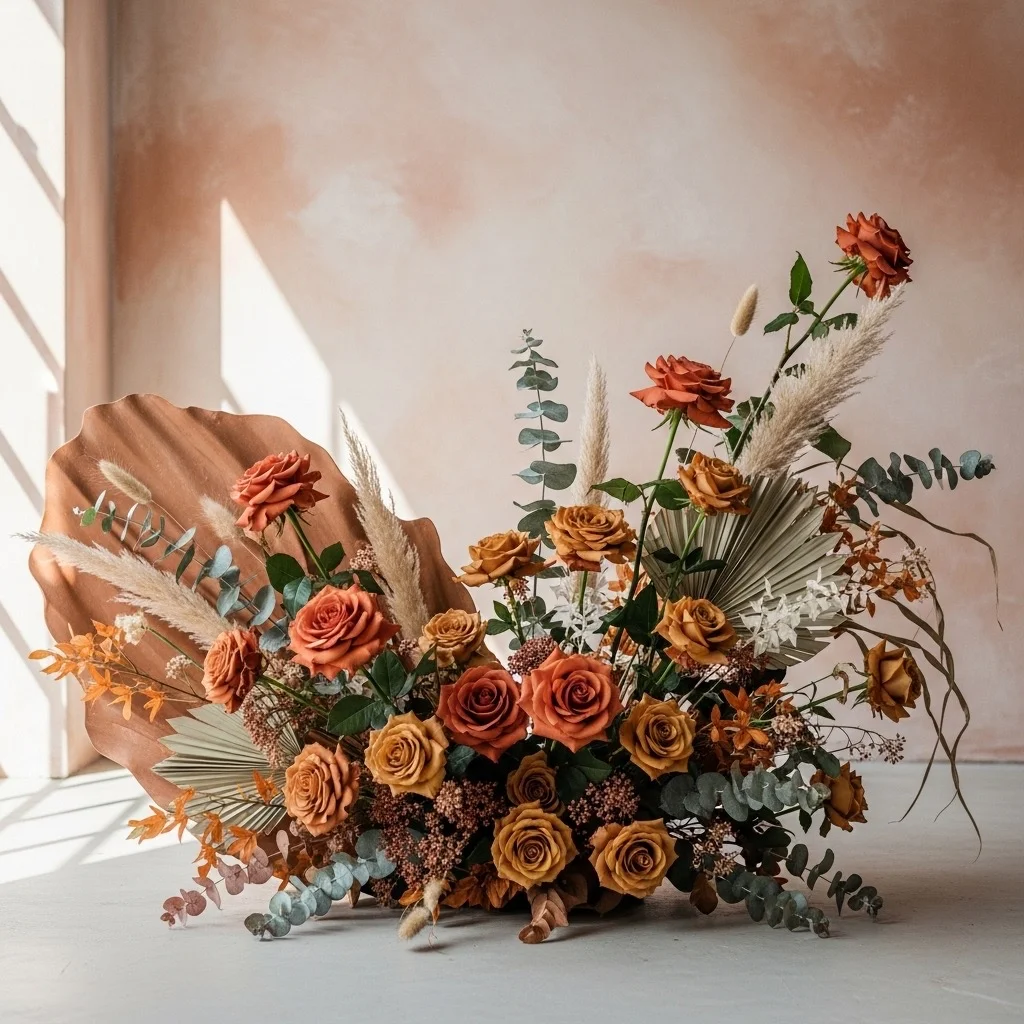
This is where the idea of “refined warmth” comes into play. Brides are leaning towards colors that retain the comforting softness of dusty rose and the grounded richness of terracotta but with added depth, tone, or vibrancy. Think romantic mauves with a hint of metallic sheen or earthy rust tones paired with lush greenery for dimension. It’s less about finding replacements and more about enhancing these classics for a contemporary aesthetic.
Throughout this guide, we’ll show you how to evolve these cherished shades, revealing modernized combinations and fresh accents to pair with them. For those wondering, “What wedding colors are replacing dusty rose and terracotta in 2026?” the answer is simple—they’re not being replaced, they’re being reimagined. Let’s explore the trends, inspirations, and palettes that will bring these colors into a new chapter of elegance.
Section 1: The 2026 Shift Toward Warm Neutrals With Dimension
The wedding color landscape of 2026 is experiencing a significant shift toward warm neutrals infused with subtle dimension. Unlike the single-color statements that dominated trends in previous years, couples are now gravitating toward palettes that feature depth and versatility. Warm neutrals capture this evolution perfectly, offering timeless elegance while allowing for customization that feels unique to each celebration.
Why Warm Neutrals Are Replacing Single-Color Statements
Warm neutrals like champagne, soft mocha, and stone provide a sophisticated foundation for wedding color palettes. Unlike vibrant or highly saturated shades, these hues are less likely to clash and more adaptable to different design styles. They lend themselves to layering and pairing, creating a refined yet approachable aesthetic. Furthermore, warm neutrals can seamlessly align with various textures and styles, making them ideal for couples seeking a modern-meets-classic approach.
The Rise of Layered Palettes Over Trendy Shades
Couples in 2026 are increasingly moving away from chasing trendy, attention-grabbing shades and instead focusing on layered palettes that evoke understated luxury. A combination of complementary neutral tones, accented by subtle pops of color or metallics, creates a sense of depth and richness that trendy shades often lack. For example, pairing a soft mocha with champagne and stone can deliver a cohesive look that feels both modern and timeless—especially when enhanced with textures like velvet, linen, or metallic accents.
How Lighting, Venue Materials, and Photography Affect Color Choices
The choice of wedding venue, lighting design, and photography style is playing a larger role in the decision to adopt warm neutrals. These shades tend to adapt beautifully to different lighting environments, from the golden hues of outdoor ceremonies to the soft, romantic glow of candlelit receptions. Naturally reflective and easy to style, warm neutrals enhance the natural elements of a venue, such as wood, stone, or lush greenery. Additionally, their versatility ensures they translate well in photographs, maintaining their radiance in both natural and artificial lighting.
Why Neutrals Convert Better for Winter, Early Spring, and Destination Weddings
The adaptability of warm neutrals makes them a standout choice for weddings held during the winter months, early spring, or at destination venues. Their cozy undertones make them perfect for creating an inviting atmosphere in colder seasons, while their light and airy quality ensures they shine in brighter, tropical settings. Stone and champagne, in particular, can complement a wintery mountain lodge or a seaside retreat with equal grace. This level of versatility makes warm neutrals a practical yet stylish choice for couples looking to make their weddings unforgettable, regardless of location or season.
Featured Colors
The warm neutrals that are defining 2026’s wedding palette trends include Champagne, Soft Mocha, and Stone. Each of these hues offers unparalleled flexibility and elegance:
- Champagne delivers a soft, luminous glow with a hint of luxury.
- Soft Mocha introduces warmth and depth without overpowering other elements.
- Stone provides an earthy, grounding base for more dynamic pairings.
By incorporating these shades thoughtfully, couples can create wedding visions that balance timeless appeal with the fresh innovation of layered warmth and dimension.
Section 2: Stone & Clay – The Elevated Successors to Terracotta
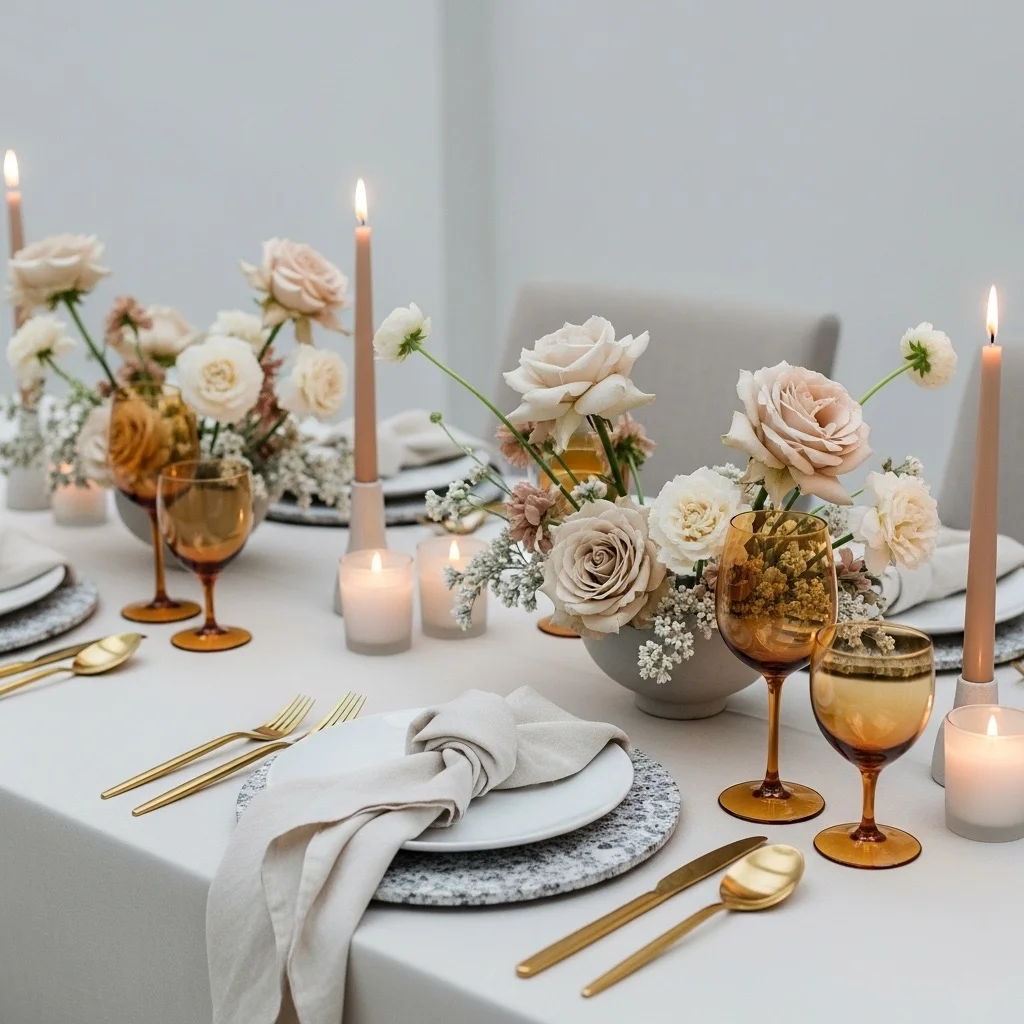
Stone and clay tones have emerged as the refined and versatile successors to the bold, earthy statement of terracotta. These palettes are gaining popularity for their ability to evoke a sense of natural sophistication and timeless elegance, while offering a fresh departure from their heavier, more traditional counterpart. The enduring appeal of stone tones lies in their ability to soften the dramatic presence of terracotta, bringing a balanced and serene quality to any wedding design. Stone hues, with their calming and neutral base, create a perfect canvas that lends itself to a variety of styles, from modern minimalism to rustic charm.
Clay, on the other hand, introduces a slightly warmer and more organic touch to these palettes. Its naturally grounded tones strike the perfect balance between simplicity and refinement, feeling elevated yet approachable. This makes clay an ideal choice for couples seeking to infuse their wedding design with subtle textures and organic elegance. Together, stone and clay form a harmonious duo, offering endless potential to create wedding aesthetics that feel intentionally curated yet effortlessly chic.
When working with stone and clay hues, the venue plays a pivotal role in amplifying their impact. Industrial lofts with exposed brick and concrete walls provide an edgy but modern backdrop that complements these palettes beautifully. Art galleries, with their clean lines and contemporary architecture, allow the understated elegance of stone and clay tones to shine. For couples seeking more romantic or traditional settings, estates or historic manors offer the perfect opportunity to juxtapose these modern tones with classic grandeur and timeless details.
To prevent stone and clay palettes from feeling too cold or industrial, the thoughtful use of florals brings in just the right amount of softness and vibrancy. Featured flowers such as cream roses, sand-toned ranunculus, and neutral hydrangeas introduce subtle, textured layers that complement these tones without overwhelming them. Textural greenery and fillers, such as eucalyptus or olive branches, enhance the organic aesthetic, adding depth while maintaining a cohesive look. The interplay of these florals strikes the ideal balance between structural elegance and inviting warmth, ensuring that the overall design feels fresh, lively, and dynamic.
By blending the natural tranquility of stone with the warmth and approachability of clay, couples can craft wedding designs that feel both contemporary and timeless. These palettes offer unparalleled versatility, working seamlessly across a variety of venues and styles. With the added softness of carefully chosen florals, stone and clay create an elevated atmosphere that celebrates the beauty of understated sophistication.
Section 3: Champagne & Soft Mocha – The New Romantic Neutrals
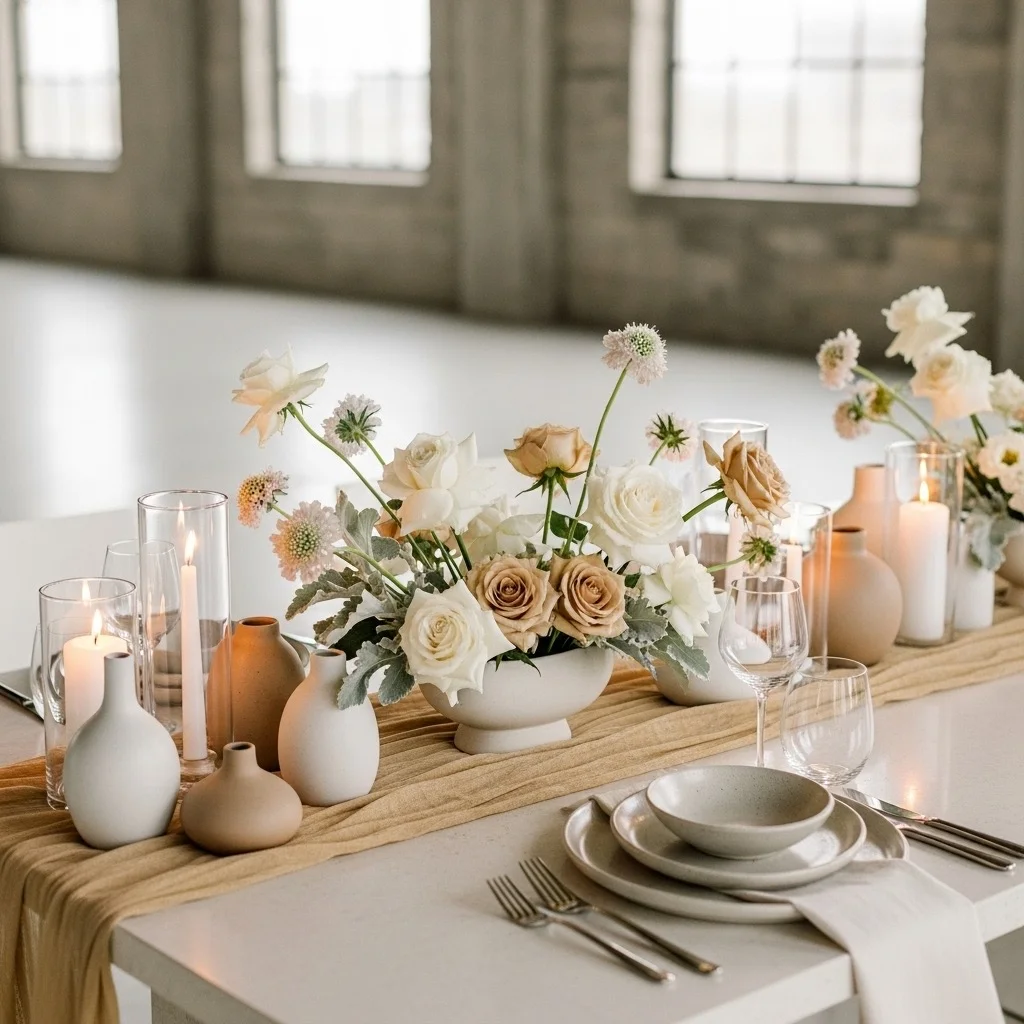
When it comes to wedding palettes, champagne and soft mocha are emerging as the new romantic neutrals, effortlessly replacing long-standing favorites like blush and dusty rose. Champagne, with its delicate golden undertone, has become a popular choice due to its refined elegance and timeless appeal. This shade adds a sense of luxe without overshadowing the other elements of the wedding design. Unlike blush, which can sometimes feel overly feminine or overly used, champagne offers a softer, more versatile alternative. It creates a subtle glow that enhances the overall aesthetic, making it a perfect choice for couples seeking understated sophistication.
Soft mocha complements champagne beautifully, adding warmth to the palette without veering into darker tones. It delivers richness and depth without being overpowering, creating a grounded, cozy atmosphere. This neutral tone works particularly well in venues boasting natural textures like wood and stone, where warm hues amplify the environment’s organic charm. Together, champagne and soft mocha form a harmonious balance, exuding both modernity and romance in their understated elegance.
One of the most compelling aspects of the champagne and soft mocha palette is how well champagne pairs with metallics and candlelight. When accented with gilded details, such as gold or rose gold flatware, champagne linens bring an ethereal glow to tablescapes. Meanwhile, the flicker of candlelight heightens the luminous qualities of champagne, imbuing the atmosphere with a sense of enchantment and intimacy. Even details like mirrored surfaces or metallic frames amplify this effect, enhancing the warmth and radiance of these tones.
Champagne and soft mocha also photograph remarkably well compared to dusty rose. While dusty rose can sometimes appear flat or even muted in certain lighting conditions, champagne bounces light beautifully, ensuring a soft, luminous look in photographs. Likewise, soft mocha contrasts subtly with lighter tones, creating dimension without harshness. These qualities make this palette a favorite for photographers, as it guarantees stunning visuals that capture the magic of the day.
To elevate this color combination further, the floral choices should reflect the softness and refinement of the palette. Premium roses, spray roses, and lisianthus in champagne or creamy tones add a touch of romance and luxury. Accents of seasonal greenery introduce freshness, creating a lively yet cohesive arrangement. These flowers not only complement the warm, neutral palette but also underscore the timeless beauty of champagne and soft mocha, making them the new must-have shades for couples planning an elegant and modern wedding.
Section 4: How to Modernize Dusty Rose Without Removing It
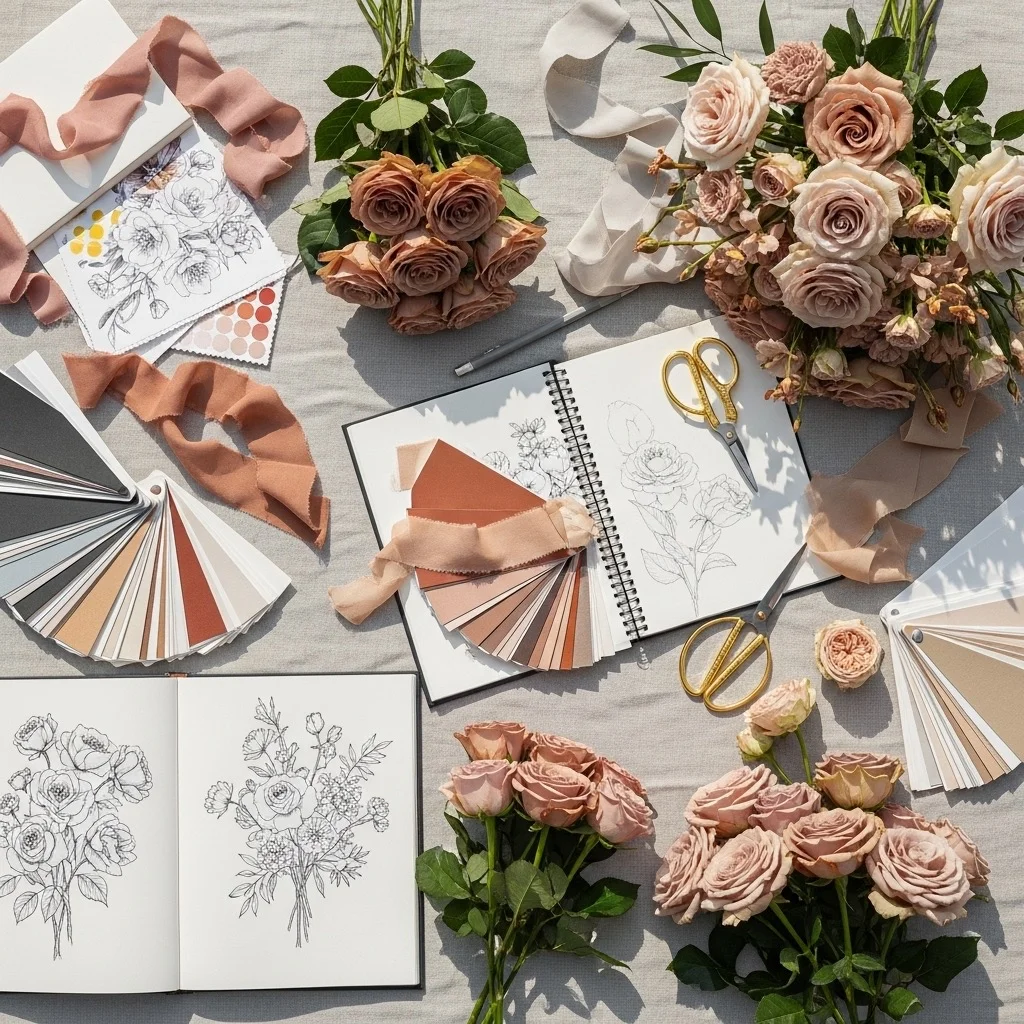
Dusty rose continues to hold its place as a beloved color due to its timeless charm and versatility. To give this classic shade a fresh, modern appeal, consider using it as an accent rather than the base. By softening its presence and pairing it with contemporary shades like stone, champagne, or soft mocha, dusty rose takes on a refined, understated elegance that feels current yet enduring. These modern neutrals enhance its warmth and create a balanced palette perfect for today’s weddings and events.
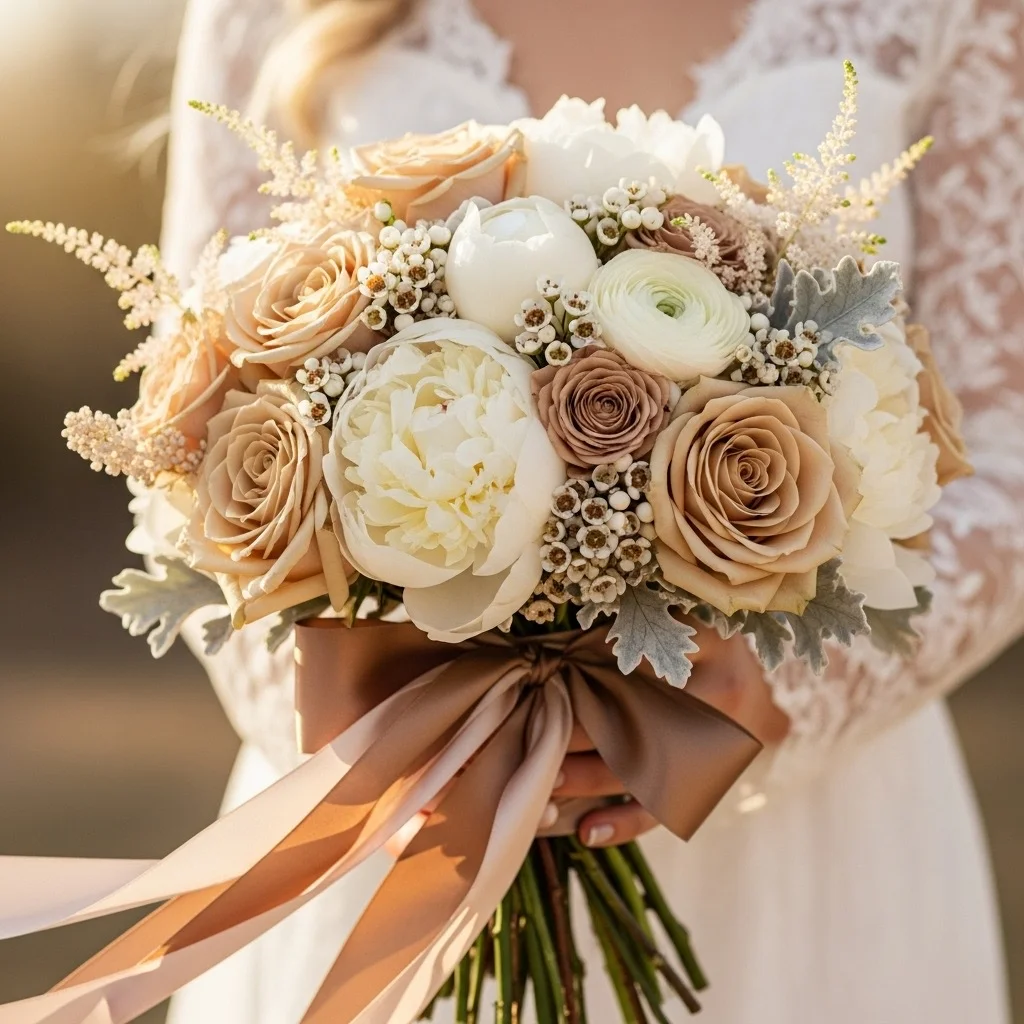
One of the key strategies to modernize dusty rose is focusing on proportions in floral arrangements. Designers in 2026 often use a 20-30% ratio of dusty rose blooms in their designs, supporting the palette with complementary tones like blush roses, champagne-tinted blossoms, and neutral peonies when available. Pairing these with soft mocha accents or stone-colored elements grounds the design, offering a sophisticated contrast that accentuates the dusty rose without overwhelming the composition.
Real-world applications of this approach shine in contemporary wedding designs. Bouquets featuring blush roses and rose-tinted ranunculus can incorporate just a hint of dusty rose to create depth without dominating the arrangement. Similarly, centerpieces and ceremony installations utilize neutral bases, with touches of dusty rose to draw the eye and add warmth. These designs often showcase thoughtful layers of texture, incorporating seasonal greenery and soft, flowing ribbons in matching tones to tie the look together seamlessly.
For those seeking featured flowers that embody this elevated palette, blush roses remain a staple, while rose-tinted ranunculus offers a delicate, ruffled texture perfect for romantic builds. Neutral peonies, when in season, are an ideal addition, contributing lush fullness while maintaining the softness of the overall design. By focusing on these thoughtful floral elements and pairing dusty rose with modern neutrals, you can ensure it remains a timeless yet fashion-forward choice in today’s design landscape.
Section 5: Updating Terracotta With Cooler Counterbalances
Terracotta has long been a beloved color in event design for its earthy warmth and versatility. However, to maintain a balanced and contemporary aesthetic, it is essential to pair terracotta with cooler elements that prevent it from overpowering the palette. By integrating neutral tones and natural textures, terracotta can remain a centerpiece without dominating the overall design.
How to Keep Terracotta Without Overwhelming a Palette
To avoid an overabundance of terracotta, it should be used thoughtfully as an accent rather than a dominant shade. Incorporating cooler tones like ivory and stone creates a sophisticated neutral backdrop that allows terracotta’s vibrance to subtly shine. Soft, creamy ivories introduce elegance while cooler grayish stone hues provide a modern edge. Strategically using greenery adds an organic touch, bringing freshness and depth to the overall palette.
Adding Depth Using Ivory, Stone, and Greenery
Ivory roses are an elegant option for balancing the vibrancy of terracotta. Their neutral color adds a touch of sophistication and pairs beautifully with terracotta’s warmth. Neutral anthurium offers a sleek, contemporary contrast with its structured form, while cascading greenery and fillers, such as eucalyptus or olive branches, soften the design and complement terracotta beautifully. Together, these elements create a layered composition that feels harmonious and timeless.
Why Terracotta Works Best as Texture, Not Dominance
Terracotta flourishes as a textural element rather than a dominant color. Think ceramic vases, linen napkins, or soft candle holders infused with terracotta tones. These additions contribute warmth without overwhelming the design. When terracotta becomes the focal color, it can feel heavy and dated. By using it sparingly as texture, it enhances the overall look with a refined and contemporary appeal.
Mistakes Brides Make When Styling Terracotta
One common mistake is overusing terracotta in every element, leading to a monotonous or overly saturated aesthetic. Another frequent error is combining terracotta with overly warm or clashing tones, which diminishes its impact. Instead, pairing terracotta with neutrals and greenery allows it to be a focal highlight rather than a tiring overstatement. Brides should also avoid neglecting texture, as terracotta shines best when introduced through tactile, dimensional design choices.
By incorporating ivory roses, neutral anthurium, flowing greenery, and judicious uses of terracotta, you can curate a balanced and contemporary palette that feels fresh and inviting. This approach allows terracotta to retain its charm without overwhelming, ensuring timeless elegance for any event.
Section 6: What Designers Are Actually Buying for 2026 Weddings
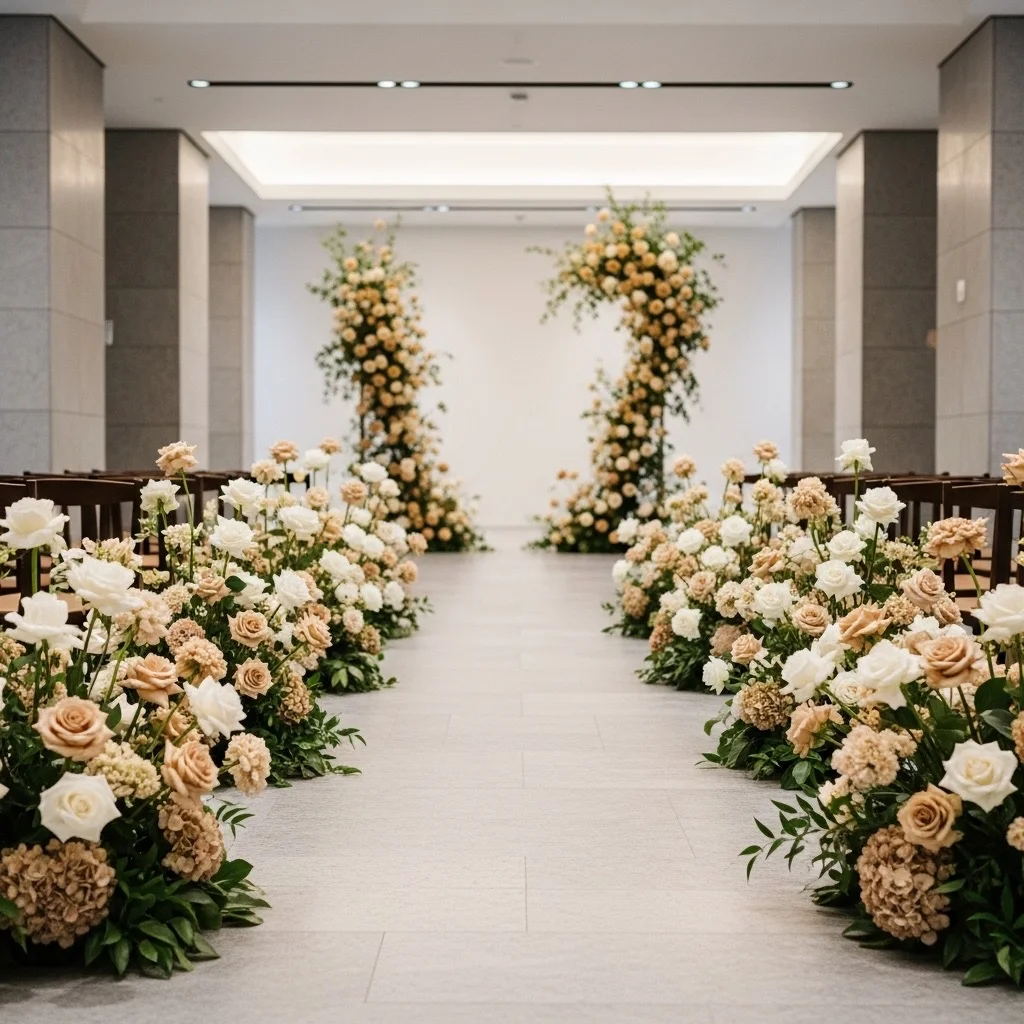
Wedding designers and florists are already signaling prominent trends for the 2026 season, with early buying behaviors shedding light on shifting preferences in the industry. One standout trend is the rise of neutral-forward palettes, which continue to dominate wedding aesthetics. These palettes offer unmatched versatility, effortlessly blending with a variety of themes while creating an elevated and timeless look. Ivory, soft taupe, and muted greige tones are proving to be top choices, as they serve as a perfect foundation for both classic and modern designs.
Neutral-forward palettes tend to convert faster because of their universal appeal. Couples gravitate toward options that feel both sophisticated and adaptable, ensuring their celebration aligns with long-term trends rather than fleeting fads. Additionally, this subdued palette favors natural textures and complements a variety of wedding venues, from rustic vineyards to chic urban lofts. For florists and wedding planners, leaning into these carefully curated tones ensures higher client satisfaction and smoother onboarding processes.
These evolving color trends also have a significant impact on flower selection for designers. Demand for premium blooms, such as ivory roses, white ranunculus, and blush stock, continues to soar. These flowers lend themselves seamlessly to neutral palettes, offering soft, romantic textures that elevate event designs. Designers are also leaning into textural accents, incorporating dried grasses, pampas, and bleached elements to add depth and interest. The rise in terracotta tones as complementary accents further underscores the importance of adapting flower selections to meet modern tastes.
For designers navigating these shifts, WHOLE BLOSSOMS is an essential resource. Providing an extensive range of bulk flowers and wedding flowers, including premium roses tailored to versatile palettes, WHOLE BLOSSOMS empowers professionals to stay ahead of trends. Pairing high-quality products with reliable service, the brand ensures you have what you need to create stunning, on-trend arrangements for every client. Explore WHOLE BLOSSOMS’ offerings today and bring your 2026 wedding designs to life.
The Future of Wedding Color Is Refined, Not Replaced
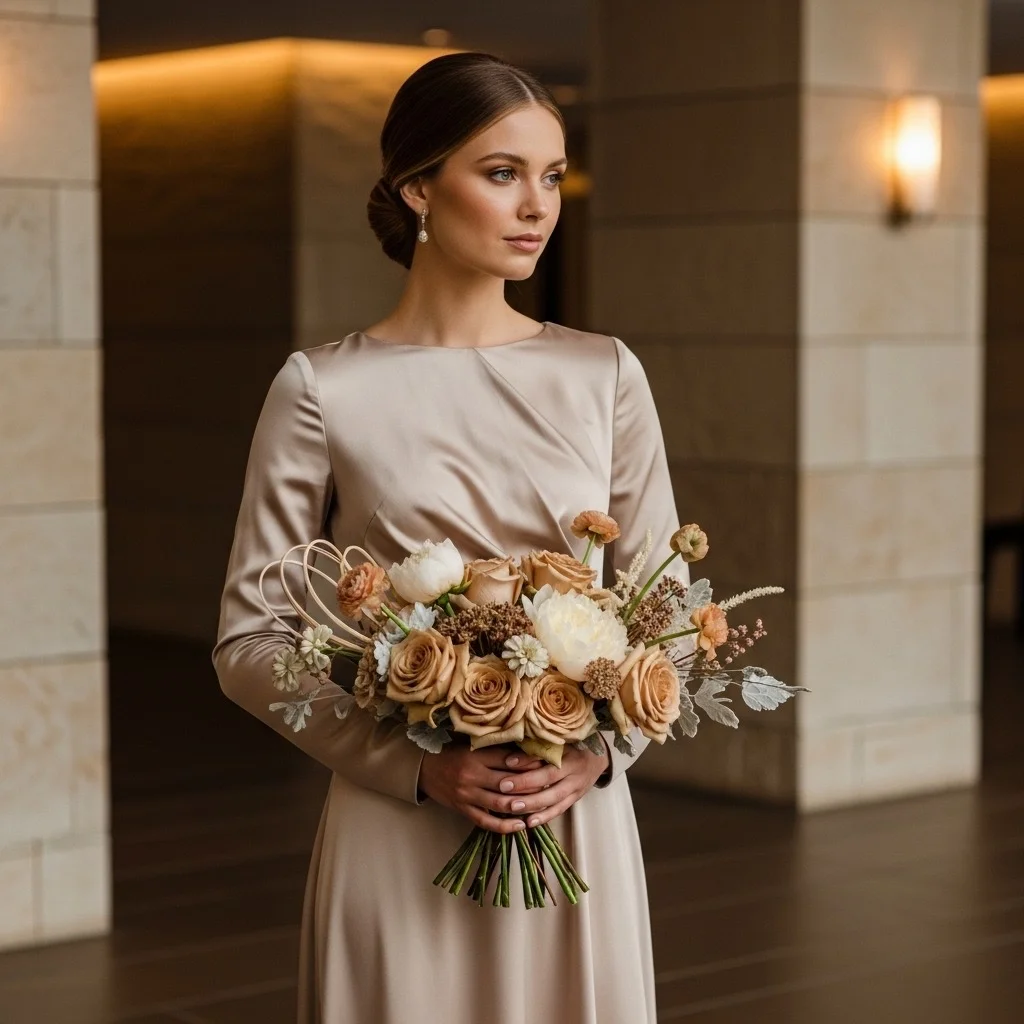
Brides planning their special day in 2026 can rest assured that their original vision doesn’t need to be abandoned—instead, it can be enhanced. The future of wedding color is all about refinement, where timeless palettes can be modernized with fresh floral choices and innovative design elements. By infusing your arrangements with trend-forward blooms in captivating shades or experimenting with understated accents, you can create a wedding design that feels both classic and contemporary.
Rather than reinventing the entire look, small, thoughtful updates using expertly chosen florals can effortlessly elevate your vision. WHOLE BLOSSOMS is here to help bring that refined elegance to life. With an unrivaled selection of bulk flowers available by color, style, or flower type, we make it easy to craft arrangements that perfectly complement any theme or aesthetic. Our premium selection of roses, fillers, and greenery ensures every detail radiates quality and sophistication.
Trust WHOLE BLOSSOMS to stay ahead of the curve, offering the latest trends and impeccable service to make your floral planning seamless. Explore our offerings today and uncover the transformative power of flowers to refresh without replacing. Shop now by COLOR, STYLE, or FLOWER TYPE and start building the wedding of your dreams!