


 by
by 
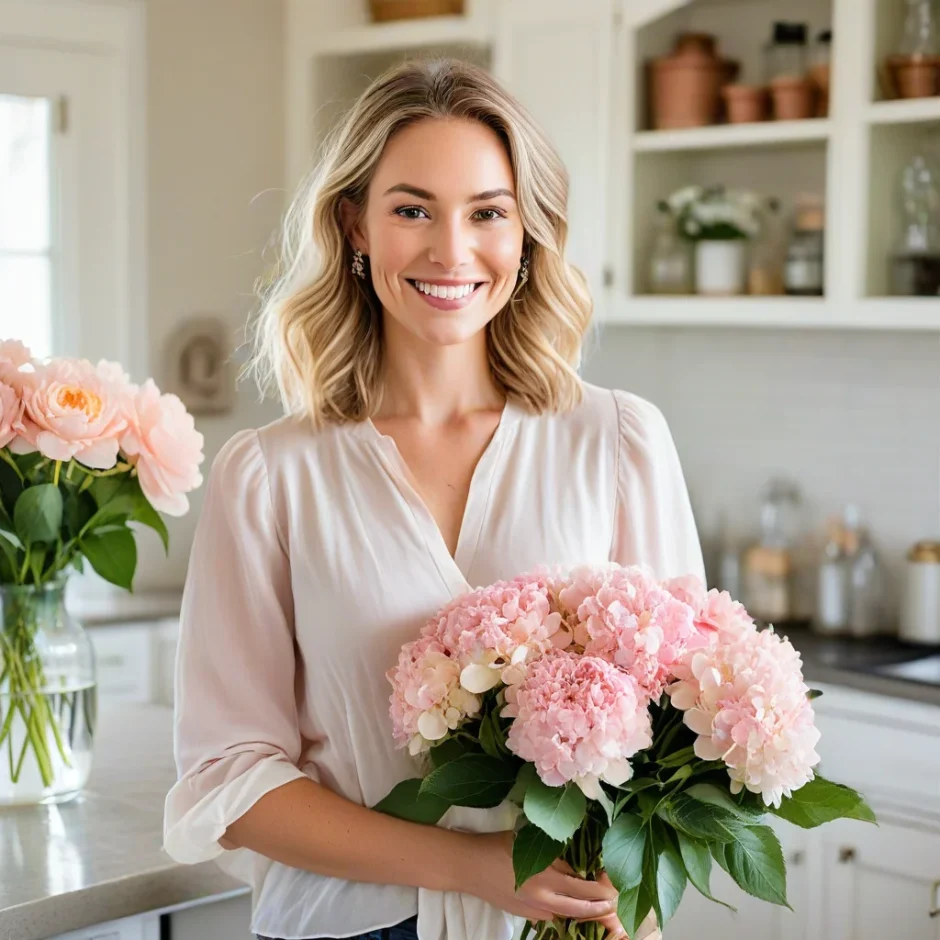
Introduction: Why Hydrangeas Make a Perfect Base Flower
Choosing the right hydrangea flower combinations can elevate your design from basic to breathtaking. Known for their voluminous blooms and soft, cloud-like appearance, hydrangeas are a staple in floral design thanks to their versatility and timeless charm. Their rounded shape and lush texture make them an ideal choice as base flowers, providing both structure and visual fullness to bouquets, centerpieces, arches, and other arrangements.
One of the key reasons hydrangeas shine in floral design is their ability to complement virtually any style or theme. Whether you’re aiming for a romantic and elegant aesthetic, a rustic natural vibe, or a modern bohemian look, hydrangeas blend effortlessly into the arrangement. Available in a wide array of hues—from classic whites to soft pastels and even bold blues and purples—they can be paired beautifully with roses, peonies, greenery, or wildflowers for a stunning effect.
Hydrangeas excel at creating impact with minimal effort. A few well-placed stems can instantly transform an arrangement, filling in space and tying other elements together cohesively. Their soft texture also balances more structured or spiky flowers, adding depth and harmony to the overall design. Popular in weddings, upscale events, and everyday decor, hydrangeas bring both sophistication and warmth to any setting.
Whether you’re crafting lush floral arches for a grand celebration or a simple vase arrangement for your home, hydrangeas provide the perfect foundation to build upon. With their remarkable versatility and inherent beauty, these flowers are an essential tool for anyone looking to create show-stopping floral designs.

Part 1 – Hydrangeas + Roses: A Classic Pairing for Elegance
When it comes to timeless floral combinations, hydrangeas and roses are a match made in heaven. Together, they create arrangements that exude sophistication and romance, making them perfect for occasions such as weddings, anniversaries, or upscale events. Both flowers bring their unique characteristics to the table—hydrangeas offer fullness and structure, while roses add texture and a delicate, romantic appeal.
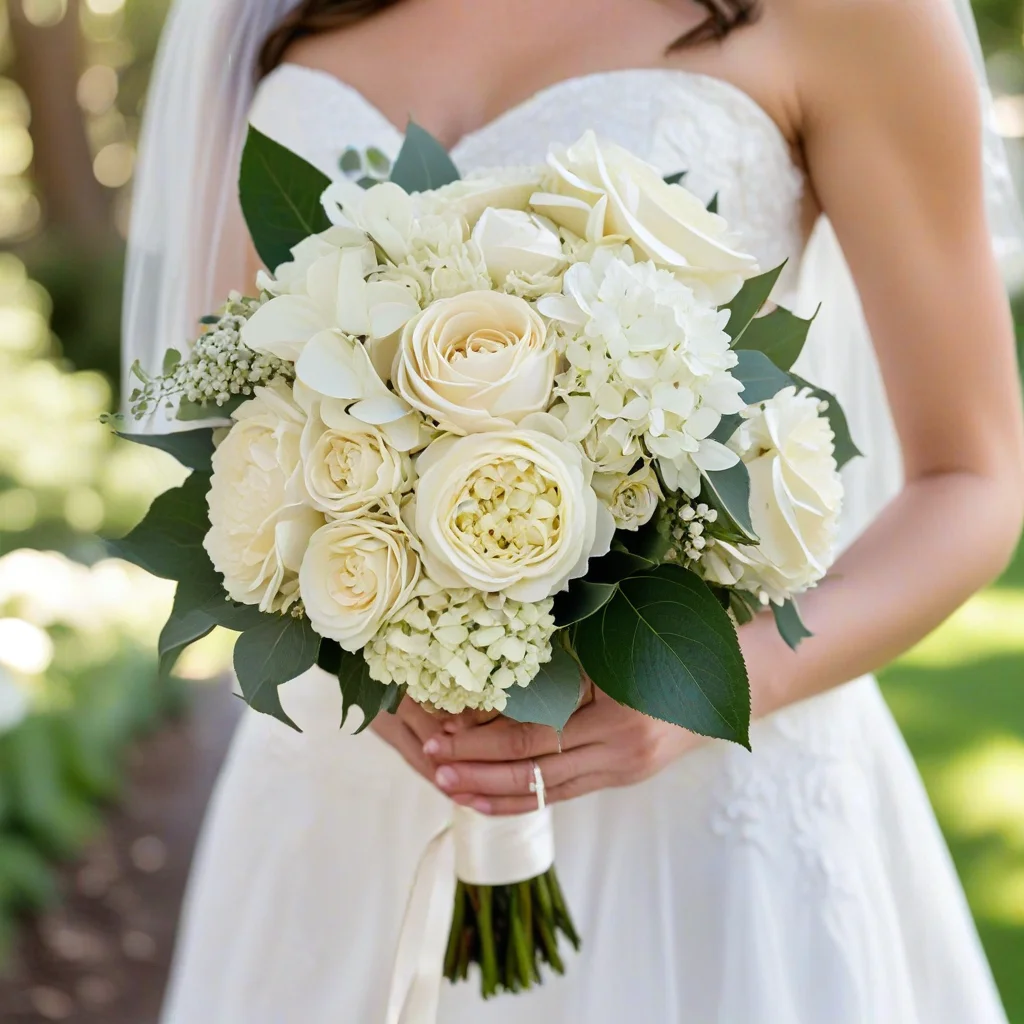
For those looking to create an elegant and cohesive design, color pairing plays a pivotal role. Some of the best combinations include white hydrangeas paired with blush or dusty pink roses for a soft, dreamy look. Alternatively, blue hydrangeas and cream roses create a serene and classic aesthetic, while pink hydrangeas matched with burgundy roses deliver a bold and captivating pop of color. These duos not only complement each other visually but also bring a balance of softness and depth to any arrangement.
One of the key reasons roses are considered some of the best flowers to mix with hydrangeas is their ability to provide texture contrast. While hydrangeas naturally form voluminous, cloud-like clusters, roses add dimension with their layered, intricate petals. This contrast ensures that the final design feels dynamic rather than flat. A helpful design tip is to nestle smaller roses directly into the hydrangea blooms themselves. This technique enhances the volume of the arrangement and creates visual points of interest that draw the eye.
Whether decorating a ceremony arch, gracing the center of an elegant tablescape, or acting as a bouquet centerpiece, hydrangeas paired with roses allow for endless creativity. Their versatility ensures they can adapt to both timeless and modern aesthetics. For anyone looking to make a lasting impression, this classic pairing provides softness, balance, and undeniable allure. It’s no wonder that hydrangeas and roses remain a favorite choice among floral designers and enthusiasts alike for crafting luxurious arrangements.
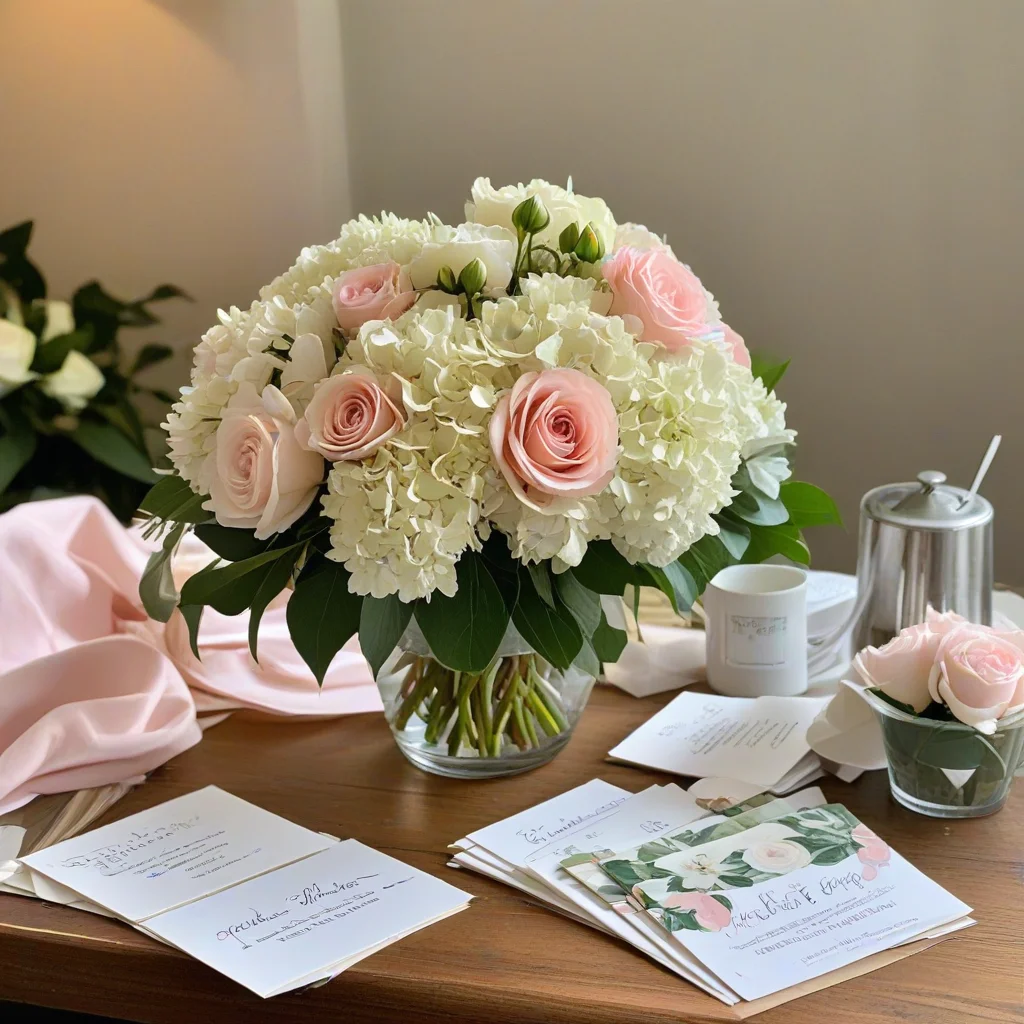
Part 2 – Hydrangeas + Eucalyptus: Fresh, Airy & Modern
For those seeking a fresh, airy, and modern aesthetic, combining hydrangeas with eucalyptus is a go-to choice. This pairing effortlessly blends organic minimalism with a touch of elegance, making it perfect for weddings, events, or even upscale home décor. By featuring this dynamic duo, floral arrangements can achieve a flowing, natural look with great versatility.
Eucalyptus adds a layer of texture and movement to the softness of hydrangeas. Popular varieties like silver dollar eucalyptus or seeded eucalyptus are especially favored for their delicate leaves and draping quality. These types of greenery provide a light and whimsical element that balances beautifully with the dense, lush blooms of blue, white, or green hydrangeas. Choosing these hydrangea tones helps maintain the organic theme, emanating a sense of tranquility and calmness.
This pairing is particularly striking in centerpieces or floral arches. Incorporating eucalyptus not only gives the arrangement flow but also introduces a subtle, refreshing fragrance that enhances the entire atmosphere. The combination is ideal for those designing with simplicity in mind, yet still want to create lush and inviting floral displays.
When planning your design, consider layering the hydrangeas as the focal point while weaving eucalyptus stems throughout for added dimension and natural appeal. Whether prepared for a dining table, ceremony backdrop, or rustic-modern venue, hydrangeas and eucalyptus deliver on both beauty and functionality. Hydrangea floral design tips often start with eucalyptus for texture and greenery contrast, and it’s easy to see why this advice is widely trusted.
This pairing also allows room for creativity. For a minimalist arrangement, stick to a monochromatic palette with whites and greens. If you’re seeking subtle drama, add in the opulent blue of hydrangeas against the muted greens of eucalyptus. Regardless of the color scheme, the result is always polished, modern, and effortlessly chic.
By using hydrangeas with eucalyptus, you’re creating an arrangement that feels light, organic, and pleasing to the senses. It’s a timeless choice for organic or minimalist themes, ensuring your floral designs stand out with understated sophistication.
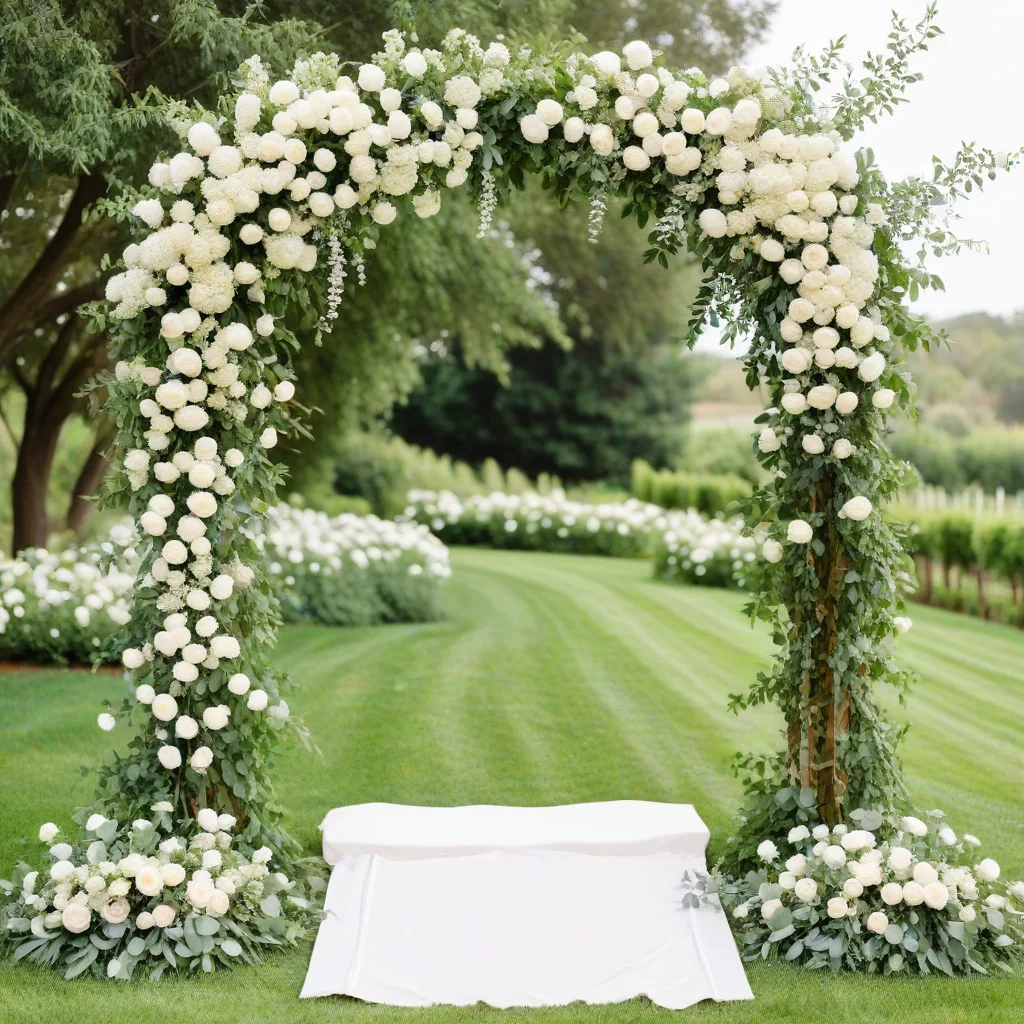
Part 3 – Hydrangeas + Peonies: Full-Bloom Romantic Drama
When it comes to creating a floral arrangement that exudes luxury and romance, the combination of hydrangeas and peonies stands as an iconic choice. This high-end duo offers unparalleled lushness, making it perfect for opulent events and bridal bouquets. Hydrangeas deliver full-bodied volume, while peonies introduce their characteristic feathery texture, resulting in a harmonious balance of softness and drama. Together, they create arrangements that feel extravagant yet timeless.
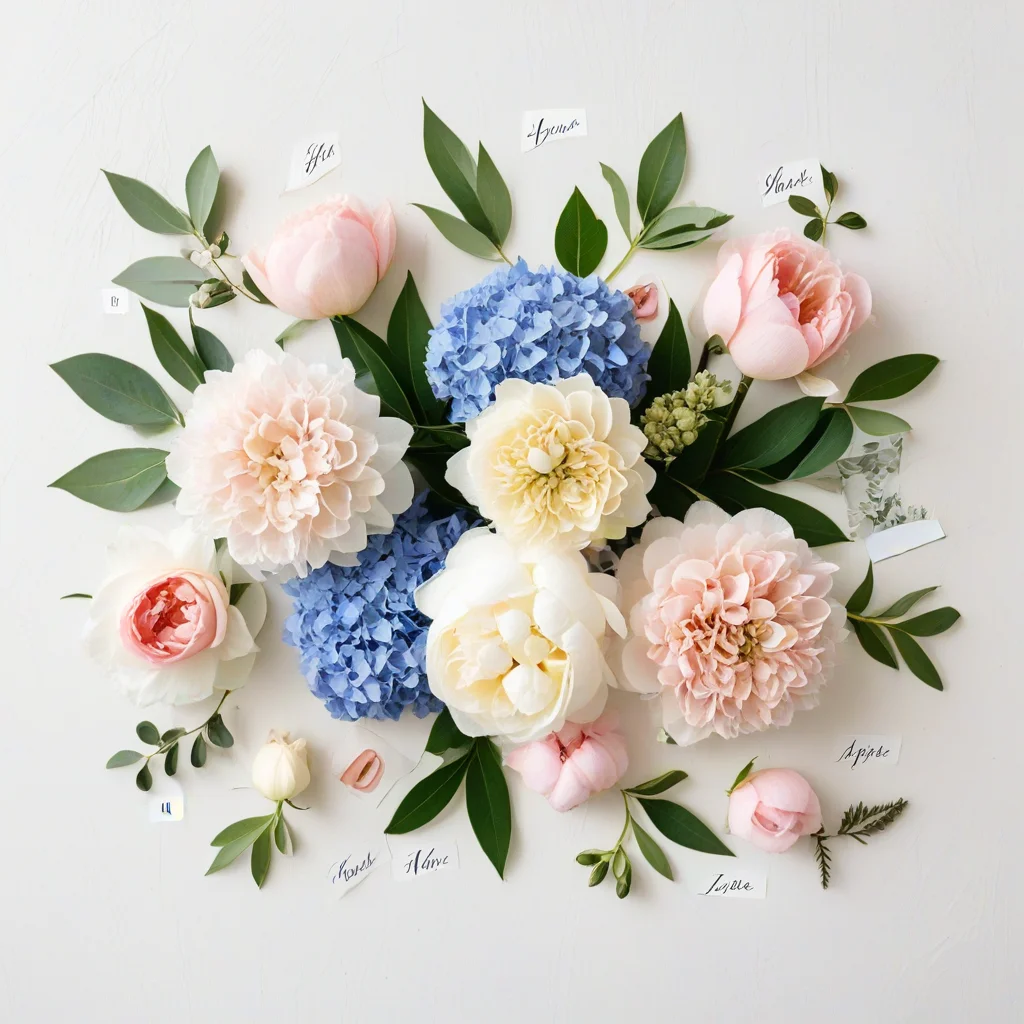
The hydrangea and peony combination truly shines during spring, as peonies are at their seasonal peak, showcasing their glorious blooms in a variety of soft, romantic hues. Their naturally feminine palette makes them ideal for weddings and other elegant gatherings, particularly in designs that call for pastel tones and delicate color gradients. Pairing pastel peonies with white or pink hydrangeas is a classic choice, bringing a sense of cohesion and elegance to the overall arrangement. For those seeking a touch more contrast, blush-toned peonies with ivory hydrangeas create a subtle but striking visual effect.
A key appeal lies in how the textures of these flowers complement each other. While hydrangeas create a lush base with their tightly-clustered petals, peonies add nuanced depth. Their overlapping, ruffled petals create alluring movement, drawing the eye across the arrangement for a dynamic but soft aesthetic. Whether placed in towering centerpieces or held in hand-tied bridal bouquets, hydrangea and peony combinations bring volume and softness to any high-impact floral arrangement, ensuring they leave an unforgettable impression.
This pairing is especially versatile when it comes to color schemes. Use pastel tones for an ethereal, romantic vibe, or incorporate muted greens and neutral foliage as secondary elements to keep the focus on the blooms. No matter the design, hydrangeas and peonies together seamlessly enhance any setting with their luxurious presence, making them the ultimate choice for those seeking full-bloom beauty at their event.
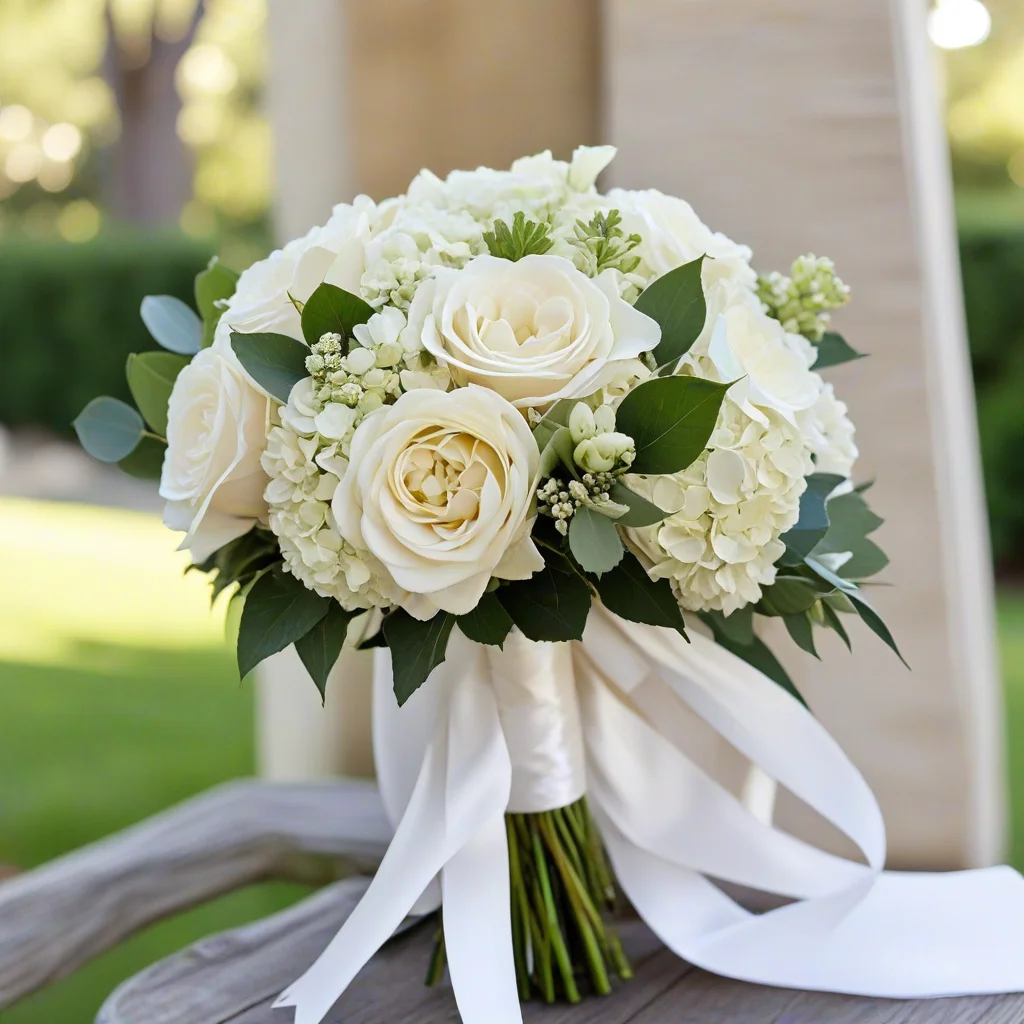
Part 4 – Hydrangeas + Lilies: Bold Structure Meets Billowy Bloom
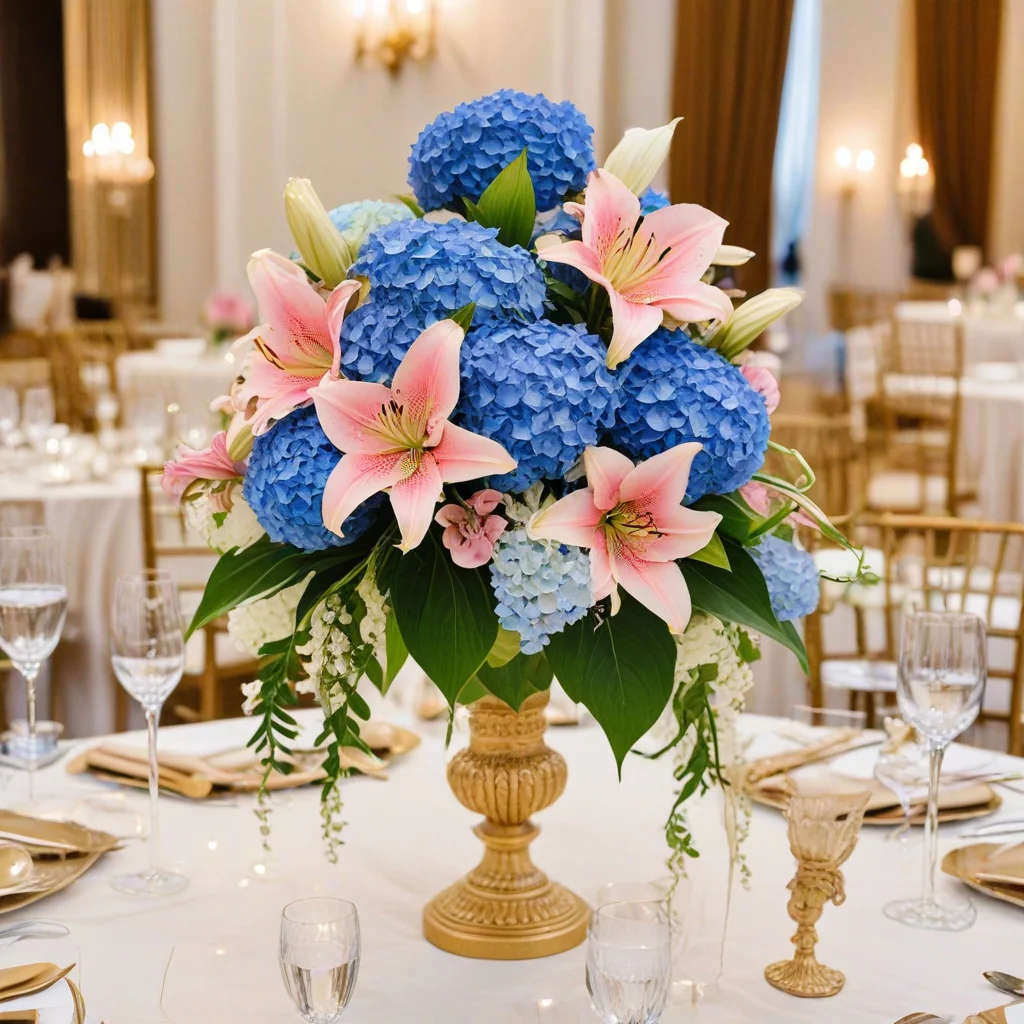
Hydrangeas and lilies form a striking duo that combines bold structure with soft, voluminous charm, creating a beautifully balanced floral arrangement. The contrast between the structured, defined petals of lilies and the round, clustered heads of hydrangeas adds depth and visual interest to any design. This perfect pairing is an excellent choice for grand occasions like church weddings, dramatic arches, or altar flowers where large-scale designs are required.
When considering the type of lilies to pair with hydrangeas, Asiatic lilies are ideal for adding vibrant pops of color, while calla lilies bring an air of elegance to the arrangement. For a classic and timeless look, white hydrangeas matched with pink or yellow lilies create a harmonious balance that suits a variety of themes. This combination works particularly well for both monochromatic and multicolored arrangements, depending on the atmosphere you want to evoke.
The versatility of hydrangeas and lilies allows them to be used in statement bouquets, ceremonial displays, and even aisle decorations. Their complementary nature ensures that each bloom enhances the other’s unique characteristics, emphasizing both the boldness of the lilies and the full, billowy beauty of the hydrangeas. Neutral greens and foliage can serve as secondary elements, helping to add texture and frame the vibrant flowers without overwhelming the composition.
For those exploring bold hydrangea bouquet ideas, this combination is one of the best flowers to mix with hydrangeas for dramatic effect. Whether you’re aiming for an eye-catching centerpiece or a memorable bridal bouquet, hydrangeas and lilies offer endless possibilities to showcase creativity and style. The elegance and grandeur of combining these two blooms will leave a lasting impression on your event, making them a go-to choice for impactful floral designs.
Part 5 – Designer Combos with Less-Common Flowers
When designing unique and unforgettable floral arrangements, it’s worth considering less-common flowers to pair with hydrangeas. These accent flowers can add whimsy, texture, or contrast, helping your bouquet stand out while maintaining balance and elegance. When used strategically, unexpected hydrangea flower combinations create unforgettable floral designs that exude creativity and charm.
Here are a few designer favorites for combining hydrangeas with less-common blooms:
Known for their layers of delicate, paper-thin petals, ranunculi provide a whimsical and romantic touch. Their compact bloom shape beautifully contrasts with the larger, fuller hydrangea heads, creating a visually interesting composition.
Lisianthus offers soft, flowing petals and pastel color options, making them a perfect choice for adding a subtle and serene feel to your arrangements. They blend seamlessly with hydrangeas for a soft, dreamy effect ideal for weddings or formal gatherings.
For a textured, airy element, scabiosa is an excellent addition. Its unique pincushion-like blooms introduce both drama and lightness, balancing the density of hydrangeas and adding artistic flair to the arrangement.
The tall, vertical nature of snapdragons adds movement and height, creating contrast with hydrangeas’ rounded shapes. Snapdragons come in a variety of colors, allowing you to craft bold and dynamic designs for any occasion.
Designer Tip: When working with less-common flowers in hydrangea bouquets, use only two to three accent flowers at a time to avoid overwhelming the composition. By limiting the number of accent flowers, you ensure a cohesive, balanced design that highlights all elements beautifully.
Below is a quick-reference guide to pairings with hydrangeas:
| Accent Flower | Key Feature | Effect on Arrangement |
| Ranunculus | Whimsical, layered petals | Romantic and playful |
| Lisianthus | Soft edges, pastel hues | Serene and dreamy |
| Scabiosa | Textured, airy blooms | Light drama and artistic flair |
| Snapdragons | Vertical movement, contrast | Height and dynamic visual interest |
By incorporating these less-common flowers into your arrangements, you can redefine floral design and create show-stopping bouquets that leave a lasting impression. Experimenting with these unique combinations can elevate your designs to the next level.
Part 6 – Color Theory in Hydrangea Pairings
Understanding color theory is fundamental in creating visually harmonious arrangements, especially when working with versatile flowers like hydrangeas. By thoughtfully pairing hydrangeas with complementary, analogous, or even monochromatic tones, you can elevate your floral designs and ensure a cohesive aesthetic. Below, we explore three color pairing techniques that bring out the best in hydrangeas for wedding floral arrangements and beyond.
Monochromatic Pairing
A monochromatic approach focuses on a single color family, creating an elegant and refined look. For example:
- Pink hydrangeas paired with blush roses and champagne peonies evoke romantic softness.
- This arrangement is perfect for serene, pastel-themed weddings or intimate gatherings.
Complementary Pairing
Using colors that sit opposite each other on the color wheel, complementary pairings create vivid contrast and energy. For example:
- Pair blue hydrangeas with vibrant orange ranunculus for a dynamic, eye-catching display.
- This approach brings balance while simultaneously adding drama, ideal for bold, statement arrangements.
Analogous Pairing
Analogous color schemes use hues adjacent to each other, creating a naturally harmonious effect. For instance:
- Combine white hydrangeas with accents of greenery and pale blue blooms like delphiniums or nigella.
- This style lends a soothing and cohesive feel to arrangements, perfect for garden weddings or rustic-chic events.
Bridging Tones with Fillers and Foliage
Adding fillers and foliage is an effective way to unite diverse hues in a floral design. Consider using:
- Dusty miller or eucalyptus for subtle silver-green undertones.
- Wax flowers or baby’s breath to soften transitions between bold and muted colors.
| Color Pairing | Examples of Flowers | Visual Impact |
| Monochromatic | Pink hydrangeas, blush roses, champagne peonies | Soft, elegant, romantic |
| Complementary | Blue hydrangeas, orange ranunculus | Vibrant, dynamic, contrasting |
| Analogous | White + green + pale blue hydrangea combos | Serene, cohesive, natural |
By applying these hydrangea floral design tips using color theory, you can ensure visual harmony in arrangements, making them ideal for weddings or other special events.
Florist Pro Tips for Blending Hydrangeas in Arrangements
Hydrangeas are a favorite among floral designers for their versatility, lush texture, and ability to effortlessly fill space in arrangements. To create stunning displays, follow these essential tips for blending hydrangeas like a pro:
- Use Hydrangeas as Your Base Structure
Hydrangeas are ideal for creating the foundational structure of an arrangement. Their voluminous blooms offer excellent coverage and a soft yet striking base. Whether designing centerpieces, wedding bouquets, or large installations, hydrangeas anchor the arrangement while adding depth and softness.
- Build Around Them with Focal and Accent Flowers
Once the hydrangea base is in place, layer in focal flowers such as roses, peonies, or dahlias to provide dimension and interest. Complement the larger blooms with accent flowers like ranunculus, lisianthus, or wax flowers for added texture. This layering technique creates a balanced and visually appealing composition.
- Use Floral Foam for Large Installs or Foam-Free Techniques for Bouquets
For large floral installations like arches or wall backdrops, floral foam offers necessary stability. However, for hand-tied bouquets or environmentally friendly designs, consider foam-free techniques like floral tape grids or chicken wire to secure the arrangement without sacrificing structure.
- Balance by Shape, Color, and Fragrance
Achieving balance is key to a harmonious arrangement. Incorporate varying shapes and sizes of blooms, and use color theory to make sure the palette is cohesive and visually impactful. Additionally, infuse fragrant flowers such as garden roses or stock to elevate the sensory experience.
By incorporating these techniques, you can design professional and breathtaking floral arrangements. Remember, top floral designers use hydrangeas to anchor arrangements with structure and softness, making them a trusted choice for both statement pieces and everyday bouquets.
Conclusion: Create Your Signature Floral Style
Combining hydrangeas with complementary flowers offers endless opportunities to craft stunning arrangements that balance structure, softness, and vibrant beauty. By experimenting with color, form, and seasonality, you can create designs that reflect your unique artistic vision and captivate any occasion. The versatility of hydrangeas serves as the perfect foundation to inspire creativity while ensuring a professional, polished result. Order premium wholesale hydrangeas and complementary blooms from Whole Blossoms and bring your signature floral vision to life!