


 by
by 

When it comes to wedding flowers, two stunning contenders often take center stage—peonies and garden roses. These timeless blooms have captivated hearts for generations, adorning everything from romantic bouquets to luxurious centerpieces. But with their lush petals, enchanting fragrances, and undeniable beauty, how do you decide which flower earns the crown for your special day? Cue the ultimate floral face-off: peonies vs. garden roses.
Both blooms have an irresistible charm and bring unparalleled elegance to any event. Peonies, with their full, feathery layers and soft, pastel hues, exude a dreamy, fairy-tale quality. On the other hand, garden roses steal the spotlight with their velvety textures, vibrant colors, and signature fragrance that instantly elevates any setting. It’s no wonder that these two favorites remain at the top of every bride’s wish list.
In this article, we’ll unravel the mystery of what makes these flowers so iconic. From their appearance to their fragrance, from their seasonality to the meanings they hold, we’ll break down the factors that set them apart—and what they have in common. Budget-savvy brides, take note; we’ll also explore the cost considerations for achieving that picture-perfect floral vision. Whether you’re drawn to the opulence of peonies or the timeless romance of garden roses, this guide will help you discover the bloom that’s perfect for you. Get ready to fall in love with flowers all over again!
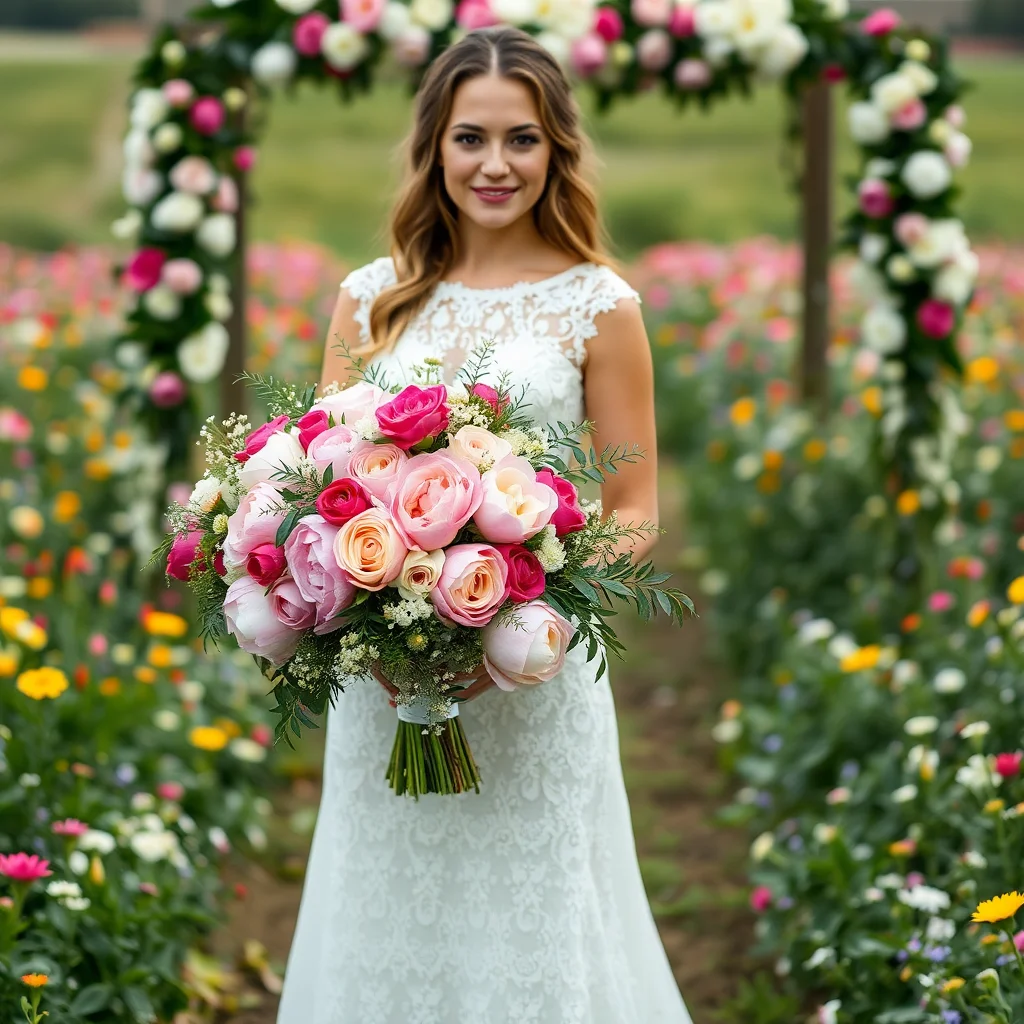
Part 1 – Appearance: Ruffled Romance vs. Layered Luxury
When it comes to appearance, both peonies and garden roses possess stunning yet distinct characteristics that can shape the aesthetic of any bridal bouquet or floral arrangement. Understanding these subtleties can help brides-to-be decide which flower aligns best with their wedding vision.
Peonies: Soft, Lush, and Dramatic
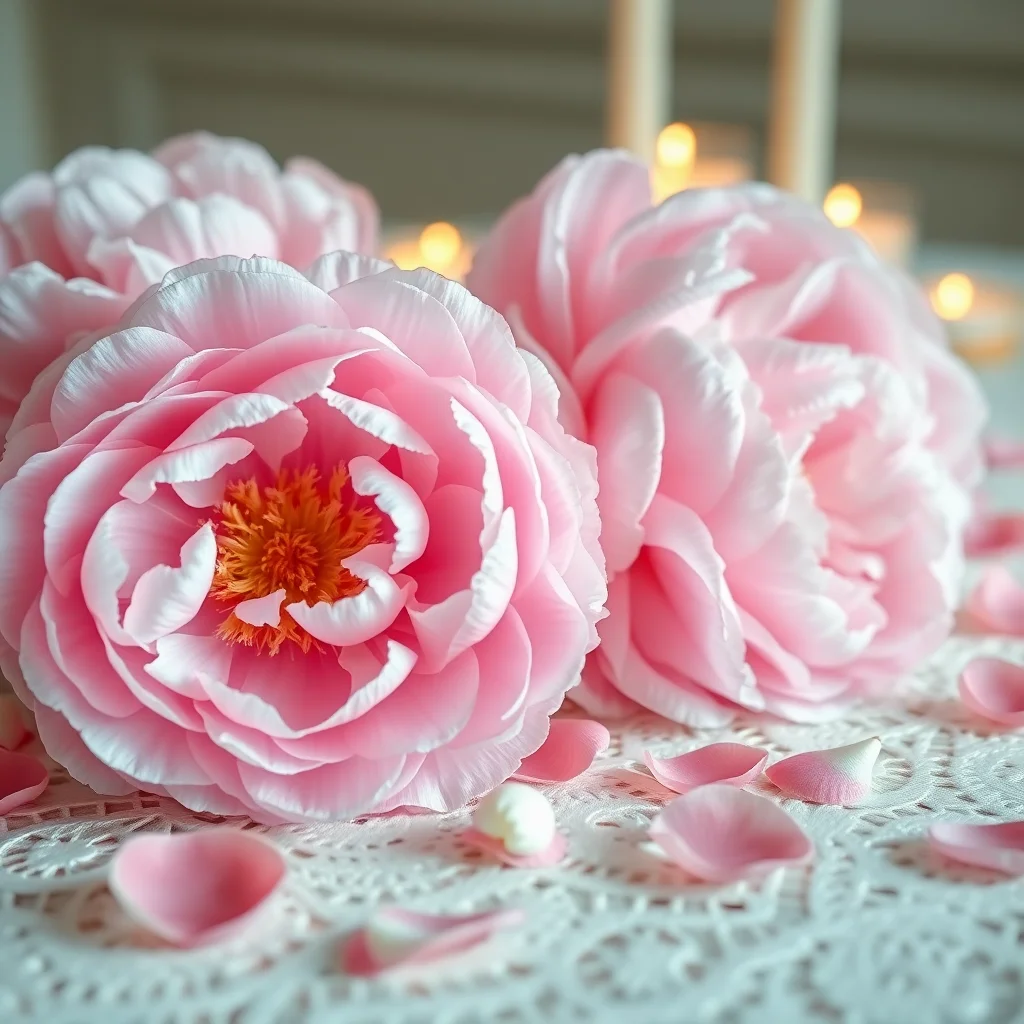
Peonies are renowned for their full, round, and billowy form that exudes an air of romantic drama. Their petals unfold in soft, ruffled layers, creating a lush texture that can effortlessly fill a bouquet or centerpiece. Available in a range of hues—from delicate blush pinks and creamy whites to vibrant corals and deep magentas—peonies are both versatile and strikingly beautiful. They photograph exceptionally well, with their voluminous blooms adding a dreamy, romantic quality to wedding imagery. Peonies are perfect for brides who want a whimsical, garden-inspired aesthetic, and their dramatic fullness allows them to stand out even when paired with simpler accent flowers.
Garden Roses: Elegant Layered Petals with Timeless Appeal
Garden roses, on the other hand, are celebrated for their elegant, tightly layered petals that spiral into a refined bloom. While they may lack the dramatic volume of a peony, garden roses exude a timeless sophistication that complements classic and formal weddings. Their versatility can be found in their wide array of colors, from soft pastels to bold, rich tones. Garden roses photograph beautifully as well, with their intricate petal structures adding a touch of intricacy and charm to wedding visuals. Their slightly more compact form makes them ideal for structured bouquets, accentuating elegance and grace.
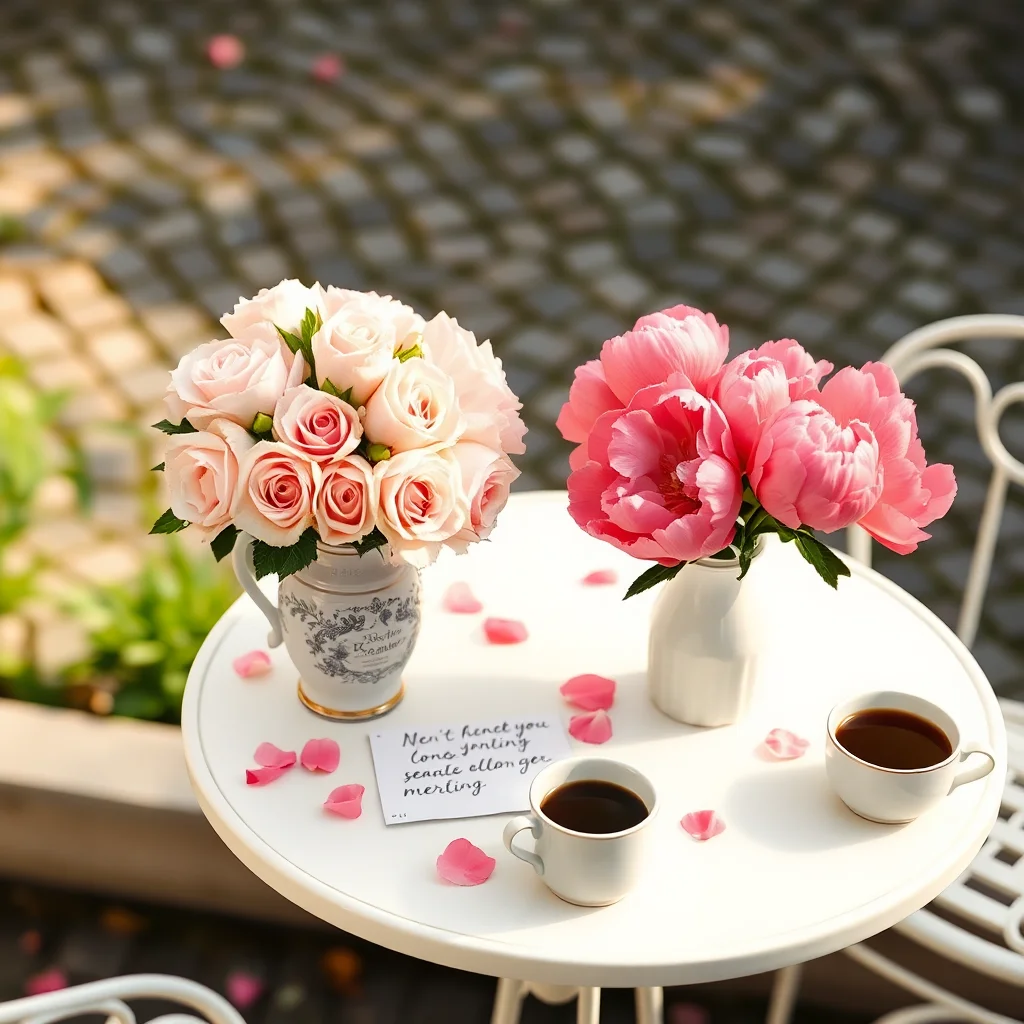
Photographic Impact and Styling
When it comes to photography, the lush nature of peonies often creates a sense of opulence and romantic allure. Their large, vibrant blooms make a statement in close-up shots and wide-angle compositions. Conversely, garden roses bring an understated elegance to photos, offering a classic look that feels timeless and refined. Styling-wise, peonies shine in loose, organic arrangements, while garden roses work beautifully in structured, symmetrical designs.
Complementary Aesthetics
For brides envisioning a fairy-tale atmosphere, peonies provide a dreamy, romantic vibe that pairs well with whimsical details like foliage and cascading vines. Meanwhile, garden roses are the ideal choice for traditional brides seeking polished sophistication, seamlessly blending into formal or vintage-inspired themes.
Comparison Chart:
| Flower | Appearance | Style Strengths | Best For |
| Peonies | Full, billowy, and ruffled | Romantic, whimsical, dramatic | Garden-inspired, airy aesthetics |
| Garden Roses | Tightly layered, elegant | Sophisticated, classic, refined | Formal, traditional, or vintage themes |
Both flowers have unique features that can transform a floral arrangement into something extraordinary. By choosing between the ruffled romance of peonies or the layered luxury of garden roses—or even combining the two—brides can achieve a look that perfectly suits their style.
Part 2 – Fragrance: Sweet Scent Showdown
When it comes to fragrance, peonies and garden roses are in a class of their own, each offering a unique olfactory experience that can significantly enhance the ambiance of an event. Peonies are renowned for their strong, sweet floral scent, often described as candy-like and intoxicating. This heady aroma can fill a room, creating an atmosphere of romance and charm. It’s no wonder peonies are a favorite during wedding season—they deliver not only beauty but also an unforgettable fragrance.
Garden roses, on the other hand, bring a different kind of olfactory luxury. Variants like English and David Austin roses are famous for their deep, complex, and more mature scent profiles, which often include notes of citrus, spice, or even subtle hints of fruit and tea. These roses exude timeless elegance, making them a fitting choice for sophisticated, traditional, or vintage-inspired arrangements.
To maximize the aromatic appeal of your floral designs, consider pairing these star blooms with complementary filler flowers and greenery. For peonies, opt for fillers with fresh, clean fragrances that won’t overpower their candy-like sweetness. Flowers such as freesia, sweet peas, or lilacs enhance the soft, romantic aroma of peonies while adding textural interest. Meanwhile, eucalyptus or mint greenery can introduce a subtle herbal element, balancing the bouquet’s overall fragrance.
For garden roses, choose fillers with neutral or slightly woody scents to complement their complex perfume. Waxflowers, baby’s breath, or lavender are excellent choices, as they blend seamlessly without competing with the roses’ bold aroma. Similarly, incorporating richly scented greenery like rosemary or chamomile can enhance the overall essence of the bouquet, adding layers of sophistication.
Whether you choose the sugary allure of peonies, the refined, multi-dimensional scent of garden roses, or mix both for a truly dynamic combination, carefully curating your filler flowers ensures the fragrance becomes as memorable as the visuals. Together, peonies and garden roses can create a sensory masterpiece, captivating both sight and smell in perfect harmony.

Part 3 – Seasonality & Availability: Limited Luxury vs. Year-Round Classic
When planning your arrangements, understanding the seasonality of your flowers is essential for creating a cohesive and stunning display. Peonies, often regarded as the epitome of lush, luxurious blooms, are a hallmark of late spring to early summer. Their natural blooming season typically spans from April to June, making these months the ideal window to feature them in your bouquets and event designs. Their short availability period elevates their exclusivity, making them a sought-after choice for weddings, special events, and any occasion where timeless elegance is paramount.
On the other hand, garden roses offer a reliable and versatile alternative to peonies. Thanks to advanced greenhouse cultivation techniques, garden roses are grown year-round, making them a resilient option for events and florals, no matter the season. Their intricate layers and rich, fragrant blooms maintain their appeal across all months, granting creative freedom to designers and planners.
Seasonal Planning Chart for Ideal Bloom Timing
| Flower | Availability | Ideal Bloom Timing |
| Peonies | April – June | Late spring to early summer |
| Garden Roses | Year-round | Anytime |
For those who dream of incorporating peonies into their designs, it is crucial to plan well in advance. Their short season and high demand mean that ordering early—months ahead of your event—is imperative to ensure availability. Reputable florists and suppliers often take pre-orders, securing your blooms before the peak season arrives.
This strategic approach not only guarantees you access to these vibrant, voluminous blossoms but also allows you to seamlessly pair them with year-round staples like garden roses. Together, these flowers create arrangements that encompass both the fleeting luxury of seasonal treasures and the enduring charm of continuous classics.
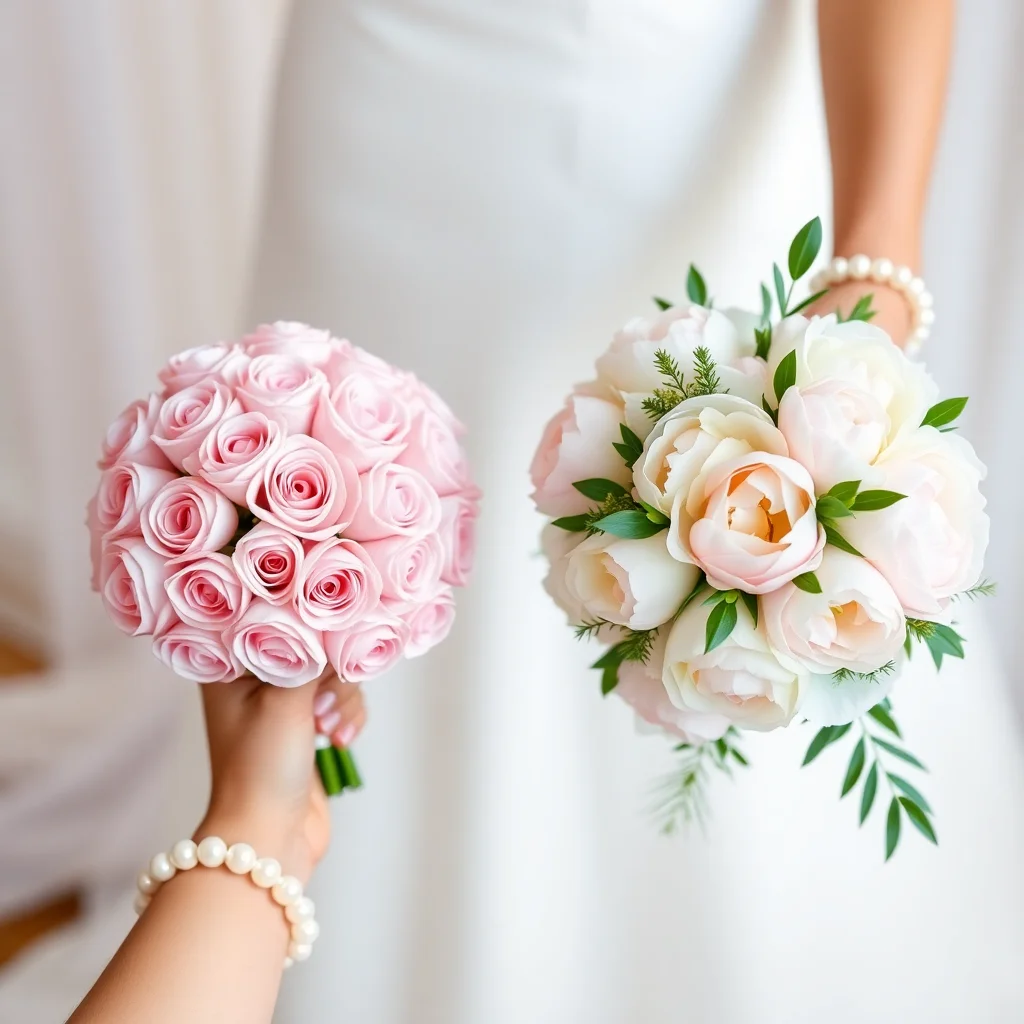
Part 4 – Budget Breakdown: Premium Price vs Affordable Elegance
When planning your floral arrangements, understanding the cost implications of different flowers is key to staying within budget while achieving a stunning display. Peonies, with their lush blooms and luxurious appeal, often come with a premium price tag. This is due to their limited seasonal availability and the additional shipping costs associated with sourcing them out of season. Their exclusivity makes them a coveted choice for events like weddings, but it also means they are less budget-friendly compared to other options.
On the other hand, garden roses offer a more affordable yet equally beautiful alternative. These timeless blooms are cultivated year-round, making them widely available and more economical. Their versatility and classic elegance make garden roses a staple in floral design, allowing you to add sophistication to your arrangements without significantly inflating your budget.
For events where peonies are a must-have, consider ordering them in bundles to reduce the overall cost. Purchasing in bulk not only lowers the price per stem but also ensures you have enough blooms to create a cohesive look across all your arrangements. Pairing peonies with garden roses is a cost-effective strategy to balance the budget while maintaining the aesthetic appeal of your designs. By blending the splendor of seasonal peonies with the timeless charm of garden roses, you achieve the perfect harmony between premium luxury and affordable elegance.
Careful planning and a strategic approach to flower selection can help you make the most of your budget without compromising on the beauty of your event’s floral arrangements.
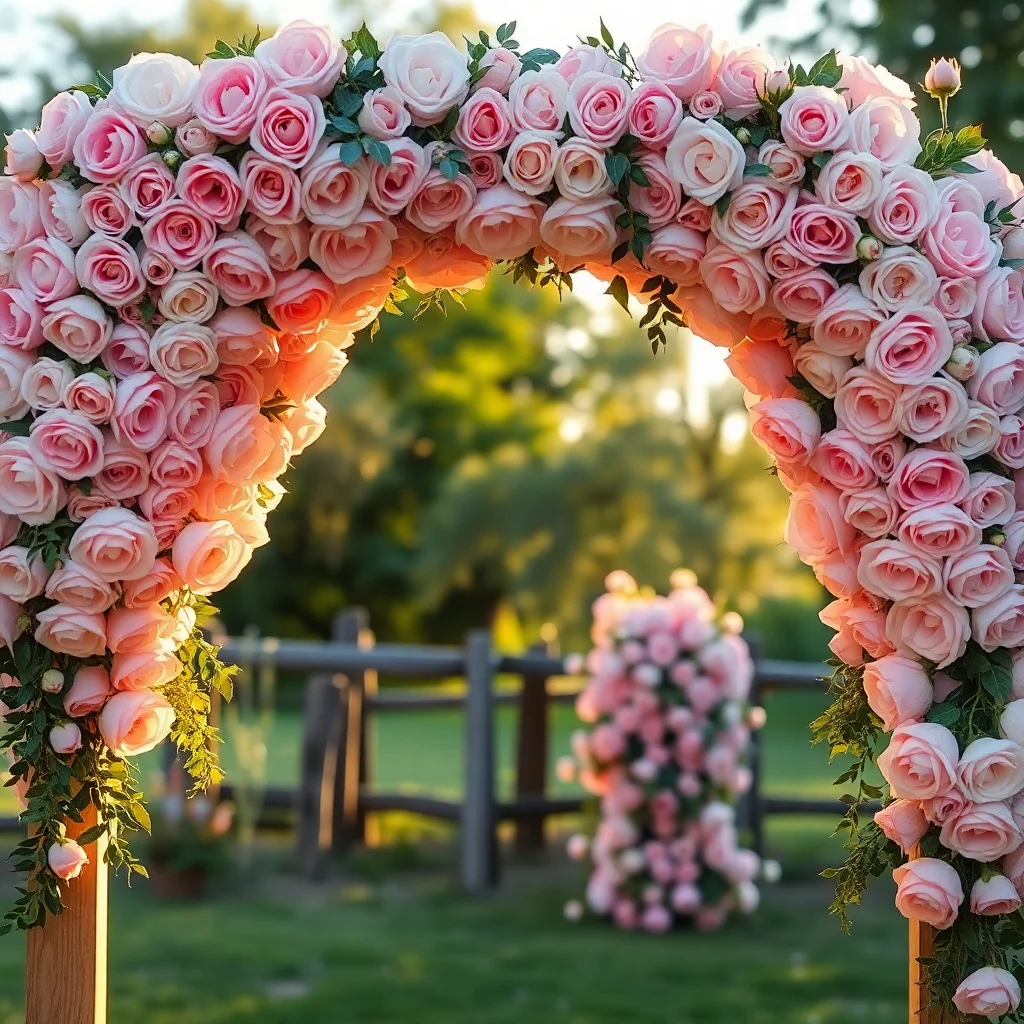
Part 5 – Symbolism & Meaning: Peony Passion vs Rose Romance
Flowers are often chosen not just for their beauty but also for the profound symbolism they carry, and peonies and roses are no exception. Steeped in cultural significance, these beloved blooms each bring unique meaning to floral arrangements, making them perfect complements in designs that tell a story.
Peonies, often associated with prosperity, good fortune, and honor, have rich symbolism deeply rooted in various traditions, especially in Chinese culture. Revered as a symbol of a happy marriage, peonies are a popular choice for weddings, evoking blessings of a harmonious union and a prosperous future. This association with joy and abundance extends to their visual opulence, as their lush, full blooms seem to overflow with life and vitality.
Roses, on the other hand, have long embodied eternal love, devotion, and timeless romance. Their presence in art, literature, and history cements them as a universal symbol of passion and commitment. Within floral arrangements, the sight of roses immediately conjures feelings of heartfelt emotion, making them a staple for celebrations of love, particularly anniversaries and weddings.
The emotional resonance of peonies and roses is further deepened by the meanings attached to their colors. White peonies signify purity and honor, often chosen for formal and graceful designs, while white roses are emblematic of innocence and new beginnings, frequently used in weddings. Blush and soft pink tones evoke a sense of youthful grace and admiration, qualities that flatter designs focused on subtle elegance. Pink peonies and roses together create a tone of gentle romanticism, perfect for intimate ceremonies.
For deeper passion and intensity, red and burgundy shades step into the spotlight. Red peonies, though rare, echo the bold statement made by red roses, symbolizing deep love and respect. Burgundy peonies and roses bring a touch of dramatic sophistication, offering an air of luxury and mystery to any arrangement.
By weaving together the symbolism of peonies and roses, florists can craft arrangements that not only captivate with their beauty but also communicate a profound narrative. Whether the intention is to celebrate love, honor traditions, or wish for prosperity, these blooms inherently carry an abundance of meaning that elevates every design.
Part 6 – Styling Showdown: How They Work in Bouquets
When it comes to choosing between peonies and garden roses for wedding bouquets, each flower brings its own unique personality and charm to the table. From bold, rustic weddings to elegant, romantic ceremonies, these blooms can be styled to complement a variety of themes.
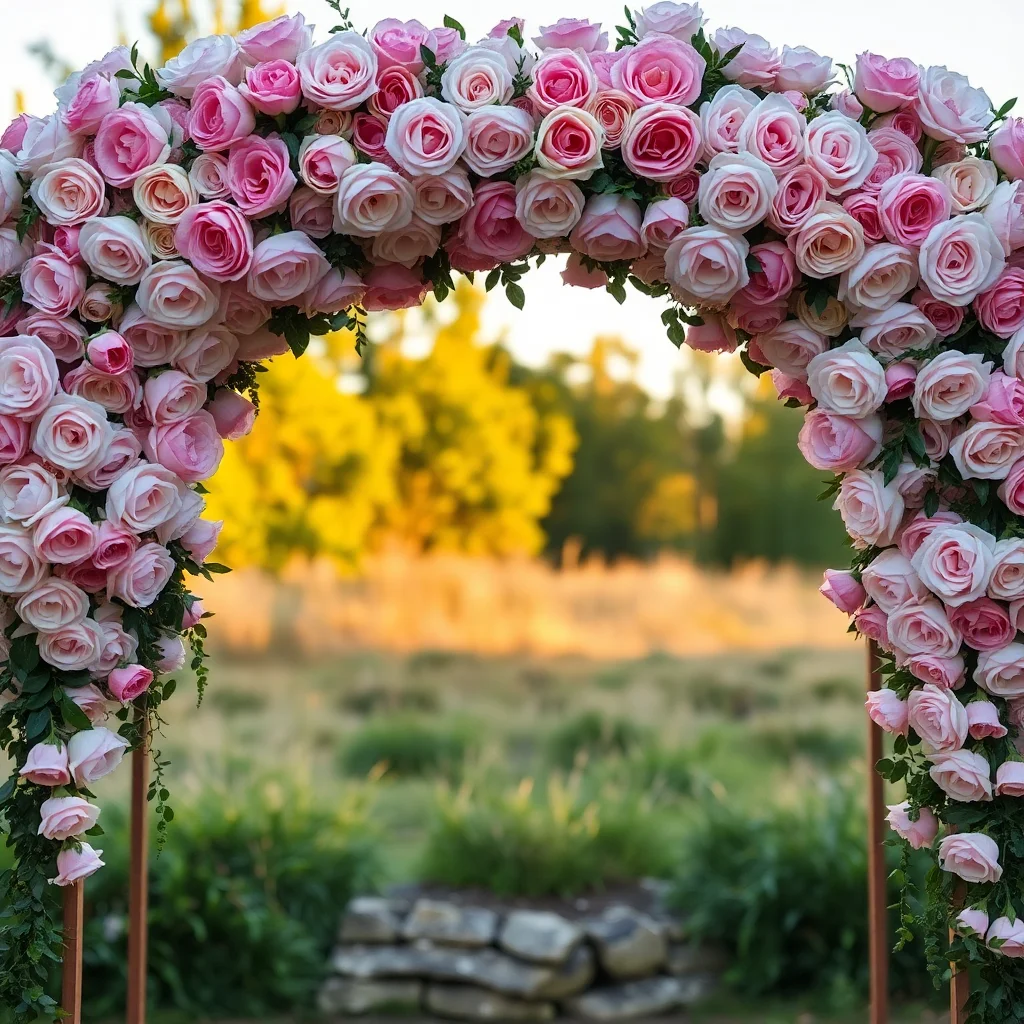
For bold, rustic, and vintage weddings, peonies are a perfect match. Their lush, voluminous petals and striking presence make a statement, creating a stunning focal point. Peonies work wonderfully in bouquets with a natural, wild aesthetic. Pairing peonies with soft greenery, such as eucalyptus or ruscus, enhances their rustic appeal while adding texture and balance to the arrangement. For a touch of vintage romance, incorporate accents like baby’s breath or sprigs of lavender to soften the boldness of the blooms. Opt for muted, pastel-toned peonies such as blush, cream, or soft coral to evoke a timeless charm, or go bold with deep burgundy varieties for a dramatic flair.
On the other hand, garden roses are the embodiment of classic elegance and romance. With their intricate petal structure and delicate fragrance, garden roses pair beautifully with traditional or formal wedding themes. For a timeless, sophisticated look, complement garden roses with fine, wispy greenery like Italian ruscus or willow eucalyptus. Adding clusters of baby’s breath can further emphasize the romance of the bouquet while maintaining an airy, light feel. Colors like ivory, soft pink, or champagne work perfectly for creating a refined palette, while richer tones like peach or mauve add warmth and depth.
Styling these blooms thoughtfully ensures they shine in their unique ways. When designing a bouquet, consider the wedding venue, color scheme, and overall theme to guide your choices. Regardless of whether it’s the rustic charm of peonies or the classic allure of garden roses, both flowers can be paired with complementary greenery and subtle accents to create breathtaking arrangements that tell a story of love and beauty.
Part 7 – The Verdict: Which One Should You Choose?
When it comes to the ultimate decision between peonies and garden roses, the answer lies in your personal preferences, the date of your event, and your budget. To help you decide, here’s a fun “this or that” quiz to guide your choice:
- Do you dream of lush, oversized blooms with a soft, romantic touch?
- Yes? Go for peonies!
- No? Garden roses might be your match!
- Is your event scheduled in late spring or early summer?
- Yes? Perfect timing for peonies in full bloom.
- No? Garden roses are available year-round!
- Do you want your bouquet to have a more structured, classic look?
- Yes? Choose garden roses with their shapely, elegant petals.
- No? Peonies’ relaxed, ruffled charm might be your style.
- Are you working with a more flexible budget for your wedding flowers?
- Yes? Treat yourself to luxurious peonies.
- No? The timeless grace of garden roses is a beautiful and budget-friendly option.
Here’s the secret, though—why not have both? Combining the soft, billowy texture of peonies with the refined structure of garden roses can create a bouquet that embodies the best of both worlds. The interplay of their complementary shapes and hues results in arrangements that feel lush and balanced, making them a favorite choice for weddings and other special events.
Still can’t decide? Take the next step and explore your options!

Bonus Section: What Designers Say
When it comes to peonies versus garden roses, many floral designers have their own take on the debate. Renowned floral stylist Emily Harper notes, “Peonies bring an undeniable sense of drama to any arrangement, especially during wedding season. Their romantic, ruffled layers are unmatched.” On the other hand, Carlos Vega, an expert with Whole Blossoms, shares, “Garden roses are incredibly versatile. They work perfectly for both rustic and formal themes, making them a top pick for many of my clients.”
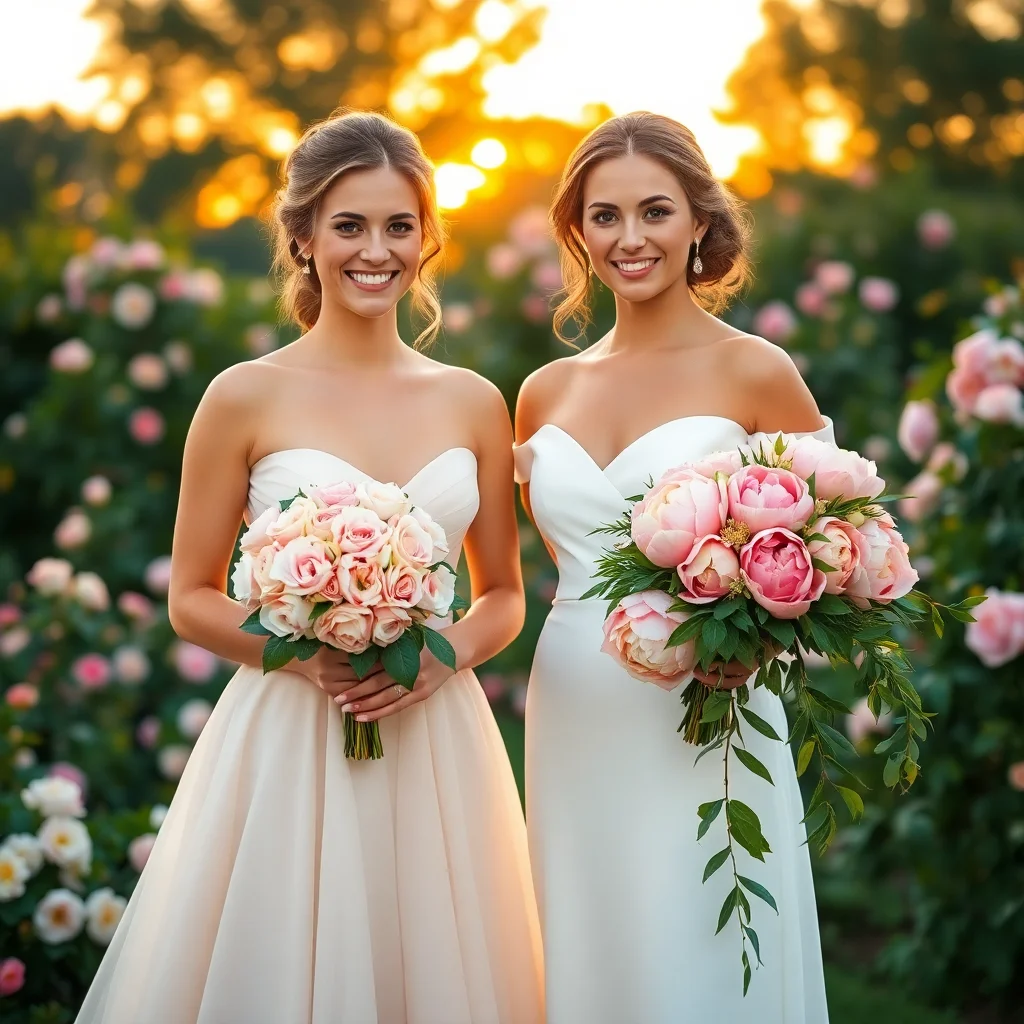
Customers often echo these sentiments as well. While peonies are celebrated for their large, bold blooms, garden roses are admired for their vast variety of colors and faint, pleasant fragrance. Both carry a timeless charm, but the choice ultimately depends on the desired aesthetic and seasonality.
Comparison Chart
| Feature | Peonies | Garden Roses |
| Peak Season | Late spring to early summer | Year-round availability |
| Fragrance | Mild to no fragrance | Sweet and pronounced fragrance |
| Appearance | Large, lush, and dramatic blooms | Classic rose shape with layered petals |
| Longevity | Short lifespan once cut | Longer-lasting when properly cared for |
| Cost | Higher price, especially out of season | More affordable, widely accessible |
With insights from experts and the pros and cons laid out, you can confidently choose the blooms that will bring your vision to life. What will your choice be?