


 by
by 

Create Stunning, Affordable, and Timeless Wedding Bouquets with Fresh Roses
When it comes to weddings, flowers play a central role in setting the tone and creating a memorable experience. Among the floral options, roses reign supreme as timeless symbols of love and beauty. Recently, DIY rose bouquets have become a popular trend for couples seeking elegance while staying budget-conscious. By crafting your own bouquets, you can infuse your special day with a personal touch and enjoy the satisfaction of creating something truly unique.
One of the primary reasons DIY rose bouquets are gaining popularity is their affordability. Professional floral arrangements can be costly, but sourcing your own fresh roses and assembling your bouquets allows you to achieve a luxurious look without breaking the bank. Additionally, the process of designing and arranging your own bouquet adds a heartfelt element to your wedding, making the experience more meaningful and intimate. With the wide variety of rose types and colors available, the creative possibilities are endless, allowing you to tailor your arrangements to match your wedding theme perfectly.
This guide is designed to walk you step-by-step through the process of creating stunning DIY rose bouquets for your wedding. We’ll start by exploring the different types of roses and which ones work best for various styles of bouquets. Then, we’ll provide styling tips to ensure your arrangements look professional and cohesive. You’ll also find a detailed, practical step-by-step process to help you assemble your bouquets with ease, along with expert tips on keeping your roses fresh and vibrant. Whether you’re a craft enthusiast or a complete beginner, this guide will equip you with everything you need to design breathtaking rose bouquets for your big day. Get ready to create affordable, stunning, and timeless floral masterpieces to cherish forever!
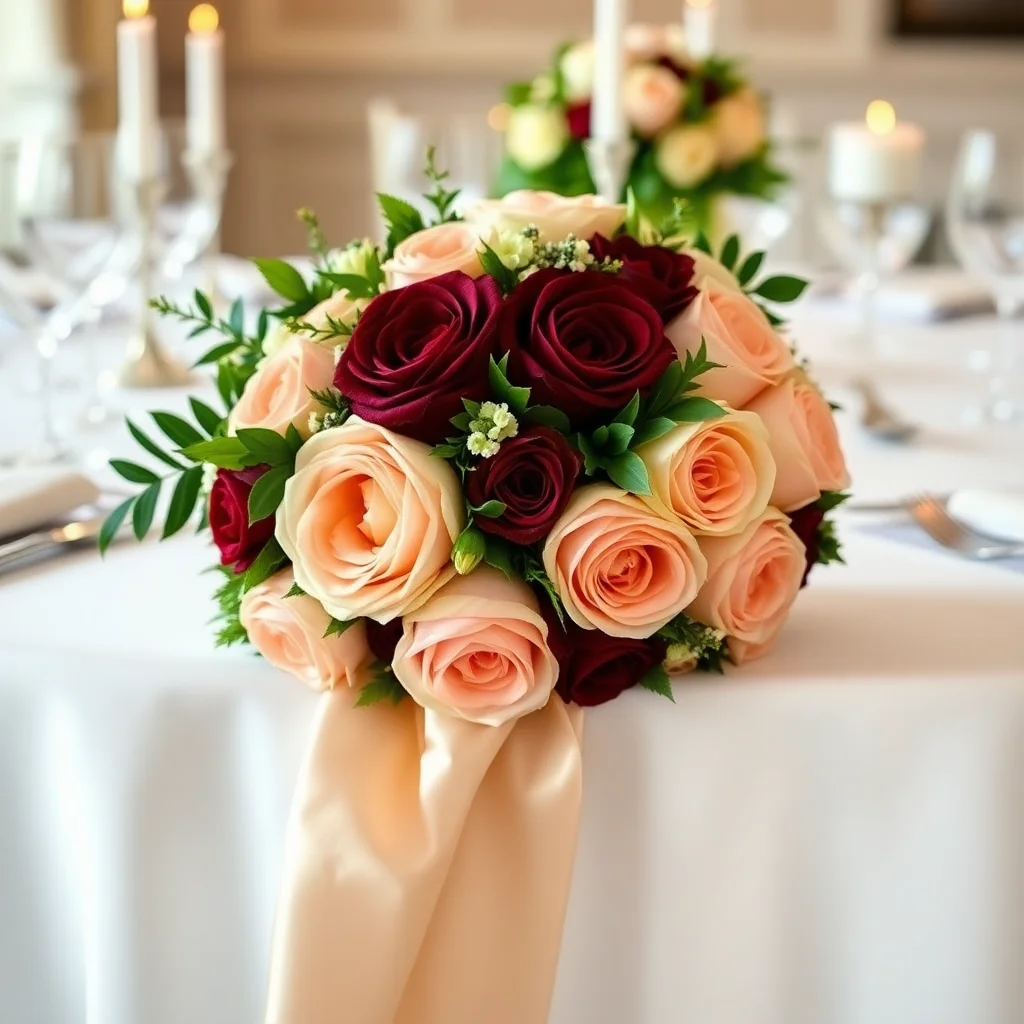
Part 1 – Why Roses Are the Ultimate Wedding Flower
When it comes to selecting flowers for your wedding, roses stand out as an iconic and timeless choice. Known as the “queen of flowers,” roses have been cherished for centuries due to their beauty, versatility, and deep symbolism. They embody a range of emotions, making them particularly meaningful for a celebration as special as a wedding.
The Symbolism of Roses in Weddings
Roses carry powerful symbolic meanings, which make them an ideal flower for weddings. They are most commonly associated with love, passion, and purity—qualities that beautifully align with the sentiment of a marriage ceremony. Red roses, for example, are a classic representation of passionate love, while white roses signify innocence and new beginnings. Pink roses offer a sense of admiration and gratitude, and yellow roses evoke joy and friendship. When woven into a wedding bouquet or decor, roses convey heartfelt messages, adding depth and significance to the celebration.
Benefits of Using Roses
Beyond their meaningful symbolism, roses come with practical benefits that make them ideal for weddings. One of their greatest advantages is their year-round availability. Unlike some seasonal flowers that may be challenging to source during certain times of the year, roses are cultivated globally and can be easily acquired in any season.
Additionally, roses come in a stunning variety of colors and shades, allowing couples to find the perfect match for their desired wedding palette. From soft pastels to vibrant and bold tones, roses can complement nearly any theme or aesthetic. Their durability is another standout feature. Roses have a long vase life, ensuring they stay fresh and beautiful throughout your wedding ceremony and reception.
Choosing Roses Based on Wedding Themes
Roses can adapt seamlessly to various wedding styles and themes, adding charm and sophistication to every setting. For a classic fairytale wedding, opt for elegant white or ivory roses paired with lush greenery for a timeless look. If you’re leaning toward a boho-inspired celebration, consider garden roses in peach, blush, or earthy tones, arranged in loose, organic bouquets that mirror the free-spirited vibe. For a romantic theme, richly hued reds and soft pinks create a dreamy and intimate ambiance.
Modern weddings, on the other hand, might benefit from minimalist arrangements featuring monochromatic roses or unconventional pairings of muted, dusty tones. No matter your wedding vision, roses’ incredible versatility makes them easy to personalize, ensuring your floral arrangements reflect your unique style while elevating the atmosphere of your big day.
By choosing roses for your wedding, you are not only showcasing their beauty but also celebrating the deep traditions and symbolic richness that make this flower a truly remarkable choice.
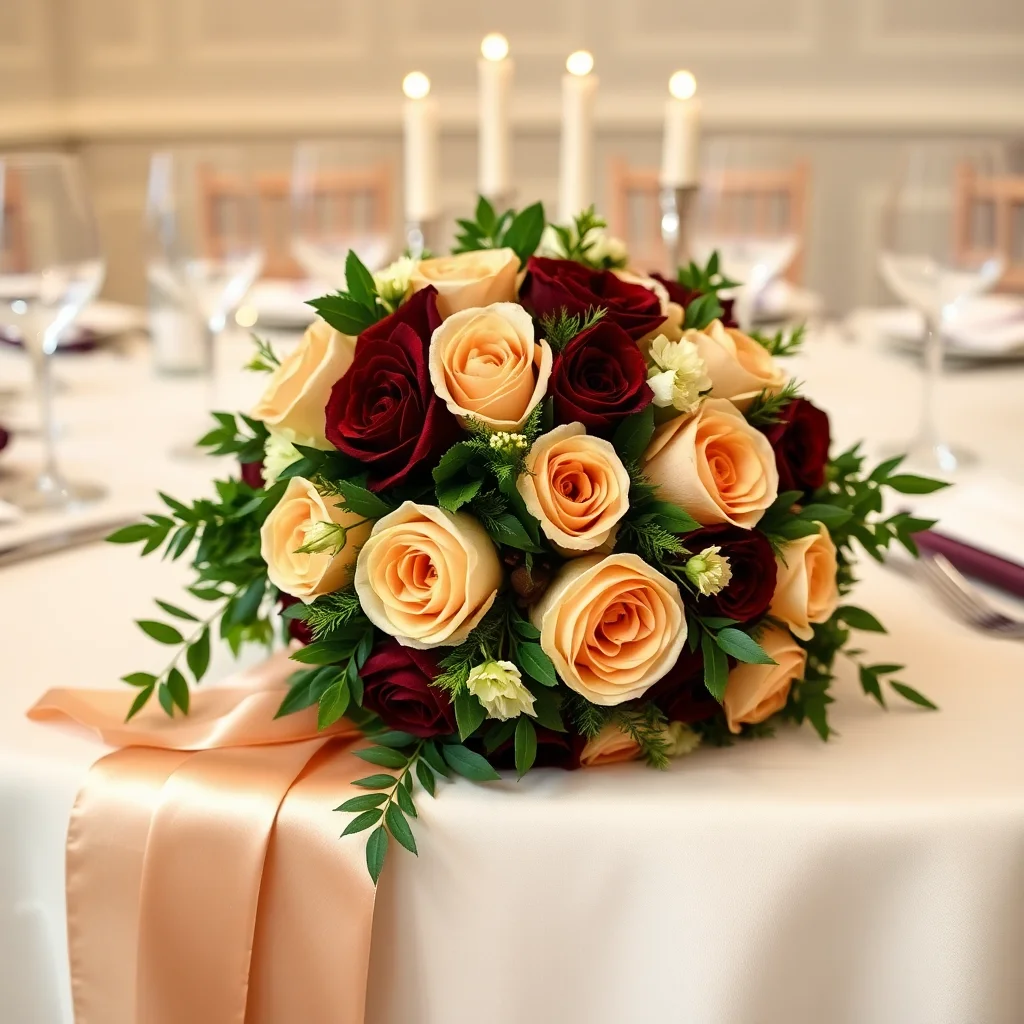
Part 2 – How to Choose the Right Roses for Your Bouquet
Selecting the perfect roses for your wedding bouquet is an important step in achieving the look and feel you envision for your special day. With so many options available, understanding the characteristics of different rose types can guide you in creating a stunning and personalized floral arrangement.
Standard Roses
Standard roses are a timeless choice and are valued for their classic appearance, long-lasting blooms, and wide array of color options. Their uniform shape and durability make them ideal for both traditional and modern bouquets. Whether you’re going for a simple, elegant arrangement or pairing them with other flowers for a more elaborate design, standard roses remain a reliable and iconic option for weddings.
Spray Roses
Spray roses offer a charming and delicate touch to bouquets. Unlike standard roses, spray roses feature multiple smaller blooms on a single stem, making them excellent for adding texture and visual interest. Their petite size works well as a complement to larger flowers or even as the focal point in more whimsical arrangements. Spray roses can beautifully soften the overall look of your bouquet while providing a sense of depth and dimension.
Garden Roses
Garden roses are known for their lush, ruffled petals and are often chosen as a luxurious alternative to peonies. These roses have an opulent appearance that exudes romance and elegance, making them particularly popular for vintage-themed or classic weddings. Garden roses are typically larger than other varieties, which means they make a bold statement and can easily add a touch of grandeur to any bouquet.
Novelty & Tinted Roses
If you’re looking for a modern or unconventional element, novelty and tinted roses are an excellent way to stand out. These roses are often dyed or treated to achieve unique colors, such as metallic hues, ombré tones, or antique effects that aren’t found naturally. Novelty roses are a great choice for couples who want a creative, contemporary aesthetic that breaks away from tradition.
Best Rose Varieties for DIY Bouquets
If you’re planning to craft your own wedding bouquet, choosing rose varieties that are versatile and beginner-friendly is key. Classic options like the Playa Blanca and Vendela roses are perfect for creating a timeless, neutral look, while Quicksand roses with their dusty beige tones add a sophisticated, modern vibe. For those seeking a touch of luxury, the Juliet Garden Rose offers soft, peach tones and an abundance of petals. Additionally, the Freedom Red rose is an exceptional choice for couples seeking classic boldness with its vibrant red hue. These varieties are not only easy to work with but also elevate any arrangement with their distinctive beauty.
By familiarizing yourself with the diverse types of roses and their characteristics, you’ll be better equipped to choose the perfect combination for your bouquet. From the timeless appeal of standard roses to the unique elegance of novelty varieties, there’s no limit to the creative possibilities for crafting a bouquet that truly reflects your style and complements the ambiance of your wedding day.
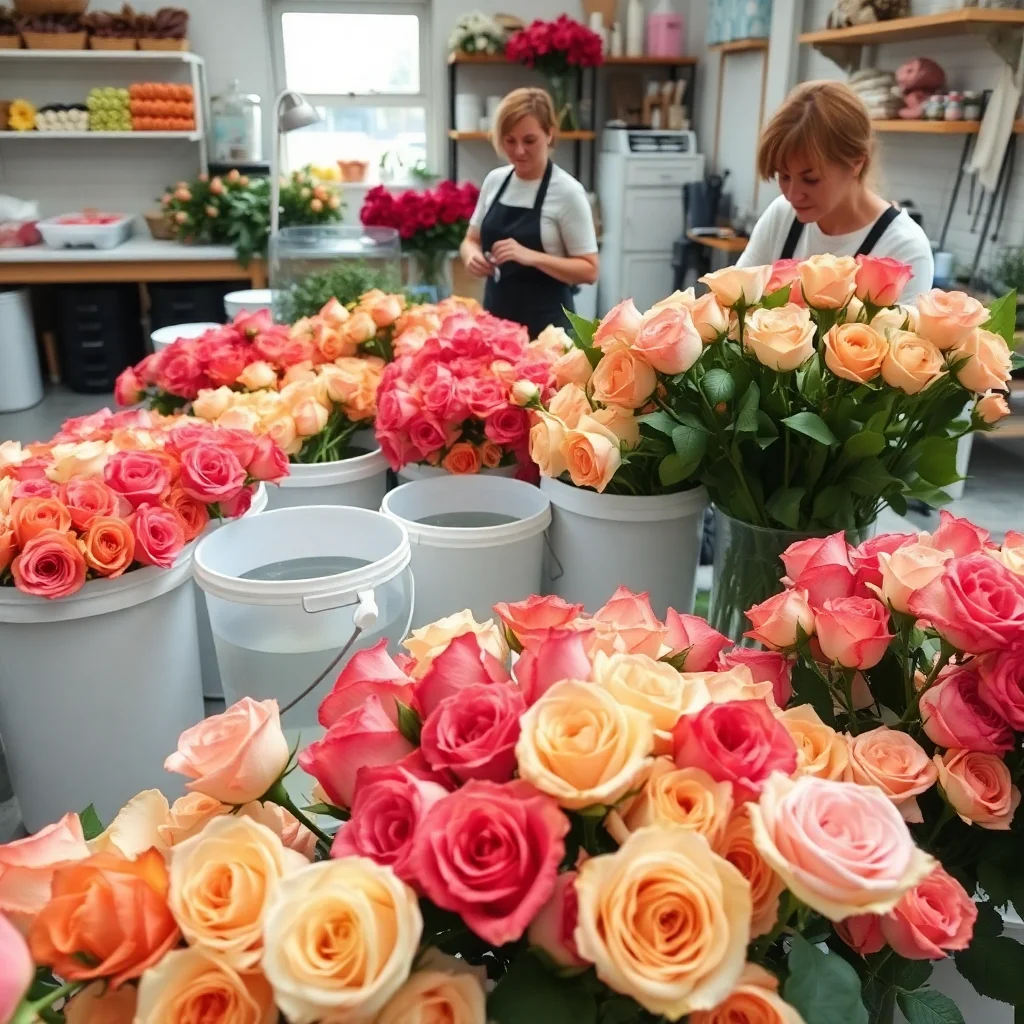
Part 3 – Popular DIY Rose Bouquet Styles & How to Make Them
Creating your own rose bouquet allows you to add a personal touch to your special day. Whether you’re aiming for timeless elegance or a bold statement, there’s a style for every bride. Below are some popular DIY rose bouquet styles and tips on how to craft them.
Classic White Rose Bouquet
For a minimalist yet elegant look, the classic white rose bouquet is a favorite. To create this, use fresh white roses arranged with lush greenery like eucalyptus and ruscus. Start by trimming the stems to your desired length and remove excess leaves. Bundle the roses tightly for a neat, uniform appearance, interspersing sprigs of eucalyptus for a soft, flowing effect. Secure the stems with floral tape, and wrap the handle with white satin ribbon for an effortlessly chic finish – perfect for a modern bride with a taste for simplicity.
Romantic Blush & Pink Rose Bouquet
Soft and dreamy, the blush and pink rose bouquet embodies romance. Combine Mondial, Secret Garden, and Mother of Pearl roses to achieve a stunning gradient of pale and warm pinks. Layer the roses, beginning with the lighter shades in the center and working outward with deeper hues. For extra texture, incorporate delicate filler flowers like astilbe or waxflower. Bind the bouquet tightly with floral tape and emphasize its romance with a silk or lace ribbon tied in a delicate bow.
Bold & Passionate Red Rose Bouquet
Nothing expresses love and passion quite like a bouquet of red roses. For this striking style, mix Red Explorer, Black Pearl, and Deep Red Heart roses. Arrange the darker, more dramatic blooms at the center and surround them with brighter shades for a dimensional look. Accentuate with bold greenery such as Italian ruscus or ivy. Once arranged, secure the bouquet with a deep red velvet ribbon to emphasize its rich, romantic theme.
Two-Tone Rose Bouquet
A two-tone arrangement offers a bold yet sophisticated contrast. Combine white roses with deep red varieties for an eye-catching bouquet. Start by pairing alternating white and red roses to create a balanced, symmetrical design. Keep the greenery minimal to highlight the color contrast, using silver dollar eucalyptus or dusty miller for subtle accents. Complete the bouquet with a black or silver ribbon to underscore the dramatic effect.
Vintage-Inspired Rose Bouquet
For brides drawn to timeless, vintage aesthetics, a bouquet featuring muted tones is ideal. Use roses in colors like champagne, dusty lavender, and mauve. Pair the roses with soft-hued foliage such as dusty miller or seeded eucalyptus, and consider adding dried elements like bunny tails or pampas grass for a rustic, nostalgic vibe. Tie the stems with a gauzy ribbon in complementary pastel shades for a whimsical but sophisticated touch that speaks to a love of old-world charm.
100-Rose Statement Bouquet
For drama and extravagance, a 100-rose bouquet is the epitome of luxury. Select a single color for a monochromatic masterpiece, or combine different shades for a blended palette. Due to its size, this bouquet requires careful layering to create a rounded, cohesive shape. Begin at the center, spiraling the roses outward in layers. Secure the stems with heavy-duty floral tape, and finish with a wide satin ribbon for a polished, regal look. This bouquet is perfect for making a bold statement as you walk down the aisle.
Ribbon-Wrapped Rose Bouquet
To add a touch of sophistication to any DIY bouquet, incorporate a ribbon-wrapped handle. Whether you’re crafting a bouquet of classic white roses or a mix of bold colors, a velvet, satin, or lace ribbon can elevate the design. Simply wrap the stems securely with floral tape, then cover the handle with your chosen ribbon, ensuring it’s evenly wrapped and tightly secured. Leave a portion of the ribbon flowing for added elegance, or create a bow for a sweet, romantic finish.
Final Tips for DIY Rose Bouquets
- Always start with fresh, high-quality blooms for the best results. Condition the roses by trimming stems at an angle and hydrating them in clean water for several hours before arranging.
- Keep your bouquet in proportion to your frame and gown style. Smaller bouquets work well with simpler dresses, while dramatic gowns pair beautifully with oversized arrangements.
- Test your bouquet assembly before the wedding day to perfect the arrangement and avoid last-minute stress.
By exploring these stunning styles, you can craft a rose bouquet that perfectly complements your wedding theme while showcasing your creativity and personal touch. Whether you prefer soft, romantic hues or vibrant, dramatic tones, your DIY bouquet will be a memorable element of your big day.
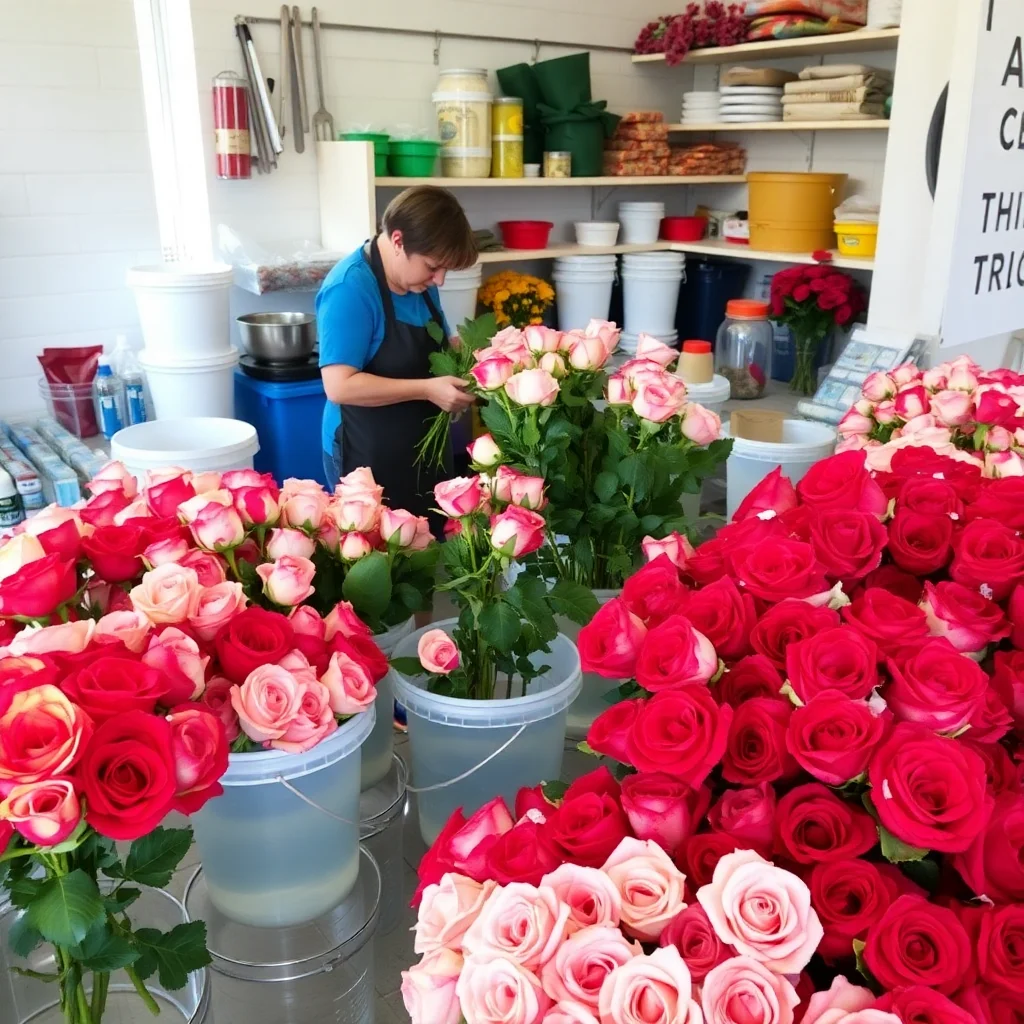
Part 4 – Step-by-Step Guide: How to Make a DIY Rose Bouquet
Creating your own rose bouquet can be a rewarding and creative experience. Follow these step-by-step instructions to craft a stunning bouquet that fits your wedding style and personality.
Step 1: Gather Supplies
Before you begin, make sure you have all the essential supplies on hand. Here’s what you’ll need:
- Fresh roses – Purchase in bulk to save money while ensuring a consistent color palette.
- Greenery – Choose popular options like eucalyptus, ruscus, or ferns to add texture and dimension.
- Tools and materials – Gather your pruning shears, floral tape, floral wire, ribbon (in your desired width and color), and any optional decorative accents like pearl pins or charms.
Having everything ready before you start allows for a smooth process and ensures you won’t have to stop mid-way to search for supplies.
Step 2: Prep Your Roses
Proper preparation is key to long-lasting and beautiful arrangements. Follow these tips to prep your roses:
- Hydrate the roses – After purchasing your roses, cut the stems at a 45-degree angle about an inch from the bottom and place them in clean, room-temperature water for several hours or overnight. This helps them stay fresh and hydrated.
- Remove thorns and extra leaves – Using pruning shears or your fingers, gently remove any thorns and foliage from the bottom half of each stem. This ensures cleaner handling and prevents leaves from being submerged when arranging your bouquet.
Spend time on this step to create an ideal base for your arrangement.
Step 3: Arranging the Bouquet
The artistry happens in this step, where you arrange the roses and create a balanced and visually appealing design.
- Use the spiral technique – Begin with one central rose, holding it firmly in your hand. Add each subsequent stem at an angle around the central rose, forming a spiral structure. This ensures your bouquet stays evenly distributed.
- Add filler flowers – Incorporate smaller filler flowers such as baby’s breath, carnations, or wax flowers to create texture and make the arrangement more dynamic.
- Layer greenery – Tuck sprigs of greenery around the base and edges of your bouquet to add depth and a lush, natural look. Ensure the greenery balances well with the roses and doesn’t overpower them.
Take time to step back and assess your bouquet as you arrange, adjusting as needed to achieve harmony and flow.
Step 4: Securing & Wrapping the Bouquet
Your arrangement comes together beautifully here as you secure and wrap your bouquet for the finishing touch.
- Tie the bouquet – Secure the stems tightly by wrapping floral tape around them just below the rose blooms. For added stability, you can use floral wire as reinforcement.
- Wrap with ribbon – Choose a ribbon that complements your wedding theme and wrap it neatly around the stems to conceal the floral tape. You can secure the ribbon by tying a bow at the bottom or pinning it in place using pearl pins.
- Adjust for comfort and style – Trim the stems evenly so they’re comfortable to hold, paying attention to the overall proportions of your bouquet.
Finally, store your completed bouquet in a cool, dark place if not used immediately to maintain freshness until the big moment.
By following these steps, you’ll have a beautiful, handcrafted bouquet that radiates your creativity and personal touch. With some practice and patience, this DIY project can become a cherished memory from your wedding day, capturing both elegance and individuality.
Part 5 – How Many Roses Do You Need for a Bouquet?
Choosing the right number of roses for your bouquet depends on the size and impact you want to achieve. Here’s a helpful breakdown to guide your decisions:
Small Bouquets (10-15 Roses)
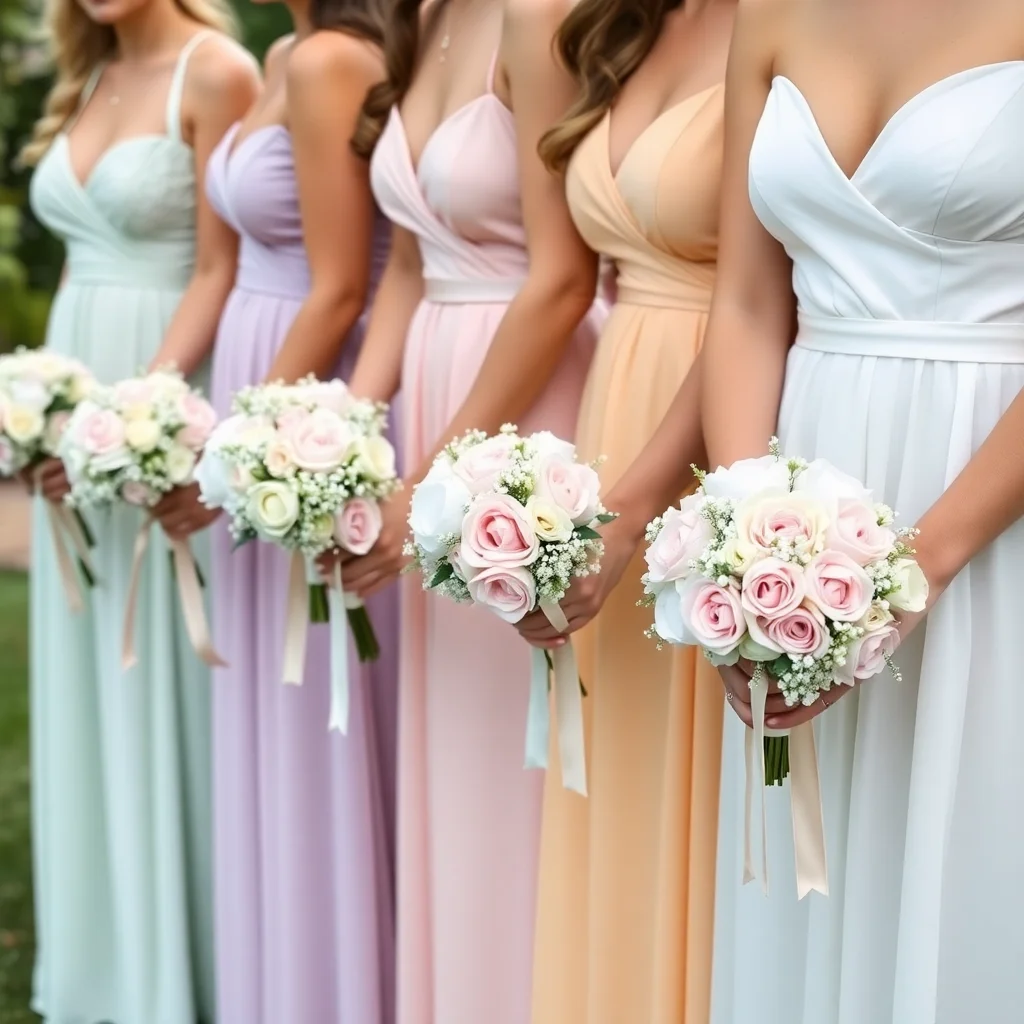
Small bouquets are ideal for bridesmaids or for those who prefer a minimalist and delicate aesthetic. With fewer roses, these bouquets are lightweight, easy to hold, and perfect for complementing the bridal party’s attire without overshadowing the bride’s bouquet. Consider mixing the roses with greenery or filler flowers like baby’s breath to add texture without increasing the size dramatically.
Medium Bouquets (20-30 Roses)
A medium-sized bouquet strikes the right balance between simplicity and elegance. This size is often chosen by brides who want a visually appealing arrangement that isn’t overwhelming. With 20 to 30 roses, you can create a classic and cohesive look that works well for most wedding themes. Add accents like ribbon wraps or soft blooms like peonies for a romantic touch.
Large Bouquets (50+ Roses)
Large bouquets are perfect for those looking to make a bold statement. These arrangements, containing 50 or more roses, are designed to be dramatic and eye-catching, making them suitable for brides who adore opulence and want their bouquet to be a focal point. While stunning, it’s important to note that larger bouquets can be heavier and require careful handling, so keep comfort in mind.
By considering the purpose and aesthetic you wish to achieve, you can determine the number of roses that will best suit your bouquet, ensuring it aligns perfectly with your vision for your special day.
Part 6 – DIY Bridesmaids’ Rose Bouquets
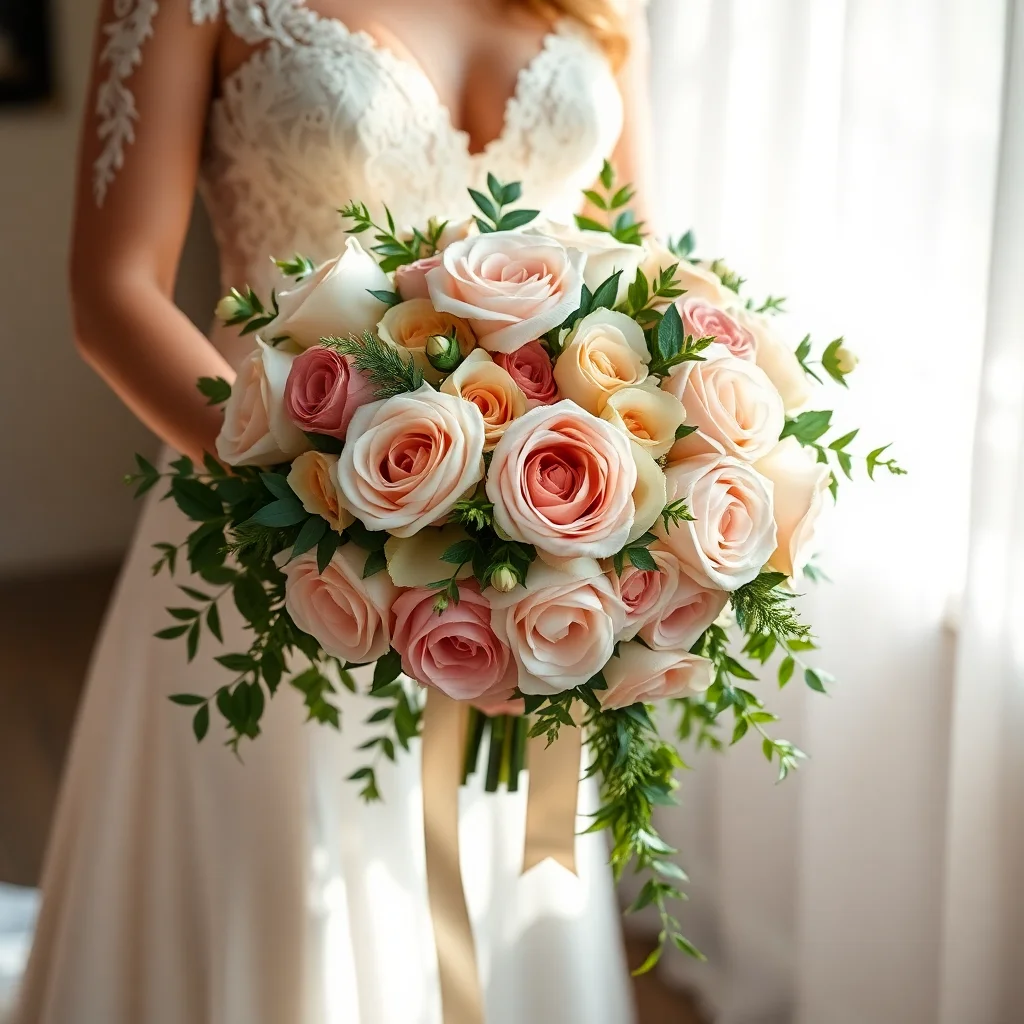
Creating your own bridesmaids’ rose bouquets can be a rewarding and budget-friendly way to add a personal touch to your wedding. These smaller bouquets are often inspired by the bride’s arrangement, complementing but not overshadowing the main bouquet. By crafting these yourself, you can tailor them to perfectly suit your wedding’s theme and aesthetic, ensuring a cohesive and harmonious look.
One popular option is to create mini versions of the bride’s bouquet. This involves selecting the same type and color of roses used in the bride’s arrangement but using fewer blooms to produce a scaled-down version that’s easier for bridesmaids to carry. Including similar accents like baby’s breath, eucalyptus, or ribbons that match those in the bride’s bouquet ensures continuity and elegance. These miniature bouquets not only look cohesive but also serve as a fitting homage to the primary floral design of the day.
Alternatively, monochrome bridesmaid bouquets are an effortlessly chic choice. By selecting roses of a single color, such as soft blush, ivory, or vibrant coral, these arrangements add a touch of sophistication and simplicity. A single-color palette can stand out beautifully against bridesmaid dresses, particularly if they’re in a contrasting or neutral shade. You can also experiment with variations in textures and greenery to add depth and interest, ensuring that even a monochrome arrangement feels dynamic and fresh.
For a more natural and rustic vibe, consider greenery-heavy bouquets. These arrangements prominently feature eucalyptus, ferns, olive branches, or other lush green elements alongside a handful of roses for just the right pop of color. Greenery-heavy bouquets evoke an organic and effortless beauty, making them ideal for boho, garden, or outdoor weddings. The abundance of greenery not only reduces costs but also creates a modern and understated aesthetic that works well with a variety of dress styles and color schemes.
When crafting DIY bridesmaids’ bouquets, it’s important to assemble them in advance but not too far ahead, as roses and greenery stay freshest when arranged close to the wedding day. Make sure to invest in high-quality florist tape, sturdy floral shears, and decorative ribbon or twine to secure the arrangements. Armed with creativity and a clear vision, you can design beautiful bridesmaids’ rose bouquets that both complement your bridal design and enrich your special day’s floral story.
Part 7 – Roses for Boutonnieres & Corsages
Roses are an elegant choice for boutonnieres and corsages, adding a timeless touch to formal attire. Crafting these petite floral accents requires careful attention to detail to ensure they are both stylish and durable throughout the event.
How to Make a Rose Boutonniere (Single Stem + Greenery)
To create a rose boutonniere, start with a single rose as your focal point. Select a freshly bloomed rose, ensuring it’s free of blemishes or bruises. Trim the stem to about 3-4 inches, and then remove any thorns or unwanted leaves. Pair the rose with complementary greenery, such as seeded eucalyptus or a sprig of fern, to add depth and texture. Use high-quality florist tape to secure the rose and greenery together, wrapping tightly from the base of the bloom down to the stem. For added elegance, wrap a thin satin ribbon or decorative twine around the base, covering the tape and securing it with a small dab of hot glue. Attach a pin to the back of the boutonniere for easy placement on a lapel.
Wrist Corsages vs. Pin-On Corsages
Corsages can be worn in two main styles: wrist corsages or pin-on corsages. Wrist corsages are typically made using a sturdy elastic or ribbon wristband, which holds the floral arrangement securely. Spray roses, known for their smaller blooms, are an excellent choice for these dainty arrangements. Combine them with miniature ribbons or pearls for a sophisticated and comfortable wearable design.
Pin-on corsages, on the other hand, are designed to be affixed to clothing, usually on the chest or shoulder area. These use lightweight flowers like spray roses, baby’s breath, or greenery to ensure they do not weigh down the fabric. Similar to boutonnieres, decorative ribbons or small accents can be added to enhance elegance.
Matching Boutonnieres to the Bride’s Bouquet
For a cohesive bridal look, consider matching the groom’s boutonniere and the groomsmen’s boutonnieres to the bride’s bouquet. If the bride’s bouquet features blush roses and sprigs of greenery, replicate this combination on a smaller scale for the boutonniere. This ensures the floral elements across the wedding party are harmonious and create a beautifully unified presentation. By carrying through the same colors and flower types, the boutonnieres seamlessly tie into the wedding’s overall floral theme while highlighting the importance of the bride and groom as a centerpiece of the celebration.
Part 8 – Best Ribbon & Wrapping Styles for Rose Bouquets
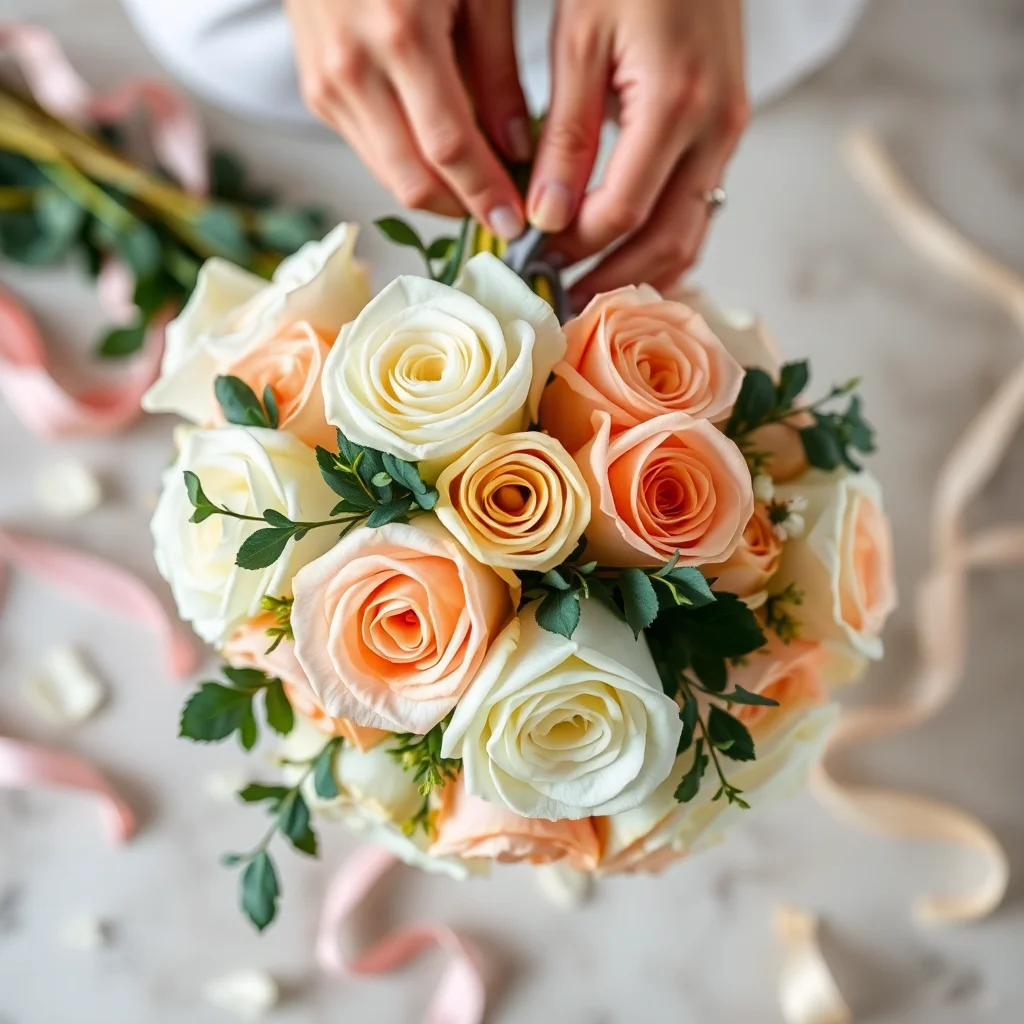
When it comes to finishing touches for rose bouquets, the choice of ribbon or wrapping can elevate the arrangement’s overall aesthetic and tie it seamlessly into the wedding’s theme. Below are some of the best ribbon and wrapping styles to consider for rose bouquets:
Satin Ribbon – Classic and Elegant
Satin ribbon remains a timeless choice for its smooth, glossy finish. It exudes sophistication and works perfectly with traditional or formal weddings. Satin is incredibly versatile, coming in a variety of colors to complement any floral palette, and its luxurious texture adds a polished finish to the bouquet.
Velvet Ribbon – Winter Wedding Luxury
For winter weddings or events with a touch of opulence, velvet ribbon is a stunning option. Its soft texture and rich, deep hues create an air of luxury that pairs beautifully with darker rose varieties or seasonal greens. Velvet ribbon is particularly striking for bouquets with burgundy, maroon, or jewel-toned roses.
Sheer Organza Ribbon – Soft and Ethereal
Sheer organza brings a delicate and ethereal feel that is ideal for whimsical or outdoor weddings. Its lightweight, semi-transparent quality allows just a hint of the bouquet stems to show while adding a touch of softness to the overall design. This ribbon style complements blush and pastel roses in particular, underscoring their light, romantic hues.
Lace Wrapping – Vintage and Romantic
Lace wrapping is perfect for brides aiming for a vintage or romantic wedding theme. The intricate patterns of lace add an antique charm, evoking timeless elegance. This style pairs wonderfully with more natural, hand-tied bouquets and roses in soft shades such as ivory, cream, or dusty pink. It’s also an excellent way to incorporate heirloom or sentimental fabric into the bridal flowers.
Selecting the right ribbon or wrapping style ensures that the bouquet feels cohesive with the wedding’s ambiance, and each option offers its own unique charm to suit different themes and seasons.
Part 9 – Buying Bulk Roses for DIY Weddings
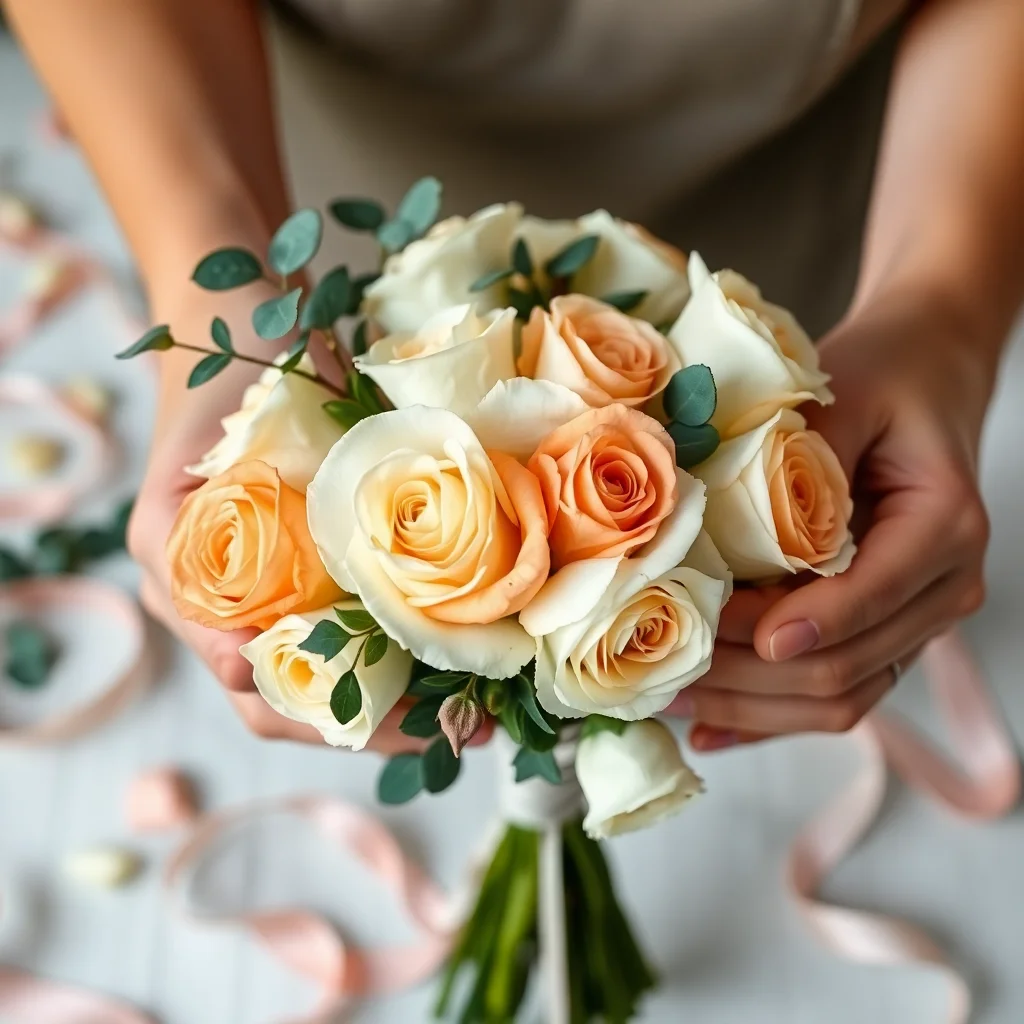
For couples planning a DIY wedding, buying fresh-cut roses in bulk can be a cost-effective and flexible option for creating stunning floral arrangements. Sourcing fresh roses from the right supplier, like Whole Blossoms, ensures both quality and variety, allowing you to customize your florals to perfectly match your wedding vision.
When purchasing bulk roses, there are a few key tips to ensure you receive the best quality. Start by ordering from trusted suppliers with positive reviews and high ratings for their products and delivery times. It’s also essential to place your order early—ideally, a few weeks or months in advance—to secure your preferred choices, especially during peak wedding seasons. Upon receiving your flowers, inspect them for freshness and quality, ensuring tightly closed buds and healthy, undamaged petals. Conditioning the roses is another crucial step; this involves trimming the stems at an angle, removing excess leaves, and placing the flowers in clean water with floral preservative to help maintain their beauty.
One of the major advantages of buying bulk roses is the significant cost savings compared to pre-arranged bouquets or floral packages. By purchasing roses and other blooms in larger quantities, you eliminate the labor costs associated with professional florists. This allows DIY brides and grooms to allocate their floral budget to other aspects of their wedding or spend more on premium-quality flowers. Bulk buying also offers the freedom to experiment with different arrangements, from bouquets to centerpieces, creating a cohesive look that reflects your personal style. It’s an especially practical choice for those seeking large-scale floral installations, such as archways or garlands, where a high volume of flowers is required.
Whether you’re planning a rustic garden celebration or an elegant indoor affair, purchasing roses in bulk provides flexibility, affordability, and creative control. With proper planning, conditioning, and execution, your DIY wedding flowers can look just as professional and polished as those from a florist, all while staying within your budget.
Part 10 – Premade Rose Bouquets: The Perfect Backup Plan
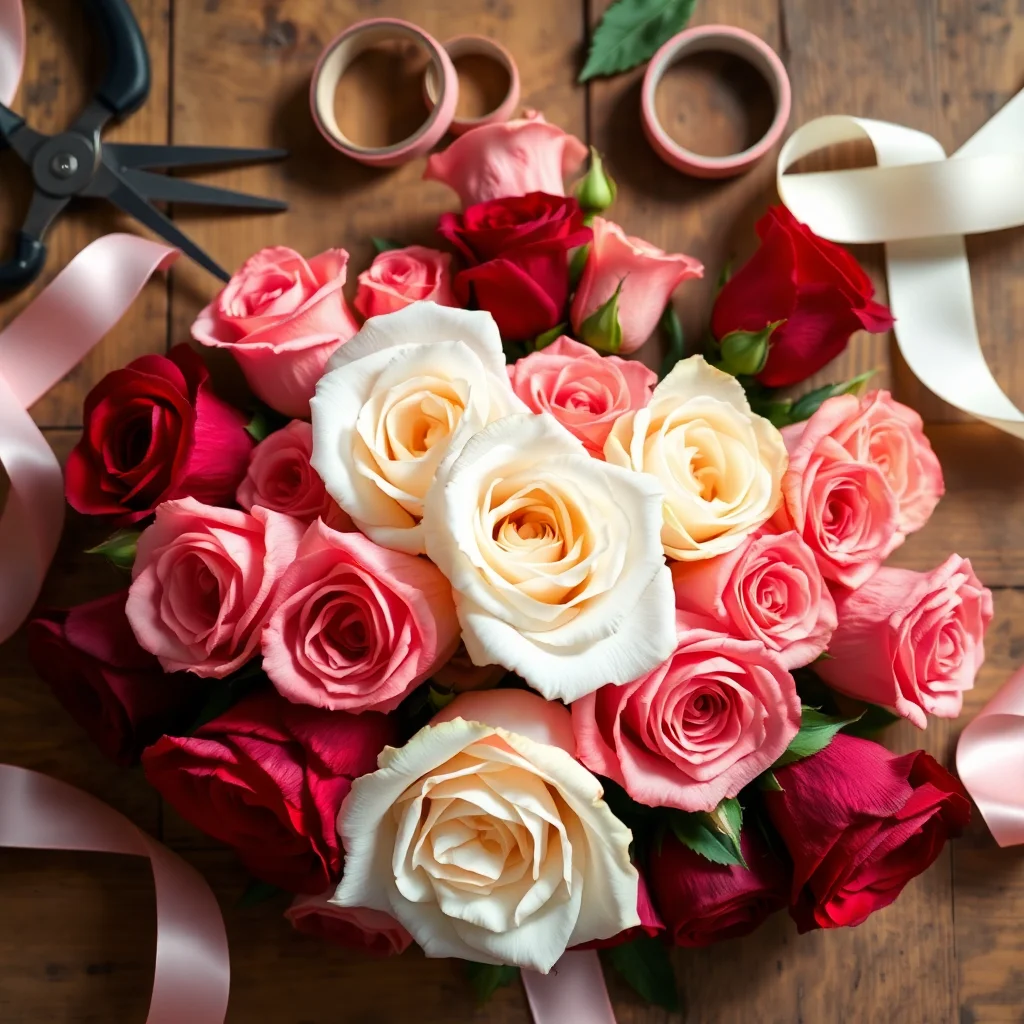
Premade rose bouquets can be a lifesaver for couples looking to save time and reduce stress while still achieving beautifully arranged wedding flowers. These pre-assembled bouquets are expertly designed and ready to use, making them an excellent option for those who may not have the time, expertise, or desire to create their own arrangements from scratch. They are especially practical for last-minute weddings or when unexpected changes occur, ensuring you have a dependable floral solution in place.
One of the key advantages of choosing a premade bouquet is the convenience it offers. Instead of worrying about purchasing, conditioning, and arranging flowers, you can focus on other important details of your wedding. Premade bouquets are typically crafted in classic and popular styles, ensuring a cohesive and timeless look that pairs well with most wedding themes. Furthermore, the quality and design expertise of premade options often rival those of custom creations handcrafted by florists.
However, premade bouquets are not limited to their original state; they can be easily personalized to reflect your unique vision. For a touch of individuality, you can add extra blooms to complement your wedding’s color palette or enhance the volume of the bouquet. Soft ribbons, lace, or decorative wraps around the bouquet’s handle can also be used to incorporate textures and tie it into your overall decor theme. These small additions allow you to transform a ready-made bouquet into something that feels distinctly yours.
By choosing premade rose bouquets, couples can enjoy a perfect balance of simplicity and elegance while minimizing the stress often associated with floral arrangements. Whether you use them as a backup plan or a primary choice, these bouquets provide a reliable and customizable solution for your big day.
Part 11 – How to Keep Roses Fresh for Your Wedding
Keeping roses fresh for your wedding day requires careful planning and attention to detail. With the right hydration methods, storage techniques, and preventive steps, you can ensure your roses remain vibrant and beautiful throughout your celebration. Here’s a guide to help you maintain their beauty.
Best Hydration Methods
Proper hydration is critical for fresh roses. Once you receive your flowers, immediately trim the stems at an angle to maximize water absorption and place them in a clean vase or container filled with fresh, lukewarm water. Adding floral preservatives to the water helps provide essential nutrients and prevent bacterial growth, further extending the lifespan of the roses. Change the water every one to two days to keep it clean and fresh, ensuring that your roses stay hydrated and lively before the big day.
Storing Roses Before the Wedding
Correct storage is another essential factor in preserving roses. Keep them in a cool, shaded area away from direct sunlight, heat sources, and drafts. If possible, store them in a refrigerator set to 34–36°F, the ideal temperature range for most flowers. However, be cautious not to store them alongside fruits, as fruits emit ethylene gas, which can cause roses to wilt prematurely. Gently cover the blooms with a breathable fabric or plastic wrap to protect their delicate petals from damage, and avoid overcrowding stems to ensure adequate airflow between them.
Preventing Wilting on the Big Day
On your wedding day, transport roses carefully by securing them upright in water-filled containers. To prevent wilting during the event, mist the petals lightly with water using a spray bottle, ensuring they stay hydrated without becoming overly saturated. Keep the roses in a cool place before arranging them in bouquets, centerpieces, or other displays. If your wedding is outdoors in warm weather, make sure to regularly check on the flowers and keep backups ready in case any blooms begin to fade. Working with a florist or having a dedicated team member manage the flowers on-site can help ensure their longevity throughout the day.
By following these steps, you can keep your roses looking pristine and stunning from the moment they arrive to the final moments of your celebration. This attention to detail ensures your floral arrangements contribute to the magical atmosphere of your wedding.
Conclusion & Final Tips
Planning your wedding flowers, especially when you’re handling them yourself, can be a rewarding and memorable experience. For DIY brides, remember that preparation is key. Start early, practice your arrangements ahead of time, and don’t be afraid to lean on resources or ask for help when needed. Trust in your creativity and vision—you know what best reflects your personality and story.
Choosing premium-quality blooms makes a significant difference, and sourcing from reliable suppliers will ensure your arrangements stand out. Whole Blossoms offers an incredible selection of bulk roses, perfect for bringing your dream floral designs to life. Explore their collection here. With a little planning, you can create stunning arrangements that elevate your entire event.
FAQ
1. How far in advance should I order my roses?
We recommend placing your order at least 3-4 weeks in advance to ensure availability.
2. When should I schedule my flowers to arrive?
Aim for delivery 2-3 days before your wedding to allow adequate time for hydration and arranging.
3. How can I keep my roses fresh on the wedding day?
Store them in a cool, shaded area with clean water and avoid direct sunlight or extreme temperatures.
By following these tips and trusting the process, your floral arrangements will bloom beautifully, creating unforgettable memories on your special day!