


 by
by 

Boutonnieres have long been a stylish and symbolic accessory in formal menswear, tracing back centuries to traditions of sophistication and elegance. The term “boutonniere” originates from the French word for buttonhole, as these floral adornments were traditionally worn through the lapel’s buttonhole of a jacket. Historically, boutonnieres symbolized refinement and were often worn to ward off evil spirits, adding an element of mysticism to their aesthetic appeal. Over time, they have evolved into a staple of formal occasions, such as weddings, proms, and galas, serving as a decorative accent that complements the wearer’s attire and underscores the significance of the event.
Properly pinning a boutonniere may seem like a small detail, but it is a crucial one. A well-placed boutonniere not only enhances the overall look but also ensures comfort and security throughout the event. An improperly pinned boutonniere can appear messy or fall out entirely, detracting from the elegance it is meant to contribute. Learning how to correctly position and secure this accessory reflects attention to detail and respect for tradition, making it a valuable skill for formal occasions.
This guide will walk you through everything you need to know about pinning a boutonniere, from selecting the right flowers to understanding the placement and pinning techniques. We’ll also share tips for ensuring your boutonniere stays in place and looks impeccable throughout the event. Whether you’re preparing for prom, a wedding, or another formal gathering, this guide will equip you with the knowledge to pin a boutonniere with confidence and style.

Part 1 – What Is a Boutonniere?
A boutonniere is a small floral arrangement traditionally worn by men at formal events, typically pinned to the lapel of a suit or jacket. The word “boutonniere” originates from the French word for “buttonhole,” reflecting its historical practice of being inserted into the buttonholes of jackets. Today, boutonnieres serve as a decorative accessory, adding a touch of elegance and a pop of color to formal attire.
The primary purpose of a boutonniere is to symbolize occasion and celebration. Historically, it also carried deeper meanings, such as protection against evil spirits or as a token of love and allegiance in romantic or ceremonial contexts. Over time, boutonnieres have transitioned from strictly traditional adornments to versatile and creative design elements that can reflect an individual’s personality or the theme of an event.
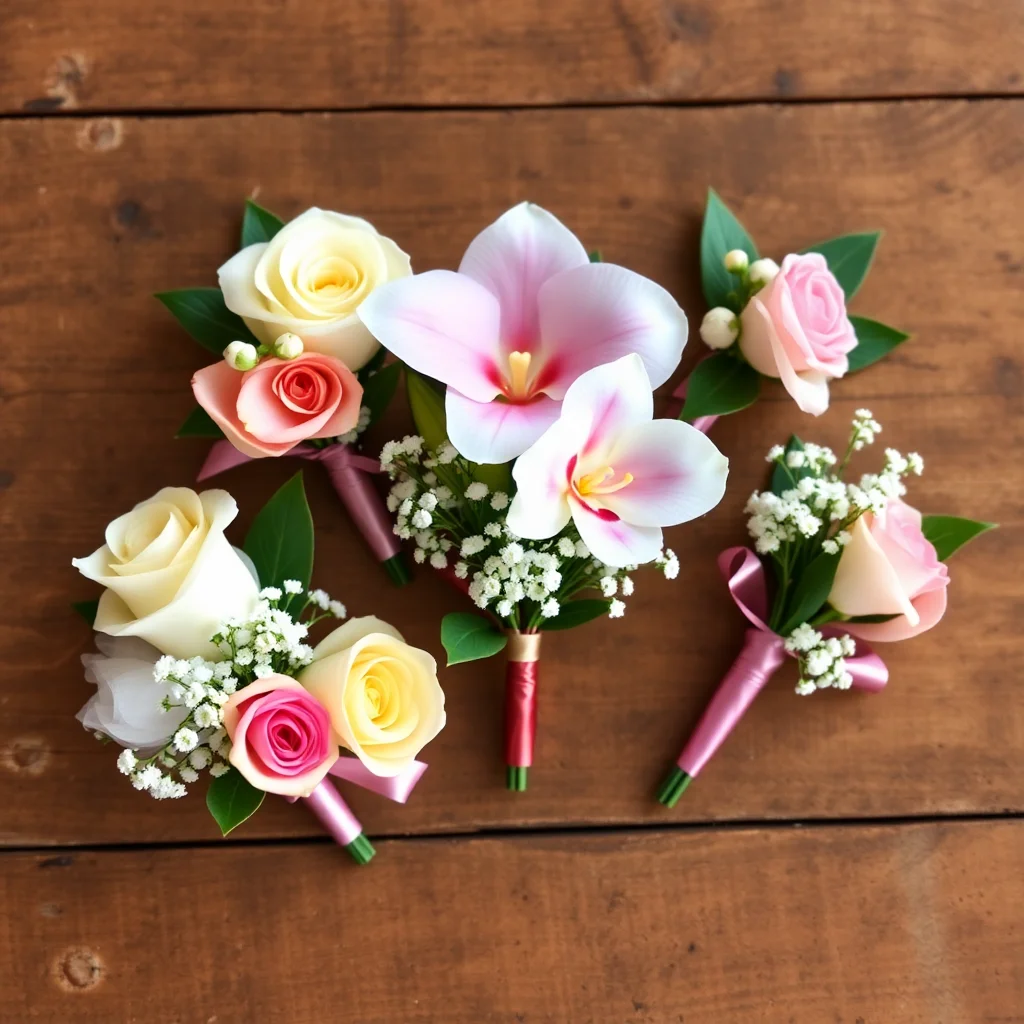
Traditionally, boutonnieres featured a single fresh flower, such as a rose, carnation, or lily, often accompanied by simple greenery like a sprig of baby’s breath. Modern styles, however, have embraced more diverse designs. These can include exotic flowers, succulents, dried plants, or even non-floral materials like feathers and fabric. Creativity and customization have transformed boutonnieres into unique statements rather than standard accessories.
Boutonnieres are commonly worn at events like weddings, proms, and formal galas. They are typically donned by grooms, groomsmen, prom dates, and other distinguished guests. Whether following tradition or opting for a contemporary twist, boutonnieres help to elevate formal wear and commemorate significant moments in style.
Part 2 – Essential Supplies You’ll Need
Creating a boutonniere requires a thoughtful selection of supplies to ensure it is both visually appealing and securely crafted. Here are the essential materials you’ll need:
- Boutonniere – The centerpiece of your boutonniere is, of course, the flowers. You can choose fresh flowers for their natural beauty and fragrance, or opt for artificial flowers for a longer-lasting option. Popular flower choices include roses, carnations, and baby’s breath, but don’t shy away from experimenting with unique options like succulents or seasonal blooms.
- Pins – To fasten the boutonniere securely to your attire, you’ll need pins. The two most common types are pixie pins and straight pins. Pixie pins are small and discreet, while straight pins are more traditional and provide extra support.
- Ribbon and Tape – Floral tape is essential for binding the stems together and providing a firm base. Ribbon, on the other hand, helps add a polished and decorative touch, concealing the floral tape and blending with your outfit’s color scheme.
- Scissors – A sharp pair of scissors is crucial for trimming stems and ribbon with precision. This ensures a neat, tidy finish that enhances the overall appearance of your boutonniere.
- Optional: Boutonniere Holder – For those seeking convenience, magnetic boutonniere holders are an excellent choice. They provide a secure, damage-free alternative to traditional pins, especially for delicate fabrics.
Having these supplies ready will make the boutonniere assembly process straightforward and enjoyable, allowing you to focus on crafting a thoughtful design.

Part 3 – Step-by-Step Guide: How to Pin a Boutonniere
Step 1: Choose the Right Boutonniere
Selecting the perfect boutonniere sets the foundation for a sophisticated and polished look. When choosing between DIY and premade options, consider the time and effort you’re willing to invest. DIY boutonnieres are excellent for custom designs that reflect personal style, while premade options offer convenience and professional craftsmanship.
The type of flower you select greatly impacts the boutonniere’s longevity. Long-lasting flowers, such as roses and carnations, are popular choices, as they maintain their fresh appearance throughout the event. Additionally, seasonal blooms can be incorporated to match the time of year or event setting.
Equally important is ensuring the boutonniere complements the event theme. For formal occasions like weddings, understated and elegant arrangements work well, while playful or vibrant designs may suit more casual gatherings. The right boutonniere should not only highlight the wearer’s attire but also seamlessly align with the event’s overall aesthetic.
Step 2: Preparing the Boutonniere
Once you’ve selected the right boutonniere, it’s time to prepare it for pinning. Start by trimming the stem to a length of 1.5 to 2 inches. This ensures the boutonniere sits neatly on the lapel without being bulky or heavy. Use sharp scissors or floral shears for clean cuts to avoid damaging the stem.
Next, reinforce the stem by wrapping it tightly with floral tape. This provides structure and prevents the stem from breaking or wilting during the event. Floral tape also helps secure any additional elements, such as greenery or filler flowers, in place. For added flair, you can wrap the stem with decorative ribbon over the floral tape. Choose a ribbon color that complements the flower and attire for a more cohesive and polished look.
Carefully double-check the arrangement, ensuring all elements are securely fastened and the boutonniere maintains its intended shape. Attention to these details during preparation simplifies the pinning process and enhances the boutonniere’s overall presentation.
Step 3: Positioning the Boutonniere on the Lapel
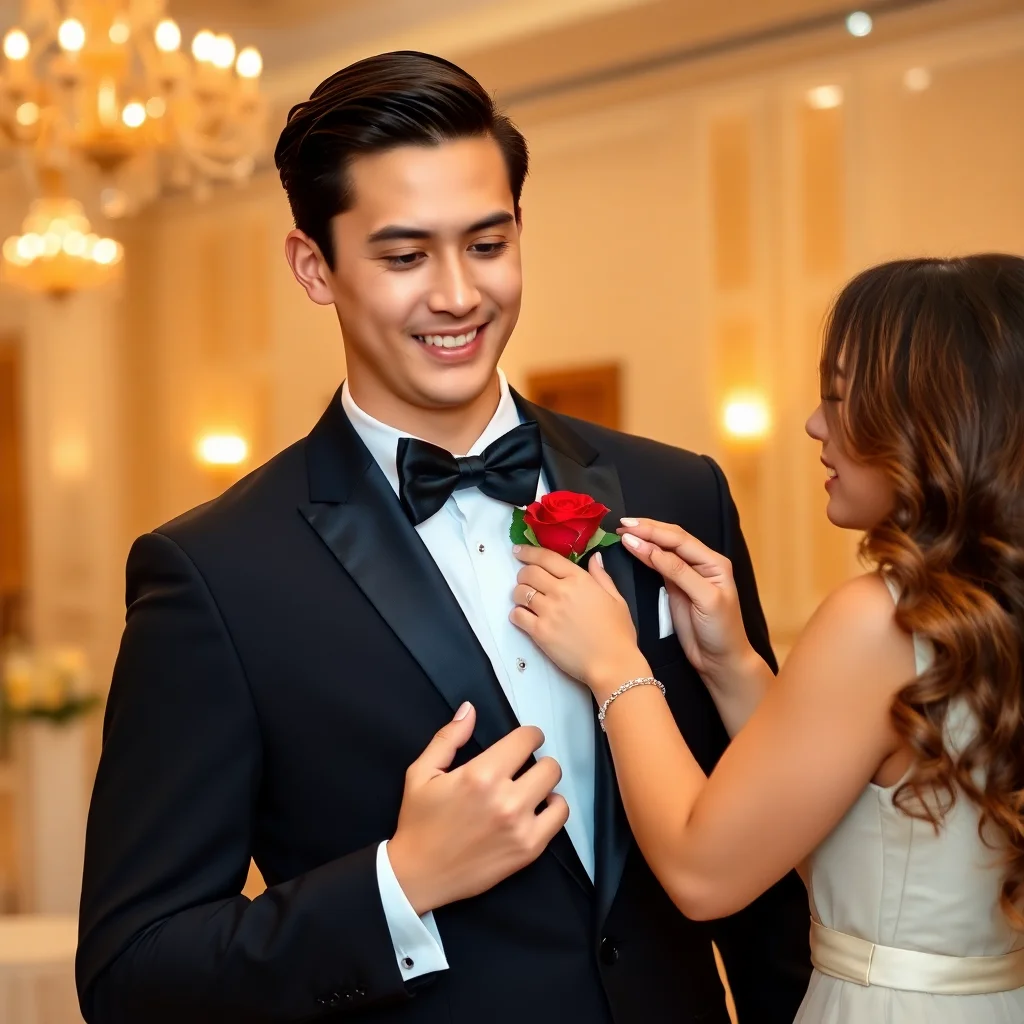
Correctly positioning the boutonniere is crucial for achieving a refined and balanced appearance. Traditionally, boutonnieres are worn on the left lapel, placed above the heart. Start by identifying the left side of the wearer’s jacket or suit, locating the top of the lapel as your reference point. If the lapel features a small buttonhole, known as a boutonniere loop, use it to guide placement. However, most lapels will not have this feature, requiring pins for secure attachment.
Position the boutonniere at a slight angle to follow the line of the lapel. The flower should face outward, away from the wearer, ensuring its beauty is fully visible. Orienting the boutonniere in this manner adds to its visual impact and elegance.
Take a moment to consider symmetry—placement that is too high or low can disrupt the overall look. A well-placed boutonniere should not extend beyond the shoulder line but remain close to the lapel’s centerline for balance. This thoughtful positioning ensures the boutonniere becomes an integral part of the wearer’s attire, contributing to a polished and harmonious appearance. Before pinning, double-check the positioning to guarantee optimal alignment with the lapel and jacket.

Step 4: Pinning the Boutonniere Securely
Properly pinning the boutonniere is the most critical step to ensure it stays secure throughout the event. There are several methods for pinning, each with its own advantages, depending on the design of the boutonniere and the wearer’s needs.
The Crisscross Pin Method
This is the most secure pinning technique and is ideal for heavier or larger boutonnieres. Start by inserting the first pin diagonally through the lapel from behind, passing it through the flower stem near the base. Angle the pin so that it enters the fabric at one side and exits on the opposite side in a crisscross pattern. Next, insert the second pin in the opposite direction, creating an “X” shape to lock the boutonniere in place. This method prevents shifting and ensures the boutonniere remains stable, even with significant movement.
Single-Pin Method
For lighter or minimalist boutonnieres, a single pin may suffice. Push the pin diagonally through the backside of the lapel, ensuring it pierces the flower stem. Angle the pin slightly upward to prevent the boutonniere from sagging. This method is quick and effective but works best for smaller arrangements.
Magnetic Boutonniere Option
Magnetic boutonniere holders are an innovative alternative to traditional pins. These holders have a small magnetic disk that sits behind the lapel, connecting to another magnet attached to the boutonniere stem. This method is gentle on delicate fabrics and eliminates the risk of puncture holes in the lapel. However, it may not offer the same stability as pinned options during vigorous movement or windy outdoor events.
Regardless of the chosen method, make sure the pins remain discreet, hidden behind the flower or lapel for a sleek appearance. Avoid common mistakes such as over-pinning, which can create bulk, or skewed placement, which undermines symmetry. Take your time to adjust the pins until the boutonniere feels secure and looks flawless.
Step 5: Stability Check & Final Adjustments
After pinning, perform a stability check to ensure the boutonniere is firmly secured. Gently tug the flower to test its attachment—if there is movement, add an additional pin or adjust the placement as needed. Pay special attention to the weight balance of the arrangement. Heavy flowers or decorations can cause the boutonniere to tilt, requiring reinforcement.
If the boutonniere feels loose, revisit your pinning technique. Check that the pins are inserted through both the lapel and the stem, as this creates a strong anchor point. Retighten the floral tape around the stem if necessary, as a stable base contributes to overall security.
Finally, make minor adjustments for comfort and aesthetics. Ensure the boutonniere lies flat against the lapel without protruding awkwardly. Confirm the angle and orientation of the flower, checking that it faces outward and aligns with the lapel’s slope. These final tweaks make all the difference in creating a polished and professional finish, ready for any special occasion. With stability and placement perfected, the boutonniere is guaranteed to stay in place and add a touch of timeless elegance.
Part 4 – The Most Common Mistakes & How to Avoid Them
When pinning a boutonniere, several common mistakes can detract from its appearance and stability. Understanding these pitfalls and knowing how to prevent them will ensure your boutonniere looks flawless for any occasion.
1. Pinning the Boutonniere Too Low
One of the most frequent errors is placing the boutonniere too low on the lapel. A boutonniere pinned too close to the chest can look awkward and draw attention away from the face, which is the focal point in formal attire. To avoid this, place the boutonniere slightly above the center of the lapel, near the left collarbone. This positioning ensures the boutonniere enhances the outfit without becoming a distraction.
2. Using the Wrong Type of Pin
Using an incorrect or low-quality pin can lead to instability and frustration. For best results, opt for a sharp, long pin designed specifically for securing boutonnieres. Avoid safety pins or shorter alternatives, as they may not provide the support needed to hold both the flower and the stem firmly in place. A proper boutonniere pin keeps the arrangement secure and discreetly blends into the fabric.
3. Not Securing the Stem Properly
An improperly secured stem can cause the boutonniere to shift, tilt, or fall apart throughout the day. This not only jeopardizes the overall look but can also damage the bloom itself. To prevent this, carefully thread the pin through the fabric in a way that holds the stem snugly against the lapel. It’s important to double-check that the stem feels firm and stable after pinning.
4. Overpinning, Making it Look Cluttered
Using too many pins, while well-intentioned, can create a cluttered, messy appearance. Excessive pinning can also damage the fabric of the lapel. To avoid overpinning, aim to use one or two pins at most, ensuring each is securely inserted. Strategically place the pins for maximum support with minimal visibility to maintain the boutonniere’s sleek, polished look.
5. Forgetting a Backup Pin
A backup pin is an essential part of boutonniere preparation, but it’s often overlooked. Pins can bend, break, or get lost, leaving you scrambling for a replacement at the last minute. Always carry an extra pin to the event to handle unforeseen mishaps seamlessly. Having a backup ensures confidence that the boutonniere will remain perfectly in place, no matter what.
By avoiding these common mistakes and following these simple tips, your boutonniere will stay secure, stylish, and elevate the overall effect of your formalwear. A properly pinned boutonniere is a small detail that makes a lasting impact.
Part 5 – Why Pinning a Boutonniere Correctly Matters
Pinning a boutonniere correctly goes beyond merely ensuring it stays in place—it’s a crucial component of achieving an elegant and polished appearance. The boutonniere is often one of the most noticeable elements of formal attire, setting the tone for the overall look. Positioned carefully on the lapel, it adds a touch of sophistication and highlights the attention to detail in personal style. An improperly pinned boutonniere, on the other hand, can appear sloppy or distractingly askew, diminishing the overall aesthetic. Proper pinning ensures the flower remains upright and visible, complementing the wearer’s suit and enhancing the visual balance of the ensemble.
Durability is another key reason why pinning a boutonniere the right way truly matters. Formal events can span several hours, involving everything from walking and dancing to dining and mingling. A securely pinned boutonniere is less likely to shift, wilt, or fall off during the event, allowing the wearer to focus on the occasion without worrying about adjusting their look. By attaching the boutonniere firmly and discreetly, you ensure it can endure the natural movements of the evening while staying pristine and elegant throughout.
Additionally, the boutonniere carries deep-rooted traditions and etiquette that elevate its importance at formal occasions. Historically, boutonnieres were worn as symbols of status, honor, or romantic connection. Even in modern times, the act of wearing and pinning a boutonniere correctly reflects respect for these traditions and the significance of the moment—whether it’s a wedding, prom, or a black-tie event. Properly positioning the boutonniere on the left lapel above the heart not only honors these customs but also demonstrates an understanding of formalwear etiquette, leaving a lasting impression.
Part 6 – Expert Tips for a Stress-Free Boutonniere Experience
Wearing a boutonniere can seem daunting at first, but with some preparation and a few expert tips, you can ensure a stress-free experience, no matter the occasion.
Practice Ahead of Time
One of the easiest ways to eliminate any last-minute stress is to practice pinning the boutonniere before the big event. Take a few minutes to familiarize yourself with the process. Learn how to hold the flower in place and secure it using the pin without damaging the fabric of the lapel or the boutonniere itself. A bit of rehearsing can help you feel confident when the time comes.
Always Have Extra Pins
It’s a good idea to carry a few extra pins with you. Pins might get misplaced or bent during the pinning process, and having spares on hand can save you from panic. Look for sturdy, high-quality pins that will securely hold the boutonniere in place without slipping or snagging on the fabric.
Use a Mirror
If you are self-pinning, using a mirror can make a world of difference. Position yourself in front of a mirror to ensure the boutonniere is correctly aligned and centered on the left lapel. This will allow you to adjust its placement for a neat and professional look.
Don’t Hesitate to Ask for Help
Sometimes, pinning a boutonniere can be tricky, even with practice. If you find yourself struggling, don’t hesitate to ask a friend, family member, or a professional to assist you. They can ensure the boutonniere is properly positioned and securely fastened, allowing you to focus on enjoying your event.
By following these simple yet effective tips, you can make the boutonniere process smooth and stress-free, adding a touch of elegance and tradition to any special occasion.
Part 7 – Boutonniere Styles & Trends for 2025
As we look ahead to 2025, boutonniere styles continue to evolve, blending timeless elegance with modern trends. Whether you prefer classic arrangements or bold, contemporary designs, there are options to suit every taste and occasion.
Classic Styles:
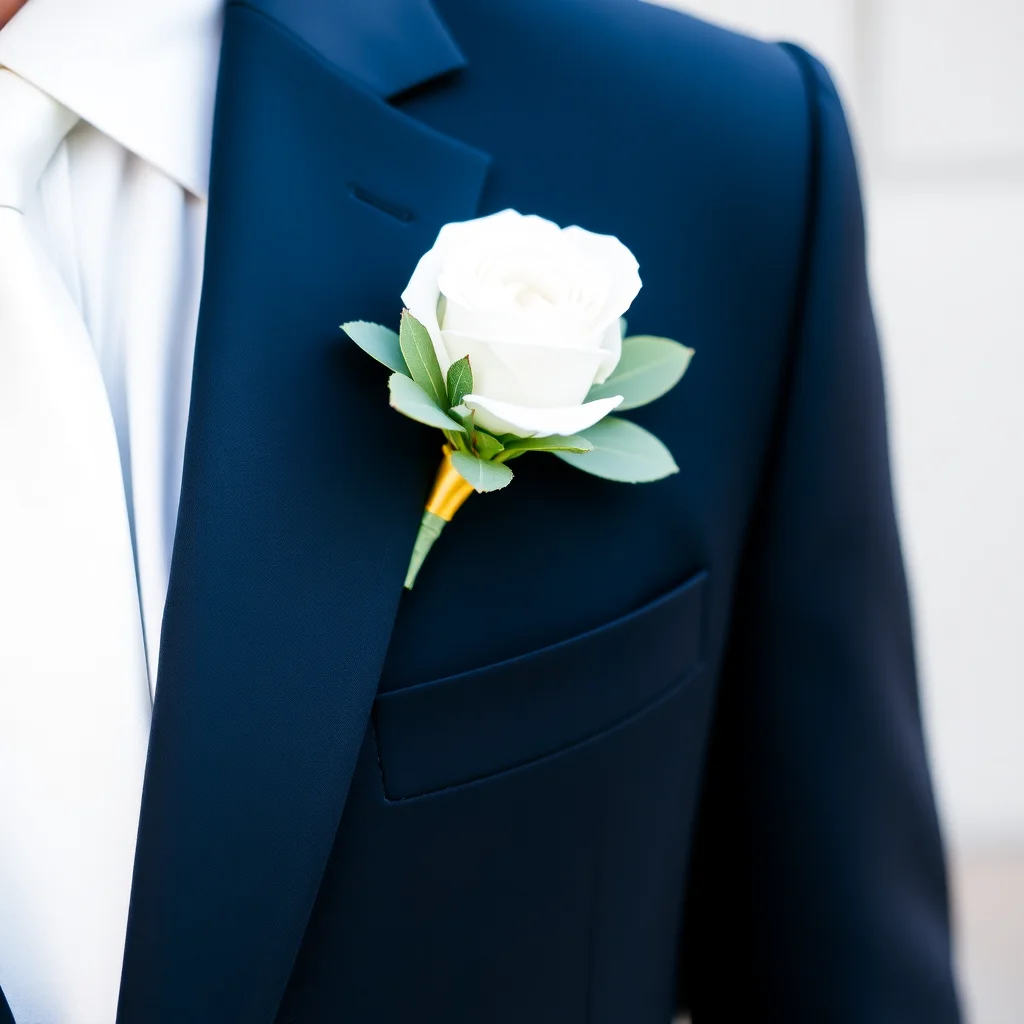
For those who appreciate tradition, classic boutonniere styles remain a popular choice. A single rose paired with delicate greenery, such as eucalyptus or baby’s breath, is a timeless combination. These designs exude sophistication and work well for formal events such as weddings or black-tie gatherings.
Modern Boutonnieres:
Modern trends bring creativity and uniqueness to the forefront of boutonniere design. Expect to see unconventional floral combinations, like succulents paired with orchids or wildflowers accented by dried grasses. These styles are ideal for individuals looking to make a subtle but distinctive statement, blending tradition with innovation.
Minimalist Look:
Minimalism is another key trend for 2025 that appeals to those who favor understated elegance. Think small, unassuming boutonnieres featuring a single bloom, such as a white ranunculus or an anemone, with minimal foliage. These designs are perfect for those who want their accessories to complement their outfit without overpowering it.
Bold Statement Boutonnieres:
On the other hand, bold statement boutonnieres cater to those who enjoy standing out. Expect oversized designs that showcase a burst of color, such as vibrant dahlias, peonies, or even tropical flowers. Accents like feathers, berries, and non-floral elements create a dramatic, avant-garde effect that turns heads.
Whether your style leans towards classic simplicity or daring innovation, the boutonniere trends for 2025 offer a wide variety of choices to help you express your individuality and complete your look with flair.
FAQs: Everything You Need to Know About Boutonnieres
How long will a boutonniere last?
A boutonniere typically lasts anywhere from 6 to 12 hours, depending on the type of flowers used and the conditions in which it’s worn. Hardy flowers like carnations or spray roses tend to last longer despite exposure to heat or lack of water. To ensure longevity, keep the boutonniere cool until it’s time to wear it, and avoid handling it excessively, as this can cause bruising or wilting.
Can you wear a boutonniere without a jacket?
Yes, you can absolutely wear a boutonniere without a jacket. If you’re opting for a more casual look, you can pin the boutonniere to a button-up shirt, typically on the left-hand side near the upper chest. Just ensure that the boutonniere is secured neatly and fits proportionally with the overall outfit to maintain a polished appearance.
What flowers work best for boutonnieres?
The best flowers for boutonnieres are those that are small, sturdy, and have a long-lasting appeal. Popular choices include roses, carnations, orchids, and ranunculus. For a unique touch, you can use unconventional blooms like succulents, billy balls, or dried flowers. Colors and styles should complement the event’s theme and your outfit, ensuring a cohesive look.
How to store boutonnieres before an event?
To preserve their freshness, store boutonnieres in a cool, humid place, such as a refrigerator. Make sure the flowers are not exposed to freezing temperatures or directly touching fruits, as the ethylene released by fruit can cause the blooms to wilt. Spraying the boutonniere lightly with water before storage can help retain moisture and keep it looking vibrant and fresh.
How do you remove a boutonniere properly?
Removing a boutonniere should be done with care to avoid damaging your outfit or the delicate blooms. Start by gently unfastening the pin or clip that secures it to your jacket or shirt. Hold the boutonniere by the stem, avoiding the petals to prevent bruising, and lift it off your garment. Be sure to store the boutonniere safely if you plan to keep it as a memento, or dispose of it respectfully after the event.
Conclusion
Correct boutonniere placement is key to showcasing both your style and attention to detail at any formal event. Ensuring it sits properly on your lapel and complements your outfit helps elevate your overall look, while securely fastening it prevents any mishaps during the event. This small accessory carries significant meaning, adding a touch of sophistication and charm to your attire.
Practice makes perfect when it comes to pinning a boutonniere, so don’t hesitate to give it a few tries before the big day. With a little patience and care, you’ll master this skill in no time. Most importantly, remember to enjoy the celebration and take pride in looking your best.
For those seeking convenience, consider exploring pre-arranged boutonniere options that offer effortless styling. These expertly crafted creations ensure a polished look with minimal effort, letting you focus on enjoying the event. Whether you’re attending a wedding, prom, or another special occasion, a boutonniere is a timeless accessory that embodies refinement and elegance.