


 by
by 
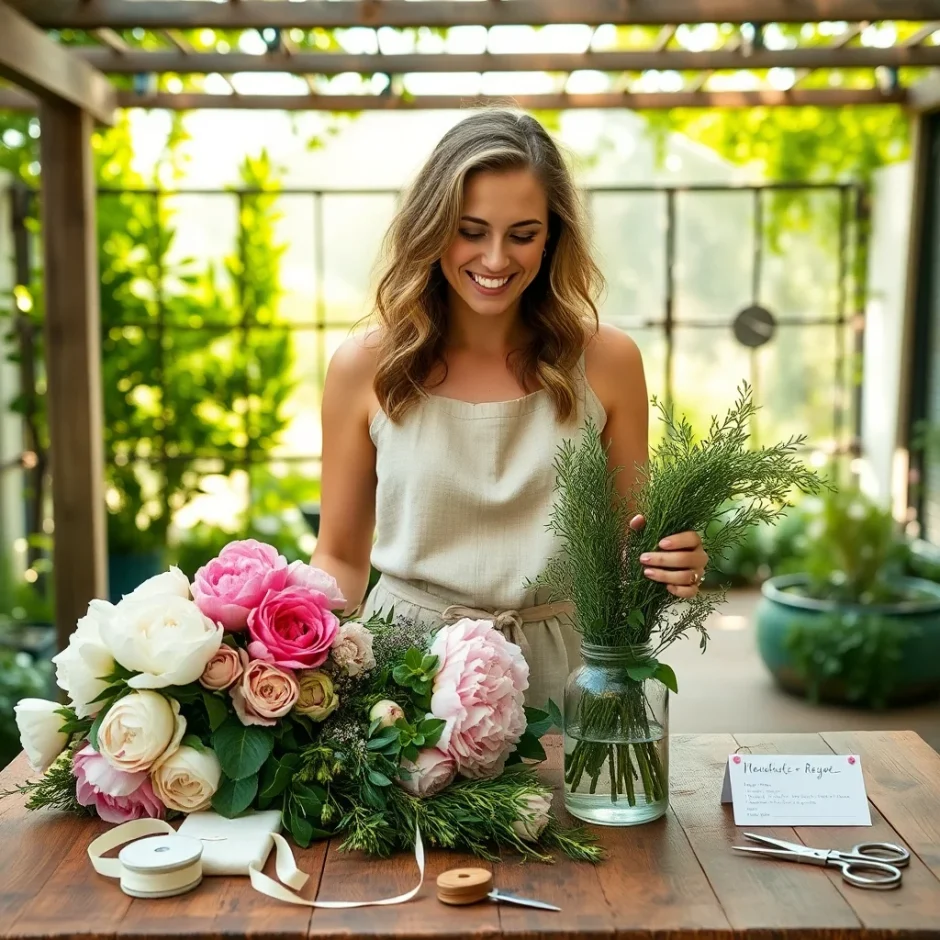
Introduction: Why Garden-Style Bouquets Are Trending
Loose. Asymmetrical. Overflowing with life. The garden-style bouquet has officially dethroned tight, uniform clusters of blooms—and for good reason. Brides and stylists alike are reaching for florals that echo the look of fresh-picked stems straight from the garden, artfully arranged with texture, movement, and grace.
Inspired by old-world English gardens and modern organic styling, these bouquets are known for their billowy silhouette, variety of textures, and unexpected elements like herbs, berries, or vines. They strike the perfect balance between being unstructured and elegantly composed—like a moment of nature frozen in time. Their effortless beauty feels romantic yet contemporary, making them ideal for weddings, events, and even casual home décor.
What sets garden-style bouquets apart is their ability to evoke emotion. The inclusion of trailing greenery or a sprig of lavender can make the arrangement feel personal, grounding it in natural beauty. Each bouquet tells a story, whether it’s a walk through a spring meadow or the timeless charm of a summer garden in full bloom.
In this guide, we’ll walk you through how to build a garden-style bouquet step-by-step, complete with an expert flower recipe featuring ranunculus, peonies, stock, and aromatic herbs. Whether you’re a bride seeking timeless elegance, a florist looking to expand your repertoire, or a DIY enthusiast ready to create something magical, this tutorial will teach you to craft a stunning arrangement that feels intentional yet wildly romantic.

Part 1 – What Is a Garden-Style Bouquet?
A garden-style bouquet is a floral arrangement defined by its natural, romantic aesthetic. Unlike more structured bouquet styles, it embraces a loose asymmetry where no two sides are exactly the same. This creates an organic flow that feels intentional yet untamed—a perfect representation of nature’s beauty. Several key elements characterize this design:
- Loose asymmetry: The bouquet achieves balance without being rigid or formulaic. Each angle offers a unique perspective.
- Textural layering: It incorporates flowers, greenery, and filler in varying heights to add depth and visual interest.
- Movement and flow: The arrangement feels airy and alive, with stems and blooms that seem to naturally dance together.
- Natural elements: Beyond traditional flowers, these bouquets often feature herbs, berries, branches, or even fruits to highlight a fresh-from-the-garden look.
These bouquets don’t scream perfection—they whisper elegance, making them ideal for a variety of occasions.

Occasions Perfect for Garden-Style Bouquets:
- Weddings: Whether rustic, vineyard, or backyard, garden-style bouquets perfectly suit the intimate charm of such settings.
- Styled Shoots and Editorials: Their artistic, loose forms make them visually captivating for photoshoots or creative projects.
- Mother’s Day and Anniversary Gifts: Their timeless warmth and personalized touches convey affection.
- Boho or Cottagecore Parties: These bouquets fit seamlessly with any relaxed yet sophisticated aesthetic.

Compared to round bouquets or posy styles, garden-style designs bring more visual storytelling. They appear spontaneous and unintentional—as if each bloom decided exactly where it wanted to live rather than being placed with strict order. This graceful unpredictability is what makes them so enchanting.
Chart – Key Traits of a Garden-Style Bouquet
| Trait | Description |
| Loose asymmetry | No identical sides; free-flowing balance. |
| Textural layering | Flowers and greenery arranged in varying heights. |
| Movement and flow | Light, airy arrangements that feel animated. |
| Natural elements | Includes herbs, berries, branches, or fruit for texture. |
By mastering the elements of garden-style bouquets, you can create an arrangement that tells its own story while perfectly complementing any occasion.

Part 2 – Gather Your Floral Ingredients – Flower Recipe
Before you begin crafting the perfect garden-style bouquet, it’s essential to start with the right mix of floral ingredients. These include feature flowers, supporting blooms, textural elements, and greenery. Each component plays an important role in bringing your arrangement to life, contributing to its overall aesthetic and energy.
🌹 Feature Flowers (3–5 stems)
Feature flowers are the stars of your arrangement, serving as the primary focal point. Select larger blooms with unique textures and vibrant colors to create impact and define the bouquet’s central theme.
- Peonies – Fluffy, romantic, and voluminous, peonies are often the centerpiece of garden-style arrangements. Their lush petals add an unmistakable charm.
- Garden Roses – With a classic and timeless beauty, garden roses can act as either feature flowers or as secondary accents, depending on your vision. They offer a soft, traditional appeal that pairs well with other elements.
🪻 Supporting Blooms (5–7 stems)
Supporting blooms help to build out the bouquet, creating density and texture. These smaller flowers complement and enhance the presence of your feature flowers without overpowering them.
- Ranunculus – Known for their intricate layers, ranunculus flowers add both density and softness to the arrangement. They’re available in a variety of colors, ensuring flexibility in your palette.
- Stock – Not only do these blooms provide soft structure, they also offer a delightful fragrance, enhancing the sensory experience of the bouquet.
🌿 Textural Elements (3–5 stems)
Textural elements bring dimension, depth, and character to your arrangement. These components often include delicate accents that provide contrast and interest.
- Waxflower or Astilbe – Light, airy, and soft, these blooms add subtle texture and a touch of whimsy.
- Herbs – Incorporating fresh herbs like rosemary, mint, or lavender not only adds charm but infuses a delightful scent into the bouquet, elevating its sensory appeal.

🌾 Filler & Greenery (5–7 stems)
No garden-style bouquet is complete without greenery. These elements create the framework for your arrangement, adding balance, movement, and a touch of nature.
- Seeded eucalyptus, olive branches, or lemon leaf – These versatile greens bring structure and soften the overall look with their organic shapes.
- Clematis vine or similar elements – Trailing vines add a whimsical and free-flowing quality, making your bouquet feel lush and dynamic.
Pro Tip: When selecting your stems, aim for a balance of different widths, shapes, and textures. This variation builds both structure and movement, resulting in a more natural and artistic arrangement.
✂️ Section 3: Tools & Prep – What You’ll Need
Creating a garden-style bouquet doesn’t require an elaborate setup or professional tools. With a few essentials and proper flower preparation, you’ll be ready to bring your floral vision to life.
Tools
- Floral clippers or garden shears – For clean and precise cuts, enabling flowers to better absorb water.
- Floral tape or twine – Essential for holding stems together during assembly.
- Ribbon or silk strips – Ideal for adding a polished, elegant finishing touch to your arrangement.
- Clean water and a vase – Use for staging your bouquet and keeping stems hydrated while you work.

Flower Prep
To ensure a long-lasting and vibrant bouquet, proper preparation of your flowers is key.
- Remove lower leaves – Strip foliage that will sit below the waterline to prevent rot and promote cleanliness.
- Trim stems at a 45° angle – This creates a larger surface area for water absorption and keeps the flowers fresh.
- Hydrate the stems – Place your flowers in cool water for 1–2 hours before arranging. This allows them to fully hydrate, ensuring they remain lively and full.
By gathering the right ingredients and preparing your tools and blooms, you set the stage for a stunning garden-style bouquet that feels effortless yet intentional.

Part 3 – Building the Bouquet Step-by-Step
Creating a beautiful garden-style bouquet can be a fulfilling and creative process. Each step below guides you through assembling an arrangement that highlights natural beauty and personal flair.
Step 1: Start with the Greenery Base
Begin by forming a foundation with greenery, such as eucalyptus or olive branches. Choose pieces that naturally arch to create a loose frame, emphasizing an organic and effortless look. The goal is to establish slight asymmetry, which adds visual interest and flow to your bouquet. Hold stems loosely in one hand, angling them slightly outward as you build. This base not only provides structure but also adds depth and texture, setting the stage for the vibrant blooms to follow. Aim for a balanced shape that feels natural, not overly manicured, to maintain the garden-inspired aesthetic.
Step 2: Insert Focal Flowers
Next, introduce your focal flowers, such as peonies or roses. Use about three to five stems, depending on the size of the bouquet. Position the first bloom near the center but slightly off-center to avoid a rigid, uniform look. Then, place the remaining flowers in a triangular arrangement, ensuring no two blooms are directly aligned. This creates a dynamic composition with depth and movement. Vary the angles of the stems slightly to keep the bouquet visually interesting.
Allow the petals of the focal flowers to shine by carefully removing surrounding leaves or thorns that crowd the arrangement. These focal flowers serve as the centerpiece of your bouquet, providing shape and drawing the eye. Their bold and vibrant presence contrasts beautifully with the greenery base, and their placement is crucial to achieving a natural yet intentional design.
Step 3: Add Supporting Flowers
Now it’s time to layer in supporting flowers, such as ranunculus or stock. These medium-sized blooms help bridge the gap between the greenery and the focal flowers, creating a seamless flow. Select a variety of colors and textures that complement the focal blooms while adding new dimensions to the arrangement.
Position some supporting flowers slightly forward to catch the eye, while allowing others to recede further into the bouquet for depth. Maintaining a variance in height is important—this creates a more natural, multi-dimensional look. Rotate the bouquet in your hand as you work to ensure all sides are balanced and harmonious. These supporting blooms form a critical part of the bouquet’s overall structure, adding richness and complexity as they blend with the focal flowers and greenery.
Step 4: Weave in Texture
To add detail and charm, incorporate textured elements like herbs (such as rosemary or sage) and smaller blooms like waxflowers. These additions soften edges, introduce delightful fragrance, and elevate the bouquet’s character. Allow some of these elements to dangle or spill slightly beyond the boundary of the arrangement to maintain a loose, organic appearance.
Texture plays a vital role in creating harmony and variety in your design. Mix shapes and sizes—for instance, pair the dainty blossoms of waxflowers with the broader, leafy structure of herbs. Consider the interplay between these textured pieces and the existing supporting flowers, ensuring they complement rather than overwhelm the arrangement. Thoughtfully weaving in texture brings the bouquet to life, adding intrigue and depth that naturally draw attention to your creation.
Step 5: Fill & Fluff
At this stage, use filler flowers, such as baby’s breath or astilbe, to complete your arrangement. These delicate and airy elements are perfect for plugging small gaps and softening transitions between larger blooms. Fillers contribute a light and whimsical feel, as though your bouquet was freshly gathered from a garden.
Carefully observe your bouquet from all angles to identify any empty spaces or areas that need more balance. Insert filler stems sparingly to avoid overcrowding, allowing the focal and supporting flowers to remain the stars of the show. Gently “fluff” the bouquet by adjusting positions of nearby greenery, flowers, and fillers to ensure a cohesive and full appearance. This step ties the arrangement together, creating harmony and reinforcing the garden-style aesthetic.
Step 6: Bind & Finish
Now that your arrangement has taken shape, secure the bouquet by tying the stems together with floral tape. Wrap the tape tightly around the stems to hold everything firmly in place. For a polished finish, trim the stems evenly across the bottom using sharp scissors or floral shears.
To add an elegant touch, wrap the stems in a ribbon or trailing silk, allowing the ends to cascade for added sophistication. If desired, personalize the bouquet by attaching a small charm, tag, or meaningful detail. With the final touches in place, your stunning garden-style bouquet is ready to be displayed or gifted.

Summary Chart
| Step | Key Elements | Key Tips |
| Step 1 | Greenery (eucalyptus, olive) | Keep asymmetry, build loose frame |
| Step 2 | Focal flowers (peonies, roses) | Off-center placement, triangular flow |
| Step 3 | Supporting flowers (ranunculus, stock) | Vary heights, balance sides |
| Step 4 | Textures (herbs, waxflowers) | Add fragrance, soften edges |
| Step 5 | Fillers (baby’s breath, astilbe) | Fill gaps, maintain light feel |
| Step 6 | Floral tape, ribbon, charms | Trim stems, add finishing details |
By following these steps and referencing the chart, creating a garden-style bouquet becomes an approachable and rewarding experience.

Part 4 – Color Palette Ideas for Garden-Style Bouquets
Choosing the right color palette is essential when designing a garden-style bouquet. The colors you select can convey specific moods, complement themes, and create a cohesive look for your event or arrangement. Below are some on-trend color palettes to inspire your bouquet designs, each offering a distinctive aesthetic and atmosphere:
| Color Palette | Description | Characteristics |
| Blush + Sage + Cream | Soft and classic, perfect for romantic occasions. | Features subtle tones that evoke elegance. |
| Terracotta + Mauve + Plum | Boho romance with a warm and earthy vibe. | Rich and moody, ideal for intimate settings. |
| Coral + Peach + Olive | A fresh look, great for transitioning seasons. | Bright and lively, evokes spring and summer. |
| Ivory + Dusty Blue + Fern | Elegant and timeless for a garden wedding setting. | Soft contrasts with a refined, airy feel. |
Each palette can influence not only your choice of flowers but also your ribbons, decorative elements, and overall presentation. For instance, pairing blush roses, sage eucalyptus, and cream ranunculus will create a timeless and graceful bouquet with an understated charm. Meanwhile, the terracotta and plum combination might include blooms like dahlias and roses, paired with mauve waxflowers for a contemporary bohemian touch.
Beyond flowers, incorporating complementary ribbon colors and textures will elevate your final design. For a romantic blush and sage palette, use soft silk ribbons for a dreamy finish. For bold palettes like coral and peach, consider velvet or linen ribbons to add texture and depth.
By aligning your floral selections with a curated color palette, you can ensure a harmonious and visually appealing arrangement that suits any occasion.

Part 5 – Styling Tips for the Big Day or Photoshoot
To keep your bouquet looking fresh and photo-ready, proper care and handling are essential. Store your bouquet in a cool room or a refrigerator prior to use. This ensures that the flowers remain vibrant and hydrated. Mist your arrangement lightly with water every few hours to maintain its freshness. If you need to transport your bouquet, place the stems in a water-filled mason jar or wrap them in damp paper towels to prevent wilting.
For photos, how you hold and position your bouquet can make all the difference. Aim to hold it at your belly button rather than up near your chest for a natural and relaxed look. When holding the bouquet, tilt it slightly forward to showcase the intricate layers and textures of the flowers. If your bouquet includes long, trailing ribbons, allow them to flow freely to add movement and create a soft, romantic aesthetic. These simple yet effective styling tips will ensure your bouquet remains a stunning focal point throughout the day and in every captured memory.
Part 6 – Custom Variations
Want to personalize your bouquet? The beauty of garden-style bouquets lies in their flexibility, allowing you to tailor them to fit your style, season, or theme. For a stunning fall arrangement, consider swapping peonies for dahlias, renowned for their bold colors and intricate shapes, and add dried grasses for a touch of texture and warmth. If you’re planning a spring-inspired bouquet, use soft and delicate blooms like lisianthus and sweet peas in place of ranunculus to capture the fresh, airy spirit of the season. For a rustic charm, incorporate unique elements such as hops, wheat stalks, or even small apples to evoke a cozy, countryside feel. Alternatively, if you’re aiming for luxurious elegance, layer in rare and exquisite flowers like hellebores or butterfly ranunculus to create a sophisticated and opulent centerpiece. Whatever your vision, garden-style bouquets adapt beautifully to reflect your individuality, making them a perfect choice for any celebration.

Part 7 – Common Mistakes to Avoid
Creating a stunning garden-style bouquet requires a balance of artistry and technique, but it’s easy to fall into a few common pitfalls along the way. To ensure your arrangement shines, avoid these rookie errors:
Symmetrical Arranging
Garden-style bouquets thrive on natural, free-flowing forms, so strict symmetry can make them appear rigid and artificial. This style calls for a touch of imbalance, mimicking the way flowers grow naturally. Aim to create a loose, organic silhouette where each bloom complements the others without feeling overly structured.
Overcrowding the Base
While a full, lush look is desirable, packing the base too tightly is a mistake. Overcrowding can stifle your arrangement and make it appear heavy or cluttered. Leave space for the flowers to breathe and for their beauty to truly stand out.
Too Much Greenery
Although greenery plays an essential supporting role in garden-style bouquets, using too much can overwhelm the arrangement and detract from the flowers themselves. Strive for a balance where the blooms remain the focal point, and greenery provides just the right amount of texture and depth.

Skipping Stem Prep
Failing to properly prepare your stems can lead to issues like drooping flowers or mold buildup in the water. Always trim stems at an angle and remove excess foliage below the waterline to keep your bouquet fresh and vibrant for longer.
Forgetting the Final Check
The beauty of a garden-style bouquet lies in its all-around appeal. Always preview your arrangement from every angle. A 360° spin ensures there are no empty spots, awkward gaps, or hidden blooms, allowing you to make adjustments and perfect your design.
By keeping these tips in mind, you’ll avoid common mistakes and create a bouquet that’s both visually stunning and uniquely yours.

Conclusion: Let Nature Be Your Guide
The beauty of a garden-style bouquet is in its imperfections. It’s a celebration of nature, spontaneity, and thoughtful chaos. Each arrangement tells a story, and it’s in the asymmetry and wildness that the true character of your creation shines through. Whether you’re preparing for your own wedding, styling an editorial, or simply playing florist for a day, this guide gives you the blueprint for creating floral art with soul. There’s no need for rigid rules—just a vision, a handful of beautiful blooms, and a heart ready to create.
Trust your instincts as you layer textures, play with colors, and experiment with form. Be inspired by the seasons and the flowers that bloom in your garden or local market. The beauty of these arrangements lies in their ability to evoke emotion and craftsmanship, all while honoring the charm of their natural origins.
Don’t hesitate, overthink, or strive for perfection. Instead, allow the flowers to speak for themselves. Grab your peonies and twine, find the joy in the process, and savor the moments of creativity. The garden is calling, and with every stem you place, you’ll bring its spirit to life.
Whole Blossoms has everything you need to create stunning floral arrangements that inspire and delight. Whether you’re planning an intimate gathering, a grand celebration, or simply looking to bring the beauty of nature into your home, we provide an extensive selection of fresh, vibrant blooms to suit any occasion. From delicate roses to bold sunflowers, unique fillers, and lush greenery, our variety ensures endless possibilities for your creative vision.
Shopping for flowers at Whole Blossoms is a seamless experience. Our website is carefully organized to make browsing effortless, with options to search by flower type, color, or event. We source premium blooms directly from farms, ensuring quality and freshness with each delivery. Plus, we offer wholesale pricing, allowing floral enthusiasts, DIYers, and professional designers to access bulk flowers affordably. Our commitment to excellence doesn’t stop at selection and service — we also provide a wealth of resources to help you achieve picture-perfect results, including design tutorials, arrangement ideas, and care tips.
At Whole Blossoms, we understand that flowers have the power to transform. Each stem carries a story, a sentiment, and an opportunity to connect with others or express yourself creatively. With our wide range of fresh flowers, foliage, and floral supplies, you’re equipped to make those moments even more meaningful. Whether you’re arranging a stunning bouquet, adorning a special event, or refreshing your living space, Whole Blossoms is here to help you every step of the way. Explore the joy of floral design and discover why thousands of customers trust us to deliver blooms that exceed their expectations. Start your floral adventure today and see how Whole Blossoms can help you bring your visions to life, stem by stem.